Maybe Later
Our verdict
On Serendipity Beach Road, Maybe Later occupies a stretch of Preah Sihanouk where the pace of the coast sets the terms for dining. The name signals something about the rhythm here: unhurried, open to wherever the afternoon goes. For a fuller picture of how Sihanoukville's dining scene sits within Cambodia's wider food story, see our Preah Sihanouk restaurants guide.
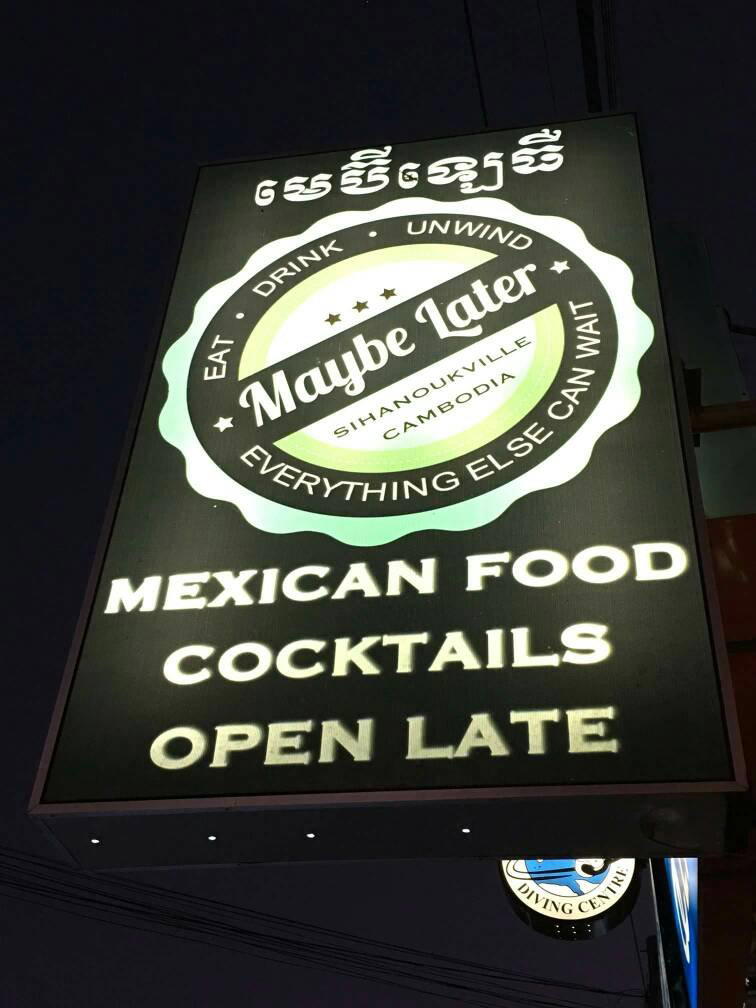
Serendipity Beach Road and the Rhythm of Coastal Cambodia
Preah Sihanouk has never been a quiet city, but Serendipity Beach Road operates on its own frequency. The strip runs parallel to the Gulf of Thailand and has, over the past decade, cycled through waves of development, demolition, and reinvention faster than most Southeast Asian beach towns of comparable size. What remains consistent is the kind of informal, open-air dining culture that the coast demands: food that answers to heat and humidity, ingredients that arrive from nearby water and soil, and a crowd that ranges from long-stay travellers to Cambodians on weekend retreat from Phnom Penh. Maybe Later sits on this road, and the name alone positions it within that unhurried coastal tradition rather than against it.
This is not the Cambodia of formal Khmer banquet halls or the carefully reconstructed heritage dining of Siem Reap. Venues like Cuisine Wat Damnak in Siem Reap or the Amansara Resort Dining Room represent a more considered, archivally-minded approach to Cambodian cuisine. Coastal Sihanoukville operates differently: the reference points are catch-of-the-day pragmatism, beachside smoke, and the kind of menu flexibility that comes from sourcing what the morning brought in rather than what a fixed concept demands. For a broader orientation, our full Preah Sihanouk restaurants guide maps how this strip sits within the city's wider food geography.
Ingredient Logic on the Gulf Coast
The ingredient story in coastal Cambodia is inseparable from geography. The Gulf of Thailand produces a different catch profile than the Tonle Sap lake system that defines much of inland Cambodian cooking. Here, the emphasis shifts toward saltwater species: squid, crab, snapper, and shrimp that move through local markets in volumes that make freshness less a marketing claim and more a baseline condition. The distance between boat and plate on Serendipity Beach Road is measurable in city blocks rather than supply-chain hours.
This sourcing reality matters because it shapes what a place like Maybe Later can credibly offer. Across Southeast Asia's beach-adjacent dining scene, the venues that hold up over time are generally the ones that work within the logic of their location rather than importing a fixed concept onto it. The best-regarded spots in comparable coastal settings, from southern Thailand's Andaman coast to Vietnam's Ha Long Bay perimeter, share this characteristic: they price and program around what the local supply can actually deliver, day to day. Cambodia's southern coast has the additional advantage of relatively lower fishing pressure than its regional neighbours, which means the variety and volume of what arrives at market remains wide.
For a counterpoint on how Cambodian cuisine engages with ingredient sourcing from a different angle, Jaan Bai Restaurant in Battambang applies a social enterprise model to local procurement, while HAVEN in Sala Kamreuk Sangkat ties its sourcing to culinary training programmes. Both represent the more structured end of Cambodia's ingredient-conscious dining spectrum.
Atmosphere and What the Address Implies
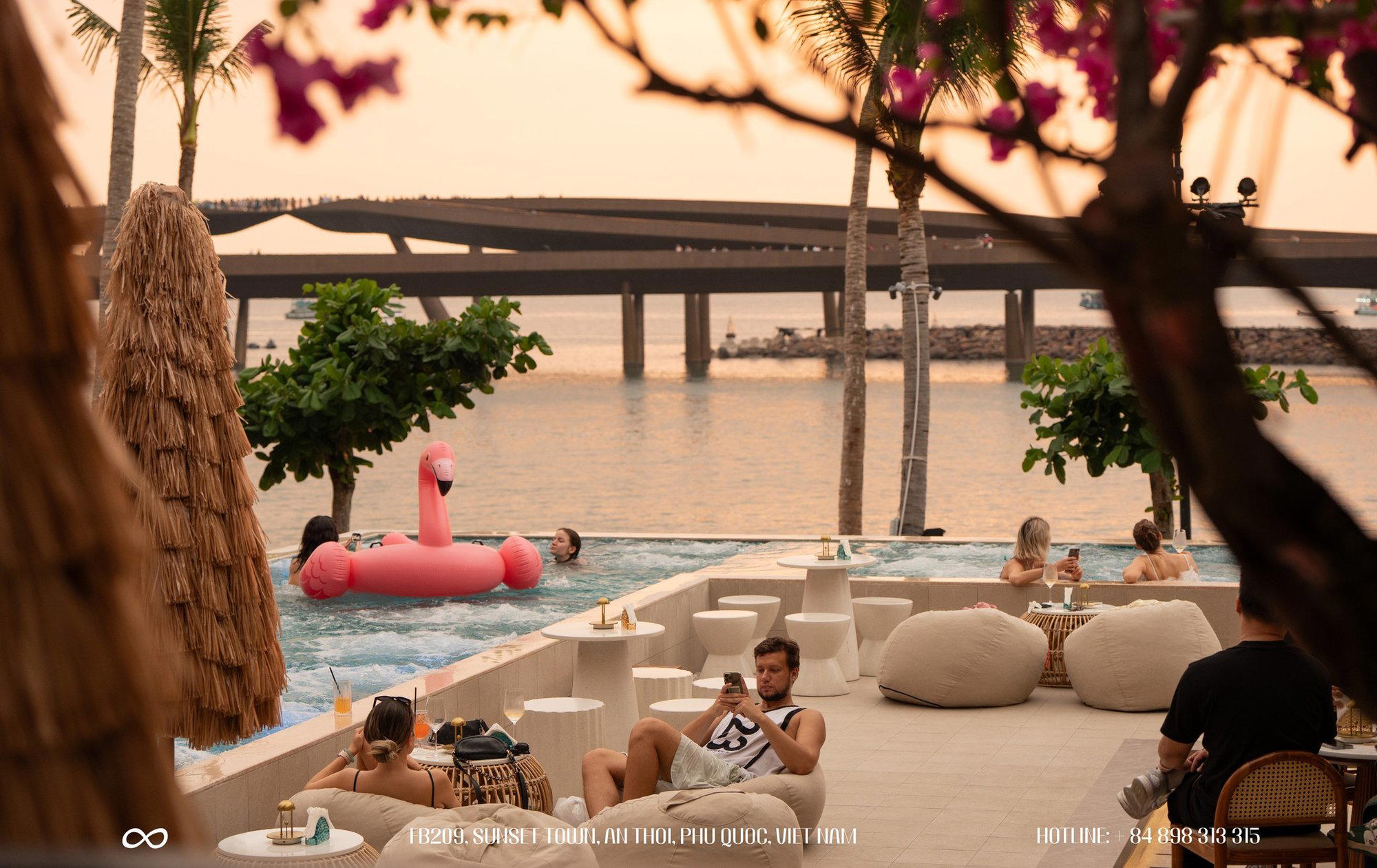
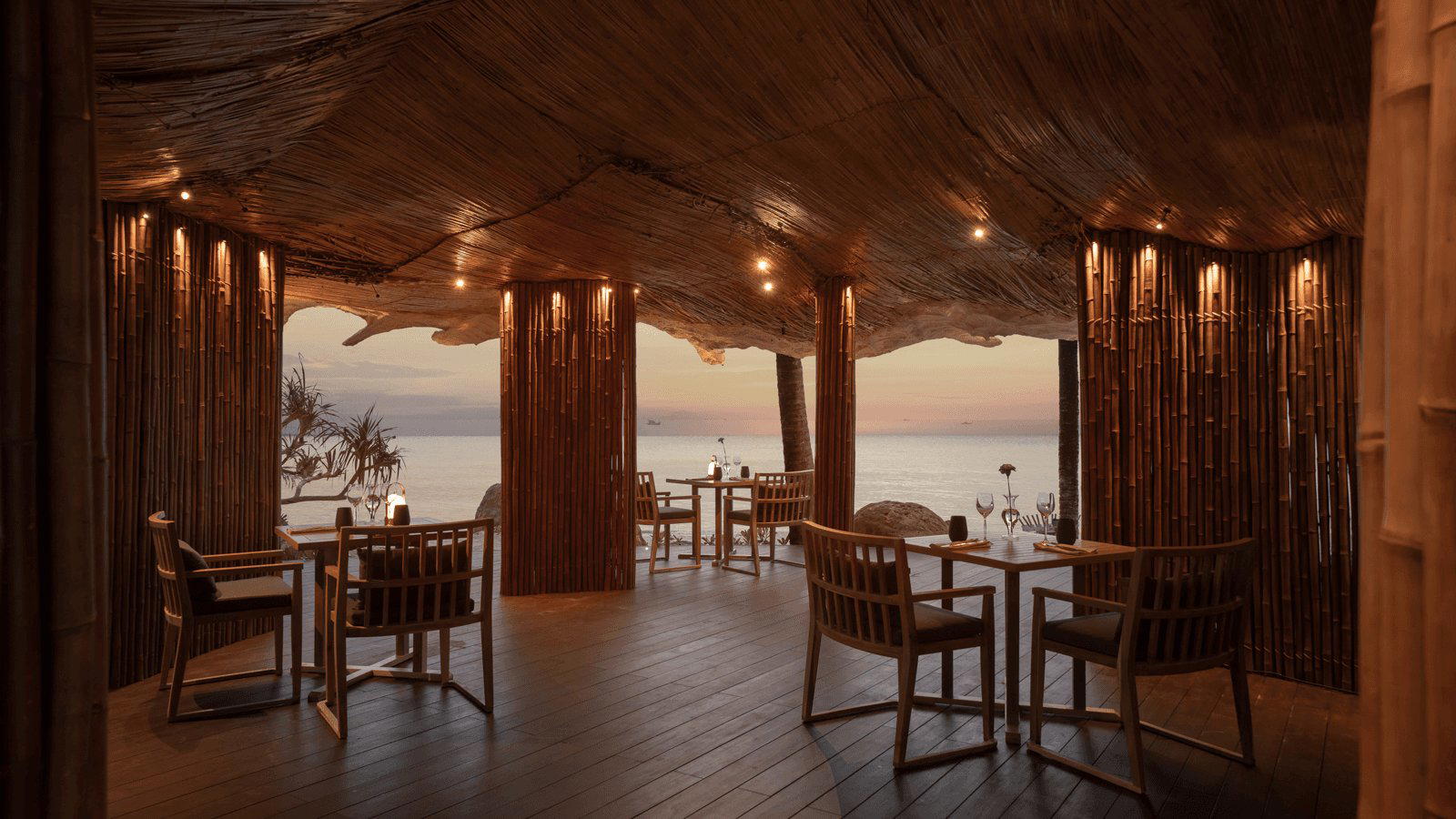
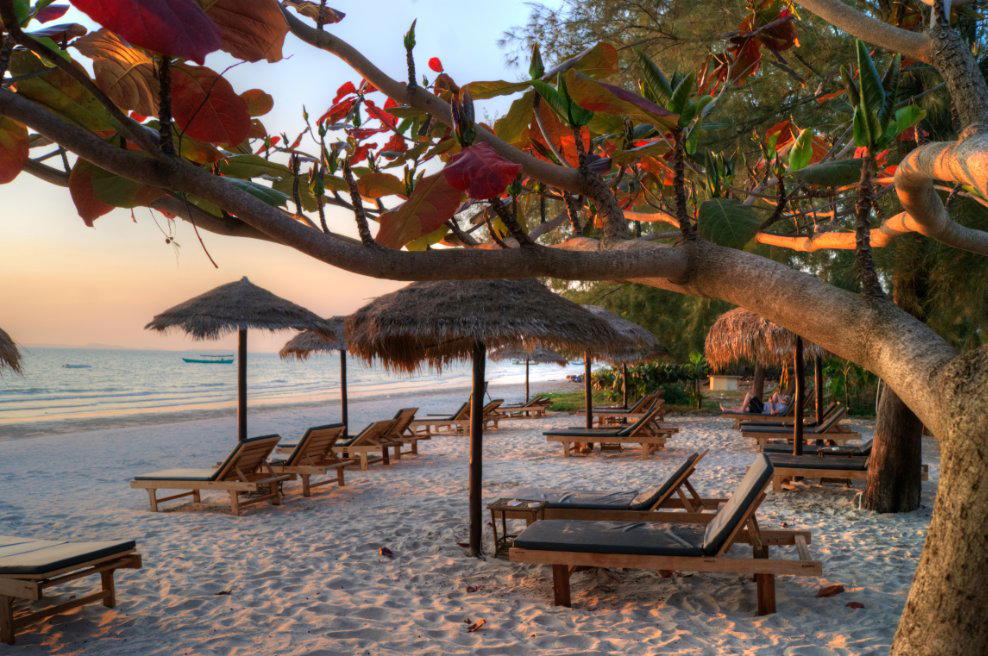
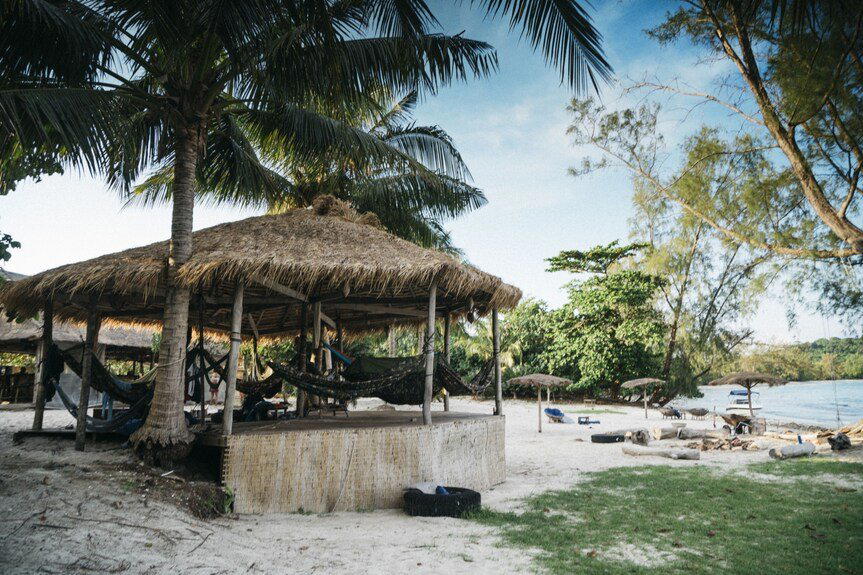
Serendipity Beach Road addresses carry specific atmospheric expectations. Open sides or covered terraces that catch sea air, lighting calibrated for evenings that start at sundown and extend well past it, and a general tolerance for barefoot arrivals are table stakes for this strip. The social function of dining here is as much about the extended evening as the meal itself, which shapes everything from table spacing to how staff pace service.
Internationally, the analogy that holds is not the white-tablecloth coastal restaurant but something closer to the relaxed-authority end of the beach-bar-to-restaurant spectrum: venues where the informality is structural, not accidental, and where the sourcing rigour sits beneath a surface that reads as easygoing. Places like Lazy Bear in San Francisco or Emeril's in New Orleans demonstrate how different registers of the hospitality spectrum can carry serious ingredient commitments without performing seriousness in every visual detail. On Serendipity Beach Road, the casual register is load-bearing, not decorative.
Cambodia's southern coast also attracts a different visitor profile than Siem Reap or Phnom Penh. The crowd skews younger and longer-stay, which means the most durable venues are those that work as places to return to across multiple evenings rather than once-per-trip destinations. That repeat-visit dynamic tends to reward menus with enough range to hold interest across several sittings.
Where Maybe Later Sits in the Cambodia Dining Conversation
Cambodia's dining scene has developed unevenly across the country. Phnom Penh carries the country's most formal tier, anchored by spots like Le Royal at The Raffles and the French-Cambodian hybrid tradition it represents. Siem Reap has developed a mid-to-upper register built around heritage tourism, with Lum Orng Restaurant and Bayon Pastry School representing different approaches to how Cambodian food culture can be interpreted for an international audience.
Preah Sihanouk sits outside that heritage-driven frame. The city's dining culture is more transient, more international in its street-level mix, and more responsive to what the coast produces. Venues like Shinta Mani Wild in Kampong Seila demonstrate how the wider region around Sihanoukville can support a higher-concept approach to local sourcing, but that is a different model from what the beachfront strip offers. Maybe Later operates in the latter context, where the measure of quality is freshness and timing rather than technique and formality.
For readers comparing this end of the Cambodia experience to the structured fine dining that dominates global lists, venues like Le Bernardin in New York City, Atomix, or HAJIME in Osaka represent the opposite pole of the sourcing-to-table spectrum: maximum control, documented provenance, extended tasting formats. Serendipity Beach Road works differently, and understanding that distinction is the first step to arriving with the right expectations.
Planning a Visit
Maybe Later is located on Serendipity Beach Road in Preah Sihanouk, Cambodia's primary southern coastal city. The road is accessible from the town centre and runs along the beachfront, making it walkable from most accommodation in the immediate area. As with much of Sihanoukville's beach strip, the venue is leading approached in the late afternoon or evening when the coastal light and temperature make outdoor or semi-open dining comfortable. Given the sparse publicly available data on booking arrangements, hours, and pricing, the most reliable approach is to check locally on arrival or consult recent traveller reports. Sihanoukville's beach strip does not generally require advance reservations at the informal end of the market, though this can shift during peak season months, typically November through February when the dry season draws larger visitor numbers to Cambodia's coast.
Frequently asked questions
Would Maybe Later be comfortable with kids?
Serendipity Beach Road in Preah Sihanouk runs predominantly open-air and informal, which suits families better than white-tablecloth settings. Most venues along this strip operate with relaxed floor plans and ambient noise levels that absorb the unpredictability of travelling with children. Nothing in the address suggests a format that would be hostile to families.
What is the atmosphere like at Maybe Later?
The Serendipity Beach Road address in Preah Sihanouk places Maybe Later within a coastal strip defined by sea air, informal seating, and the ambient rhythm of a working beachfront. The road draws a mixed crowd of travellers and locals, and venues here typically run at a relaxed pace rather than a structured dining-room tempo. Expect the register of a beach-adjacent hangout rather than a formal restaurant.
Is Maybe Later on Serendipity Beach Road easy to find for first-time visitors to Preah Sihanouk?
The address on Serendipity Beach Road puts Maybe Later on Preah Sihanouk's most-trafficked coastal strip, which runs parallel to the Gulf of Thailand and is accessible from the town centre without requiring a vehicle. The road is a reference point most tuk-tuk drivers in Sihanoukville know by name. No website or phone listing is currently verified for the venue, so arriving in person or asking locally is the most reliable approach.
What do people recommend at Maybe Later?
No verified dish-level recommendations are. Along Serendipity Beach Road, the broader pattern leans toward fresh Gulf of Thailand seafood and casual plates that match the open-air setting. Ordering around the day's catch is a reasonable approach at most coastal spots in Preah Sihanouk.
Quick Comparison
| Venue | Cuisine | Price | Awards | Notes |
|---|---|---|---|---|
| Maybe LaterThis venue (the venue you are viewing) | Mexican | Not listed | Not listed | Not listed |
| Cuisine Wat Damnak | Modern Cambodian Fusion | $30–50 | Not listed | Cambodian |
| Malis | Modern Cambodian Fine Dining | $30–50 | Not listed | Cambodian |
| Le Royal at The Raffles | Modern Khmer & French Fine Dining | $50–100 | La Liste Top Restaurants | French Cambodian |
| Bayon Pastry School | French Pastry & Bakery Cafe | $1–10 | Not listed | Not listed |
| Chanrey Tree | Traditional Khmer Cuisine | $10–20 | Not listed | Not listed |
Continue exploring
More in Preah Sihanouk
Restaurants in Preah Sihanouk
Browse all →
Bars in Preah Sihanouk
Browse all →
Details
- Trendy
- Casual Hangout
- Street Scene
- A La Carte