

Michelin Selected · Small Luxury Hotels of the World Member
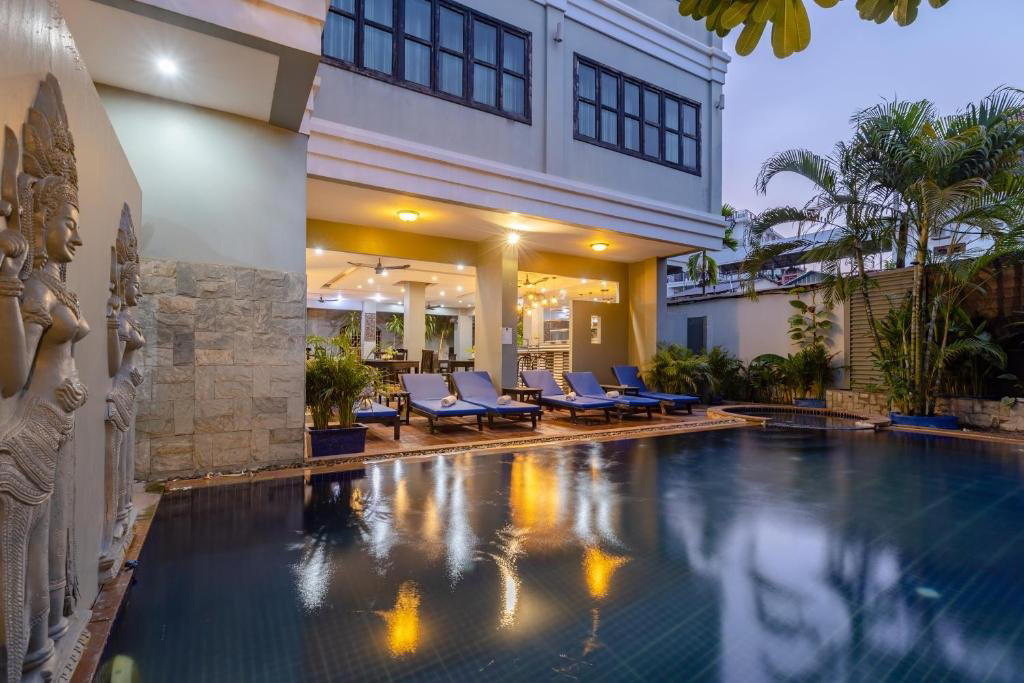
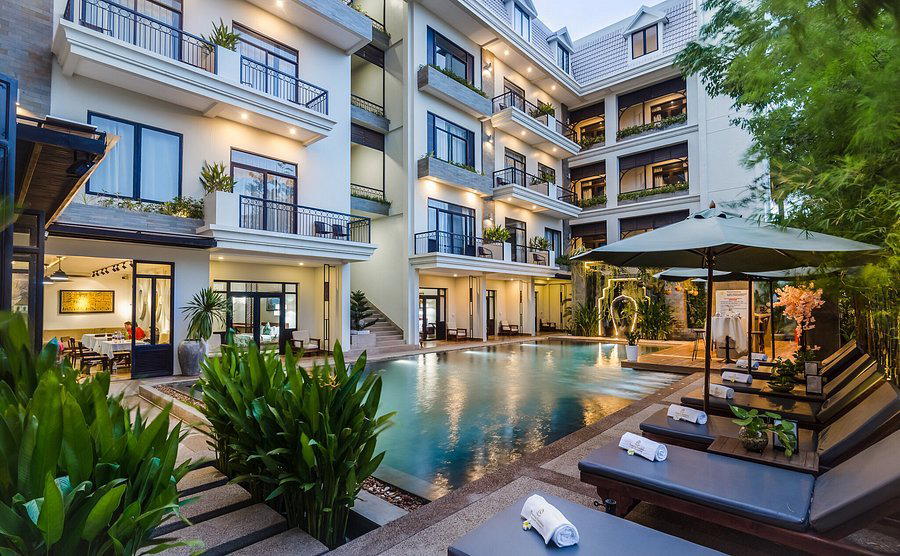
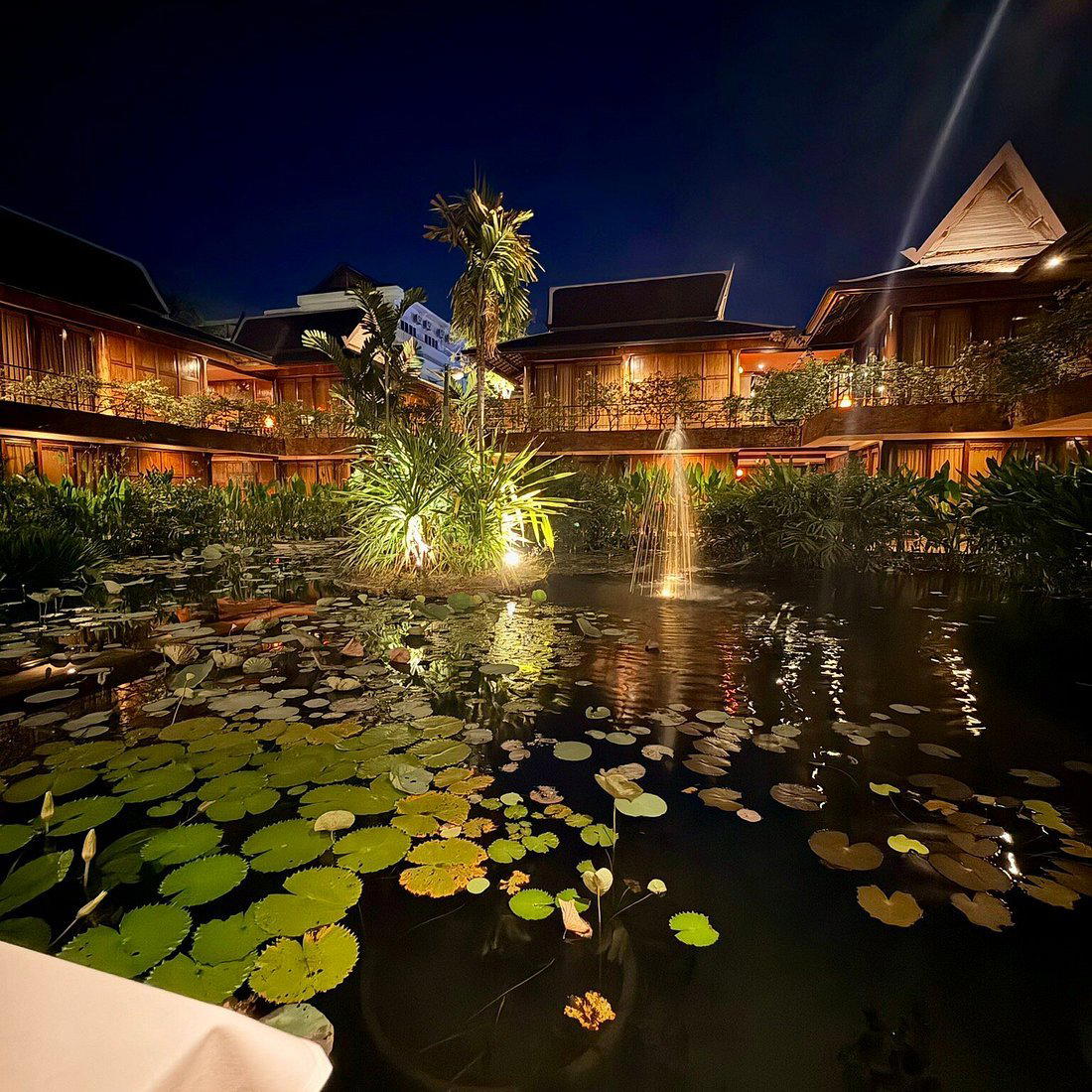
On Wat Bo Road in Siem Reap's quieter residential quarter, Angkor Village Hotel occupies traditional Khmer-style wooden pavilions set within tropical gardens. The property positions itself at the intersection of cultural authenticity and modern comfort, drawing guests who want proximity to Angkor's temples without the noise of Pub Street. A tuk-tuk ride connects it to the city's main sites in minutes.

Pearl is the En Primeur Club membership app — saves, bookings, and concierge access live there. Same editors, same standards.
- Address
- Street 26, Wat Bo Road, Wat Bo Village, Sangkat Sala Kamreuk, Siem Reap, 17254, Cambodia
- Phone
- +85563965561
- Website
- angkorvillage.com
- Directions
- Get directions
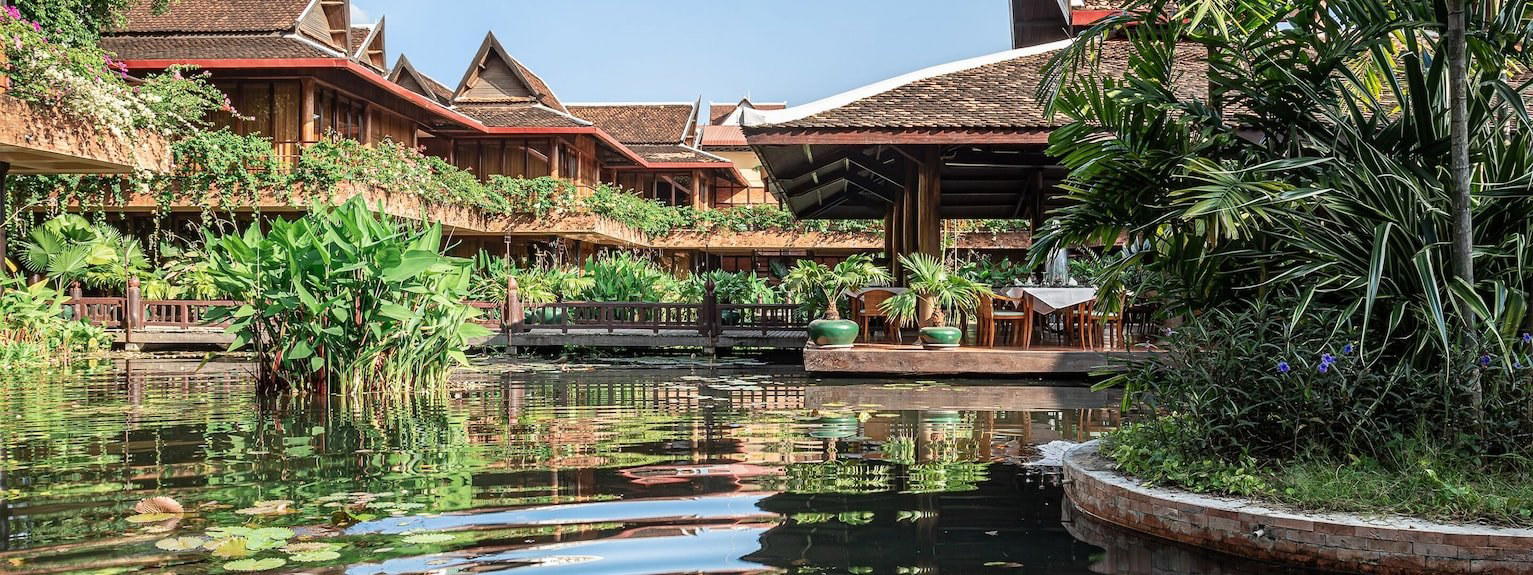
Where Siem Reap Slows Down
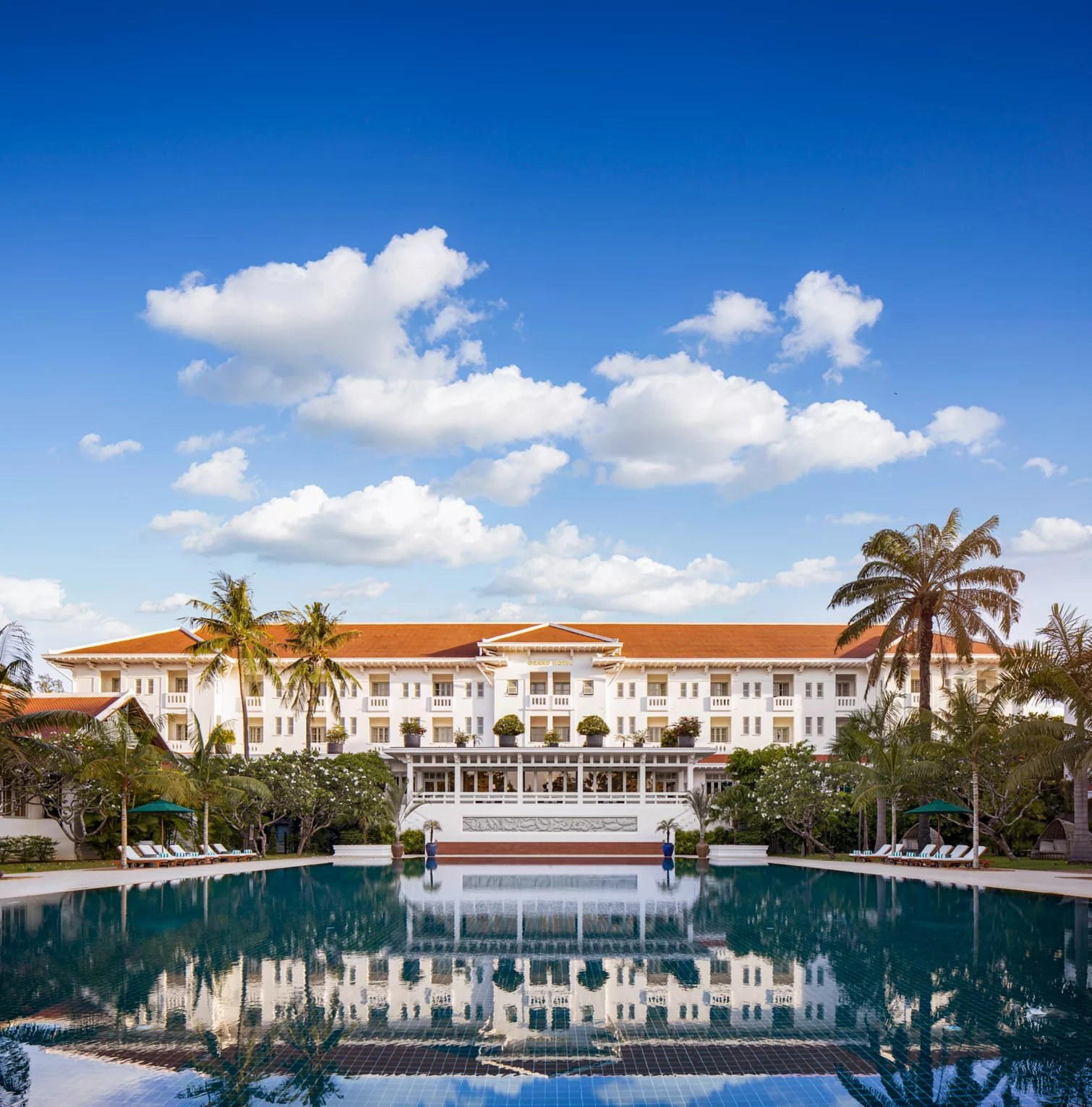
Siem Reap's hotel stock has diversified sharply over the past two decades. At one end sits the ultra-luxury tier: properties like Amansara and Raffles Grand Hotel d'Angkor, where history and international brand equity command the highest room rates in the market. At the other, a growing crop of design-conscious boutique properties has emerged, many in the Wat Bo neighbourhood, where colonial-era quiet and tree-lined streets offer a different kind of arrival experience. Angkor Village Hotel belongs to this second category: a property whose architectural identity and garden setting do much of the work before a guest has unpacked a bag.
Wat Bo Road has become one of Siem Reap's more considered addresses for travellers who want cultural proximity without the noise gradient that rises steadily as you approach Pub Street. The street is walkable, the neighbourhood retains a residential character, and the scale of properties along it tends toward the human rather than the monumental. Within that context, Angkor Village Hotel reads as a place that has thought carefully about what it means to be Cambodian in its construction and hospitality language, not just its decorative choices.
Khmer Architecture as a Guest Experience
Across Southeast Asia, the tension between international-hotel standardisation and locally rooted design has produced two distinct schools of luxury. The first grafts regional materials onto globally familiar room formats. The second builds around vernacular architecture as a structural commitment, accepting that the resulting spaces will feel less familiar and more specific. Angkor Village Hotel positions itself in the second camp, with traditional Khmer wooden pavilion construction that shapes how light moves through the property, how sound behaves, and how the gardens and built environment relate to each other.
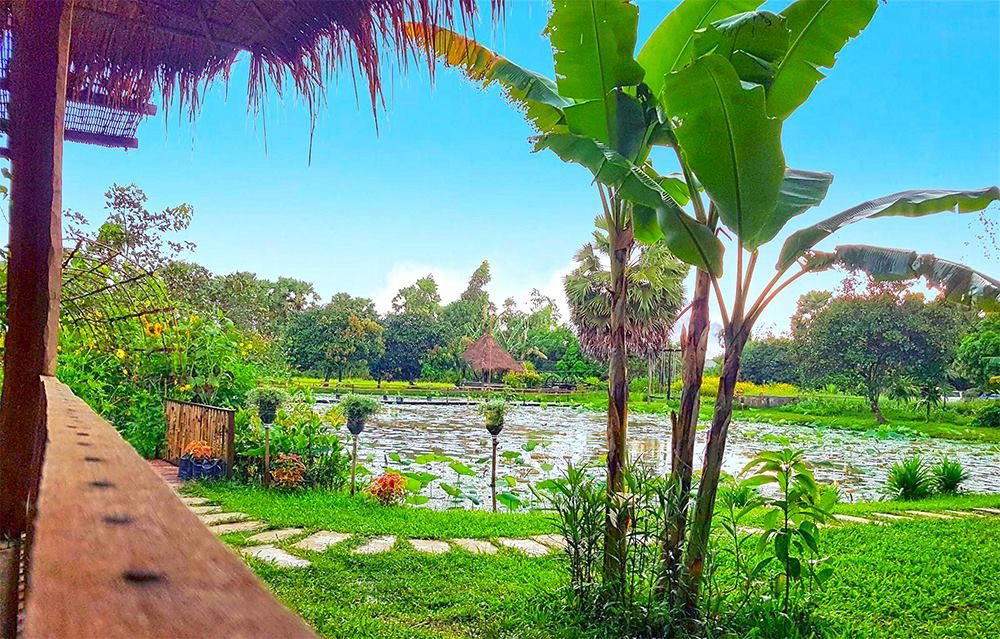
This architectural approach has a practical dimension that matters for guests arriving from long-haul flights. Wooden pavilion buildings in tropical gardens produce a different thermal and acoustic environment than concrete hotel blocks. Rooms are quieter in the way that materials absorb rather than reflect sound. The gardens act as both buffer and environment, meaning the hotel's public spaces read as extensions of the surrounding vegetation rather than interruptions of it. For travellers whose reference points are properties like Sala Lodges or Shinta Mani Angkor and Bensley Collection Pool Villas, the Angkor Village proposition sits in recognisable territory: design-led, culture-forward, smaller in scale than the international chain properties.
Service Framed by Place
Cambodia's hospitality culture has a particular character that differs from Thailand's more globally familiar service model. It tends toward the personal and the contextual rather than the procedural, and at its finest it carries a genuine curiosity about the guest rather than a scripted welcome. Properties that understand this and build their service training around it, rather than imposing an imported five-star template, tend to produce the more memorable stays in Siem Reap. The city's top-tier options, from Park Hyatt Siem Reap to Anantara Angkor Resort, each calibrate this balance differently.
Angkor Village Hotel's stated orientation is toward Cambodian culture as the organising principle for everything from architecture to the guest experience itself. That framing, when it holds, produces a service environment where staff knowledge about the surrounding temples, local markets, and Siem Reap's emerging restaurant scene becomes part of the value proposition. The property's position in Wat Bo Village, rather than in the hotel strip closer to the old market, reinforces this: guests here are self-selecting for a more local experience, and the staff tends to reflect that expectation in how they interpret requests and make recommendations.
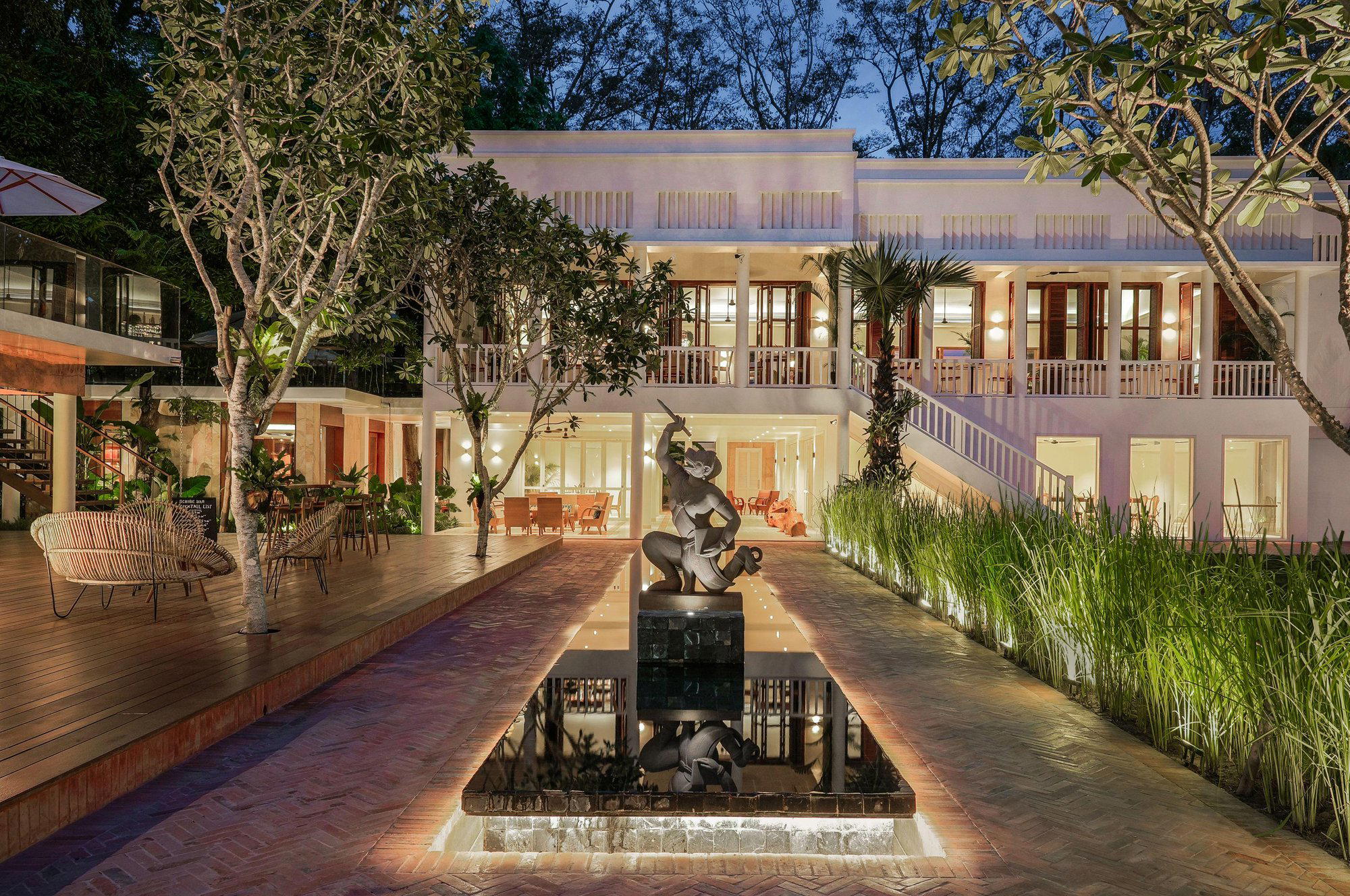
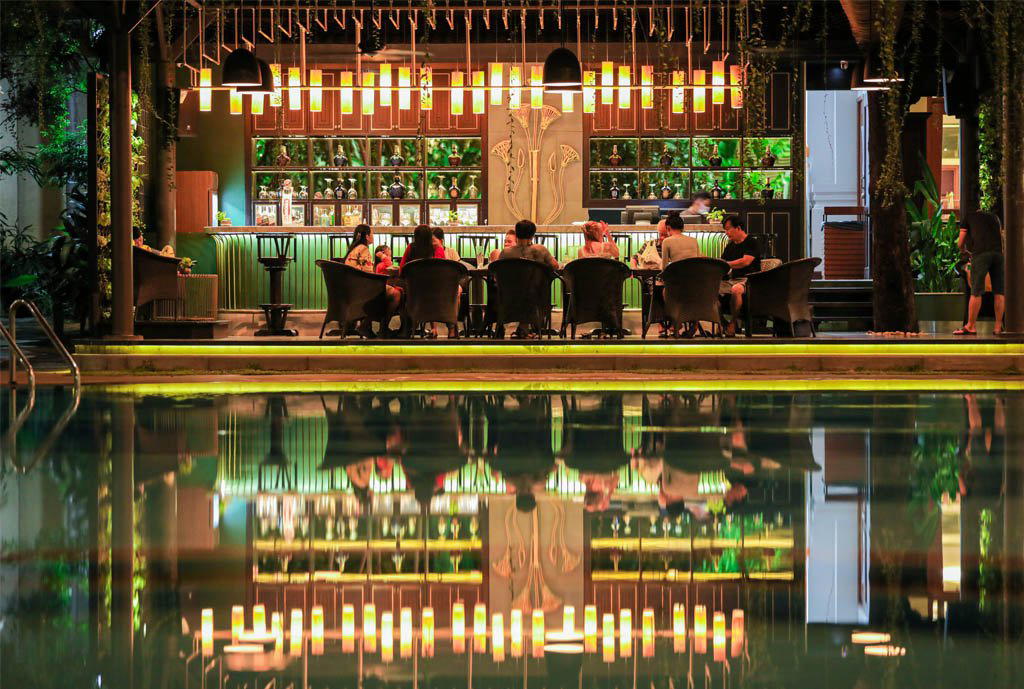
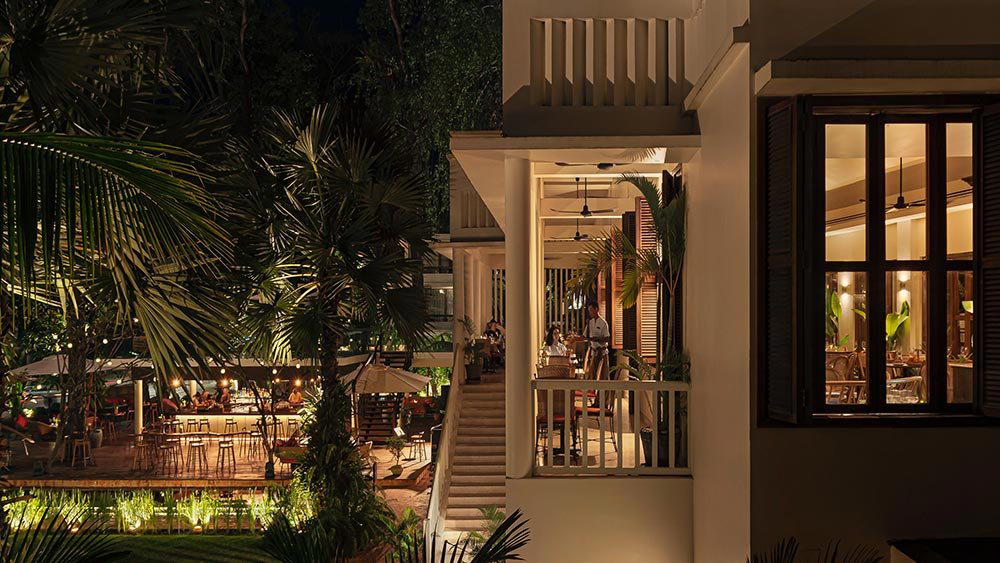
Dinner by torchlight in the hotel's garden setting is among the specific atmospheric experiences cited in the property's own materials, and it speaks to a broader approach: the physical environment of the hotel is designed to be inhabited in the evening, not just used as a base. That distinction matters in a city where temple visits typically end by mid-morning and afternoons and evenings require their own itinerary logic. Properties that can hold a guest's attention after dark are doing something the standard hotel format often fails to address.
Siem Reap's Broader Context
Siem Reap recovered from the pandemic-era collapse of international tourism more slowly than many Southeast Asian destinations, given its near-total dependence on Angkor Wat visitor numbers. The reopening of the temples to international tourists has brought occupancy back across the city's hotel sector, but the market has also become more discerning about what it wants from a base. Travellers now arriving in Siem Reap have often done Angkor before, or are planning multiple days at the complex, and they are making considered accommodation choices rather than defaulting to the nearest international chain.
Within that context, the Wat Bo neighbourhood cluster, including Heritage Suites Hotel and Jaya House River Park Hotel, has grown in appeal precisely because it offers a quieter alternative to the central hotel concentration. For those extending a Cambodia trip beyond Siem Reap, the country's coastal options have also expanded, from Song Saa Private Island in the Koh Rong Archipelago to PEARL BEACH RESORT & SPA in Sihanoukville, and the country's south has developed a more coherent luxury offer than existed five years ago. In Phnom Penh, Raffles Hotel Le Royal anchors the capital's heritage hotel tier. Wilderness seekers might consider Shinta Mani Wild for a conservation-focused departure. For the coast, The Last Point and The Secret Garden at Otres Beach represent the quieter end of Preah Sihanouk province's offer. A broader orientation to Siem Reap's dining and hospitality scene is available in our full Siem Reap guide.
Planning Your Stay
Angkor Village Hotel sits on Wat Bo Road in the Sala Kamreuk quarter, a position that keeps the property within easy tuk-tuk distance of the Angkor Archaeological Park's main entrance gate, typically a 15 to 20-minute ride depending on traffic. The dry season, running from November through March, remains the most popular period for temple visits, and rooms across Siem Reap book ahead during this window. If the property's garden and atmospheric evening environment is part of the draw, arriving outside peak temple-rush months, particularly October or early April, allows more uninterrupted access to both the hotel's grounds and the temples themselves, where crowds thin considerably. For guests comparing against other properties in the mid-to-boutique tier, the Hotel Vellita Siem Reap and FCC Angkor by Avani occupy different positions on the design-versus-heritage spectrum and are worth mapping against your own priorities before committing.
Cuisine and Credentials
Comparable venues nearby, for context on price, style, and recognition.
| Venue | Cuisine | Price | Awards | Notes |
|---|---|---|---|---|
| Angkor Village HotelThis venue — the venue you are viewing | Traditional Cambodian boutique resort with contemporary comfort, built in 1994-1995 and designed around tropical gardens and water features. | $100–200 | Michelin Selected · Small Luxury Hotels of the World Member | Not listed |
| Treeline Urban Resort | Modernist-influenced contemporary design blending Cambodia's minimalistic design movement with mid-century modern influences and sustainably sourced native materials. | $100–200 | Michelin Selected · Mr & Mrs Smith Seal of Approval | Wat Bo Village |
| Anantara Angkor Resort | Contemporary Khmer-inspired luxury boutique resort with colonial influences and traditional Cambodian design elements throughout. | $300–500 | Michelin Selected · Forbes 4-Star | Siem Reap |
| Sofitel Angkor Phokeethra Golf & Spa Resort | colonial Khmer fusion resort | Not listed | Forbes Recommended | Siem Reap |
| Sokhalay Angkor Villa Resort | Khmer-style wooden villas on 5 hectares of landscaped grounds | $1–100 | World Travel Awards | National Road 6 |
| Heritage Suites Hotel | French colonial townhouse transformed into chic boutique retreat | Not listed | Michelin Selected | Wat Polanka |
Recognition history
Dated appearances from independent guides and award organizations, with the underlying list record or original source where available.
Michelin Selected
Michelin
Small Luxury Hotels of the World Member
Small Luxury Hotels of the World
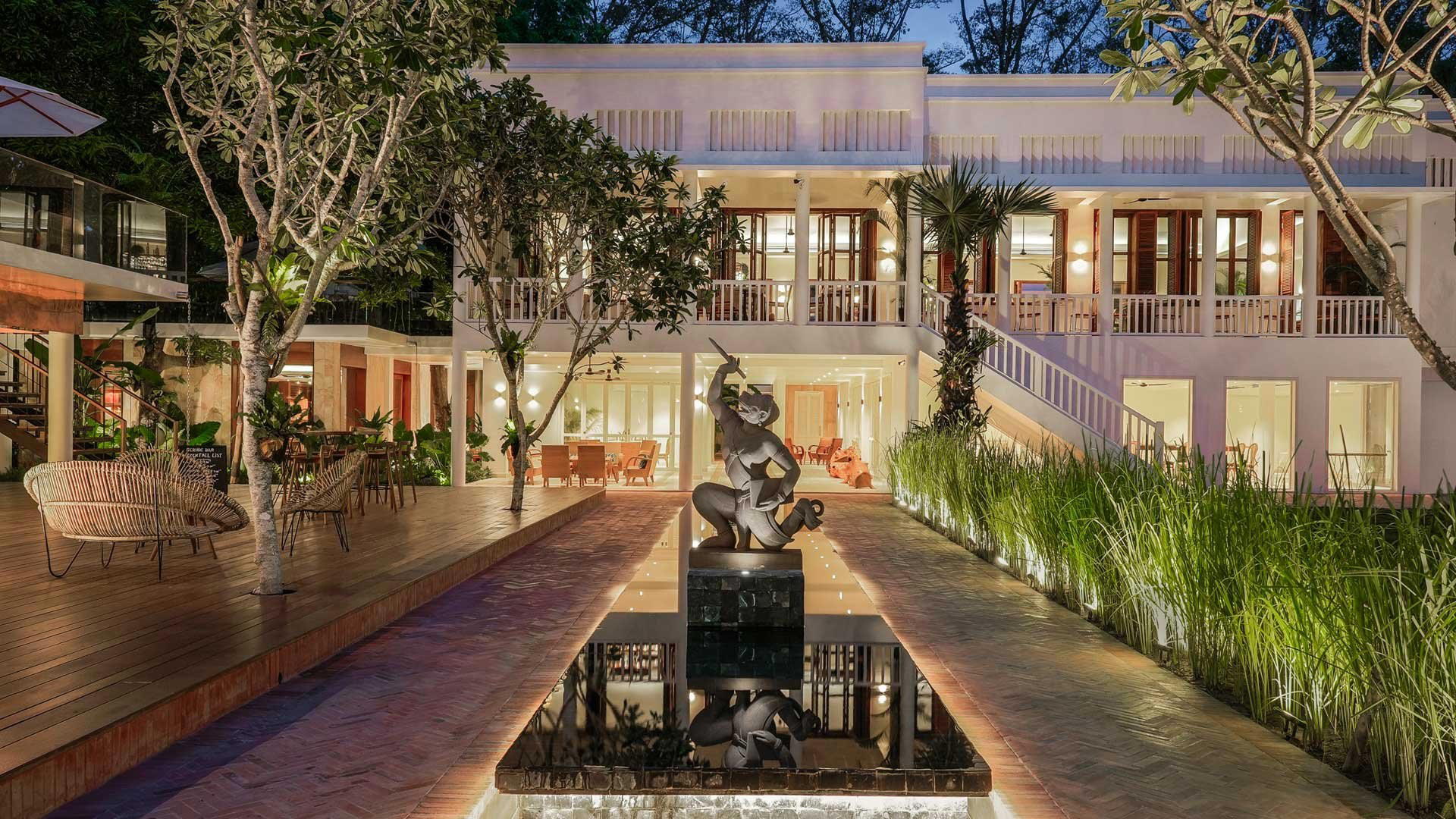
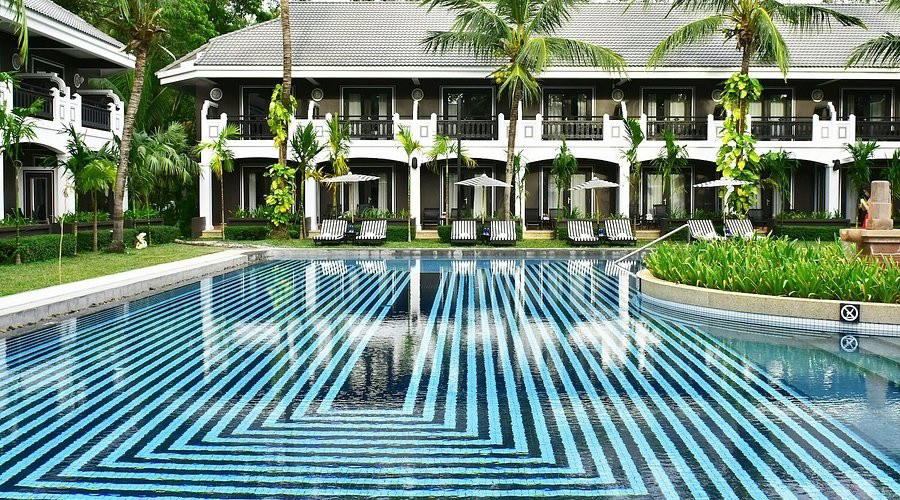
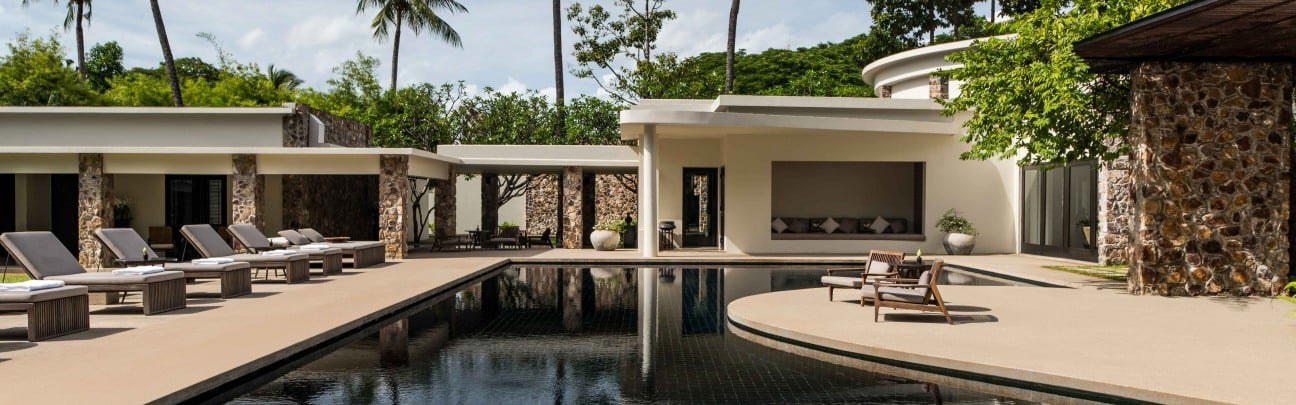
Details
- Romantic
- Quiet
- Scenic
- Elegant
- Classic
- Romantic Getaway
- Wellness Retreat
- Family Vacation
- Weekend Escape
- Garden
- Terrace
- Historic Building
- Waterfront
- Destination Spa
- Wi Fi
- Pool
- Spa
- Fitness Center
- Room Service
- Concierge
- Restaurant
- Bar
- Bicycle Rental
- Garden
- Waterfront
- Wheelchair Accessible
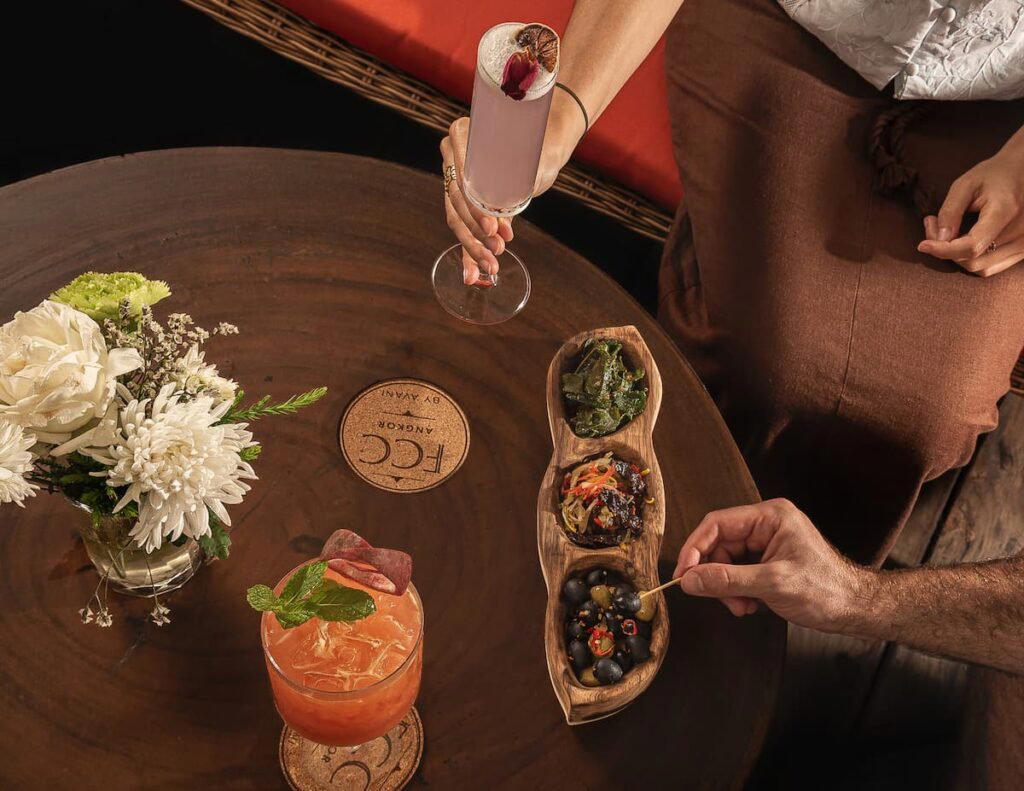
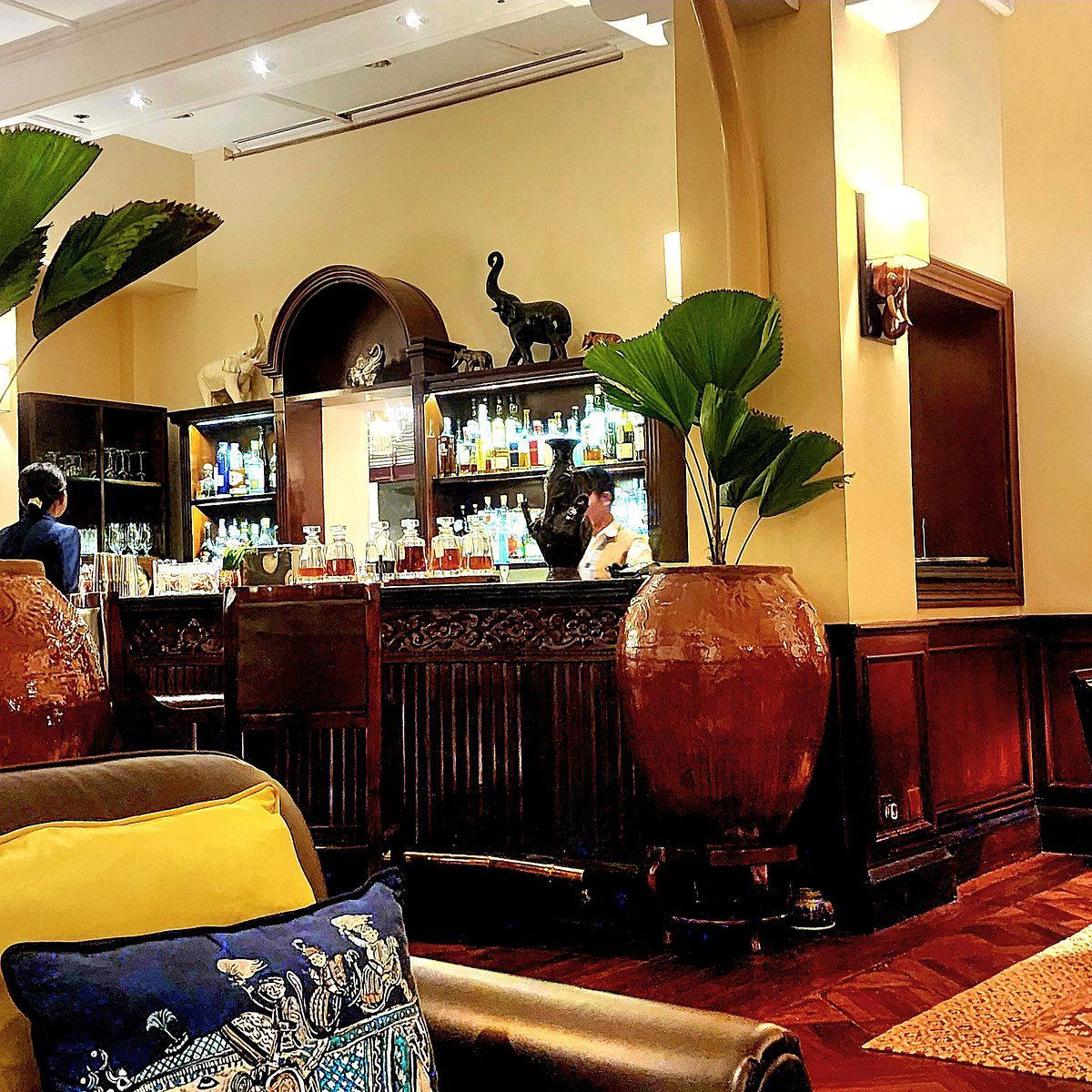
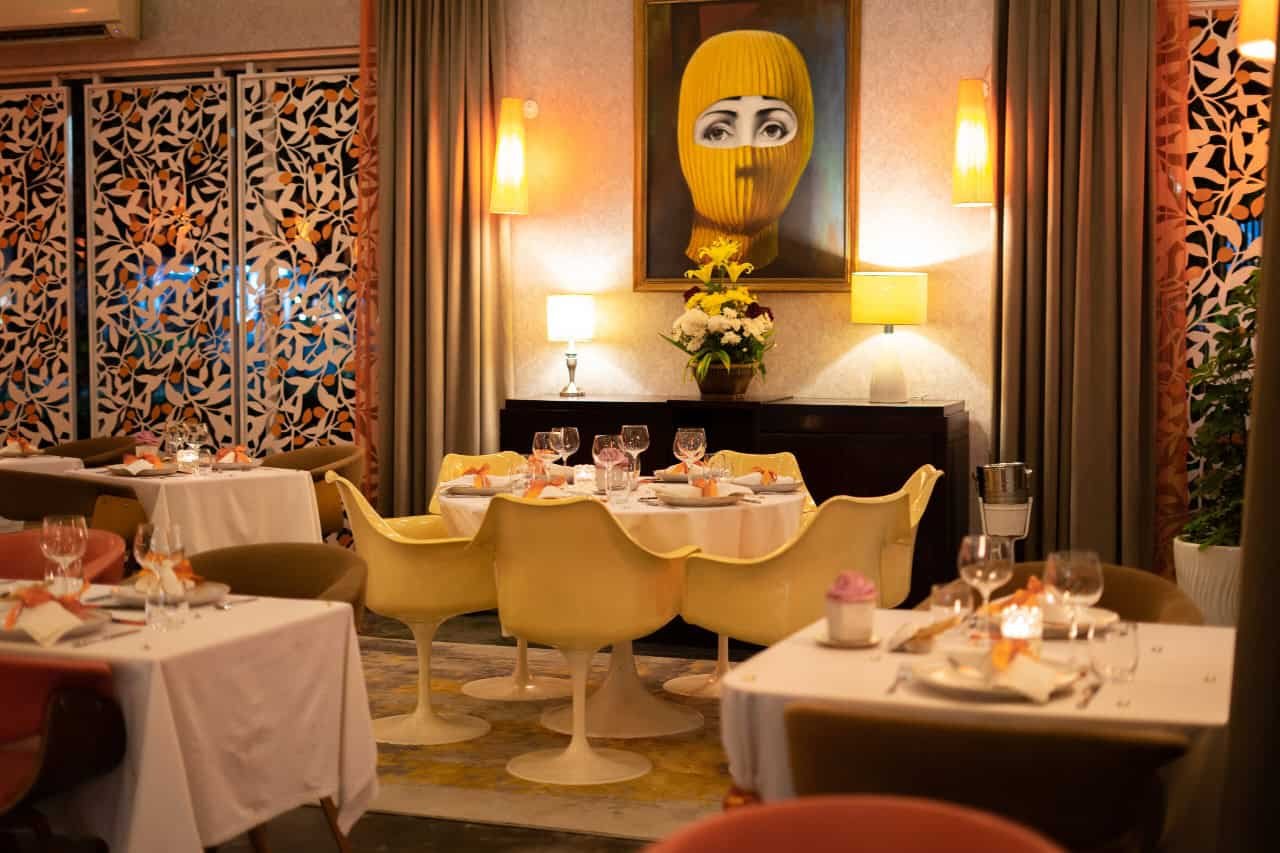
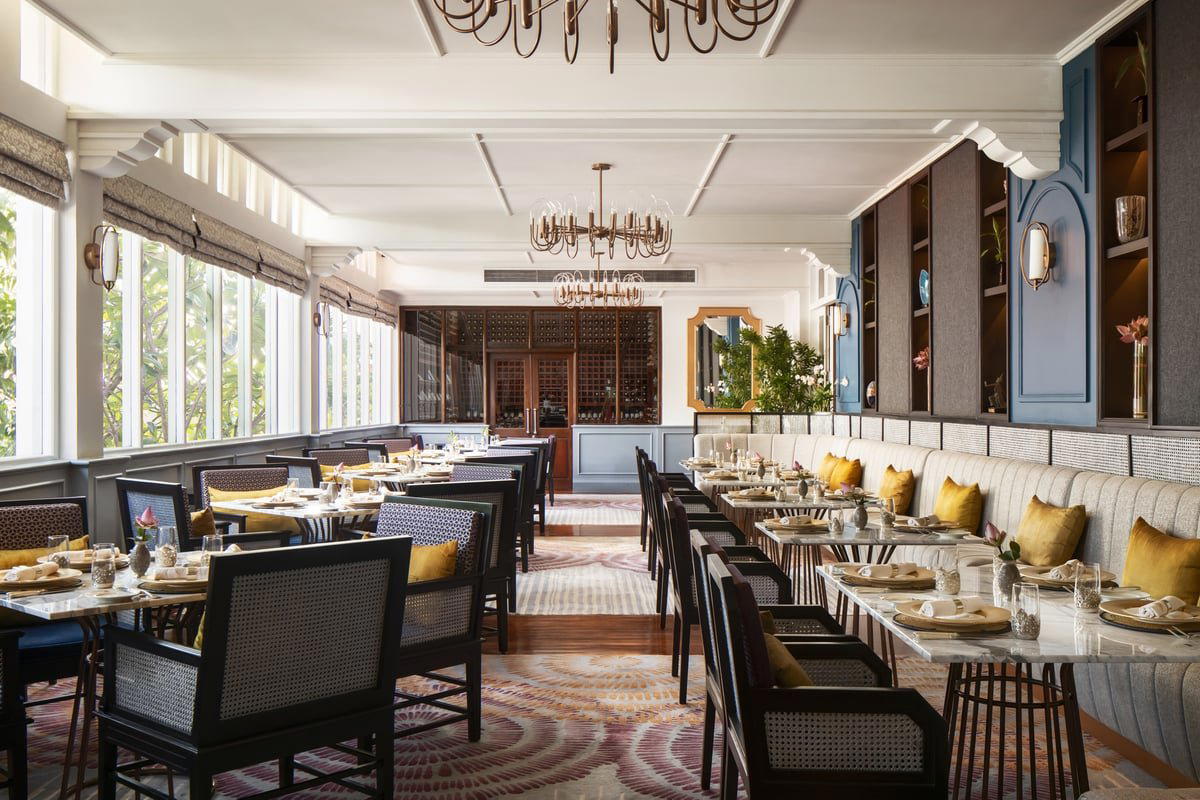
Warm and tranquil with soft natural lighting throughout open-air spaces, wooden walkways, and garden views; intimate yet welcoming atmosphere enhanced by attentive service and refined tropical design.