

1 Michelin Key · World Luxury Hotel Awards WLHA Country Winner
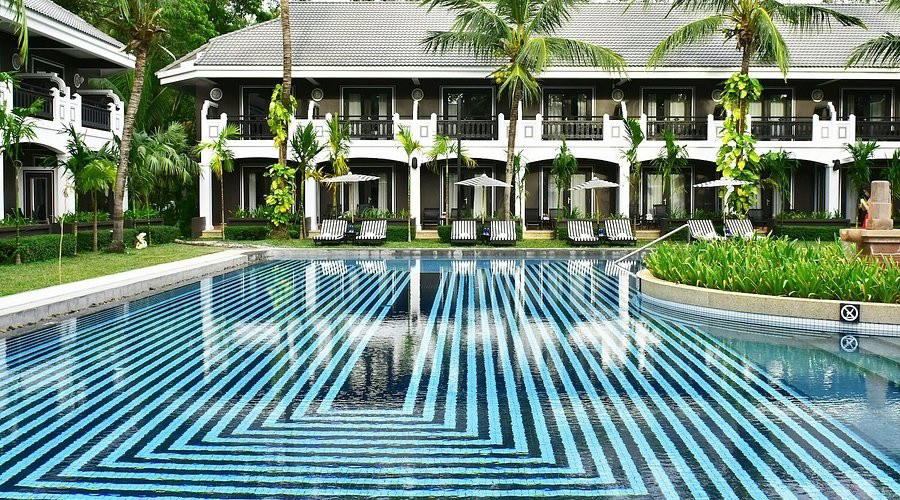
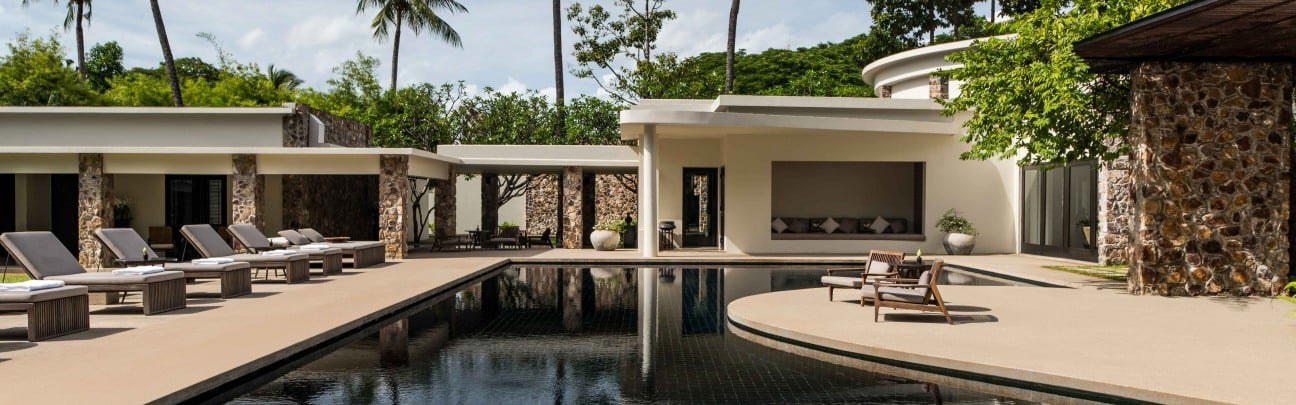
Housed in the former French Governor's residence and recognised as both Country Winner for Luxury Heritage Hotel and Continent Winner for Luxury Cultural Hotel, FCC Angkor by Avani sits at a precise intersection: a historically significant address reimagined as a contemporary boutique property. Its 80 rooms, black-bottomed saltwater pool, modern-Cambodian restaurant, and position adjacent to the Royal Residence make it one of Siem Reap's more architecturally coherent choices for heritage-minded travellers.

Pearl is the En Primeur Club membership app — saves, bookings, and concierge access live there. Same editors, same standards.
- Address
- Next to the Royal Residence, រុក្ខវិថី ពោធិកំបោរ, ក្រុងសៀមរាប
- Phone
- +855 63 760 280
- Website
- avanihotels.com
- Directions
- Get directions
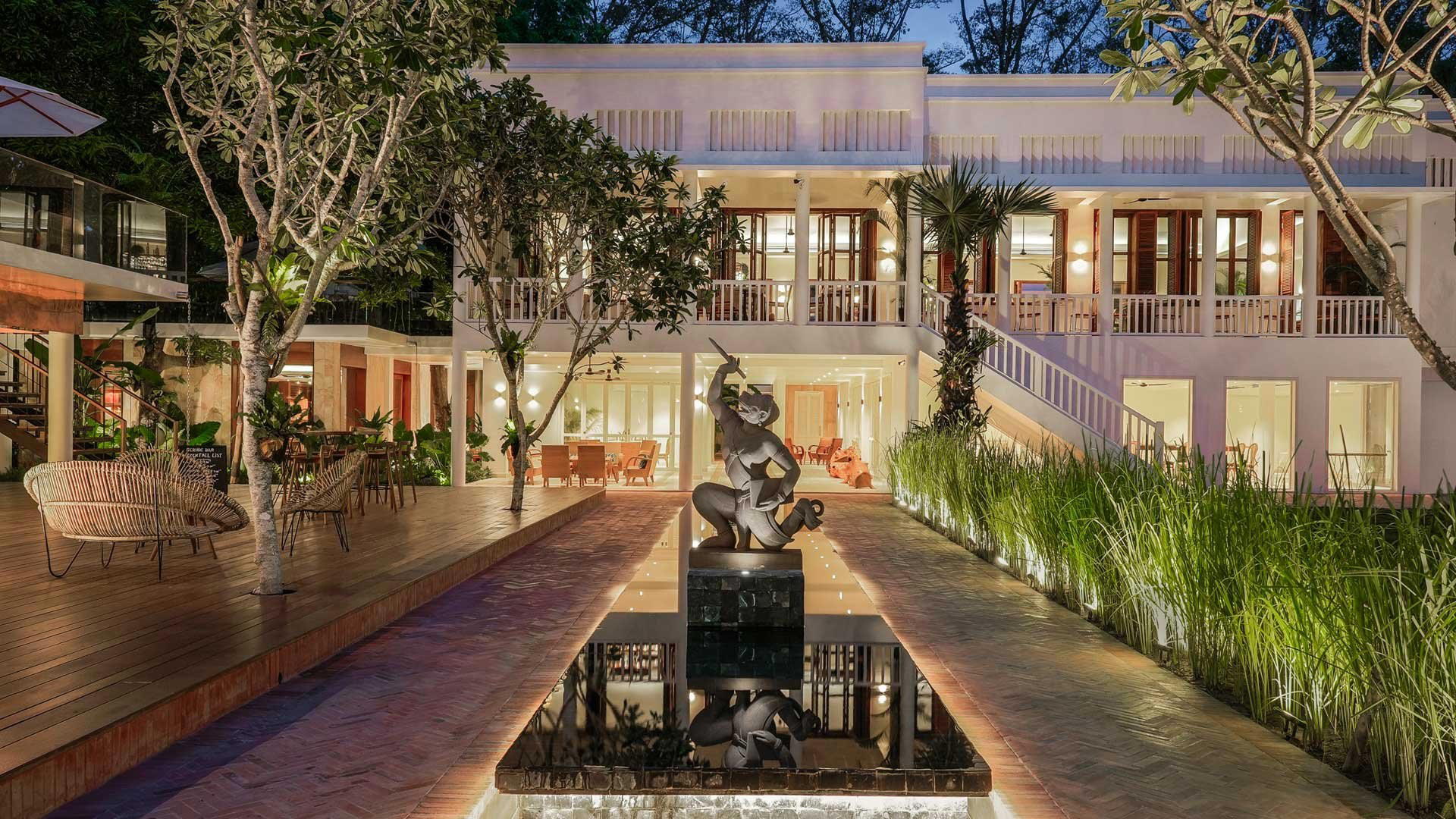
The Governor's Residence, Reframed
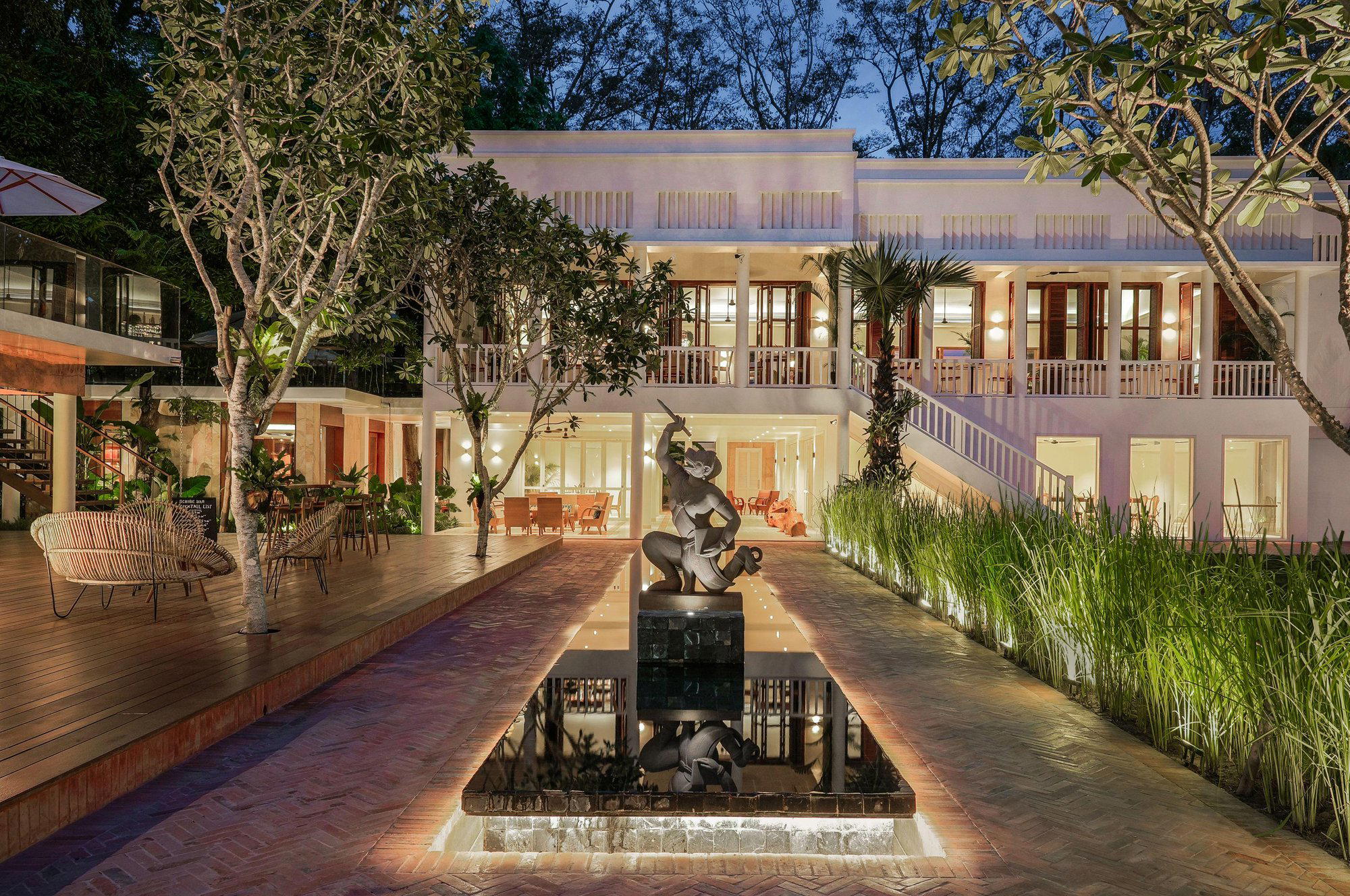
Siem Reap's premium hotel market has sorted itself into roughly three tiers over the past decade: the international-brand addresses (Park Hyatt, Sofitel), the ultra-private villa encampments (Amansara, Shinta Mani Angkor and Bensley Collection Pool Villas), and the design-led boutique properties that use a specific historical or architectural premise as their editorial identity. FCC Angkor by Avani belongs squarely to that third category, and its premise is among the most legible in the city: an Indochina Art Deco mansion that served as the French Governor's residence, positioned directly adjacent to the Royal Residence on one of Siem Reap's more composed central streets.
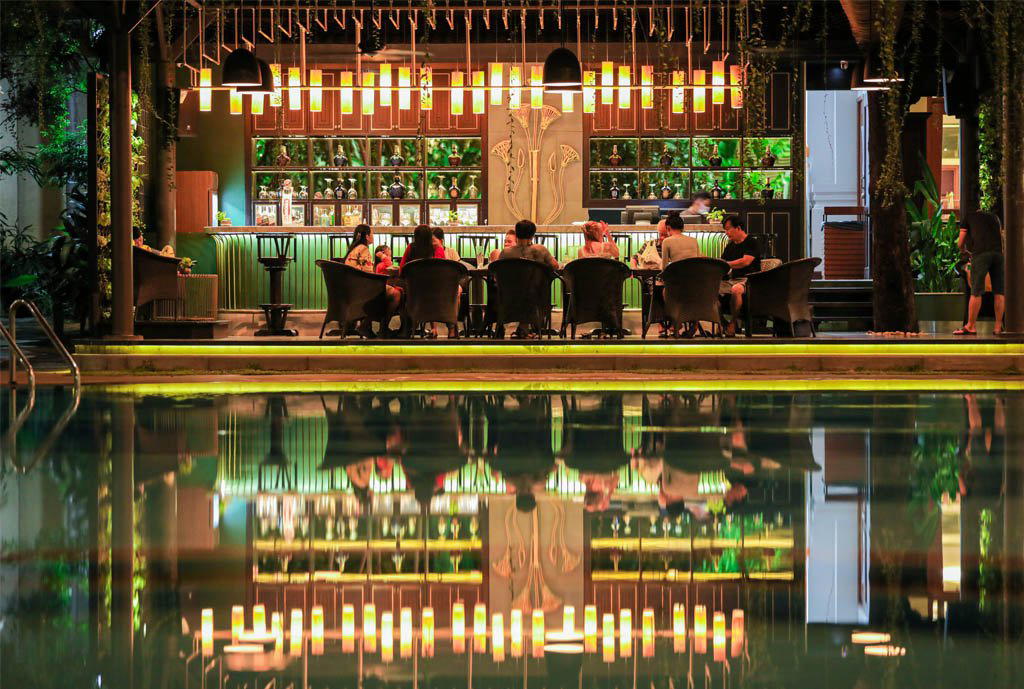
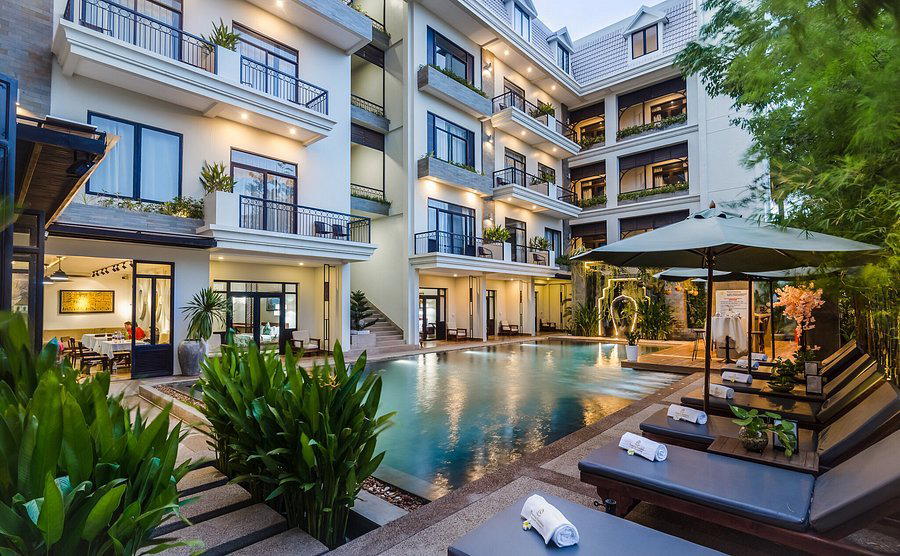
The FCC name derives from the Foreign Correspondents Club in Phnom Penh, a Cambodian institution with its own loaded colonial and post-colonial associations. That lineage sets an expectation — one of press-corps romanticism, ceiling fans, and rattan — which the Siem Reap property deliberately subverts. Step inside the mansion walls and the design vocabulary shifts: dark hardwoods, Cambodian silks, stone-heavy bathrooms, and a black-bottomed saltwater pool that reads more like a contemporary design statement than a heritage gesture. The colonial bones are present in the architecture; the interior has moved on.
What the Address Actually Provides
Location arguments in Siem Reap often reduce to proximity to Pub Street or proximity to the temple complex, as if those were the only two coordinates that matter. FCC Angkor's position is more considered than either of those anchors. Sitting next to the Royal Residence places the hotel in a quieter, more formally landscaped part of central Siem Reap, close enough to the city's dining and nightlife grid to reach on foot, but insulated from its ambient noise. For guests whose itinerary centres on Angkor Wat, the temple complex is close enough for a day visit without requiring an early departure from a distant resort.
That central position also means the hotel functions well as a base for the kind of Siem Reap that exists beyond the temples: the old French quarter, the night markets, the river-adjacent neighbourhood character that properties further out sacrifice for acreage and pool space. Among the city's 80-room-or-fewer boutique options, few combine this kind of address with a property that has received dual continental and national recognition. Compare that positioning to Angkor Village Hotel or Jaya House River Park Hotel, both operating in the design-led boutique space, and the FCC's specific combination of historical premise and urban address becomes clearer as a differentiator.
Rooms, Pool, and the Logic of the Interior
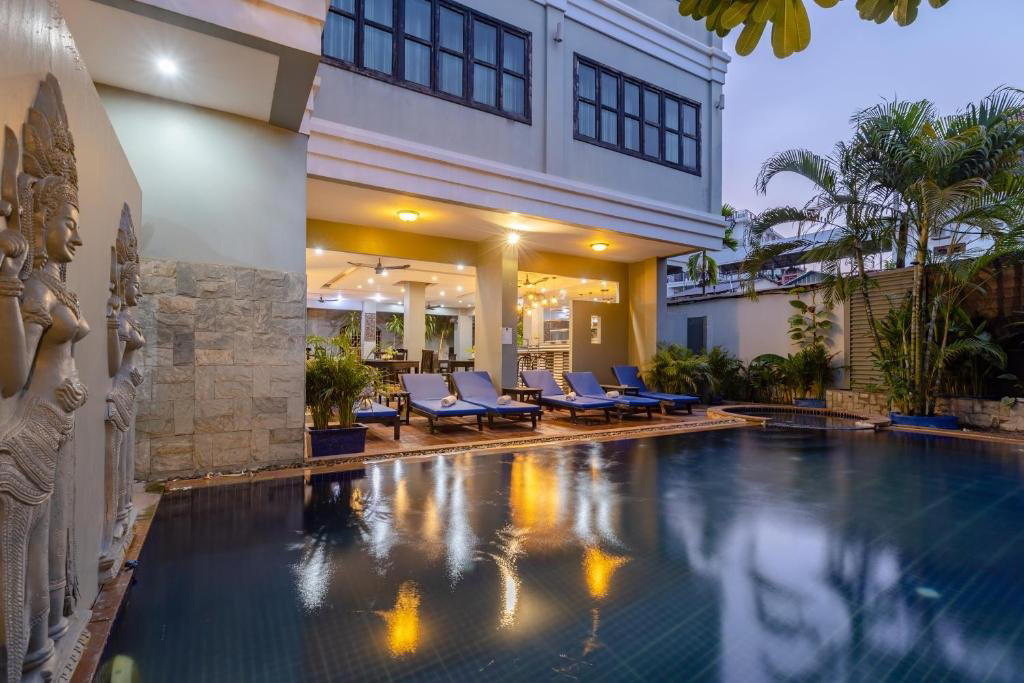
The 80 rooms divide by outlook: gardens on one side, the black-bottomed saltwater pool on the other. In a hotel where the design proposition is built around restraint, dark palettes, stone tubs, minimal ornamentation, the pool view amplifies that premise more effectively than the garden outlook, which reads as quieter and more traditional. Interiors across both room categories work in hardwoods and Cambodian silks, materials that ground the contemporary-Eastern aesthetic in something locally sourced rather than generically exotic.
Bathrooms deserve specific mention because in this price bracket, they often function as the clearest signal of where a hotel has prioritised spend. Stone tubs large enough to be described as palatial suggest a deliberate investment in the room's sensory proposition, rather than the functional tile-and-fixture approach that characterises mid-market heritage conversions. High-speed internet and flat-screen televisions are standard across all rooms, details that matter less as differentiators now than they did a decade ago but remain worth noting for travellers doing longer working stays.
At a rate from $279 per night, the hotel sits at a price point that competes with the lower end of Anantara Angkor Resort and Park Hyatt Siem Reap, while offering something neither of those properties provides: a building with genuine pre-independence provenance and a design approach that treats that history as a starting point rather than a costume.
Food, Drink, and the On-Site Programme
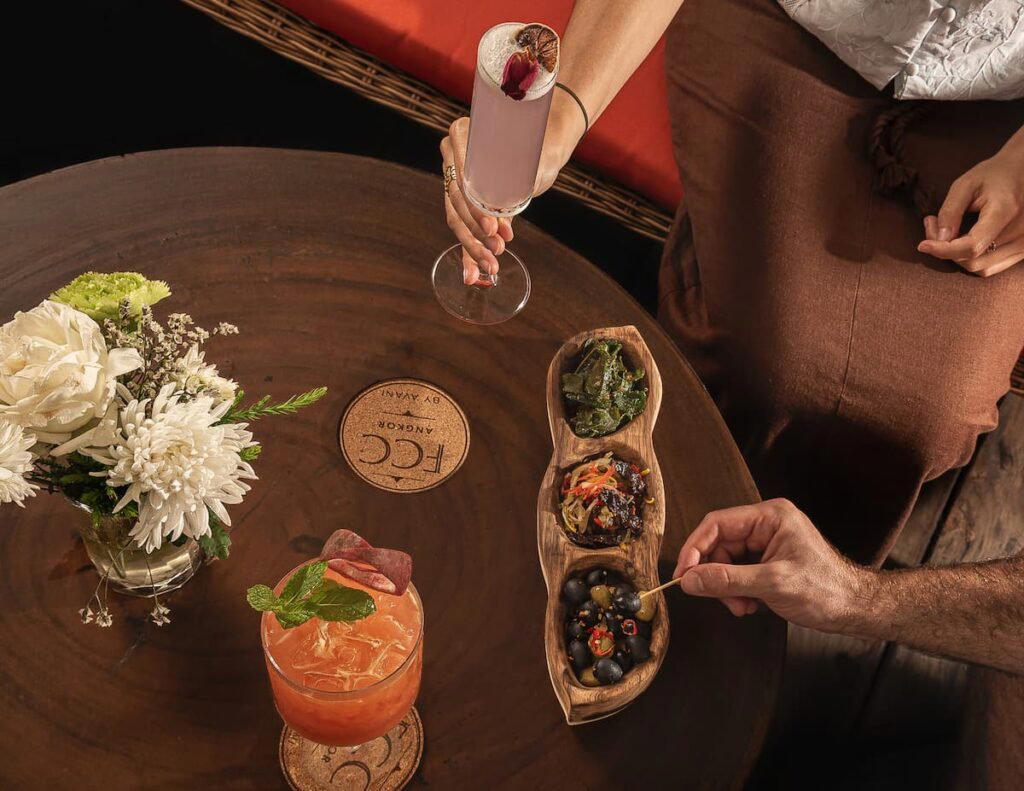
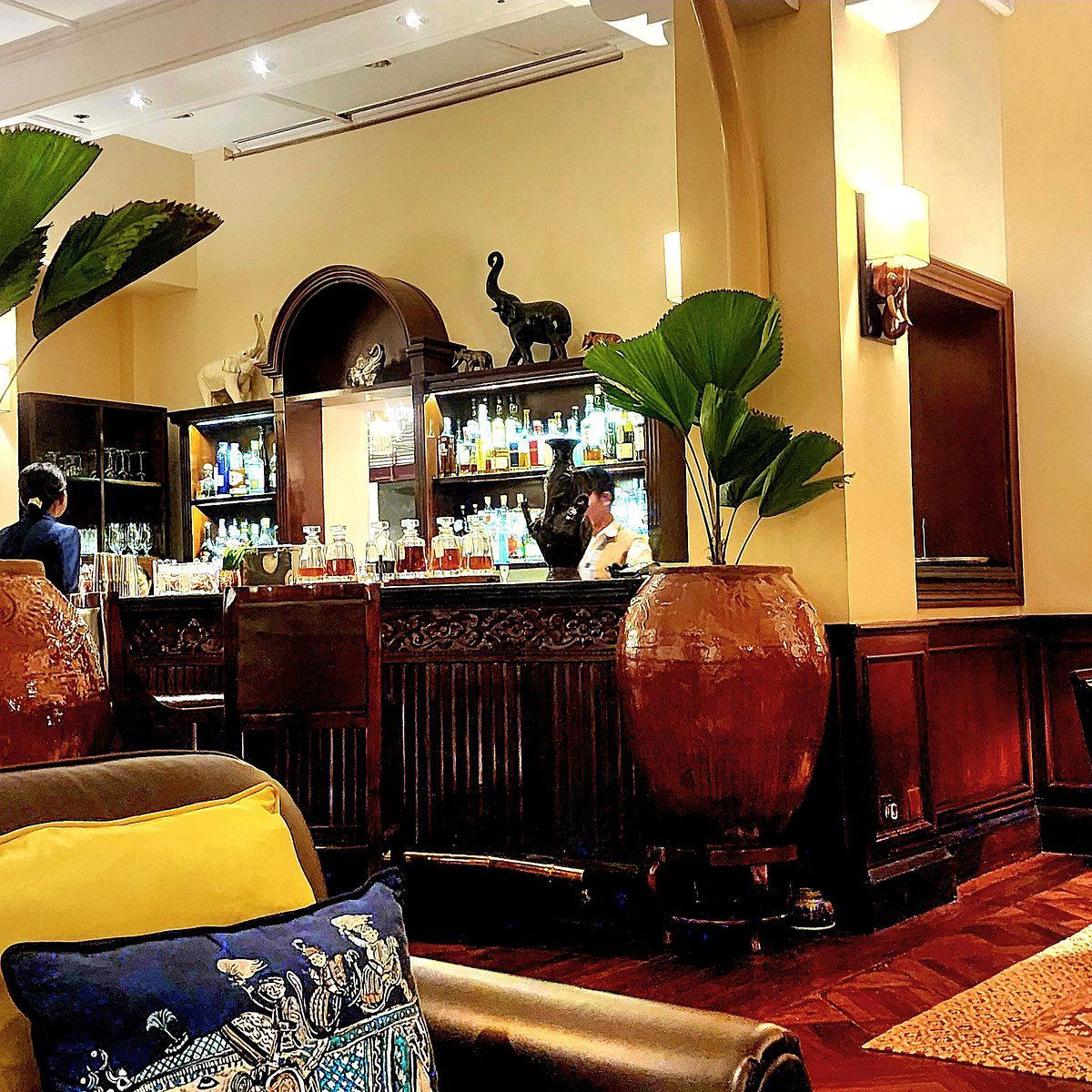
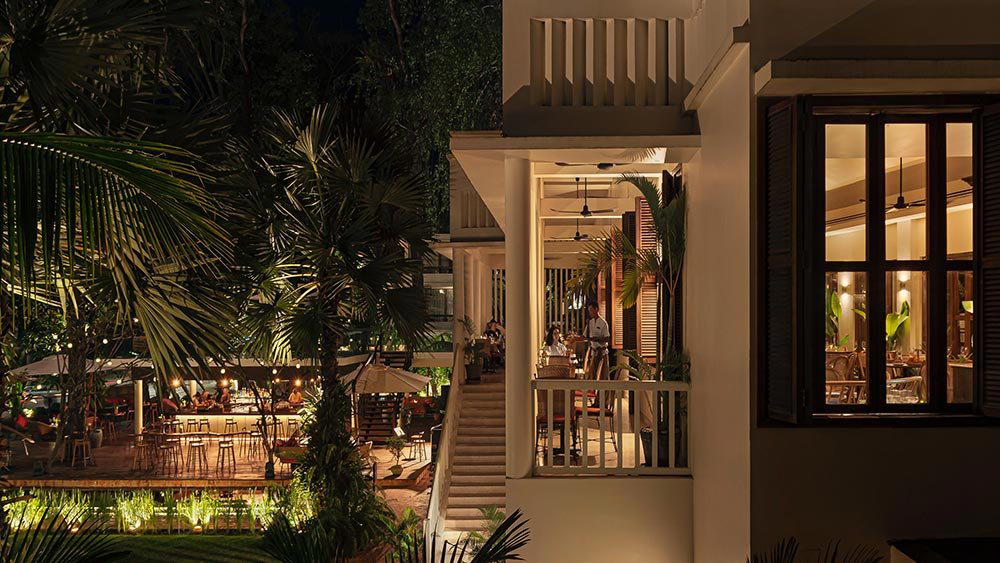
Heritage hotel restaurants in Southeast Asia frequently default to one of two positions: a safe international menu that avoids alienating the broadest possible guest profile, or a hyperlocal approach that can feel performative. The modern-Cambodian restaurant at FCC Angkor occupies a middle position, applying contemporary technique to Khmer ingredients and preparations without requiring the guest to treat dinner as an anthropology exercise. The cocktail bar, complete with billiards table, reinforces the FCC's press-club aesthetic and gives the property a social space that functions independently of the restaurant, useful in a city where evening options range widely in quality.
A small spa offering massages and bath treatments rounds out the on-site programme. At 80 rooms, the property is not positioned to compete on facilities breadth with larger resort addresses like Raffles Grand Hotel d'Angkor, which operates at a different scale and with a broader amenity set. What the FCC trades in facility volume it returns in coherence: the spa, bar, restaurant, and pool all sit inside a consistent aesthetic and spatial logic rather than feeling appended to a larger resort infrastructure.
Travellers whose Cambodian itinerary extends beyond Siem Reap will find useful context in the broader network of properties across the country. For coastal stays, Song Saa Private Island and PEARL BEACH RESORT & SPA represent different positions in the coastal premium tier, while Raffles Hotel Le Royal in Phnom Penh is the natural comparison point for those interested in how French colonial architecture has been handled at the other end of the country. For wilderness-adjacent stays, Shinta Mani Wild occupies a category of its own. Our full Siem Reap restaurants guide provides further context on the city's dining options beyond the hotel's own kitchen.
Awards and What They Signal
FCC Angkor by Avani holds two awards with meaningful weight in the heritage hotel category: Country Winner for Luxury Heritage Hotel and Continent Winner for Luxury Cultural Hotel. That framing aligns precisely with what the FCC Angkor is doing architecturally and programmatically: using an authentic building, locally sourced materials, and a culturally specific food and beverage programme as the primary evidence of its positioning, rather than relying on a brand name or a pool-count advantage.
For reference points at a global level, properties like Aman Venice and Castello di Reschio operate in analogous territory in their respective markets: historically significant buildings converted into contemporary luxury with restraint as the guiding design principle. The FCC Angkor makes a similar argument in a Southeast Asian context, with the added complexity of operating in a city where the primary attraction exists entirely outside the hotel's walls.
Planning Your Stay
The hotel's 80 rooms and boutique scale mean availability tightens during peak season, roughly November through February, when temple tourism is at its highest and the city's premium accommodation options book well in advance. The address adjacent to the Royal Residence keeps the approach quiet and the arrival experience more composed than properties on busier thoroughfares. For guests arriving with a multi-destination Cambodian itinerary, Siem Reap's international airport connects the city to Phnom Penh and Bangkok with short regional flights. Rates from $279 per night position the hotel in the upper-middle tier of the city's boutique market, below the ultra-luxury enclave pricing of Amansara but above the entry-level heritage conversions.
Other options worth considering in the same Siem Reap tier include Heritage Suites Hotel, Sala Lodges, and Hotel Vellita Siem Reap, each making distinct arguments about what a design-led boutique stay in the city should prioritise.
The Essentials
Comparable venues nearby, for context on price, style, and recognition.
| Venue | Cuisine | Price | Awards | Notes |
|---|---|---|---|---|
| FCC Angkor by AvaniThis venue — the venue you are viewing | Not listed | $200–300 | 1 Michelin Key · World Luxury Hotel Awards WLHA Country Winner | Not listed |
| Sala Lodges | Not listed | $100–200 | 1 Michelin Key · World Luxury Hotel Awards WLHA Regional Winner | near city center, Authentic Cambodian heritage resort reimagined as luxury boutique property with preserved traditional architecture and contemporary design fusion. |
| Park Hyatt Siem Reap | Not listed | Not listed | 1 Michelin Key · Virtuoso Luxury Hotel Partner | Svay Dangkum, Luxurious urban resort with lush tropical gardens |
| Raffles Grand Hotel d'Angkor | Not listed | $300–500 | 1 Michelin Key · La Liste Top Hotels | Khum Svay Dangkum, Historic French colonial resort with expansive gardens |
| Sofitel Angkor Phokeethra Golf & Spa Resort | Siem Reap, colonial Khmer fusion resort | Not listed | Forbes Recommended | Not listed |
| Sokhalay Angkor Villa Resort | Not listed | $1–100 | World Travel Awards | National Road 6, Khmer-style wooden villas on 5 hectares of landscaped grounds |
Recognition history
Dated appearances from independent guides and award organizations, with the underlying list record or original source where available.
Michelin 1 Key
Michelin
World Luxury Hotel Awards WLHA Country Winner
World Luxury Hotel Awards
Full recognition history (4 entries)
Michelin 1 Key
Michelin
World Luxury Hotel Awards WLHA Continent Winner
World Luxury Hotel Awards
Details
- Elegant
- Quiet
- Classic
- Intimate
- Scenic
- Romantic Getaway
- Family Vacation
- Weekend Escape
- Destination Wedding
- Historic Building
- Garden
- Terrace
- Waterfront
- Destination Spa
- Panoramic View
- Wi Fi
- Pool
- Spa
- Fitness Center
- Room Service
- Concierge
- Restaurant
- Bar
- Valet Parking
- Kids Club
- Bicycle Rental
- Garden
- Waterfront
- Wheelchair Accessible
- Accessible Restroom
- Step Free Entrance
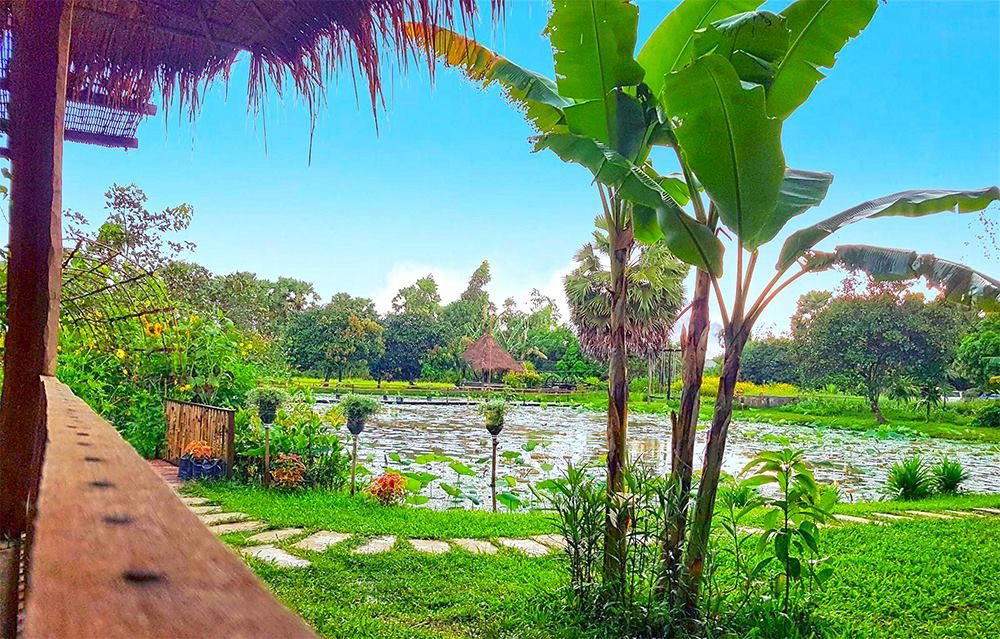
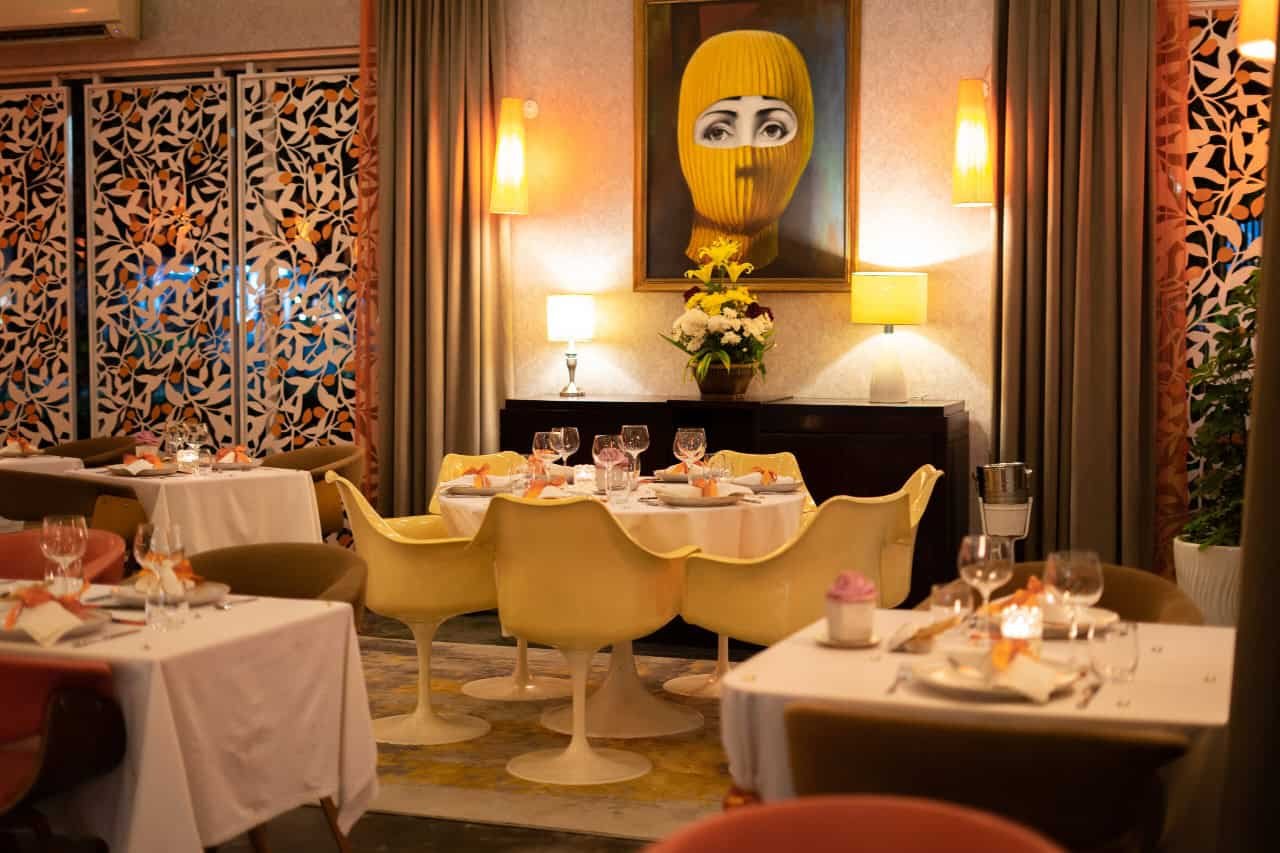
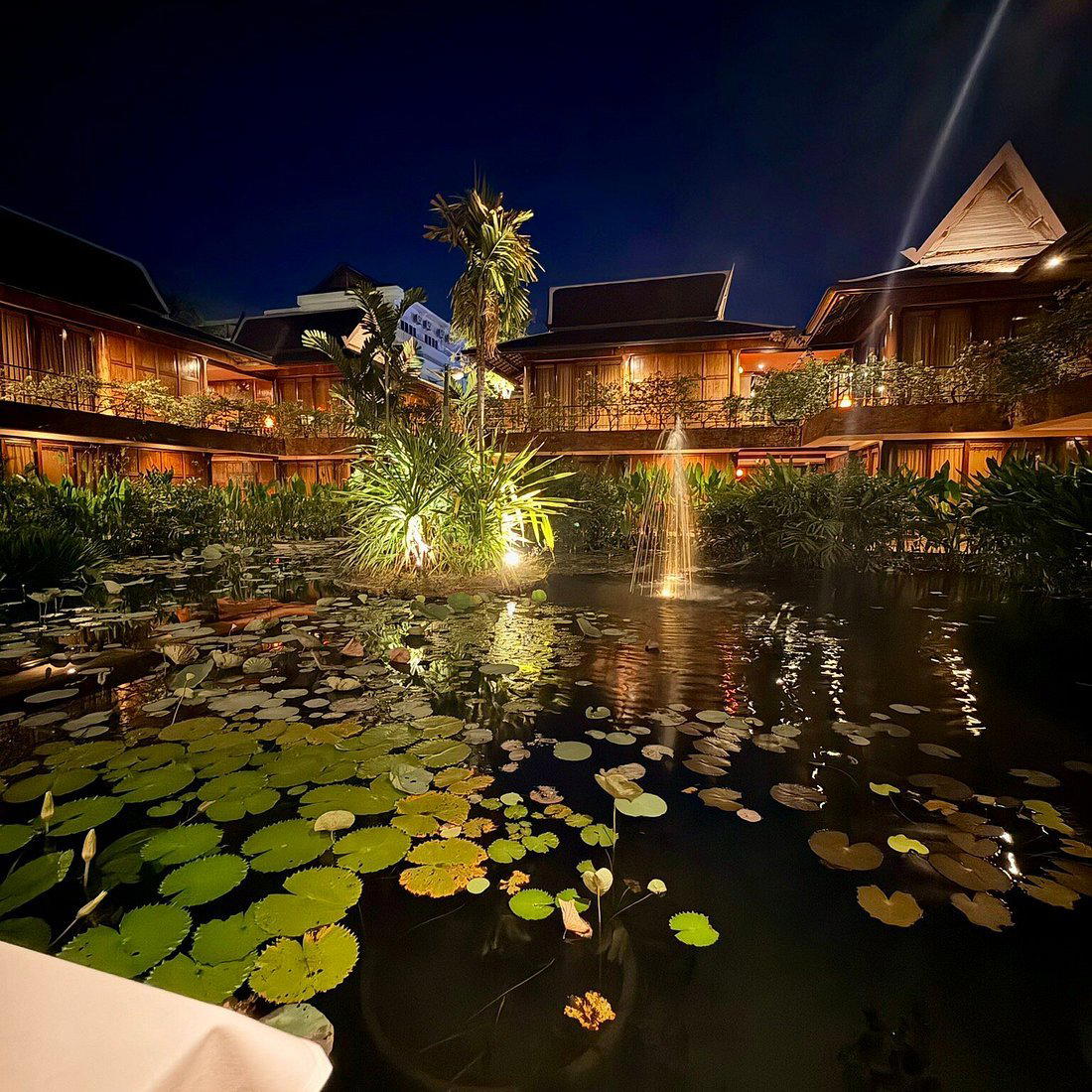
Dark and masculine minimalist design with warm wood tones and Cambodian silks; atmospheric lighting through jungle-like pathways; serene garden setting with ancient banyan trees creating a tranquil, intimate atmosphere.