CUTS
Our verdict
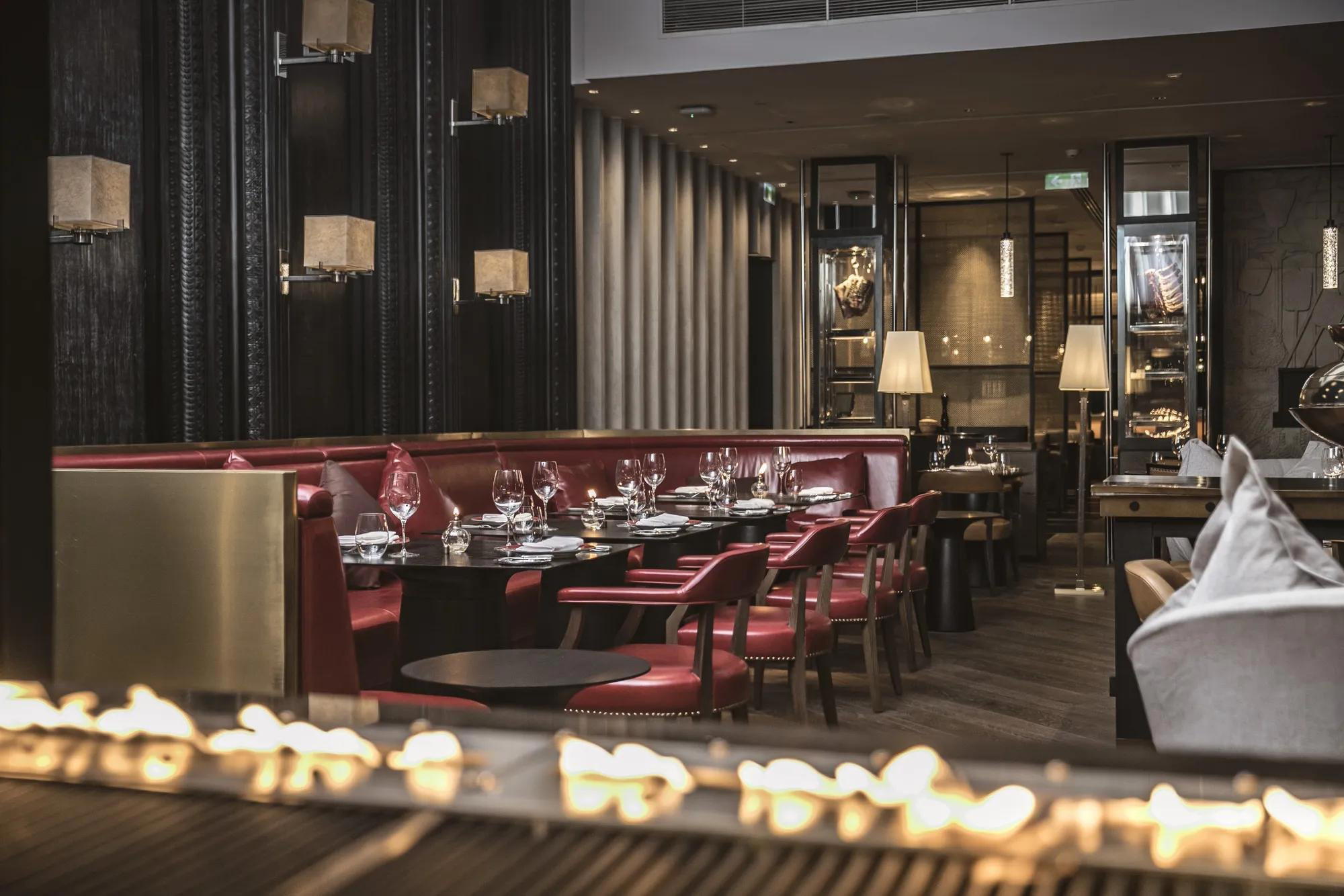
CUTS, a modern steakhouse and grill at Rosewood Phnom Penh, pairs dry-aged steaks and Chocolate Wagyu with skyline and waterfront views, an extensive wine list, and local sourcing.

Pearl is the En Primeur Club membership app — saves, bookings, and concierge access live there. Same editors, same standards.
- Address
- Level 38, Vatanac Capital Tower, Preah Trapeang St. (67), Phnom Penh 12022, Cambodia
- Phone
- +85523936860
- Hours
- Daily 11 AM–10:30 PM
- Website
- rosewoodhotels.com
- Directions
- Get directions
- Booking
- Book on SevenRooms
The menu
What to order
- Chocolate Wagyu
- Dry-aged steaks
- Josper-cooked cauliflower steak
Thirty-Eight Floors Above the Mekong
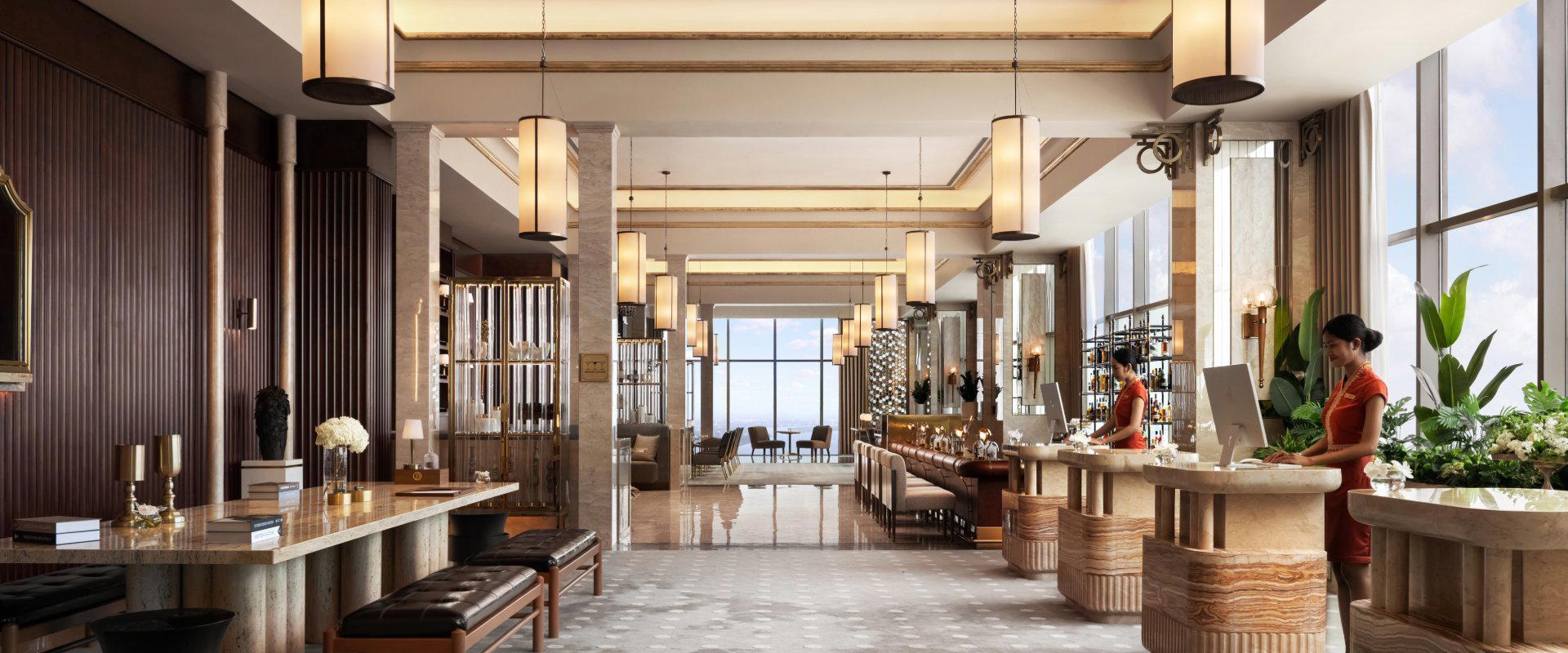
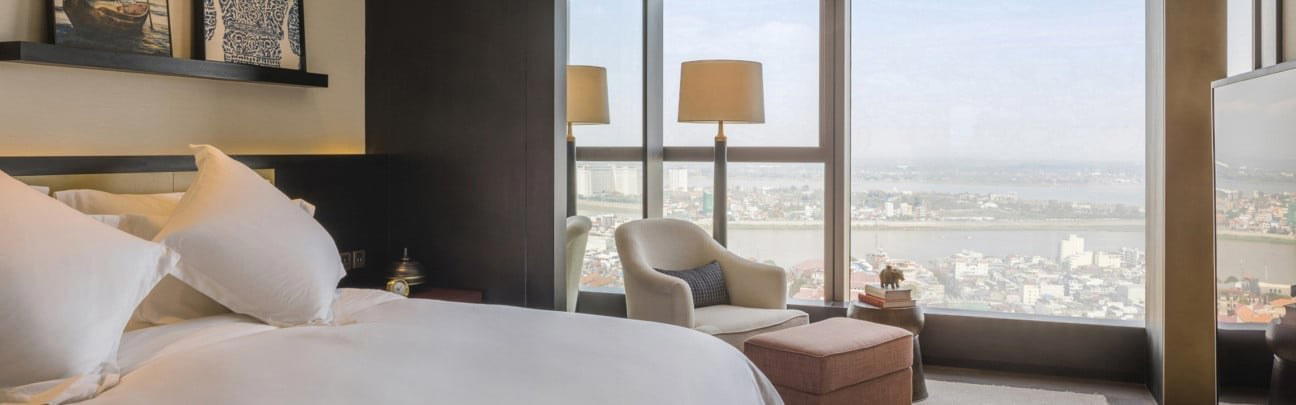
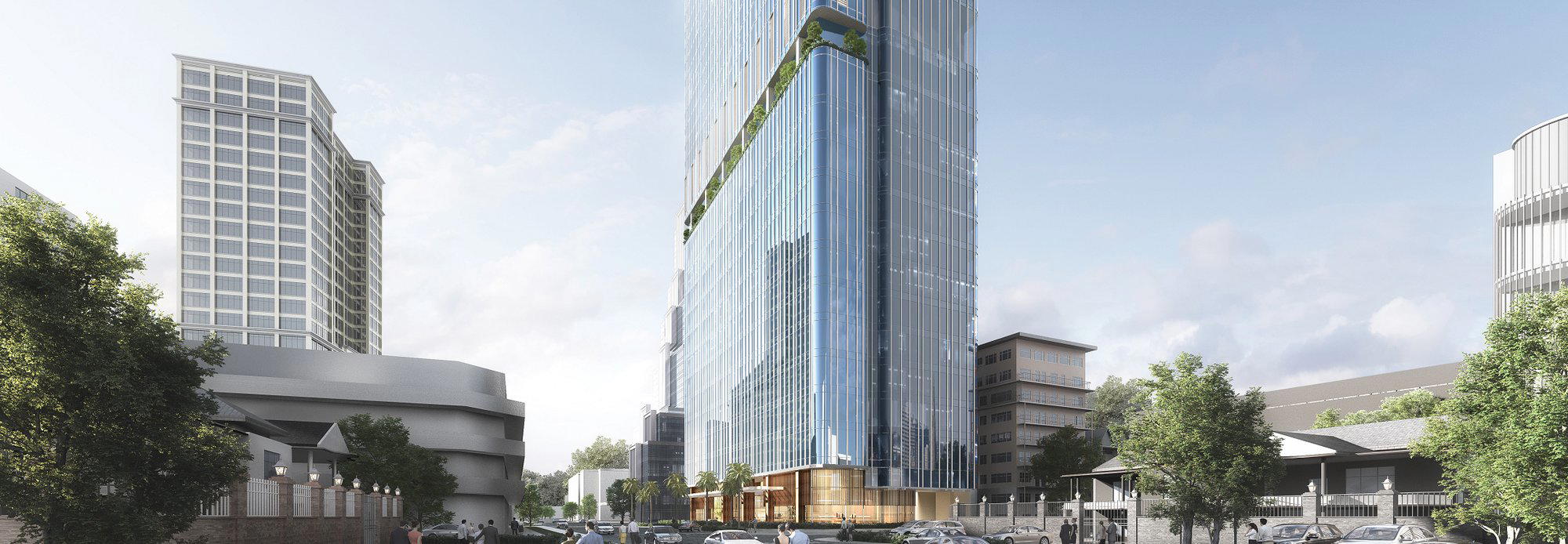
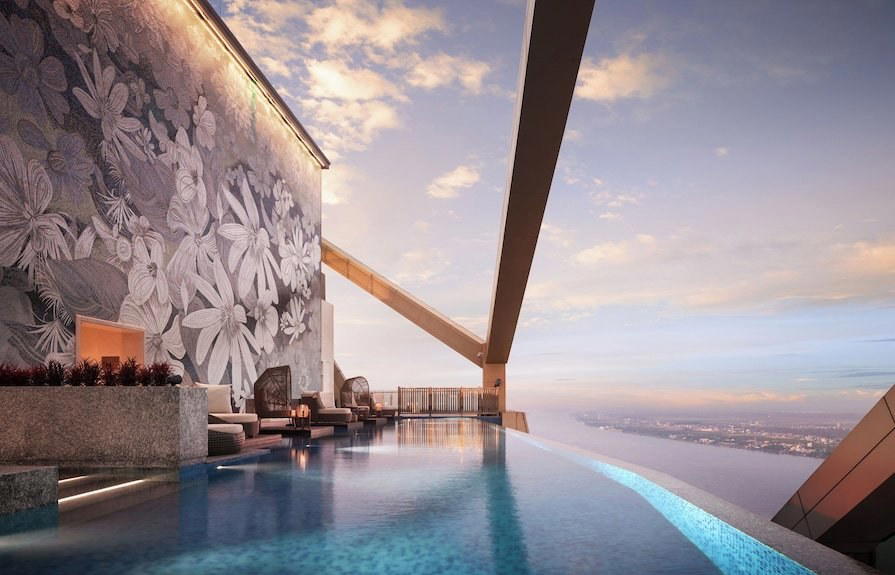
There are very few places in Phnom Penh where the city resolves itself into something legible. At street level, the capital moves in productive chaos: tuk-tuks threading past colonial shophouses, markets spilling onto pavements, construction cranes marking the skyline in every direction. Ride the elevator to the 38th floor of Vatanac Capital Tower on Preah Trapeang Street and the view reorganises everything below into a coherent panorama. CUTS occupies this refined position in one of the city's most prominent commercial towers, and the physical setting alone places it in a narrow tier of Phnom Penh venues where altitude and address are part of the offering.
Vatanac Capital Tower is among the tallest and most architecturally deliberate buildings to have been completed in Phnom Penh during the city's recent construction wave. The restaurants and bars that have moved into its upper levels are not simply trading on height; they are positioning themselves within a format that has become common across Southeast Asia's rapidly developing capitals, where the premium dining tier is increasingly defined by vertical real estate. In Bangkok, Kuala Lumpur, and Ho Chi Minh City, the rooftop or high-floor steakhouse has become its own genre, distinct from both casual street dining and formal tasting-menu restaurants. CUTS belongs to this category and should be assessed within it.
Where the Protein Comes From
The name signals the program before you read the menu. Steakhouses operating at this altitude and price bracket in Southeast Asia have, over the past decade, had to answer a sourcing question that their counterparts in New York or Buenos Aires do not face in the same way: where does the beef come from, and what story does its provenance tell? The answer matters because it positions the restaurant within a competitive hierarchy that runs from imported Wagyu and Australian grass-fed cuts at the leading to regional alternatives further down.
Across the region, premium beef restaurants have split into roughly two camps. The first imports aggressively: Japanese A5 Wagyu, USDA Prime, or certified Black Angus from Australia and New Zealand, using origin as the primary trust signal for guests. The second camp, smaller and more recent, has begun working with regional producers in Thailand, Cambodia, and Vietnam, where cattle breeds and finishing methods differ but traceability is improving.
For context on how ingredient sourcing shapes a restaurant's identity in Cambodia more broadly, Cuisine Wat Damnak in Siem Reap has built its reputation entirely on Cambodian-sourced produce and wild-foraged ingredients, and represents the opposite end of the sourcing spectrum from a tower steakhouse. The two models serve different audiences and reflect different convictions about what premium dining in Southeast Asia should mean.
The Phnom Penh Premium Dining Context
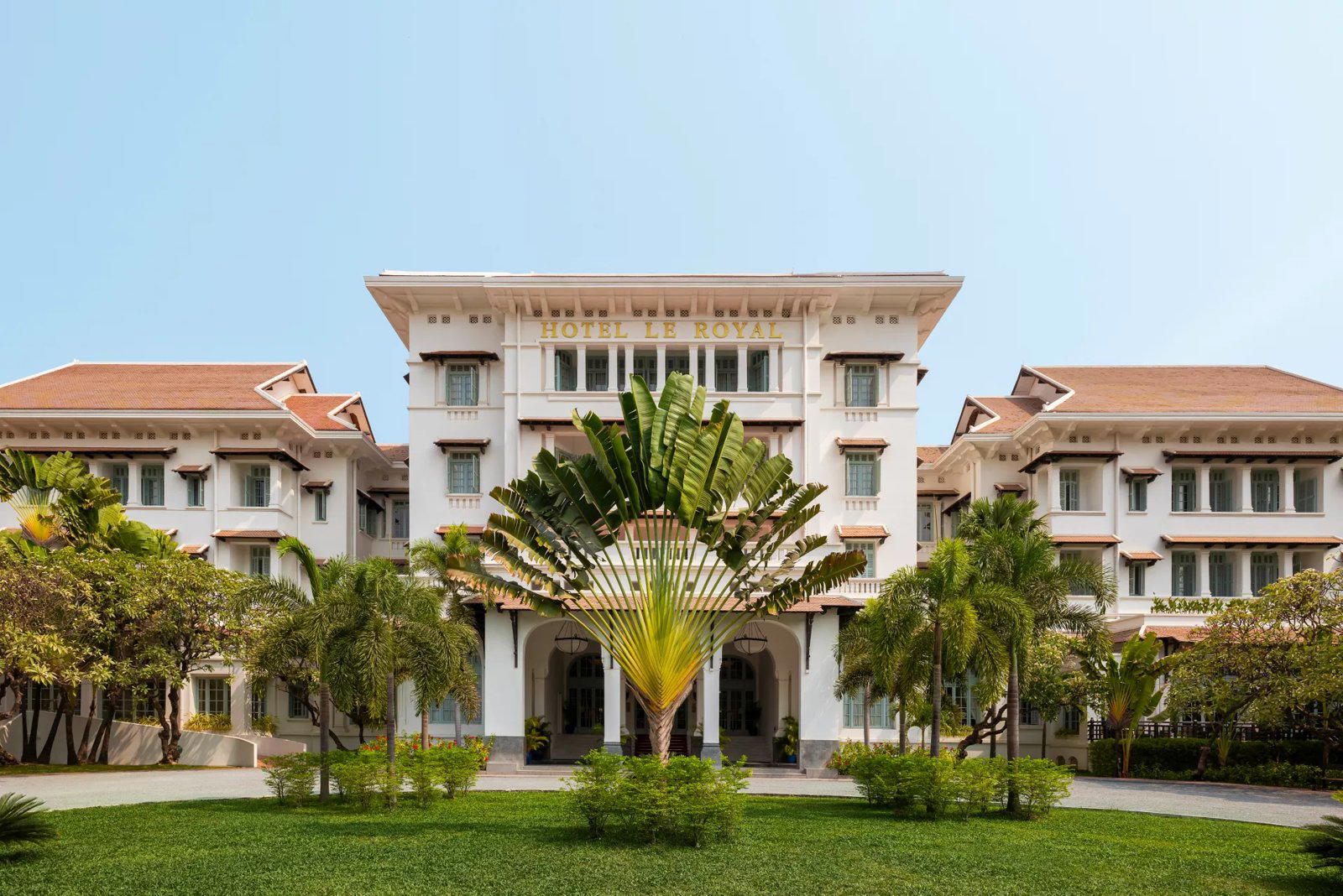
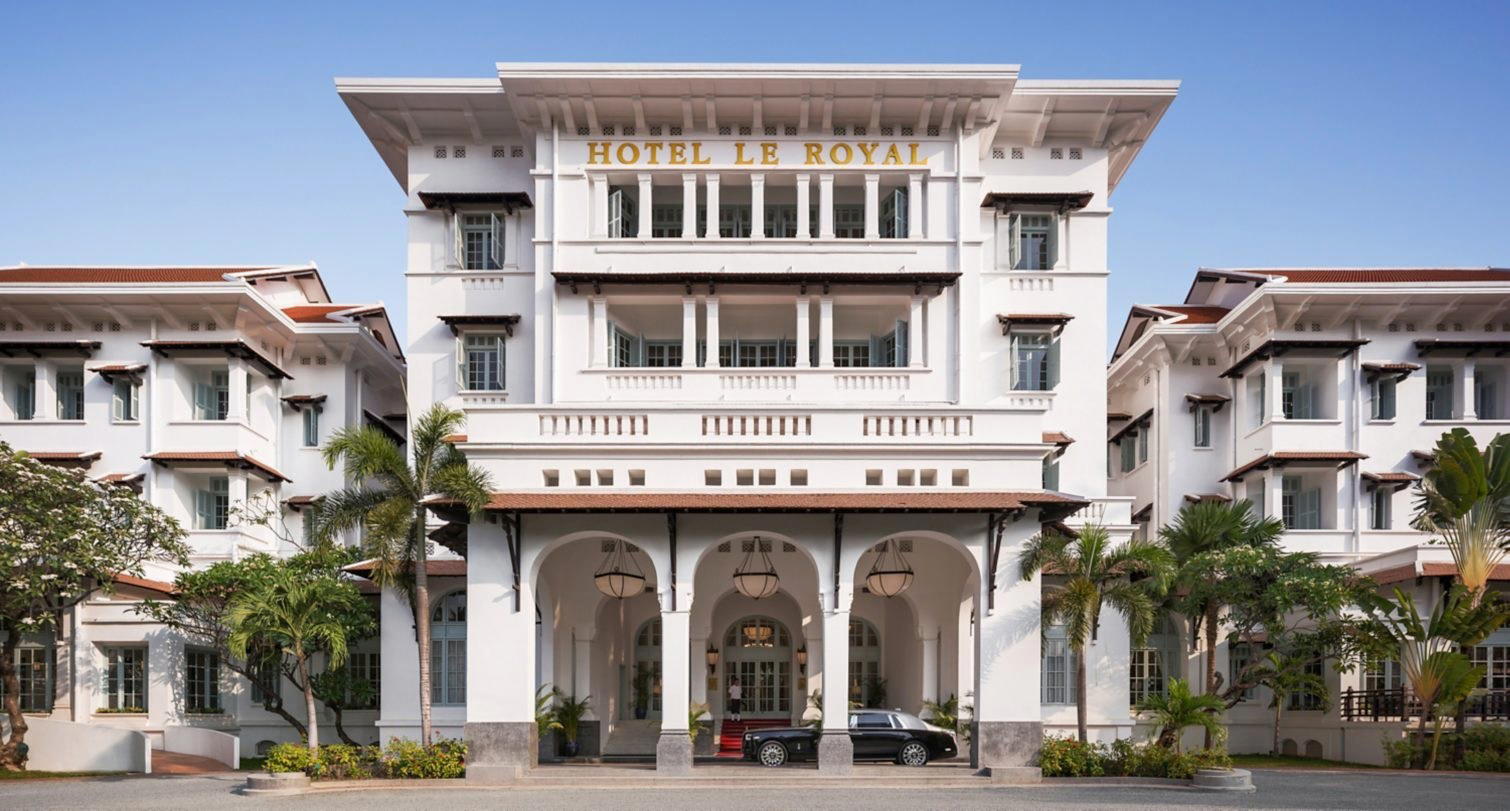
Phnom Penh's formal restaurant scene has expanded considerably since 2015, driven by a growing expatriate population, increasing tourist arrivals, and a domestic professional class with international dining expectations. The city now has a discernible upper tier that was largely absent a decade ago. Within that tier, a few distinct formats have emerged: French-influenced fine dining (represented by venues like Le Royal at The Raffles, which has carried the French Cambodian tradition for decades), European-style bistros and wine-led concepts, and Western-format steakhouses and grills.
CUTS occupies the grill category and sits alongside venues such as Ox Club and TOPAZ in a Phnom Penh dining scene that has become genuinely competitive at the upper end. The distinction between these venues tends to come down to format, view, wine program depth, and the specific sourcing narrative each restaurant chooses to build around its protein. A steakhouse on the 38th floor of the city's most prominent commercial tower is making an explicit argument about where it sits in that hierarchy.
Phnom Penh's premium scene remains smaller and less internationally profiled than comparable tiers in Bangkok or Saigon. Visitors arriving with expectations calibrated to those cities will find the range narrower but the value proposition often stronger, particularly at venues that have invested in imported product at prices that still track below what comparable cuts cost in Singapore or Hong Kong. For a broader orientation across the city's restaurant options, the EP Club Phnom Penh restaurants guide maps the full range.
Cambodia's Wider Restaurant Geography
CUTS is a Phnom Penh story, but Cambodia's restaurant scene extends well beyond the capital. Siem Reap supports its own premium tier, with Amansara Resort Dining Room representing the luxury resort end and Cuisine Wat Damnak representing the locally-sourced tasting menu format. Smaller cities have produced their own points of interest: Jaan Bai Restaurant in Battambang is notable for its social enterprise model, and Bayon Pastry School in Siem Reap occupies a training-restaurant format common in markets where hospitality education infrastructure is developing.
Preah Sihanouk has produced Maybe Later, a coastal counterpoint to the capital's upward ambitions. Elsewhere, Embassy in Svay Dankum Sangkat, HAVEN in Sala Kamreuk Sangkat, and Shinta Mani Wild in Kampong Seila each represent distinct formats shaped by their specific locations. For Phnom Penh diners who also want a reference point within the city itself, Iza and Lum Orng Restaurant round out the picture across different price points and kitchen philosophies.
Planning Your Visit
CUTS is located at Level 38, Vatanac Capital Tower, Preah Trapeang Street (67), Phnom Penh 12022. The tower is a recognisable landmark in the central business district and accessible by tuk-tuk, Grab, or taxi from most parts of the city. Given the format, evening visits are the logical choice: the panoramic view of Phnom Penh after dark, with the Mekong to the east and the city grid below, is the setting the restaurant is built around. Booking ahead is advisable for the view-side seats. Specific hours, pricing, and reservation contact details are best confirmed directly with the venue before arrival, as these details can shift with operational changes.
For international reference points on what the high-floor steakhouse format can deliver at its most ambitious, Le Bernardin in New York City, Atomix in New York City, Lazy Bear in San Francisco, and Emeril's in New Orleans represent different answers to the question of what premium dining ambition looks like when the kitchen has full confidence in its sourcing story. CUTS is asking a version of the same question from the 38th floor of a rapidly changing Southeast Asian capital.
Frequently asked questions
Is CUTS a family-friendly restaurant?
CUTS operates as a premium steakhouse on the 38th floor of Vatanac Capital Tower, a format that skews toward adult dining, business meals, and couples. The elevated setting and price positioning place it alongside Phnom Penh's upper restaurant tier, where the atmosphere tends to be quieter and table-service focused. Families with younger children would likely find it a poor fit, though older children comfortable with formal sit-down dining could manage the format.
What should I expect atmosphere-wise at CUTS?
The defining element is the altitude: Level 38 of Vatanac Capital Tower places CUTS among the highest dining rooms in Phnom Penh, with city and Mekong views that few venues can match. At ground level, Phnom Penh moves in productive disorder; at this height, the city's layout becomes legible in a way that changes the rhythm of a meal. The tower is a recognised landmark on Preah Trapeang Street, so orientation is straightforward from most central districts.
Is CUTS in Phnom Penh worth it for a special occasion dinner?
A 38th-floor table at Vatanac Capital Tower gives CUTS a setting that most Phnom Penh restaurants cannot replicate, making elevation itself part of the occasion. The steakhouse format fits milestone dinners where a centrepiece protein and a strong view do most of the work. For current pricing and reservation availability, contacting the venue directly is the most reliable route, as neither is confirmed in public records.
What's the best thing to order at CUTS?
The name itself sets the program: CUTS is a steakhouse, and protein is the main event. Steakhouses operating at this altitude in Southeast Asia typically anchor their menus around aged or imported cuts, and that format applies here.
How It Stacks Up
| Venue | Cuisine | Price | Awards | Notes |
|---|---|---|---|---|
| CUTSThis venue — the venue you are viewing | Modern Steakhouse & Grill | $50–100 | Not listed | Not listed |
| Le Royal at The Raffles | Modern Khmer & French Fine Dining | $50–100 | La Liste Top Restaurants | French Cambodian |
| TOPAZ | Classic French Fine Dining | $100–150 | Not listed | Not listed |
| Ox Club | Modern Mediterranean Steakhouse | $50–100 | Not listed | Not listed |
Continue exploring
More in Phnom Penh
Restaurants in Phnom Penh
Browse all →
Bars in Phnom Penh
Browse all →
CUTS
The wine
- Wine program
- Exceptional wine program
- Extensive wine list
Details
- Elegant
- Sophisticated
- Modern
- Special Occasion
- Date Night
- Business Dinner
- Panoramic View
- Private Dining
- Open Kitchen
- Hotel Restaurant
- Extensive Wine List
- Local Sourcing
- Skyline
- Waterfront
- A La Carte
- Tasting Menu
- Wine
- Vegetarian Friendly
- Gluten Free Options
- Vegan Options
Current opening hours
- Monday
- 11 AM–10:30 PM
- Tuesday
- 11 AM–10:30 PM
- Wednesday
- 11 AM–10:30 PM
- Thursday
- 11 AM–10:30 PM
- Friday
- 11 AM–10:30 PM
- Saturday
- 11 AM–10:30 PM
- Sunday
- 11 AM–10:30 PM
Hours can change for holidays and private events. Last verified .
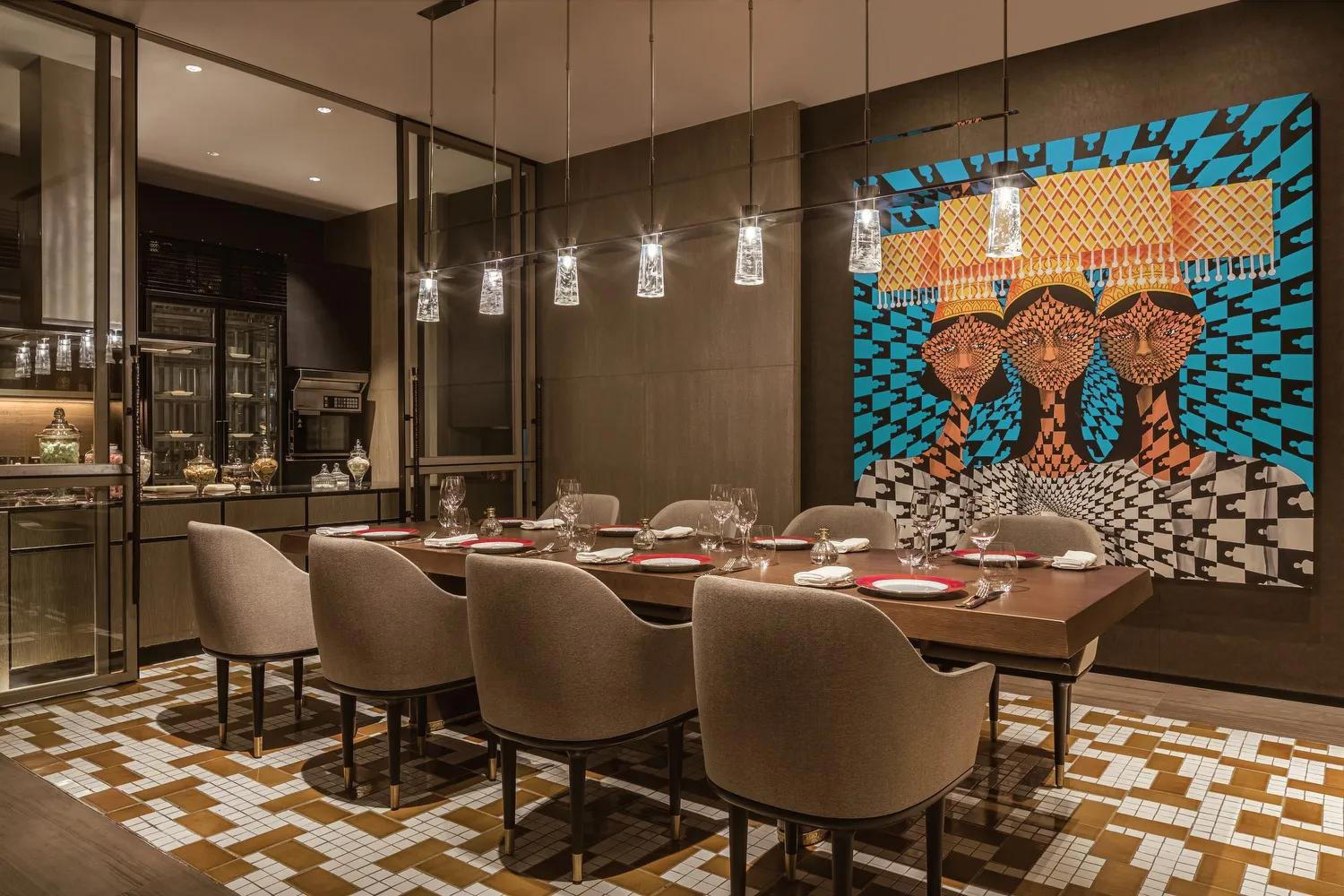
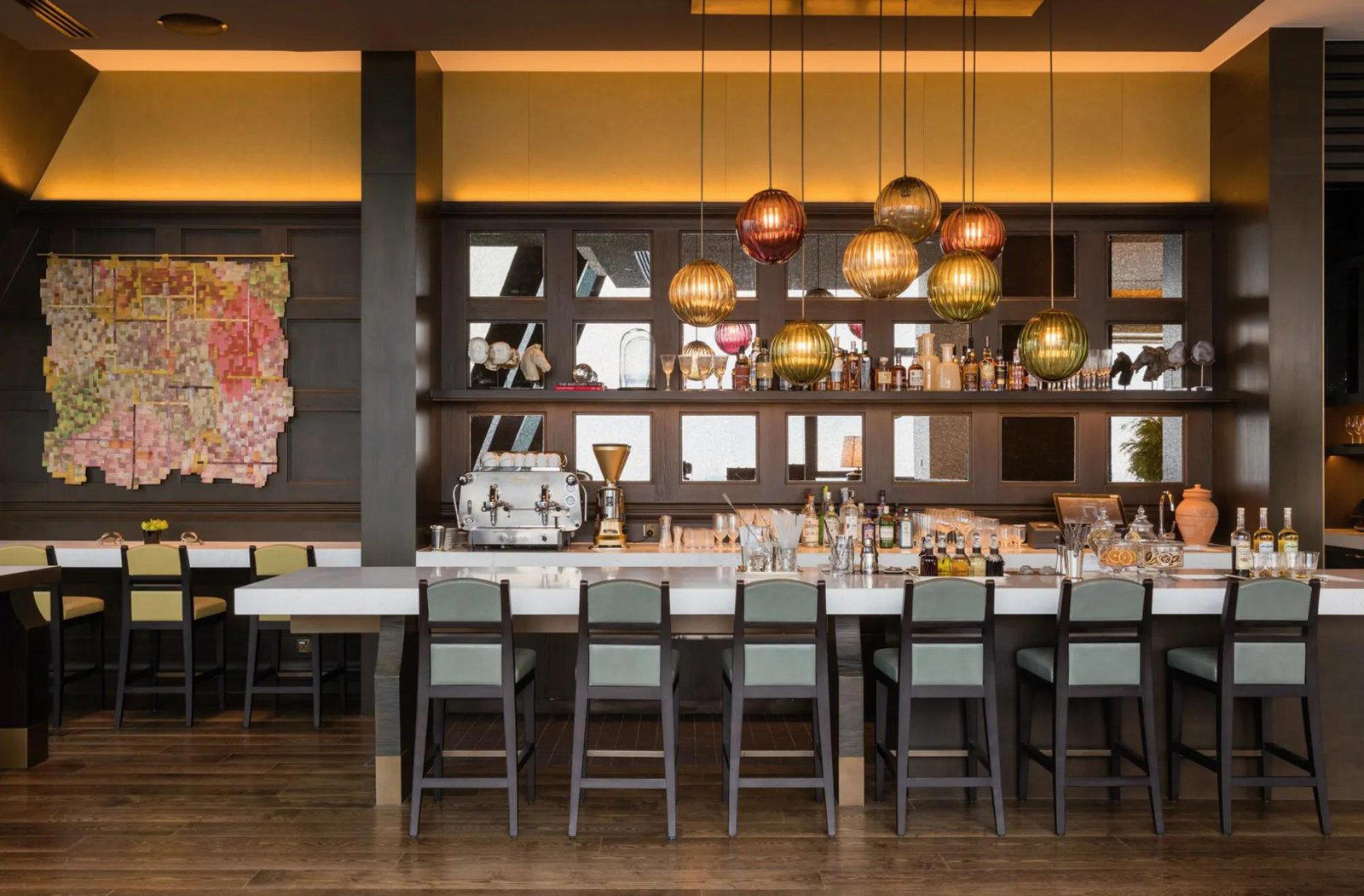
Sophisticated atmosphere with grill kitchen views, dim lighting in private suites, and an ornate wine vault.