Lum Orng Restaurant
Our verdict
Lum Orng Restaurant serves Farm-to-Table Khmer on Tramneak Street in Siem Reap, with organic sourcing, a quiet room, and casual dress that suit dinner plans.

Pearl is the En Primeur Club membership app, where members save venues, book tables and use the concierge.
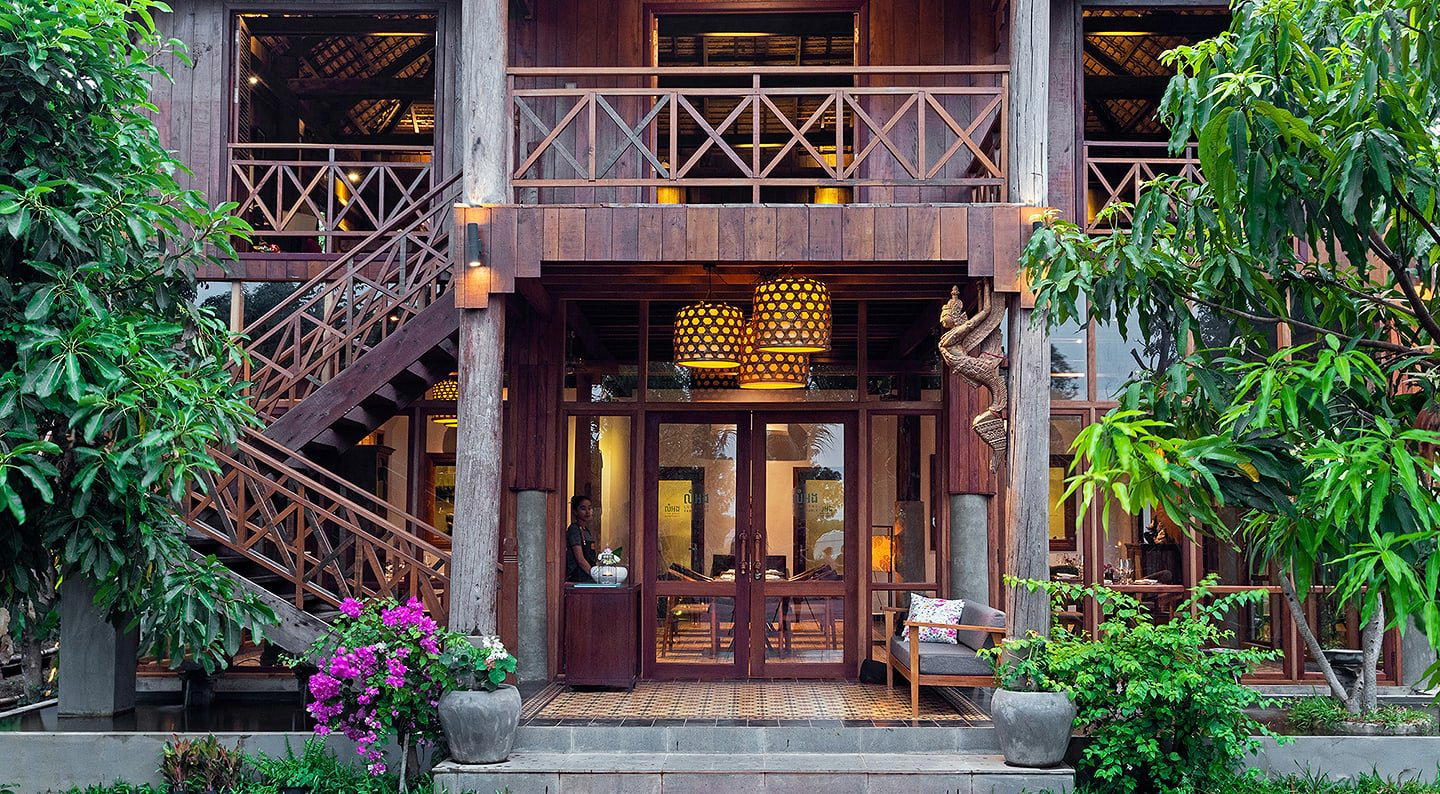
Where Siem Reap Eats Away from the Tourist Circuit
Tramneak Street sits in Sla Kram Sangkat, one of the residential quarters that locals navigate daily but that most visitors pass through without stopping. The neighbourhood runs parallel to the better-known strips closer to Pub Street and the Old Market, but its character is distinctly different: quieter, more workaday, with the kind of foot traffic that signals a place people actually live in rather than pass through for photographs. Lum Orng Restaurant operates within that context, drawing a clientele shaped as much by proximity and habit as by destination dining. That positioning matters, because it shapes what ends up on the plate and where it comes from.
The Ingredient Question in Cambodian Cooking
Across Siem Reap's restaurant scene, sourcing has become the defining fault line between kitchens that cook from Cambodia outward and those that import convenience. The Cambodian pantry, when used seriously, is genuinely deep: prahok (fermented fish paste), kroeung (lemongrass-heavy spice paste), kaffir lime, galangal, banana blossom, fresh river fish from the Tonle Sap lake system just kilometres from the city centre. The Tonle Sap is Southeast Asia's largest freshwater lake and one of the most productive inland fisheries on the planet, reaching peak harvest in the November-to-March dry season when water levels recede and fish concentrate. Restaurants that understand their geography put that proximity to work. Those that don't default to imported proteins and generic Southeast Asian flavours.
In Sla Kram Sangkat, the closer a kitchen sits to residential supply chains, the more likely it is to receive produce from local wet markets rather than centralised wholesale distributors. That pipeline keeps ingredients seasonal by necessity: what arrives at the market is what goes into the bowl. Lum Orng's position in this neighbourhood places it within that supply logic, which is a meaningful distinction from Siem Reap's more formalised dining addresses where procurement decisions are driven by volume and consistency rather than what the morning market brought in.
How Siem Reap's Restaurant Tiers Work
Siem Reap's dining scene divides more sharply than most cities of its size. At one end sit the heritage-format fine-dining addresses oriented toward international visitors: Amansara Resort Dining Room in Siemreab and the colonial French-Cambodian rooms that have operated in the Raffles orbit for decades. In the mid-tier, chef-driven Cambodian restaurants like Cuisine Wat Damnak in Siem Reap have spent years building menus around local sourcing as a deliberate editorial stance, earning regional recognition in the process. Below that, and in many ways more interesting for what it reveals about everyday Khmer food culture, are neighbourhood restaurants that serve the city's own residents. Lum Orng sits in this third tier, and reading it through that lens gives the visit a different set of expectations and a different kind of reward.
Comparable dynamics play out in other Cambodian cities: Jaan Bai Restaurant in Bat Dambang has shown how a community-rooted kitchen can hold its own editorially, and JOMNO in Sala Kamreuk Sangkat represents a different angle on Siem Reap's emerging independent scene. Further afield, Maybe Later in Preah Sihanouk and Embassy in Svay Dankum Sangkat illustrate how Cambodia's secondary cities and beach towns are developing their own distinct hospitality registers, distinct from both the Phnom Penh fine-dining addresses like CUTS in Phnom Penh and Iza in Phnum Penh and from Siem Reap's temple-tourism-adjacent hospitality economy.
What a Neighbourhood Kitchen Means for the Plate
The structural advantage of a neighbourhood restaurant in a Cambodian city is timing. Produce sourced through local wet markets arrives fresh in the morning and gets cooked the same day. That cycle produces flavour profiles that are harder to replicate in kitchens ordering through larger supply chains with longer lead times. Khmer soups, stir-fries, and rice-based dishes depend on aromatic freshness in a way that European cuisines, for example, generally do not. A kroeung paste ground from fresh lemongrass and galangal that morning behaves differently from one made yesterday, and the difference shows up in the finished dish with no technical disguise available. For context on how seriously ingredient provenance shapes kitchen output at the far end of the quality spectrum, compare the sourcing philosophies at places like Le Bernardin in New York City or Lazy Bear in San Francisco, where procurement is a public-facing program. In a Sla Kram Sangkat neighbourhood kitchen, that same discipline exists, but without the press release.
Planning a Visit
Lum Orng is located on Tramneak Street in Sla Kram Sangkat, Siem Reap 17251, Cambodia. The neighbourhood is accessible from central Siem Reap by tuk-tuk in under ten minutes, and the street itself is navigable on foot if you are staying in the wider Sla Kram area. Arriving without a reservation is standard practice in this category of Siem Reap dining. For the wider Siem Reap restaurant picture, see our full Sla Kram Sangkat restaurants guide. Those planning a broader Cambodia itinerary may also want to note Shinta Mani Wild in Kampong Seila and Il Forno in Siem Reab as contrasting reference points in the regional dining range.
Frequently asked questions
Does Lum Orng Restaurant work for a family meal?
Lum Orng sits in Sla Kram Sangkat, a residential quarter of Siem Reap where neighbourhood restaurants typically serve the local community across age groups. The format of a community-oriented Cambodian kitchen generally accommodates mixed-group dining, with shared plates forming the natural structure of the meal. Arriving on the earlier side of service gives families the most flexibility with seating.
How would you describe the vibe at Lum Orng Restaurant?
Lum Orng is on Tramneak Street in one of Siem Reap's working residential sangkats, which sets the tone immediately: this is a local dining room, not a venue calibrated for visitors. Expect a pace and atmosphere shaped by the neighbourhood rather than the hospitality industry, with tables turning at the rhythm of a regular lunch or dinner crowd rather than a tourist schedule.
Is Lum Orng Restaurant a good option for eating like a Siem Reap local rather than a tourist?
Its address on Tramneak Street in Sla Kram Sangkat places Lum Orng firmly outside the concentrated tourist corridor that runs through central Siem Reap, which is precisely the structural difference that matters. Restaurants in residential sangkats serve a repeat local clientele, meaning the menu and pricing are oriented toward that base rather than toward visitors expecting translated menus or international adaptations of Cambodian dishes.
What do regulars order at Lum Orng Restaurant?
Watching what arrives at adjacent tables remains the most reliable ordering strategy in a local Siem Reap restaurant of this type.
What's the address for Lum Orng Restaurant?
Lum Orng Restaurant is located at Tramneak Street, Siem Reap 17251 Cambodia Siem Reap, 17251, Cambodia, Sla Kram Sangkat.
Comparable Venues
Comparable venues nearby, for context on price, style, and recognition.
| Venue | Cuisine | Price | Awards | Notes |
|---|---|---|---|---|
| Lum Orng RestaurantThis venue (the venue you are viewing) | Farm-to-Table Khmer | Not listed | Not listed | Not listed |
| The Little Red Fox Espresso Cafe | Australian-Style Espresso Cafe with Healthy Options | Not listed | Not listed | Kandal Village |
| Pi Sa | Modern Cambodian fine dining | $30–50 | Conde Nast Hot List Restaurants | Wat Phnom / Old Market (Phsar Chas) |
| JOMNO | Modern Khmer Cuisine | $20–30 | Not listed | Sala Kamreuk |
| Embassy | Khmer Gastronomy | Not listed | Not listed | Svay Dangkum Sangkat |
| Wa Gallery | Art Gallery Café | Not listed | Not listed | Siem Reap |
Continue exploring
More in Sla Kram Sangkat
Restaurants in Sla Kram Sangkat
All restaurants in Sla Kram Sangkat →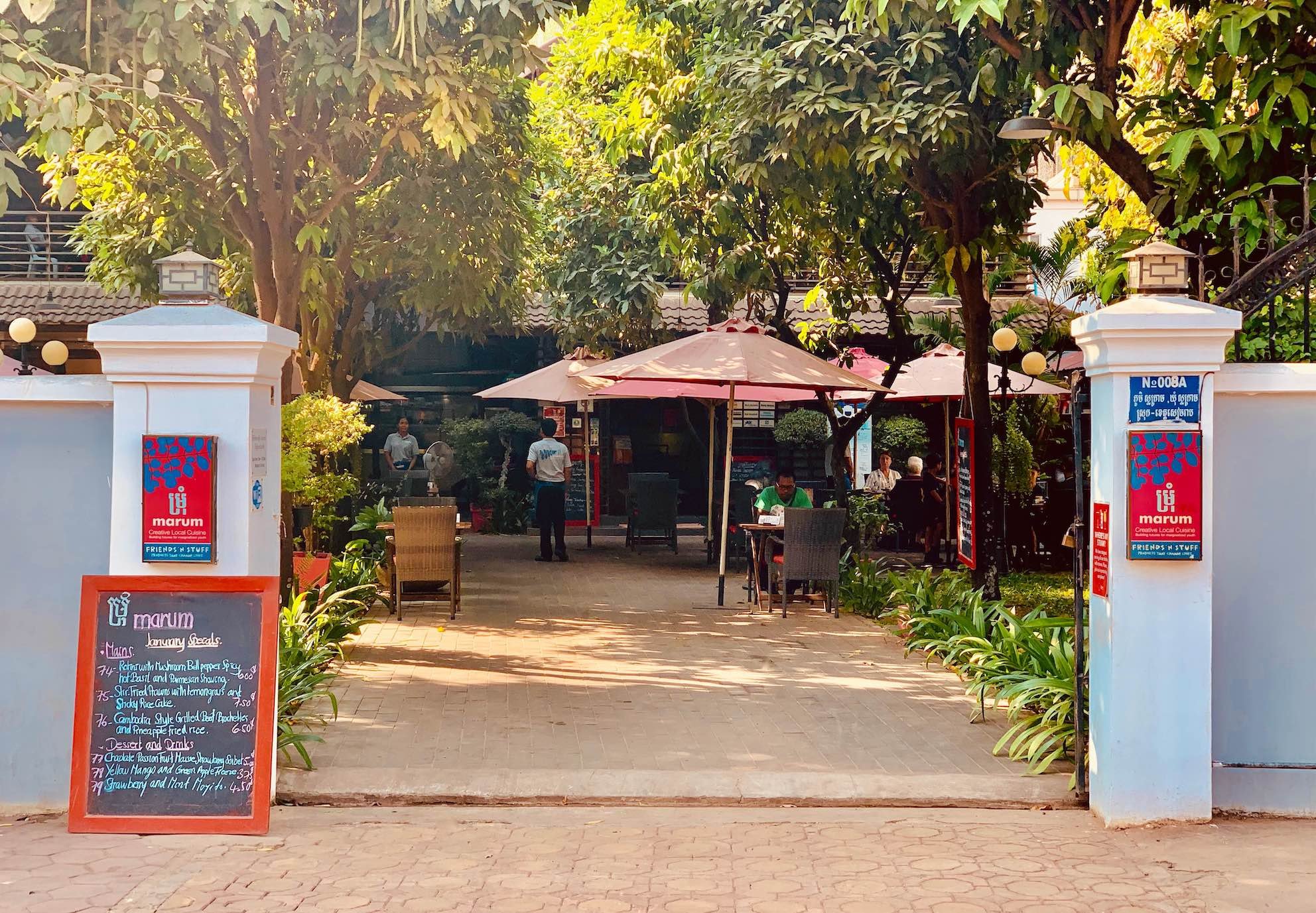
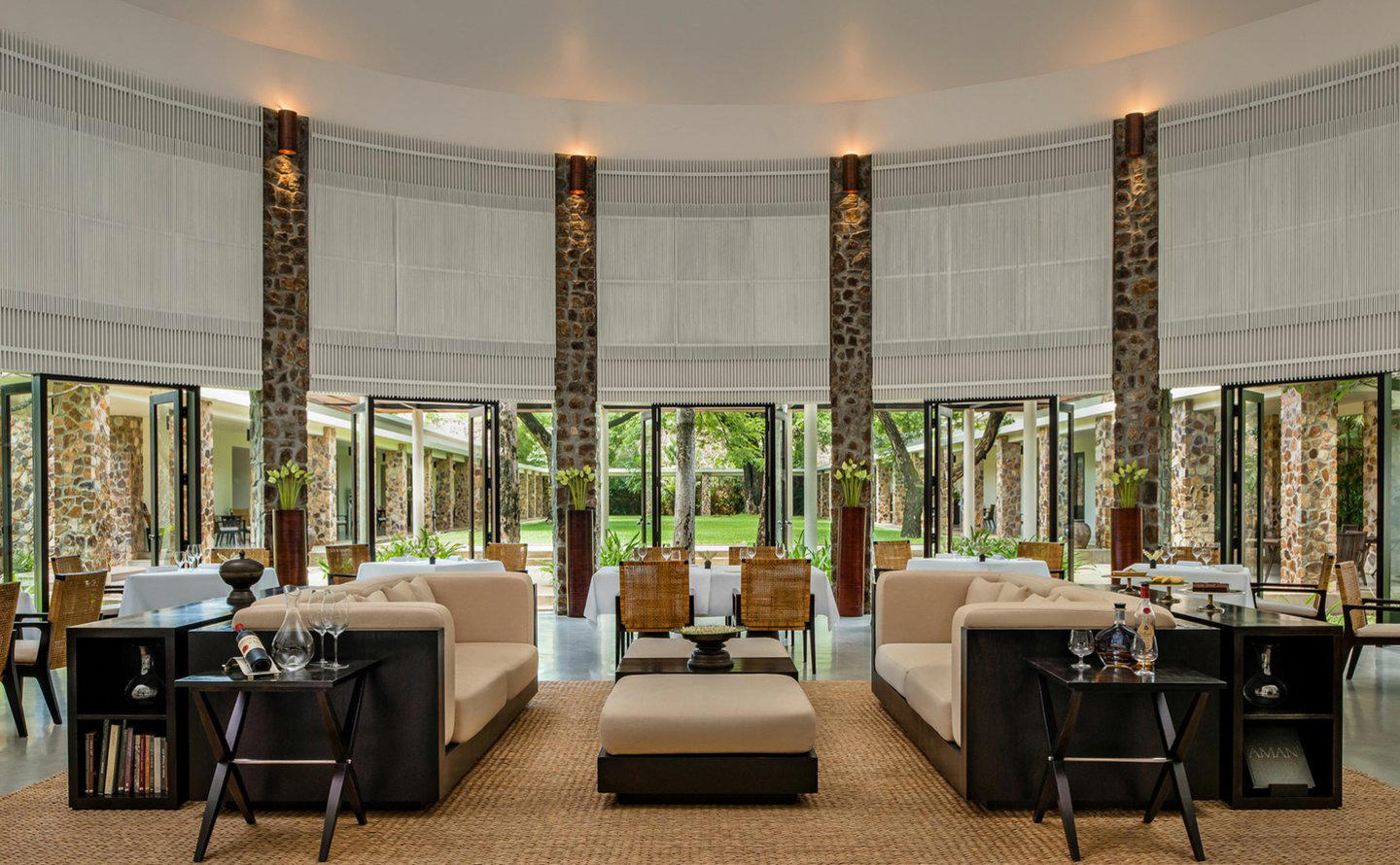
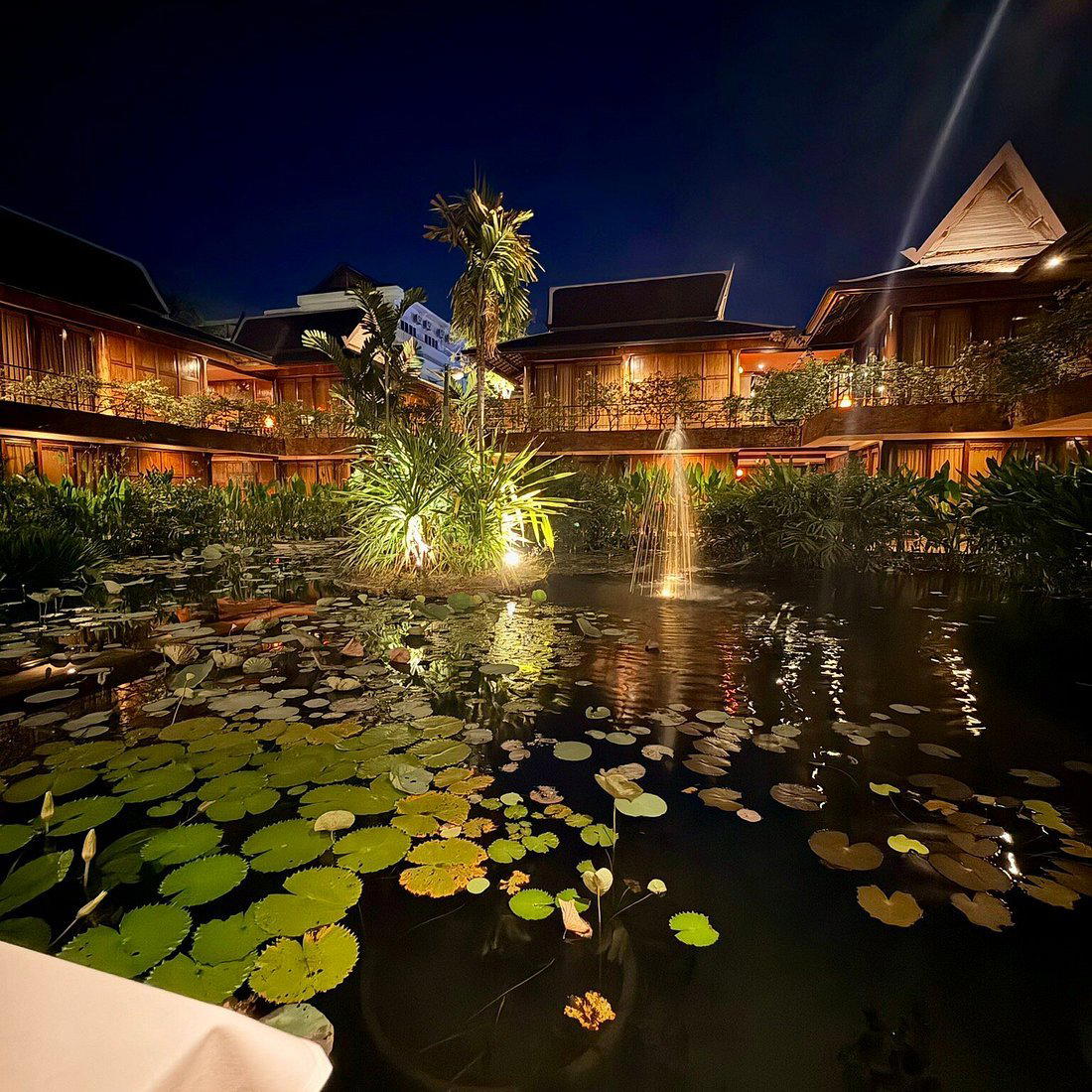
Bars in Sla Kram Sangkat
Browse all →
Details
- Rustic
- Cozy
- Casual Hangout
- Standalone
- Farm To Table
- Organic
- A La Carte
- Organic Focus
Current opening hours
- Monday
- 12–2 PM, 6–10 PM
- Tuesday
- 12–2 PM, 6–10 PM
- Wednesday
- 11:30 AM–2:30 PM, 5:30–10:30 PM
- Thursday
- 11:30 AM–2:30 PM, 5:30–10:30 PM
- Friday
- 11:30 AM–2:30 PM, 5:30–10:30 PM
- Saturday
- 11:30 AM–2:30 PM, 5:30–10:30 PM
- Sunday
- 11:30 AM–2:30 PM, 5:30–10:30 PM
Hours can change for holidays and private events. Hours as of .
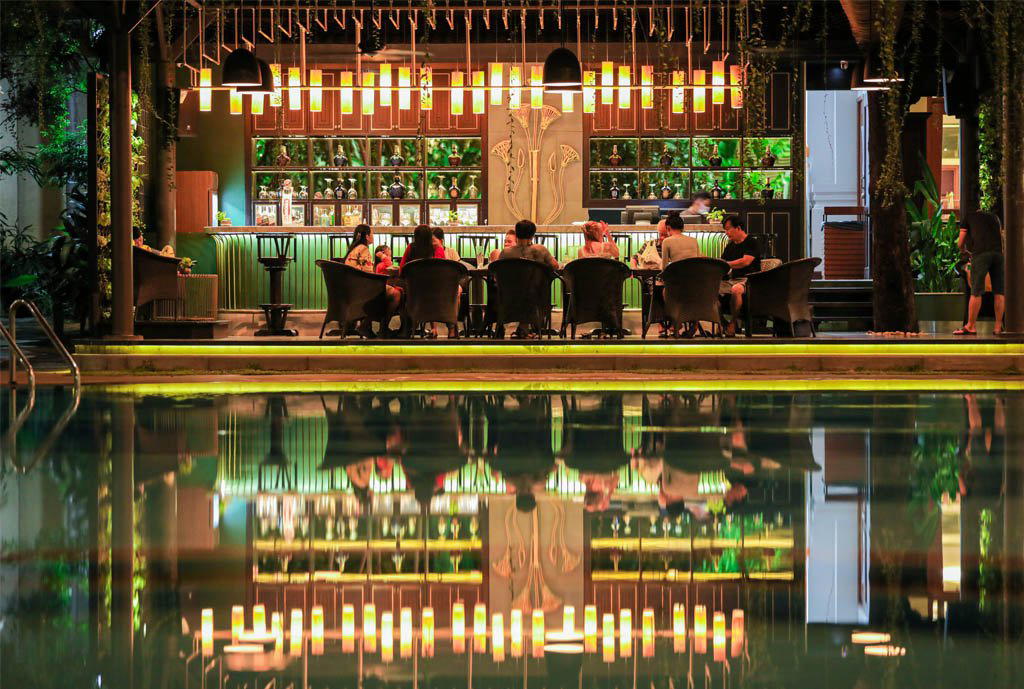
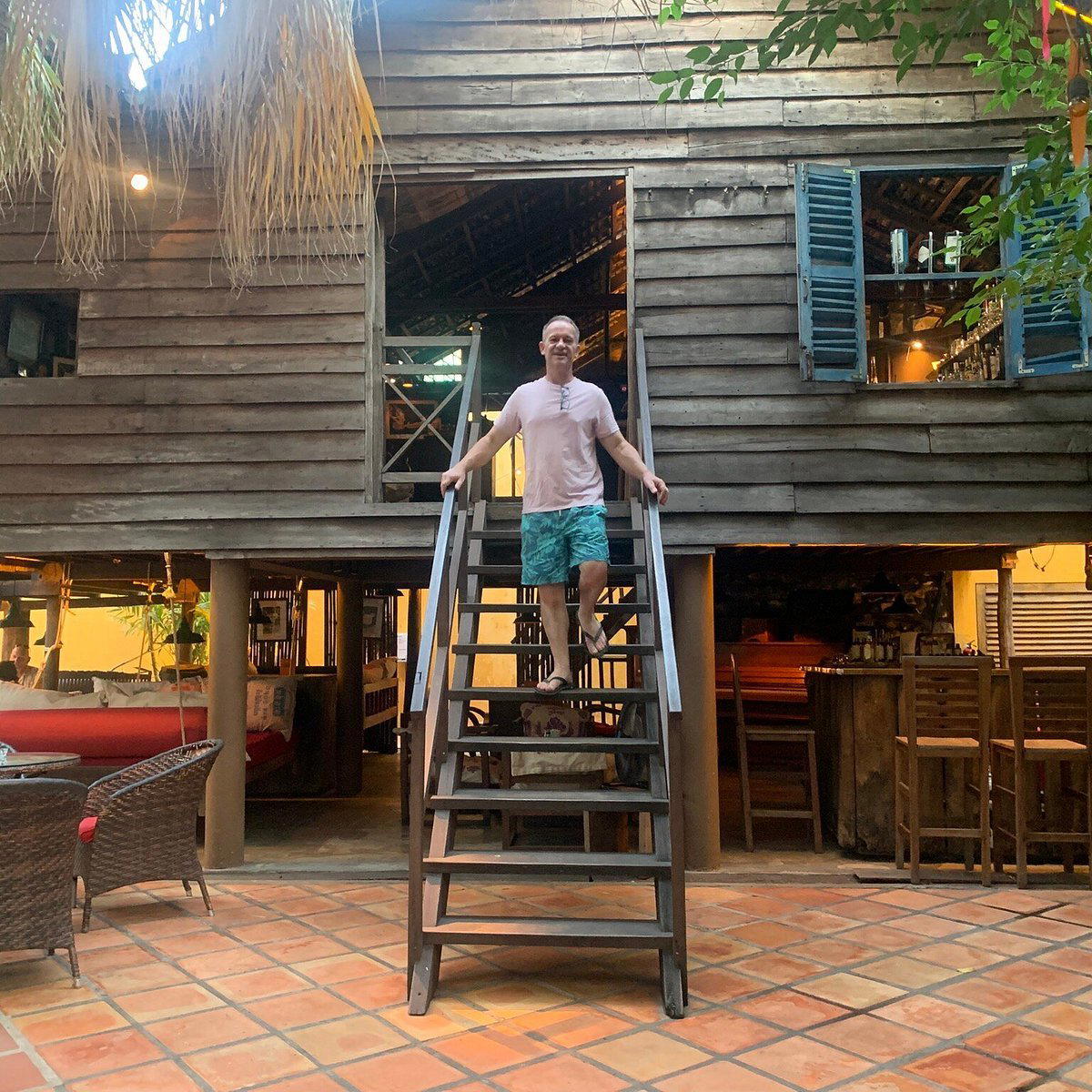
Charming rustic atmosphere in a peaceful rural location.