Our verdict
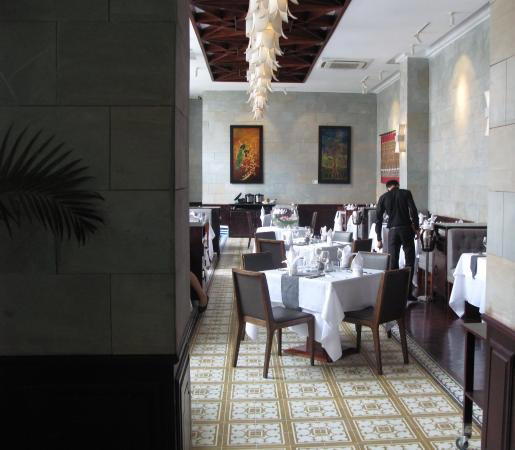
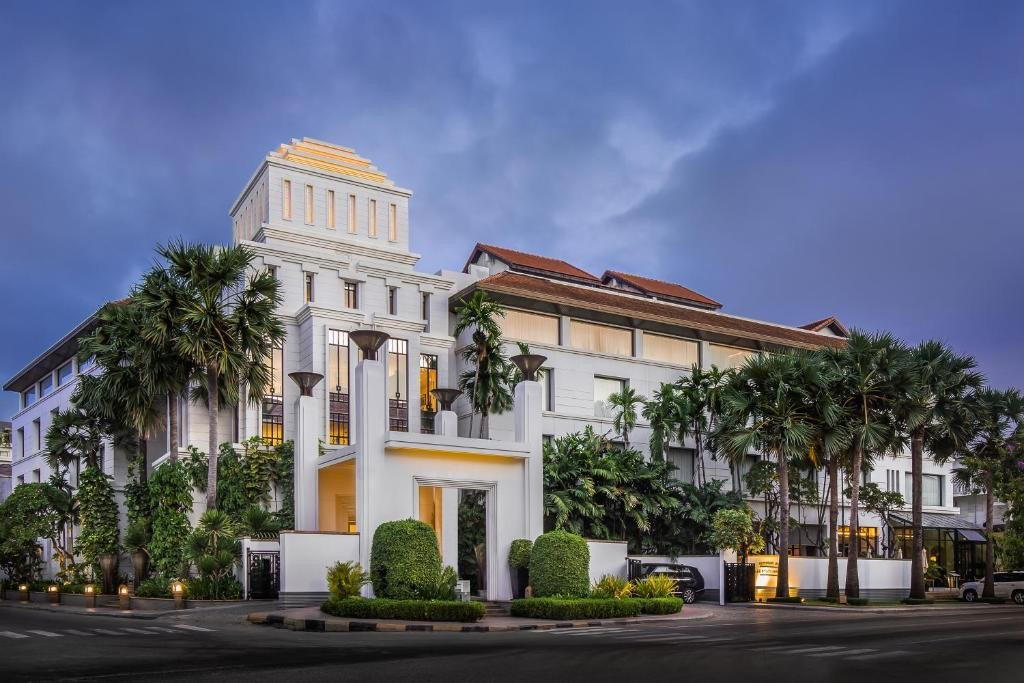
Kroya by Chef Chanrith operates from within the Shinta Mani Hotel at the junction of Oum Khun Street and Street 14 in Siem Reap, positioning itself inside Cambodia's most considered tier of hotel dining. The restaurant draws on Khmer culinary tradition in a setting shaped by the broader Shinta Mani property's design sensibility, making it a reference point for travellers seeking grounded, locally rooted dining near Angkor Wat.

Pearl is the En Primeur Club membership app, where members save venues, book tables and use the concierge.
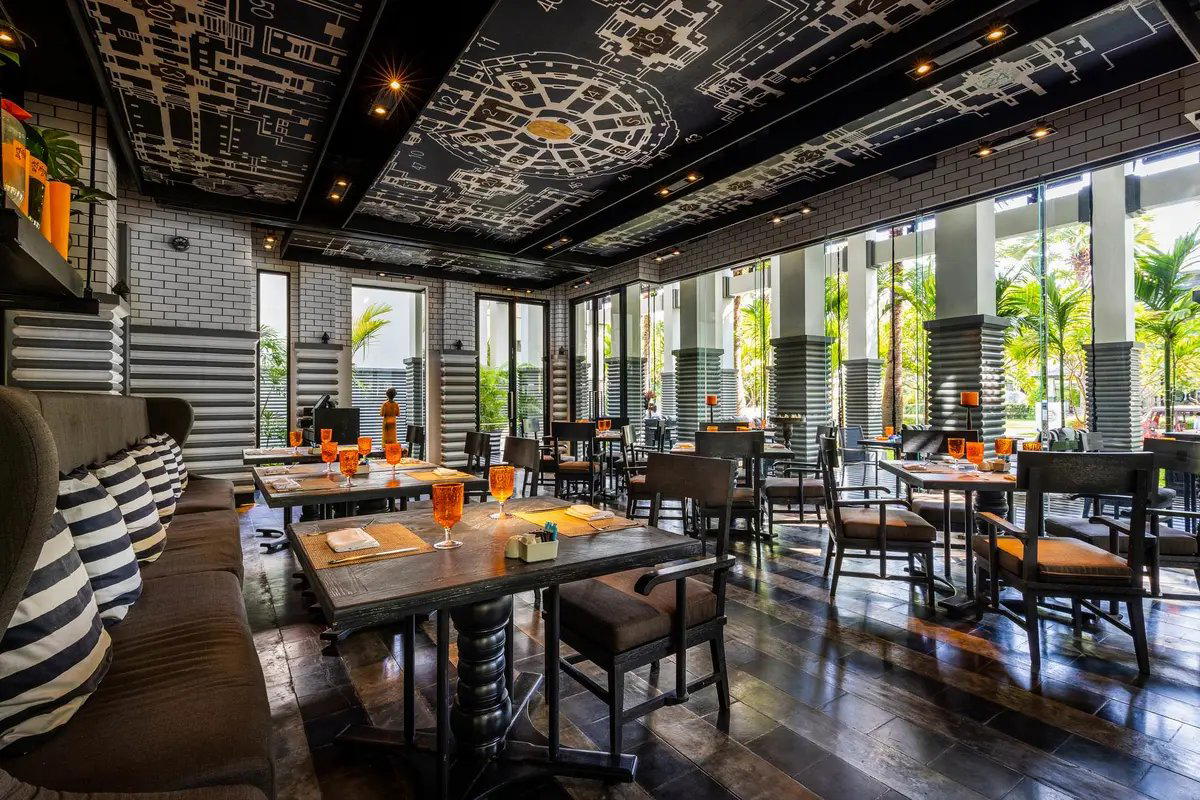
Where Hotel Dining Meets Khmer Culinary Tradition
Siem Reap's dining scene has undergone a quiet reorganisation over the past decade. The city that once catered almost exclusively to temple-circuit tourism now supports a tier of restaurants where Khmer technique and local produce are treated with the same rigour you'd find at a serious table in Bangkok or Hanoi. Kroya by Chef Chanrith sits within this emerging upper bracket, operating from the Shinta Mani Hotel at the junction of Oum Khun Street and Street 14, a location that places it squarely in the old French Quarter, where colonial-era architecture and wide tree-lined streets give the neighbourhood a slower, more contemplative pace than the bar-heavy stretch around Pub Street.
The Shinta Mani property has long been positioned as one of Siem Reap's more socially conscious luxury hotels, and Kroya functions as its dining expression. Hotel restaurants in this part of Southeast Asia tend to fall into two categories: generic international menus designed to reassure anxious travellers, or genuinely localised programs that use the hotel's resources to do something more ambitious with the cuisine of the region. Kroya belongs to the second category, and that distinction matters when you're mapping where to eat in a city that now has real options across multiple price points and formats. For comparable locally rooted dining, Cuisine Wat Damnak in Siem Reap and Chanrey Tree represent the independent-restaurant end of the same conversation.
The Sensory Register of the Oum Khun Quarter
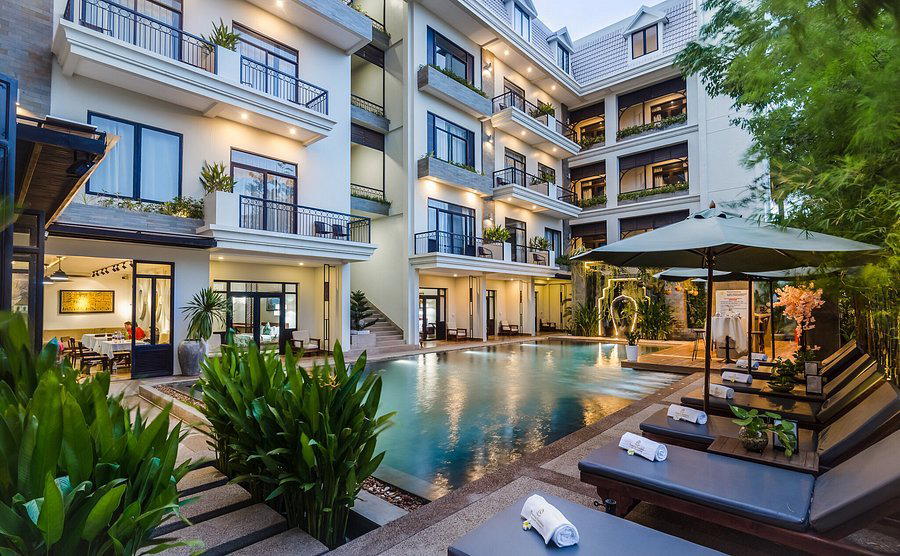
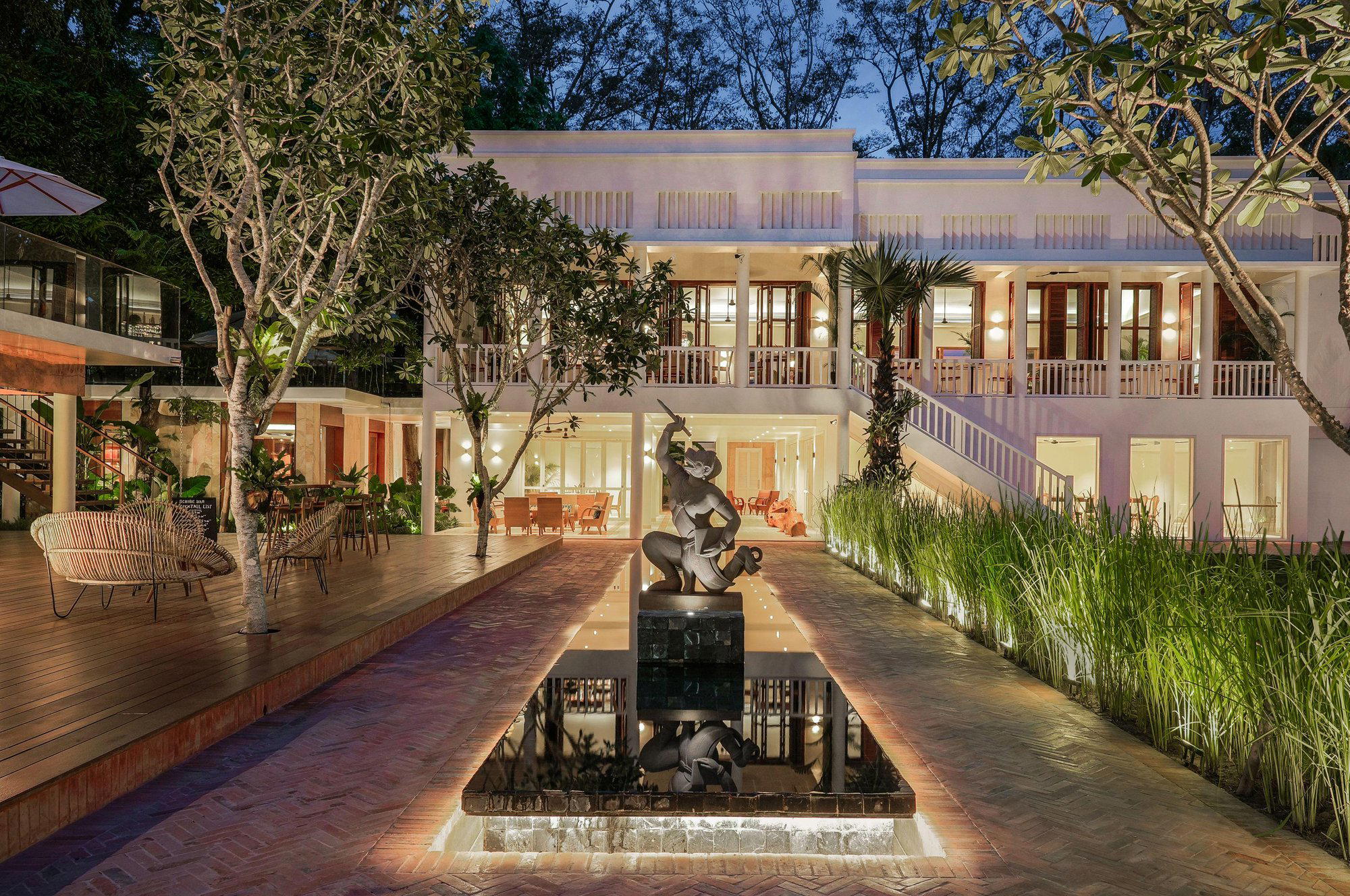
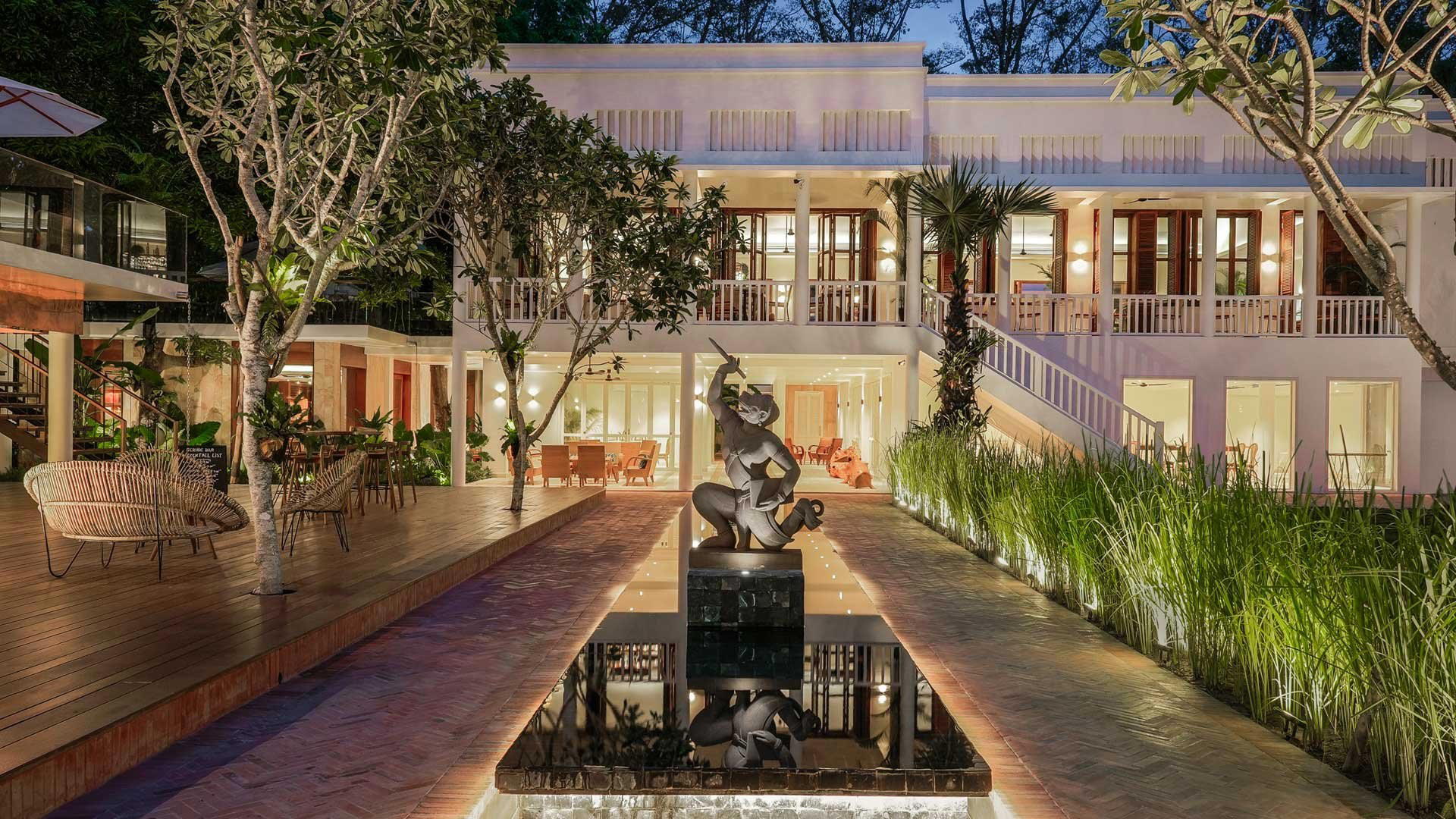
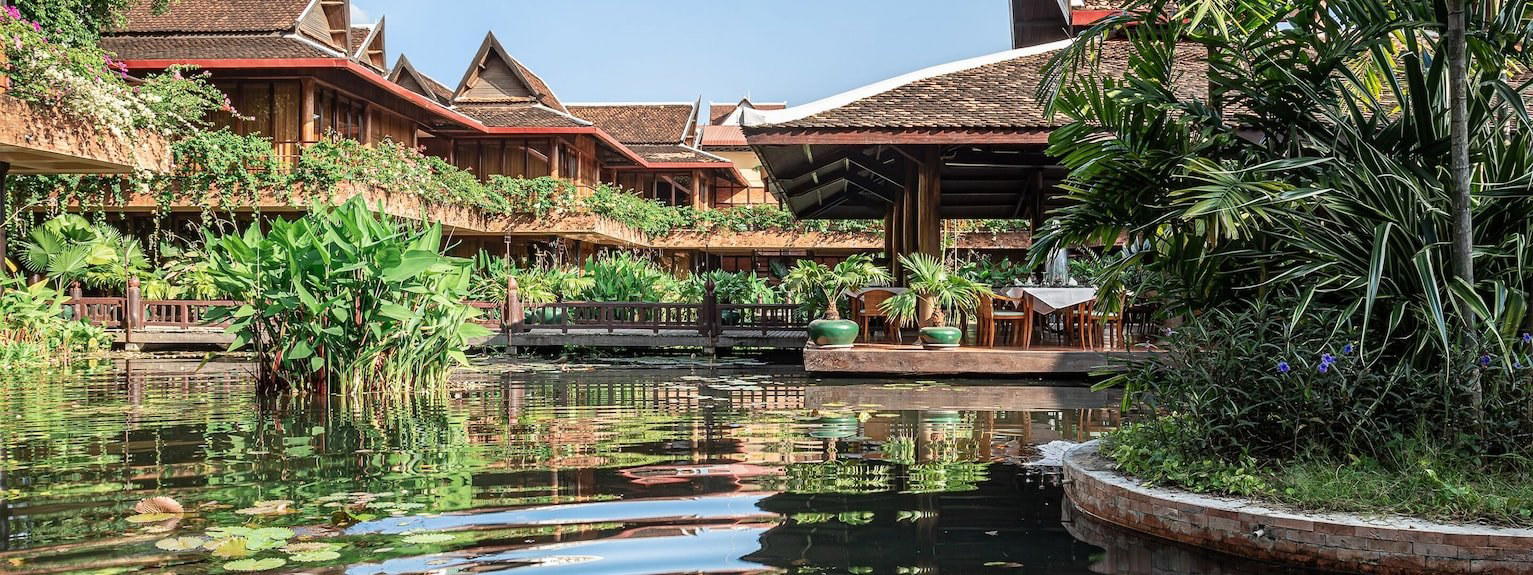
Approaching the Shinta Mani along Oum Khun Street in the early evening, the drop in ambient noise from the main tourist corridors is immediate. The quarter operates on a different frequency: slower foot traffic, less neon, the sound of rain on broad-leafed tropical plantings rather than competing sound systems. This matters for understanding what Kroya offers, because the dining experience begins before you sit down. The property's design vocabulary, which draws on Cambodian craft traditions and natural materials, creates a transition space between the humidity and movement of the street and the more controlled atmosphere of the restaurant interior.
Siem Reap's wet season, which runs roughly from June through October, is when the city is least visited but arguably most atmospheric. The surrounding countryside turns intensely green, the moats around Angkor fill, and the evening air carries the particular weight of a tropical rainy season. Travellers who time a visit to Kroya against this window find the city at lower occupancy and the dining room operating with more space and attention per table. The shoulder months of October and November offer a middle path: the rains have largely passed, the landscape retains its wet-season depth, and temple crowds have not yet rebuilt to peak-season density.
Khmer Cuisine in a Considered Setting
Cambodian cooking remains one of Southeast Asia's least-exported culinary traditions internationally, which makes restaurants like Kroya more significant than their hotel-restaurant category might initially suggest. The cuisine sits in a distinct regional register: less chilli-forward than Thai cooking, with a greater reliance on fresh herbs, fermented fish paste (prahok), and the sour-sweet balance that characterises dishes like amok and kuy teav. A hotel restaurant with the resources and brief to do this cuisine properly has advantages that independent restaurants sometimes lack, including supply-chain access to quality local ingredients and the kitchen infrastructure to execute with consistency.
Within Siem Reap's current dining tier, Kroya occupies a position alongside places like Damnak Meas and AHA Umber at the more considered end of the market. Visitors looking for lighter international formats alongside Khmer options will also find Il Forno in the same neighbourhood tier. For context on where the city's pastry and baking culture fits into this picture, Bayon Pastry School represents a parallel strand of culinary development in Siem Reap, focused on training and social enterprise rather than fine dining.
Across Cambodia more broadly, the relationship between hotel dining and culinary preservation is a recurring theme. At Le Royal at The Raffles in Phnom Penh, the legacy-hotel dining format carries significant historical weight. In Siem Reap specifically, the Shinta Mani's approach through Kroya is more contemporary in orientation, connecting to the same social enterprise infrastructure that makes HAVEN in Sala Kamreuk Sangkat a reference point for hospitality training in the city. The Shinta Mani Wild in Kampong Seila extends this philosophy into wilderness dining in the Cardamom Mountains, giving the broader Shinta Mani brand a coherent culinary thread across properties.
Situating Kroya in Cambodia's Dining Geography
For travellers moving through Cambodia rather than staying fixed in Siem Reap, Kroya makes most sense as part of a wider dining itinerary. Jaan Bai Restaurant in Bat Dambang operates in a similar social enterprise register in Cambodia's second city, while Maybe Later in Preah Sihanouk represents the coastal end of the country's emerging independent dining scene. Within Siem Reap itself, Embassy in Svay Dankum Sangkat and Lum Orng Restaurant in Sla Kram Sangkat fill adjacent positions in the dining map, each with its own angle on what contemporary Cambodian hospitality looks like. Iza in Phnom Penh and the Amansara Resort Dining Room in Siemreab complete the upper end of the country's hotel dining picture.
The comparison with Amansara is instructive. Both properties use their Siem Reap location and hotel infrastructure to position a dining experience above the city's mid-market. Where Amansara leans into ultra-luxury minimalism, Shinta Mani's approach through Kroya is more engaged with the community and social enterprise dimension that defines the brand's identity. Neither approach dominates the other in pure quality terms; they serve different priorities in the traveller's calculus.
Planning a Visit
Kroya by Chef Chanrith is located at the Shinta Mani Hotel, junction of Oum Khun Street and Street 14, Siem Reap. The property sits within walking distance of the Old Market area and the main temple access routes, making it convenient for travellers whose days are structured around Angkor visits. For those arriving from further afield within Cambodia, Siem Reap International Airport is the principal entry point, with the hotel reachable by tuk-tuk or hotel transfer in under twenty minutes from the terminal. Booking through the Shinta Mani property directly is the most reliable approach; the hotel's reservation infrastructure handles restaurant bookings alongside room reservations, which is the practical advantage of hotel dining at this tier. For the full Siem Reap dining picture before you commit to an itinerary, the EP Club Siem Reab restaurants guide maps the city's current options across formats and price points. Travellers planning longer Southeast Asia itineraries who want a calibration point for what serious tasting-menu formats look like at the international level might reference Le Bernardin in New York City or Lazy Bear in San Francisco as anchors for the format, before understanding how Kroya adapts those conventions to a Cambodian context.
Frequently asked questions
Where is Kroya by Chef Chanrith located?
Kroya by Chef Chanrith is located at Shinta Mani Hotel Junction of Oum Khun St, and Street 14, Krong Siem Reap, Cambodia, Siem Reab.
How does Kroya by Chef Chanrith compare to other Khmer restaurants in Siem Reap?
Within Siem Reap, the Khmer dining tier runs from street-level local spots to more considered restaurant settings; Kroya sits at the upper end by virtue of its Shinta Mani Hotel address on Oum Khun Street and the named-chef premise behind the kitchen. Restaurants like Jaan Bai operate in a comparable space, focusing on Cambodian culinary tradition with structured menus rather than tourist-oriented approximations. For travellers specifically seeking Khmer cuisine in a composed setting rather than a casual environment, Kroya is one of a small number of Siem Reap options that frames Cambodian cooking as the central proposition.
What should I eat at Kroya by Chef Chanrith?
The restaurant's orientation toward Khmer cuisine means the most rewarding choices are dishes rooted in Cambodian culinary tradition. Cambodian cooking draws on fermented fish pastes, lemongrass, galangal, and dried spices in ways that differ sharply from Thai or Vietnamese counterparts, and Kroya's position in Siem Reap makes it one of the more considered venues for engaging with that tradition in a hotel-dining context. Avoid defaulting to internationally familiar items if the menu offers Khmer-specific preparations.
What's the best way to book Kroya by Chef Chanrith?
Kroya operates from within the Shinta Mani Hotel at the junction of Oum Khun Street and Street 14, Siem Reap, so the most direct route is through the hotel's reservation system. Hotel restaurants at this tier in Siem Reap typically accommodate walk-ins during quieter periods, but securing a table in advance through Shinta Mani's front desk or online portal removes the guesswork, particularly during peak temple-circuit season between November and March.
What's the standout thing about Kroya by Chef Chanrith?
Kroya's position inside the Shinta Mani Hotel gives it a structural advantage over standalone restaurants in Siem Reap: the property's social enterprise model and design credentials in the Oum Khun quarter establish a context that most hotel dining rooms in the city lack. Chef Chanrith's name attached to the restaurant signals a defined culinary identity rather than a generic hotel menu, placing Kroya in a small peer group of Siem Reap venues where Khmer cooking is treated as the primary focus rather than an add-on to international offerings.
Nearby-ish Comparables
| Venue | Cuisine | Price |
|---|---|---|
| Kroya by Chef ChanrithThis venue (the venue you are viewing) | Modern Cambodian | $50–100 |
| Bayon Pastry School | French Pastry & Bakery Cafe | $1–10 |
| Chanrey Tree | Traditional Khmer Cuisine | $10–20 |
| Damnak Meas | Cambodian | Not listed |
| AHA Umber | Modern Cambodian Fusion Tapas | $20–30 |
| Il Forno | Authentic Italian Trattoria | $10–20 |
Continue exploring
More in Siem Reap
Restaurants in Siem Reap
All restaurants in Siem Reap →
Bars in Siem Reap
All bars in Siem Reap →
Details
- Trendy
- Modern
- Elegant
- Date Night
- Special Occasion
- Open Kitchen
- Local Sourcing
- A La Carte
- Tasting Menu
- Set Menu
- Vegetarian Friendly
Current opening hours
- Monday
- 11 AM–10:30 PM
- Tuesday
- 11 AM–10:30 PM
- Wednesday
- 11 AM–10:30 PM
- Thursday
- 11 AM–10:30 PM
- Friday
- 11 AM–10:30 PM
- Saturday
- 11 AM–10:30 PM
- Sunday
- 11 AM–10:30 PM
Hours can change for holidays and private events. Hours as of .
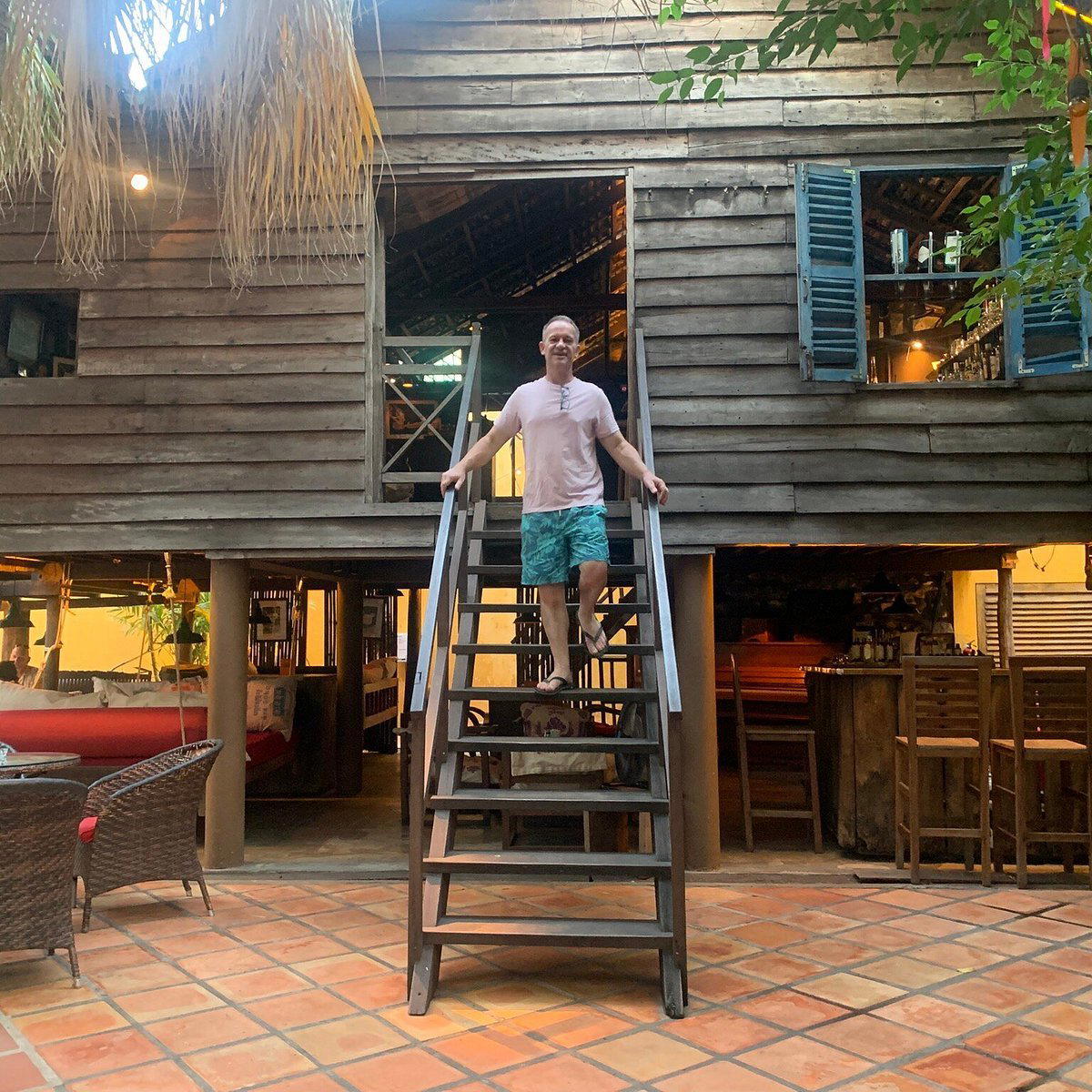
Trendy atmosphere blending Cambodian heritage with contemporary design, including fun outdoor swing seats.