Our verdict
Where Siem Reap's Dining Scene Lands on National Road No. 6 The stretch of National Road No. 6 running through Svay Dankum Sangkat sits at a crossroads that defines how Siem Reap eats in the mid-2020s. The neighbourhood draws a mix of returning...

Pearl is the En Primeur Club membership app, where members save venues, book tables and use the concierge.
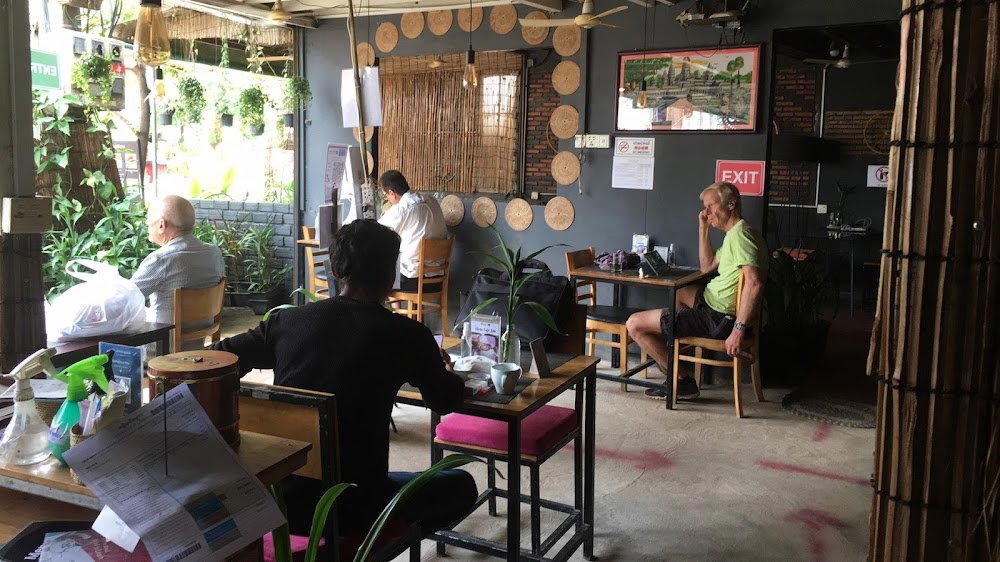
Where Siem Reap's Dining Scene Lands on National Road No. 6
The stretch of National Road No. 6 running through Svay Dankum Sangkat sits at a crossroads that defines how Siem Reap eats in the mid-2020s. The neighbourhood draws a mix of returning international visitors, long-stay expatriates, and Cambodians who have watched the city's restaurant offerings shift from backpacker staples toward something more considered. Koneko KH occupies a position on this road at a moment when Siem Reap's dining identity is still being written, a city that hosts the temples of Angkor and, increasingly, a generation of cooks and restaurateurs willing to stake a claim on what Khmer hospitality can mean at the table.
For context on where this fits within a broader set of Siem Reap options, our full Svay Dankum Sangkat restaurants guide maps the neighbourhood's current dining character across price points and cuisines.
Khmer Culinary Roots and the Siem Reap Recovery Story
Cambodia's cuisine carries a depth that its international profile has only partially reflected. Khmer cooking draws from a larder shaped by the Mekong basin, freshwater fish, fermented shrimp paste, lemongrass, galangal, kaffir lime, and the prahok that functions as the fermented anchor of the national palate. These are not background notes. They define an entire logic of building flavour that differs structurally from the Thai and Vietnamese cooking that neighbouring cuisines export more aggressively.
Siem Reap has become the city where that gap is being addressed most visibly. Post-pandemic, the province rebuilt its tourism infrastructure with a sharper editorial eye on local identity, and dining played a role. Venues like Cuisine Wat Damnak in Siem Reap established an early benchmark for serious Cambodian tasting menus, demonstrating that Khmer ingredients and technique could anchor a format associated elsewhere with European fine dining. Meanwhile, Kroya by Chef Chanrith and Embassy, both operating in this sangkat, represent different takes on how local ingredients translate into a modern dining room. Koneko KH enters this conversation on National Road No. 6 as Siem Reap's reputation for considered eating continues to build.
The broader Cambodian dining trajectory is worth noting for visitors arriving via Phnom Penh, where venues like CUTS in Phnom Penh and Iza in Phnum Penh occupy different ends of a market increasingly comfortable with international formats. Siem Reap's version of that story tends to hew closer to heritage, partly because the city's identity is bound so tightly to Angkor Wat and the tourism economy that surrounds it.
The Neighbourhood as Context
Svay Dankum Sangkat is not the bar-dense zone of Pub Street, nor the quieter residential character of the sangkats further from the river. It functions as a connective tissue in Siem Reap's hospitality geography, with accommodation, restaurants, and local commerce operating alongside each other in a way that rewards visitors who move through on foot rather than tuk-tuk. National Road No. 6 itself is a functional artery, which means the dining rooms that sit along it tend to attract a broader local-and-visitor mix than the curated strips closer to the Old Market.
For visitors exploring the region's dining character beyond this immediate sangkat, JOMNO in Sala Kamreuk Sangkat and Lum Orng Restaurant in Sla Kram Sangkat each represent the kind of neighbourhood-specific dining that has made Siem Reap interesting to food-focused travellers. For those with access to lodge dining at a higher price point, Amansara Resort Dining Room in Siemreab operates in a separate tier entirely, calibrated to an all-inclusive international guest profile.
Positioning Within Cambodia's Emerging Restaurant Scene
Cambodia's restaurant sector is in a transitional period that has few direct parallels in the region. Unlike Vietnam or Thailand, which have decades of internationally recognized dining infrastructure, Cambodia is building its fine and contemporary dining identity largely within the last ten to fifteen years. That creates genuine opportunity for venues operating in this window, and genuine uncertainty about where any given address will sit in five years.
Siem Reap remains a smaller market than Phnom Penh in absolute terms, but it punches above its weight in per-visit dining spend, driven by international tourists who budget specifically for food experiences around the temple circuit. A venue on National Road No. 6 benefits from proximity to that traffic while avoiding the premium rents of the most tourist-saturated blocks.
For reference on what serious dining formats look like at a global level, Le Bernardin in New York City and Atomix in New York City represent the kind of benchmark that Cambodia's ambitious restaurant scene is tracking, at least in format discipline if not in price. Closer geographically, 8 1/2 Otto e Mezzo Bombana in Hong Kong offers a data point on how Asian cities at a higher development stage have built fine dining credibility. The trajectory Cambodia is on, while slower, is not dissimilar.
For travellers moving beyond Siem Reap, Cambodia's dining geography extends to Jaan Bai Restaurant in Bat Dambang, which has drawn significant editorial attention for Khmer cooking in a provincial context, and Shinta Mani Wild in Kampong Seila, which operates in a wilderness lodge format at the premium end of the country's experiential dining offer. Maybe Later in Preah Sihanouk represents the coast's more relaxed take on the same underlying shift toward quality-conscious eating.
Planning a Visit
Koneko KH is located at National Road No. 6, Krong Siem Reap 17259. As of the time of writing, current hours, pricing, and booking methods are best confirmed directly on arrival or through local accommodation concierge networks, which remain the most reliable real-time source for Siem Reap dining information given the pace of change in the city's hospitality sector. The address places it within reasonable tuk-tuk distance of the main Siem Reap hotel corridors, and the road itself is well-served by the city's informal transport network. Visitors arriving during peak temple season, roughly November through February, will find the neighbourhood busiest and should allow flexibility in their evening plans. The shoulder months of May through September offer a quieter experience of the same address.
For context on the wider Italian dining offer nearby, Il Forno in Siem Reab represents one reference point for international cuisine operating in the Siem Reap market. And for those benchmarking against the US dining scene before or after a Cambodia trip, Emeril's in New Orleans and Lazy Bear in San Francisco offer useful reference points on what format discipline at a well-established American restaurant looks like.
Frequently asked questions
What's Koneko KH's location?
Koneko KH is located at National Road No.6, Krong Siem Reap 17259, Cambodia, Svay Dankum Sangkat.
Is Koneko KH in Siem Reap suitable for a quiet dinner away from the Pub Street crowds?
Koneko KH's address on National Road No. 6 in Svay Dankum Sangkat places it outside the bar-dense Pub Street zone, in a sangkat that functions more as a working neighbourhood than an entertainment district. That separation from the tourist-heavy core is one of the clearest things the location communicates. Visitors looking for a lower-footfall setting in Krong Siem Reap will find this corridor more in line with that preference than the Old Market area.
What's the must-try dish at Koneko KH?
Siem Reap's restaurant scene in Svay Dankum Sangkat is drawing kitchens that work with Khmer larder staples, fermented fish pastes, fresh river herbs, and coconut-based broths, so asking staff directly on arrival is the practical approach. Check the venue at National Road No. 6, Krong Siem Reap 17259 for current menu availability.
What's the best way to book Koneko KH?
The address is National Road No. 6, Krong Siem Reap 17259, Svay Dankum Sangkat. Arriving early in the evening or asking your accommodation to make contact locally is the most reliable approach given the current information gap.
What's the standout thing about Koneko KH?
Koneko KH occupies a stretch of National Road No. 6 in Svay Dankum Sangkat that sits outside the Pub Street tourist corridor, a part of Siem Reap where the dining proposition tends to reflect local eating habits rather than adapted international menus. That positioning alone distinguishes it from the majority of venues tourists encounter first. Cambodia's mid-2020s restaurant recovery has pushed more serious kitchen activity into exactly these kinds of neighbourhood addresses.
What if I have allergies at Koneko KH?
No cuisine type or menu data is confirmed for Koneko KH, which makes advance allergy communication especially important. Khmer cooking broadly relies on prahok (fermented fish paste), shellfish stocks, and peanuts in many preparations, so these are the categories worth flagging directly with staff. Given no booking contact is currently listed, arriving with a written note in Khmer covering your specific restrictions is a practical safeguard at venues along National Road No. 6.
Is Koneko KH worth it?
What the address on National Road No. 6 in Svay Dankum Sangkat does signal is a venue operating in a neighbourhood where Siem Reap's post-recovery dining activity is concentrating, outside the tourist-price premium zones closer to Angkor Wat and Pub Street. That context is a reasonable starting point for calibrating expectations.
Cost Snapshot
Comparable venues nearby, for context on price, style, and recognition.
| Venue | Cuisine | Price | Notes |
|---|---|---|---|
| Koneko KHThis venue (the venue you are viewing) | Japanese | $10–20 | Not listed |
| Kroya by Chef Chanrith | Modern Cambodian | $50–100 | Svay Dangkum, Modern Khmer Fine Dining |
| Embassy | Khmer Gastronomy | Not listed | Svay Dangkum Sangkat, Khmer Gastronomy |
| Iza | Japanese Izakaya and Sushi | $100–150 | Daun Penh, Japanese Izakaya |
| Lum Orng Restaurant | Farm-to-Table Khmer | Not listed | Sla Kram Sangkat, Farm-to-Table Khmer |
| Wa Gallery | Art Gallery Café | Not listed | Siem Reap, Art Gallery Café |
Continue exploring
More in Siem Reap
Restaurants in Siem Reap
All restaurants in Siem Reap →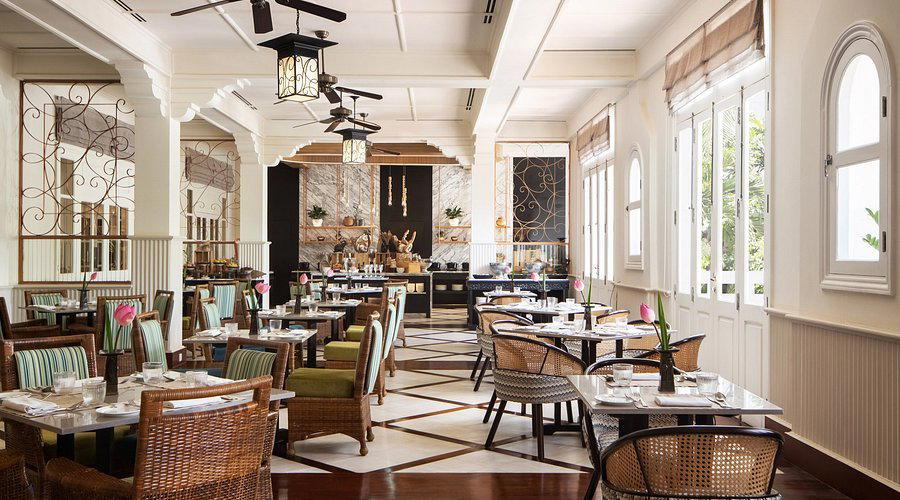
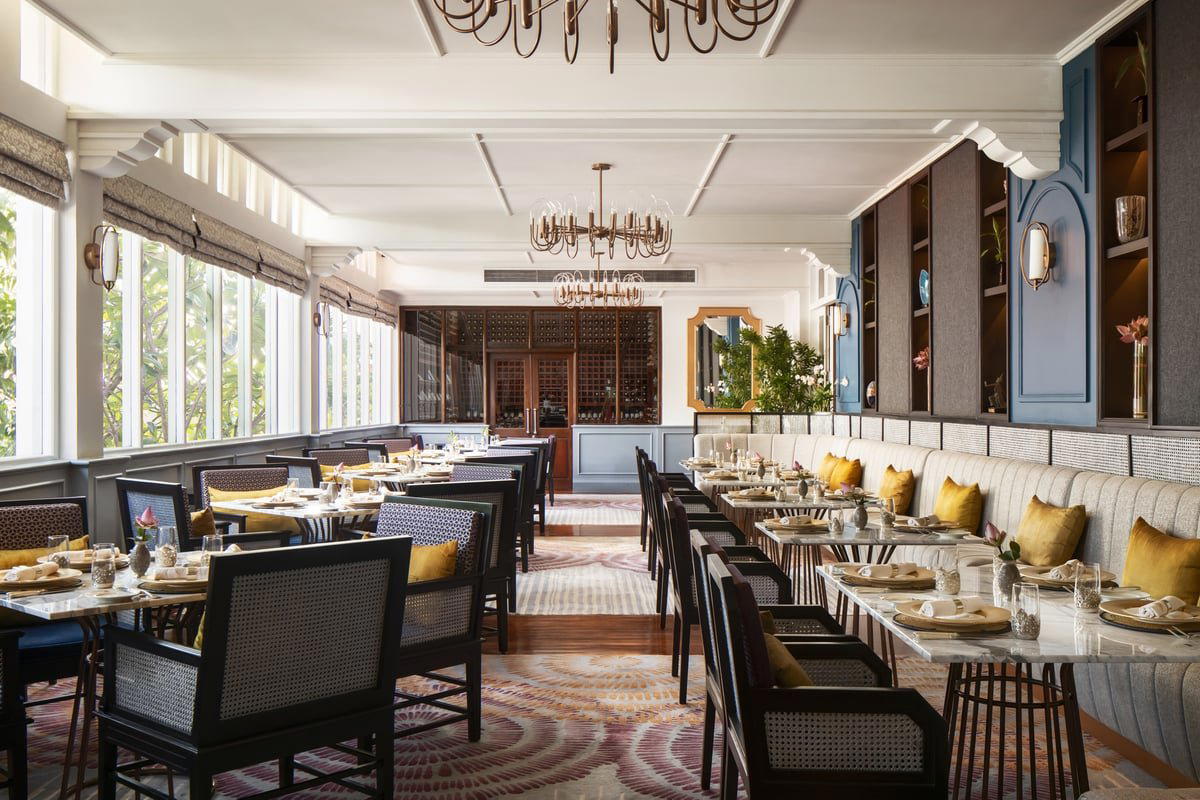
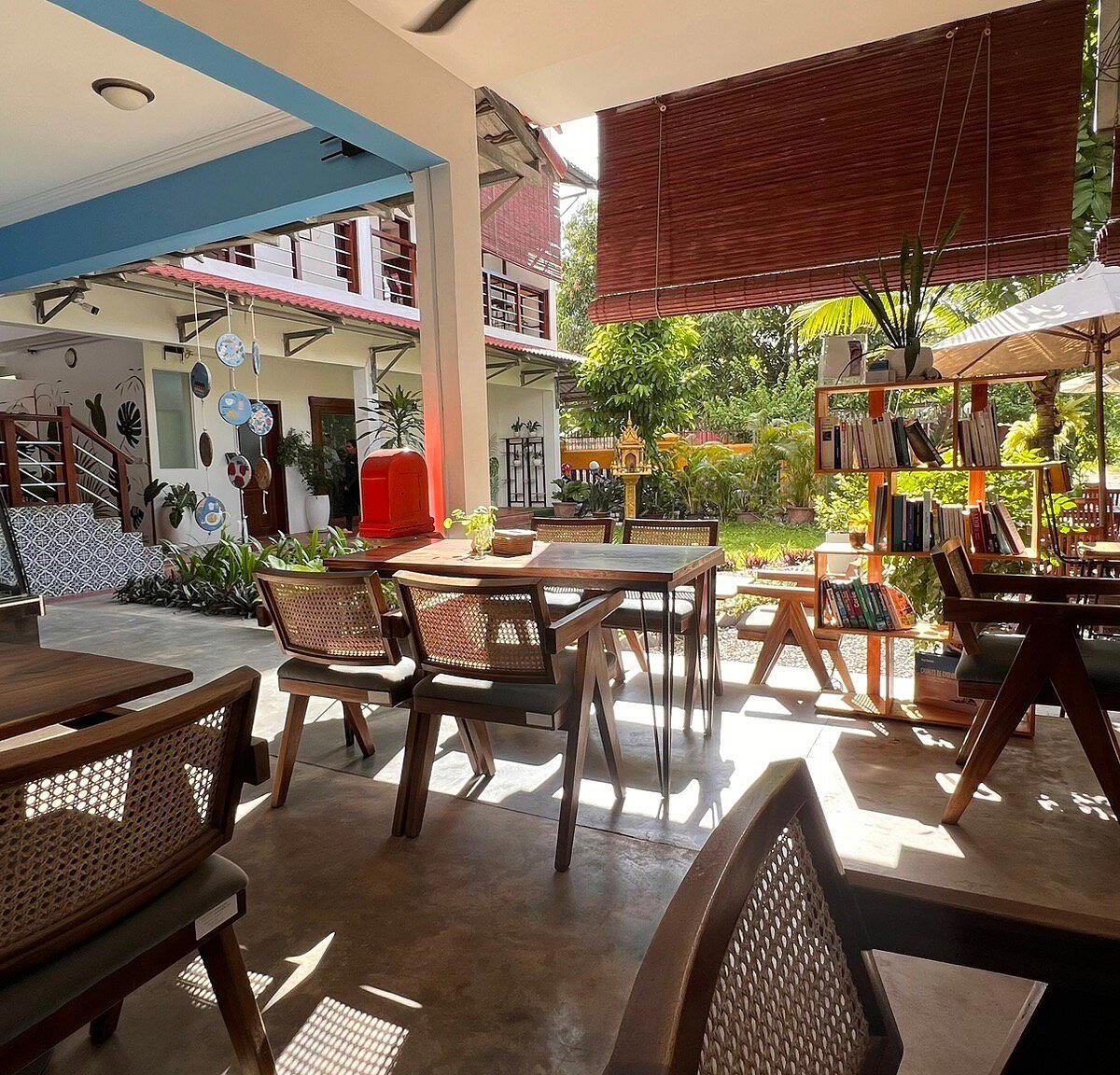
Bars in Siem Reap
All bars in Siem Reap →
Details
- Cozy
- Family
- Casual Hangout
- Open Kitchen
- A La Carte
Current opening hours
- Monday
- 11 AM–3 PM, 5–10 PM
- Tuesday
- 11 AM–3 PM, 5–10 PM
- Wednesday
- 11 AM–3 PM, 5–10 PM
- Thursday
- 11 AM–3 PM, 5–10 PM
- Friday
- 11 AM–3 PM, 5–10 PM
- Saturday
- 11 AM–3 PM, 5–10 PM
- Sunday
- 11 AM–3 PM, 5–10 PM
Hours can change for holidays and private events. Hours as of .
Cozy, authentic Japanese atmosphere with air conditioning, quiet setting, pleasant lighting, and inviting dining space.