Le Royal at The Raffles

La Liste Top Restaurants
Our verdict
Le Royal at The Raffles sits at the intersection of French colonial heritage and Cambodian culinary identity, earning consistent La Liste recognition with 75 points in both 2025 and 2026. Set within one of Phnom Penh's most historically layered properties, it represents the city's most formal expression of French-Cambodian cuisine, drawing on regional provenance while operating within a tradition that predates Cambodia's modern restaurant scene.

Pearl is the En Primeur Club membership app, where members save venues, book tables and use the concierge.
The menu
What to order
- River lobster terrine
- Slow-cooked goose
- Braised Australian beef in red curry
Where Colonial Architecture Meets Cambodian Provenance
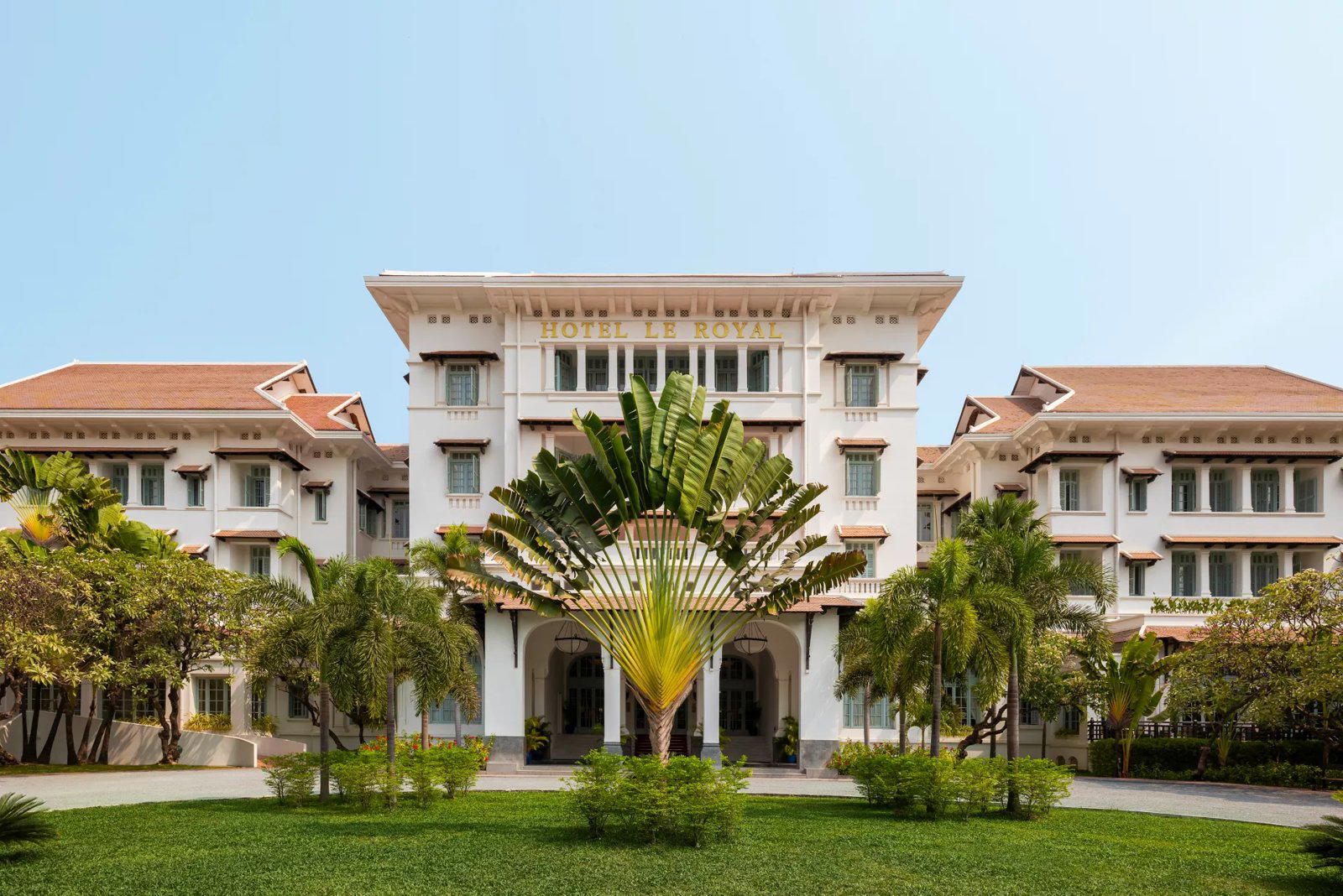
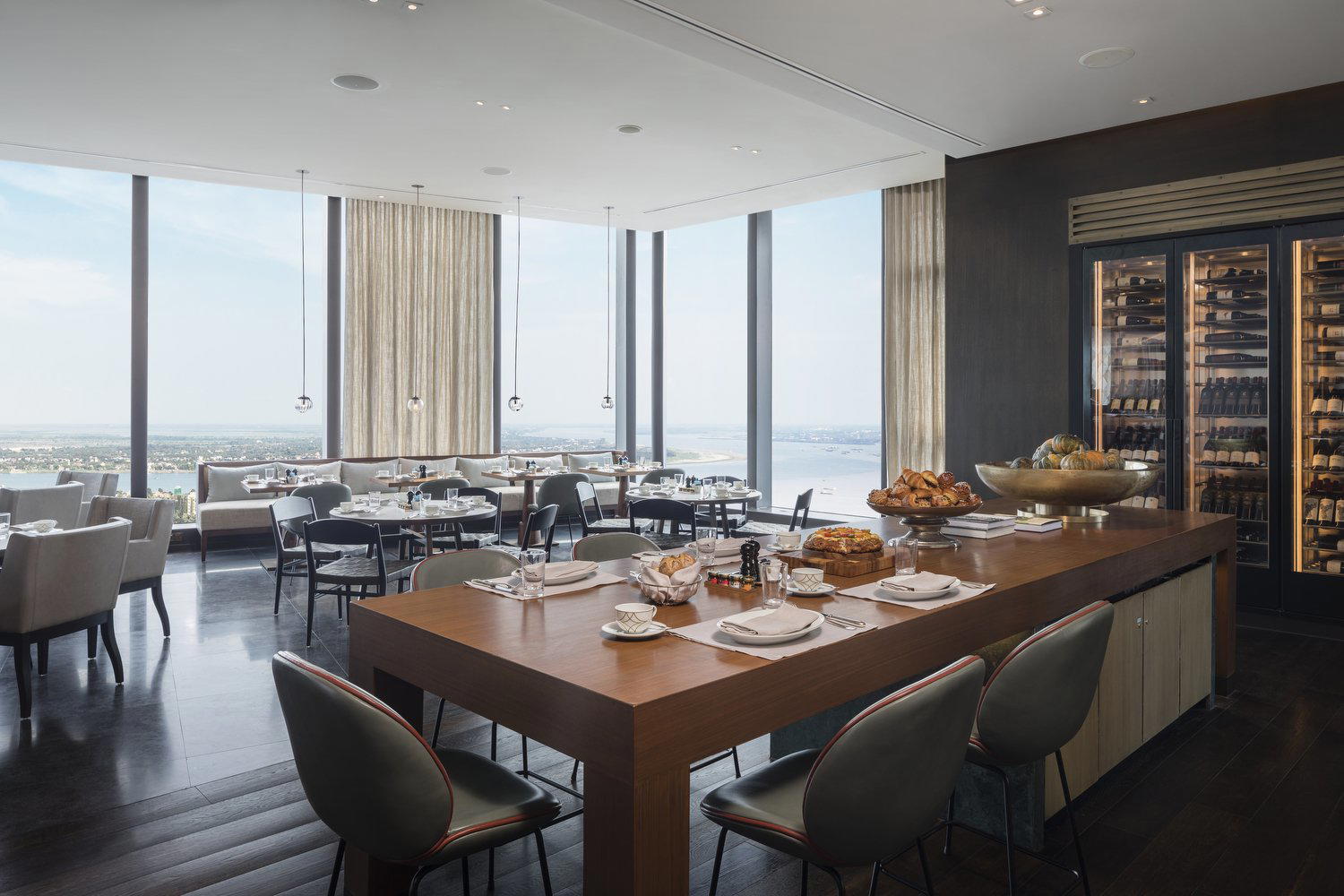
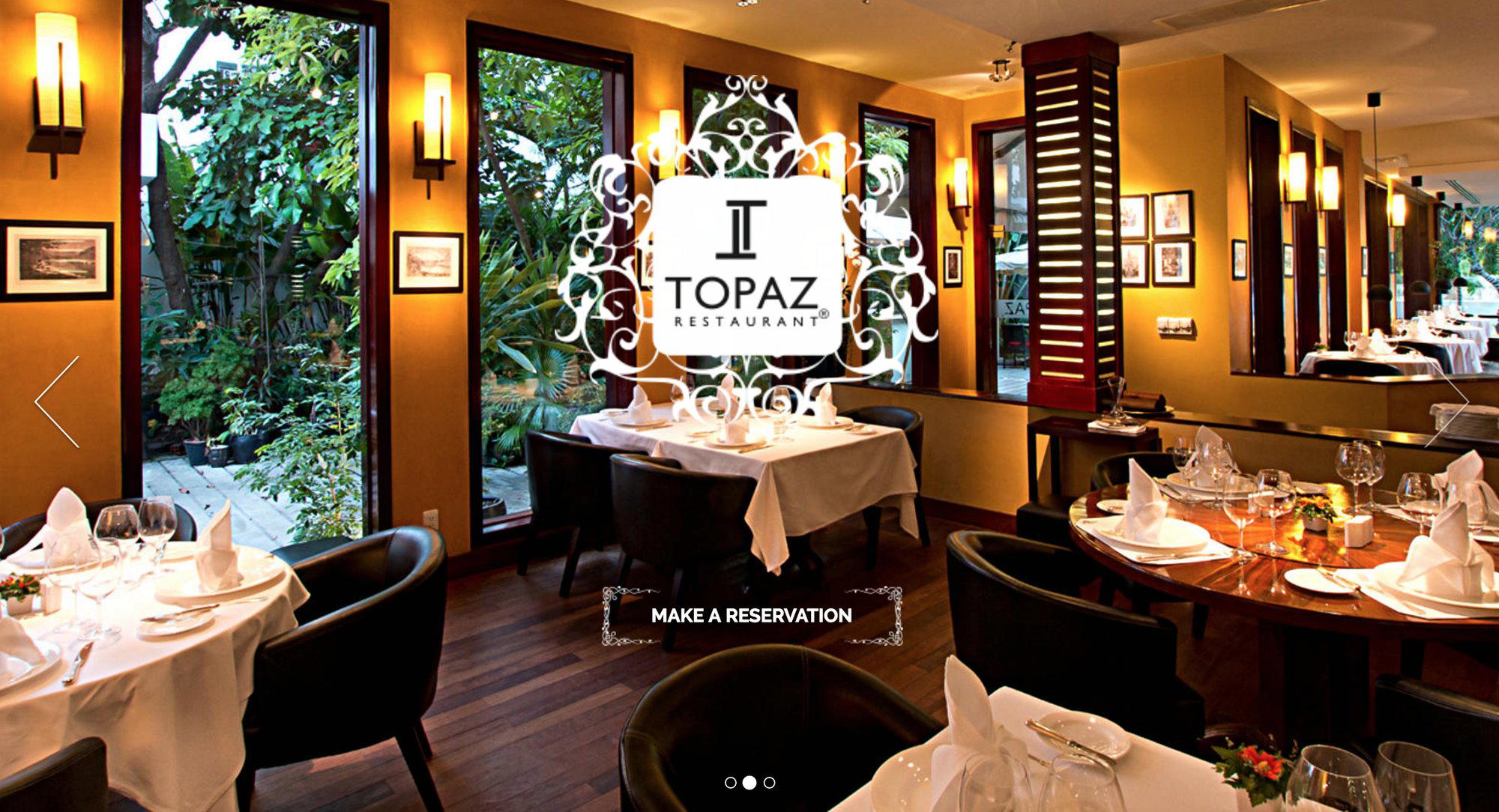
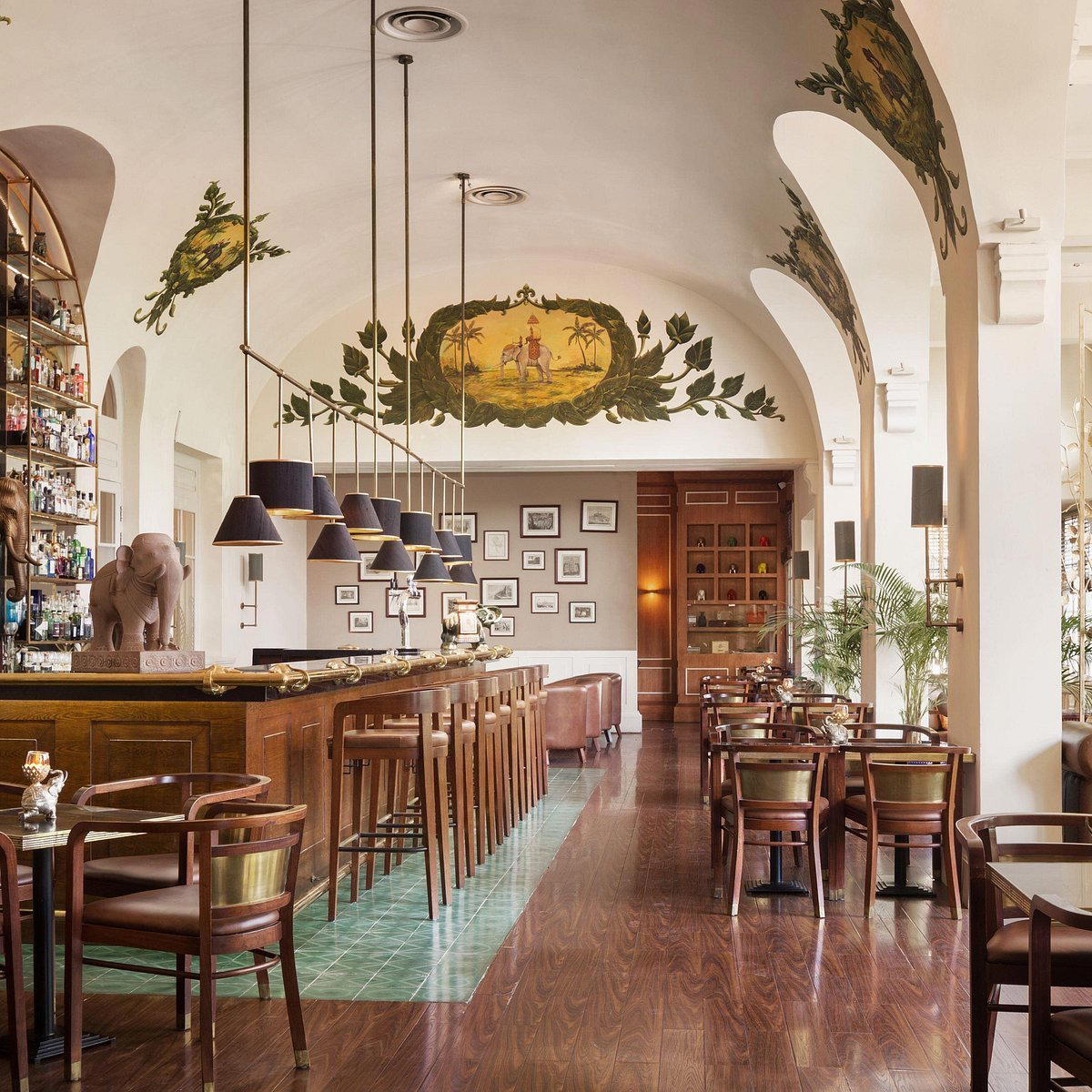
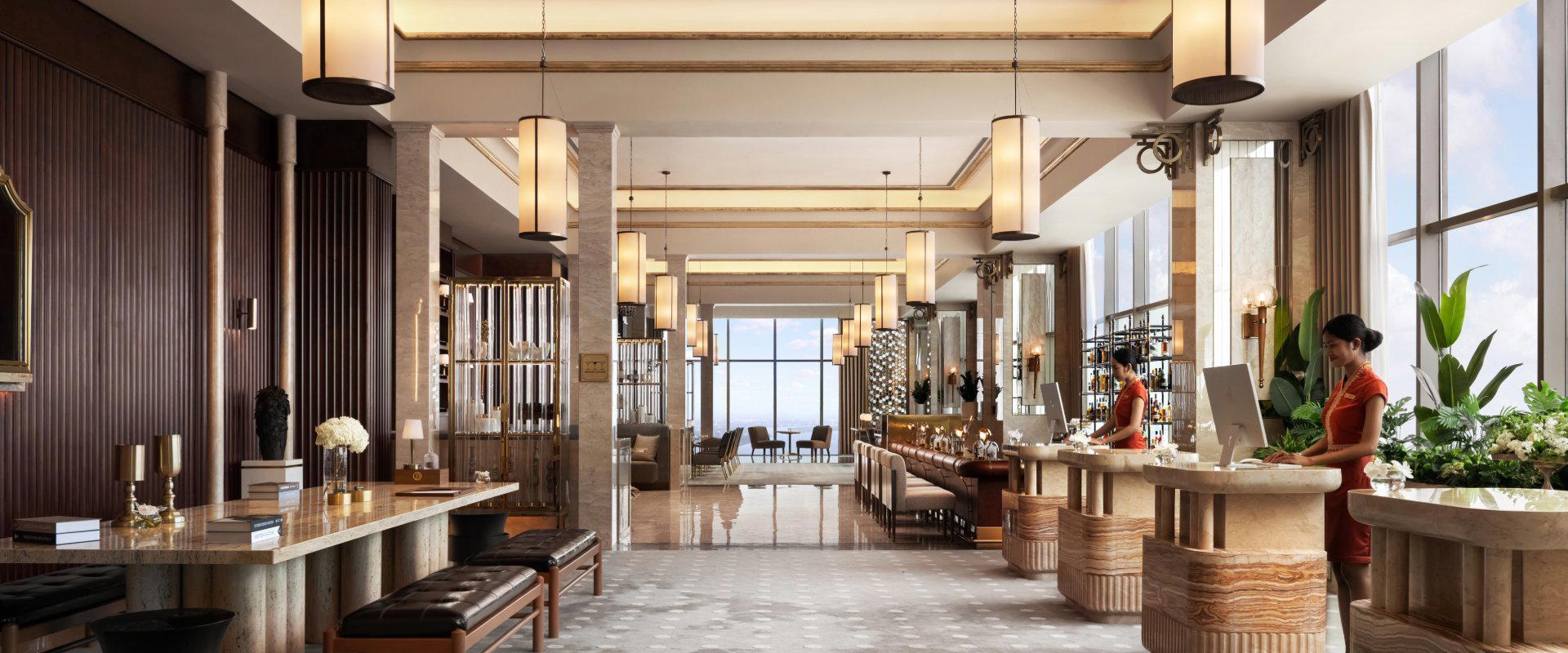
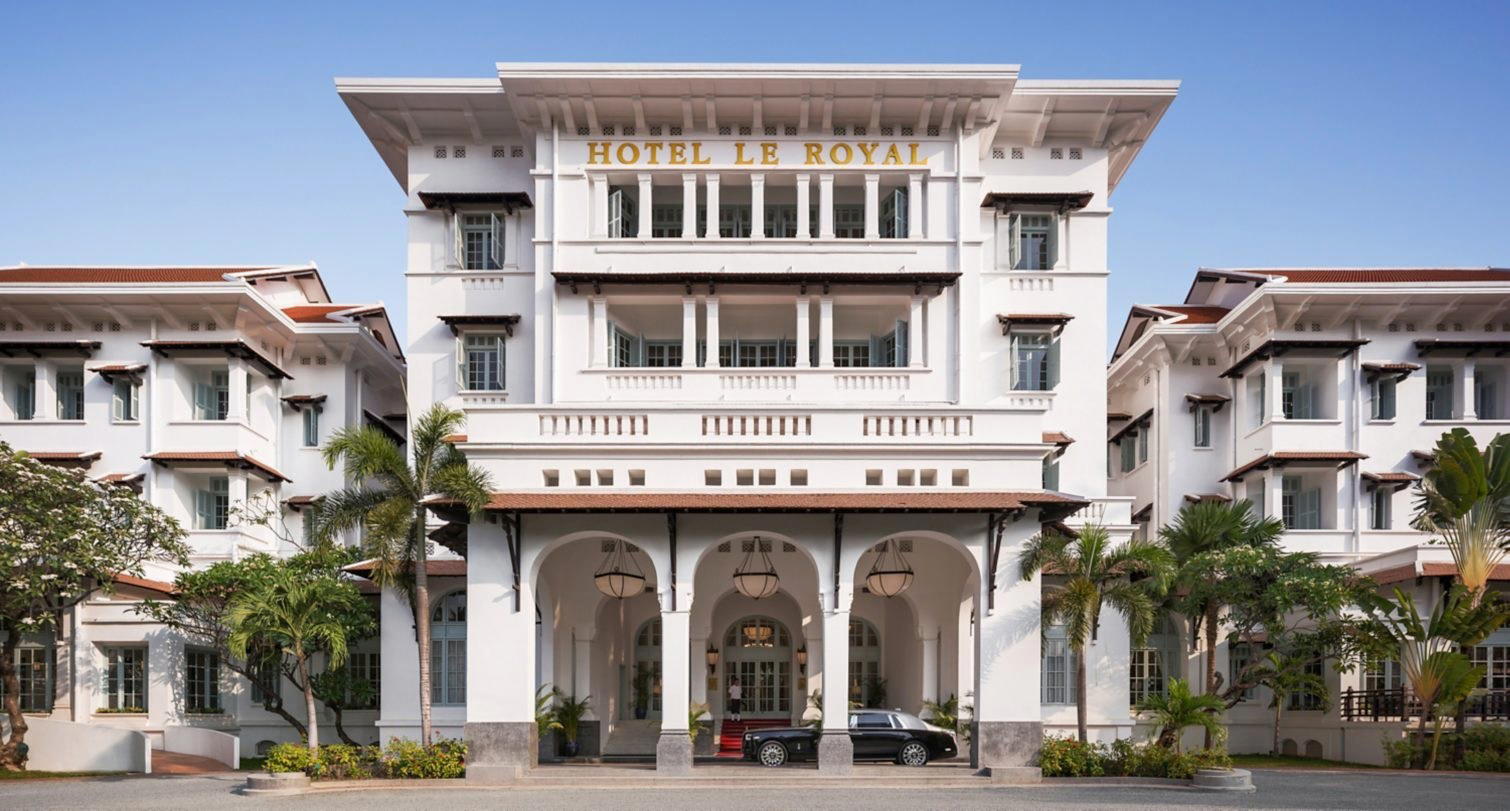
The dining room at Le Royal at The Raffles carries the weight of the building around it. The Raffles property on Rukhak Vithei has been a fixture of Phnom Penh's social and political life for nearly a century, and the restaurant operates inside that inherited gravity. High ceilings, measured proportions, and a formality that few rooms in the city can match set the tone before the first course arrives. This is not the stripped-back vernacular dining that defines much of Cambodia's contemporary food scene. It is a full-register French room that happens to sit in Southeast Asia, and the tension between those two facts is exactly what makes the kitchen's project interesting.
Phnom Penh's restaurant scene has expanded considerably over the past decade, with a growing tier of locally rooted Khmer restaurants and internationally influenced mid-range dining pulling the city's culinary conversation in several directions at once. Le Royal operates at the more formal end of that spectrum, positioned alongside a small number of properties where setting, service structure, and kitchen ambition converge. For context on the broader scene, our full Phnom Penh restaurants guide maps the city's dining tiers from street-level Khmer to colonial-era fine dining.
French Technique, Cambodian Ingredients
The French-Cambodian designation that defines Le Royal's cuisine is not decorative. It names a genuine editorial question: what happens when classical French structure meets the ingredient vocabulary of the Mekong region? Cambodia's pantry is distinct. Freshwater fish from Tonle Sap, the largest lake in Southeast Asia, provides proteins that have no direct French equivalent. Kampot pepper, grown in the coastal hills of southern Cambodia, is among the most respected long-pepper varieties in the world and bears little resemblance to the generic black pepper it superficially resembles. Kaffir lime leaf, lemongrass, galangal, and palm sugar shape acidity and sweetness in ways that French cuisine doesn't traditionally accommodate.
The kitchen at Le Royal works within this provenance-first logic. French classical training provides the scaffolding, but Cambodian ingredients supply the material. This places Le Royal in a distinct category from French restaurants that simply operate in Southeast Asia, and also separates it from contemporary Khmer restaurants that engage Western technique without the full formal architecture of French service. Cuisine Wat Damnak in Siem Reap offers a useful comparison point: that kitchen applies European fine-dining structure to resolutely Cambodian ingredients, producing a different register of the same core question. Le Royal's answer comes from within the colonial tradition rather than in opposition to it.
Globally, the French-with-regional-provenance model has produced some of the most discussed restaurants of the past two decades. Kitchens like Alléno Paris au Pavillon Ledoyen in Paris and Alain Ducasse at Louis XV in Monte Carlo show how deeply French kitchens can engage regional terroir without abandoning classical structure. The Southeast Asian version of that negotiation is less codified, which means the field is still being defined. Le Royal's La Liste score of 75 points across both 2025 and 2026 places it in the recognized tier of that conversation, though below the top-ranked European examples. For comparison, La Liste's top-scoring restaurants globally cluster above the 90-point threshold; a score in the 75-point range reflects consistent quality and recognition without placing a restaurant at the apex of the list. Among Southeast Asian French-Cambodian kitchens specifically, that score is meaningful.
Peer Context and Critical Standing
La Liste aggregates critic scores and review data from multiple international sources, which means its rankings carry a different kind of authority than a single-publication award. Scoring 75 points in both 2025 and 2026 signals stability rather than a single strong year. The consistency across two cycles is the more informative data point. Restaurants that hold steady on aggregated lists typically do so because their core offering doesn't fluctuate with chef changes or trend cycles, which is itself a form of institutional reliability.
Within Southeast Asia's fine dining tier, the French-influenced kitchen operating inside a heritage hotel is a recognizable format. Bangkok, Singapore, and Ho Chi Minh City all have versions of it. What distinguishes the Phnom Penh version is the relative scarcity of competition. The city's fine dining infrastructure is thinner than its regional peers, which gives Le Royal a position of prominence that a restaurant with identical cooking might not hold in a denser market.
For readers comparing Le Royal against other La Liste-recognized kitchens, it is worth noting that restaurants like Arzak in San Sebastián or Aponiente in El Puerto de Santa María operate in regions with deep critical infrastructure and dense peer competition. Le Royal's score reflects different market conditions, but the underlying question about local provenance and classical technique is the same across all of them.
Planning Your Visit
Le Royal at The Raffles is located at 92 Rukhak Vithei in central Phnom Penh. As a restaurant within one of the city's major heritage hotel properties, it operates within the Raffles service structure, which typically means formal reservation arrangements and a dress code appropriate to the colonial-era setting. Visitors staying elsewhere in the city should account for Phnom Penh's traffic patterns, particularly in the evening when riverside routes can slow considerably.
For those building a longer visit around the city's food and hospitality scene, our full Phnom Penh hotels guide covers the property tier that includes the Raffles alongside newer design-led alternatives. The bars guide and experiences guide map the city's wider evening options, while the wineries guide covers any wine-focused programming in the region.
Frequently asked questions
Is Le Royal at The Raffles a family-friendly restaurant?
Le Royal sits within the Raffles property on Rukhak Vithei, a full-service heritage hotel with the space and staff infrastructure that typically accommodates families without disruption to other diners. That said, the French-Cambodian format and the restaurant's standing on La Liste's ranked list suggest a dining pace and formality that suits older children more than young ones. Families visiting Phnom Penh with a specific interest in Cambodian gastronomy will find it a considered choice.
What's the overall feel of Le Royal at The Raffles?
The setting is the Raffles property on Rukhak Vithei, one of Phnom Penh's defining colonial-era buildings, which gives the room a weight that purpose-built restaurant spaces rarely achieve. The cuisine designation, French-Cambodian, signals a kitchen working within classical European structure while drawing on local provenance, a combination that shapes the pace and register of the meal. La Liste awarded the restaurant 75 points in both 2025 and 2026, placing it among a small number of Phnom Penh addresses that international critics track.
Is Le Royal at The Raffles award-winning?
Le Royal at The Raffles has received recognition including: La Liste Top Restaurants (2026): 75pts; La Liste Top Restaurants (2025): 75.5pts.
What's the best thing to order at Le Royal at The Raffles?
What the French-Cambodian designation does indicate is a kitchen where classical technique is applied to Cambodian ingredients, a combination worth exploring across multiple courses rather than reducing to a single order. For current menu specifics, contacting the Raffles Phnom Penh property directly is the most reliable approach.
At-a-Glance Comparison
| Venue | Cuisine | Price | Awards | Notes |
|---|---|---|---|---|
| Le Royal at The RafflesThis venue (the venue you are viewing) | Modern Khmer & French Fine Dining | $50–100 | La Liste Top Restaurants | Not listed |
| Cuisine Wat Damnak | Modern Cambodian Fusion | $30–50 | Not listed | Cambodian |
| Malis | Modern Cambodian Fine Dining | $30–50 | Not listed | Cambodian |
Recognition history
Dated appearances from independent guides and award organizations, with the underlying list record or original source where available.
La Liste Top Restaurants
La Liste
Full recognition history (2 entries)
La Liste Top Restaurants
La Liste
Continue exploring
More in Phnom Penh
Details
- Elegant
- Well Known
- Sophisticated
- Classic
- Date Night
- Business Dinner
- Special Occasion
- Celebration
- Hotel Restaurant
- Historic Building
- Live Music
- Terrace
- Craft Cocktails
- Sommelier Led
- Garden
- A La Carte
- Set Menu
- Cocktails
- Wine
- Vegetarian Friendly
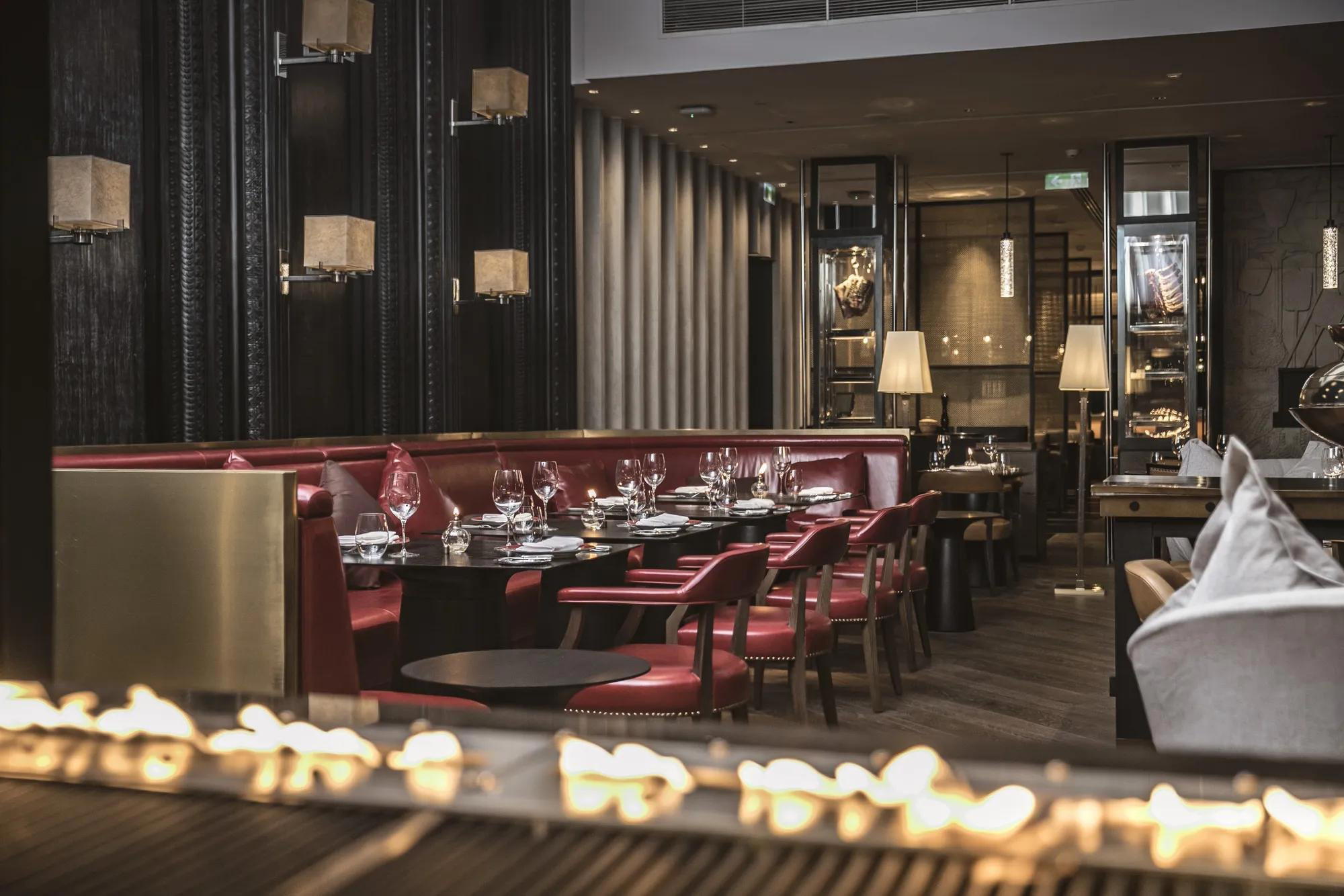
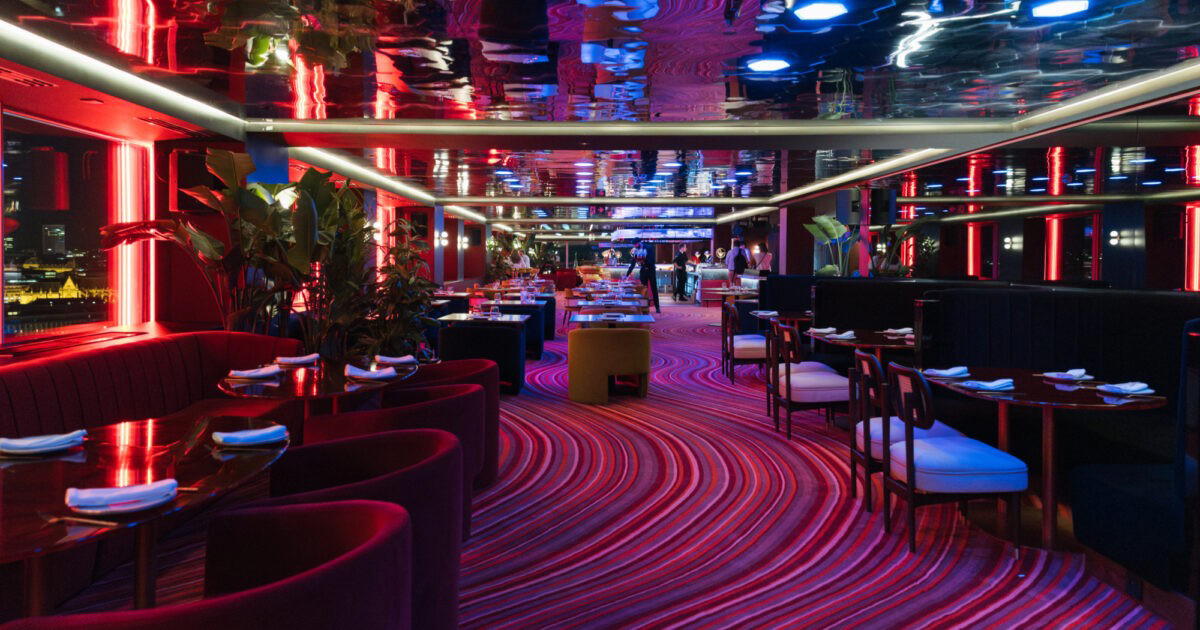
Glorious dining room with colonial elegance, high ceilings, and refined atmosphere enhanced by live piano music in the background.