JOMNO
Our verdict
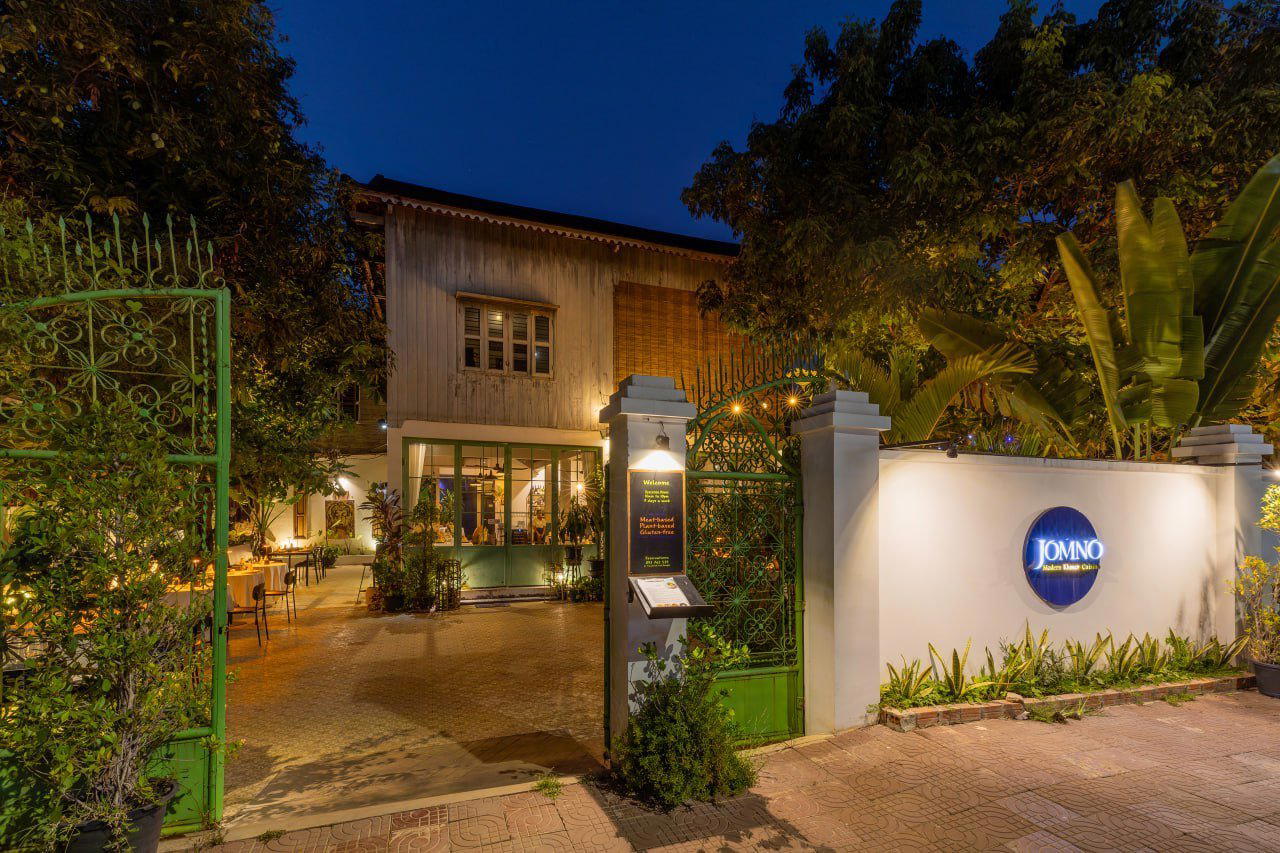
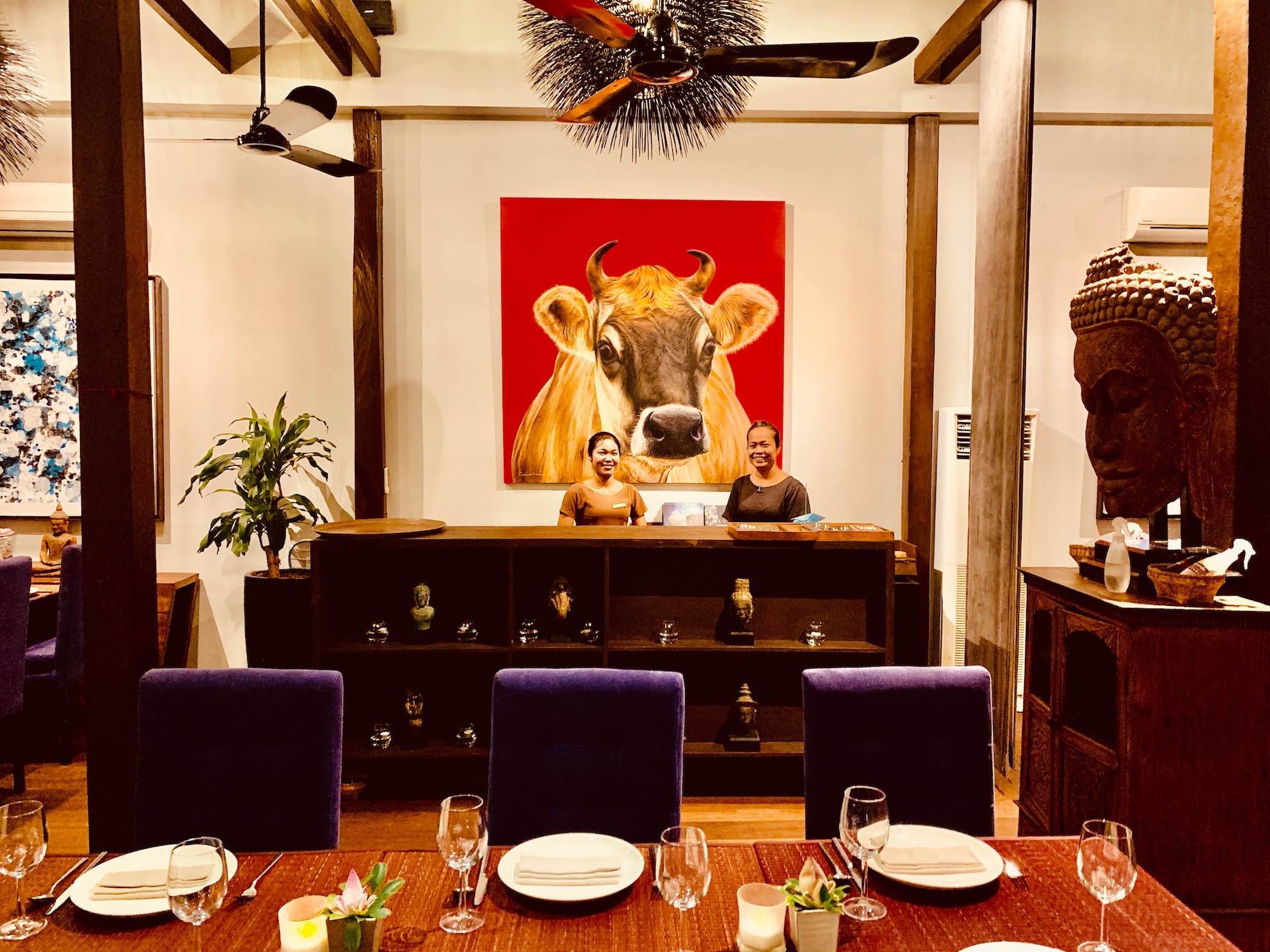
Located near Wat Damnak in Siem Reap's Sala Kamreuk Sangkat quarter, JOMNO operates in a neighbourhood that has become one of Cambodia's most considered dining destinations.

Pearl is the En Primeur Club membership app — saves, bookings, and concierge access live there. Same editors, same standards.
- Address
- Wat Damnak Siem Reap, 17525, Cambodia
- Phone
- +85592762539
- Hours
- Mon–Wed 11 AM–10 PMThu–Sat ClosedSun 11 AM–10 PM
- Website
- jomnomodernkhmercuisine.com
- Directions
- Get directions
The menu
What to order
- Crispy chicken amok salad
- Vegan amok
Where the Ingredient Comes Before the Menu
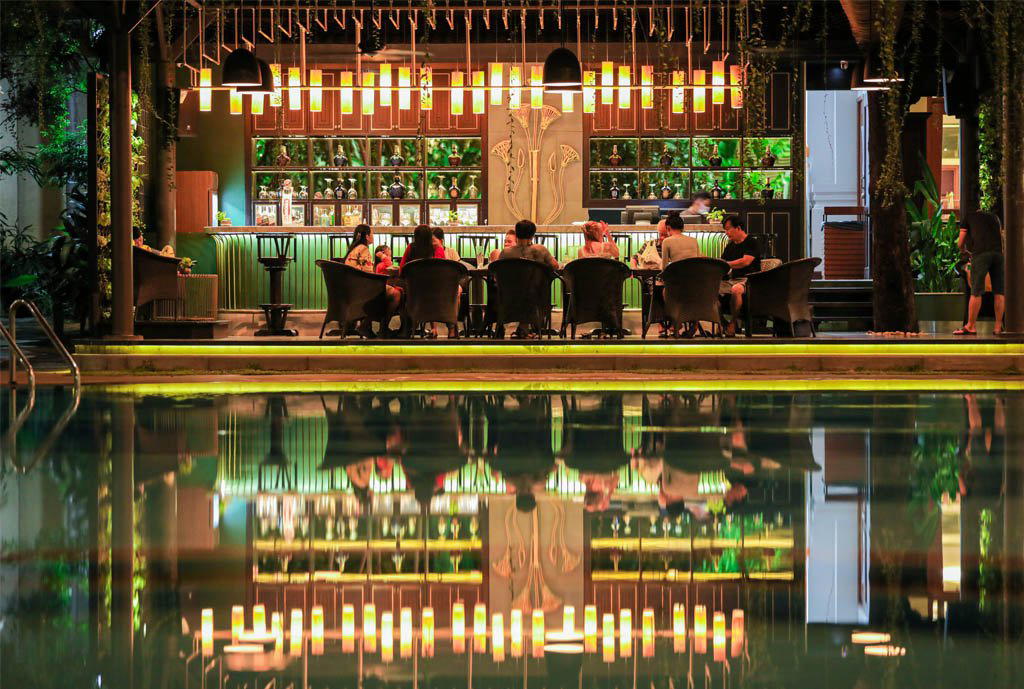
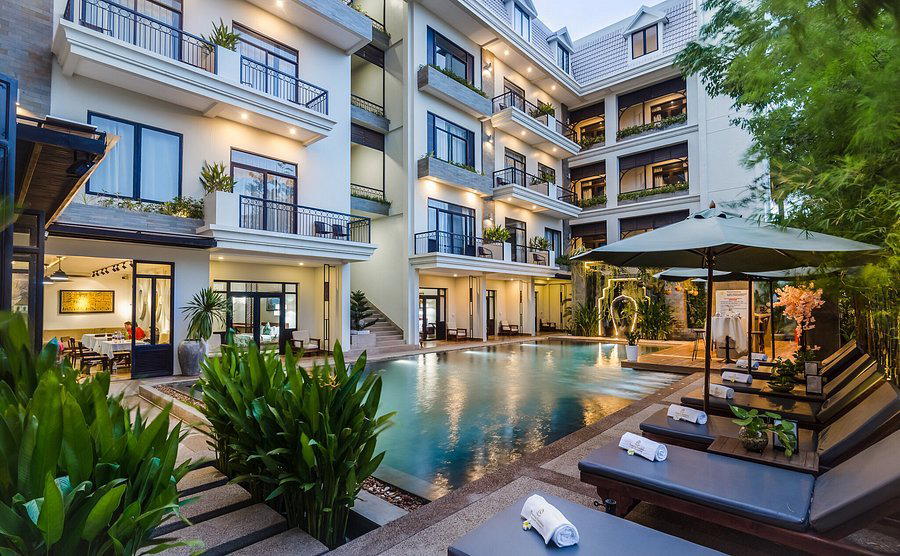
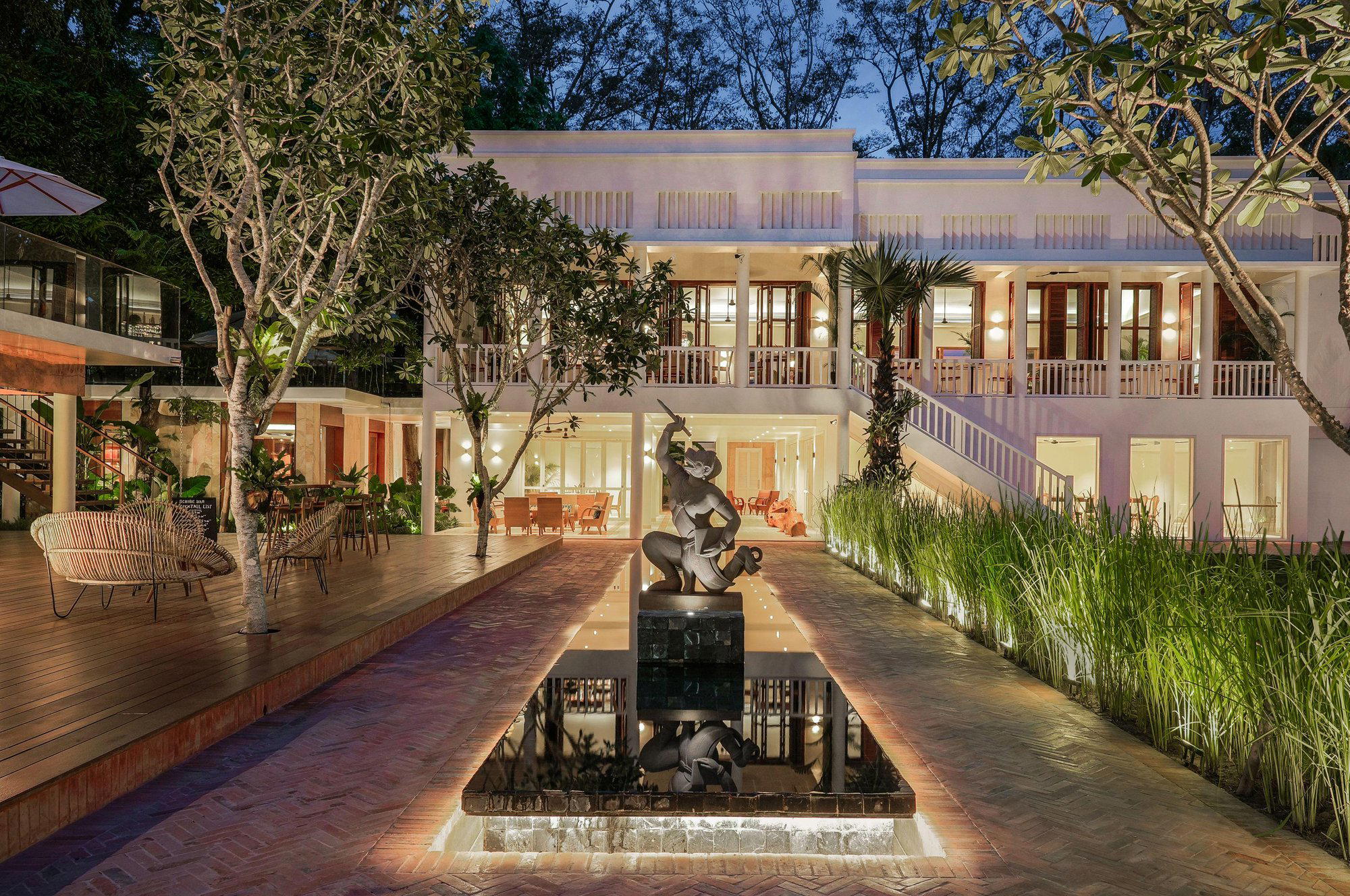
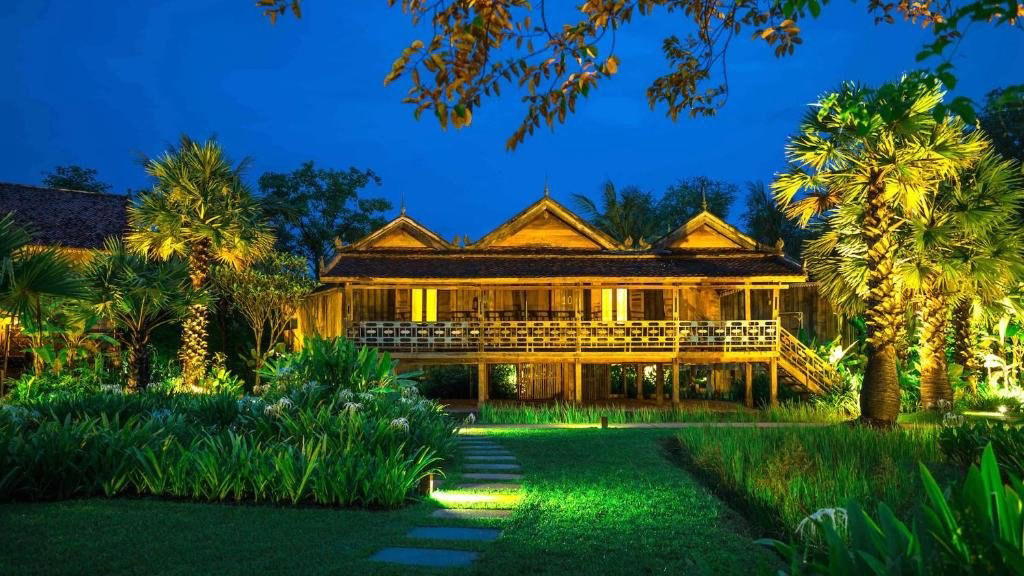
The stretch of Siem Reap that surrounds Wat Damnak has quietly become the reference point for serious Cambodian dining. Unlike the Pub Street corridor a kilometre to the north, this neighbourhood draws restaurants that orient themselves around what is available at Cambodian markets and farms rather than what international visitors expect to find. JOMNO sits in that context, on an address that places it among the Sala Kamreuk Sangkat quarter's more considered operators. The physical approach reflects the neighbourhood's character: quieter streets, older trees, the kind of setting where a restaurant's relationship to its surroundings feels deliberate rather than incidental.
Sourcing as the Structural Logic
Across Southeast Asia, the most consequential shift in fine and fine-casual dining over the past decade has been the move from imported prestige ingredients toward hyper-local sourcing with genuine traceability. Cambodia sits at an interesting point in that transition. The country's agricultural diversity is considerable: freshwater fish from the Tonle Sap basin, aromatic herbs from smallholder plots in Kampot and Battambang, palm sugar from traditional producers, and a range of indigenous leafy vegetables that rarely appear outside the domestic market. Restaurants in the Wat Damnak neighbourhood have increasingly built their menus around this supply, treating local provenance as the organising principle rather than an afterthought.
That framing matters because it positions Siem Reap's better restaurants within a global conversation about ingredient integrity that includes operations like Cuisine Wat Damnak in Siem Reap, which has been the area's most documented exponent of this approach, and Jaan Bai Restaurant in Bat Dambang, which extends the sourcing-led model into Cambodia's second city. JOMNO occupies this same broad tradition, in a neighbourhood where ingredient provenance has become the standard by which cooking is judged.
The Neighbourhood's Dining Architecture
Sala Kamreuk Sangkat's restaurant density is not high, which is precisely what gives it its character. The venues that have established themselves here compete less on volume and more on specificity. HAVEN and Miss Wong each occupy distinct registers within the quarter, HAVEN as a social enterprise dining model, Miss Wong as a long-running bar and kitchen anchored in Southeast Asian flavour. Together, these venues suggest a neighbourhood where diverse formats coexist, each with a defined identity, rather than a single dominant category.
Further afield, Embassy in Svay Dankum Sangkat and Lum Orng Restaurant in Sla Kram Sangkat represent the spread of serious dining across Siem Reap's contiguous districts, while Amansara Resort Dining Room in Siemreab anchors the high end of the hotel dining tier. The broader Cambodian picture includes Shinta Mani Wild in Kampong Seila, where remote sourcing and conservation-linked menus take the provenance argument to an extreme. Against that range, JOMNO's address near Wat Damnak places it in the most restaurant-literate quarter of Siem Reap.
Cambodia's Ingredient Economy and What It Means at the Table
Understanding what makes Cambodian sourcing both rich and structurally different from neighbouring food cultures requires looking at geography. The Tonle Sap lake system, one of the most productive inland fisheries in the world, supplies freshwater fish at a scale and variety that shapes the protein logic of Khmer cooking in ways that have no real equivalent in Thai or Vietnamese cuisine. Prahok, the fermented fish paste central to Cambodian flavour-building, is a product of this system. So are snakehead, catfish, and dozens of smaller species that appear in regional preparations rarely documented outside the country.
The vegetable and herb dimension is equally specific. Banana blossom, morning glory, winged beans, and a range of bitter leaf varieties function as the architectural base of Cambodian salads and broths. Palm sugar from Kampong Speu provides a sweetness profile that differs from cane sugar in depth and complexity. Kampot pepper, now internationally recognised and geographically protected, remains most interesting when used by cooks who source directly from producers rather than through export channels. For restaurants in the Wat Damnak neighbourhood, access to these ingredients at source, rather than through Phnom Penh's wholesale market infrastructure, is part of what defines the tier. Comparable commitments to ingredient lineage appear in very different geographies, from Lazy Bear in San Francisco to Atomix in New York City, but the Cambodian version is operating with a far thinner institutional support structure and a much younger restaurant culture around it.
Placing JOMNO in the Regional Picture
Cambodia's restaurant scene remains relatively underdocumented compared to Thailand, Vietnam, or the Philippines. International award systems have been slow to engage seriously with Phnom Penh or Siem Reap, and independent critical coverage outside specialist travel media is thin. That creates both an information gap and a genuine discovery opportunity. The Sala Kamreuk Sangkat neighbourhood in particular concentrates a disproportionate amount of the country's dining ambition within a small geographic radius.
In Phnom Penh, operations like CUTS in Phnom Penh and Iza in Phnum Penh signal the capital's growing interest in format precision and ingredient quality. Regionally, Maybe Later in Preah Sihanouk suggests the spread of considered hospitality beyond the two main cities. Against that national picture, Siem Reap's Wat Damnak quarter remains the most coherent cluster, the place where sourcing-led cooking has had the longest run and the clearest peer group. For context from further afield, Il Forno in Siem Reab represents the Italian end of the city's international dining spectrum, while 8 1/2 Otto e Mezzo Bombana in Hong Kong and Le Bernardin in New York City illustrate the global tier against which Southeast Asian fine dining is increasingly measured. Emeril's in New Orleans offers a different frame: a restaurant that made regional ingredient sourcing a defining identity at a time when that was a genuinely contrarian position. The Wat Damnak neighbourhood is at a similar inflection point now.
For a broader survey of what the district offers across price points and formats, our full Sala Kamreuk Sangkat restaurants guide maps the full range. JOMNO's position within that map, near the temple complex that gives the neighbourhood its anchor, reflects the area's logic: serious about place, deliberate about ingredients, and largely indifferent to the tourist infrastructure a short distance away.
Planning a Visit
JOMNO is located at the Wat Damnak area of Siem Reap, within Sala Kamreuk Sangkat, postal code 17525. Current booking details, hours, and pricing are best confirmed directly with the venue, as these vary and are not comprehensively documented in public listings. The neighbourhood is accessible by tuk-tuk from central Siem Reap in under ten minutes, and the area rewards arriving early enough to walk the temple grounds before a meal. Given the dining density of the quarter, reservations for any serious operator here are advisable, particularly during the November to March high season when temple visitor numbers push restaurant demand upward across the district.
Frequently asked questions
What's JOMNO's location?
JOMNO is located at îWat Damnak Siem Reap, 17525, Cambodia, Sala Kamreuk Sangkat.
What distinguishes JOMNO's location in Sala Kamreuk Sangkat from other Siem Reap dining areas?
Sala Kamreuk Sangkat, the administrative quarter that contains the Wat Damnak district, sits removed from Siem Reap's commercial Pub Street corridor — lower ambient noise, older tree canopy, and proximity to temple grounds give the area a different physical register entirely. Restaurants that have established themselves in this part of the city, including JOMNO at postal code 17525, operate in an environment where the setting itself reinforces a slower, more considered approach to the meal. That geographic separation from the tourist centre is also why the neighbourhood's dining scene remains relatively underdocumented compared to Cambodia's international profile.
What do regulars order at JOMNO?
Comprehensive menu documentation for JOMNO is not yet in wide circulation, which is characteristic of the Wat Damnak district's dining culture — venues here tend to build reputations through word of mouth rather than media coverage. What the neighbourhood's broader cooking ethos signals is a focus on Cambodian produce prepared with deliberate technique rather than dishes assembled around imported prestige ingredients. Visitors to Siem Reap who have eaten through the Sala Kamreuk Sangkat corridor consistently report that the most rewarding decisions are made by trusting the kitchen's current sourcing rather than arriving with fixed orders in mind.
How hard is it to get a table at JOMNO?
Siem Reap's Wat Damnak dining district operates with small seating capacities across its restaurants, and demand concentrates sharply between November and March during the high tourist season. JOMNO's location within Sala Kamreuk Sangkat places it in the part of the city where serious diners tend to cluster, which tightens availability further. Contacting the venue directly well ahead of a planned visit is advisable, particularly for groups or for dates around the December peak.
Comparable Spots, Quickly
Comparable venues nearby, for context on price, style, and recognition.
| Venue | Cuisine | Price | Awards | Notes |
|---|---|---|---|---|
| JOMNOThis venue — the venue you are viewing | Modern Khmer Cuisine | $20–30 | Not listed | Not listed |
| Miss Wong | Chinese Dim Sum & Cocktails | Not listed | Not listed | Sala Kamreuk Sangkat |
| HAVEN | Cambodian Fusion with Asian and Western Influences | Not listed | Not listed | Sangkat Sala Kamreuk |
| Chanrey Tree | Traditional Khmer Cuisine | $10–20 | Not listed | riverside |
| Pi Sa | Modern Cambodian fine dining | $30–50 | Conde Nast Hot List Restaurants | Wat Phnom / Old Market (Phsar Chas) |
| Vibe | Plant-Based Cafe | $1–10 | Not listed | Old Market Area |
Continue exploring
More in Sala Kamreuk Sangkat
Restaurants in Sala Kamreuk Sangkat
Browse all →
Bars in Sala Kamreuk Sangkat
Browse all →
Details
- Modern
- Cozy
- Date Night
- Special Occasion
- Open Kitchen
- A La Carte
- Vegan Options
- Vegetarian Friendly
Current opening hours
- Monday
- 11 AM–10 PM
- Tuesday
- 11 AM–10 PM
- Wednesday
- 11 AM–10 PM
- Thursday
- Closed
- Friday
- Closed
- Saturday
- Closed
- Sunday
- 11 AM–10 PM
Hours can change for holidays and private events. Last verified .
Charming and beautiful setting with polished service in a stylish space.