
Our verdict
Cuisine Wat Damnak has held a sustained position on the Opinionated About Dining Top Restaurants in Asia list since 2023, placing it among the few fine-dining addresses in Siem Reap with consistent peer-reviewed recognition. Chef Joannès Rivière works within a Cambodian culinary framework, drawing on European training to shape tasting menus built around local ingredients and regional technique. For anyone eating seriously in Siem Reap, it is the clearest reference point the city has.

Pearl is the En Primeur Club membership app, where members save venues, book tables and use the concierge.
The menu
What to order
- Black sticky rice crème brûlée
- Crispy beef tongue
- Mekong langoustine pancake
Where Cambodian Fine Dining Found Its Footing
Approaching the Wat Damnak quarter after dark, the streets narrow and the noise of the tourist corridor drops away. This part of Siem Reap sits at a remove from the bar-lined stretch of Pub Street, and that distance is deliberate in the context of what Cuisine Wat Damnak represents. Fine dining in Cambodia has historically operated in the shadow of its temples and its tourism economy, producing menus calibrated more for international comfort than for the cuisine itself. The restaurants that broke from that pattern did so quietly, in neighbourhoods where the rent and the audience allowed a different kind of seriousness.
Cuisine Wat Damnak belongs to that smaller cohort. Set near the Wat Damnak market in Krong Siem Reap, the address places it in a residential pocket that gives the experience a texture different from the hotel dining rooms that dominated Cambodian fine dining for decades. The setting matters because it signals the intention: this is a restaurant shaped by the cuisine and the sourcing available in and around Siem Reap, not one shaped by the expectations of resort guests.
The European-Cambodian Transmission Line
The pattern of European-trained chefs returning to or relocating to Southeast Asia and building serious local-ingredient programs has a well-documented history. You see it in Thailand, in Vietnam, in Indonesia, a chef with classical foundations who brings technical precision to a cuisine that was never short on depth or complexity, only on the kind of institutional recognition that fine-dining formats confer. Chef Joannès Rivière fits that pattern in Siem Reap. French-trained and working within a Cambodian framework, Rivière is part of a transmission line that connects European culinary discipline to the fermented pastes, river fish, fresh herbs, and spice profiles that define Khmer cooking at its most serious.
That combination matters for understanding why Cuisine Wat Damnak reads differently from the Cambodian restaurant options clustered around Angkor Wat's visitor economy. Elsewhere in the city, Cambodian food on a restaurant menu often means a greatest-hits selection diluted for international palates. Here, European technique is in service of Cambodian ingredients and seasonality rather than the reverse. The distinction is not merely philosophical; it shapes what arrives at the table and how the sourcing decisions are made week to week. For comparable European-Asian dialogues rendered at fine-dining level, you can look to the French-Cambodian tradition at Le Royal at The Raffles in Phnom Penh, or further afield to the Korean-American synthesis driving Atomix in New York City, each a different case study in what happens when a secondary culinary tradition is given a technically rigorous frame.
What the OAD Rankings Signal
Opinionated About Dining's Asia rankings are compiled from a surveyed pool of serious eaters and culinary professionals, not a single inspector's visit, which makes the multi-year trajectory more meaningful than any single-year placement. Cuisine Wat Damnak entered OAD's Highly Recommended tier in 2023, climbed to rank 234 across Asia in 2024, and held a position of 268 in the 2025 ranking. The slight numerical slide in 2025 reflects increased competition within the list rather than any documented decline in quality, and sustained inclusion over three consecutive years in a ranking of this specificity is a more reliable signal than a single high placement.
For context, the OAD Asia list covers hundreds of restaurants across Japan, South Korea, Hong Kong, Singapore, Thailand, and beyond, markets with far higher concentrations of fine-dining infrastructure than Cambodia. A restaurant in Siem Reap holding a position in that company is making an argument for the cuisine and the city rather than just for itself. Among Cambodia's representation on international peer-reviewed lists, this restaurant has been the most consistently cited in recent years.
For those tracking Cambodian food across global markets, the diaspora restaurants pushing the cuisine into serious dining formats in the United States, including Bayon in New York City and Hermosa Restaurant in Chicago, offer a parallel data point on how the culinary tradition translates in foreign contexts. Cuisine Wat Damnak represents its centre-of-gravity version, grounded in the sourcing and seasonal rhythms of Siem Reap itself.
Siem Reap's Fine-Dining Tier
Siem Reap's restaurant market has evolved substantially since the late 2000s, when virtually all serious dining happened inside hotels or in restaurants explicitly targeting Western visitors. The current city supports a narrower but more credible fine-dining tier, with a handful of addresses that source locally, work in tasting or set-menu formats, and price against quality rather than footfall. Malis represents the Cambodian fine-dining tradition through a more formal hotel-adjacent format, making the two addresses legible as different expressions of the same broader project: restoring seriousness to Khmer cuisine in the city most associated with it internationally.
The gap between Siem Reap's fine-dining tier and the structural ambition you encounter at places like Alinea in Chicago, Le Bernardin in New York City, or Alain Ducasse at Louis XV in Monte Carlo remains significant in terms of infrastructure and price tier. That comparison is not the right frame. The more relevant question is what Cuisine Wat Damnak achieves within its actual context: a city rebuilding a culinary identity, with limited supply chains, a still-developing hospitality market, and a cuisine that the international food world largely ignored for most of the twentieth century. Measured against that frame, three consecutive years on the OAD Asia list is a substantive achievement.
Planning Your Visit
Cuisine Wat Damnak operates in the Wat Damnak neighbourhood of Krong Siem Reap, within walking distance of the old market area.
For broader trip planning in the city, our full Siem Reap restaurants guide maps the current dining options across price tiers and cuisines. Those building a full itinerary will also find our Siem Reap hotels guide, bars guide, and experiences guide useful for structuring time around the temples and the city's residential neighbourhoods. A Siem Reap wineries guide is also available for those tracking the full drinks scene.
Frequently asked questions
Where do I go for Cuisine Wat Damnak?
Cuisine Wat Damnak is located at City, Wat Damnak market, street, Village, Krong Siem Reap 93108, Cambodia, Siem Reap.
Is Cuisine Wat Damnak chef-led?
The chef associated with Cuisine Wat Damnak is Joannès Rivière.
Comparable Spots, Quickly
| Venue | Cuisine | Price | Awards | Notes |
|---|---|---|---|---|
| Cuisine Wat DamnakThis venue (the venue you are viewing) | Modern Cambodian Fusion | $30–50 | Not listed | Not listed |
| Malis | Modern Cambodian Fine Dining | $30–50 | Not listed | Cambodian |
| Le Royal at The Raffles | Modern Khmer & French Fine Dining | $50–100 | La Liste Top Restaurants | French Cambodian |
Recognition history
Dated appearances from independent guides and award organizations, with the underlying list record or original source where available.
Opinionated About Dining Top Restaurants in Asia Recommended
Opinionated About Dining
Full recognition history (4 entries)
Opinionated About Dining Top Restaurants in Asia Ranked #268
Opinionated About Dining
Opinionated About Dining Top Restaurants in Asia Ranked #234
Opinionated About Dining
Opinionated About Dining Top Restaurants in Asia Highly Recommended
Opinionated About Dining
Continue exploring
More in Siem Reap
Restaurants in Siem Reap
All restaurants in Siem Reap →
Bars in Siem Reap
All bars in Siem Reap →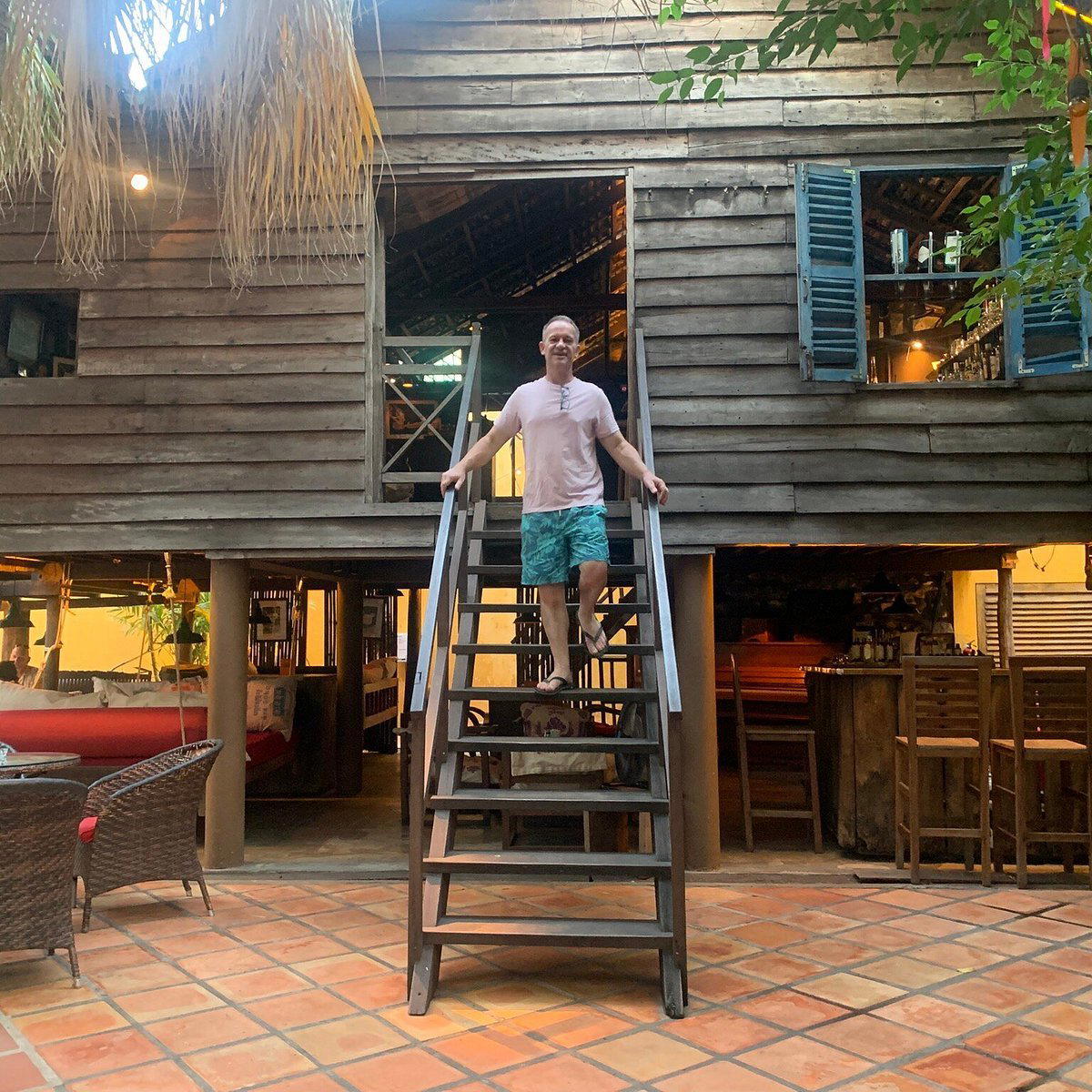
Details
- Elegant
- Intimate
- Rustic
- Cozy
- Date Night
- Special Occasion
- Garden
- Open Kitchen
- Local Sourcing
- Garden
- Tasting Menu
- Vegetarian Friendly
- Vegan Options
Current opening hours
- Monday
- 6–11 PM
- Tuesday
- 6–11 PM
- Wednesday
- 6–11 PM
- Thursday
- 6–11 PM
- Friday
- 6–11 PM
- Saturday
- 6–11 PM
- Sunday
- Closed
Hours can change for holidays and private events. Hours as of .
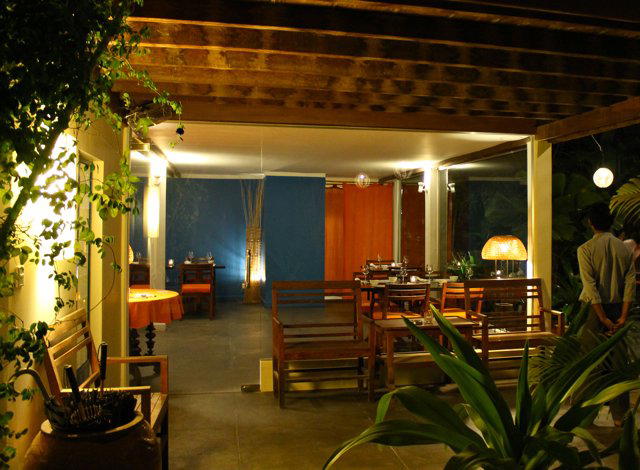
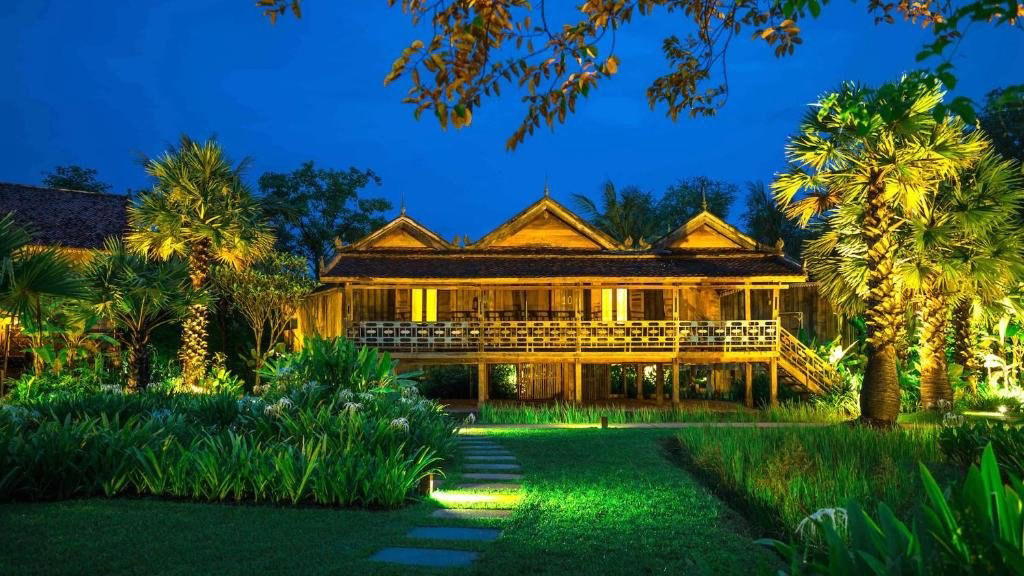
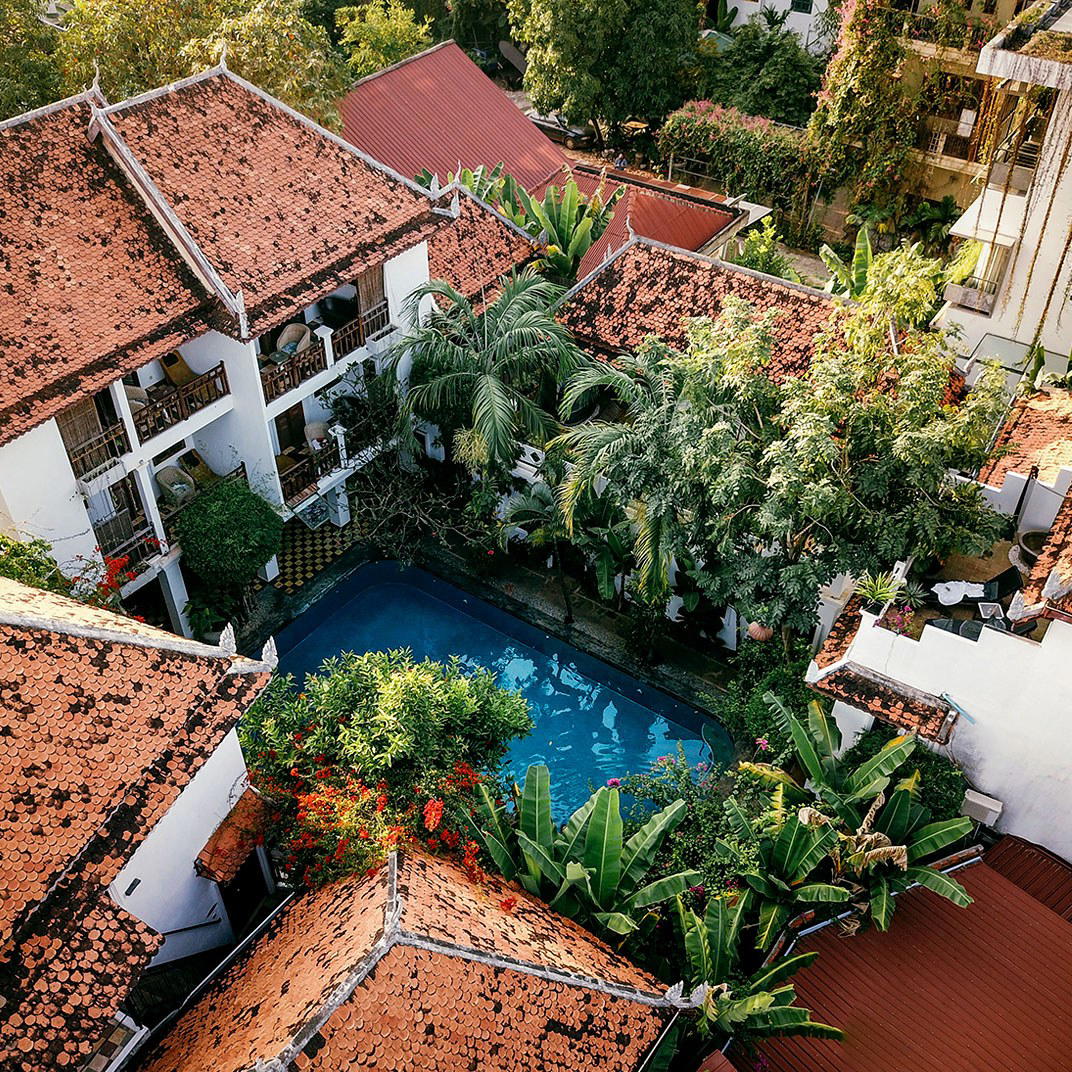
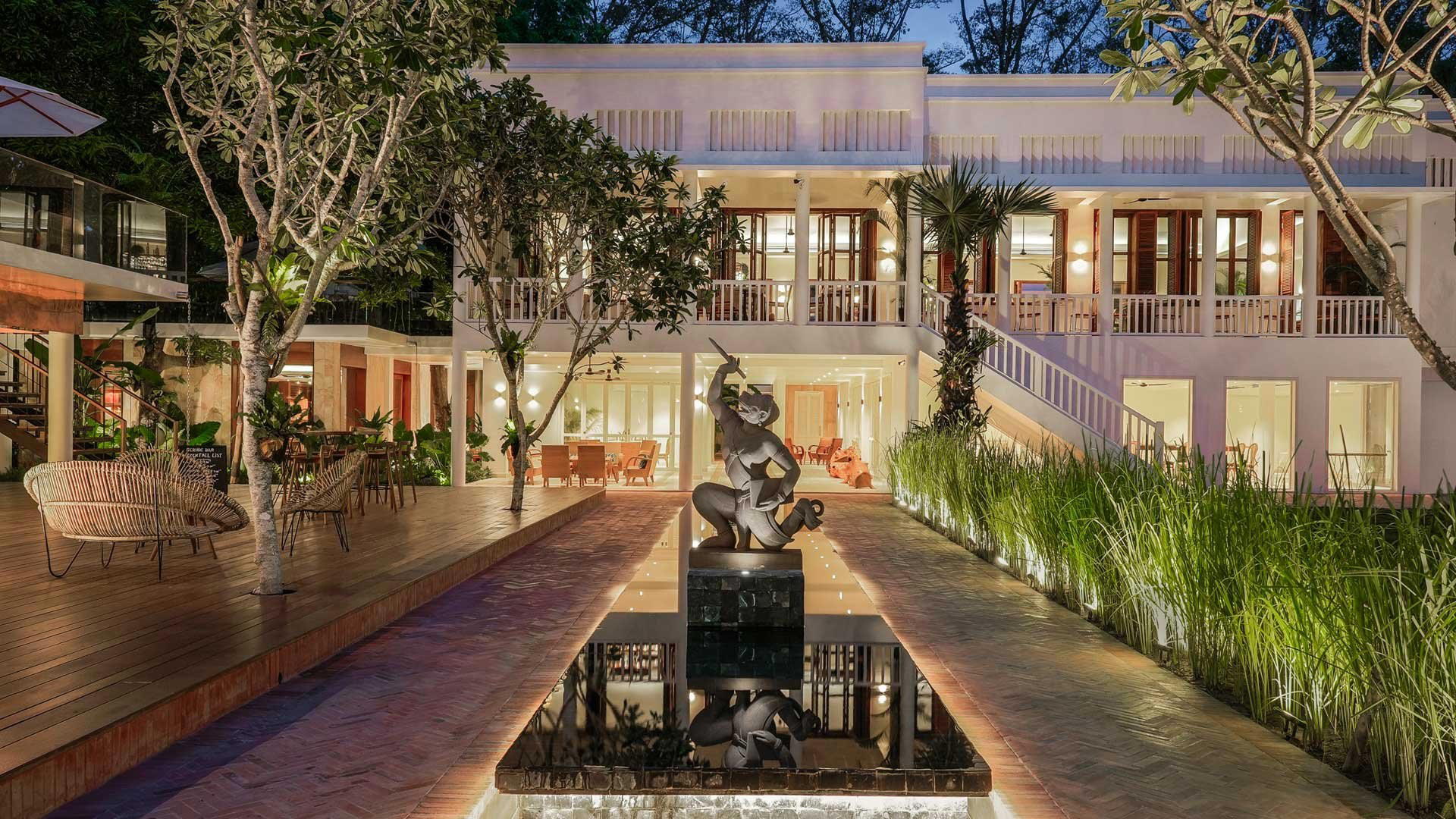
Traditional Cambodian wooden house with stylish air-conditioned dining room, fan-cooled upstairs, and softly lit tropical garden; simple, elegant, and charming atmosphere.