Google: 4.7 · 313 reviews
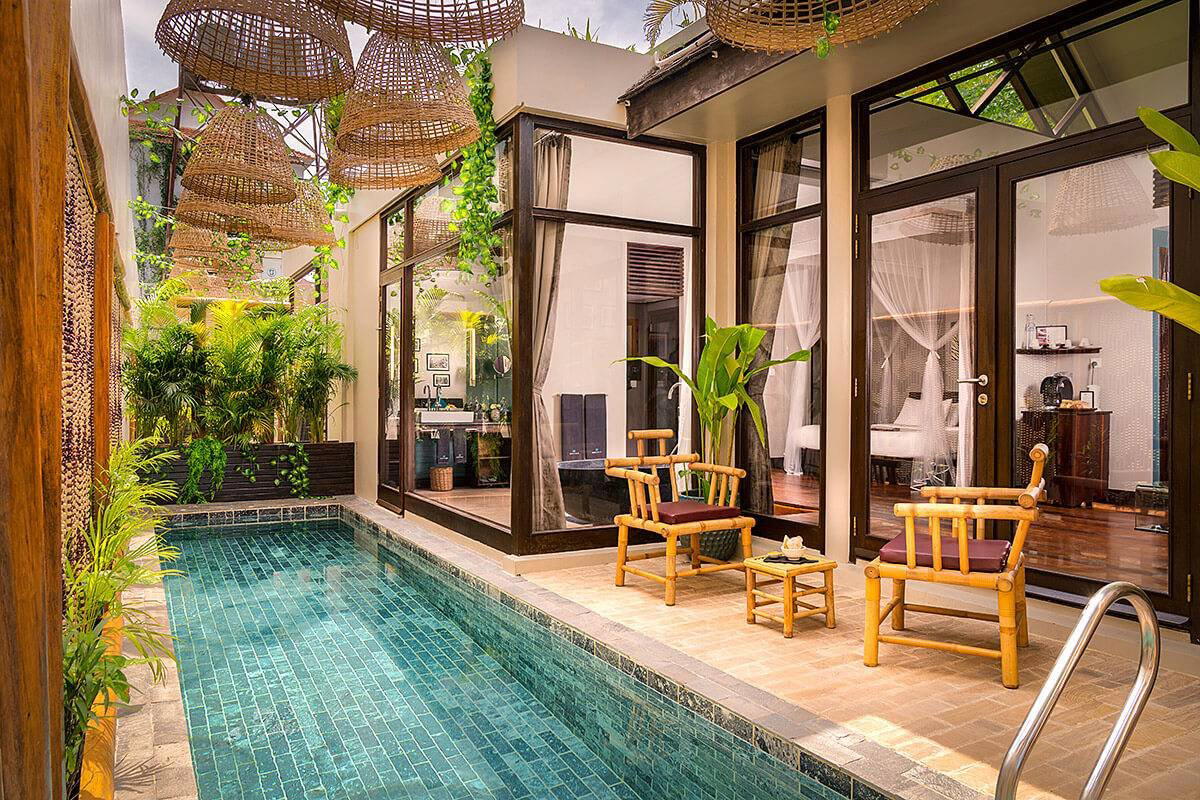
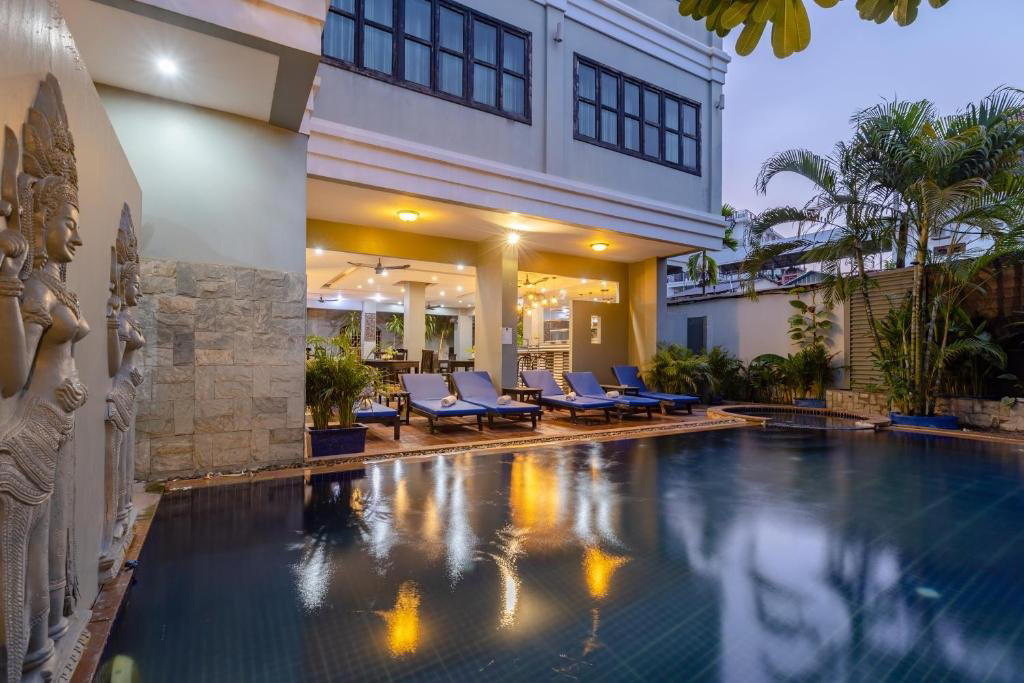
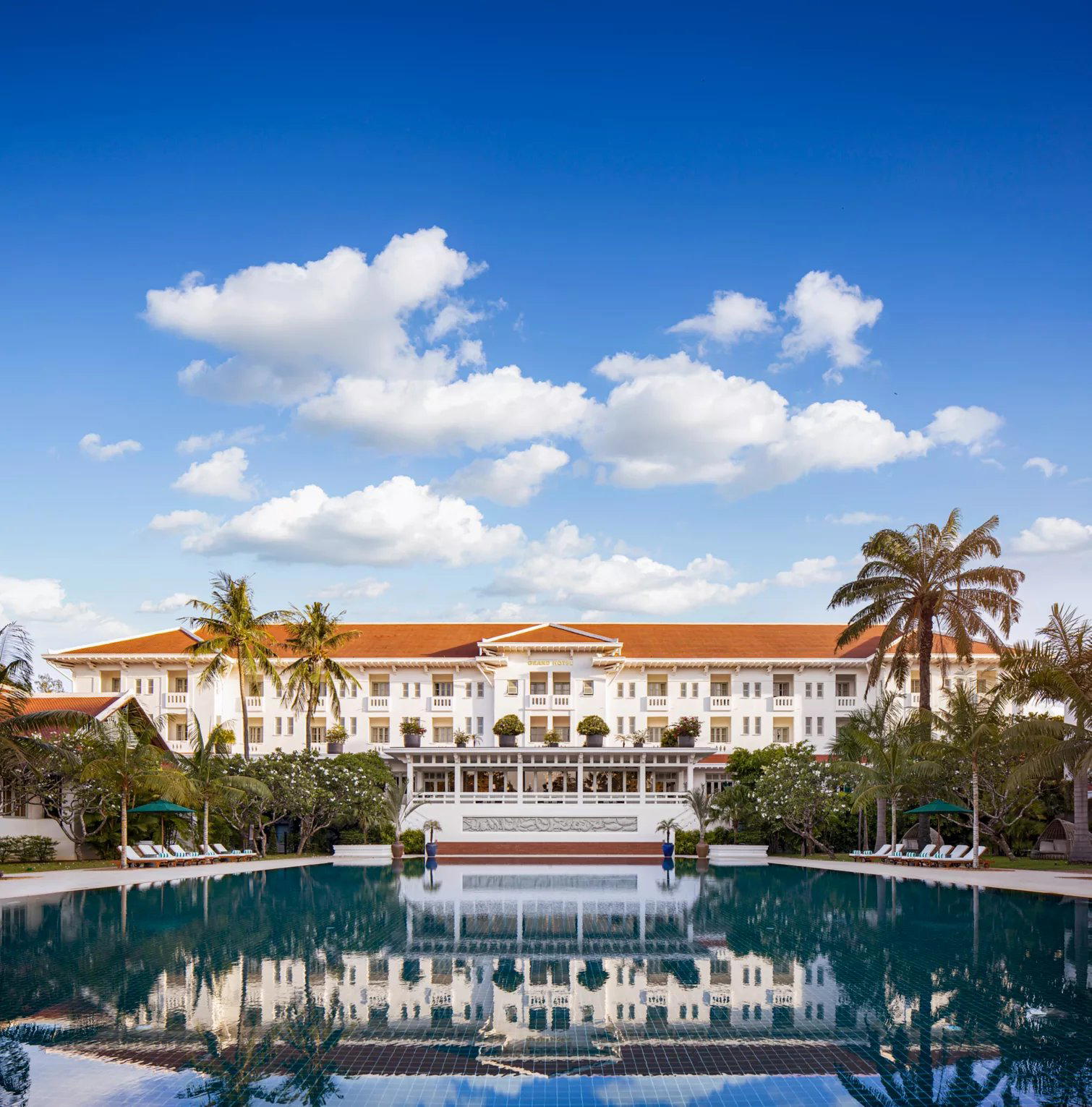
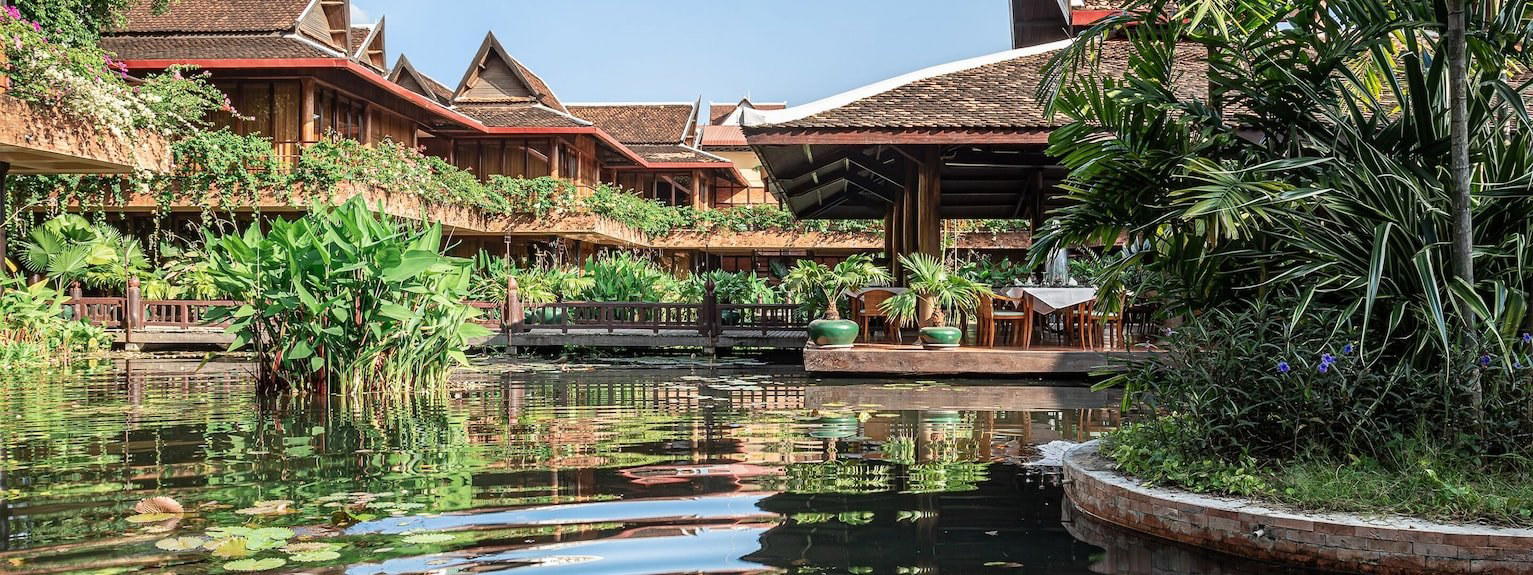
Heritage Suites Hotel occupies a quietly considered position in Siem Reap's boutique accommodation scene, where colonial-era architecture and tropical garden settings define the upper tier of design-led stays. Set on Heritage Road near Wat Polanka, the property sits within reach of Angkor's temple complex and the city's growing bar and dining quarter, making it a practical and atmospheric base for the region.
 Discover on Pearl
Pearl is the En Primeur Club membership app — saves, bookings, and concierge access live there. Same editors, same standards.
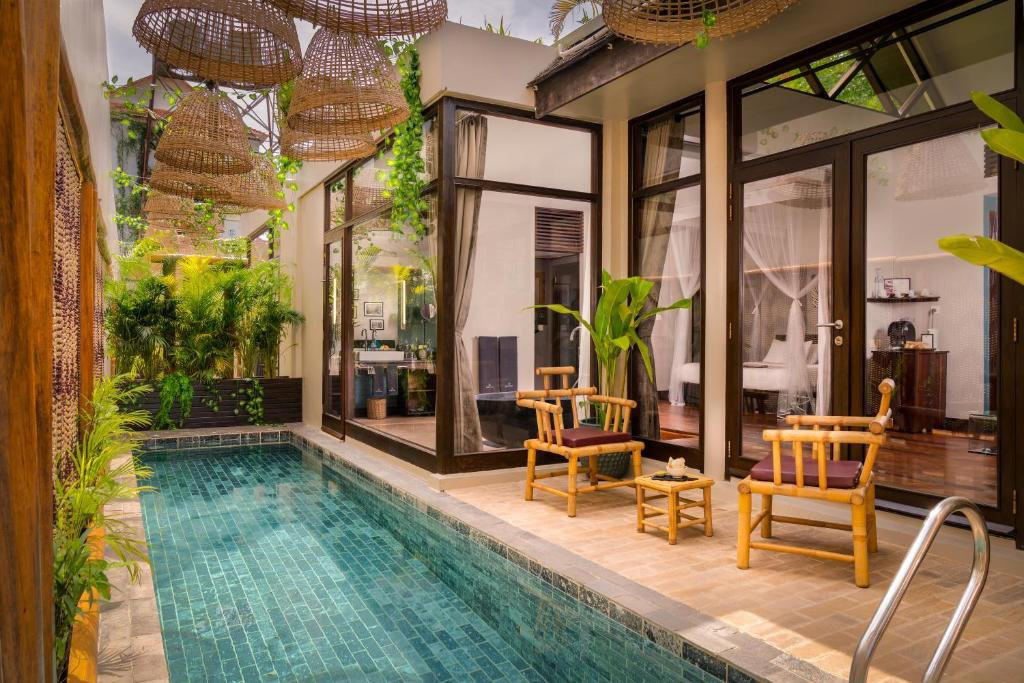
A Quieter Register of Siem Reap Hospitality
Siem Reap's hotel market has reorganized itself considerably over the past decade. The city once ran on a fairly simple binary: large international chains clustered near the airport road, and cheaper guesthouses filling the lanes around Pub Street. What has emerged since is a third category, smaller properties that treat design and spatial atmosphere as primary concerns rather than amenities footnotes. Heritage Suites Hotel sits within that tier, on Heritage Road near Wat Polanka, in a part of the city that trades the tourist-strip density for something quieter and more considered.
That geographic position matters more than it might first appear. Siem Reap is a city where proximity to noise is a genuine variable. Properties closer to the Old Market area absorb the sound of tuk-tuks and late-night bars; those set back along quieter residential roads operate at a different frequency. Heritage Road is the latter. Arriving here in the early evening, when the light drops gold over low garden walls and the air carries the smell of frangipani rather than exhaust, is a different introduction to the city than most visitors expect.
The Spatial Logic of the Property
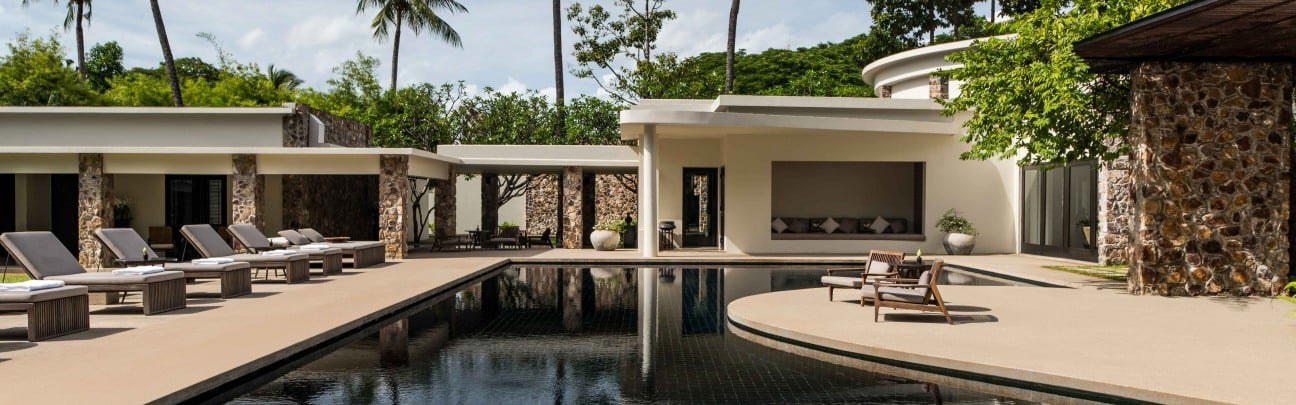
The design approach at Heritage Suites follows a pattern common to the stronger boutique hotels in this part of Cambodia: materials drawn from the region, low-rise structures that defer to garden space rather than dominate it, and an interior vocabulary that references Khmer architectural tradition without reproducing it literally. This is a harder balance to achieve than it sounds. Many properties in Siem Reap resolve the tension by going decoratively heavy, loading rooms with carved wood and stone Buddha figures in ways that read more like a souvenir aesthetic than a design one. The better properties restrain that impulse, letting spatial proportion and natural light carry the atmosphere.
The use of garden space is a defining characteristic of the upper end of Siem Reap's boutique sector. In a city where the surrounding landscape is flat and tropical, the relationship between built structure and planted space determines much of a property's mood. Properties that get this right create a genuine sense of remove from the city, even when they are geographically close to its center. For guests arriving after a long transit through Bangkok or Singapore, that sense of settling into a slower rhythm is part of what the accommodation is actually selling, whether or not it is described in those terms.
Siem Reap's Drinking and Dining Scene: Where Heritage Road Connects
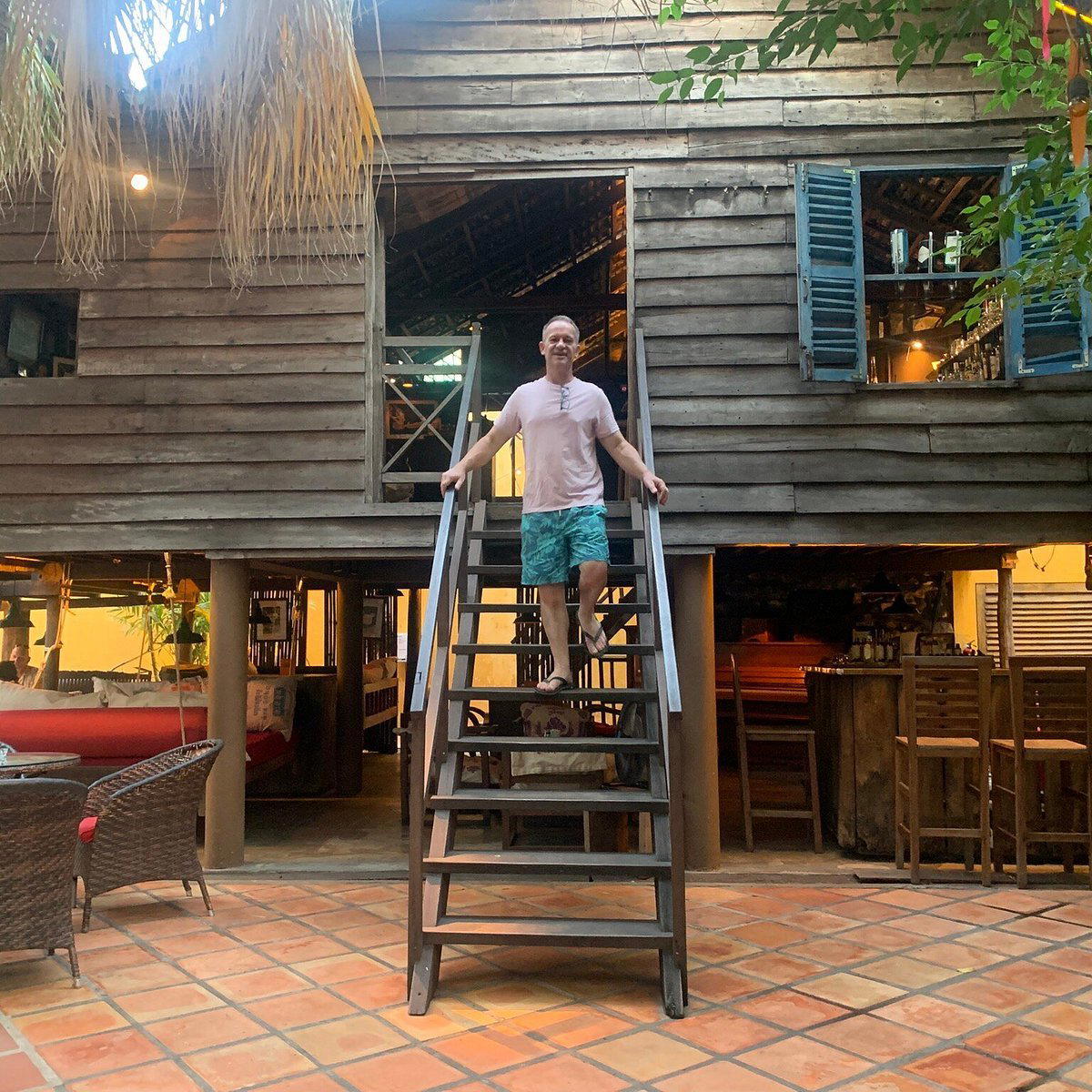
Bar and restaurant scene in Siem Reap has matured unevenly. The Pub Street corridor remains high-volume and aimed squarely at short-stay visitors. But across the city, a smaller set of venues has been building programs with more editorial ambition. ASANA Old Wooden House Cocktail Bar is the most discussed example: a three-story wooden structure near the river that operates one of the more serious cocktail programs in the region, with Cambodian botanicals appearing in formats that reflect genuine technique rather than novelty. For guests staying near Wat Polanka, ASANA is reachable by tuk-tuk in under ten minutes and represents a meaningful step above the tourist-bar standard.
FCC Angkor by Avani operates at a different register, a colonial-building property with a rooftop bar that attracts both hotel guests and walk-ins looking for a more structured setting. The two venues define the practical range available to someone staying in this part of the city: one leaning toward craft program depth, the other toward setting and atmosphere. For a broader view of where Siem Reap's dining and drinking scene sits relative to its own recent history, our full Siem Reab restaurants guide maps the territory in more detail.
Cambodia's bar culture more broadly is worth contextualizing against the regional picture. Sora in Phnom Penh and Maybe Later in Preah Sihanouk represent different points on the country's emerging cocktail spectrum, from the capital's rooftop ambition to the coast's more relaxed format. Siem Reap sits between those two registers: more tourist-facing than Phnom Penh's scene, but with pockets of genuine craft that the city's reputation doesn't always communicate to first-time visitors.
For travelers calibrating expectations against international reference points, programs like Bar Leather Apron in Honolulu, Jewel of the South in New Orleans, Julep in Houston, Kumiko in Chicago, Superbueno in New York City, The Parlour in Frankfurt, and 1806 in Melbourne offer a useful measure of where Southeast Asian programs are closing the gap and where distance remains.
Planning a Stay: Timing and Approach
Siem Reap operates on a pronounced seasonal rhythm that shapes the experience of any property in the city. The dry season, running roughly from November through April, draws the bulk of international visitors and produces the most reliably comfortable conditions for temple visits. Angkor Wat and the surrounding complex are leading approached in the early morning, when light falls at a low angle across the stone and crowds are thinner. Staying near Wat Polanka rather than in the main tourist corridor gives guests a marginal but real logistical advantage for early departures: quieter roads, faster tuk-tuk access, and less of the morning noise that accumulates near the Old Market.
The wet season, May through October, receives fewer visitors but offers a different quality of experience. The surrounding landscape turns intensely green, the moats around Angkor fill fully, and the city operates at a lower register of commercial pressure. For visitors whose primary interest is in the temples rather than the social scene, this window has genuine merit. Properties that emphasize garden atmosphere, as the boutique tier on Heritage Road tends to do, also read differently in this season: the rain and humidity become part of the experience rather than an obstacle to it.
Cuisine and Recognition
A fast peer set for context, pulled from similar venues in our database.
| Venue | Cuisine | Awards | Notes |
|---|---|---|---|
| Heritage Suites Hotel - Siem Reap | This venue | ||
| Sora | World's 50 Best | ||
| ASANA OLD WOODEN HOUSE Cocktail Bar | |||
| FCC Angkor by Avani | |||
| Maybe Later |
Continue exploring
More in Siem Reab
Bars in Siem Reab
Browse all →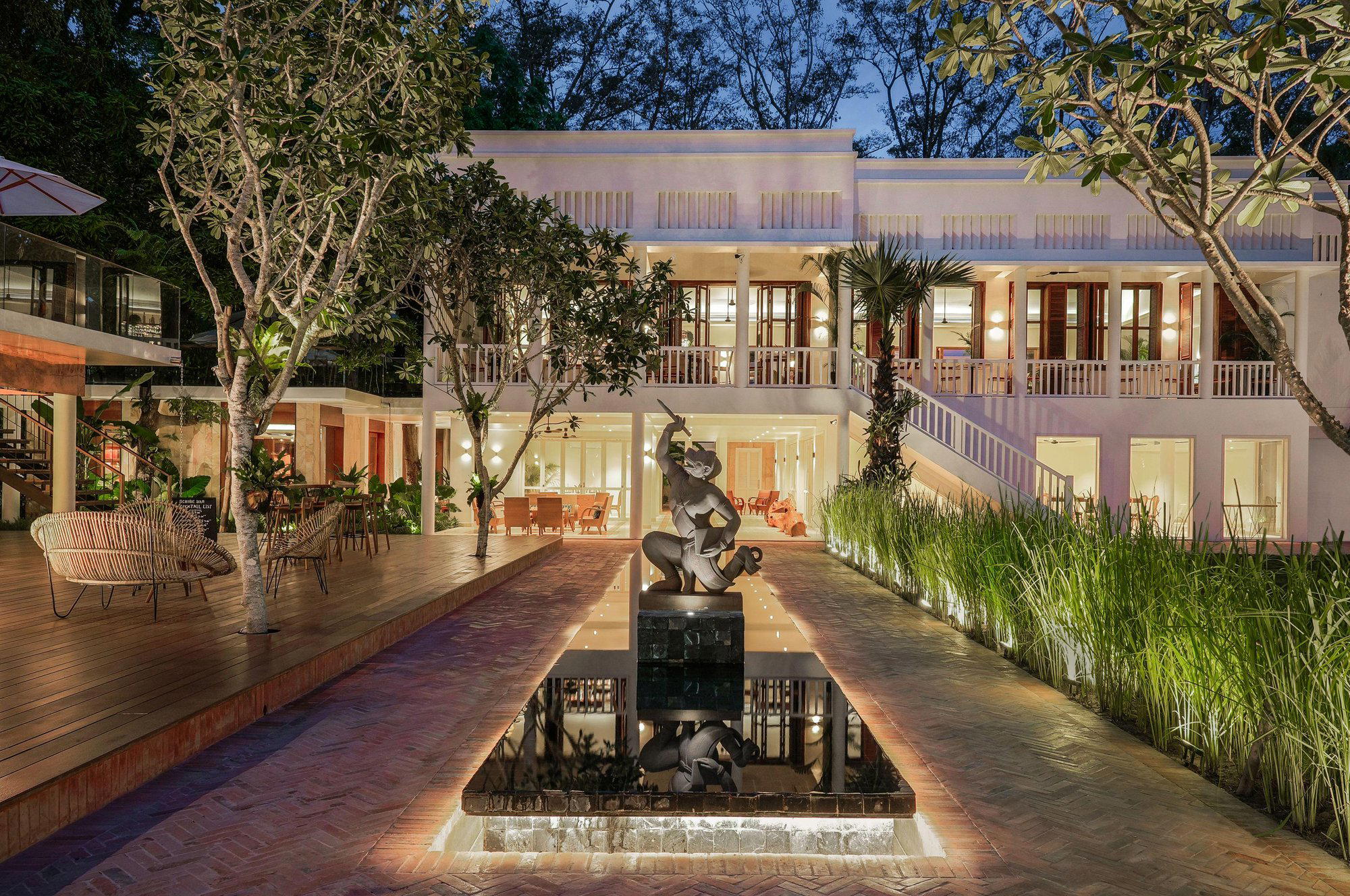
Restaurants in Siem Reab
Browse all →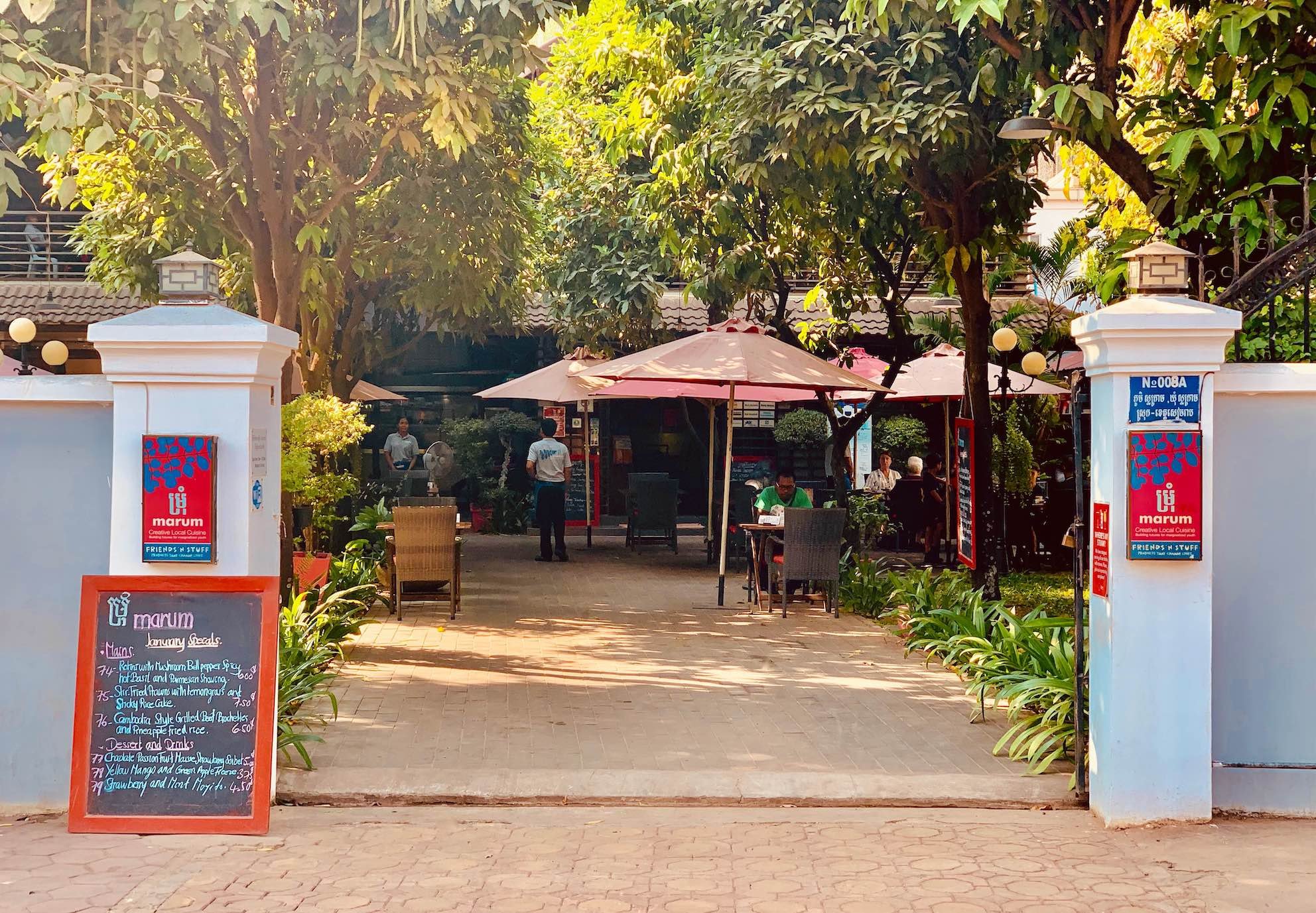
At a Glance
- Elegant
- Romantic
- Cozy
- Sophisticated
- Classic
- Date Night
- Casual Hangout
- Hotel Bar
- Garden
- Live Music
- Lounge Seating
- Outdoor Terrace
- Classic Cocktails
- Garden
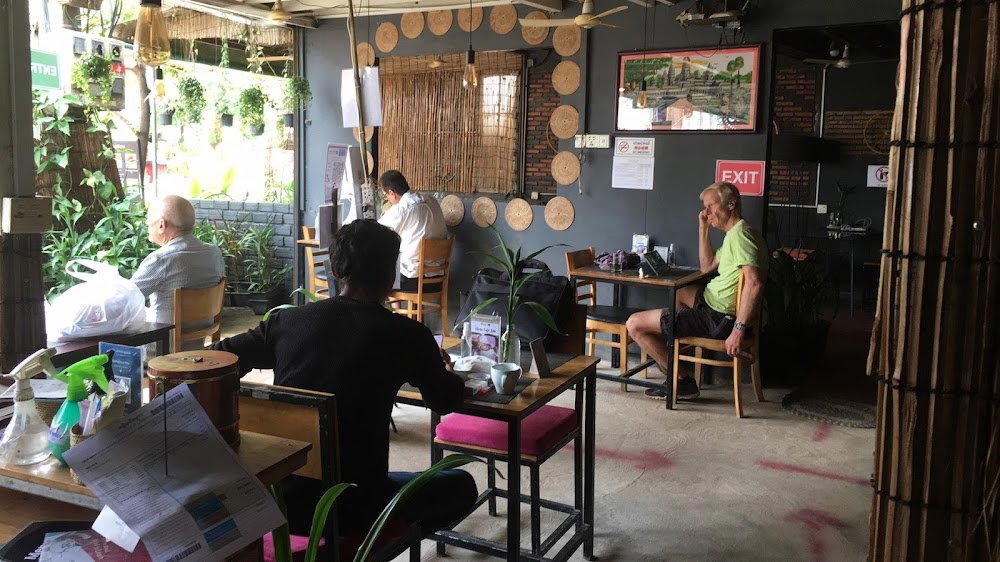
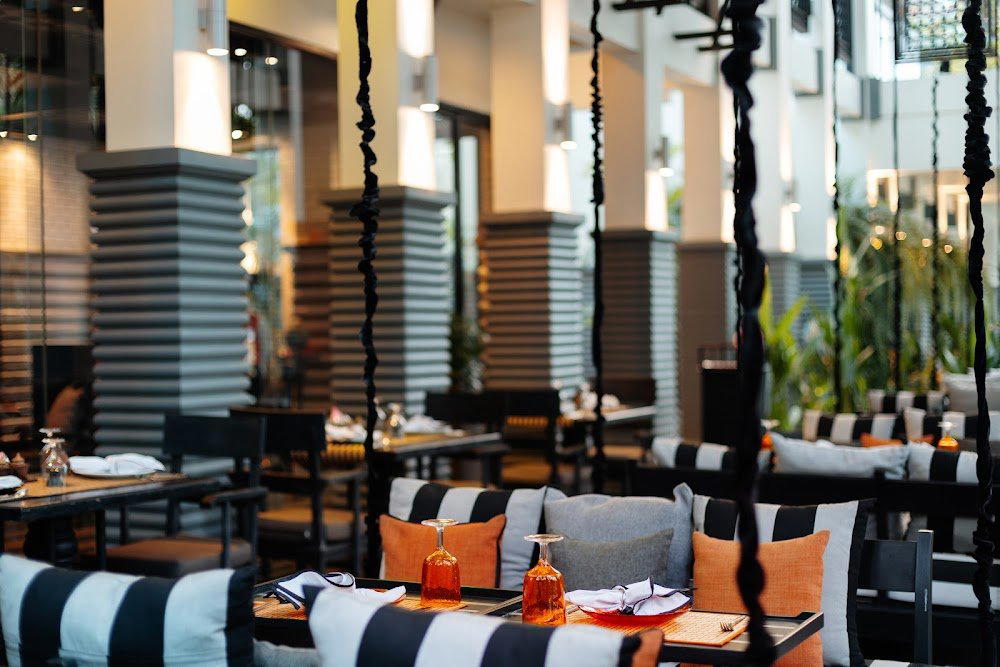
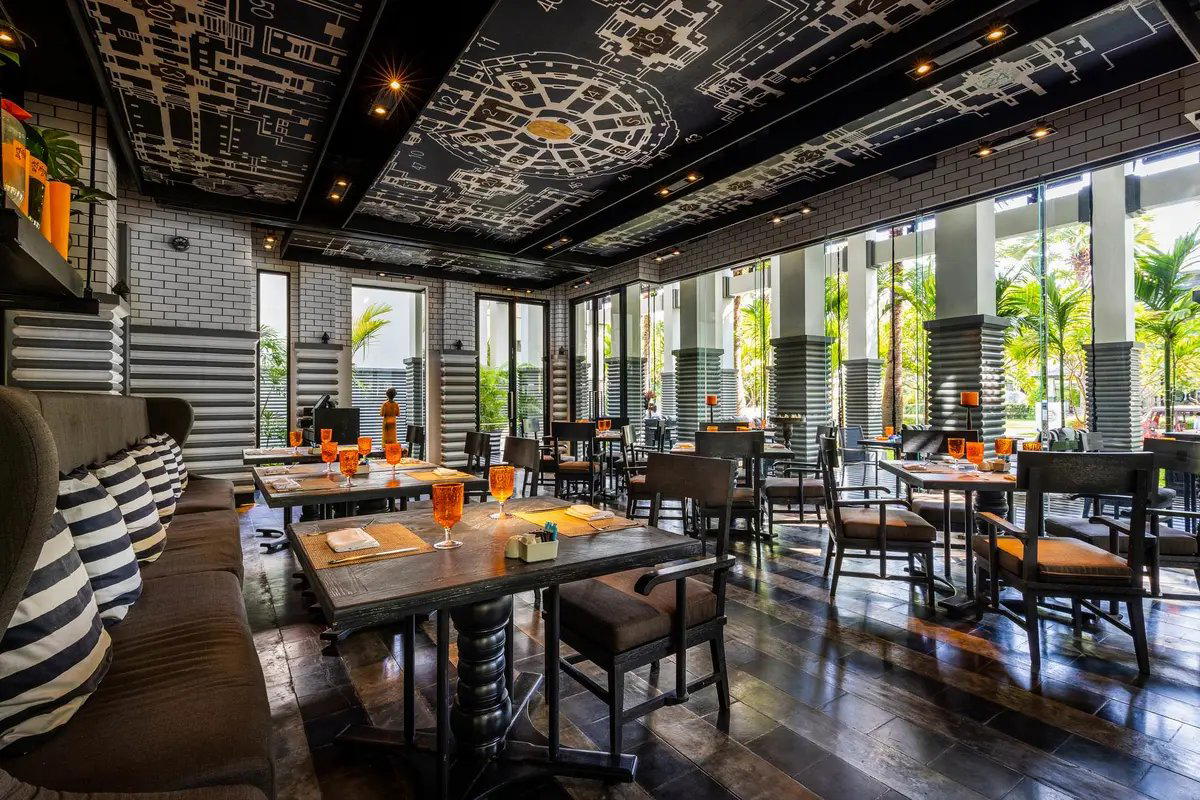
Quiet, romantic retreat with colonial charm, dark floorboards, slatted doors, Khmer and Chinese décor elements, and relaxed poolside atmosphere.