
Kawagoe’s noodle culture rewards precision over ceremony, and Kotobuki Seimen Yoshikawa Kawagoe ten sits in that practical, serious lane. The draw is ramen and tsukemen at everyday pricing, backed by repeated selection in Tabelog’s Ramen EAST 100 from 2017 through 2025 and a compact counter-and-table format that keeps the focus on the bowl.
Pearl is the En Primeur Club membership app — saves, bookings, and concierge access live there. Same editors, same standards.
- Address
- 1738-14 Imafuku, Kawagoe, Saitama 350-1151, Japan
- Phone
- +81 49-293-8609
- Website
- kotobukiseimen.com
 Saves & bookings on Pearl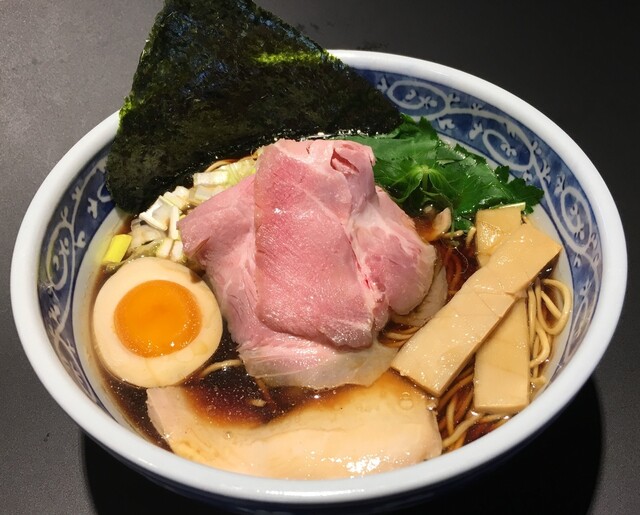
Approach the Imafuku side of Kawagoe and the restaurant rhythm changes: fewer shopping-street distractions, more purpose-built lunch traffic, the kind of setting where a ramen counter can matter without theatrical design. Inside, the format is compact and functional, with counter seating and a small number of tables rather than a dining room built for lingering. That matters in Saitama ramen culture. The room is not trying to turn noodles into a luxury ritual; it is built around turnover, heat, and the short window in which broth, noodles, and toppings are at their strongest.
Kotobuki Seimen Yoshikawa Kawagoe ten belongs to the part of Japan’s ramen scene where ingredient discipline carries more weight than decoration. The category listed here is ramen and tsukemen, a pairing that usually tells an informed diner to pay attention to noodle structure as much as broth. Tsukemen exposes flaws quickly: noodles sit apart from the dipping soup, so texture, temperature, and wheat character cannot hide behind a full bowl of liquid. Ramen asks a different question, how well the soup, oil, tare, noodle, and garnish align in a single serving. A shop that works across both formats is being judged on balance and timing, not on ambiance.
Why Kawagoe's serious noodle shops are judged by sourcing, not ceremony
Kawagoe is often framed through kura storehouses, sweet potato snacks, and day-trip nostalgia, but its stronger everyday dining story is less decorative. The city’s noodle map runs from udon to ramen to tsukemen, and the common thread is value-led specialization. Fujidana Udon Kawagoe ten shows the udon side of that argument, while Ganja Honten gives Kawagoe a heavier tsukemen reference point at a slightly higher spending band. Against that local set, this address sits in the sharper everyday tier: low spend, limited format, and a reputation built through repeat recognition rather than a chef-led narrative.
The useful lens is sourcing in the broad ramen sense: not a romantic farm-to-table claim, but the practical chain of decisions behind wheat, soup base, tare, oils, and garnish. In ramen, ingredient quality is not visible in the same way it is at a sushi counter. It shows through consistency. Noodles need enough structure to hold in soup or survive dipping. Broth has to carry depth without turning heavy. Tare needs definition because it sets the bowl’s seasoning logic. This is why Tabelog’s Ramen EAST 100 matters here: selection in that category places a suburban Kawagoe shop inside an eastern Japan field where small differences in execution are heavily scrutinized by regular diners.
The recognition is not a one-off signal. The restaurant has been selected for Tabelog’s Ramen EAST 100 across consecutive years from 2017 through 2025, with a 2025 Tabelog score of 3.76. In Japan’s ramen economy, that kind of sustained listing is a clearer marker than a glossy dining-room redesign. It suggests repeat performance in a category where customers compare shops obsessively and where price tolerance remains narrow. The point is not that the meal is expensive; it is that the margin for error is small precisely because the format is accessible.
Ramen and tsukemen in a compact, high-turnover room
Physical setup reinforces the food. Twenty seats, including counter seats and small tables, put the restaurant closer to a working noodle shop than a special-occasion room. Counter seating is not just spatial efficiency; it changes the meal’s tempo. Diners arrive for a focused bowl, eat while the noodles are in condition, and release the seat. Tables make the room easier for pairs and families, but the center of gravity remains quick, direct, and noodle-first.
That format also explains why the shop can be useful for visitors who are already in Kawagoe but not necessarily building an entire day around one reservation. The city has several casual specialists worth mapping together rather than treating as isolated stops. Burger Cafe Honohono covers a different casual register, while amrit broadens the local picture beyond noodles. For a fuller city edit, Our full Kawagoe restaurants guide is the better planning layer, especially if the day also includes Our full Kawagoe hotels guide, Our full Kawagoe bars guide, Our full Kawagoe wineries guide, or Our full Kawagoe experiences guide.
The comparison with other casual Japanese specialists is useful because it clarifies expectations. A noodle shop of this type should not be read like a tasting-menu restaurant. It competes on repetition, ingredient handling, and clarity inside a narrow spend band. That is a different proposition from beef-focused dining such as -Grilled beef Sukiyaki- KAMAKURA TANUKIAN 鎌倉 たぬき庵 in Kamakura, seafood-and-grill formats such as. 鮪と炭火焼き うお炭 秋葉原店 in Tokyo, or café-led stops such as.cafe in Osaka. In the same casual universe.know in Kumamoto, (Shoku) Vietnam in Kawasaki, and [Curry Senmon Ten] Maruyama Kyoju. in Sapporo show how tightly focused formats can travel across categories without needing luxury cues.
The reader decision: go for a disciplined bowl, not a long lunch
The case for Kotobuki Seimen Yoshikawa Kawagoe ten is strongest for diners who care about ramen as craft rather than spectacle. The awards history gives it authority; the low-spend bracket keeps it in the democratic tradition that makes Japanese ramen so exacting; the Kawagoe location makes it a smart counterpoint to the city’s heritage-facing tourism. It is also family friendly, though families should note the practical setup rather than expect a room designed around children.
For travelers comparing regions, the lesson is broader than one bowl. Japan’s casual specialists often carry more editorial interest than mid-market restaurants trying to look premium. The same logic can apply far outside Saitama, from sake-bar dining such as Jōdo Saké Bar in Los Angeles to rice-focused casual formats such as Onigiri Time in Pasadena. The common denominator is discipline: a narrow format, clear sourcing priorities, and enough repeat demand to make consistency the real test.
Side-by-Side Snapshot
Comparable venues by cuisine and price in the same metro.
| Venue | Cuisine | Price | Notes |
|---|---|---|---|
| Kotobuki Seimen Yoshikawa Kawagoe tenThis venue — the venue you are viewing | Japanese Ramen | $$ | Not listed |
| Ramen Jiro Kawagoe ten | Ramen Jiro-style pork ramen | $ | Asahicho |
| Hasenuma | Handmade Udon & Tempura | $ | Hon-Kawagoe |
| Ogakiku | Traditional Unagi (Eel) Restaurant | $$$ | Nakacho / Taisho-roman Street (Little Edo area) |
| Kawagoe Ichinoya | Traditional Japanese Unagi | $$$ | Matsuecho |
| Fujidana Udon Kawagoe ten | Traditional Musashino Udon | $ | Shinjuku-cho |
Recognition history
Dated appearances from independent guides and award organizations, with the underlying list record or original source where available.
Tabelog 100 #70 · No. 70
Tabelog · Tabelog 100 - Ramen - EAST - 2025
Continue exploring
More in Kawagoe
Restaurants in Kawagoe
Browse all →

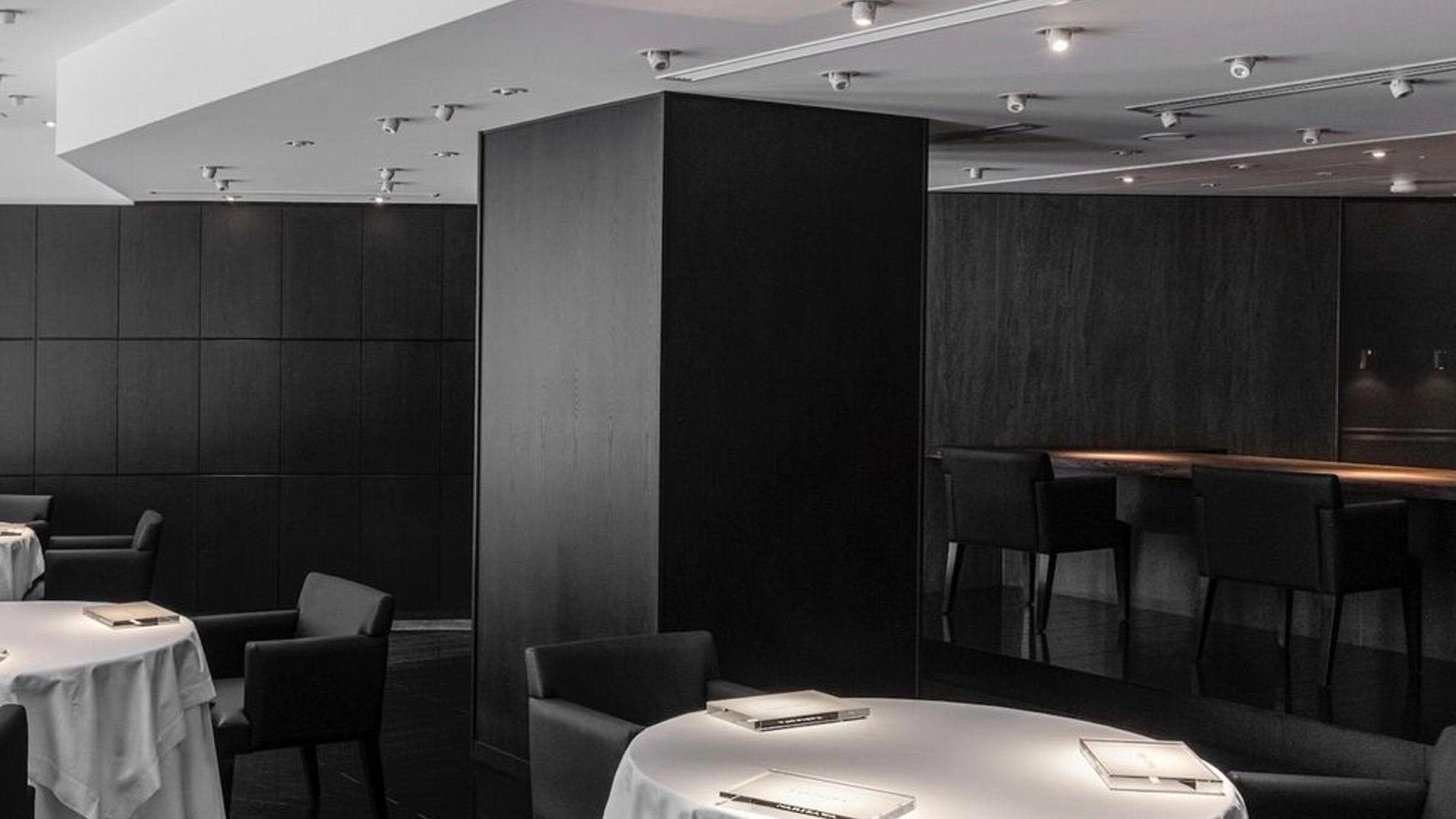


Bars in Kawagoe
Browse all →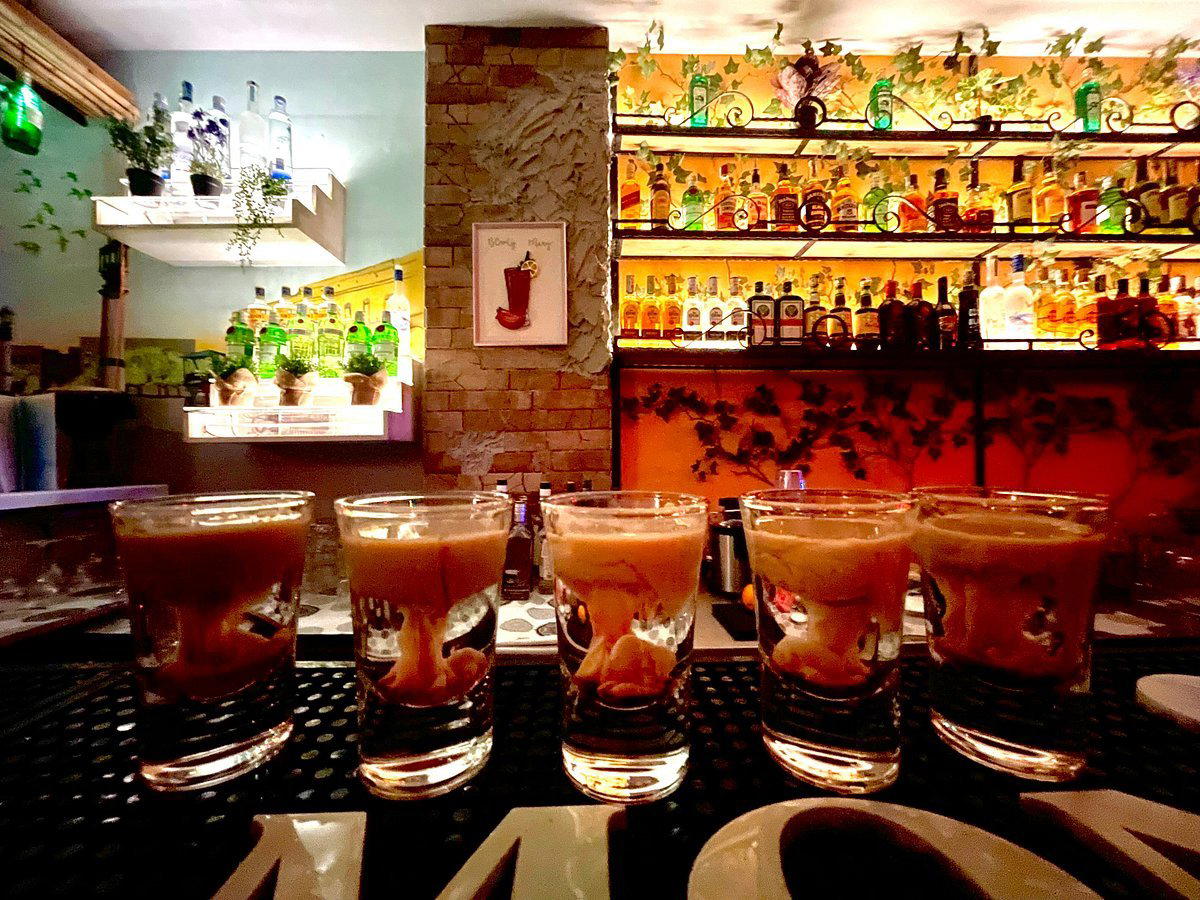




Hotels in Kawagoe
Browse all →




Wineries in Kawagoe
Browse all →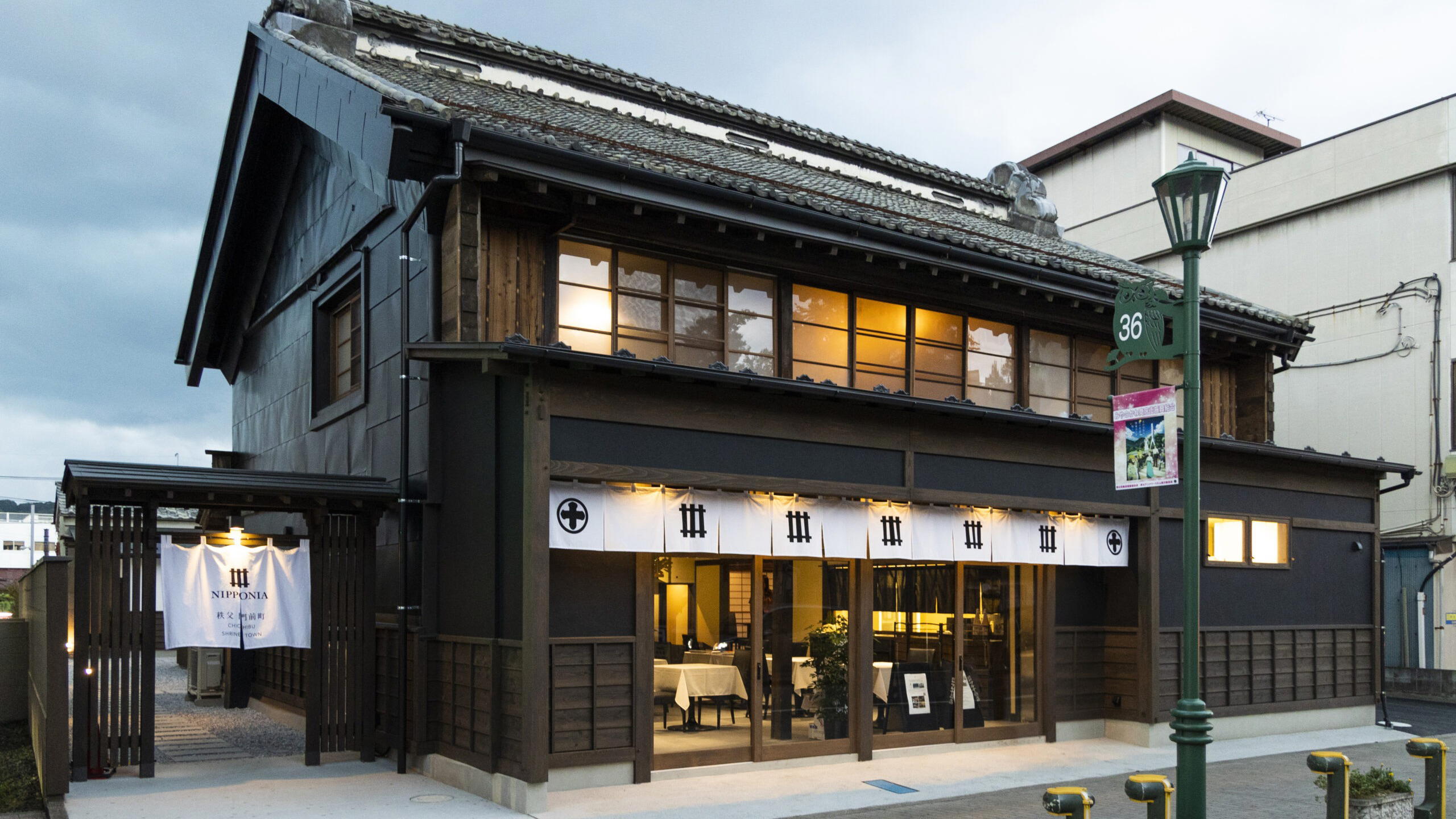
At a Glance
- Cozy
- Classic
- Solo
- Family
- Casual Hangout
- Group Dining
- Standalone
- Beer Program
- Sustainable Seafood
- Local Sourcing
Current opening hours
- Monday
- 11 AM–2:30 PM, 5–8:30 PM
- Tuesday
- 11 AM–2:30 PM, 5–8:30 PM
- Wednesday
- 11 AM–2:30 PM, 5–8:30 PM
- Thursday
- 11 AM–2:30 PM, 5–8:30 PM
- Friday
- 11 AM–2:30 PM, 5–8:30 PM
- Saturday
- 11 AM–3 PM, 5–8:30 PM
- Sunday
- 11 AM–3 PM, 5–8:30 PM
Hours can change for holidays and private events. Last verified .
Casual and direct ramen-shop atmosphere centered on fish-based soups and a compact dining room.