
Ganja Honten is a compact Kawagoe counter for tsukemen and ramen, selected for Tabelog Ramen EAST “Tabelog 100” in 2025 after repeated appearances from 2020 onward. Its appeal sits in the tension that defines serious dipping-noodle shops: concentrated broth, noodle texture, and a format built for quick, focused eating rather than ceremony.
Pearl is the En Primeur Club membership app — saves, bookings, and concierge access live there. Same editors, same standards.
- Address
- Japan, 〒350-0043 Saitama, Kawagoe, Shintomicho, 1 Chome−1−8
- Phone
- +81 49-226-1194
- Website
- ganja.co.jp
 Saves & bookings on Pearl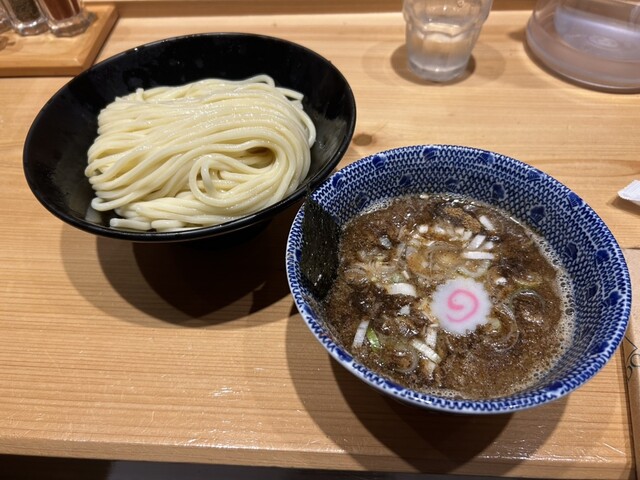
Approaching a serious ramen counter in Kawagoe is not the same proposition as walking into a long-form kaiseki room or an unagi house built around lingering courses. The cues are tighter: a small room, counter seats, steam, ticket-machine pragmatism in the broader ramen culture, and a meal measured by concentration rather than duration. Ganja Honten belongs to that grammar. Its category is tsukemen and ramen, and the distinction matters because dipping noodles put the noodle itself under harsher scrutiny than soup ramen does. Broth can carry aroma and fat; tsukemen asks whether the noodle has enough structure, wheat character, and temperature discipline to remain compelling bite after bite.
Tsukemen turns Kawagoe's casual dining into a texture test
Kawagoe dining often splits between heritage-minded day-trip eating and everyday neighborhood meals. Visitors arrive for kurazukuri streets, sweets, eel, and old-town atmosphere, but the city’s stronger casual addresses tell a different story: local demand supports focused specialists as much as tourist comfort. In that context, a 12-seat counter devoted to tsukemen and ramen reads less like a convenience stop and more like a precision format. The room does not need theatre. The format supplies the pressure.
Tsukemen is an ingredient-sourcing argument disguised as a simple bowl. The quality of wheat, the hydration of the noodle, the way a concentrated dipping broth is built from animal, seafood, vegetable, or other base elements, and the timing between boiling, rinsing, and serving all determine whether the form works. Because the noodles are eaten separately from the broth, flaws are harder to hide. A thin soup can blur imprecision; a dipping broth and a resilient noodle expose it. That is why selection for Tabelog Ramen EAST “Tabelog 100” in 2025 carries useful weight here, especially alongside listed selections from 2020 through 2024. It places the shop within eastern Japan’s competitive ramen conversation rather than merely within Kawagoe’s tourist circuit.
The relevant comparison inside Kawagoe is not only another ramen shop. It is the spread of formats a traveler can choose in a compact city. Hasenuma sits in a lower everyday price bracket, while unagi-focused dining such as Kawagoe Ichinoya and Ogakiku occupies a higher spend and a slower rhythm. PIZZERIA ROCCO brings a different casual international register. Against that range, Ganja Honten makes its case through specialization: short menu logic, counter pacing, and a style where raw materials show through texture and broth density rather than garnish or service choreography.
The counter format rewards diners who understand the category
Japan’s ramen culture is often flattened for travelers into a search for big flavors, but the better question is narrower: what is the shop asking the diner to notice? In tsukemen, the answer is usually sequence. Noodles first define chew and wheat expression, then the dipping broth adds salinity, fat, and aromatic depth, then the final stretch tests balance as the broth cools and thickens against repeated dipping. A counter with only 12 seats keeps that sequence close to production. There is little buffer between kitchen timing and the guest’s bowl, which is why small ramen rooms can feel more exacting than larger casual restaurants.
The absence of reservations is part of the genre rather than a flaw. Ramen shops at this level frequently operate on turnover, queue discipline, and stock limits, with closing time less important than whether the day’s preparation has run out. That format favors decisive ordering and modest parties. It is also why the meal belongs in a Kawagoe day plan differently from a booked dinner. This is a midday anchor, not an evening centerpiece: the kind of stop that works before or after the old merchant streets, when the point is a sharply defined bowl rather than a table held for the night.
Ingredient sourcing, in this case, should be understood through category rather than named suppliers. No public detail identifies specific producers, so the meaningful reading comes from the dish type itself. Tsukemen’s seriousness depends on flour choice, noodle-making consistency, and broth extraction. Those inputs are not decorative; they are the meal. For travelers used to ramen as soup first, the Kawagoe lesson is useful: in dipping-noodle shops, noodles are not a vehicle for broth. They are the central object, and the broth is calibrated around them.
How to place it in a Kawagoe eating day
A strong Kawagoe itinerary should not treat the city as a single-theme historic district. The better version pairs old-town walking with one or two sharply chosen food stops. For broader planning, Our full Kawagoe restaurants guide gives the restaurant spread, while Our full Kawagoe hotels guide, Our full Kawagoe bars guide, Our full Kawagoe wineries guide, and Our full Kawagoe experiences guide help separate an afternoon visit from an overnight stay.
Within the local restaurant map, use Ganja Honten when the priority is a compact, technical bowl rather than a lingering meal. Nearby alternatives pull in different directions: Fujidana Udon Kawagoe ten and Inaka Udon Tetsu keep the noodle conversation in a different Japanese register; Burger Cafe Honohono shifts toward casual Western comfort; amrit broadens the city’s non-Japanese options. Travelers building a wider Japan food file can also compare the decision with specialist stops beyond Saitama, from -Grilled beef Sukiyaki- KAMAKURA TANUKIAN 鎌倉 たぬき庵 in Kamakura to. 鮪と炭火焼き うお炭 秋葉原店 in Tokyo.cafe in Osaka.know in Kumamoto, (Shoku) Vietnam in Kawasaki, [Curry Senmon Ten] Maruyama Kyoju. in Sapporo, Jōdo Saké Bar in Los Angeles, and Onigiri Time in Pasadena.
The repeated Tabelog 100 recognition supplies the trust signal, but the deeper reason to seek it out is the format itself. Kawagoe has slower, pricier, more ceremonial meals; this counter offers a tighter study in noodles, broth concentration, and the discipline of a small room built around a single category.
Side-by-Side Snapshot
Nearby venues at a similar price tier for orientation.
| Venue | Cuisine | Price | Notes |
|---|---|---|---|
| Ganja HontenThis venue — the venue you are viewing | Tsukemen / Ramen | $ | Not listed |
| Inaka Udon Tetsu | Rustic handmade udon | $ | Kawagoe |
| VANITOY BAGEL KURA TSUKURI HONTEN | Bagel café in historic Kawagoe kura | $ | Koedo / Kurazukuri district (central Kawagoe) |
| Kotobuki Seimen Yoshikawa Kawagoe ten | Japanese Ramen | $$ | Minami Otsuka |
| Ramen Jiro Kawagoe ten | Ramen Jiro-style pork ramen | $ | Asahicho |
| PIZZERIA ROCCO | Traditional Neapolitan Pizza & Italian | $$ | Honkawagoe / Koedo Street area |
Recognition history
Dated appearances from independent guides and award organizations, with the underlying list record or original source where available.
Tabelog 100 #28 · No. 28
Tabelog · Tabelog 100 - Ramen - EAST - 2025
Continue exploring
More in Kawagoe
Restaurants in Kawagoe
Browse all →



Bars in Kawagoe
Browse all →



Hotels in Kawagoe
Browse all →




Wineries in Kawagoe
Browse all →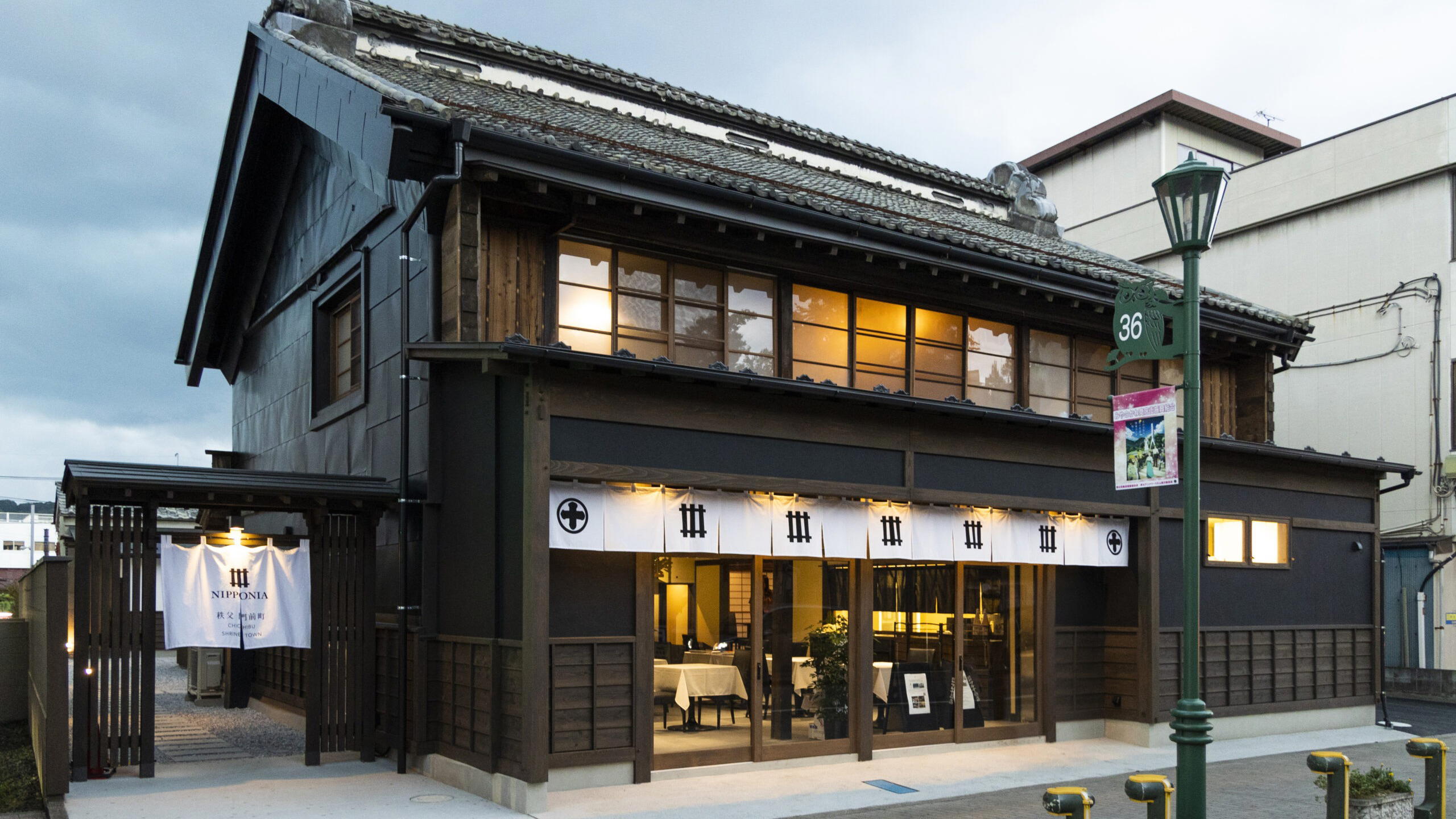
At a Glance
- Classic
- Well Known
- Minimalist
- Solo
- Casual Hangout
- Family
- Group Dining
- Standalone
- Beer Program
- Street Scene
Current opening hours
- Monday
- 11:30 AM–4:20 PM
- Tuesday
- 11:30 AM–4:20 PM
- Wednesday
- 11:30 AM–4:20 PM
- Thursday
- 11:30 AM–4:20 PM
- Friday
- 11:30 AM–4:20 PM
- Saturday
- 11:30 AM–4:20 PM
- Sunday
- Closed
Hours can change for holidays and private events. Last verified .
Compact, counter-seat ramen shop atmosphere with a focused, no-frills feel centered on fast-paced noodle service.