Konoba Vrisnik serves Traditional Dalmatian dinner in Jelsa, with terrace seating, quiet pacing, and mountain-and-vineyard views.
Pearl is the En Primeur Club membership app — saves, bookings, and concierge access live there. Same editors, same standards.
- Address
- Vrisnik 5, 21465 jelsa otok Hvar, D116, 21465, Jelsa, Croatia
- Phone
- +385915787351
- Website
- konoba-vrisnik.com
- Directions
- Get directions
 Saves & bookings on Pearl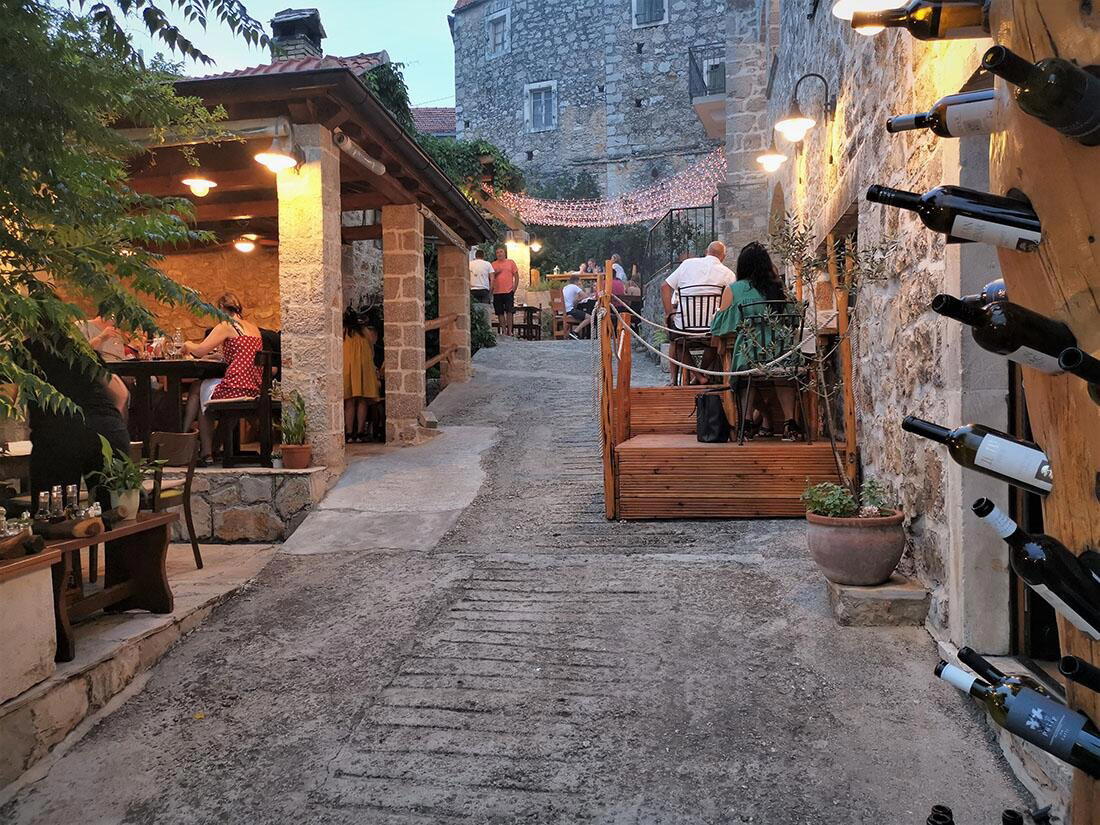
Stone Walls, Olive Groves, and the Logic of a Dalmatian Konoba
The village of Vrisnik sits roughly in the geographical centre of Hvar island, away from the port crowds of Hvar town and the beach traffic that dominates the southern coast. Arriving here, the shift is immediate: terraced vineyard walls, the dry-stone architecture of a Dalmatian inland settlement, and the kind of quiet that confirms you have left the tourist circuit behind. Konoba Vrisnik is a restaurant in Vrisnik, Jelsa, serving Traditional Dalmatian food at a casual price point of about $25 per person. A konoba, in the Dalmatian tradition, is not a restaurant in the contemporary sense. It is a working household table made semi-public, where production, preparation, and service share the same geography. That format has survived here while the coastal strip below has moved steadily toward European resort dining.
What a Konoba Format Actually Signals
Across Croatia's Adriatic islands, konobas divide into two broad categories. The first has absorbed the vocabulary of modern hospitality, offering printed menus, card payments, and hours calibrated to tourist arrivals. The second remains closer to the original model: a household that produces its own wine, oil, or cured meat, and serves food shaped by what that production yields. Konoba Vrisnik, set in an island village rather than a harbour town, belongs to a tradition where the agricultural and the culinary remain connected. This matters for the reader making a practical decision: the experience is not interchangeable with a konoba on Hvar's Stari Grad waterfront. The setting, the produce logic, and the pacing are different categories of thing.
For broader comparison across Croatia's island dining scene, LD Restaurant in Korčula and Boskinac in Novalja illustrate how Adriatic island dining can move between rustic konoba roots and more structured contemporary formats. Konoba Vrisnik sits at the other end of that range, closer to the source.
Hvar's Interior and Its Culinary Logic
Hvar's interior has long operated on a different agricultural rhythm from its coast. The lavender fields, the dry-stone terraces growing Plavac Mali and Bogdanuša grapes, and the olive groves on the hillsides above Vrisnik are not scenic backdrops. They are the supply chain. Dalmatian island cooking at its most direct reflects this: lamb slow-roasted under a peka (the cast-iron bell covered in embers that defines the method across the region), grilled fish sourced from local catches rather than wholesale supply, and vegetable preparations that follow what the season and the altitude allow. The peka method in particular is a dish-defining commitment, requiring hours of preparation that places it outside the logic of à la carte volume service. Where you encounter it on Hvar's interior, it typically requires advance notice.
This is one of the practical signals worth noting for planning. Inland konobas operating close to traditional format often require a call ahead, both for the peka and simply to confirm availability, since seat counts are small and hours are not always calibrated to walk-in arrivals. The village address at Vrisnik 5 places this outside the range of spontaneous arrival from Hvar town without transport. Visitors coming from Jelsa, the nearest coastal settlement roughly four kilometres downhill, will find it more accessible; those staying in Hvar town should plan for a twenty-minute drive across the island's central ridge.
Placing Konoba Vrisnik in the Jelsa Dining Picture
Jelsa's dining options range from harbour-front restaurants with broad international menus to a smaller set of operations with stronger local sourcing logic. Konoba Maslina represents another point in Jelsa's konoba tradition and is worth reading alongside this entry for context on how the format varies even within a small town. Our full Jelsa restaurants guide maps the broader field if you are building an itinerary around the area.
At the island level, Hvar does not yet operate a Michelin-recognised dining scene in the way that Split or Dubrovnik do. Restaurant 360 in Dubrovnik and Pelegrini in Sibenik sit in a different tier, with formal recognition and tasting menus priced against European fine dining peers. The restaurant is not in that competitive set, nor does it seek to be. The value proposition is different: it is about proximity to the agricultural source and the preservation of a format that the coast has largely abandoned for operational convenience.
The Broader Croatian Konoba Tradition
Croatia's konoba culture has its closest parallel in the Istrian agriturismo model to the north, where wine-producing farmhouses serve food anchored to what they grow. Agli Amici Rovinj in Rovinj represents a more formal evolution of that Istrian hospitality, while inland Dalmatian konobas like those in Hvar's village belt have remained closer to the original household format. Across the mainland, references like Dubravkin Put in Zagreb and Korak in Jastrebarsko show how Croatian culinary identity is being reinterpreted in urban and continental formats; the island konoba sits as the more unreconstructed version of the same tradition. For coastal comparisons closer in spirit, Krug in Split and Nebo by Deni Srdoč in Rijeka chart how Croatian chefs are working with local ingredients in more structured environments. Alfred Keller in Mali Lošinj offers another island reference point, this time with a more international hospitality framing.
Elsewhere on the Adriatic islands, BioMania Bistro Bol in Bol, Bodulo in Pag, and Burin in Crikvenica each show how island and coastal operators are handling the tension between local tradition and visitor expectation. Cantilly Garden Restaurant in Samobor offers a continental Croatian counterpoint for readers building a wider picture of the country's dining range.
Planning Your Visit
Visitors arriving from outside Croatia who are accustomed to online booking systems for restaurants like Le Bernardin in New York City or Atomix in New York City should recalibrate expectations for the inland Dalmatian konoba format. Reservations are recommended, and a phone call is the simplest way to confirm what is being prepared. The peak season on Hvar runs from late June through August, when the island's population multiplies several times over and even inland spots see increased footfall from visitors seeking alternatives to the coastal crowds. May, early June, and September offer the combination of full agricultural production and noticeably fewer visitors.
Transport to Vrisnik requires either a rental vehicle or a taxi from Jelsa. The address at Vrisnik 5, D116, places the konoba at the heart of the village, which is itself small enough that finding it on arrival is not a navigational challenge once you are in the settlement.
Price and Positioning
Comparable venues nearby, for context on price, style, and recognition.
| Venue | Cuisine | Price | Notes |
|---|---|---|---|
| Konoba VrisnikThis venue — the venue you are viewing | Vrisnik, Traditional Dalmatian | $$ | Not listed |
| Konoba Maslina | Vrisnik, Traditional Dalmatian | $$$ | Not listed |
| Konoba Golub | Podselje, Traditional Dalmatian Grill | $$ | Not listed |
| Terasa Ciccio POP | Nerezišća, Traditional Dalmatian | $$ | Not listed |
| Kod Kapetana | Hvar Town, Traditional Croatian Seafood | $$ | Not listed |
| Oš Kolač - Artisan Cakes and Pastries | Not listed | $$ | Old Town Split, Artisan Pastries & Modern Desserts |
Continue exploring
More in Jelsa
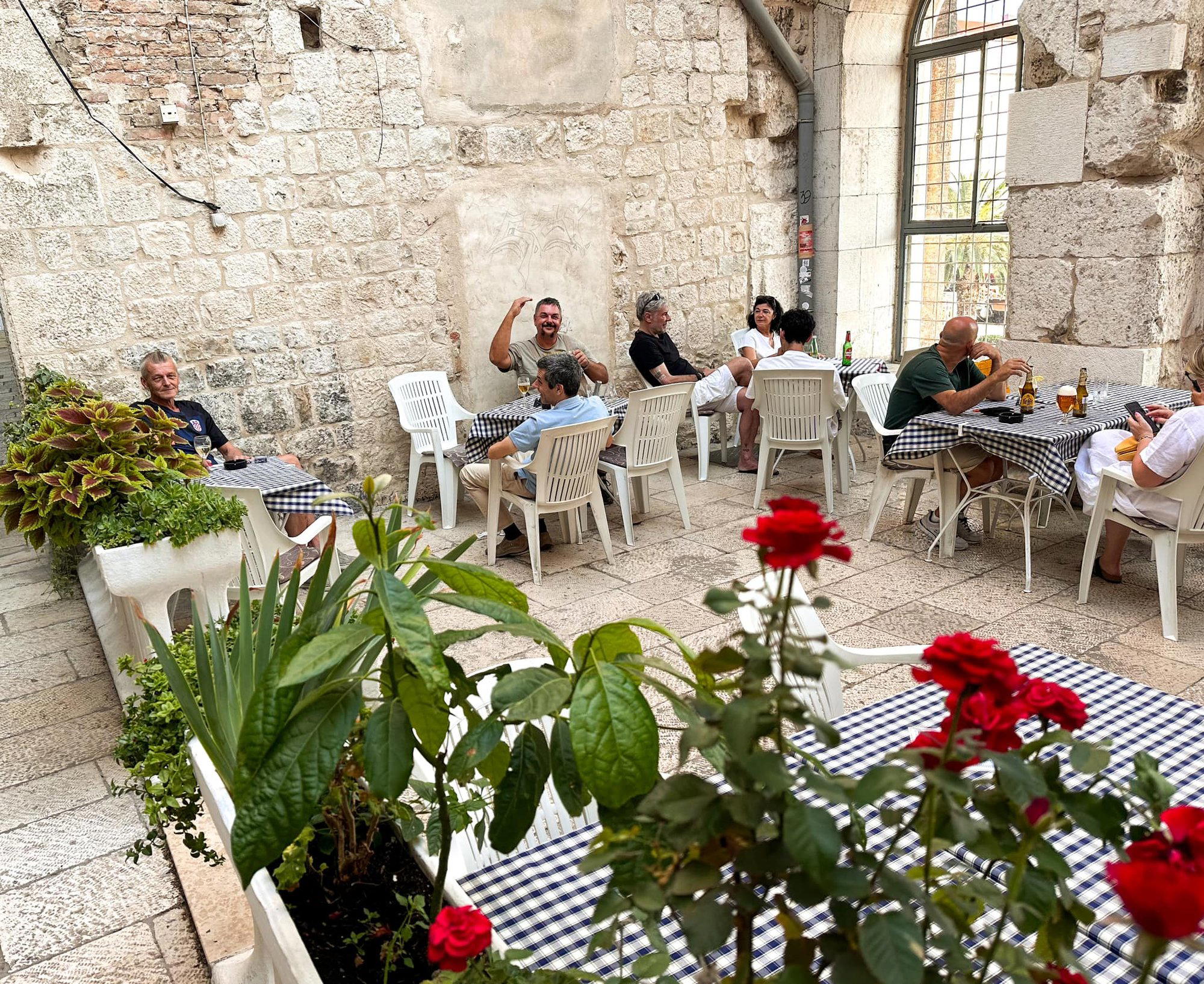
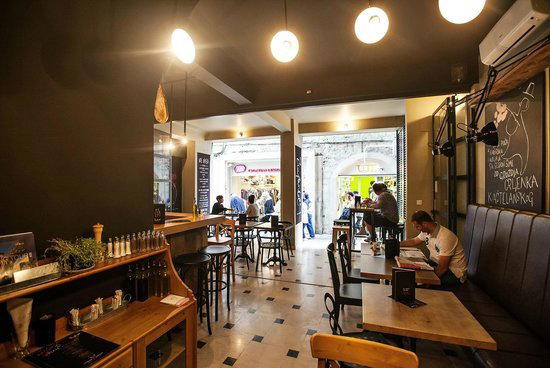
Restaurants in Jelsa
Browse all →
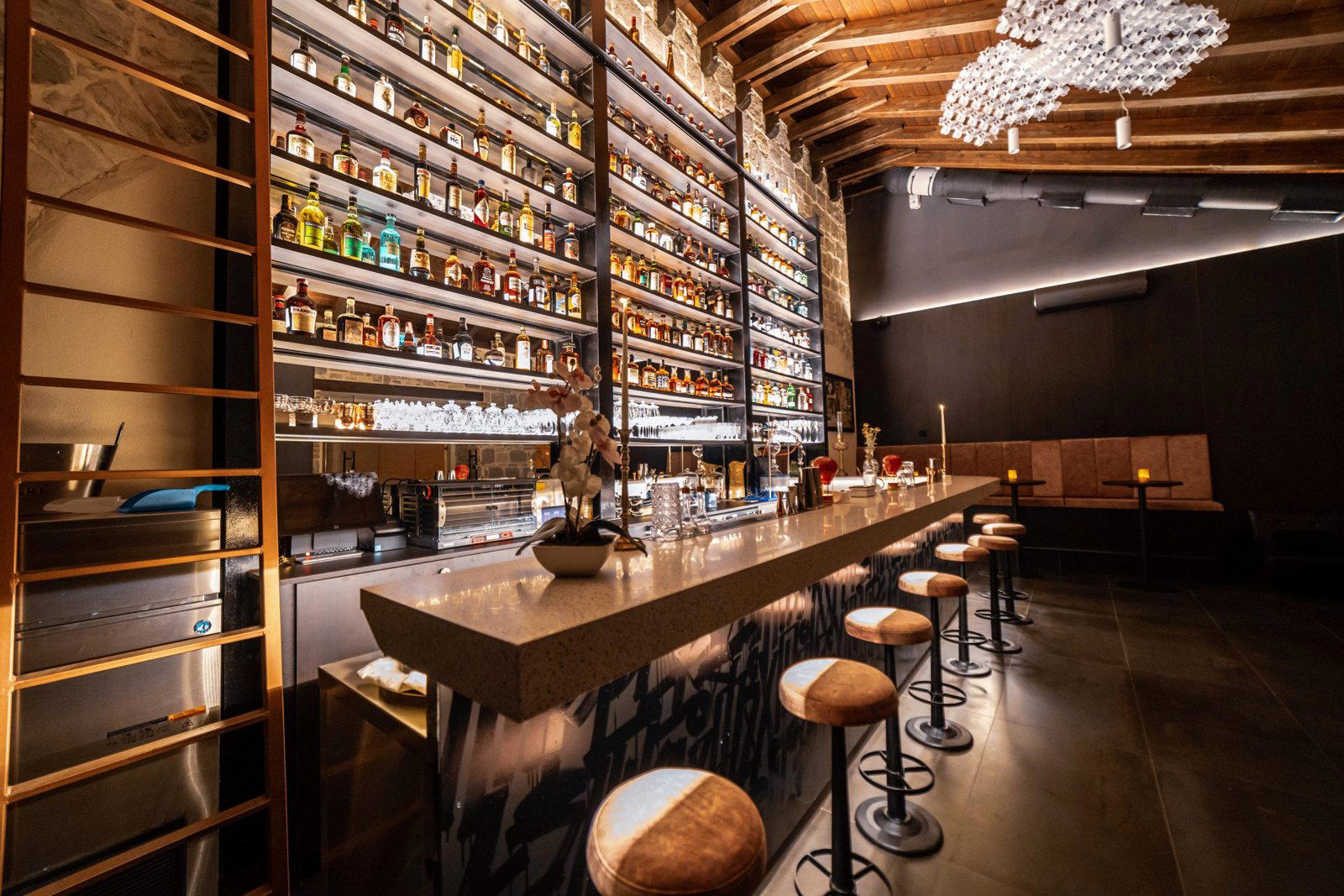
Bars in Jelsa
Browse all →
Hotels in Jelsa
Browse all →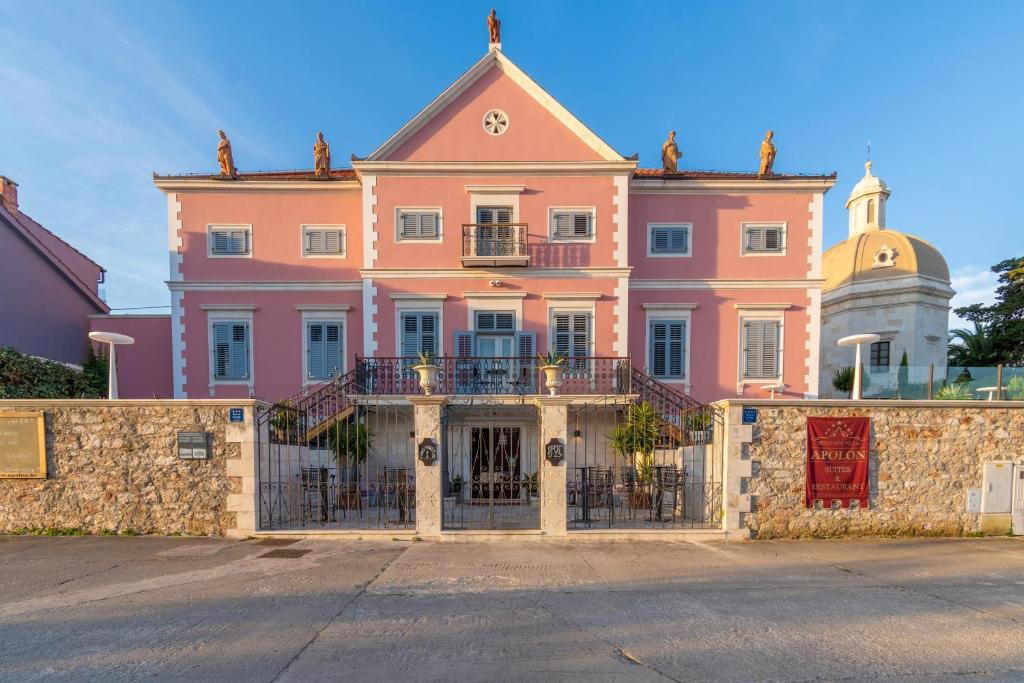

At a Glance
- Rustic
- Cozy
- Scenic
- Family
- Special Occasion
- Terrace
- Local Sourcing
- Mountain
- Vineyard
Current opening hours
- Monday
- 5 PM–1 AM
- Tuesday
- 5 PM–1 AM
- Wednesday
- 5 PM–1 AM
- Thursday
- 5 PM–1 AM
- Friday
- 5 PM–1 AM
- Saturday
- 5 PM–1 AM
- Sunday
- 5 PM–1 AM
Hours can change for holidays and private events. Last verified .
Domestic, pleasant atmosphere with friendly staff and rustic village charm under scenic vistas.