Terasa Ciccio POP sits in Nerezišća, a quiet inland village on the island of Brač, where Dalmatian terrace dining takes a more grounded, local form than the coastal resort circuit. The address places it away from the tourist infrastructure of Bol and Supetar, making it a deliberate detour into the island's agricultural interior. For visitors tracing Brač beyond its beaches, it represents the kind of stop that rewards prior research.
Pearl is the En Primeur Club membership app — saves, bookings, and concierge access live there. Same editors, same standards.
- Address
- Nerezisca 135, 21423, Nerežišća, Croatia
- Phone
- +385915659578
- Website
- terasa-ciccio.business.site
- Directions
- Get directions
 Saves & bookings on Pearl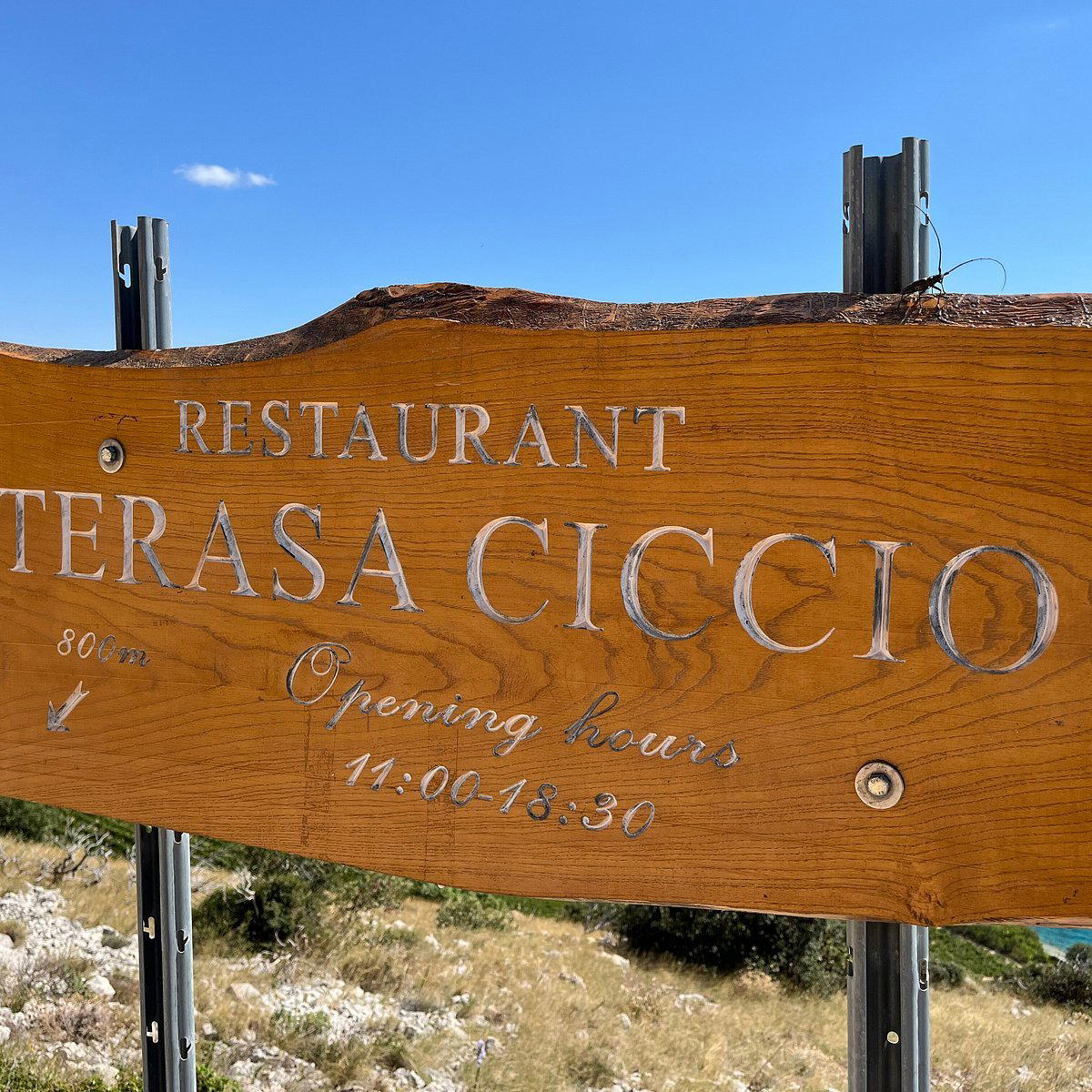
Inland Brač and the Other Side of Dalmatian Dining
The island of Brač divides cleanly into two dining realities. Along the southern coast, Bol pulls visitors with its famous Zlatni Rat beach and a corresponding strip of restaurants calibrated for high summer turnover. The northern and central interior operates differently: slower, more agricultural, connected to olive groves, lamb pastures, and the limestone quarries that gave Brač its historical identity. Nerezišća sits squarely in that second territory, a village in the island's refined center where the sea is present only as a distant shimmer rather than an immediate backdrop.
Terasa Ciccio POP, addressed at Nerezišća 135, belongs to this inland register. The terrace format signals something deliberate: in Dalmatia, a terasa is rarely incidental. It is the primary room, the place where the architecture of the meal is determined by elevation, open air, and the pace of the surrounding village rather than by interior design choices. Dining on a terrace in a settlement like Nerezišća carries a different set of expectations than eating at a seafront konoba in Supetar or a chef-driven restaurant on the Bol promenade.
What Dalmatian Village Dining Actually Means
Croatian coastal cuisine is frequently flattened in the popular imagination into a single category: grilled fish, octopus salad, peka. The reality is more differentiated by geography and altitude. Inland Dalmatia, including the refined center of Brač, has a tradition rooted in lamb, slow-cooked meats, and garden vegetables that diverges meaningfully from the maritime repertoire of the harbors. The peka method, in which meat or fish is cooked under an iron bell covered with embers, originated as a domestic technique in precisely these kinds of inland settlements, where fresh fish was less accessible and the land provided the primary ingredients.
This context matters when reading a venue like Terasa Ciccio POP. The POP in the name suggests a pop-up or informal register, a format that has proliferated across Croatia's dining scene as a way of signaling relaxed ambition: serious about the food, unserious about ceremony. That positioning is common enough in Zagreb's café culture and in seasonal coastal operations that it has become a recognizable category rather than a novelty. In the village context of Nerezišća, it reads differently, closer to a tavern hosting regular visitors than to an urban concept playing with informality as an aesthetic.
The broader Brač dining circuit, for those approaching the island with serious appetite, tends to concentrate around Kopačina, the other notable address in Nerezišća, which has built a reputation around traditional Dalmatian cooking in a similarly unshowy format. The two addresses together make the village a more coherent destination for island dining than its size alone would suggest.
Brač in the Context of Croatia's Dining Archipelago
Croatia's premium dining has consolidated around a set of anchor addresses that function as reference points for the country's ambitions in the European restaurant conversation. On the Adriatic coast, Pelegrini in Sibenik and Restaurant 360 in Dubrovnik operate at the formal, destination-restaurant end of the spectrum, with tasting menus and pricing that position them against Mediterranean peers rather than domestic competition. Agli Amici Rovinj in Rovinj in Istria represents Italian-influenced fine dining with serious wine credentials. Further north, Alfred Keller in Mali Losinj and Boskinac in Novalja anchor the Kvarner and northern Dalmatian island circuit.
Brač does not feature prominently in that formal tier. The island's dining identity leans toward honest seasonal cooking and village hospitality rather than tasting menus and sommelier programs. That is not a deficiency but a different orientation, one that makes the island a complement to rather than a competitor of Split's more ambitious addresses. Krug in Split, a short ferry crossing away, represents the kind of chef-led urban restaurant that Brač's interior does not attempt to replicate. Visitors crossing between the two are not comparing like with like.
On other Croatian islands, similar inland-versus-coast dynamics play out. LD Restaurant in Korčula occupies a more polished position within its island's dining offer. BioMania Bistro Bol in Bol, on Brač's southern coast, addresses a different visitor profile than the Nerezišća addresses, serving the beach-adjacent summer market. Inland Brač, and Terasa Ciccio POP within it, serves a more specific interest.
Planning a Visit to Nerezišća
Nerezišća sits in the central interior of Brač, reachable by car from Supetar in roughly fifteen minutes on roads that climb through olive groves and karst terrain. Without a vehicle, access is genuinely limited; the village is not on a ferry or bus route that makes casual drop-ins direct. This logistical reality shapes who arrives: primarily visitors with their own transport who have made the interior a deliberate stop rather than an incidental detour.
The summer season on Brač runs from June through September, with August representing peak density both at the coastal resorts and in the island's interior restaurants. Visiting outside peak weeks, particularly in late June or early September, allows for a more considered experience of the village's pace. Brač's position in the central Dalmatian island chain means it is accessible by ferry from Split year-round, though the interior village restaurant season tends to be shorter than the coastal strip.
For those building a wider Croatian itinerary, the island fits naturally into a circuit that might include Split as a base, with day or overnight trips to Brač and Hvar. Dedicated restaurant travelers who want to benchmark Brač's interior dining against Croatia's more formally recognized addresses will find the contrast informative rather than disappointing: the point of a village terrace in Nerezišća is not to compete with Nebo by Deni Srdoč in Rijeka or Dubravkin Put in Zagreb but to offer something those addresses cannot, which is the specific texture of an island village at its own rhythm.
Booking and Cost Snapshot
Comparable venues nearby, for context on price, style, and recognition.
| Venue | Cuisine | Price |
|---|---|---|
| Terasa Ciccio POPThis venue — the venue you are viewing | Nerezišća, Traditional Dalmatian | $$ |
| Kopačina | Donji Humac, Authentic Dalmatian | $$ |
| Stori Komin | Malo Grablje, Traditional Dalmatian Peka | $$ |
| BONITO | Milna, Mediterranean Seafood | $$ |
| Antika | Stari Grad, Mediterranean & Dalmatian | $$ |
| Matoni | Bacvice, Modern Dalmatian Mediterranean | $$ |
Continue exploring
More in Nerezisca
Restaurants in Nerezisca
Browse all →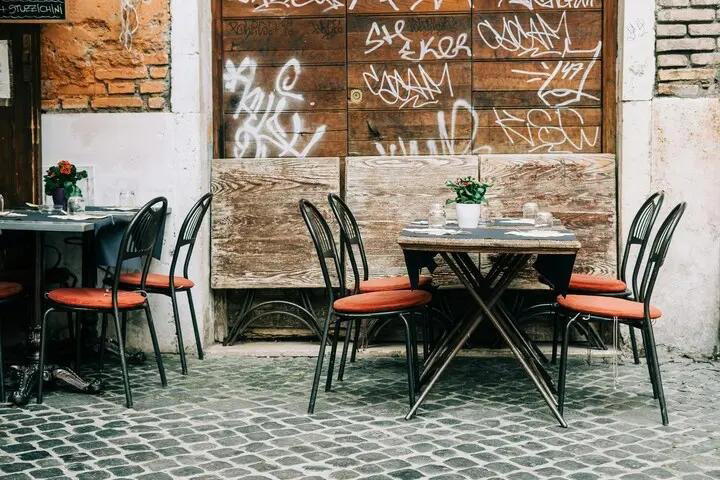
Bars in Nerezisca
Browse all →
Hotels in Nerezisca
Browse all →

At a Glance
- Rustic
- Scenic
- Quiet
- Casual Hangout
- Group Dining
- Family
- Terrace
- Garden
- Local Sourcing
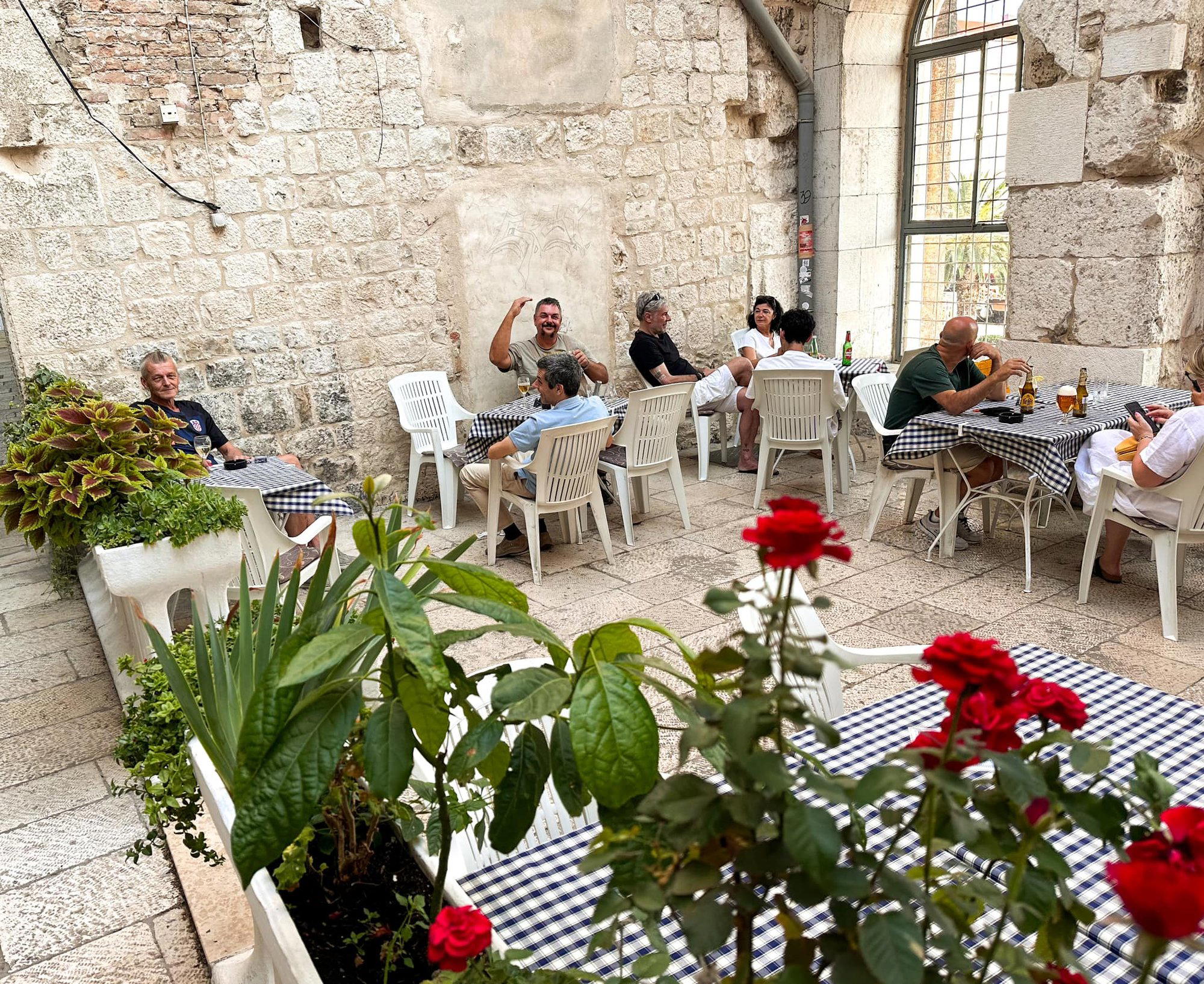
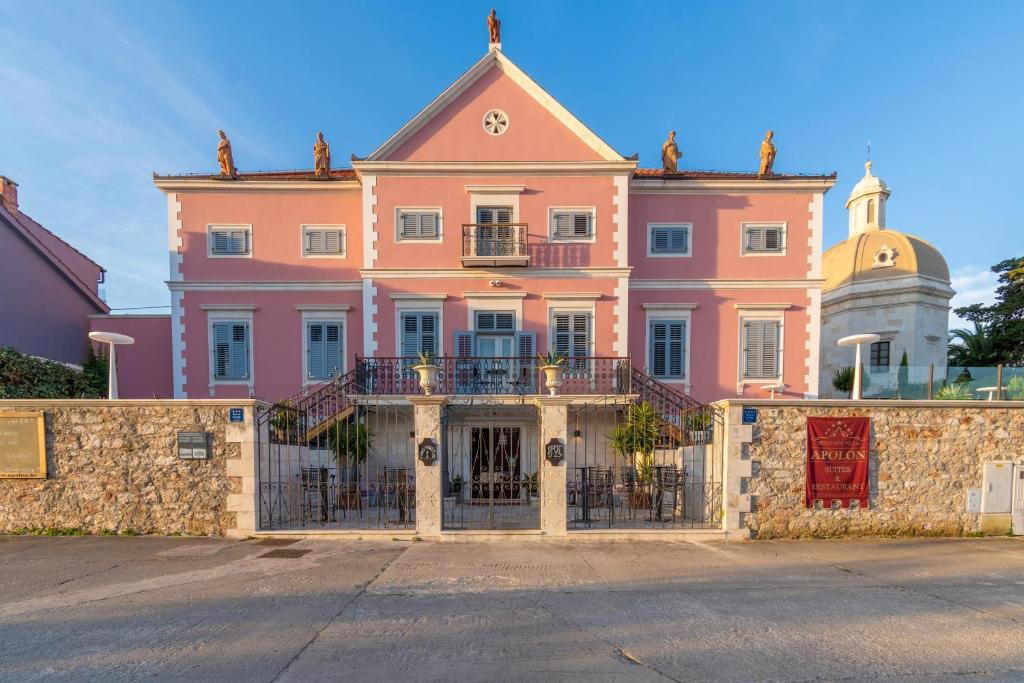
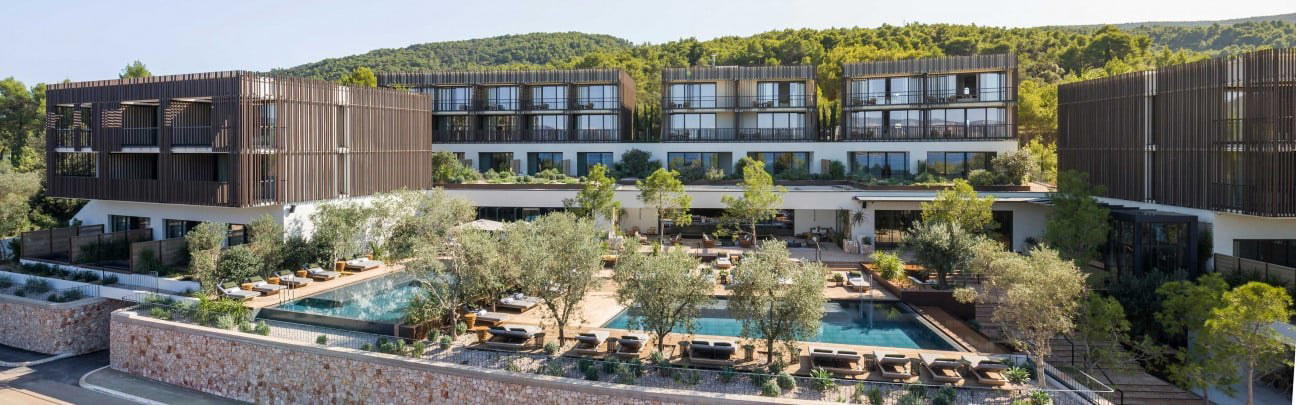
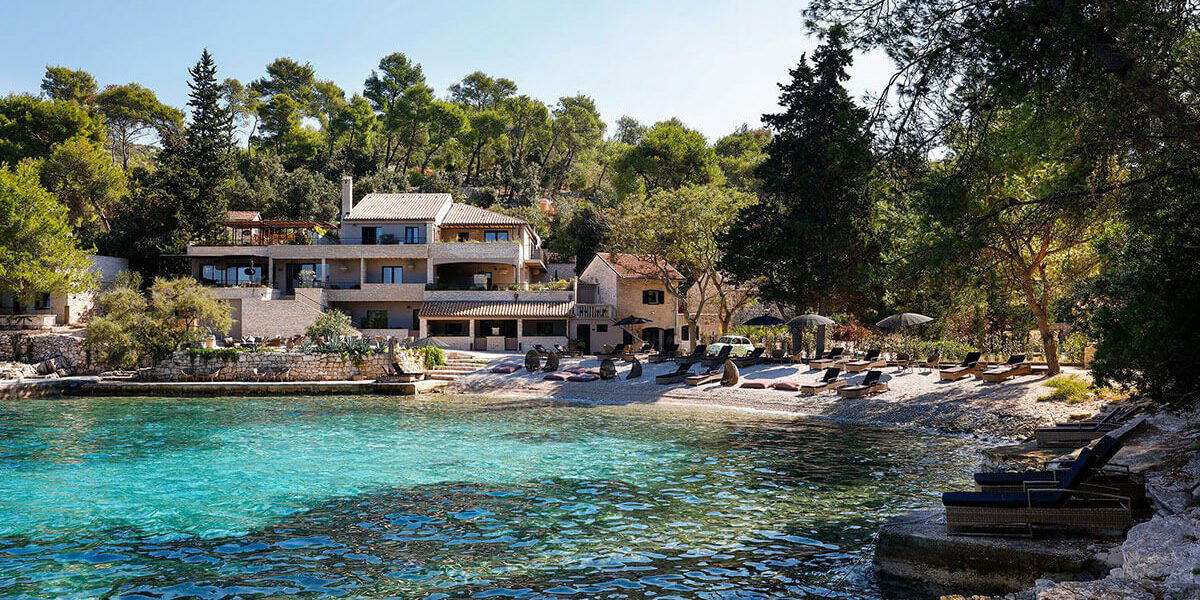
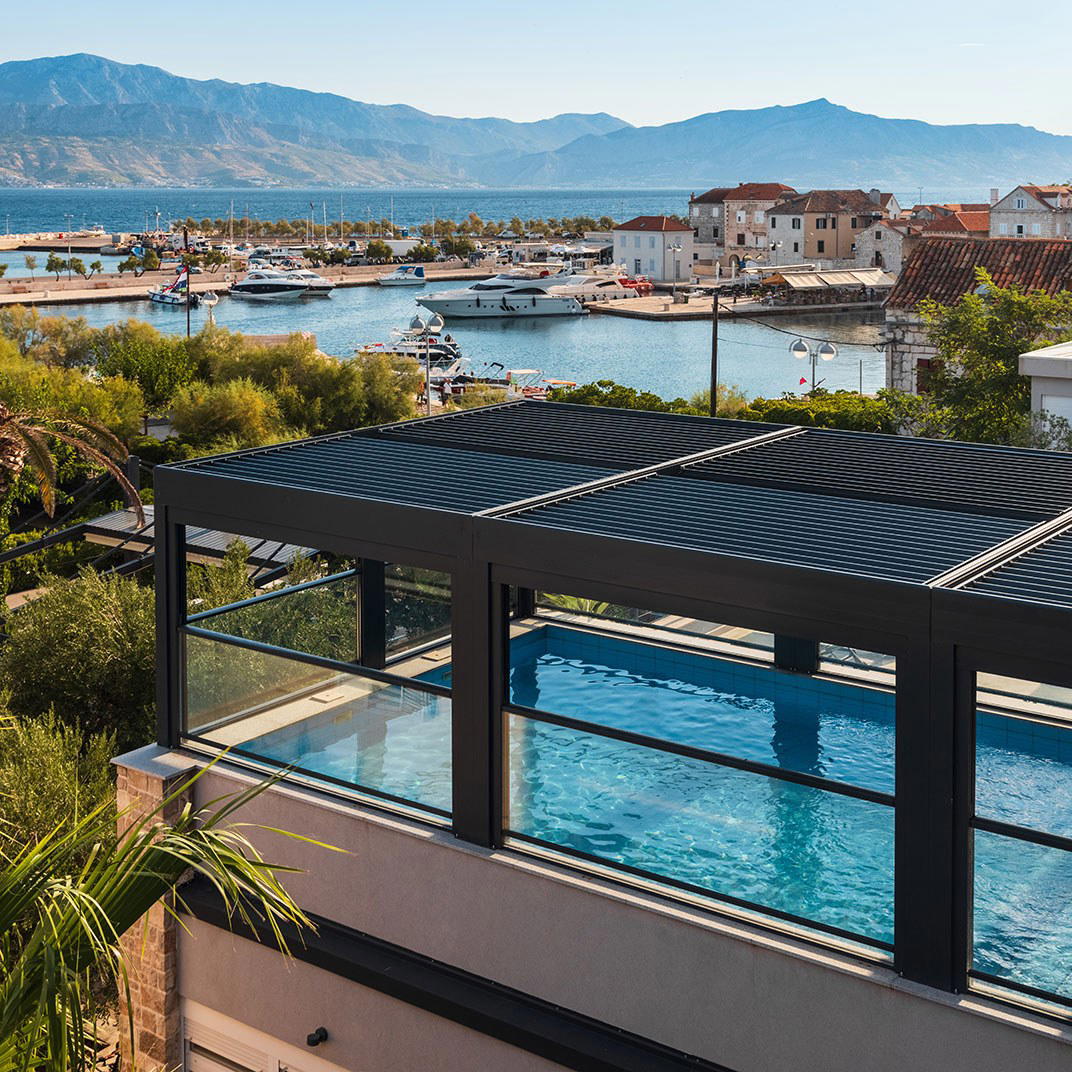
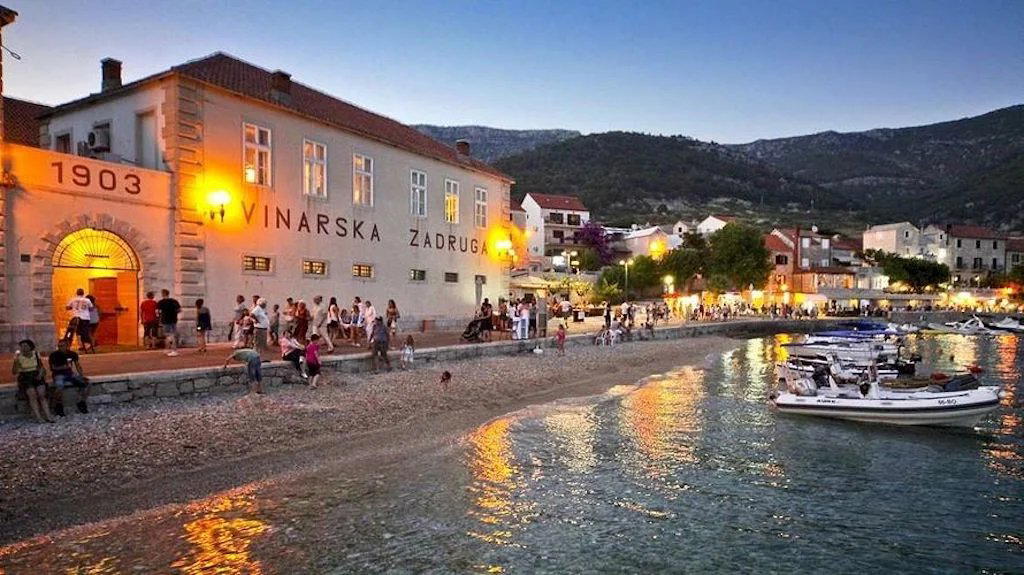
Warm, unpretentious terrace setting with natural lighting and a relaxed village atmosphere that reflects traditional Dalmatian hospitality.