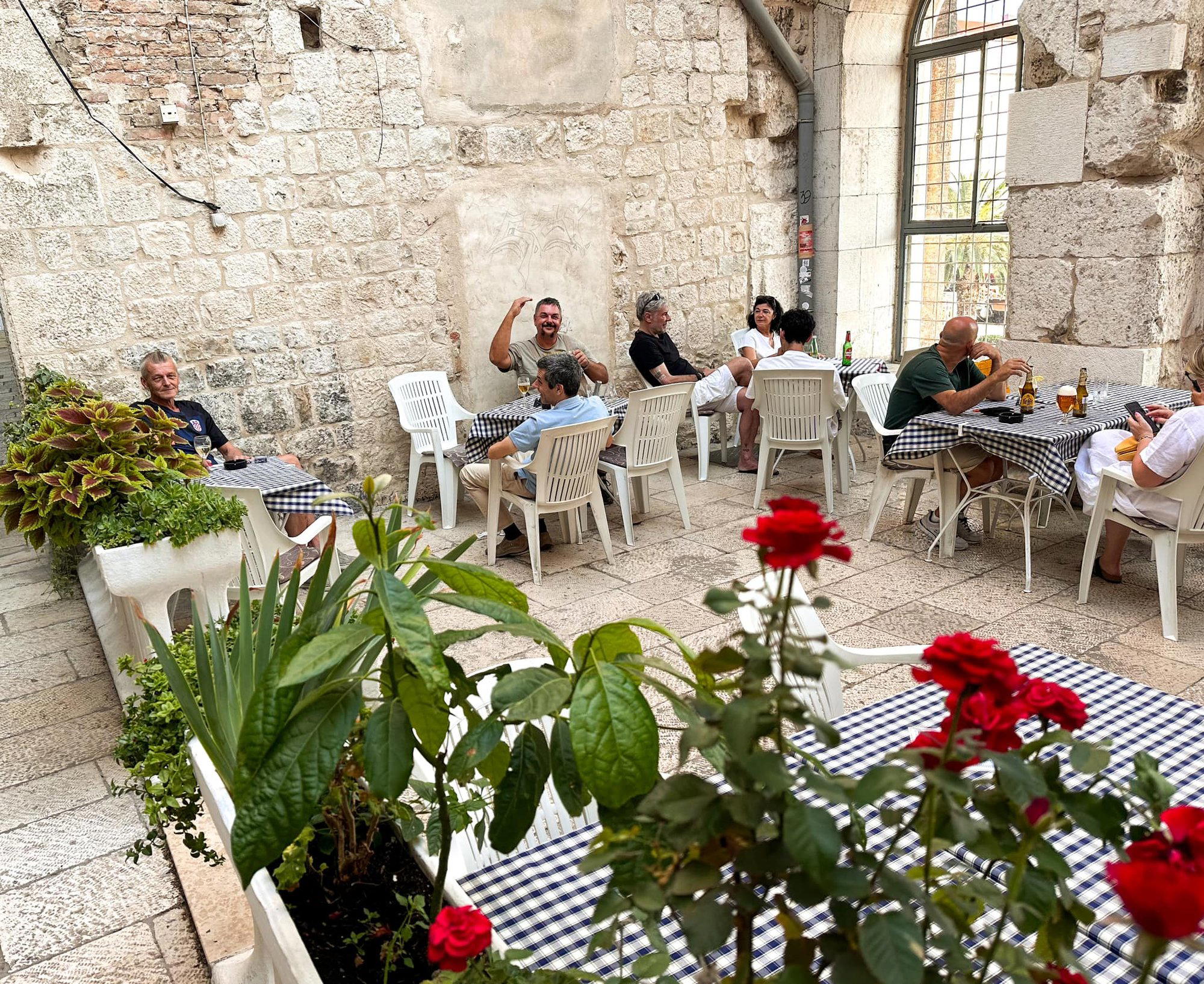
On the quieter western edge of Hvar town, Kod Kapetana occupies a position in the mid-tier of the island's dining scene where Dalmatian seafood traditions hold their ground against the summer influx of trend-led restaurants. The address at Fabrika 30 places it away from the main harbour crowds, drawing those who prefer measured pacing over spectacle.
 Discover on Pearl
Pearl is the En Primeur Club membership app — saves, bookings, and concierge access live there. Same editors, same standards.
- Address
- Fabrika 30, 21450, Hvar, Croatia
- Phone
- +385 21 742 230
- Website
- bookyour.smokvina.hr
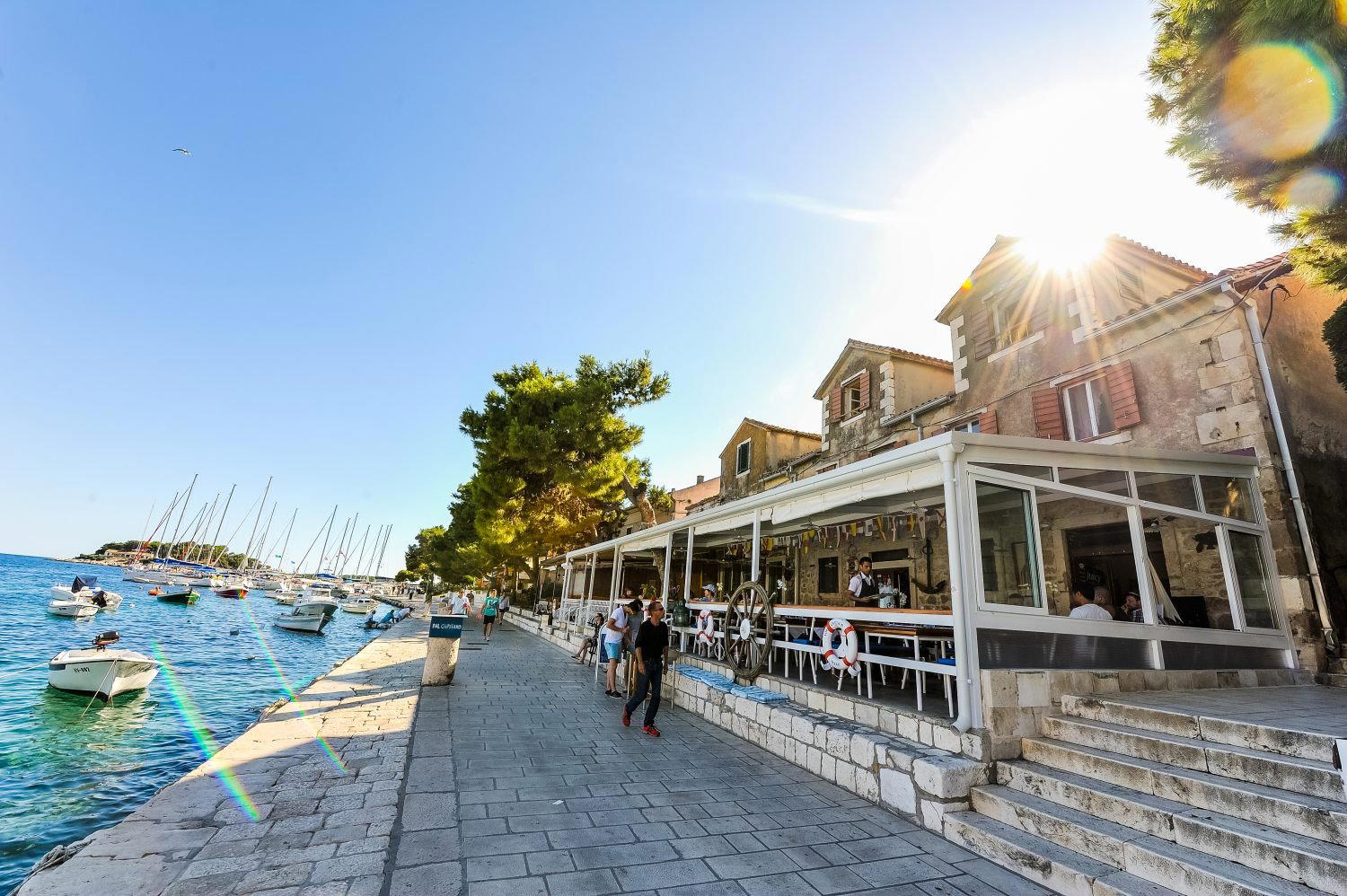
The Slower Side of Hvar Town
Hvar's dining character divides more sharply than most Adriatic islands. Along the main Riva, restaurants compete on terrace size and visibility; a few streets removed, the rhythm changes entirely. Kod Kapetana sits at Fabrika 30, in a part of Hvar town where the cobblestones thin out and the noise from the central piazza becomes a background hum rather than a constant presence. Approaching on foot from the old town, you pass through a neighbourhood that still reads as residential rather than tourist infrastructure, a context that shapes the meal before you've read a single menu.
That physical remove isn't incidental. Along the Dalmatian coast, restaurants distanced from the main harbour drag tend to operate at a different cadence: tables turn less aggressively, service moves at a pace that assumes guests aren't catching a catamaran. It's a dining format that aligns with how Dalmatians themselves eat, long, unhurried, structured around the rhythm of the catch and the season rather than the logistics of tour groups.
How the Meal Unfolds
The dining ritual across traditional konoba-style restaurants in this part of Croatia follows a logic that rewards patience. Meals rarely open with urgency. Bread and olive oil, or sometimes a small plate of local cured fish, arrive as a signal that the kitchen is oriented toward progression rather than throughput. This isn't slow service, it's a pacing philosophy embedded in how coastal Dalmatian hospitality has operated for generations, distinguishing itself from the faster-format restaurants that have multiplied on Hvar during the summer peak.
In the Hvar context, mid-course decisions carry real weight. Local fish, sourced from the waters between the island and the mainland, tend to anchor menus at restaurants in this tier. The Adriatic here yields dentex, sea bass, and gilt-head bream, typically presented simply, grilled whole, dressed with quality oil, perhaps paired with blitva (Swiss chard and potato, a Dalmatian staple that functions as more than a garnish). The restraint in preparation is intentional: the argument being that a fish caught the same day needs little intervention. Visitors accustomed to heavily sauced seafood sometimes find this approach understated; those who know Adriatic fish recognise it as the appropriate default.
Wine choices at this kind of Hvar address lean toward the island's own production. Plavac Mali, the dominant red grown on Hvar's south-facing slopes, holds a logic on the island that imported bottles can't replicate, the wine and the fish exist in the same climate, and the pairing tends to work in a way that feels earned rather than constructed. For whites, Bogdanuša, a variety native to Hvar and Brač, appears on the more considered local wine lists and offers a leaner, more mineral option alongside the seafood.
Placing Kod Kapetana in Hvar's Dining Scene
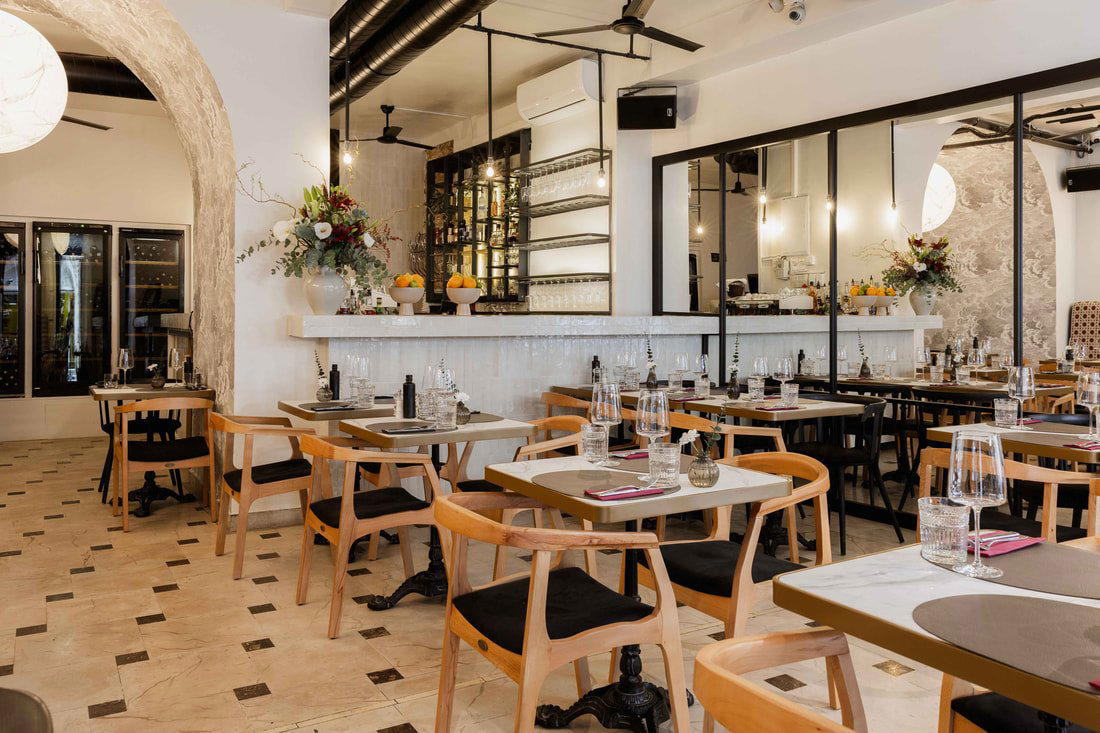
Hvar's restaurant tier has stratified considerably over the past decade. At the leading end, venues like Gariful and Dalmatino operate with higher price points and more elaborate presentations; Gojava and Antonio - Patak represent other points on the island's dining range. Kod Kapetana occupies a position where the format is more traditionally grounded, less concerned with international reference points and more aligned with the konoba model that defined Dalmatian hospitality before the island became a fixture on European summer itineraries.
That positioning has a comparable set across Croatia. Restaurants operating in smaller towns or off-centre addresses, like LD Restaurant in Korčula or Krug in Split, tend to draw a local and repeat-visitor clientele alongside tourists who've done enough Adriatic travel to know that harbour-front real estate rarely correlates with plate quality. Further along the coast, Pelegrini in Sibenik and Agli Amici Rovinj in Rovinj represent what the upper end of Croatian coastal dining can reach. Kod Kapetana doesn't compete in that register, but it doesn't need to, it serves a different function in the ecosystem.
Croatia's island dining scene more broadly has been shaped by the tension between preservation and adaptation. Some restaurants on Hvar have moved sharply toward international reference cuisine; others have held to the traditional structure of a Dalmatian meal. The comparison venues in the immediate neighbourhood, including Mediterraneo at the €€ tier, suggest that this part of Hvar's market is populated by options sitting in a similar price band, making individual restaurant quality and execution the deciding variable for informed visitors. For context on how Croatian fine dining operates at the highest levels, the tasting-menu ambition of Boskinac in Novalja or Nebo by Deni Srdoč in Rijeka mark the upper boundary of what the domestic scene produces. Dionis on Hvar itself represents another point of comparison within the island.
Planning the Visit
Hvar town in July and August operates at capacity. Tables at restaurants of this type, mid-tier, neighbourhood-positioned, without a large digital marketing footprint, can fill quickly during peak summer weeks, particularly for dinner. Arriving without a reservation during the high season carries risk. The address at Fabrika 30 is walkable from the main town centre; the walk takes a matter of minutes but moves through quieter streets that feel removed from the harbour. For those exploring Croatia's wider dining scene before or after an island stay, Dubravkin Put in Zagreb and Korak in Jastrebarsko offer a continental counterpoint to the coastal register. A full overview of where Kod Kapetana sits within the island's dining options is available in our full Hvar restaurants guide.
What It’s Closest To
Comparable venues nearby, for context on price, style, and recognition.
| Venue | Cuisine | Price | Awards | Notes |
|---|---|---|---|---|
| Kod KapetanaThis venue — the venue you are viewing | Traditional Croatian Seafood | $$ | , | |
| Grande Luna | Traditional Dalmatian Seafood | $$ | , | Old Town Hvar |
| Dionis | Traditional Croatian Mediterranean | $$ | , | Stari Grad |
| Konoba Maestro | Traditional Croatian Seafood | $$ | , | Hvar Town |
| Meneghello | Traditional Croatian Seafood | $$$ | , | Pakleni Islands |
| Stori Komin | Traditional Dalmatian Peka | $$ | , | Malo Grablje |
Continue exploring
More in Hvar
Restaurants in Hvar
Browse all →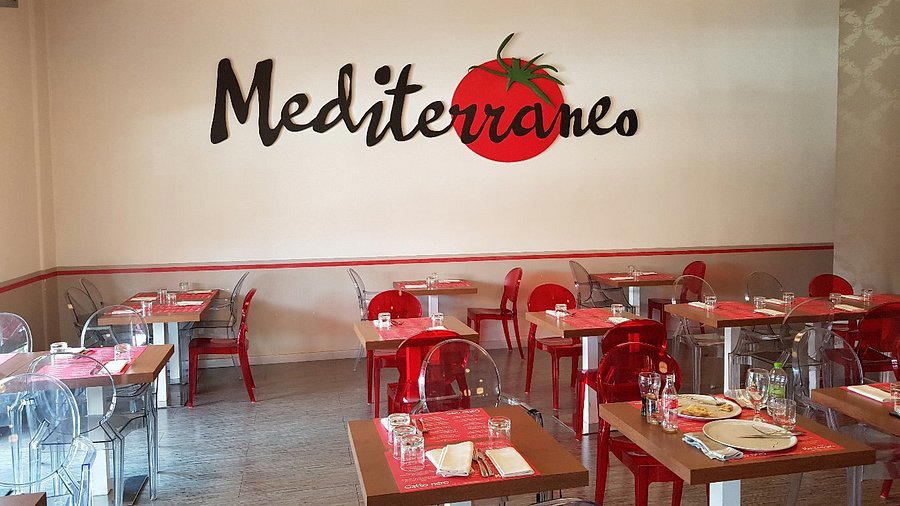
At a Glance
- Rustic
- Cozy
- Scenic
- Hidden Gem
- Date Night
- Family
- Casual Hangout
- Waterfront
- Terrace
- Extensive Wine List
- Local Sourcing
- Waterfront
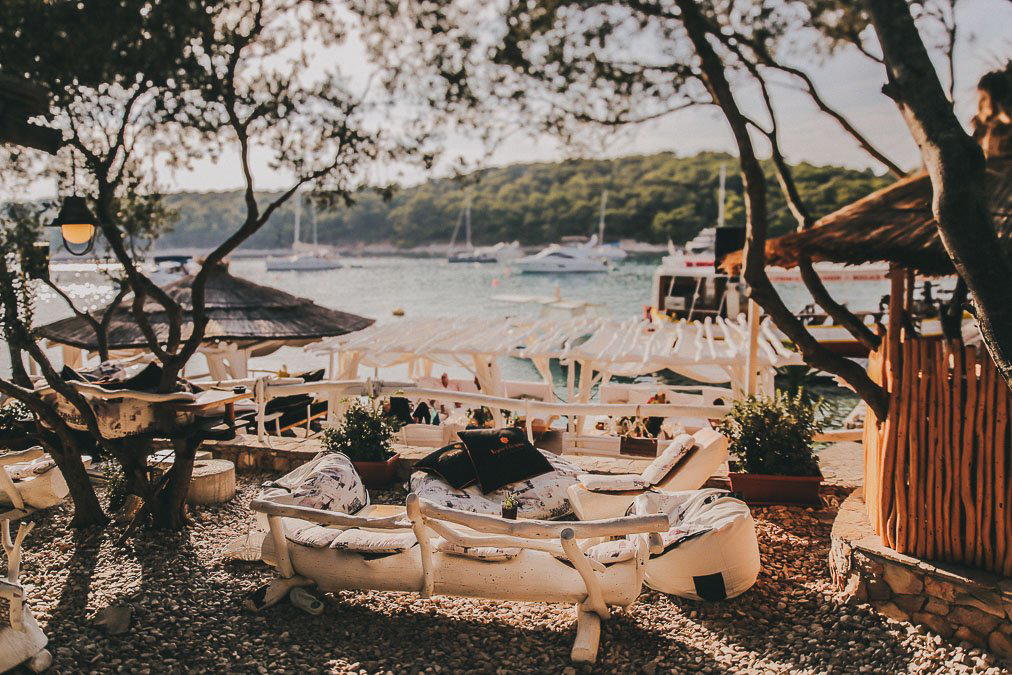
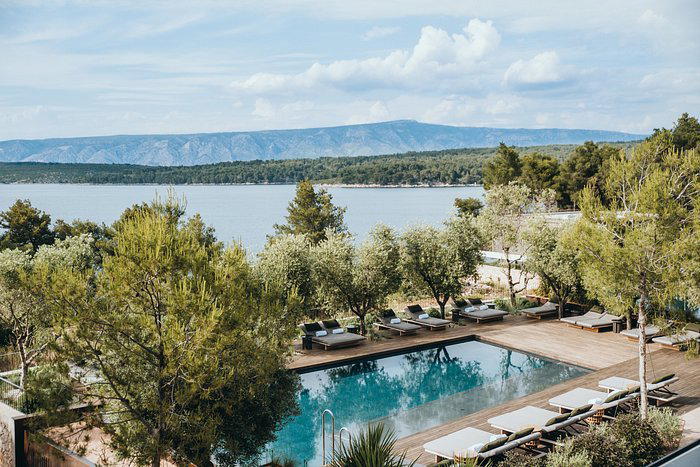
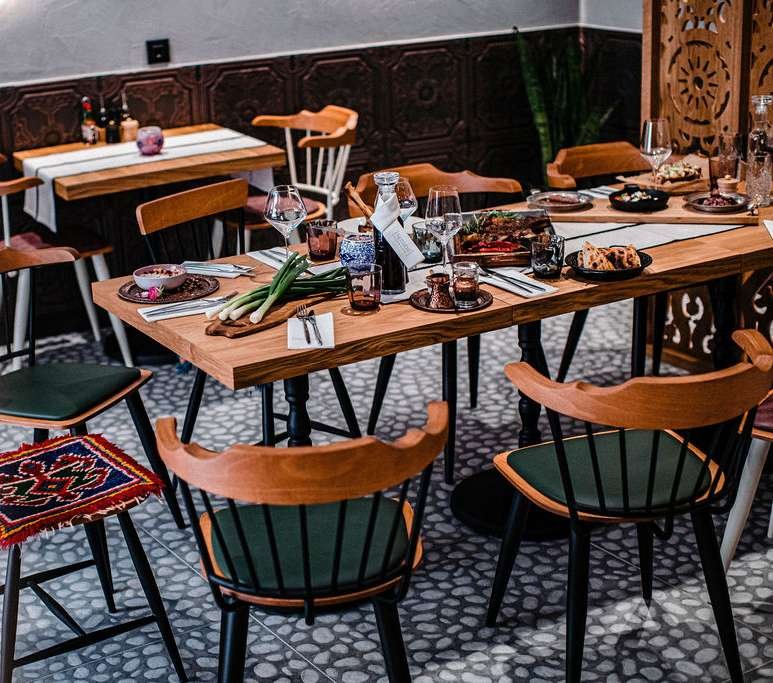
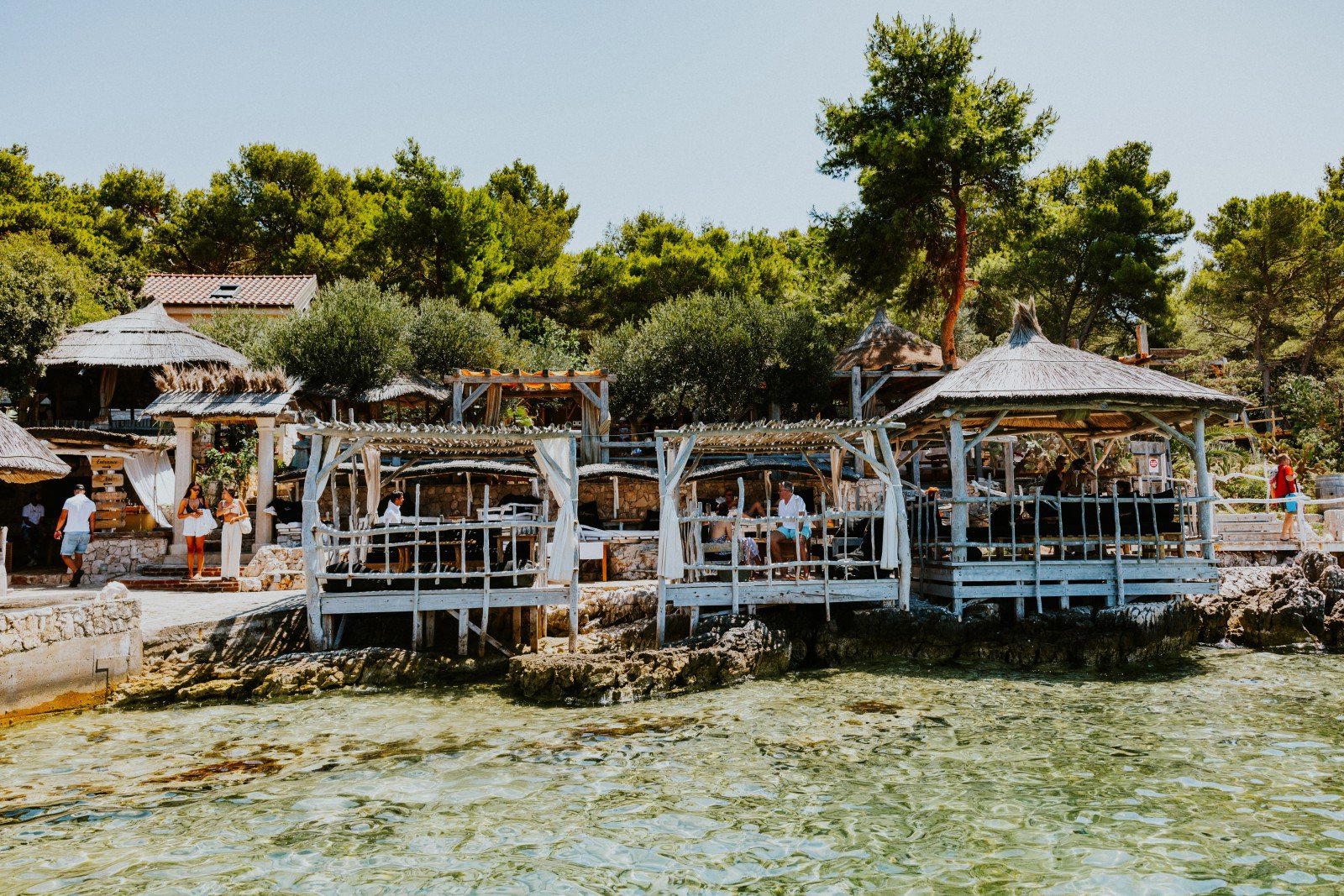
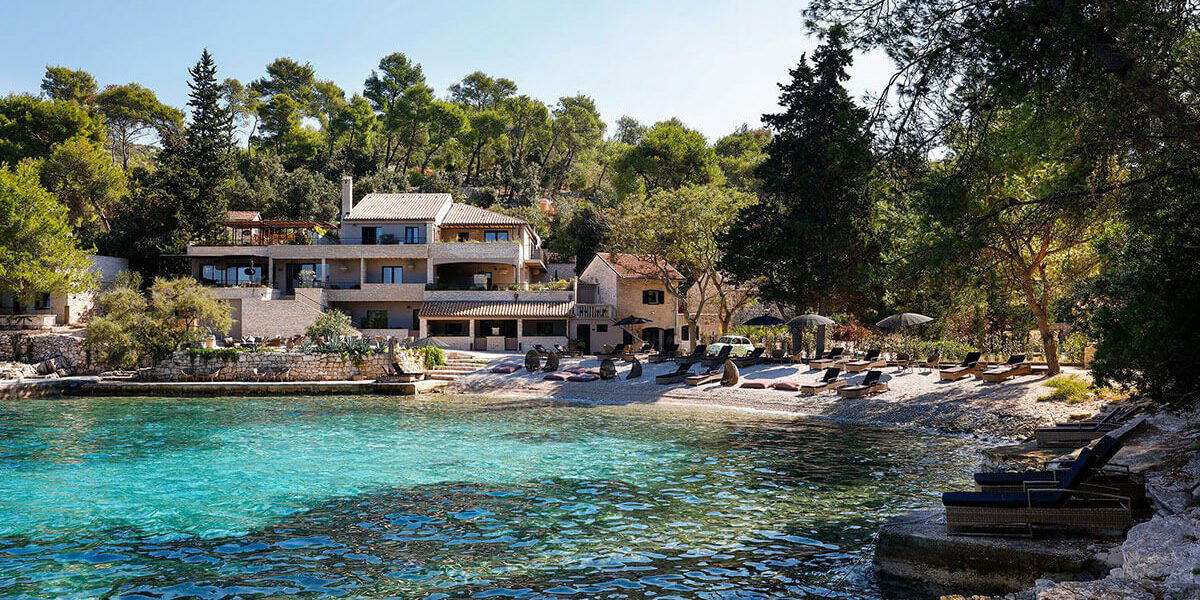
Warm, welcoming terrace atmosphere overlooking the harbor, lively when crowded but with a cozy, family-like feel.