
A Michelin Plate-recognised konoba on the island of Brač, Konoba Kala sits close to Supetar's main harbour and draws on the island's own produce, Adriatic fish, Brač lamb, seasonal figs, and local wines, to deliver cooking that reflects its geography with unusual clarity. The terrace, wood-burning fire, and two island-focused menus make it among the more considered dining options on the Dalmatian islands.
Pearl is the En Primeur Club membership app — saves, bookings, and concierge access live there. Same editors, same standards.
- Address
- Kala 7, 21400, Supetar, Croatia
- Phone
- +385 21 630 690
- Website
- konobakala.com
- Directions
- Get directions
 Saves & bookings on Pearl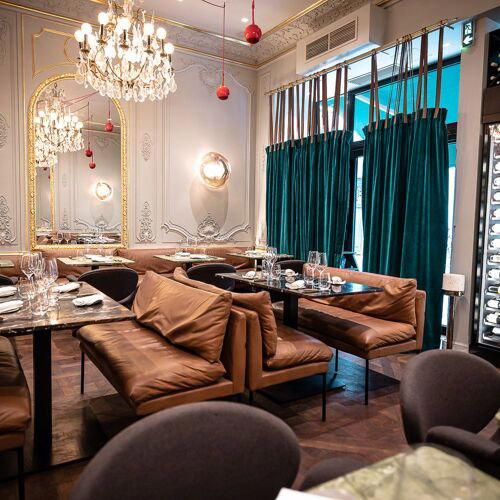
Where the Harbour Ends and the Island Begins
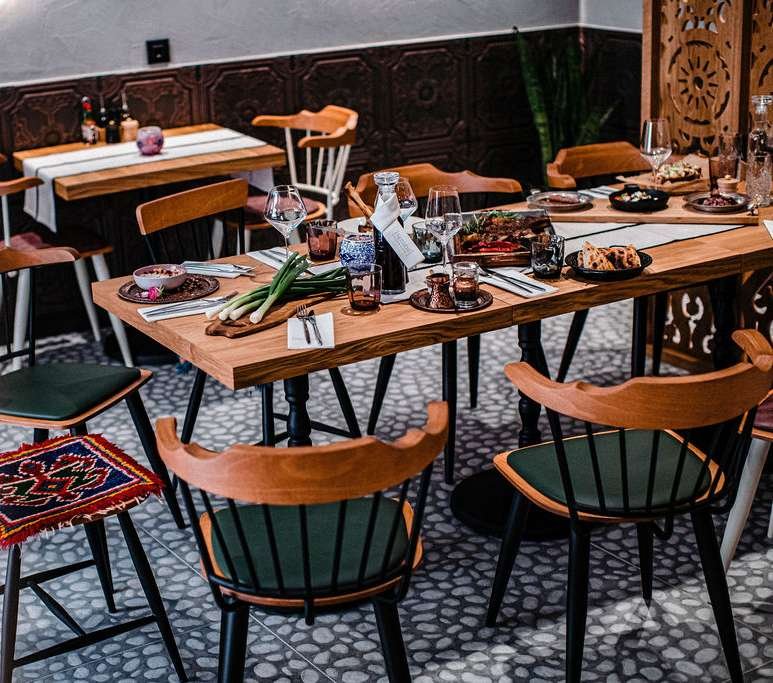
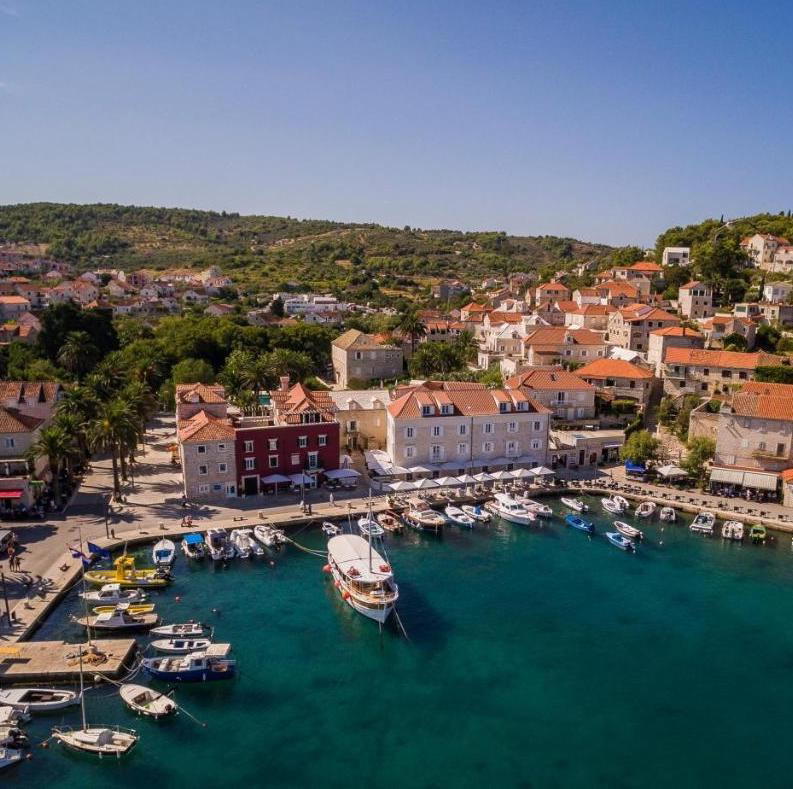
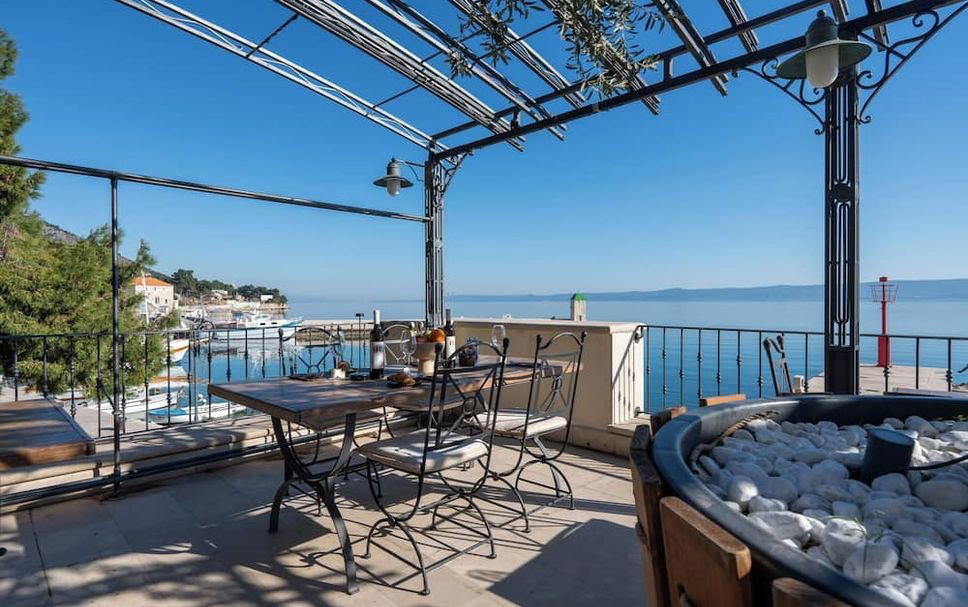
Supetar is the main ferry port on Brač, which means most visitors pass through it rather than linger. The town's dining scene reflects that transience to a degree, quick plates, tourist-facing menus, taverns calibrated for turnover. Konoba Kala is a restaurant in Supetar, Croatia, serving modern Dalmatian fine dining at a €€€ price point. Close to the harbour but deliberately apart from its rhythms, the restaurant occupies a spot where the stone lanes narrow and the pace slows. The terrace, fitted with large wooden benches, extends outward into the kind of late-evening air that the Dalmatian coast does better than almost anywhere in the Mediterranean. You arrive expecting a meal; you leave having spent time in a place that has thought carefully about what it means to cook on this particular island.
The Logic of Island Sourcing
Across the Dalmatian islands, the leading konobas share a common principle: the shorter the distance between sea, land, and plate, the better the argument for eating there at all. Brač has always had a clear set of ingredients to work with. The Adriatic off its coast produces fish and shellfish that arrive in harbours like Supetar daily. Inland, the island's limestone terrain supports sheep that graze on aromatic scrub, producing lamb with a specific mineral quality that mainland Dalmatian lamb rarely matches. And the island's fig trees, heavy in late summer and early autumn, supply a fruit that appears in desserts with a concentrated sweetness that refrigerated, long-travelled figs cannot approximate.
Konoba Kala's two menus are organised around this geography. Both reflect seasonal availability rather than a fixed canon, which is the correct way to approach cooking on a small island where what comes off the boat and out of the ground changes week to week. The Michelin Guide, which awarded Kala a Plate in 2025, noted the cooking's connection to the island explicitly, with Adriatic fish, lamb, and seasonal framing as the defining logic of the menu rather than an incidental feature. That recognition places Kala alongside a small cohort of Dalmatian restaurants where ingredient provenance is the editorial argument, not simply a marketing note.
Fire as Technique, Not Theatre
In recent years, wood-burning fire cookery has become a reference point across European restaurants at every price tier, sometimes deployed more as aesthetic than as genuine technique. The distinction worth making at Kala is that the wood fire is integral to the cooking's character rather than decorative. Certain dishes are prepared over the fire specifically to introduce a smoky depth that complements the island's primary proteins, lamb and fish both benefit from controlled wood heat in ways that oven or gas cooking flattens. This approach is common in the Dalmatian interior, where open-hearth cooking (peka, the slow-covered-ember method) has been central to island cuisine for centuries. Kala's use of direct wood fire rather than peka-style covered cooking is a distinct choice, producing lighter smoke integration and retained texture rather than the falling-apart tenderness of a traditional peka lamb shoulder.
For comparison, Dalmatian restaurants that have attracted Michelin recognition, Pelegrini in Sibenik at one star, Restaurant 360 in Dubrovnik at one star, tend to work within a more refined modern framework, often moving away from traditional hearth techniques toward contemporary plating and multi-course tasting formats. Kala's Plate recognition sits in a different bracket: it signals quality at a konoba register rather than ambition toward the fine-dining tier. That is a meaningful distinction for readers choosing between formats.
Desserts and the Wine Case for Brač
The Michelin inspector's note on desserts is specific enough to carry weight: the fig preparations are called out as a particular highlight, and that specificity is worth taking seriously. Fig desserts on the Dalmatian coast vary considerably in quality depending on whether the fruit is genuinely local and in season. When figs are harvested from trees on or near the island and used at peak ripeness, the dessert category becomes one of the more compelling reasons to linger over a meal rather than move on after the main course. At Kala, this is apparently the case in the right months.
On wine, the recommendation toward Senjković Bosso is a considered one. Brač has a small but distinct wine-producing identity, and Senjković is among the island's producers working with indigenous varieties. Bosso, a local white, is not widely distributed beyond the island's restaurants and a handful of Croatian merchants, which makes ordering it here a different proposition from choosing a bottle you could find elsewhere. The island wine logic applies broadly across Dalmatia, drinking Korčula whites on Korčula, Hvar reds on Hvar, and Kala's recommendation to anchor the meal to a Brač bottle is the correct instinct.
How Kala Sits in the Wider Dalmatian Picture
The Croatian Adriatic coast has produced a cluster of Michelin-recognised restaurants in recent years, most concentrated in larger towns: Agli Amici Rovinj in Rovinj, Nebo by Deni Srdoč in Rijeka, LD Restaurant in Korčula, and on the mainland, Dubravkin Put in Zagreb and Korak in Jastrebarsko. On the islands themselves, restaurants with formal Michelin recognition at any level remain relatively rare, which means Kala's Plate, not a star, but a meaningful signal of inspector approval, carries more weight in context than it would in a city with multiple starred options. On Brač specifically, it positions Kala as the dining reference point for visitors who want cooking with a verifiable quality floor rather than a menu assembled for summer crowds.
Supetar's broader dining scene, covered in our full Supetar restaurants guide, includes Otok among the town's other notable options. But for a meal that argues specifically from the island's own ingredients outward, Kala makes a case that is harder to find elsewhere on Brač.
Planning Your Visit
Konoba Kala sits at Kala 7 in Supetar, a short walk from the main ferry dock where boats from Split arrive throughout the day. The price tier sits at €€€, placing it above the town's simpler taverns but below the formal fine-dining bracket; expect a full meal with wine to run at about €70 per person. Brač's peak season runs July and August, when harbour-adjacent restaurants fill quickly; arriving early in the evening or booking ahead is essential during those months.
For readers building a longer Croatian itinerary, Boskinac in Novalja, Krug in Split, and Bekal in Zagreb represent comparable Michelin-recognised reference points across different regions of the country.
What Should I Order at Konoba Kala?
The Michelin Guide's inspector notes give a clear steer: the fig desserts are called out specifically and are worth prioritising, particularly in late summer and early autumn when the fruit is at its leading. The two menus both lean on Adriatic fish and Brač lamb as their primary proteins, with some dishes prepared over the wood-burning fire, the lamb especially benefits from that treatment. Close the meal with a glass of Senjković Bosso, the local Brač white, which is produced in small quantities and largely unavailable outside the island's restaurants. It is one direct way to drink the place rather than just eat it.
At-a-Glance Comparison
Comparable venues nearby, for context on price, style, and recognition.
| Venue | Cuisine | Price | Awards | Notes |
|---|---|---|---|---|
| Konoba KalaThis venue — the venue you are viewing | Modern Dalmatian Fine Dining | $$$ | Michelin Plate | Not listed |
| Otok | Rustic Croatian Seafood | $$ | Michelin Plate | Supetar |
| Konoba Vinotoka | Traditional Dalmatian Mediterranean Seafood | $$$ | Not listed | Supetar |
| BÒME | Modern Mediterranean | $$$ | Michelin Plate | Trstenik |
| Franka | Contemporary Mediterranean | $$$ | Michelin Plate | old city center |
| Konoba Tri Piruna | Traditional Dalmatian Mediterranean Fine Dining | $$$ | Michelin Plate | Vodice |
Recognition history
Dated appearances from independent guides and award organizations, with the underlying list record or original source where available.
Michelin Plate
Michelin · 2026 Michelin Plate
Michelin Plate
Michelin
Michelin Plate
Michelin
Continue exploring
More in Supetar
Restaurants in Supetar
Browse all →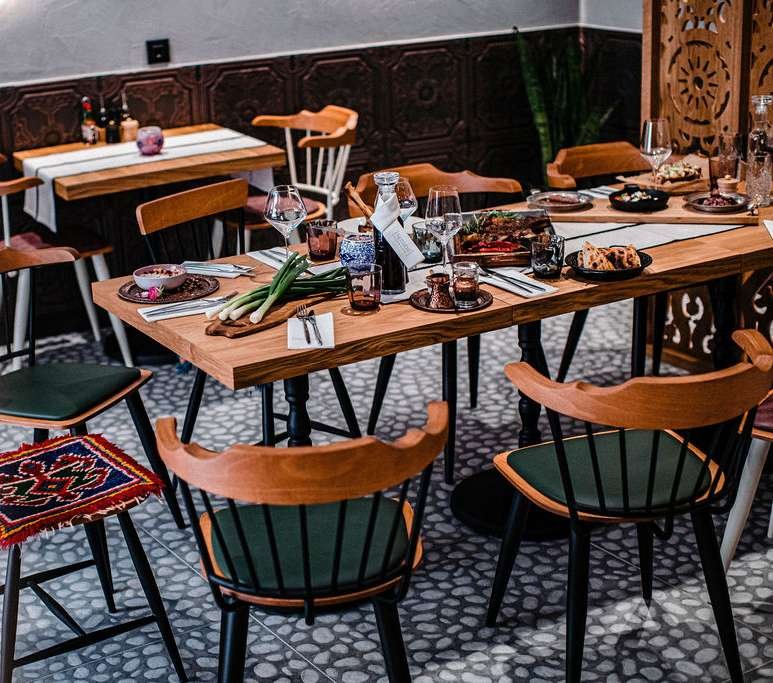
Bars in Supetar
Browse all →
Hotels in Supetar
Browse all →


At a Glance
- Rustic
- Intimate
- Elegant
- Cozy
- Date Night
- Special Occasion
- Celebration
- Open Kitchen
- Extensive Wine List
- Local Sourcing
Warm, inviting, and charming with a relaxed yet elegant courtyard atmosphere, open fireplace, and sophisticated lighting.