On the island of Pag, where lamb grazes on salt-herb scrubland and the sea dominates every horizon, Bodulo sits at Vangrada ul. 20 as a representative of the island's ingredient-led dining tradition. Pag's culinary identity is built on a handful of exceptionally specific raw materials, and restaurants here are judged by how honestly they handle them. Bodulo operates within that tradition, drawing visitors who come to the island specifically to eat close to the source.
Pearl is the En Primeur Club membership app — saves, bookings, and concierge access live there. Same editors, same standards.
- Address
- Vangrada ul. 20, 23250, Pag, Croatia
- Phone
- +38523611989
- Directions
- Get directions
 Saves & bookings on Pearl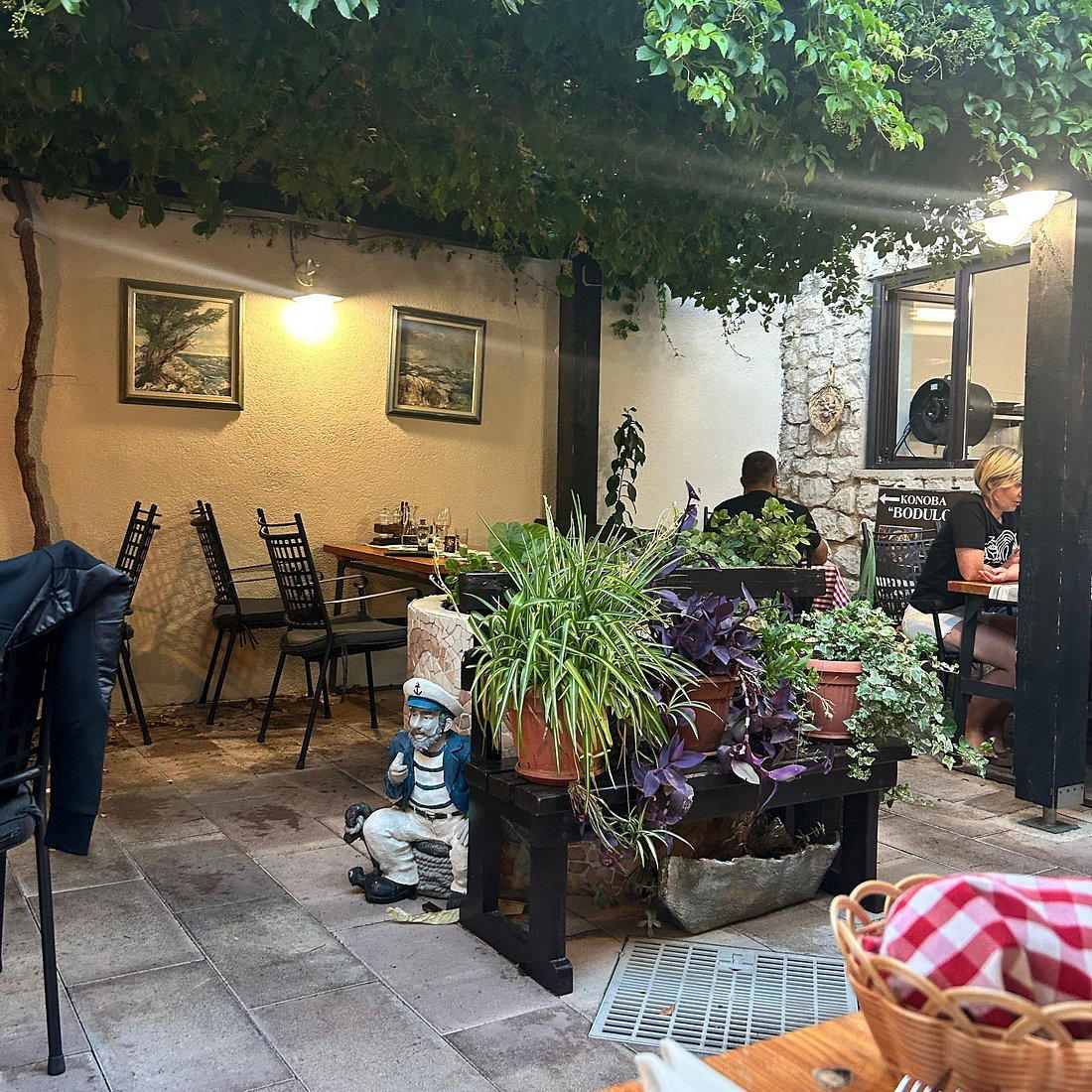
An Island Where the Ingredients Arrive Before the Chefs Do
Pag is a narrow, karstic island in the northern Adriatic, scoured by the bura wind and covered in scrubland so saline that it functions almost as a natural seasoning agent. The sheep that graze here absorb that mineral character through the wild herbs and salt-dusted grasses underfoot, producing lamb and cheese with a flavour profile that cheesemakers and chefs elsewhere have spent decades trying to approximate. Pag lamb and Paški sir, the island's aged sheep's milk cheese, are not marketing constructs. They are the result of a specific microclimate, a specific breed, and a production tradition that has been documented and legally protected under Croatian geographic indication rules. Any serious meal on Pag begins with this reality: the ingredients pre-date the restaurant by centuries.
Bodulo, at Vangrada ul. 20 in Pag town, sits inside that tradition. The address places it within the old town grid, where stone walls and narrow lanes concentrate the heat of a July afternoon into something close to a dry oven. Arriving on foot from the water is the natural approach. The physical character of the surrounding streets, with low facades and the occasional fig tree pushing through a wall joint, sets the expectation for what this part of the Adriatic does with its food: direct, local, without excess theatre.
What Pag's Raw Material Logic Means for a Menu
Islands like Pag produce restaurants that operate on a fundamentally different supply logic than urban dining. The distance from major distribution networks, combined with the quality ceiling of locally available product, creates an environment where menus follow what the island provides rather than what a chef might prefer to cook. Seasonal lamb, aged cheese, local seafood from the Velebit Channel, and olive oil from the island's groves represent the core vocabulary. The question a meal at Bodulo answers is how that vocabulary is handled: with restraint, with amplification, or with unnecessary complication.
This ingredient-sourcing model is the same framework that shapes well-regarded Croatian island restaurants elsewhere on the Dalmatian coast. Pelegrini in Sibenik built its Michelin recognition partly on a similar commitment to Dalmatian raw materials handled with precision. LD Restaurant in Korčula demonstrates how island-specific produce can anchor a menu operating at a contemporary level. The distinction on Pag is that the ingredient set is narrower and more specific: Paški sir is among the more internationally recognised Croatian food products, and lamb from the island has a character that is identifiably different from mainland production. Restaurants that handle this material well do not need to explain themselves at length.
Pag Town's Dining Context
Pag town is a planned Renaissance settlement, built to a geometric grid in the 15th century, and it remains one of the more architecturally coherent small towns on the Croatian coast. The dining scene here operates at a different register than the busier resort strip of Novalja to the north, where summer crowds pull restaurants toward volume and speed. Pag town's restaurants tend toward a more deliberate pace, which suits the produce. Boskinac in Novalja represents the island's upmarket end, a hotel-restaurant that has developed a reputation across the broader Croatian fine dining circuit; it sits in a different competitive tier than Pag town's konoba-style operators.
Within Pag town itself, Didova kuća and Trapula Wine & Cheese represent the range of approaches to local ingredients, from traditional konoba formats to more focused wine-and-produce pairings. Bodulo fits within this local comparable set, and its address in the old town grid aligns it with the pedestrian-scale, unhurried dining culture that defines Pag town as distinct from the island's beach-resort north.
Placing Bodulo Within the Wider Croatian Dining Map
Croatian island dining has attracted increasing international attention over the past decade, partly through Michelin's expansion into the market and partly through the rising profile of Dalmatian producers on the European food circuit. The restaurants that have built the strongest cases, from Agli Amici Rovinj in Rovinj on the Istrian coast to Restaurant 360 in Dubrovnik in the south, share a common characteristic: they use geography as an argument rather than a limitation. Nebo by Deni Srdoč in Rijeka and Alfred Keller in Mali Lošinj extend that argument along the Kvarner coast. Bodulo operates at a more local scale than these destination-level operators, but the logic of place-rooted ingredients is the same.
Bodulo functions as part of a Pag itinerary, not as a standalone destination. The case for visiting Pag is the island itself, the cheese, the lamb, the compressed light off the limestone, and the Velebit range visible across the channel. The case for eating at Bodulo is that it sits in the right town, on the right island, and operates within a tradition that produces ingredients worth eating wherever they are served well.
Planning Your Visit
Pag is accessible by bridge from the mainland, making it the easily reached of Croatia's larger islands without a ferry crossing. Pag town is approximately 12 kilometres from the bridge via the main island road. The island's high season runs from late June through August, when Pag town's accommodation fills and restaurant tables at better-regarded addresses go faster. Shoulder season, particularly May, June, and September, offers the same produce with considerably less competition for space. Reservations are recommended.
Fast Comparison
Comparable venues nearby, for context on price, style, and recognition.
| Venue | Cuisine | Price | Notes |
|---|---|---|---|
| BoduloThis venue — the venue you are viewing | Traditional Croatian Seafood & Pag Lamb | $$ | Not listed |
| Didova kuća | Traditional Croatian Seafood & Grill | $$ | Simuni |
| Trapula Wine & Cheese | Croatian Cheese & Wine Bar | $$$ | Old Town Pag |
| Vila Velebita | Traditional Croatian Konoba | $$ | Zadar |
| Belveder | Traditional Dalmatian Seafood and Meat | $$ | Supetarska Draga |
| Primorska koliba | Traditional Mediterranean Seafood | $$ | Malinska |
Continue exploring
More in Pag
Restaurants in Pag
Browse all →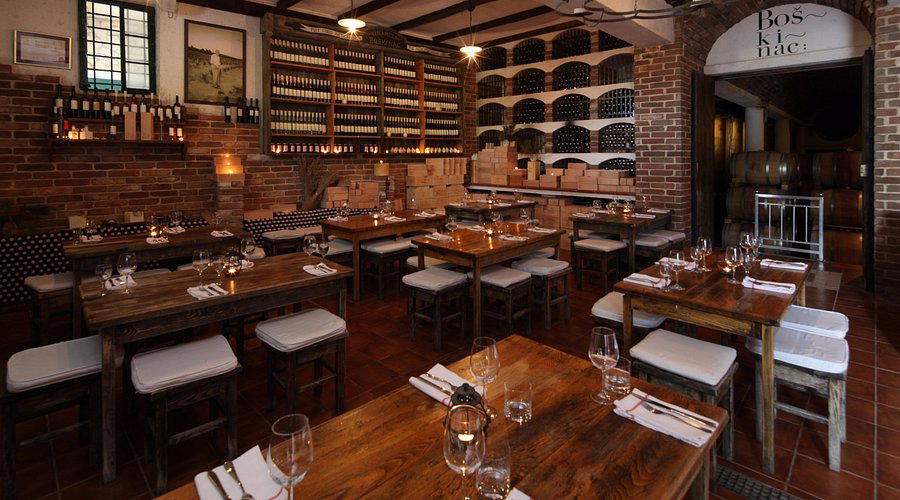
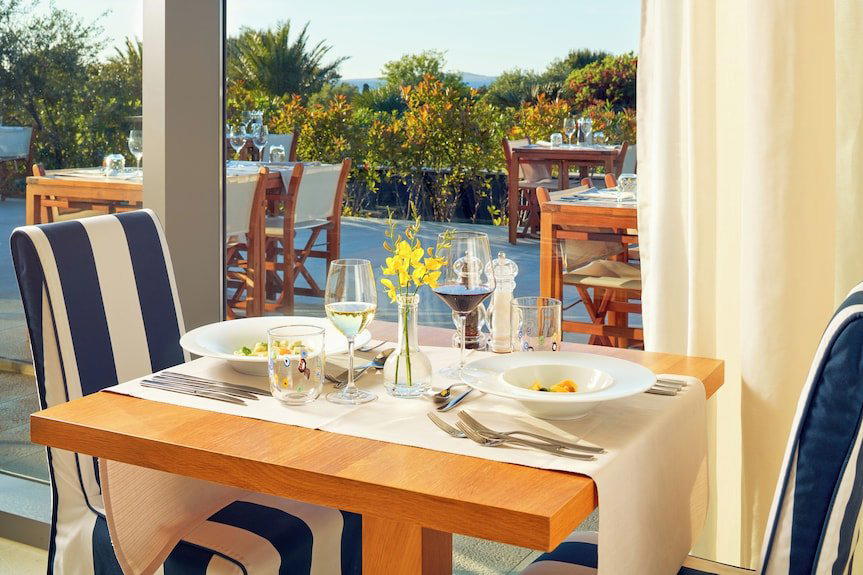
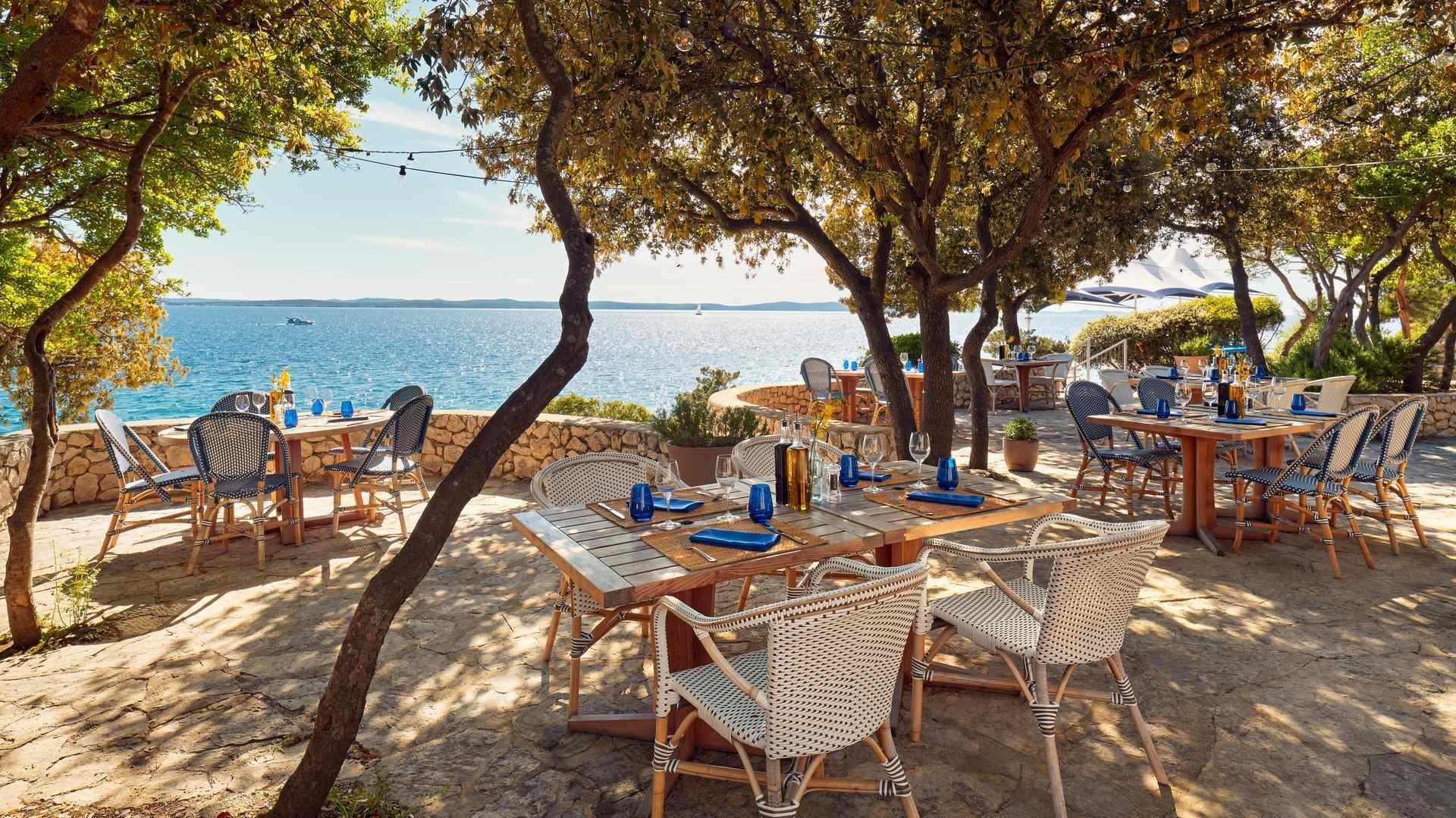
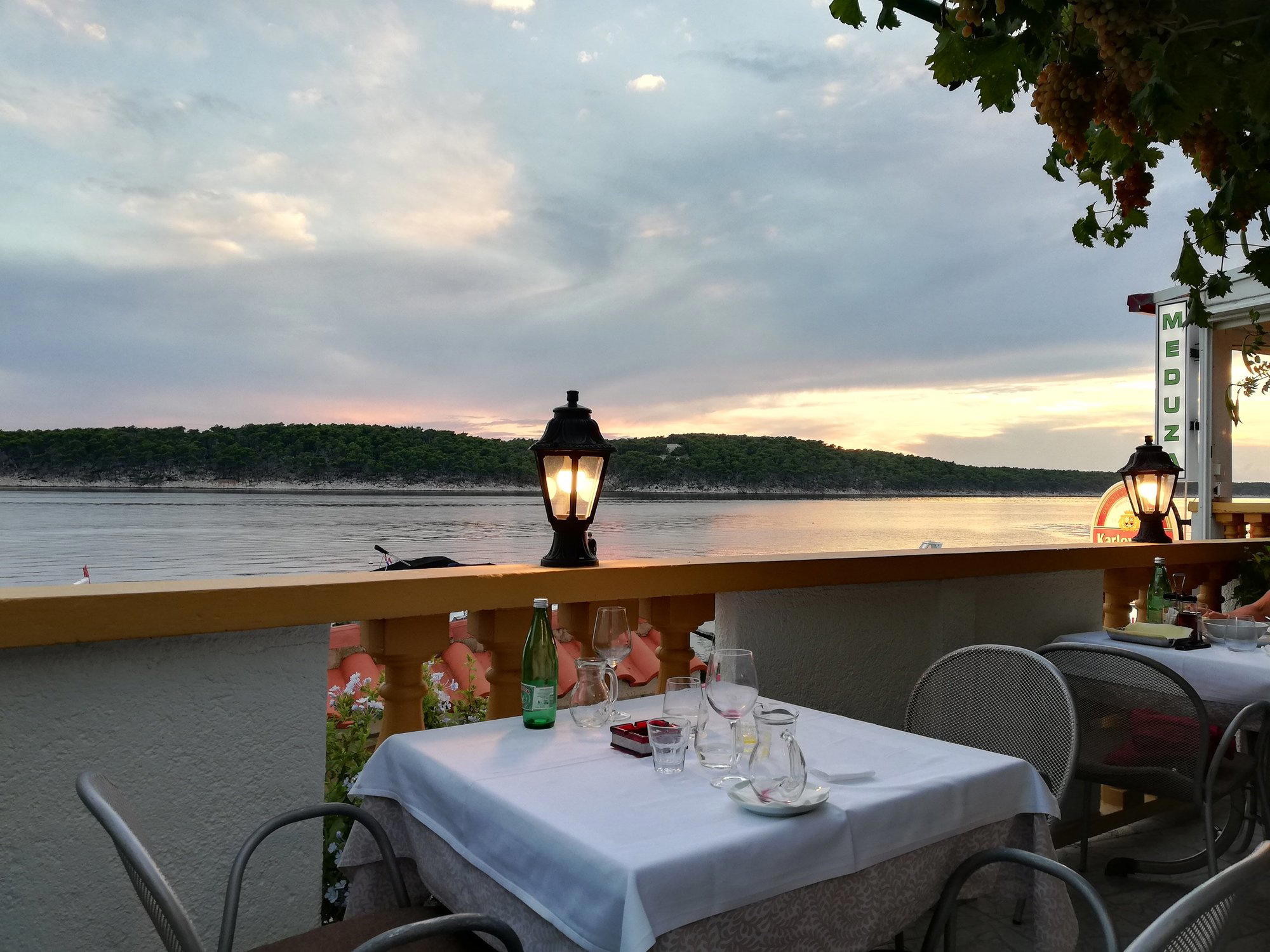
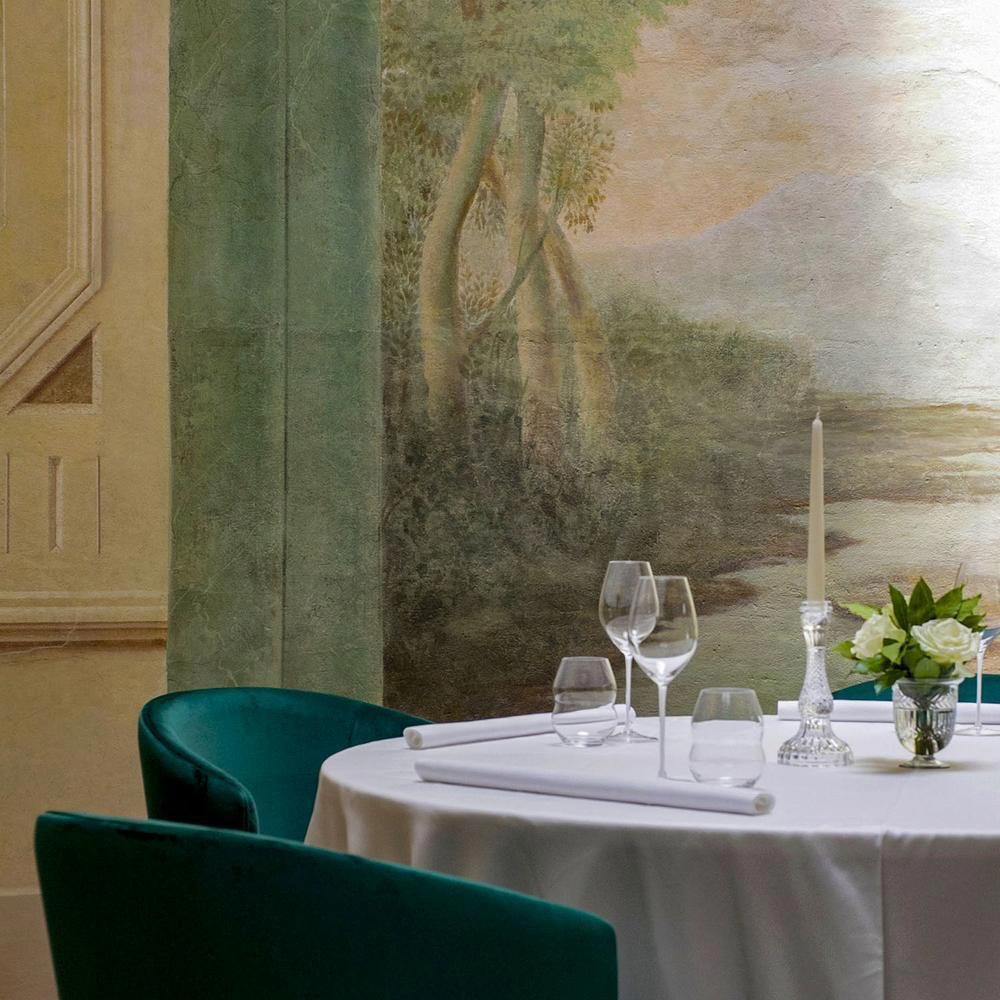
Bars in Pag
Browse all →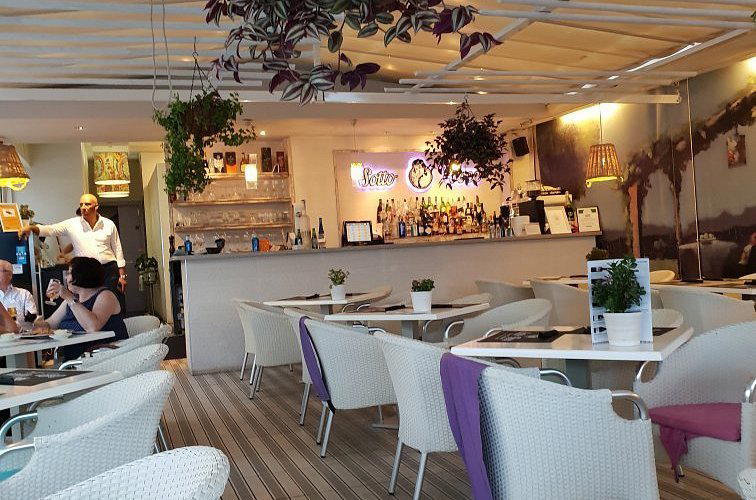
Hotels in Pag
Browse all →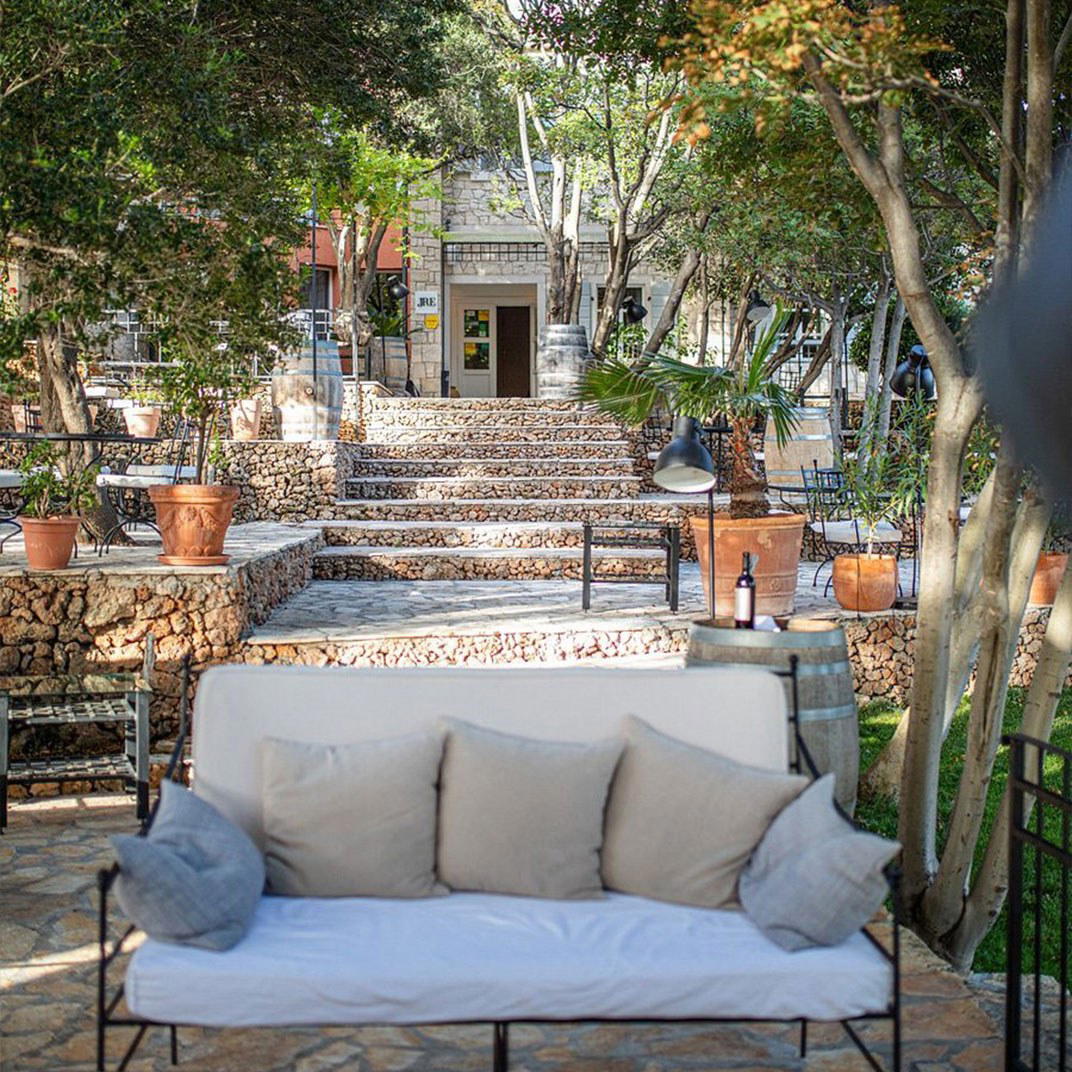
Wineries in Pag
Browse all →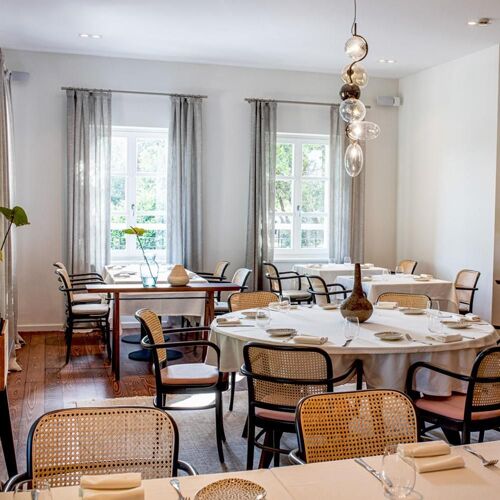

At a Glance
- Cozy
- Rustic
- Family
- Date Night
- Casual Hangout
- Terrace
- Local Sourcing
Current opening hours
- Monday
- 12–10 PM
- Tuesday
- 12–10 PM
- Wednesday
- 12–10 PM
- Thursday
- 12–10 PM
- Friday
- 12–10 PM
- Saturday
- 12–10 PM
- Sunday
- 12–10 PM
Hours can change for holidays and private events. Last verified .
Cozy courtyard under vines with shaded terrace, relaxed and welcoming atmosphere.