B&B Heritage Villa Apolon
B&B Heritage Villa Apolon sits on Stari Grad's seafront promenade at Šetalište don Šime Ljubića 7, occupying a stone Dalmatian villa that places guests within walking distance of one of the Adriatic's oldest continuously inhabited towns. The property belongs to the small-scale heritage accommodation tier that has defined Hvar Island's upper-mid market in recent years, where architectural character and location density count for more than resort amenities.

Pearl is the En Primeur Club membership app, where members save venues, book tables and use the concierge.
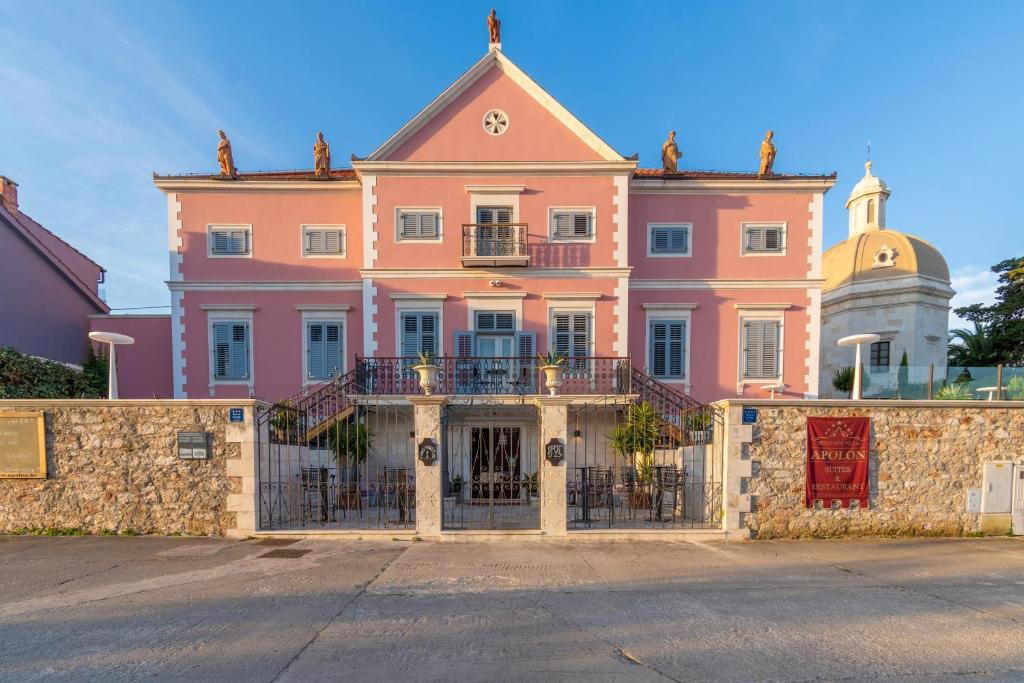
Stone, Sea, and the Architecture of Dalmatian Restraint
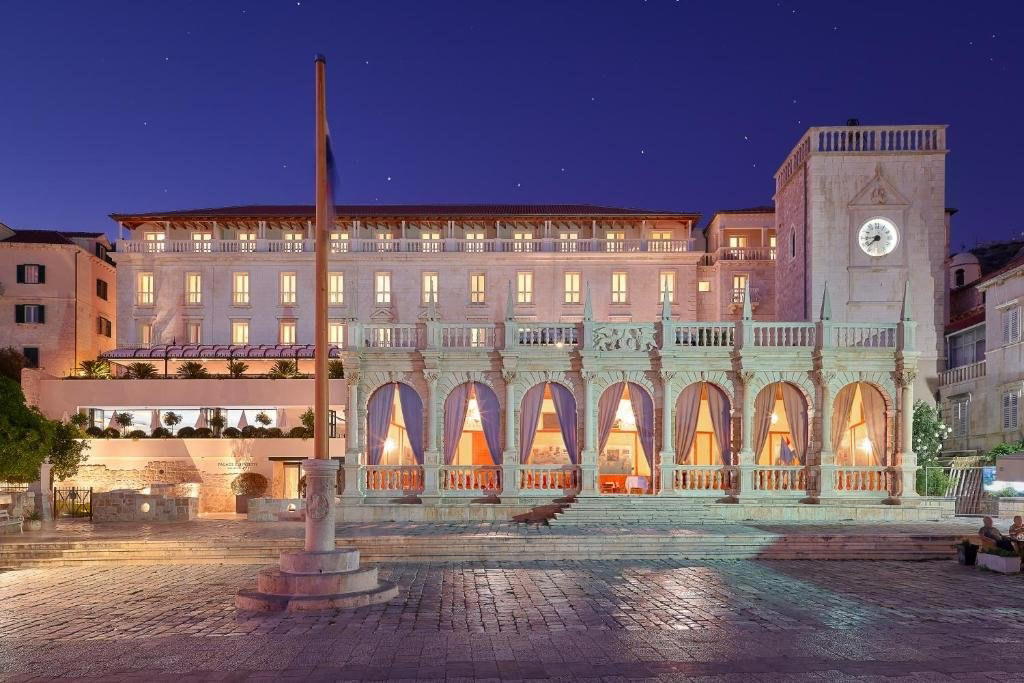
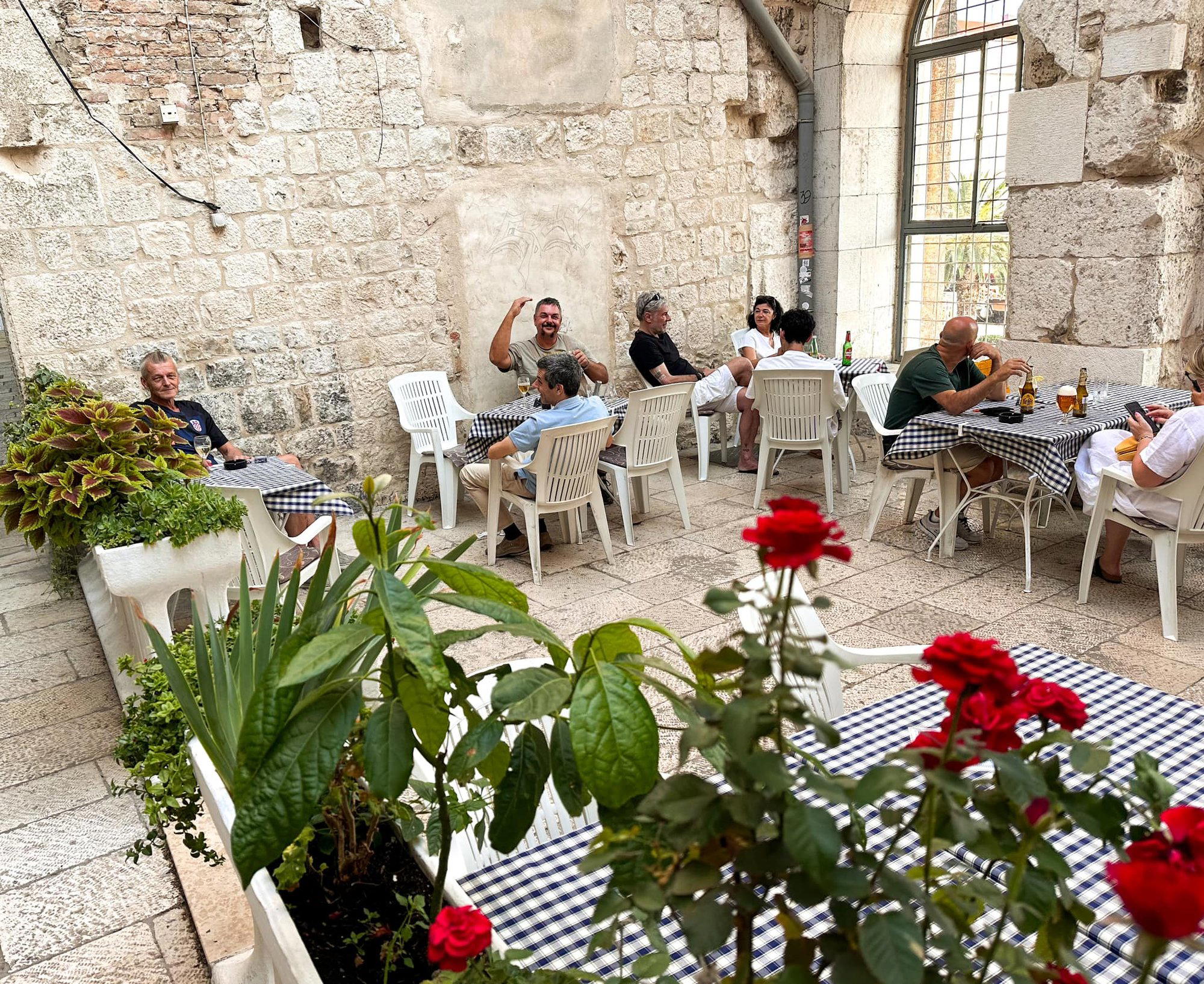
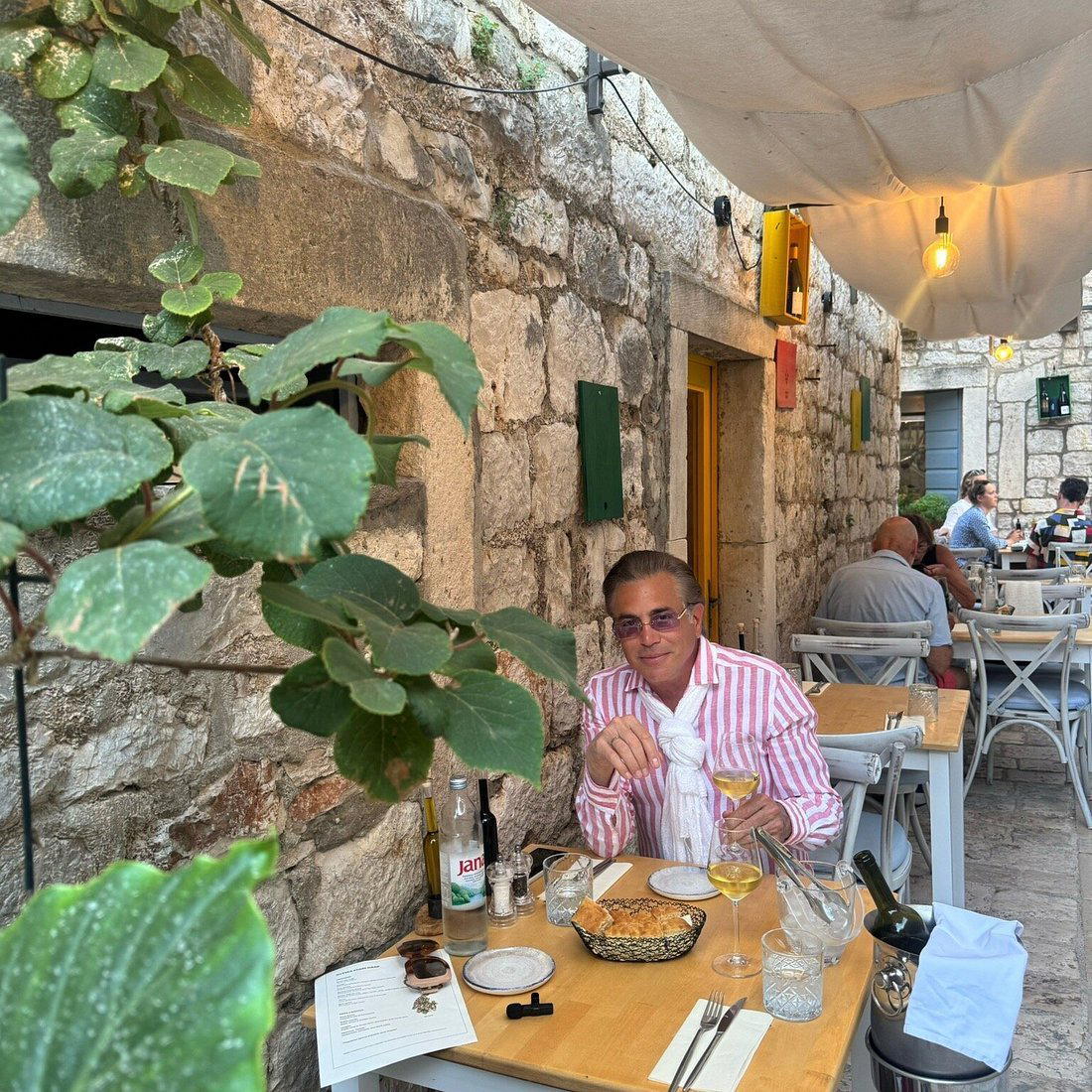
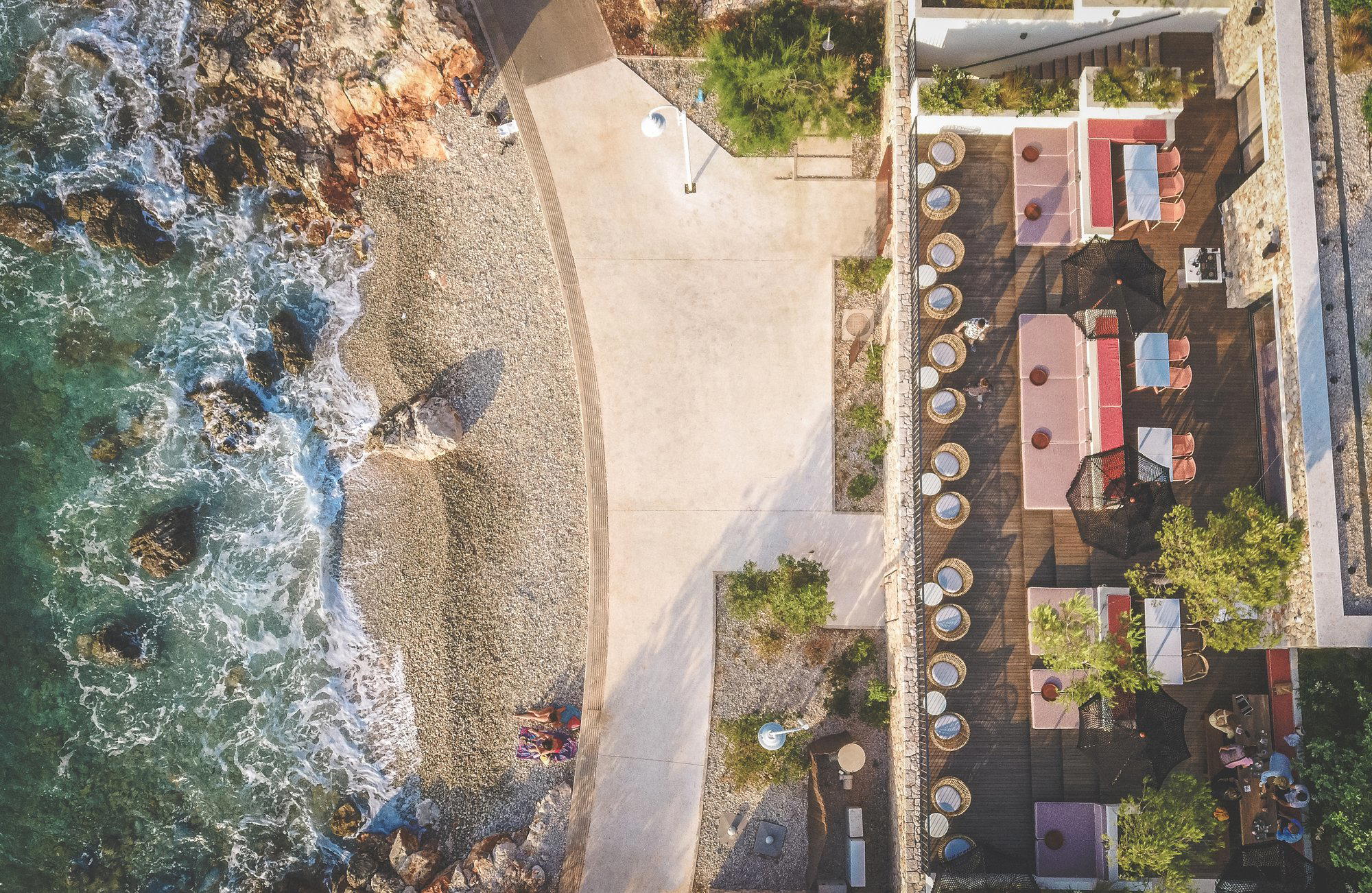
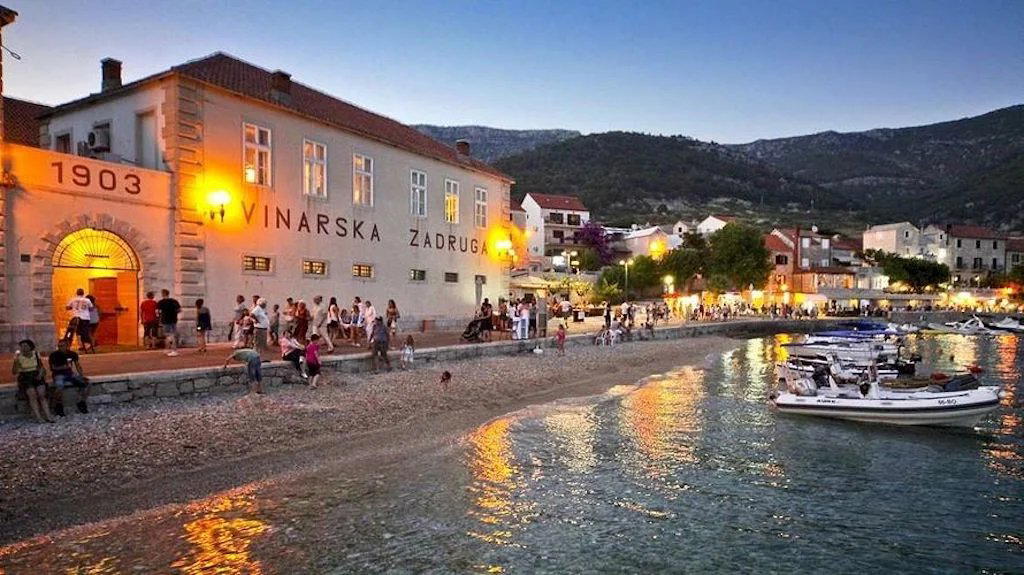
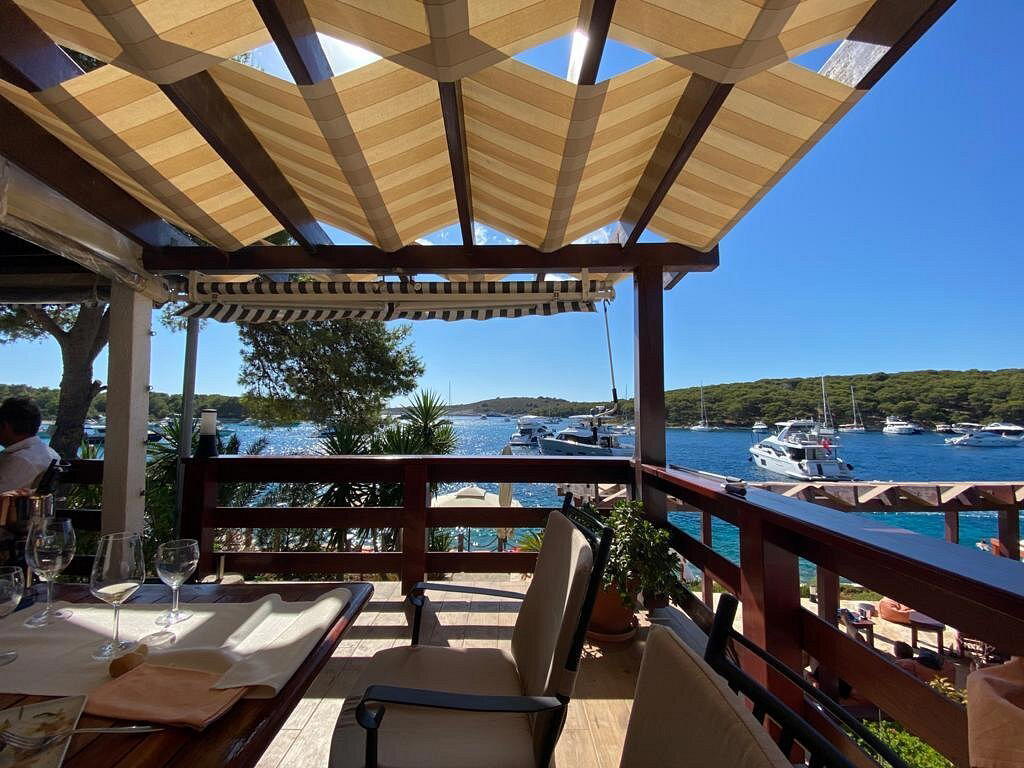
Stari Grad's seafront promenade moves at a pace that larger Adriatic towns abandoned decades ago. The waterfront here is a sequence of stone villas, cypress hedges, and fishing boats moored within arm's reach of restaurant terraces, and it is along this stretch that B&B; Heritage Villa Apolon occupies its position at Šetalište don Šime Ljubića 7. Approaching from the water side, the building reads as the Dalmatian coast at its most architecturally legible: thick limestone walls, shuttered windows calibrated against the afternoon sun, and a scale that refuses the ambitions of a resort while exceeding the anonymity of a budget guesthouse.
That physical address matters more than it might elsewhere. Stari Grad is the oldest town on Hvar Island and among the oldest continuously inhabited settlements on the Adriatic, with a Greek foundation dating to 385 BC. UNESCO recognition covers the surrounding plain, not the town itself, but the designation shapes the atmosphere. Accommodation here competes less on amenity count and more on proximity and building character, and Villa Apolon's stone construction places it squarely in that architectural tradition.
The Heritage Villa Format on the Dalmatian Coast
Across Croatia's Dalmatian islands, accommodation has split into two increasingly distinct tiers over the past decade. On one side sit large resort complexes, some with international flags, that trade on pools, spa infrastructure, and dining volume. On the other sits a smaller but commercially durable category of heritage properties: converted villas, family-run palazzo-style B&Bs;, and stone manor houses that derive their value from the built environment rather than added amenities. The Maslina Resort on the same island represents the higher end of the design-led boutique segment. Villa Apolon operates in a different register entirely, closer in spirit to properties like Kastil in Bol or Aminess Korčula Heritage Hotel, where the building itself is the primary offering.
This format has genuine advantages in a town like Stari Grad. The historic core is compact and pedestrian-friendly, which makes a seafront B&B; with character more practically useful than a resort positioned outside the old town perimeter. Guests staying here are within walking distance of the Tvrdalj, the fortified Renaissance poet's villa that anchors the town's cultural identity, and within a short walk of the ferry terminal that connects Stari Grad to Split on the mainland.
What Dalmatian Stone Construction Means in Practice
Heritage designation in Croatian coastal towns is not merely cosmetic. Local planning rules across much of Dalmatia restrict exterior alterations to stone buildings in historic zones, which means properties like Villa Apolon carry their original architectural DNA by requirement as much as by choice. Thick limestone walls provide natural thermal mass, keeping interiors measurably cooler during Adriatic summers when mid-afternoon temperatures regularly exceed 30°C. The same construction creates acoustic insulation that modern builds rarely match at this price point. For visitors comparing accommodation options across the island, Littlegreenbay Hotel in Hvar town offers a different configuration entirely, oriented toward the contemporary boutique market with a stronger beach focus.
The B&B; format itself carries specific implications for the stay experience. Breakfast service, typically the only meal included at properties of this type, becomes a point of differentiation in Croatian heritage accommodation. The quality of local produce available in Stari Grad, including Dalmatian olive oil, regional cheeses, and island-grown fruit, gives small properties an ingredient advantage over larger hotel operations sourcing at volume.
Stari Grad in the Hvar Island Context
Hvar as a destination has a bifurcated identity that rarely gets addressed directly. Hvar town, on the island's western tip, has attracted a party-oriented visitor demographic and corresponding pricing premiums that have reshaped its accommodation market. Stari Grad, seven kilometres northeast and accessible by a short drive or water taxi, operates at a markedly different register: quieter, more architecturally intact, and with a local population that has remained more stable through the tourism boom years. For visitors whose priority is the historic fabric of the Adriatic rather than its nightlife infrastructure, Stari Grad is the more coherent choice, and a property on the seafront promenade is the most direct way to engage with that character.
The ferry connection to Split is a practical detail worth weighting in accommodation decisions. Stari Grad's ferry terminal handles the main car and passenger route between Hvar Island and the mainland, which makes the town both a gateway and a destination. Staying here rather than in Hvar town avoids the transfer logistics that affect most island visitors. For those building a wider Croatian itinerary, properties across the country from Hotel Kompas Dubrovnik to Hotel Ambasador Split each serve different segments of that routing logic.
Placing Villa Apolon in the Regional Picture
Croatia's premium heritage accommodation market now extends well beyond Dalmatia. Properties like Lešić Dimitri Palace in Korčula and Meneghetti Wine Hotel and Winery in Bale have established a high ceiling for the category, with investment in architecture, food programming, and wine identity that has attracted international press attention. Istrian properties including Hotel Kastel in Motovun demonstrate that the heritage conversion model works equally well inland. Villa Apolon operates below that investment tier, as a B&B; rather than a boutique hotel with restaurant, but it draws from the same architectural logic: the building's age and material honesty as the primary differentiator from generic accommodation.
For planning purposes, Stari Grad's high season runs from late June through August, when the ferry route to Split operates at full frequency and the old town fills with visitors. Shoulder season, particularly May, early June, and September, offers the most comfortable combination of open services and reduced visitor density. The promenade itself is at its most useful in the evenings during summer, when the waterfront restaurants extend service outdoors and the light on the bay shifts through a long, slow dusk. Our full Stari Grad restaurants guide covers the dining options within walking distance of the promenade in detail.
| Venue | Cuisine | Price | Awards |
|---|---|---|---|
| B&B Heritage Villa ApolonThis venue (the venue you are viewing) | This venue | $200–300 | Not listed |
| Maslina Resort | Not listed | Not listed | 1 Michelin Key · La Liste Top Hotels |
| Lešić Dimitri Palace | Not listed | $1,000–1,500 | Relais Chateaux Award |
| Meneghetti Wine Hotel & Winery | Not listed | Not listed | 1 Michelin Key · La Liste Top Hotels |
| Villa Korta Katarina & Winery | Not listed | Not listed | 1 Michelin Key · Relais Chateaux Award |
| Grand Park Hotel Rovinj by Maistra Collection | World's 50 Best | $300–500 | 1 Michelin Key · World's 50 Best #48 |
Continue exploring
More in Stari Grad
Hotels in Stari Grad
All hotels in Stari Grad →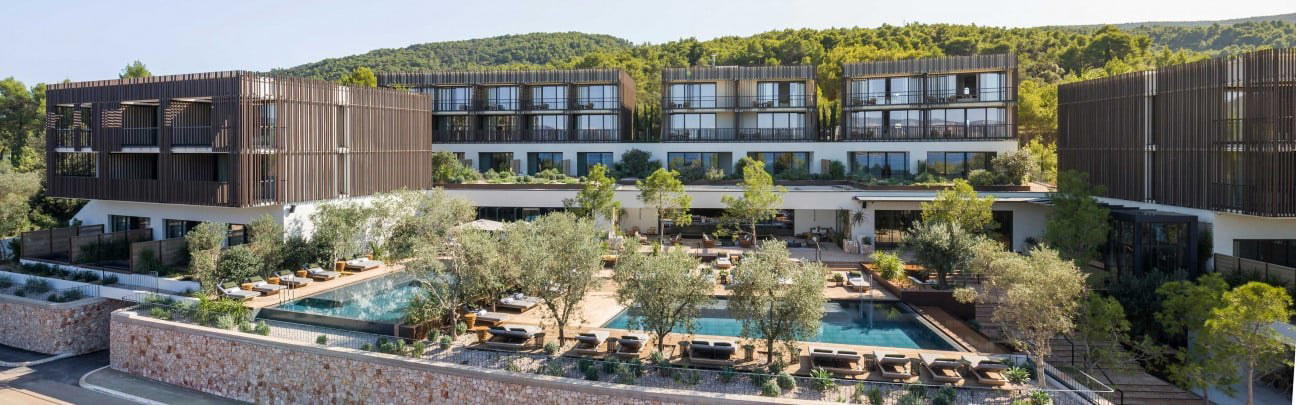
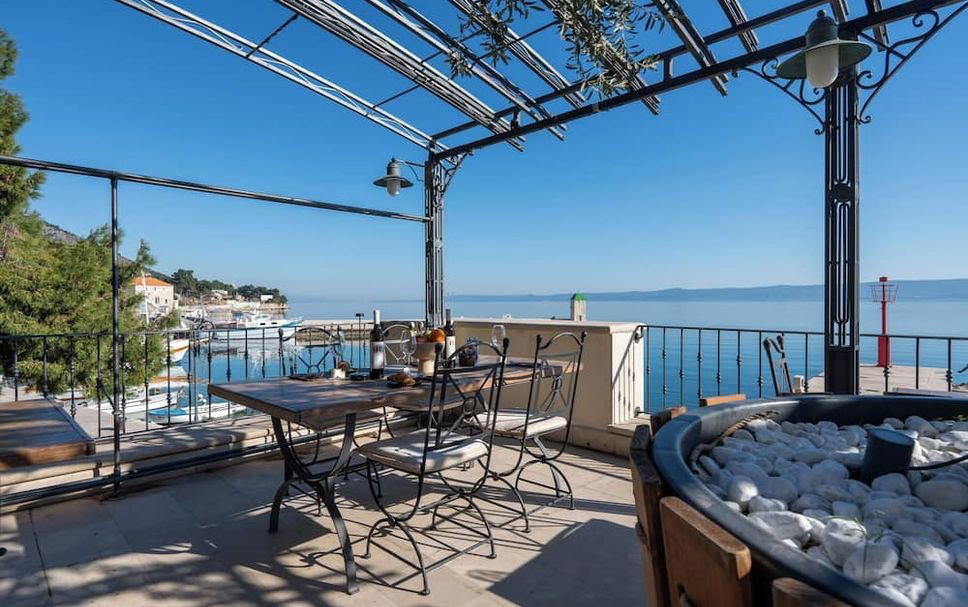
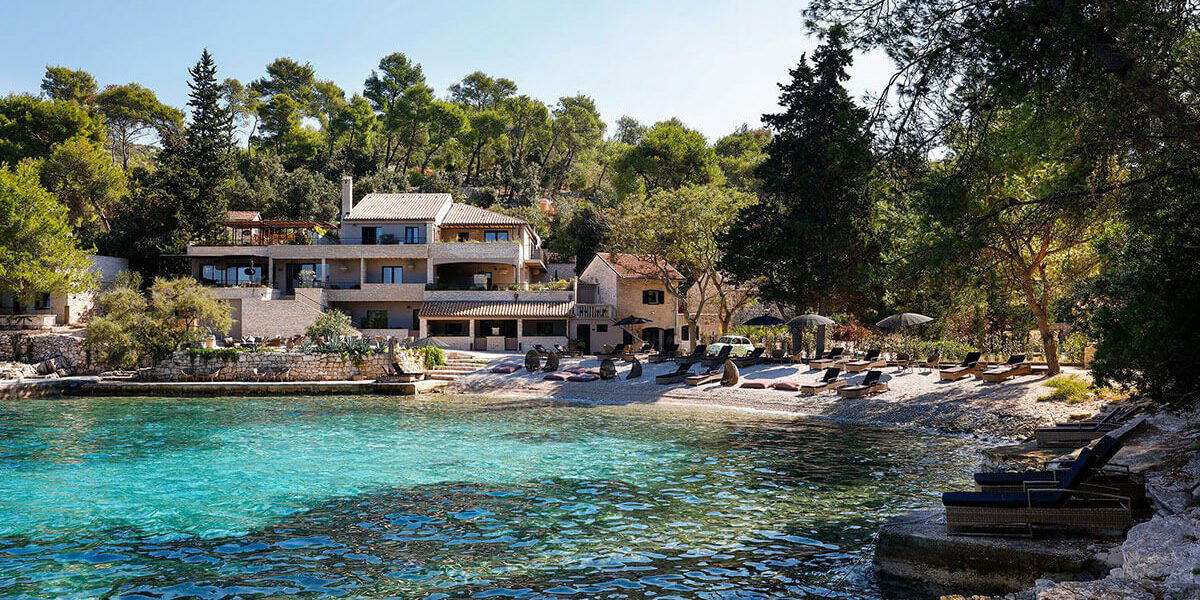
Bars in Stari Grad
All bars in Stari Grad →

Details
- Romantic
- Cozy
- Historic
- Intimate
- Elegant
- Romantic Getaway
- Honeymoon
- Weekend Escape
- Waterfront
- Historic Building
- Terrace
- Panoramic View
- Wi Fi
- Room Service
- Concierge
- Garden
- Beach Access
- Waterfront
- Elevator
Serene waterside atmosphere with modern design, pleasant lighting, and attention to detail in a beautifully restored historic property.