Konoba Maslina sits in Vrisnik, a small hillside village above Jelsa on Hvar island, where the Dalmatian konoba tradition is practiced close to its agricultural source. The cooking draws on the island's olive groves, stone-walled vineyards, and domestic livestock in a format that has more in common with a farmhouse table than a restaurant menu. For visitors working through the Adriatic coast's dining options, this is where ingredient provenance does the talking.
Pearl is the En Primeur Club membership app — saves, bookings, and concierge access live there. Same editors, same standards.
- Address
- Vrisnik 131 Vrisnik, 21465, Jelsa, Croatia
- Phone
- +385977191116
- Directions
- Get directions
 Saves & bookings on Pearl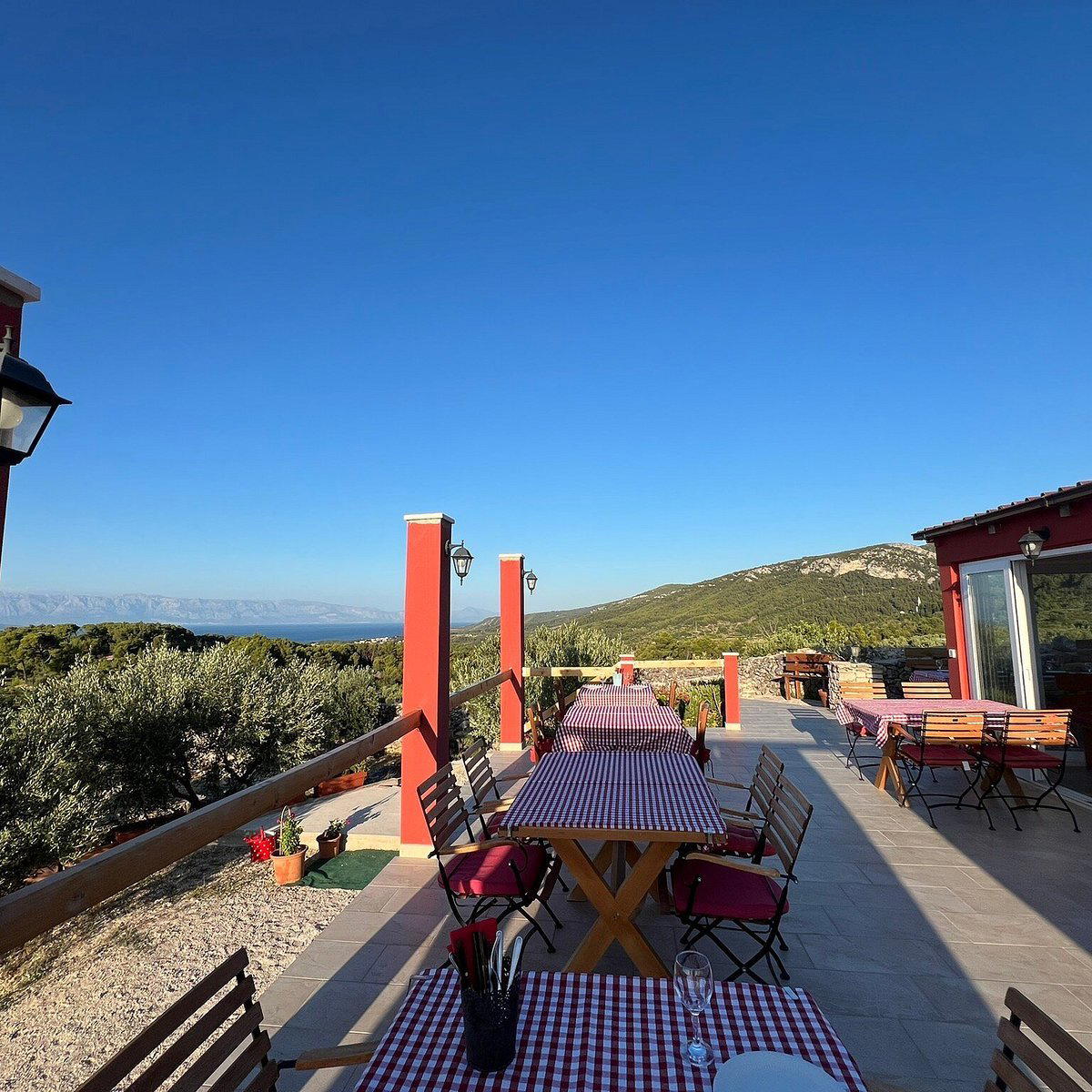
Where the Hvar Interior Meets the Table
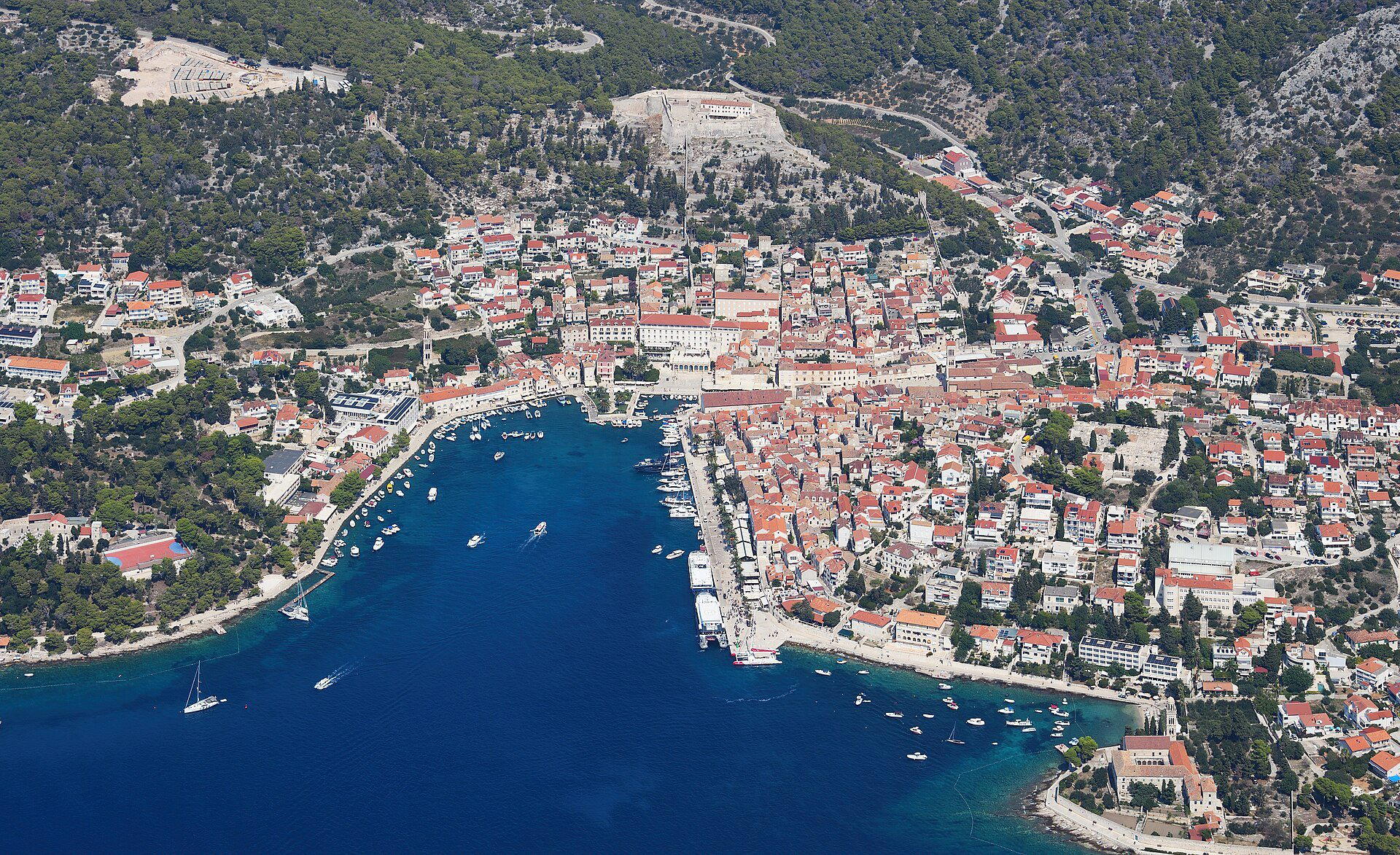
The Adriatic coast gets most of the attention when visitors think about Croatian dining, but Hvar's interior tells a different story. Vrisnik, the village where Konoba Maslina operates at address 131, sits in the refined agricultural belt that runs through the island's spine, away from the harbour crowds and the waterfront pricing that comes with them. The approach here, up through terraced stone walls and olive groves, sets expectations before a plate arrives. This is a destination shaped by local life. It is a working settlement with a konoba attached, and that distinction matters when you're trying to understand what you're eating and where it came from.
The konoba format itself is worth understanding in context. Across Dalmatia, the word historically described a ground-floor storeroom where wine and provisions were kept, and where family meals happened. Konoba Maslina retains that logic of proximity, drawing from what the land around it produces. On an island like Hvar, that means olive oil pressed locally, lamb or goat raised on the thin pastures above the coast, and produce grown in small garden plots that would never reach a wholesale market. The food is a function of place, not a performance of it.
Hvar's Ingredient Geography
Hvar has one of the longest sunshine records of any island in the Adriatic, which gives its agriculture a particular character. The lavender fields in the central plain are well documented, but the olive cultivation is more significant at the table. Hvar olives, pressed into oils with a relatively high polyphenol content from the island's dry growing conditions, have a distinctive bitterness and intensity that mainland Croatian oils rarely match. In a kitchen that uses olive oil as a foundational ingredient rather than a finishing touch, that distinction registers across almost every dish.
The vineyards around Vrisnik and neighbouring villages contribute to a wine culture that has grown more confident in the past decade. Plavac Mali, the dominant red variety across southern Dalmatia, performs well in Hvar's stony, sun-exposed conditions and produces wines with structure that suit the direct meat-focused cooking of the interior. Several small producers around the Jelsa municipality now export to European markets, though the leading allocation often stays local, which is an argument in itself for eating in the village rather than at a harbour restaurant that imports both its ingredients and its wine list.
For a comparative point: the higher-end Croatian restaurants working in a modern register, such as Pelegrini in Sibenik or LD Restaurant in Korčula, build their sourcing stories around named producers and curated relationships that they communicate explicitly to diners. The konoba model in Vrisnik operates on the same sourcing logic but without the narrative apparatus. The provenance is assumed rather than announced, which is either appealing or frustrating depending on what you want from a meal.
The Konoba Tradition in Practice
Croatia's konoba circuit has diversified significantly. There are now establishments across Dalmatia using the konoba name as aesthetic positioning while running fully professionalized kitchens with imported proteins and standardized menus. The genuine article, which Konoba Maslina represents, operates differently: limited covers, a menu that reflects availability rather than consistency, and a format where the host's connection to the food supply is direct rather than mediated. This is closer to what Boskinac in Novalja does with its estate-grown approach on Pag island, though Boskinac has moved toward a more structured hospitality format over time.
Slow-cooked meat under a peka, the bell-shaped lid buried in embers, remains the signature technique of the Dalmatian interior. The method requires advance preparation, typically several hours of cooking, and is rarely improvised for single diners arriving without notice. At village konobas in the Hvar interior, a peka order usually needs to be arranged ahead, which is worth knowing before you arrive expecting to eat within the hour. The wait is part of the format: a carafe of local wine, the smell of wood smoke, and a meal that arrives on its own schedule.
Placing Konoba Maslina in the Wider Jelsa Dining Scene
Jelsa itself has a handful of serious options spread across different price tiers and formats. The nearby Konoba Vrisnik offers a comparable village experience, and comparing the two is useful for anyone spending more than a day or two in the area. Our full Jelsa restaurants guide maps the options across formats and price points, which is the more efficient way to plan if you're building an itinerary. For context within the broader Hvar and central Dalmatia circuit, Krug in Split represents the urban, technique-led end of the Croatian culinary conversation, while the village konoba model that restaurant represents sits at the opposite pole: rural, produce-driven, and deliberately unpolished in presentation.
Visitors arriving from a Zagreb dining context, where restaurants like Dubravkin Put or Korak in Jastrebarsko occupy a refined Continental register, will find the Hvar interior konoba format a significant shift in tone. That contrast is part of the value of spending time in both worlds when traveling through Croatia rather than anchoring in one city or coastal strip. Further afield on the Adriatic circuit, Agli Amici Rovinj in Istria and Alfred Keller in Mali Lošinj represent the northern end of the Croatian dining range, where Italian influence and formal technique sit closer to the surface. Nebo by Deni Srdoč in Rijeka and Restaurant 360 in Dubrovnik occupy the country's fine-dining tier. The restaurant operates in none of those registers, which is precisely its function in a well-constructed Croatian itinerary.
Visiting Konoba Maslina
Vrisnik sits a short drive inland from Jelsa, accessible by car or taxi from the town. Arriving by car or taxi from Jelsa is the practical approach. Given the peka preparation time and the limited-covers format, Reservations are recommended. Summer months on Hvar see heavy demand across the whole island, and walk-ins to village konobas during July and August are a gamble on capacity and timing. Spring and early autumn, when Spring and early autumn are comfortable times to visit.
Quick Comparison
Comparable venues nearby, for context on price, style, and recognition.
| Venue | Cuisine | Price | Notes |
|---|---|---|---|
| Konoba MaslinaThis venue — the venue you are viewing | Traditional Dalmatian | $$$ | Not listed |
| Konoba Vrisnik | Traditional Dalmatian | $$ | Vrisnik |
| Trg Sv. Stjepana 3 | Dalmatian Coastal Seafood | $$$ | Hvar Town |
| Bokeria Kitchen & Wine | Modern Mediterranean Dalmatian | $$$ | Old Town |
| Corto Maltese | Modern Mediterranean Freestyle | $$$ | old town |
| FANTAŽIJA kitchen and wine | Modern Dalmatian Mediterranean | $$$ | Old Town |
Continue exploring
More in Jelsa
Restaurants in Jelsa
Browse all →
Bars in Jelsa
Browse all →
Hotels in Jelsa
Browse all →

At a Glance
- Rustic
- Scenic
- Romantic
- Cozy
- Intimate
- Date Night
- Special Occasion
- Family
- Terrace
- Historic Building
- Local Sourcing
- Mountain
Current opening hours
- Monday
- 5–10 PM
- Tuesday
- 5–10 PM
- Wednesday
- 5–10 PM
- Thursday
- 5–10 PM
- Friday
- 5–10 PM
- Saturday
- 5–10 PM
- Sunday
- 5–10 PM
Hours can change for holidays and private events. Last verified .
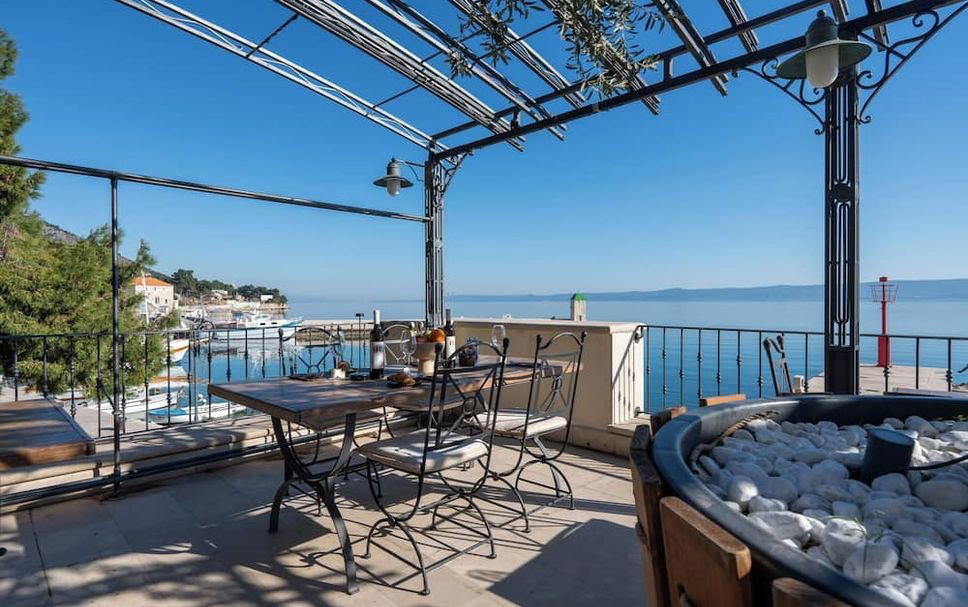
Peaceful rural terrace with sunset views over olive trees, sea, and villages, creating a romantic and hospitable family atmosphere.