
Cantilly Garden Restaurant in Samobor serves contemporary Croatian Mediterranean cooking with local sourcing, an extensive wine list, and a garden setting for leisurely lunch or dinner.
Pearl is the En Primeur Club membership app — saves, bookings, and concierge access live there. Same editors, same standards.
- Address
- Ul. Stanka Vraza 1, 10430, Samobor, Croatia
- Phone
- +385993035120
- Website
- cantilly.hr
- Directions
- Get directions
 Saves & bookings on Pearl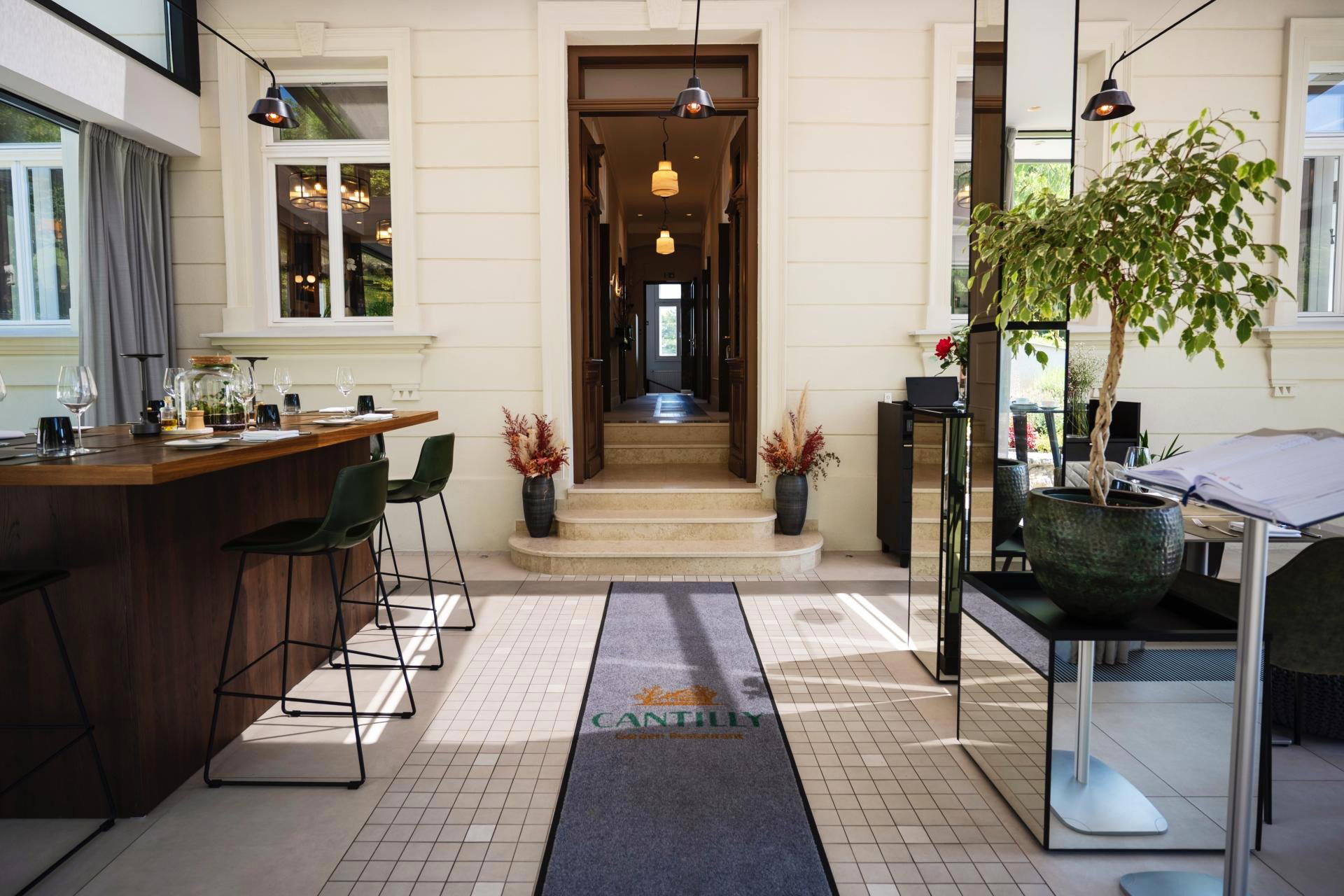
A Garden Table in the Samobor Hills
Samobor sits roughly 25 kilometres west of Zagreb, close enough for a day trip from the capital but self-contained enough to have developed its own dining culture, shaped by the wooded Samobor Hills, the Gradna stream, and a culinary tradition that leans heavily on forested hinterland produce. The town is known across Croatia for its mustard, its kremšnita (a custard-cream pastry that local bakeries guard with some seriousness), and a general preference for cooking that stays connected to the surrounding countryside rather than reaching outward for imported prestige ingredients. Cantilly Garden Restaurant, at Ul. Stanka Vraza 1, operates inside that tradition, and its garden setting places it within a recognisable category of Croatian dining: the outdoor-terrace restaurant where the physical environment does part of the editorial work before the first course arrives. Cantilly Garden Restaurant is a contemporary Croatian Mediterranean restaurant in Samobor, Croatia.
Approaching the address on foot, the garden itself registers before any interior does. In a town where restaurants frequently use outdoor space as an extension of a central dining room, a dedicated garden format signals a deliberate choice about atmosphere: the meal is meant to unfold at a different pace than it would inside. That structural decision connects Cantilly to a broader pattern in Central European garden dining, where the relationship between the plate and the season is made visible rather than abstracted behind air conditioning and year-round menus.
Ingredient Sourcing and the Samobor Standard
The area around Samobor gives restaurants an unusually direct supply line to the kind of ingredients that kitchens elsewhere spend considerable effort sourcing. The Samobor Hills provide foraged mushrooms, wild herbs, and game through much of the year. Agricultural land to the north and east of town produces vegetables and orchard fruit with shorter transit distances than most urban restaurants can achieve. This geography is not decorative context; it is the practical basis on which restaurants in this part of Croatia build menus. For a garden restaurant operating within that supply environment, the expectation is that seasonal availability shows up on the plate with some fidelity.
Croatian dining in this price bracket and setting tends to operate with a produce-first logic that predates the farm-to-table language that arrived in international restaurant culture later. Restaurants like Ethno farm Mirnovec in Samobor have built their entire identity around land-to-table sourcing, and Gabreku 1929 has sustained a decades-long reputation on regional cooking that takes the local supply chain as a given rather than a marketing point. Within that competitive set, a garden restaurant at the Stanka Vraza address is positioned where the outdoor environment should reinforce, not contradict, the sourcing story on the plate.
Where Cantilly Sits in Samobor's Dining Range
Samobor's restaurant scene covers a wider range than the town's modest size might suggest. At one end of the range, excursion restaurants like Izletište Kuzmanović Slavagora serve the hiking-crowd demographic with hearty, unfussy portions. At the other end, Salvator and Restoran "Kod špilje" operate with more deliberate kitchen ambitions. Cantilly Garden Restaurant, by its format, sits in the middle register: a garden setting implies leisure and occasion without necessarily signalling the tasting-menu formality that defines the upper tier.
That middle position is well-occupied in Croatian dining more broadly. Garden and terrace restaurants across the country have found a reliable audience among Zagreb day-trippers, local families marking weekend occasions, and visitors who want regional cooking in an environment that feels unhurried. The format works because it does not demand the same level of menu complexity or service choreography as a city fine-dining room, while still offering a more considered experience than a standard konoba. For Samobor specifically, this positions a garden restaurant as a natural first choice for visitors who have already covered the town's main square and want to extend the afternoon with a meal.
The Broader Croatian Fine Dining Context
Croatia's restaurant culture has developed considerable depth over the past decade. Michelin coverage has expanded steadily along the Adriatic coast, recognising restaurants such as Agli Amici Rovinj in Rovinj, Pelegrini in Sibenik, and LD Restaurant in Korčula. Inland, Zagreb has anchored its own fine dining reputation through restaurants such as Dubravkin Put, and the surrounding region has produced destination-level cooking at Korak in Jastrebarsko, just over 20 kilometres from Samobor. Further afield, Nebo by Deni Srdoč in Rijeka, Alfred Keller in Mali Lošinj, Boskinac in Novalja, Krug in Split, and Restaurant 360 in Dubrovnik demonstrate how widely Croatia's upper restaurant tier has developed. Internationally, the benchmark for ingredient-driven cooking at the high end is set by restaurants like Le Bernardin in New York City and concept-led formats such as Lazy Bear in San Francisco, where sourcing transparency is built into the dining experience rather than assumed.
The restaurant operates well below that tier in format, but the sourcing principles that define the upper end of Croatian dining are present, in diluted but recognisable form, across the country's garden and regional restaurants. For a visitor who has eaten well along the Dalmatian coast and wants to see how the same ingredient-led logic plays out in a northern continental setting, Samobor restaurants provide the comparison.
Planning Your Visit
Samobor is accessible from Zagreb by local bus in under an hour, and the town's compact centre means Ul. Stanka Vraza 1 is walkable from the main square.
How It Stacks Up
Comparable venues nearby, for context on price, style, and recognition.
| Venue | Cuisine | Price | Notes |
|---|---|---|---|
| Cantilly Garden RestaurantThis venue — the venue you are viewing | Contemporary Croatian Mediterranean | $$$ | Not listed |
| Restoran "Kod špilje" | Traditional Croatian Continental | $$$ | Otruševec, Samobor |
| Izletište Kuzmanović Slavagora | Traditional Croatian Rural Cuisine | $$ | Slavagora |
| Salvator | Traditional Croatian | $$ | strict center |
| Zeleni papar | Traditional Croatian | $$ | Samobor |
| Ethno farm Mirnovec | Traditional Croatian Rural Cuisine | $$ | Samobor |
Recognition history
Dated appearances from independent guides and award organizations, with the underlying list record or original source where available.
Michelin Plate
Michelin
Continue exploring
More in Samobor
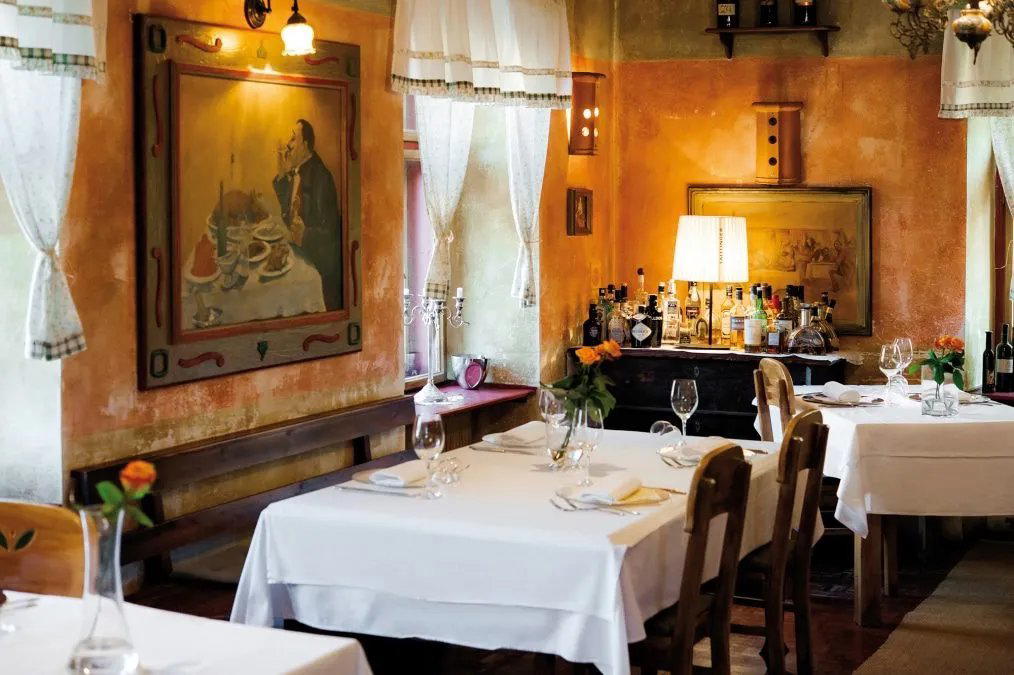
Restaurants in Samobor
Browse all →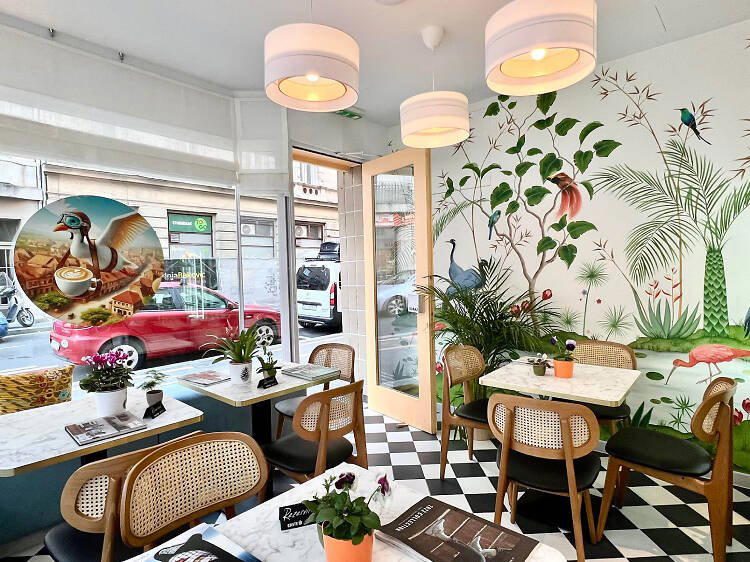
Bars in Samobor
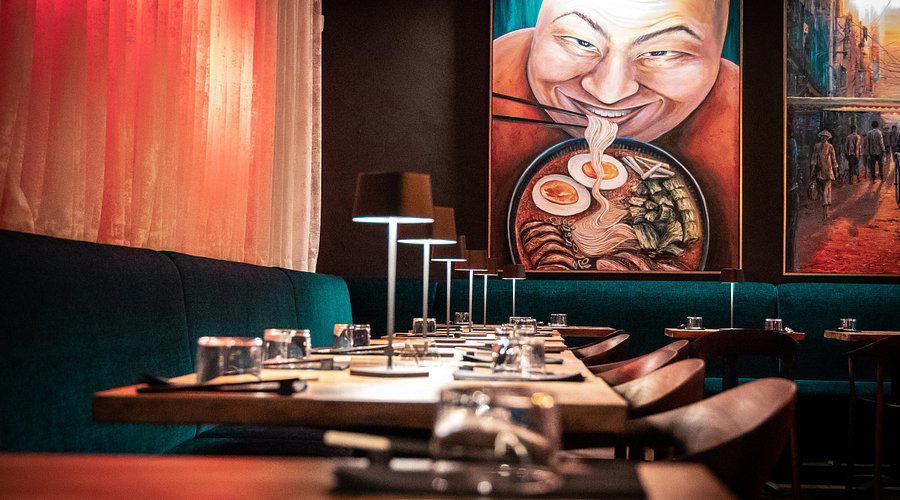
Browse all →
Hotels in Samobor
Browse all →

At a Glance
- Scenic
- Cozy
- Elegant
- Romantic
- Rustic
- Date Night
- Special Occasion
- Garden
- Extensive Wine List
- Local Sourcing
- Garden
Current opening hours
- Monday
- Closed
- Tuesday
- 12–10 PM
- Wednesday
- 12–10 PM
- Thursday
- 12–10 PM
- Friday
- 12–10 PM
- Saturday
- 12–10 PM
- Sunday
- 12–5 PM
Hours can change for holidays and private events. Last verified .
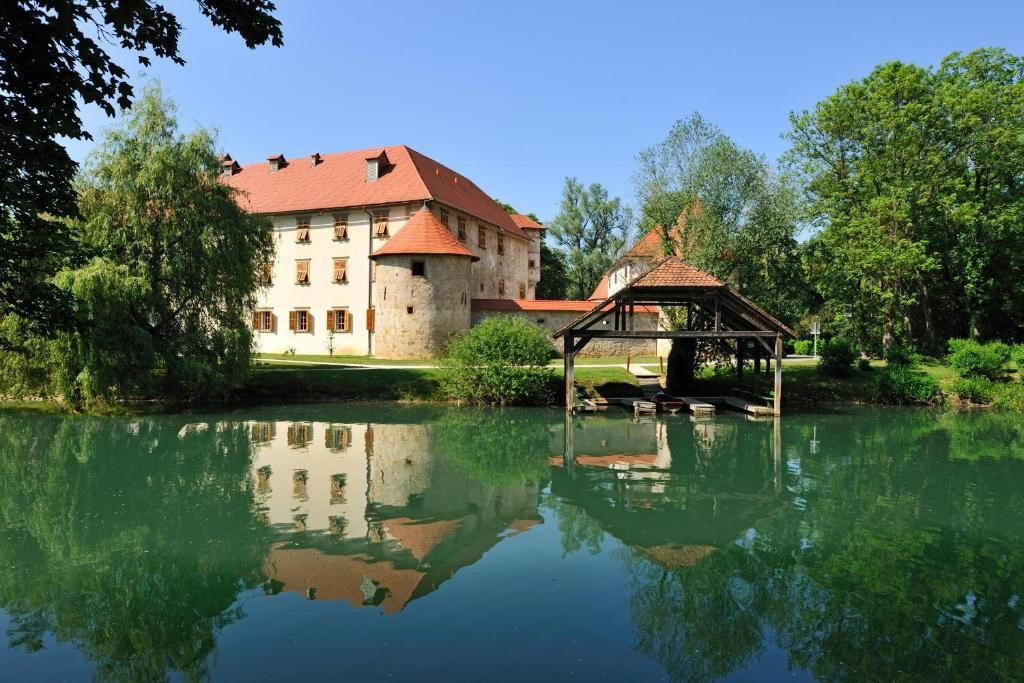
Relaxed garden oasis with magical evening lighting, shaded lawns, and tasteful historic interiors.