Burin
Burin sits in Crikvenica's quieter dining tier, where the Kvarner coast's ingredient culture, local fish, Adriatic shellfish, and Primorje-grown produce, shapes what reaches the table. The address on Ul. dr. Ivana Kostrenčića places it within walking distance of the waterfront, making it a practical choice for visitors exploring the town's compact centre. For context on the wider dining scene, see our full Crikvenica restaurants guide.
Pearl is the En Primeur Club membership app — saves, bookings, and concierge access live there. Same editors, same standards.
- Address
- Ul. dr. Ivana Kostrenčića 10A, 51260, Crikvenica, Croatia
- Phone
- +38551785209
- Website
- restaurantburin.com
- Directions
- Get directions
 Saves & bookings on Pearl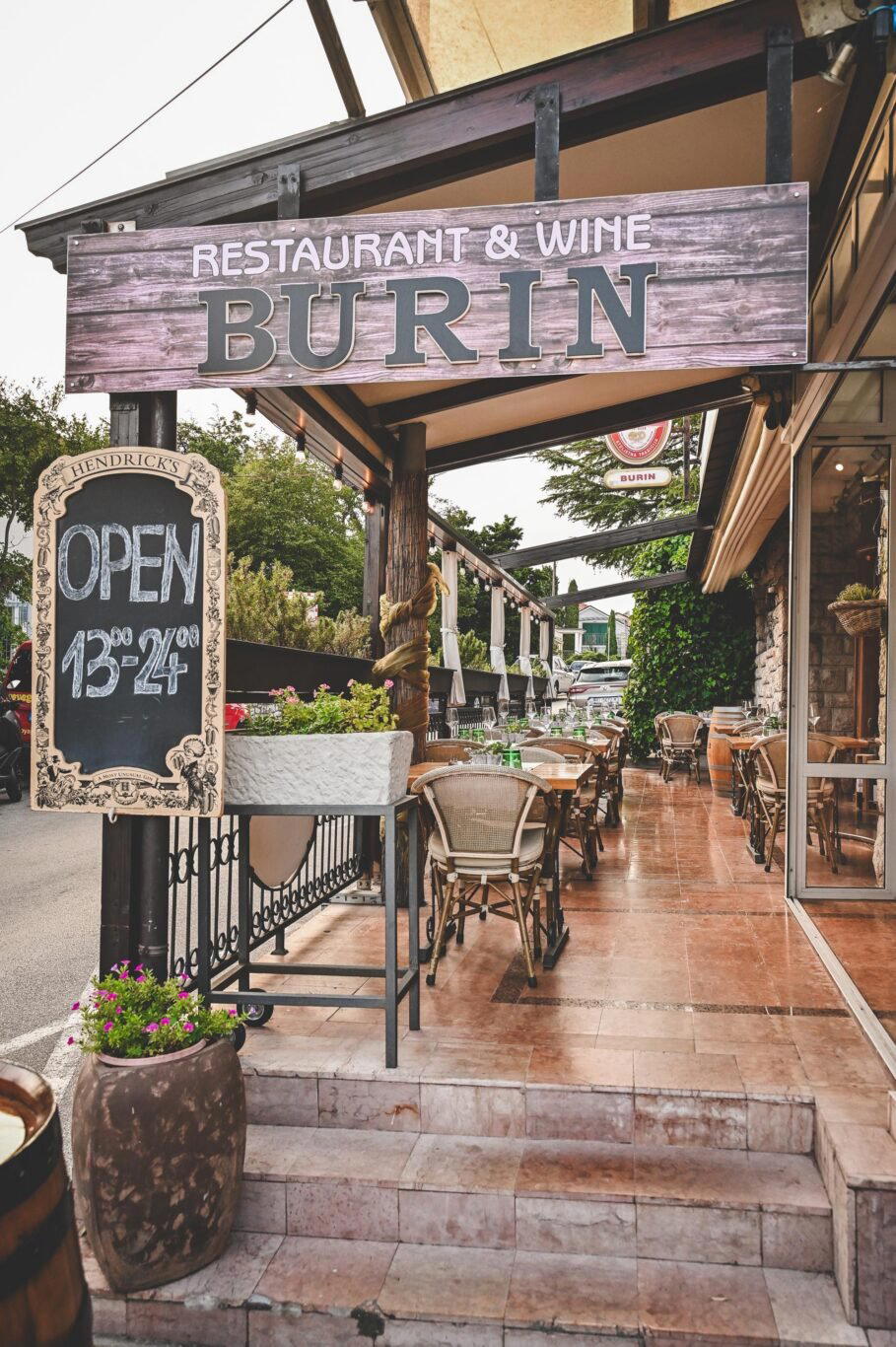
Where Kvarner Ingredients Set the Agenda
Crikvenica sits on a stretch of the Kvarner Gulf where the Adriatic is shallow enough to support rich shellfish beds and where the hinterland, rising quickly into the Gorski Kotar hills, provides a secondary larder of foraged herbs, freshwater fish, and small-farm produce. This geography has historically shaped how the town's restaurants operate: sourcing is local not by marketing choice but by practical proximity, and the menus at the better addresses reflect what the season and the sea allow rather than a fixed international template. Burin, at Ul. dr. Ivana Kostrenčića 10A, sits within that local-ingredient tradition, in a town where proximity to supply shapes the dining conversation.
The Kvarner region as a whole occupies a specific position in Croatian dining. It lacks the headline Michelin recognition concentrated further south in Dalmatia, restaurants like Pelegrini in Sibenik or Restaurant 360 in Dubrovnik anchor that end of the market, and it operates at a different register than the contemporary Italian-inflected fine dining you find at Agli Amici Rovinj in Rovinj. What Kvarner towns like Crikvenica offer instead is a more direct relationship between catch and kitchen, where the argument for eating locally is made by geography rather than ideology. Burin serves Fresh Seafood and Mediterranean cooking at a mid-range price point.
The Crikvenica Dining Context
Crikvenica's restaurant scene is compact. The town draws a summer-heavy tourism pattern, with the Adriatic coast's peak season running roughly June through August and shoulder seasons in May and September offering quieter access and, for fish-focused menus, better supply conditions as the holiday demand on local fishermen eases. Visitors arriving outside peak season will find a town that functions on a slower rhythm, with restaurants operating for a local clientele that expects value and provenance rather than spectacle.
Within that setting, Burin occupies the quieter, neighbourhood-facing end of the dining tier rather than the waterfront-terrace end aimed at passing tourist traffic. The address on Ul. dr. Ivana Kostrenčića is a few steps from the seafront but positioned on a side street, which in Croatian coastal towns tends to signal a kitchen more interested in regulars than in table-turn volume. Nearby, Galija and Konoba Karoca represent the other established points of reference in the town's dining map, each with their own positioning within the local spectrum.
Ingredient Culture on the Kvarner Coast
The broader Primorje-Gorski Kotar county, of which Crikvenica is part, produces a specific set of ingredients that define the honest version of coastal Croatian cooking in this region. Kvarner scampi, langoustines from the northern Adriatic, carry enough regional identity that they appear on menus as far away as Zagreb's better Croatian-focused restaurants. The local white fish, particularly bream and sea bass farmed or caught in Kvarner waters, travel shorter distances to plate here than anywhere. Lamb from the nearby islands of Krk and Cres, where animals graze on aromatic coastal scrub, is another ingredient that Kvarner kitchens have a structural advantage in accessing.
This is the ingredient culture that an address like Burin operates within. Across Croatian coastal dining, the restaurants that earn sustained attention, Boskinac in Novalja, LD Restaurant in Korčula, or Alfred Keller in Mali Lošinj, tend to be those that find a coherent argument for their particular geography rather than defaulting to a generic Mediterranean menu. The Kvarner context gives any serious kitchen here a strong starting point.
Placing Burin in the Regional Picture
Croatia's dining scene has become considerably more stratified over the past decade. The Michelin Guide's expansion into Croatia brought formal recognition to a tier of restaurants, Nebo by Deni Srdoč in Rijeka being the closest geographically significant reference point to Crikvenica, and pushed younger kitchens to sharpen their positioning. Below that formal recognition tier sits a mid-market of local konoba-style restaurants, family-run and ingredient-led, that have always been the backbone of Adriatic dining and continue to be where honest cooking happens for a reasonable outlay.
Restaurants further along Croatia's coast that have refined this approach include San Rocco in Brtonigla and EatIstria in Pluj in Istria, and Humska Konoba in Hum, each demonstrating that the local-produce argument works across multiple price points and formats. Inland, Korak in Jastrebarsko and Dubravkin Put in Zagreb show how the Croatian kitchen's relationship with local sourcing translates equally to continental settings. For those using Crikvenica as a base and looking to understand the full range of what Croatian dining does at its most technically ambitious, Krug in Split provides a useful southern counterpoint, while internationally-minded comparison points like Le Bernardin in New York City and Lazy Bear in San Francisco illustrate how the produce-first philosophy operates at different scales and price brackets globally.
Planning a Visit
Crikvenica is accessible from Rijeka in under 40 minutes by road, making it a realistic day-trip or short-stay destination from the region's main transport hub. The town's restaurant options are concentrated enough that advance planning is more about aligning with opening seasons than securing difficult bookings, the summer peak brings fuller rooms and higher demand, particularly on weekend evenings in July and August, while late spring and early autumn offer the same coastline with a more relaxed service pace. For a complete orientation to where Burin sits within the town's options, the full Crikvenica restaurants guide maps the wider dining picture across cuisine type and setting.
Fast Comparison
Comparable venues nearby, for context on price, style, and recognition.
| Venue | Cuisine | Price | Notes |
|---|---|---|---|
| BurinThis venue — the venue you are viewing | Fresh Seafood and Mediterranean | $$$ | Not listed |
| Konoba Karoca | Croatian Seafood Konoba | $$ | Crikvenica |
| Galija | Mediterranean Seafood & Pizza | $$ | Crikvenica |
| Lovranska Vrata | Fresh Seafood & Croatian Mediterranean | $$$ | Stari Grad |
| More | Mediterranean Seafood Grill | $$ | Supetarska Draga |
| Fešta | Traditional Adriatic Seafood | $$$ | Žut Island, Kornati Archipelago |
Continue exploring
More in Crikvenica
Restaurants in Crikvenica
Browse all →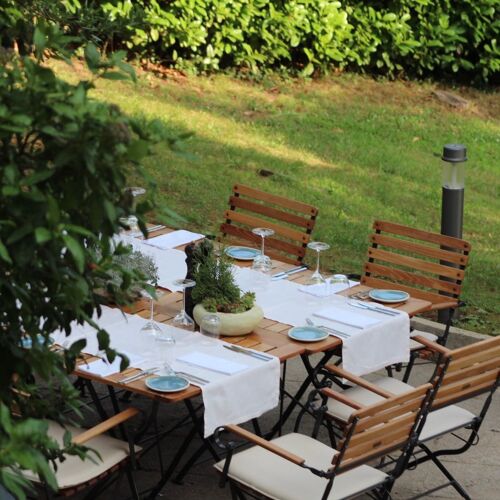
Bars in Crikvenica
Browse all →
Hotels in Crikvenica
Browse all →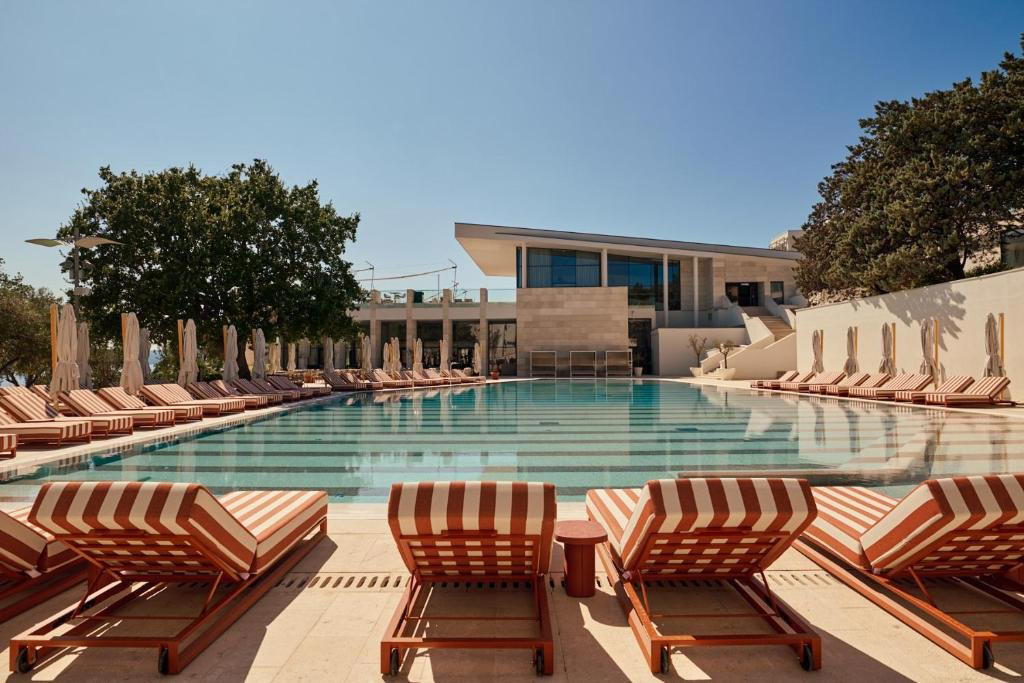
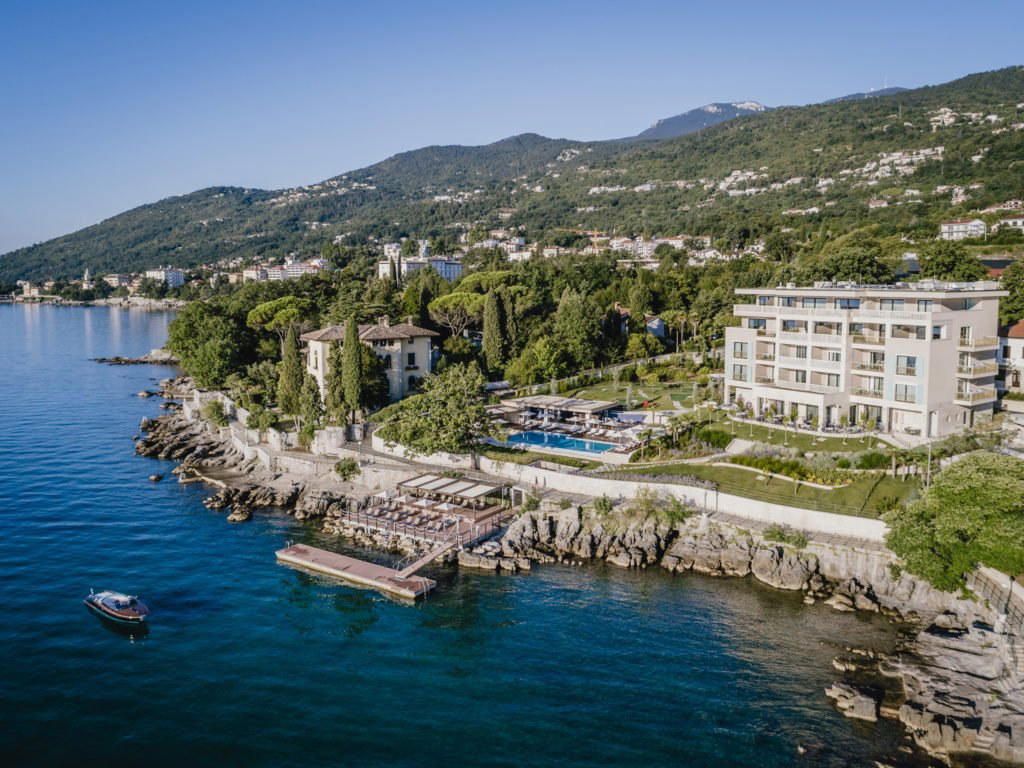
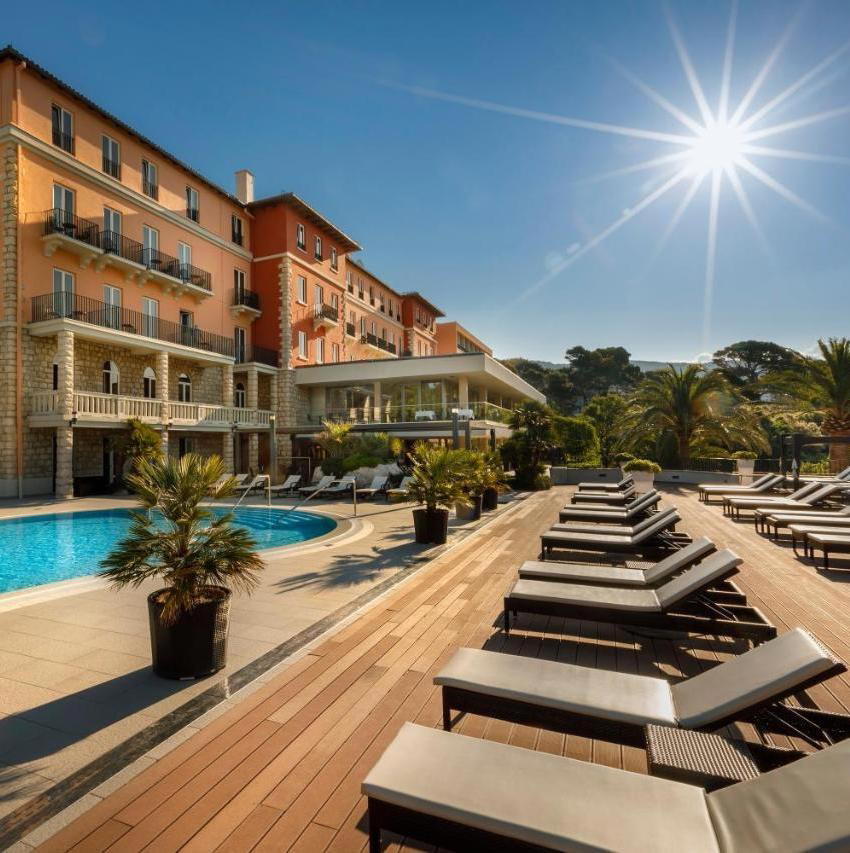
Wineries in Crikvenica
Browse all →At a Glance
- Cozy
- Scenic
- Date Night
- Family
- Terrace
- Waterfront
- Local Sourcing
- Waterfront
Current opening hours
- Monday
- Closed
- Tuesday
- 1 PM–12 AM
- Wednesday
- 1 PM–12 AM
- Thursday
- 1 PM–12 AM
- Friday
- 1 PM–12 AM
- Saturday
- 1 PM–12 AM
- Sunday
- 1–11:30 PM
Hours can change for holidays and private events. Last verified .
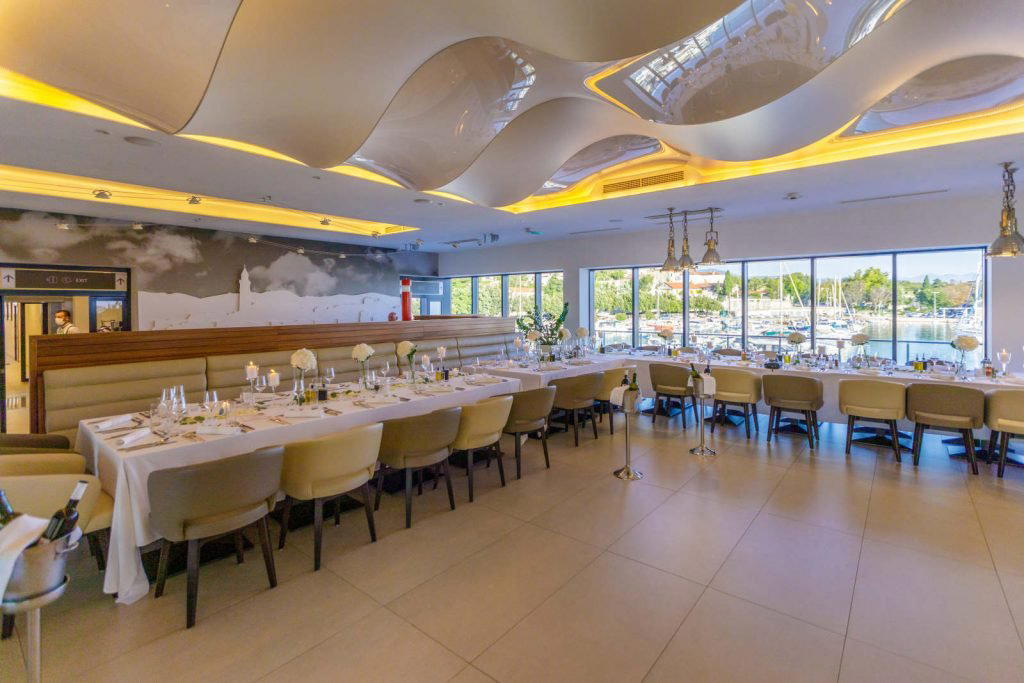
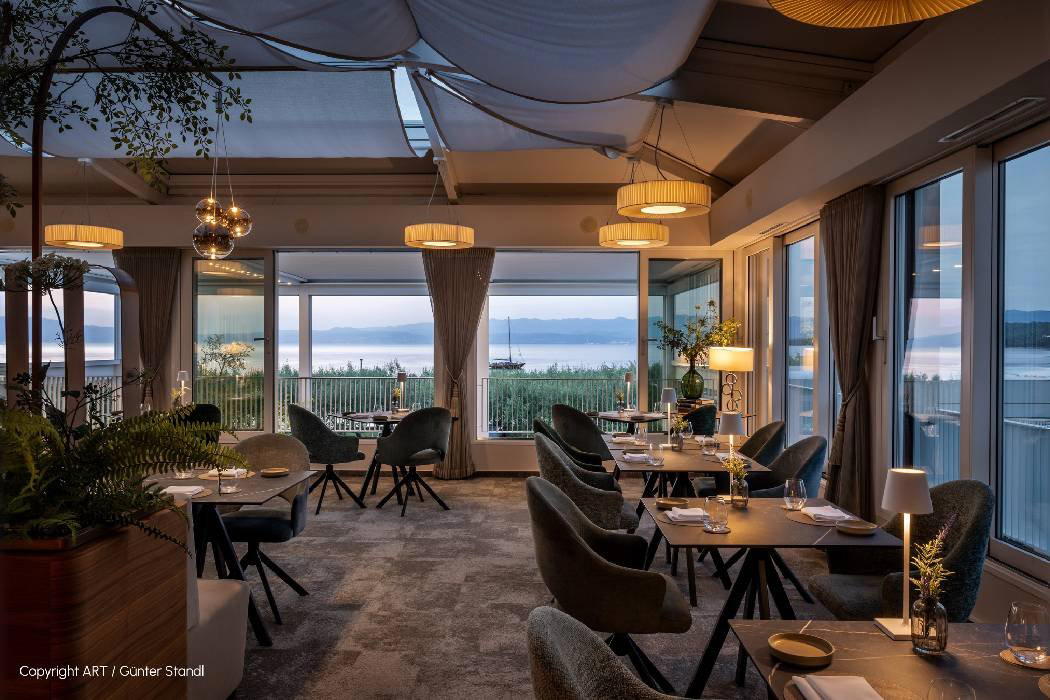
Cozy atmosphere with open-air terrace overlooking the Adriatic Sea, providing a welcoming seaside dining experience.