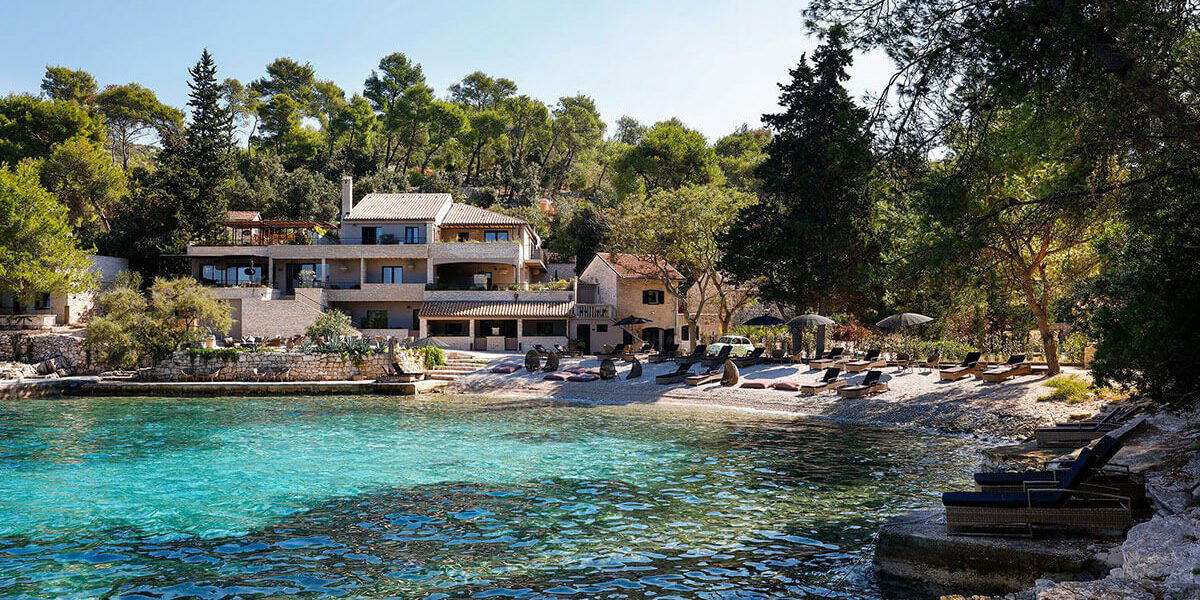
Kastil occupies a stone address at Ul. Radića Frane 1 in Bol, the small Dalmatian town on Brač island best known for Zlatni Rat beach. The building's historic fabric places it within a category of Dalmatian coastal properties where architecture does the heavy editorial lifting, and the surrounding context, ferry connections, Adriatic light, island pace, shapes the experience as much as anything inside.

Pearl is the En Primeur Club membership app, where members save venues, book tables and use the concierge.
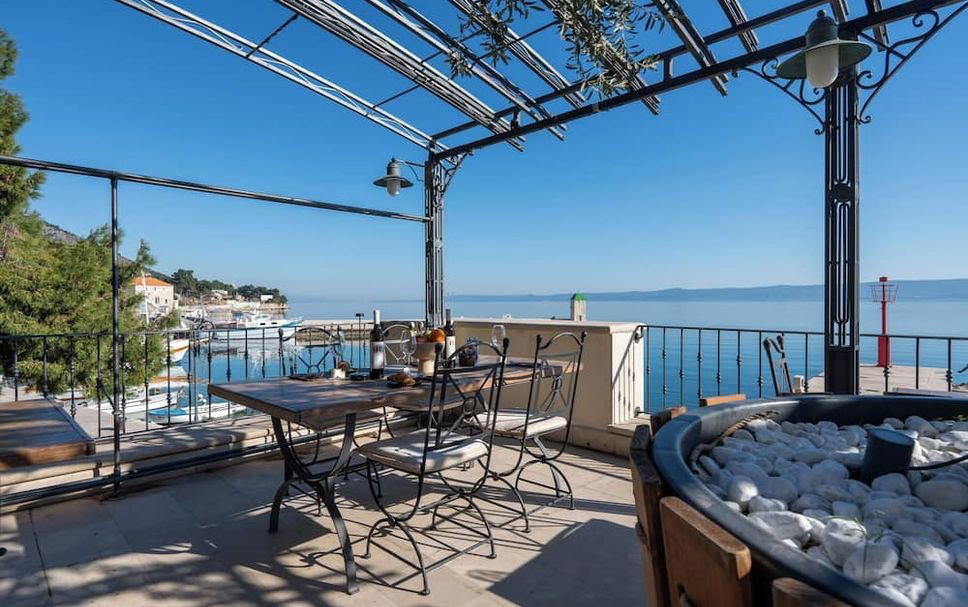
Stone, Salt Air, and the Dalmatian Coastal Vernacular
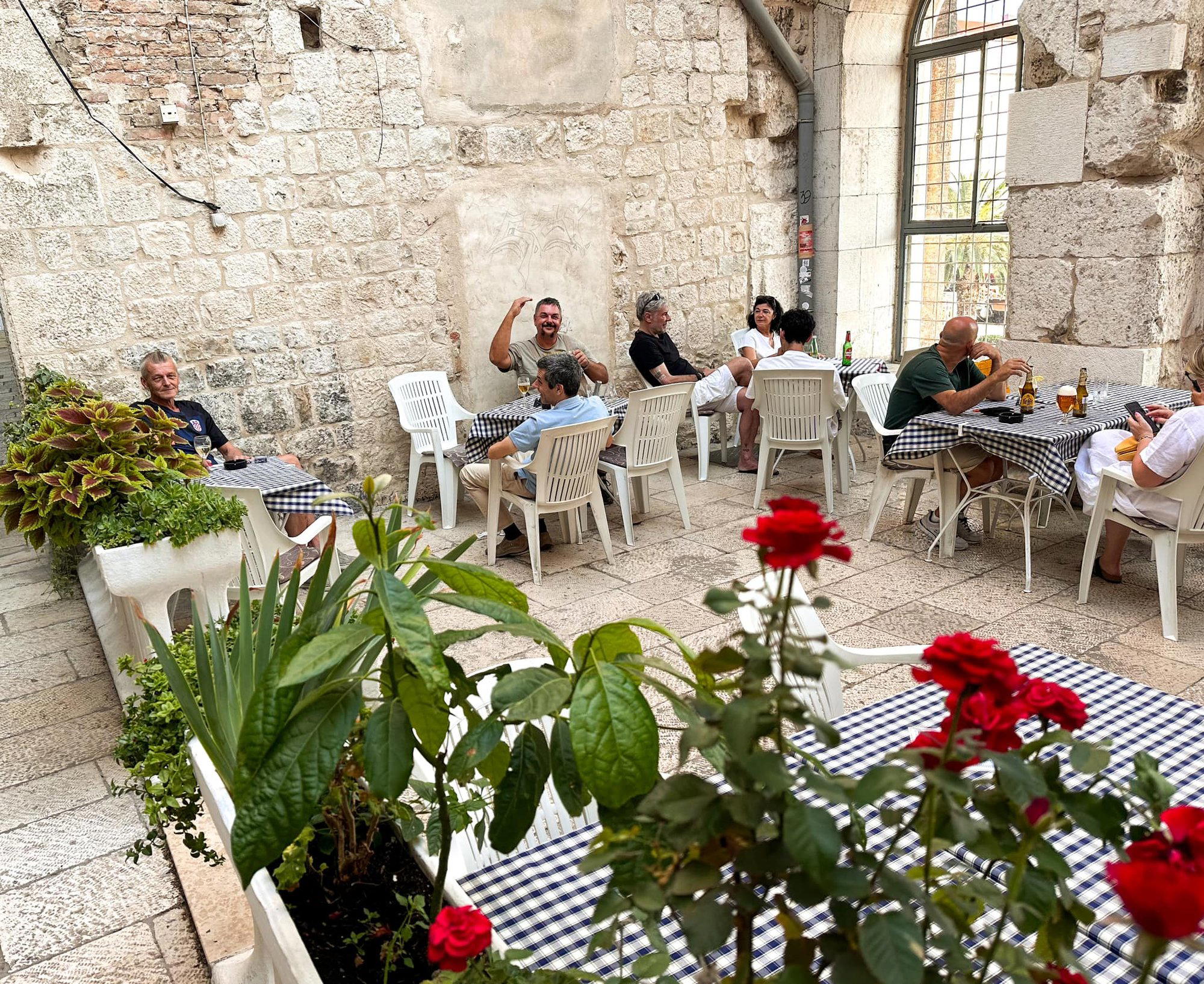
On Brač island, the architecture does most of the talking before you cross any threshold. The island's white limestone, quarried here for centuries and shipped to build Diocletian's Palace in Split and, by some accounts, sections of the White House in Washington, gives Bol's old town its defining material character. Buildings like Kastil, addressed at Ul. Radića Frane 1, sit within that inherited visual language: thick walls, narrow street frontages, and a relationship between interior coolness and exterior heat that no amount of modern climate engineering quite replicates. In a town where the built environment is itself the attraction, a property embedded in original stone fabric occupies a different register than purpose-built resort alternatives elsewhere on the Croatian coast.
This matters because Bol has remained a smaller, more concentrated destination than, say, Hvar Town or Dubrovnik's old city. The pedestrian streets near the harbour move at a different pace, and the scale of the historic core keeps the experience intimate in ways that larger Dalmatian resort towns have largely surrendered. For context on Dalmatian island properties navigating the same tension between heritage architecture and contemporary hospitality, the Lešić Dimitri Palace in Korčula and the Aminess Korčula Heritage Hotel in Curzola represent how island towns with protected historic cores have absorbed premium accommodation within existing building stock rather than expanding outward.
The Physical Context: What Bol's Architecture Communicates
Dalmatian coastal architecture from the medieval and early modern periods was built for a specific climate logic. Walls thick enough to moderate temperature swings between Adriatic summer heat and Bura wind winters. Courtyards and loggias that mediate between public street and private interior. Stone that absorbs and releases warmth on a slow cycle. These aren't aesthetic choices so much as accumulated building intelligence, and they give properties like Kastil a physical presence that newer construction in the same town simply cannot approximate.
The address on Ul. Radića Frane positions Kastil within Bol's old quarter, where the harbour and the Dominikan monastery, founded in 1475, anchor the town's historical geography. The monastery's museum holds one of the more significant Tintoretto paintings on the Dalmatian coast, which gives some indication of the cultural density packed into a town of a few thousand residents. That proximity to established cultural monuments is part of what shapes the atmosphere around properties in this part of Bol: the setting does not need embellishment.
For travellers familiar with how Istrian properties have handled the same inherited stone-building challenge, the Hotel Kastel in Motovun offers a useful inland comparison, while the Hotel Vela Vrata in Pinguente illustrates a similar walled-town context further north. Along the coast, the Palazzo Rainis Hotel & Spa in Novigrad and the Meneghetti Wine Hotel & Winery in Bale show how heritage-building conversions have played out in Istria's premium tier.
Bol as a Destination: What the Town Delivers
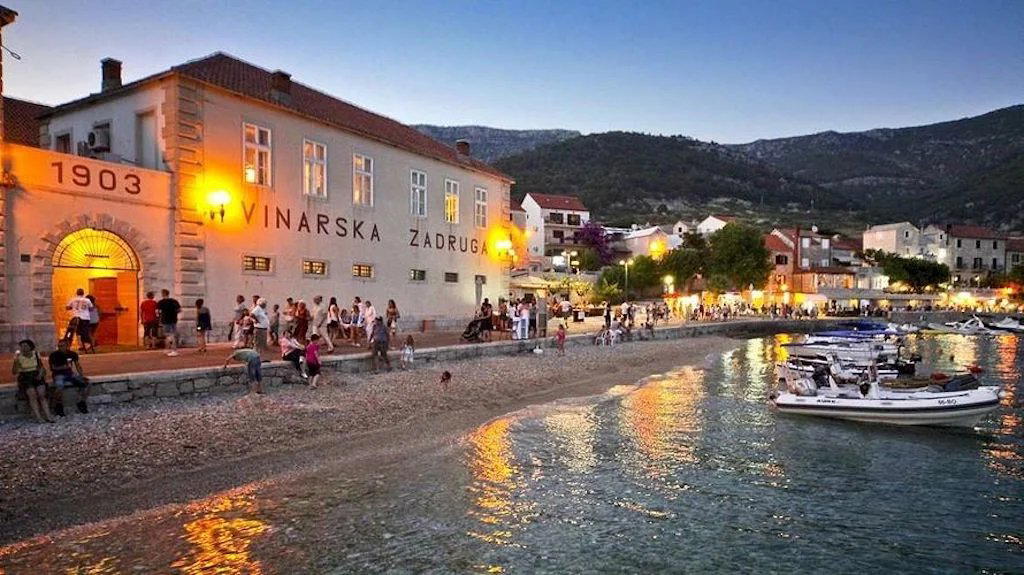
Bol sits on Brač's southern coast, sheltered from the open Adriatic by the island's limestone ridge. The town connects to Split by catamaran ferry, with crossing times that make a day trip viable but also encourage longer stays. Zlatni Rat, the gravel spit that shifts position with seasonal currents and appears in roughly every Croatian tourism photograph taken since the 1980s, lies a short walk west of the old town. The beach's orientation and the reliable afternoon Maestral wind have made Bol one of the more active windsurfing destinations on the Croatian coast, which adds a specific visitor demographic to the town's otherwise quieter summer character.
The dining scene in Bol runs toward Dalmatian seafood preparation: grilled fish, peka-cooked lamb and vegetables, local white wines from the Pošip and Grk grapes grown on neighbouring Korčula, and some local Brač production. The island is not primarily a wine destination, but access to central Dalmatian producers is direct. For travellers whose Croatia itinerary includes multiple islands, the Littlegreenbay Hotel in Hvar and the B&B; Heritage Villa Apolon in Stari Grad on Hvar island sit within easy ferry range of Bol.
The broader Dalmatian coastal circuit that includes Bol typically also draws visitors toward Split as a hub and Dubrovnik as a terminus. The Hotel Ambasador Split in Split and Hotel Kompas Dubrovnik in Dubrovnik represent two anchor points for that itinerary structure. Further north up the coast, properties like the D-Resort Šibenik in Sibenik, Brown Beach House Croatia in Trogir, and Hotel Supetar in Cavtat show how the middle Dalmatian coast has assembled a connected hospitality network. For the full Bol context, see our full Bol restaurants guide.
Planning a Stay in Bol
Bol's peak season runs from late June through August, when catamaran frequency increases and Zlatni Rat draws its largest crowds. The shoulder months of May, early June, and September carry lower visitor volume with largely equivalent weather conditions, and the town's old-quarter character is easier to read when the main beach path is not at capacity. Properties in Bol's historic core, including Kastil at Ul. Radića Frane 1, are leading reached on foot from the ferry dock, as vehicle access to the old town's narrow streets is limited. Booking ahead for the July-August window is standard practice across Brač accommodation in any price tier.
Travellers extending their Croatian itinerary beyond Dalmatia will find a different register of coastal and interior property in Istria: the Grand Park Hotel Rovinj by Maistra Collection in Rovinj, Lone Hotel by Maistra Collection in Rovigno D Istria, Girandella Resort, Valamar Collection in Rabac, Boutique & Design Hotel Navis in Opatija, Boutique Hotel Alhambra in Mali Losinj, Falkensteiner Hotel & Spa Iadera in Petrčane, and LIOQA Resort in Ugljan each operate in distinct coastal and island micro-markets that reward separate itinerary consideration. Zagreb offers a land-based alternative via the Esplanade Zagreb Hotel in Zagreb, one of the country's few properties with genuine pre-war grand-hotel provenance.
Comparable Spots, Quickly
| Venue | Price | Awards |
|---|---|---|
| KastilThis venue (the venue you are viewing) | $100–200 | Not listed |
| Lešić Dimitri Palace | $1,000–1,500 | Relais Chateaux Award |
| Maslina Resort | Not listed | 1 Michelin Key · La Liste Top Hotels |
| Meneghetti Wine Hotel & Winery | Not listed | 1 Michelin Key · La Liste Top Hotels |
| Villa Korta Katarina & Winery | Not listed | 1 Michelin Key · Relais Chateaux Award |
| Grand Park Hotel Rovinj by Maistra Collection | $300–500 | 1 Michelin Key · World's 50 Best #48 |
Continue exploring
More in Bol
Hotels in Bol
All hotels in Bol →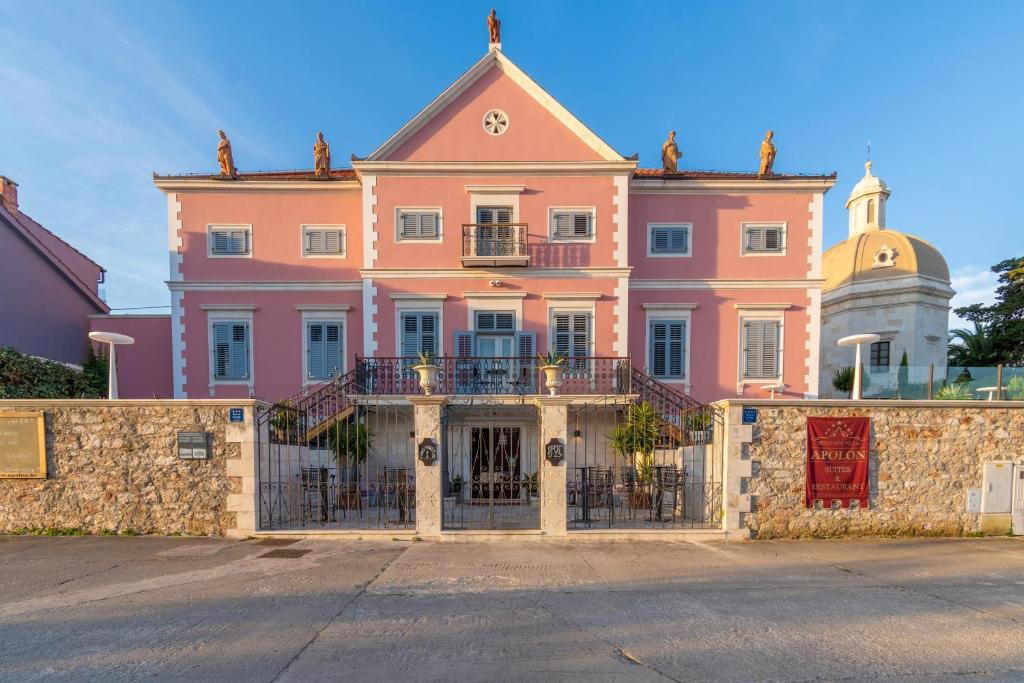
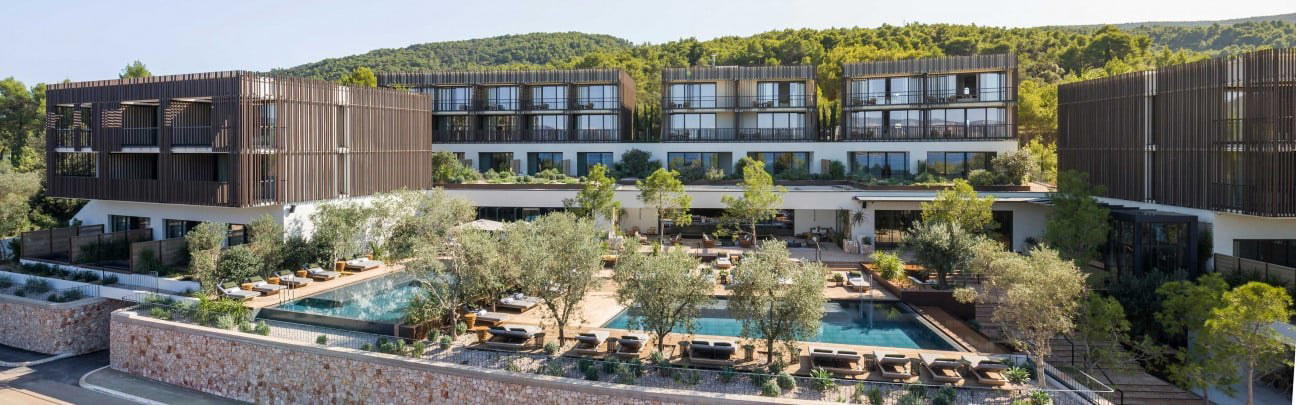
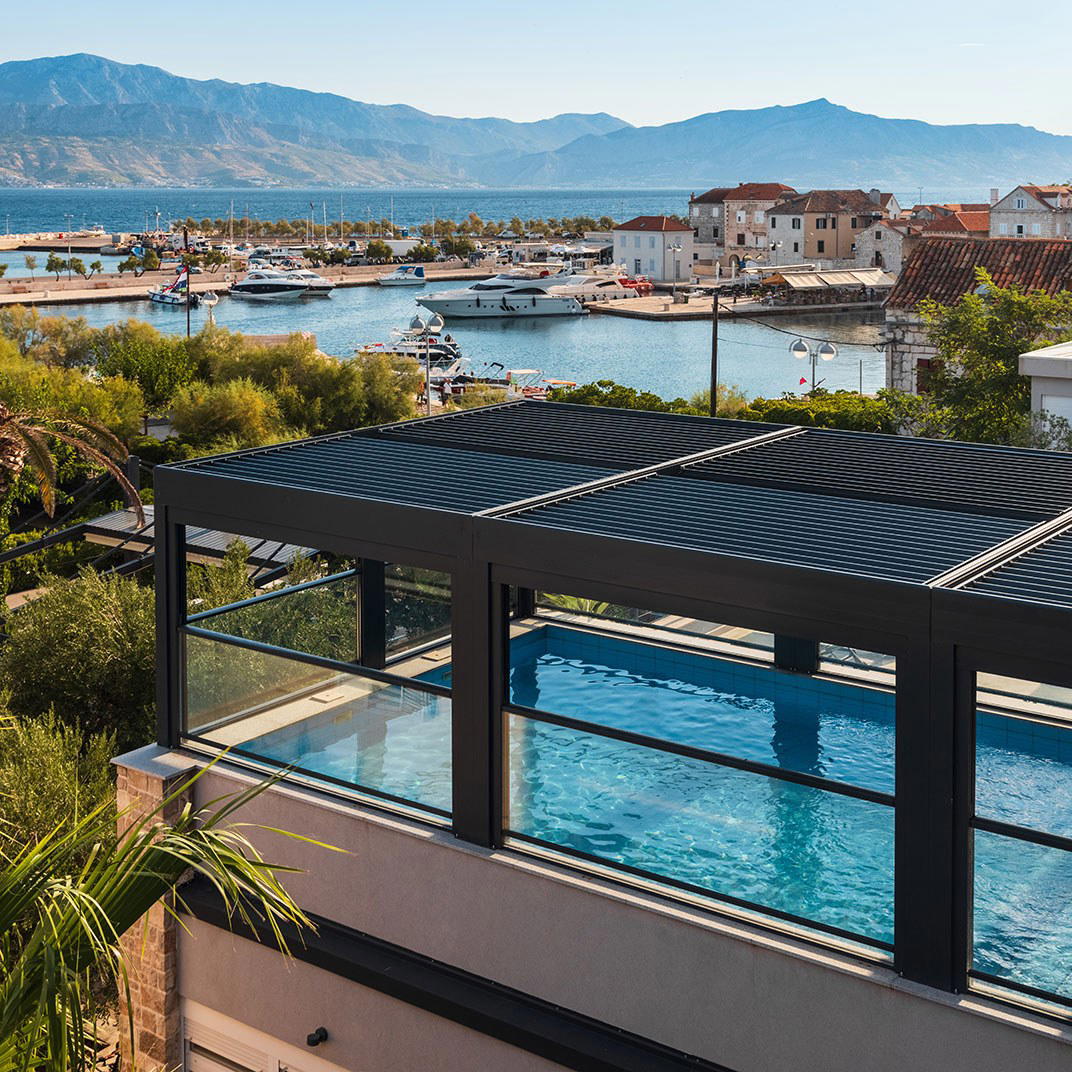
Bars in Bol
Browse all →

Details
- Romantic
- Classic
- Scenic
- Cozy
- Romantic Getaway
- Weekend Escape
- Beachfront
- Terrace
- Historic Building
- Wi Fi
- Restaurant
- Beach Access
- Air Conditioning
- Bar
- Waterfront
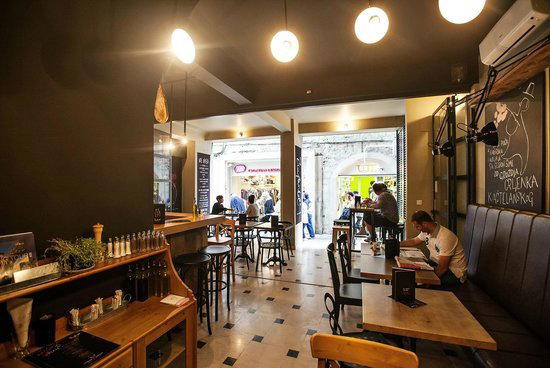
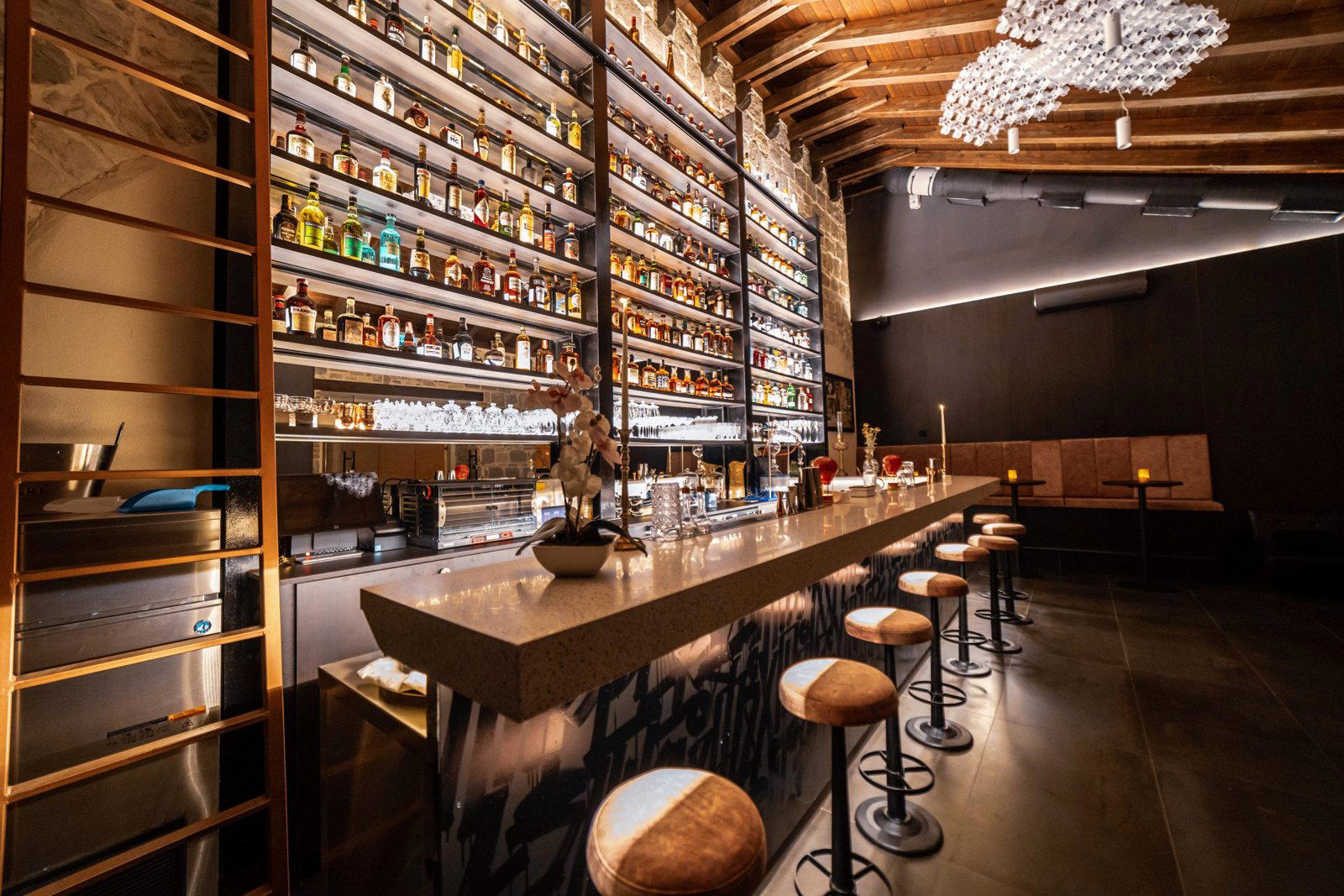
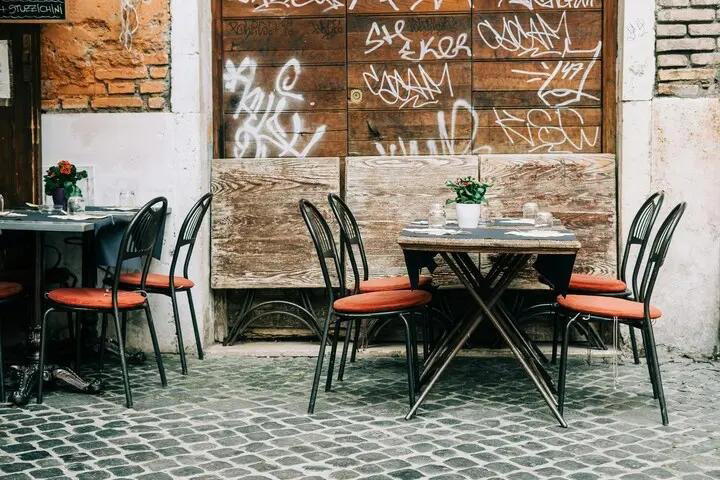
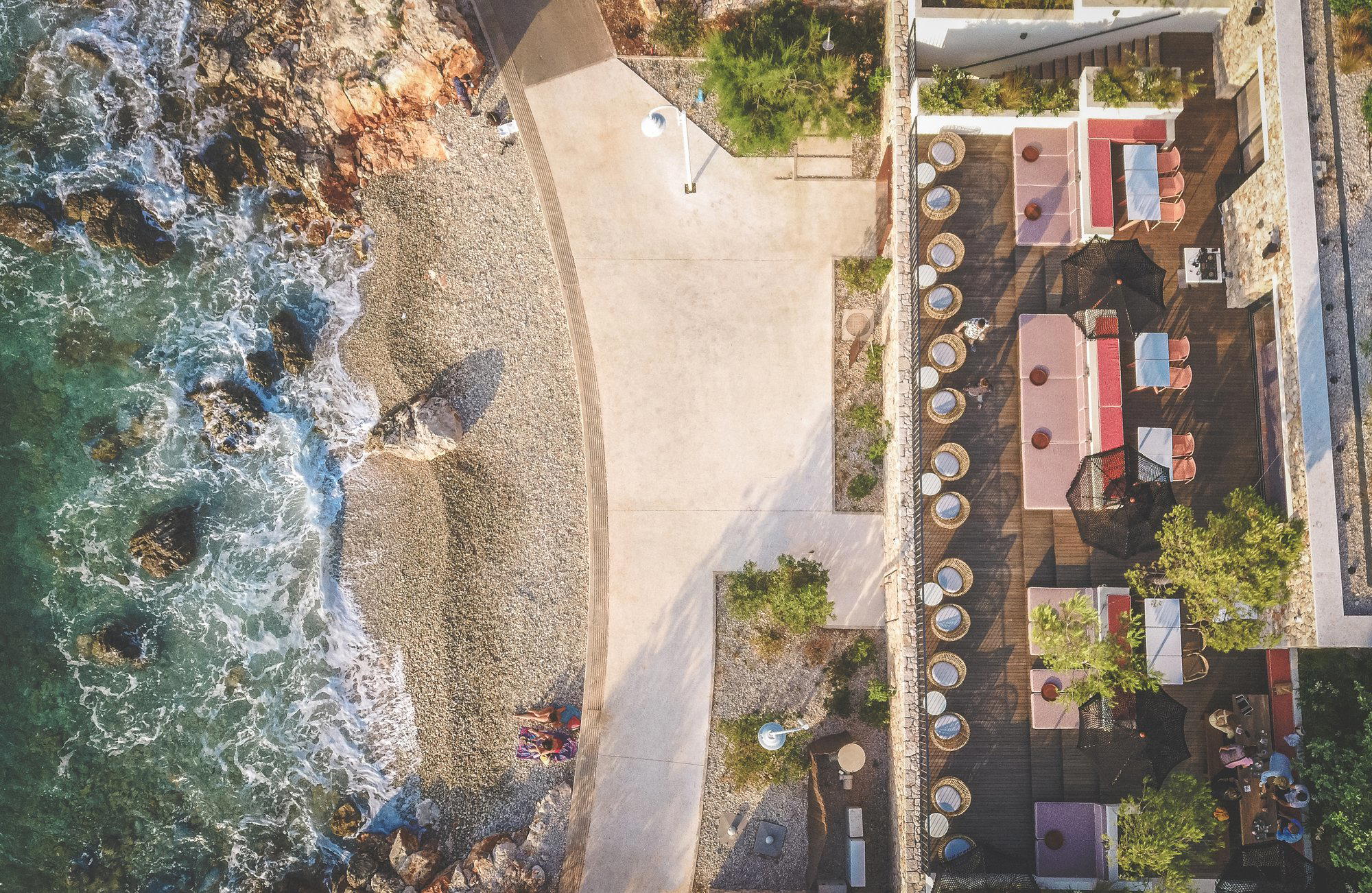
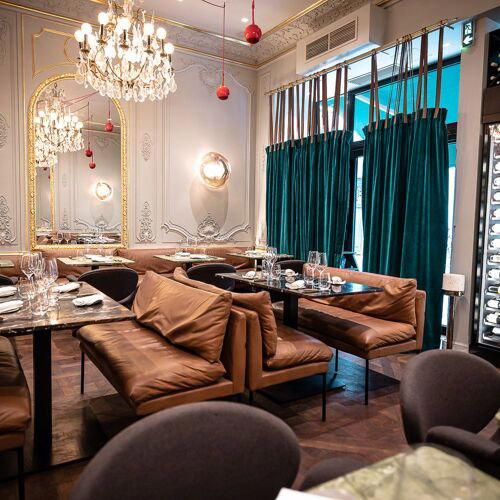
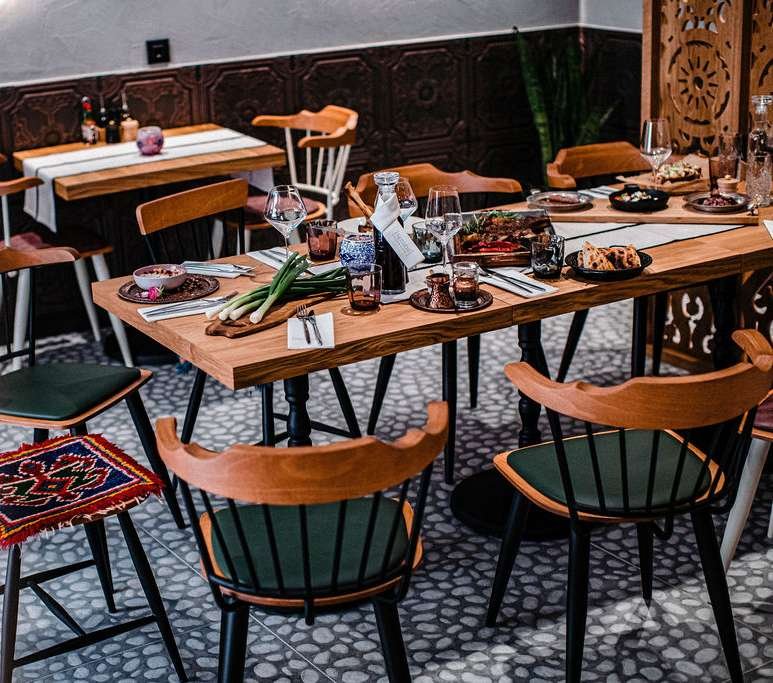
Charming historic atmosphere with modern renovated interiors and lively terrace overlooking the sea.