On a quiet street inside Split's Diocletian's Palace district, Oš Kolač occupies a niche that few Croatian cities have developed with any seriousness: the standalone artisan pastry shop. While the city's restaurant scene skews toward Adriatic seafood and Dalmatian meat dishes, this address at Ćirila i Metoda 4 operates in the smaller, more deliberate category of craft baking and cake-making.
Pearl is the En Primeur Club membership app — saves, bookings, and concierge access live there. Same editors, same standards.
- Address
- Ćirila i Metoda 4, 21000, Split, Croatia
- Phone
- +38521480444
- Website
- oskolac.hr
- Directions
- Get directions
 Saves & bookings on Pearl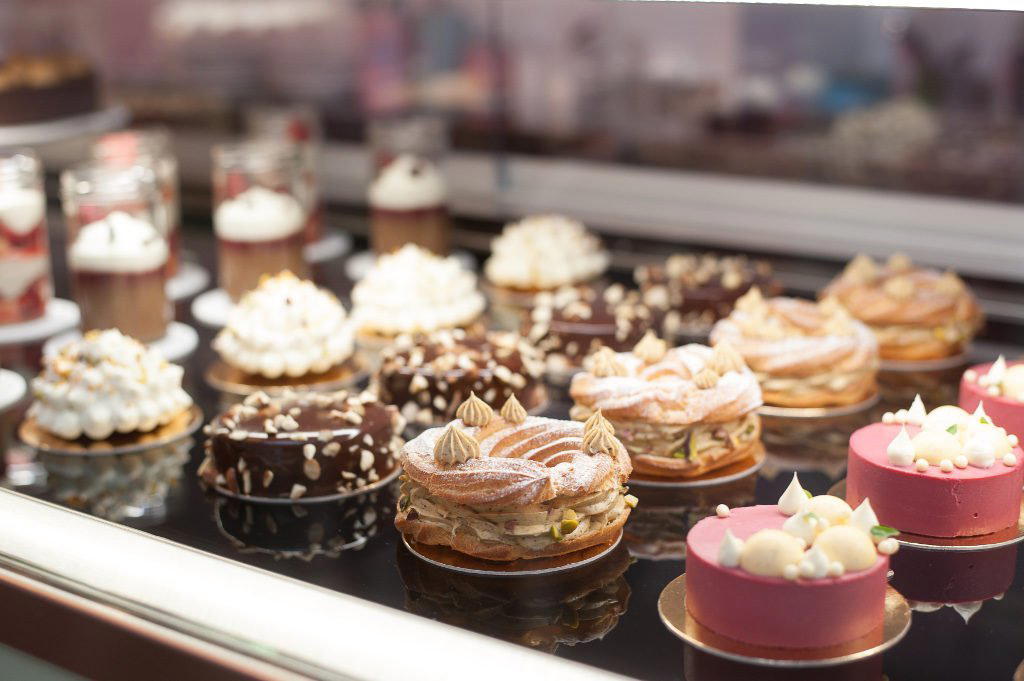
Where Split's Pastry Culture Finds a Fixed Address
Oš Kolač - Artisan Cakes and Pastries is a pastry shop in Split, Croatia, specialising in artisan cakes and pastries rooted in Dalmatian confectionery tradition. Split's dining scene has expanded considerably over the past decade, with Mediterranean restaurants like Krug (Mediterranean Cuisine) and Adriatic anchoring a more confident upper tier, and casual operators like Bokamorra and Bajamonti POP filling in the social dining middle. What is harder to find is a specialist, a shop that has staked its identity entirely on cakes and pastries rather than folding them into a broader café or restaurant format.
Oš Kolač, at Ćirila i Metoda 4 in the 21000 postcode, operates inside that gap. The address places it close to the Roman walls of Diocletian's Palace, the dense medieval core that defines central Split and concentrates foot traffic from both residents and visitors. In a neighbourhood where most ground-floor units have gravitated toward konoba dining or tourist-facing souvenir retail, a dedicated artisan cake shop represents a different kind of commercial commitment, one that depends on repeat local custom as much as passing trade.
The Physical Container and What It Signals
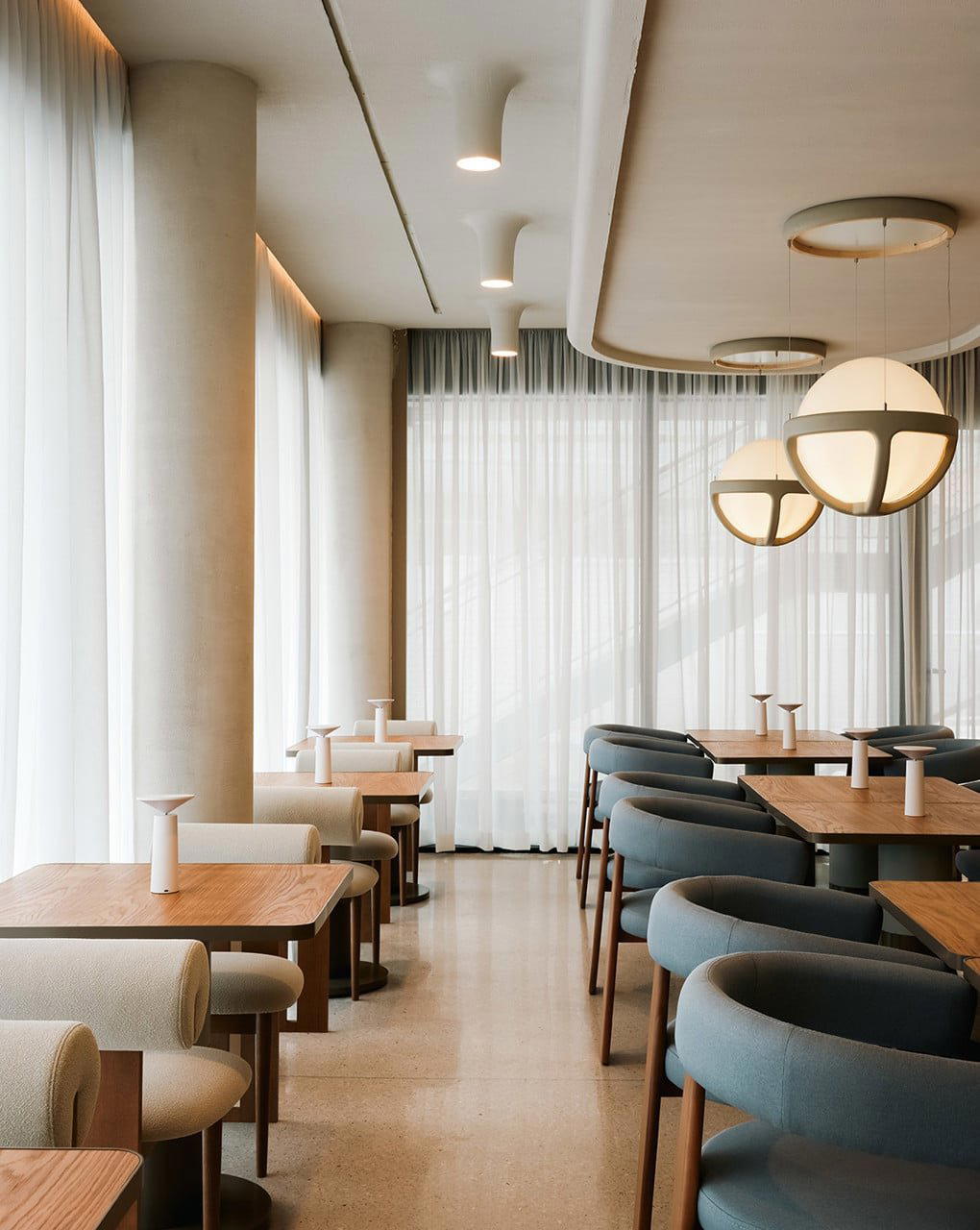
The design logic of a small artisan pastry shop communicates something before a single product is tasted. In the European tradition of specialist pâtisseries, from Viennese konditoreis to the cake counters of Zagreb's older cafés, the spatial arrangement is itself an argument about seriousness. Display cases are edited rather than overloaded. Surfaces tend toward clean lines. The work on show is meant to be read slowly, not grabbed in passing.
This format places Oš Kolač in a different visual register from the broad-menu cafés that populate Diocletian's Palace and the Riva promenade. Where a standard café signals abundance and informality, the artisan shop signals selection and craft. That distinction matters in Split, where the tourist-facing hospitality infrastructure has historically prioritized volume over specialism. The concentrated focus on cakes and pastries, communicated through the name itself, which translates directly as the imperative to eat cake, sets expectations clearly from the street.
The intimacy that tends to define shops of this type, with limited counter space and a small number of available products on any given day, creates a different rhythm from restaurant dining. There is no service choreography, no progression through courses. The transaction is quick; the attention required to choose is not. That kind of deliberate slowness in selection is a signal of where artisan cake shops sit relative to their broader category: closer to a specialist wine merchant or a single-origin coffee bar than to a conventional patisserie chain.
Split's Broader Sweet Spot
Dalmatian culinary tradition has its own confectionery lineage, shaped by centuries of Venetian influence, Ottoman proximity, and a coastal pantry that prizes almonds, citrus, figs, and honey. The region's heritage sweets, rozata from Dubrovnik, paprenjaci from further inland, the almond-heavy kolačići that appear at celebrations, represent a distinct local vocabulary that sits somewhat apart from the Central European cake tradition that dominates Zagreb's café culture. An artisan cake shop in Split operates at the intersection of those two inheritances, and how it resolves that tension is part of what defines its editorial identity.
Across Croatia, seriously regarded dining addresses have clustered around a handful of recognizable names. Pelegrini in Sibenik and Restaurant 360 in Dubrovnik represent the Adriatic coast's fine-dining ceiling, while Dubravkin Put in Zagreb and Agli Amici Rovinj in Rovinj anchor the inland and Istrian ends of the country's premium dining map. The artisan pastry category sits outside this formal restaurant tier entirely, it does not compete on tasting menus or Michelin recognition, but it occupies an equally considered niche within the daily life of a city. A well-executed cake shop often develops a loyalty that few restaurants can match, simply because it becomes part of the routine rather than the occasion.
In Split specifically, the presence of a dedicated artisan cake address at Ćirila i Metoda 4 reflects a wider shift in the city's relationship with specialist food retail. The same movement that has produced independent coffee roasters and single-product food shops in Rijeka, Zagreb, and coastal towns like Bol, where BioMania Bistro Bol demonstrates the appetite for ingredient-led formats, is beginning to take hold in Split's old town. Bistro Noir in Split represents another facet of this more considered eating culture.
Planning Your Visit
Ćirila i Metoda 4 sits within walking distance of the central palace district, making it accessible as part of any morning or afternoon circuit of the old town. Given the shop's format, small-batch production, edited daily selection, arriving earlier in the day tends to ensure the widest available range. As with most specialist artisan producers, supply governs the offer rather than fixed menus, so the available products reflect what has been made that day. No booking is required or possible for a counter-service shop of this type. Prices are about $12 per person.
The Essentials
Comparable venues nearby, for context on price, style, and recognition.
| Venue | Cuisine | Price | Notes |
|---|---|---|---|
| Oš Kolač - Artisan Cakes and PastriesThis venue — the venue you are viewing | Not listed | $$ | Not listed |
| Zona | Bačvice, Mediterranean & Croatian | $$ | Not listed |
| Villa Spiza | Old Town, Dalmatian Home Cooking | $$ | Not listed |
| TRITON | Split, Modern Dalmatian Mediterranean | $$$ | Not listed |
| Konoba Korta | Not listed | $$ | Diocletian's Palace, Traditional Dalmatian Seafood |
| Makarun | Not listed | $$$ | Diocletian's Palace, Dalmatian Mediterranean Seafood |
Continue exploring
More in Split
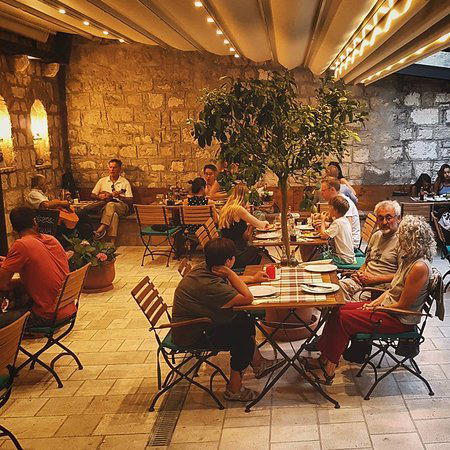
Restaurants in Split
Browse all →
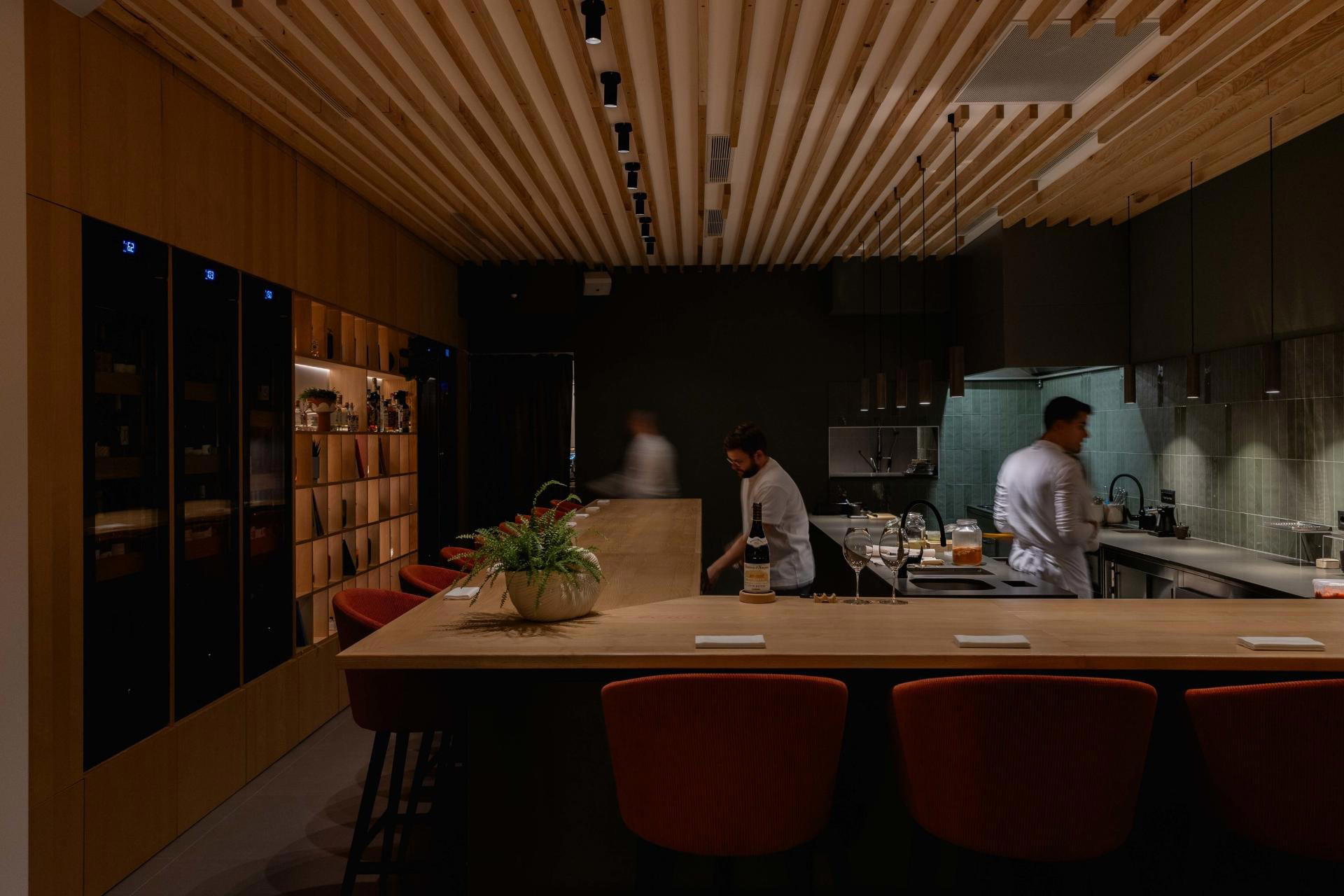
Bars in Split
Browse all →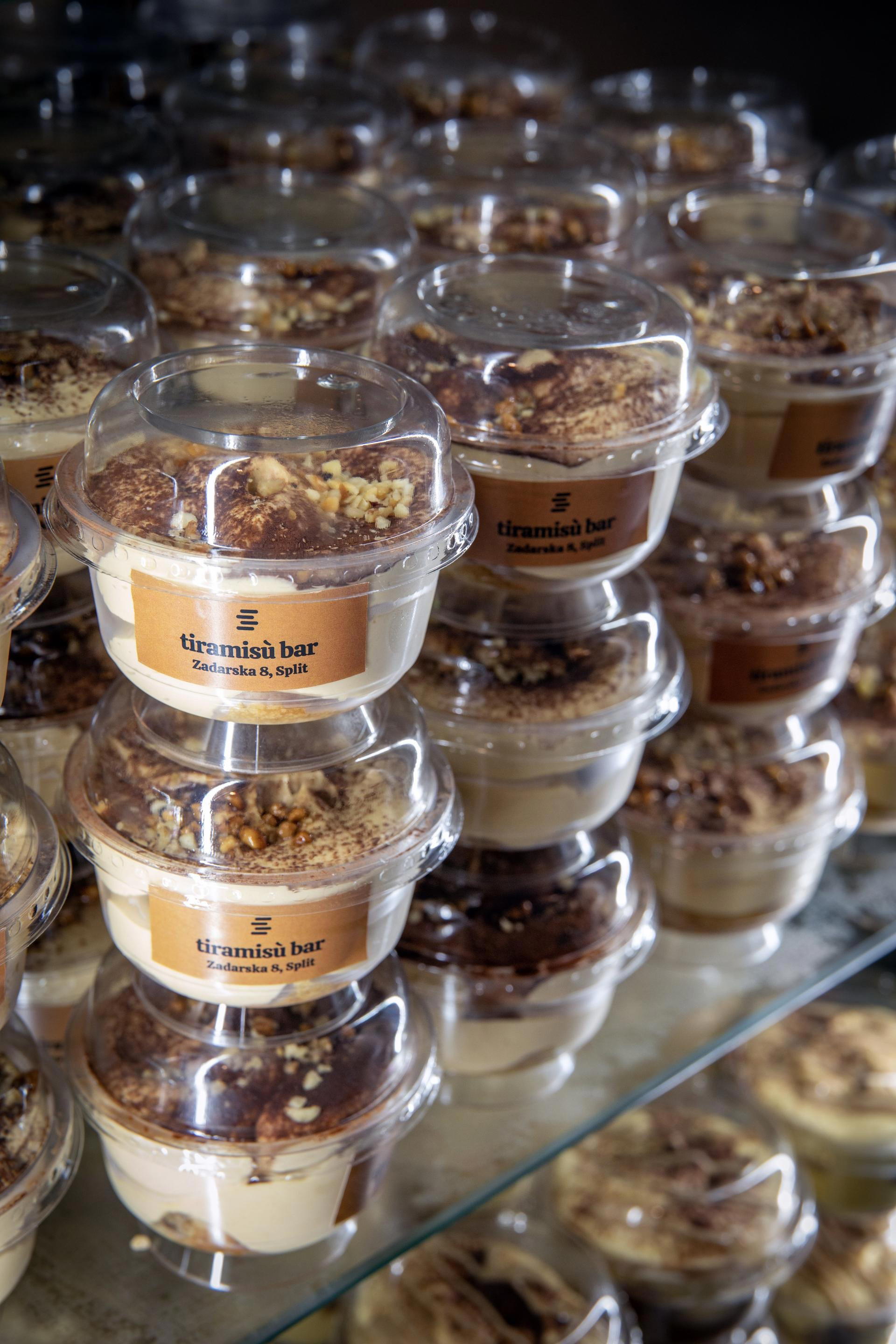
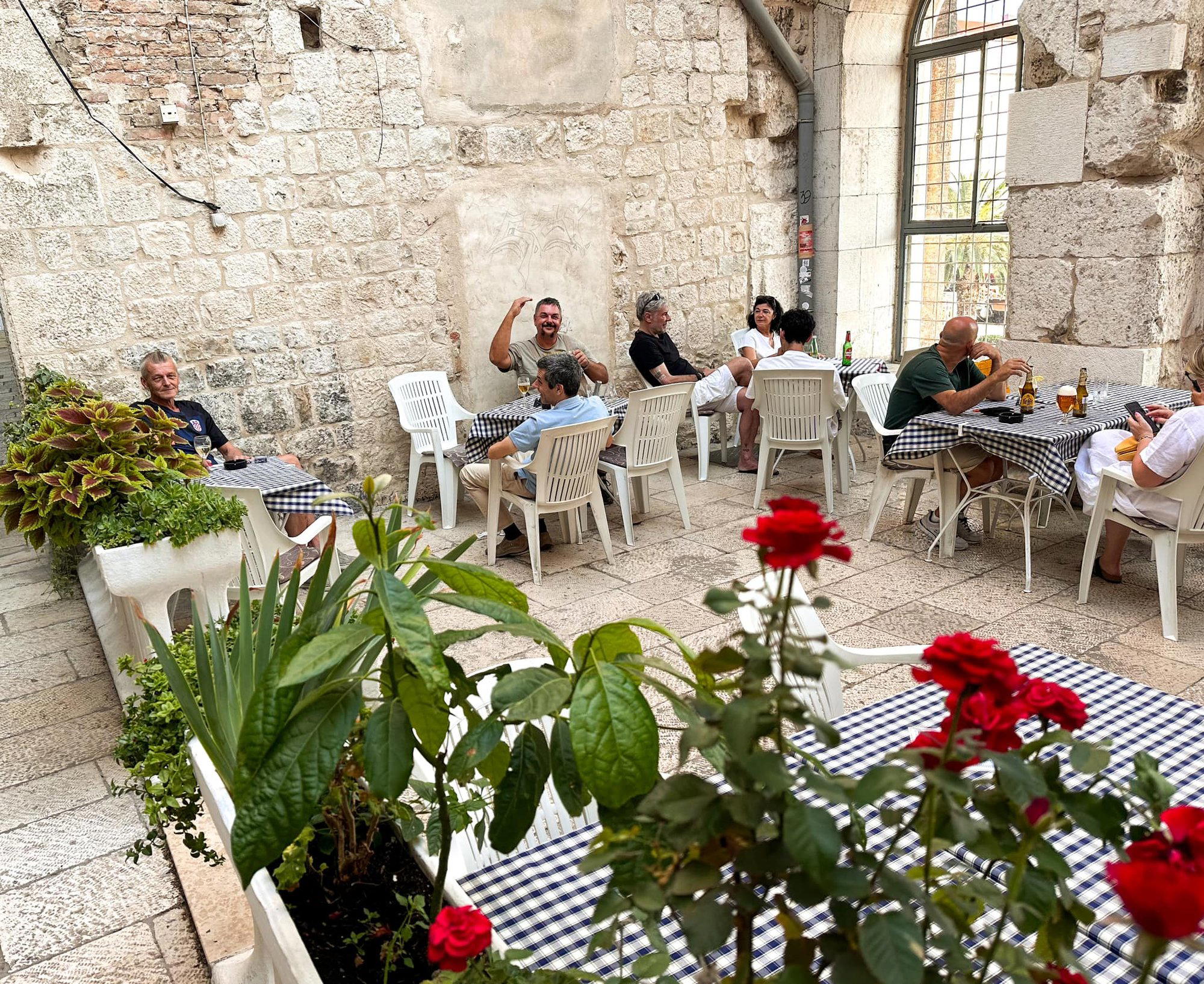
Hotels in Split
Browse all →


At a Glance
- Cozy
- Modern
- Intimate
- Elegant
- Casual Hangout
- Brunch
- Solo
- Standalone
- Design Destination
- Local Sourcing
Current opening hours
- Monday
- Closed
- Tuesday
- 10 AM–6 PM
- Wednesday
- 10 AM–6 PM
- Thursday
- 10 AM–6 PM
- Friday
- 10 AM–6 PM
- Saturday
- 10 AM–6 PM
- Sunday
- Closed
Hours can change for holidays and private events. Last verified .
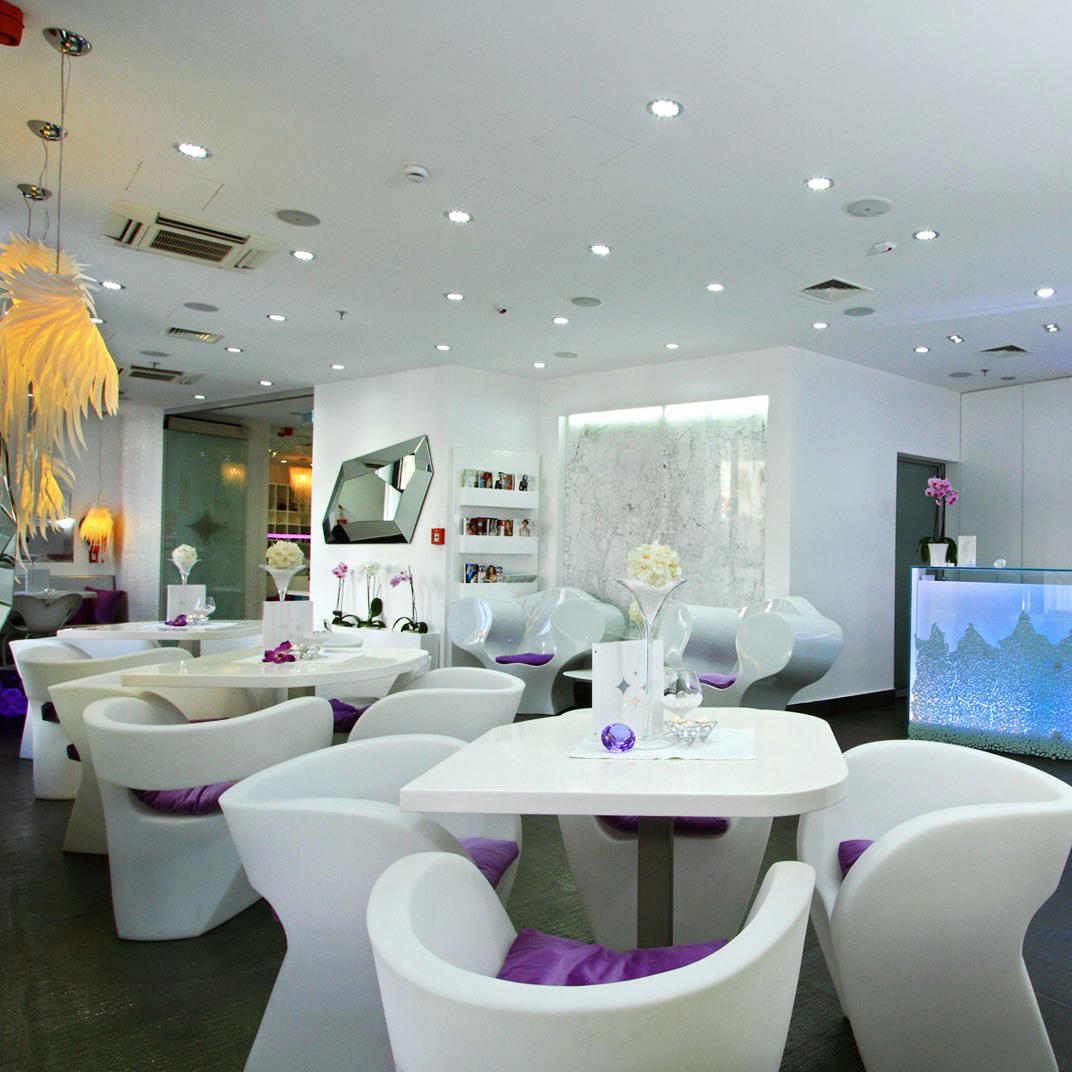
Chic, refined interior with attention to detail in both design and presentation; warm and welcoming atmosphere enhanced by fresh-baked pastries and quality coffee service.