König occupies a quiet address on Servitengasse in Vienna's 9th district, a neighbourhood where the gap between everyday Beisl culture and serious cooking has been narrowing for years. The kitchen works within the Austrian tradition of ingredient-led cooking, placing it in a comparable set defined less by formal ceremony than by what actually arrives on the plate. For Vienna dining beyond the established centre, it merits attention.
Pearl is the En Primeur Club membership app — saves, bookings, and concierge access live there. Same editors, same standards.
- Address
- Servitengasse 6, 1090 Wien, Austria
- Phone
- +436648450451
- Website
- koenigswelt.at
- Directions
- Get directions
 Saves & bookings on Pearl
Servitengasse and the Case for the 9th District
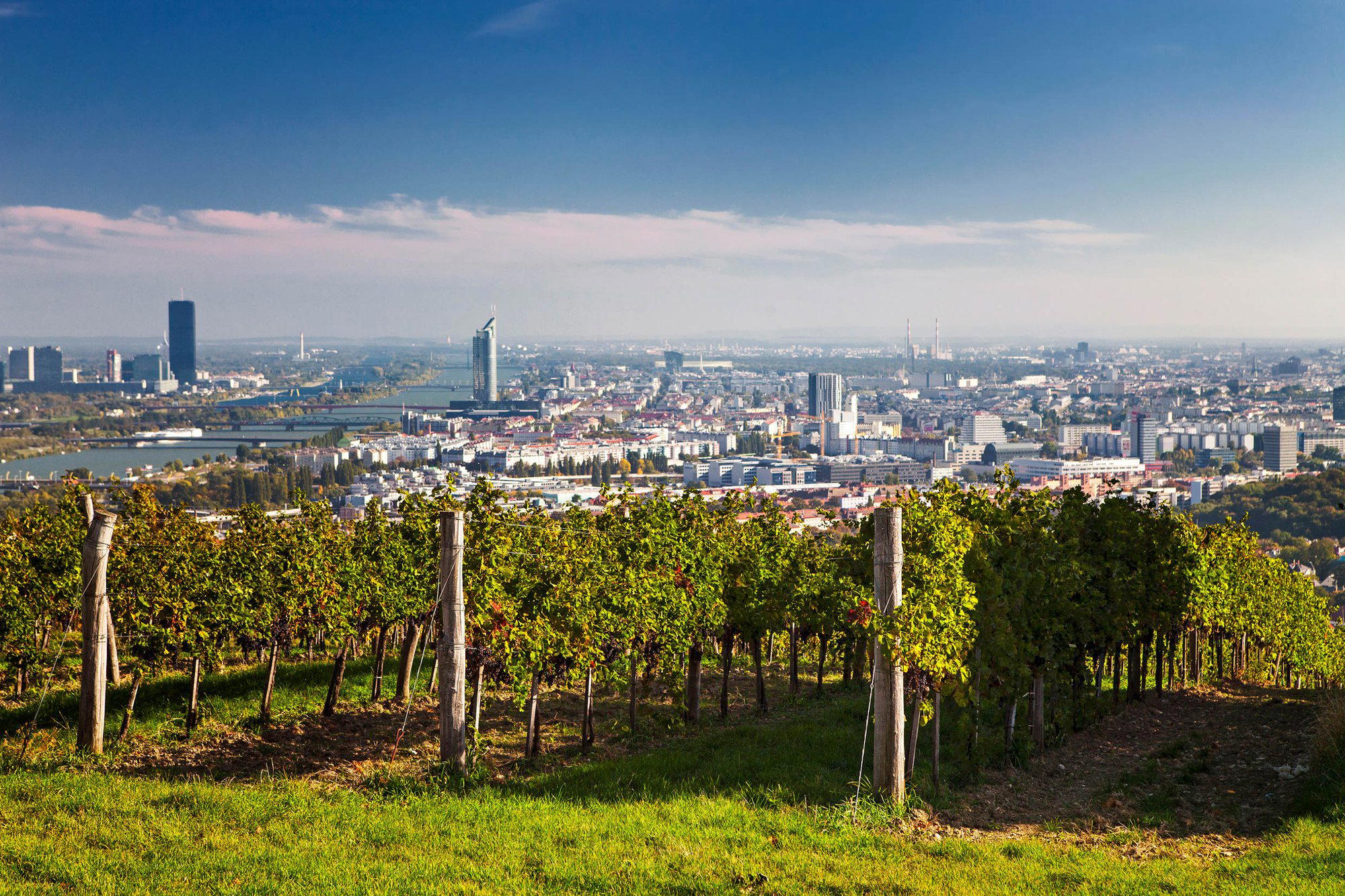
König is a traditional Austrian restaurant at Servitengasse 6 in Vienna's 9th district. But the 9th district, Alsergrund, has been building a parallel argument for years. Servitengasse runs through one of its quieter residential sections, a street of old apartment facades and corner shops that has not been remade for tourism. König sits within that texture rather than against it, which is partly what makes it worth locating.
This part of the city draws a local clientele by default. There is no Ringstrasse backdrop, no grand park entrance, no architectural statement to pull in visitors who are simply walking past. The restaurants that hold an audience here do so on the strength of what they serve, not where they are placed on a map. That dynamic shapes expectations in a useful way: the room is not performing for anyone.
The Austrian Sourcing Tradition and What It Actually Means
Austrian cooking at its most serious is fundamentally a sourcing discipline. The country's geography, alpine meadows, cold lakes, river valleys, forest edges, produces ingredients that carry distinct character: mountain cheeses with a longer aging window than their lowland equivalents, river fish from the Danube system with a cleaner, cooler-water flavour profile, game from managed alpine hunts, and vegetables grown at altitude where shorter seasons concentrate sugars differently. Kitchens that take this seriously organise their menus around availability rather than consistency, which means the dish you order in October will not be the dish on the menu in March.
This approach puts König in the same broad current as places like Mraz & Sohn and Amador, where the sourcing decision precedes the cooking decision rather than following it. It also connects the Vienna scene to a wider Austrian conversation about regional identity on the plate, a conversation that runs from the Wachau valley, where Landhaus Bacher in Mautern an der Donau has long anchored serious regional cooking, to Salzburg and its surrounds, where restaurants like Obauer in Werfen and Ikarus in Salzburg operate within the same ingredient-first framework.
The alps amplify this logic further out. Addresses such as Döllerer in Golling an der Salzach, Griggeler Stuba in Lech, and Gourmetrestaurant Tannenhof in Sankt Anton am Arlberg have built their identities almost entirely around proximity to specific producers, forests, and pastures. The alpine sourcing story is not a marketing frame in these kitchens; it is the structural logic of the menu. König, operating at street level in central Vienna, draws on the same tradition from an urban position, which means the sourcing relationship runs outward from the city rather than beginning in a mountain valley.
Where König Sits in Vienna's Current Tier Structure
Vienna's restaurant market has stratified noticeably over the past decade. At the leading, a small group of multi-awarded kitchens operates at price points and formality levels that position them against international fine dining rather than local competition. Below that, a wider middle tier has fragmented: some restaurants chase a creative-casual format, others hold to Beisl conventions, and a smaller group occupies the space that is sometimes called neighbourhood fine dining, technically accomplished, ingredient-serious, but without the ceremony or the price premium of the leading bracket.
König appears to belong to that third group. Servitengasse is not a destination address in the way that the inner city is, and the 9th district audience is not looking for spectacle. The comparison set is closer to Doubek than to the full formal programmes at Mraz & Sohn, which operates with Michelin recognition and a longer tasting menu structure. That positioning is not a limitation. Kitchens in this tier often produce more direct cooking: fewer garnishes making the ingredient do more of the explanatory work, less ceremony around the sequence, more room for the kind of spontaneous adjustment that sourcing-driven menus require when a supplier delivers something unexpected.
For international context, the gap between this tier and the leading of Vienna's scene is narrower than equivalent gaps in cities like New York, where the distance between a neighbourhood restaurant and a destination like Le Bernardin or Atomix involves a complete shift in format, investment, and expectation. Vienna's mid-tier is closer to the ceiling than in most comparably sized cities, partly because Austrian hospitality culture has historically demanded a higher baseline of cooking quality even in informal settings.
What the Sourcing Angle Means for the Plate
Ingredient-led kitchens in the Austrian tradition rarely explain themselves through elaborate technique. The argument is in the produce. A kitchen working with a named mountain dairy or a specific Danube tributary fishery is making a statement about traceability before the plate arrives, and the cooking tends to respect that by not obscuring the ingredient's inherent character. Preparations lean toward those that reveal rather than transform: careful heat, restraint with accompaniment, preference for textures that preserve the original structure of the protein or vegetable.
This is why the sourcing conversation matters as an editorial frame rather than a background detail. A menu built this way shifts with the calendar in ways that are not cosmetic. Autumn in Vienna means game, mushrooms, and the end of the stone fruit season. Winter tightens the vegetable range and pushes kitchens toward preserved and fermented elements, a tradition that runs deep in central European cooking and appears in various forms across the Austrian scene, from the herb-focused work at Kräuterreich by Vitus Winkler in Sankt Veit im Pongau to the mountain-valley cooking at Schwarzer Adler in Hall in Tirol and the focused regional programme at Ois in Neufelden. Visiting König without awareness of the seasonal moment is visiting with partial information.
Planning a Visit
König is located at Servitengasse 6 in Vienna's 9th district, Alsergrund. The address is accessible from the Schottenring U-Bahn station or by tram along Währinger Strasse. König is recommended for reservations and follows these regular hours: Monday closed, Tuesday through Friday 10 AM to 10 PM, Saturday 10 AM to 5 PM, and Sunday closed. The 9th district rewards arriving with time to walk the area before or after; the Servitenkirche square is within a short distance and the neighbourhood has enough independent character to occupy an hour without difficulty.
Quick reference: Servitengasse 6, 1090 Vienna, 9th district (Alsergrund). Reservations are recommended.
Reputation First
Comparable venues nearby, for context on price, style, and recognition.
| Venue | Cuisine | Price | Notes |
|---|---|---|---|
| KönigThis venue — the venue you are viewing | Traditional Austrian | $$ | Not listed |
| Ludwig & Adele | Modern Austrian | $$ | Staatsoper |
| DAS BISTRO | Austrian Bistro | $$ | Alsergrund |
| Porzellan | Modern Austrian Lounge | $$ | Inner City |
| Rhythms | Austrian with International Fusion | $$ | Mariahilf |
| Schlossquadrat | Viennese Beisl & Italian Pizzeria | $$ | Margareten |
Continue exploring
More in Vienna
Restaurants in Vienna
Browse all →
Bars in Vienna
Browse all →
Hotels in Vienna
Browse all →
At a Glance
- Classic
- Elegant
- Dinner
- Historic Building
- Hotel Restaurant
- Street Scene
Current opening hours
- Monday
- Closed
- Tuesday
- 10 AM–10 PM
- Wednesday
- 10 AM–10 PM
- Thursday
- 10 AM–10 PM
- Friday
- 10 AM–10 PM
- Saturday
- 10 AM–5 PM
- Sunday
- Closed
Hours can change for holidays and private events. Last verified .
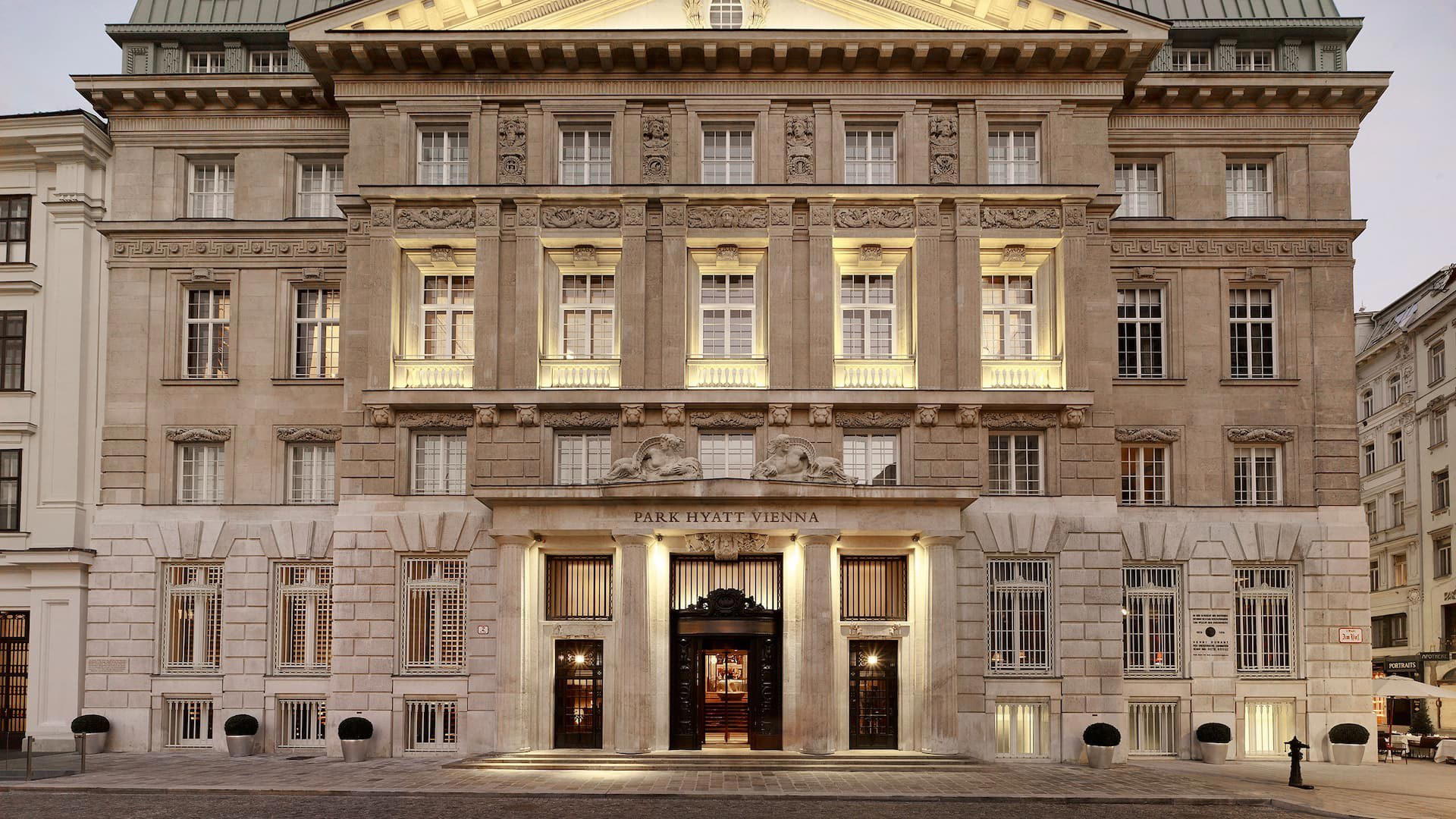
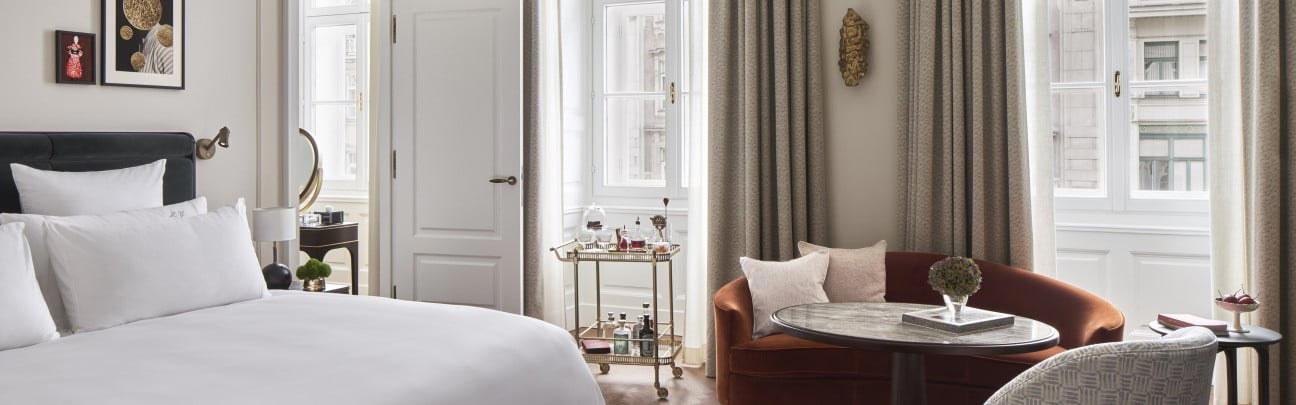
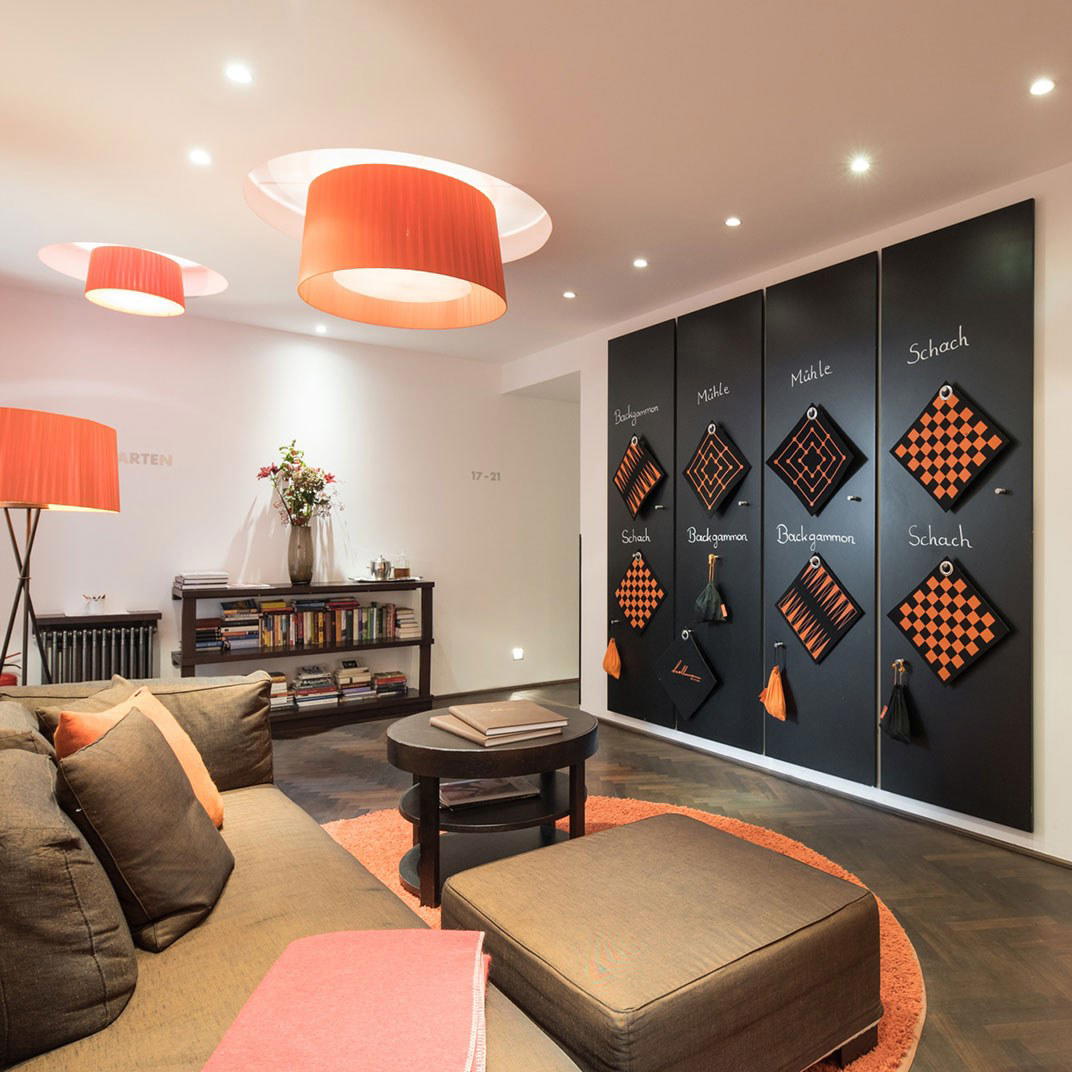
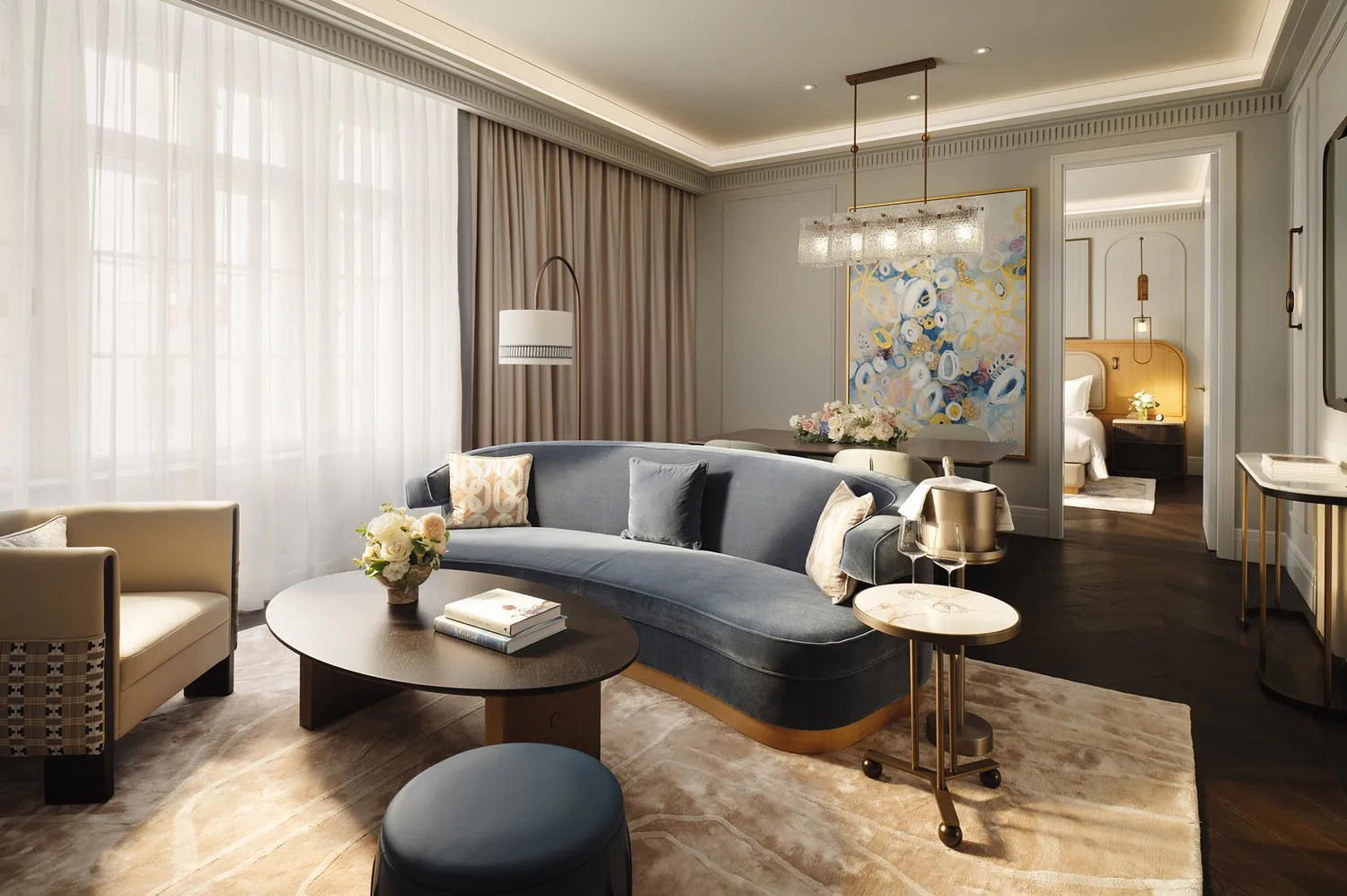
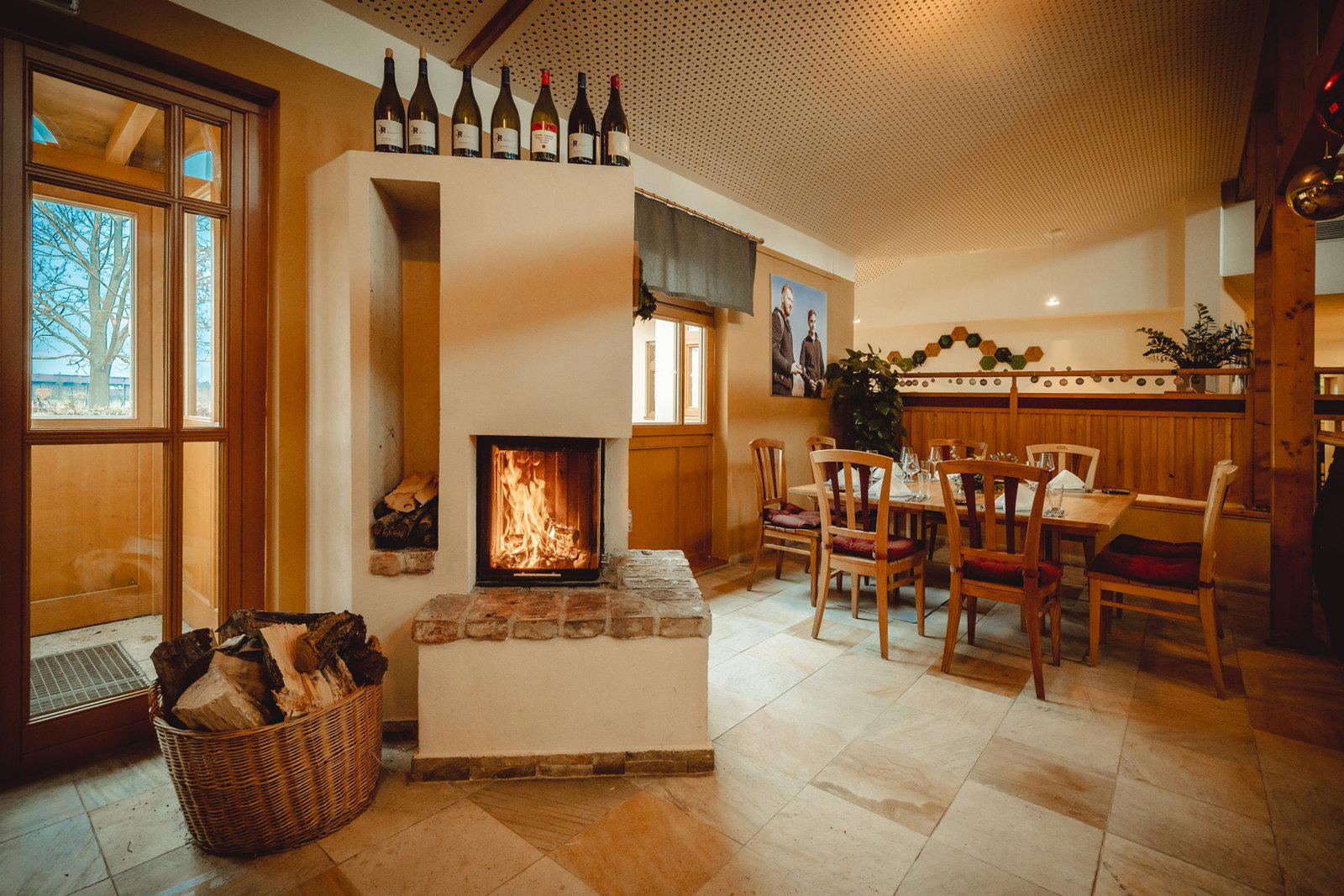
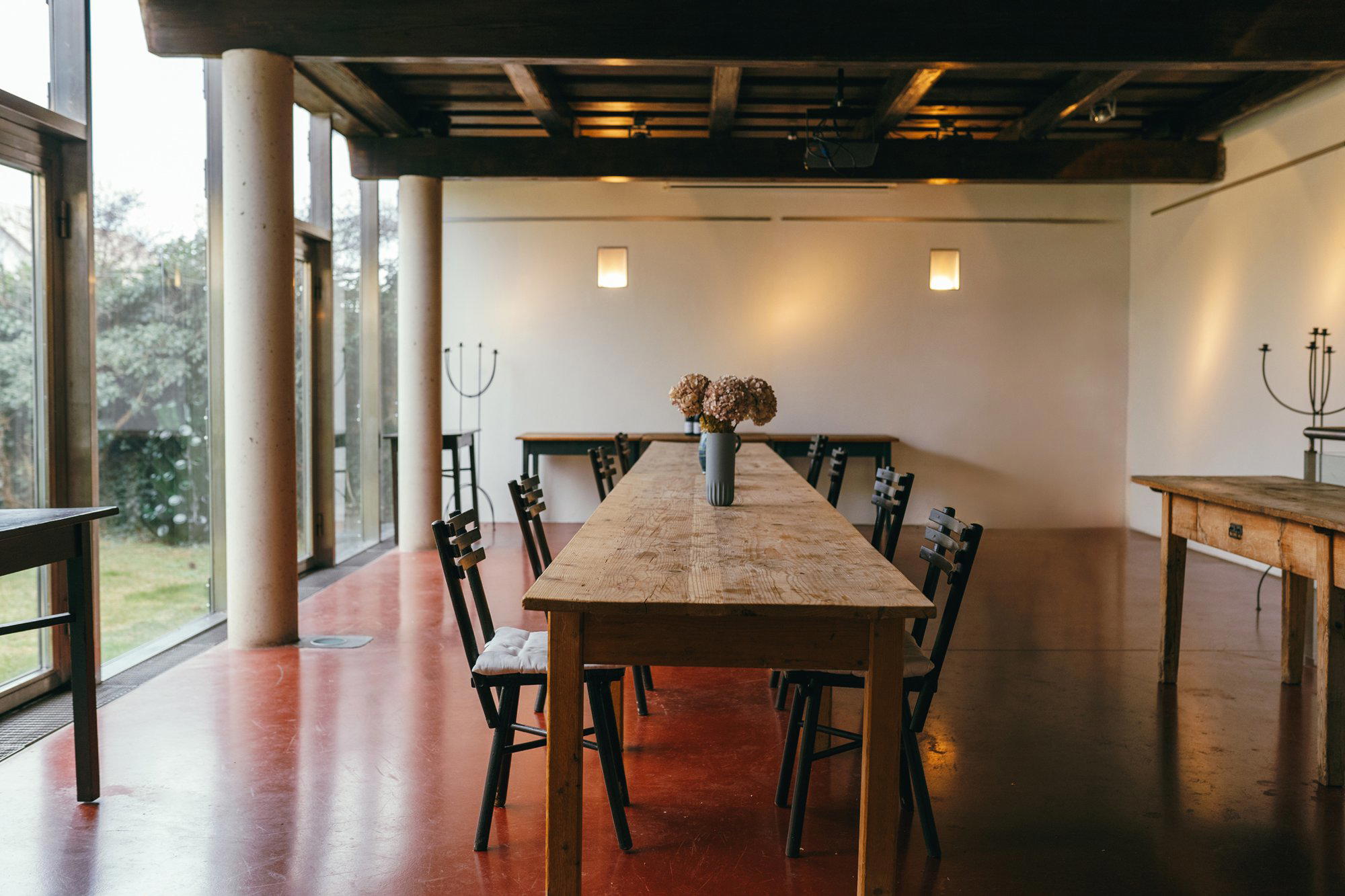
Classic Viennese atmosphere blending historic charm with elegant hospitality.