Ludwig & Adele occupies a quietly considered address on Akademiestrasse in Vienna's first district, placing it within reach of the Musikverein and the city's most concentrated tier of serious dining. The address alone positions it inside a neighbourhood where the competition runs deep and editorial expectations run higher. For visitors orienting around Vienna's formal dining circuit, it warrants attention alongside the city's established creative kitchens.
Pearl is the En Primeur Club membership app — saves, bookings, and concierge access live there. Same editors, same standards.
- Address
- Akademiestr. 13, 1010 Wien, Austria
- Phone
- +434318901772
- Website
- ludwigundadele.at
- Directions
- Get directions
 Saves & bookings on Pearl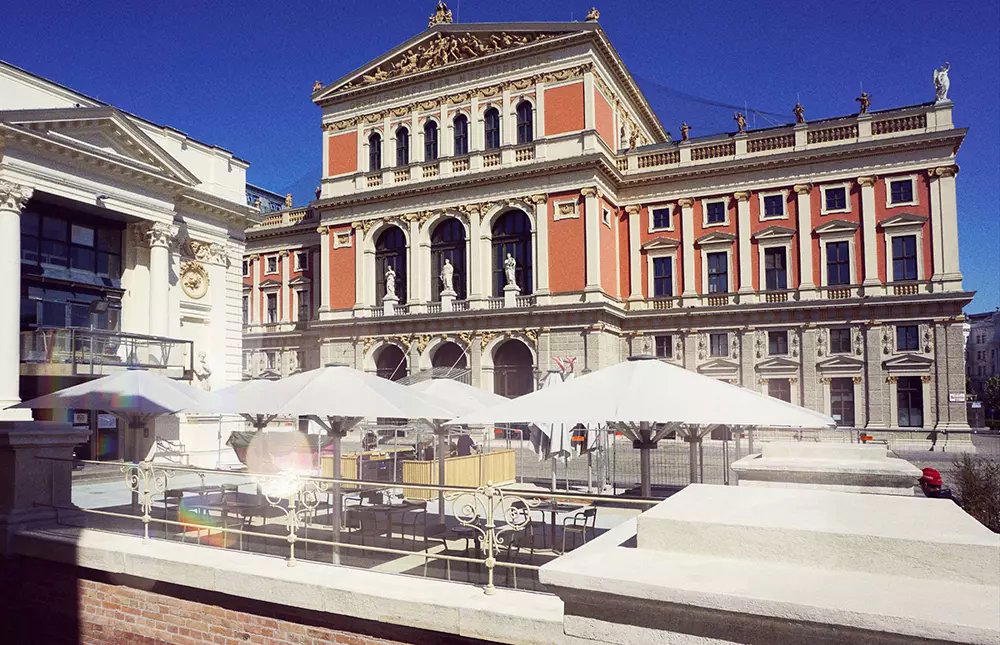
Vienna's First District and the Weight of the Address
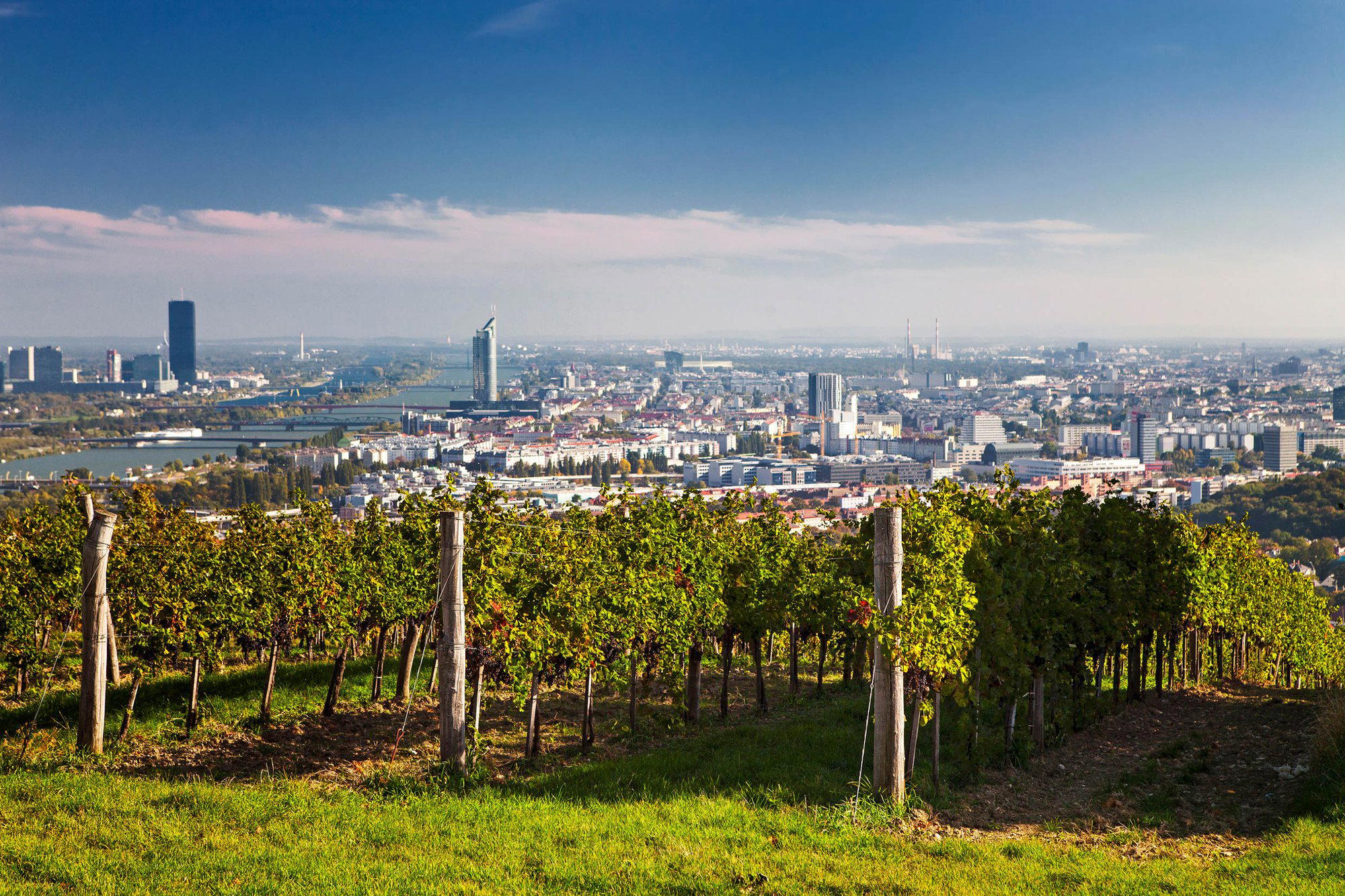
Akademiestrasse 13 sits in the kind of Viennese postcode where the buildings do half the work before you arrive. The first district, the Innere Stadt, carries the cultural freight of the Musikverein a short walk in one direction and the Kunsthistorisches Museum in another. Restaurants that open here are not choosing a neighbourhood so much as entering a conversation with centuries of Viennese civic ambition. Ludwig & Adele is a Modern Austrian restaurant in Vienna's first district, recommended for reservations, with a price tier around $25 per person. That context shapes what any serious diner should expect from it.
Vienna's formal dining tier has been in productive tension for the better part of two decades. On one side sit the grand-format institutions, the kind of room where the tablecloths cost more than most cities' tasting menus. On the other, a generation of Austrian kitchens have moved toward a different register: precise technique applied to alpine and regional produce, formats borrowed from French and Nordic progression, and a quieter confidence about what Austrian cooking can mean at the summit of its range. Steirereck im Stadtpark has long anchored the creative end of that argument. Mraz & Sohn and Amador represent further inflection points, each working a different relationship between local material and imported method.
The Intersection of Alpine Produce and Global Method
The more interesting editorial question in Vienna right now is not which kitchen has the longest wine list or the intricate amuse-bouche sequence, but how Austrian kitchens are resolving the tension between their ingredient heritage and the global technique vocabulary they now share with peers in Tokyo, Copenhagen, and New York. That resolution looks different depending on which kitchen you are sitting in.
Austria's larder is genuinely distinctive. Styrian pumpkin, Waldviertel carp, Marchfeld asparagus in late spring, game from the alpine hunting estates in autumn, these are ingredients with strong regional identity and seasonal windows that any serious kitchen has reason to build around. The challenge is that the technique frameworks dominant in fine dining internationally, reduction-based saucing, fermentation programs, precision temperature control, were largely developed around French, Japanese, or Scandinavian primary materials. When those methods meet Central European produce, the results can feel either synthesised and confident or self-consciously international. The distinction matters, and it is visible in the dining room before a single plate arrives.
Kitchens that work this tension well tend to let the ingredient lead and deploy technique in service of clarity rather than complexity. Konstantin Filippou has built a coherent identity around that principle in Vienna's contemporary dining tier. Further afield in Austria, Döllerer in Golling an der Salzach and Obauer in Werfen have demonstrated what happens when regional produce gets the kind of long-form culinary attention that French kitchens have historically applied to their own terroir. In Tyrol and the Vorarlberg, places like Griggeler Stuba in Lech and Gourmetrestaurant Tannenhof in Sankt Anton am Arlberg work alpine produce in a high-altitude register that sits apart from the urban fine dining conversation entirely.
Ludwig & Adele enters this Austrian dining picture from the first district. Its address aligns it with the urban, formal end of the spectrum rather than the regional-destination tier, and what that means in practice is a diner arriving with expectations calibrated by the neighbourhood's history and by Vienna's position as a European capital with serious culinary infrastructure.
Seasonal Timing and the Vienna Dining Calendar
If there is a productive window for visiting Vienna's more considered restaurants, it falls in two distinct phases. The spring asparagus season, running roughly from mid-April through late June, provides a benchmark ingredient that kitchens at every level use to signal their relationship to Austrian produce. The leading use it sparingly and precisely. The autumn game season, beginning in September and running through November, offers a second window, when venison, hare, and wild duck move through menus with a frequency that reflects both supply and tradition. Vienna's restaurant circuit calibrates around these rhythms, and a visit timed to either season gives a more accurate reading of how a kitchen handles its regional material than a mid-winter reservation would.
For reference, kitchens in the Austrian alpine provinces operate on tighter seasonal windows still. Kräuterreich by Vitus Winkler in Sankt Veit im Pongau and Ois in Neufelden both close across extended periods and require planning that Vienna's year-round addresses do not. For those building a broader Austrian itinerary, Landhaus Bacher in Mautern an der Donau sits an accessible distance west of Vienna along the Danube and represents a regional counterpoint worth factoring in.
Vienna in International Context
Vienna's fine dining scene occupies a specific position in the European hierarchy, more conservative in format than Copenhagen or London, more technically literate than many Central European capitals, and possessed of a wine culture (particularly around Grüner Veltliner and Riesling from the Wachau and Kamptal) that adds a layer of local specificity unavailable to kitchens without that proximity. The comparison set for Vienna's upper-tier restaurants extends outward to places like Le Bernardin in New York and Atomix in New York, both of which represent the kind of sustained, focused cooking programs that Vienna's serious kitchens are implicitly in conversation with, even if the cuisines and formats diverge sharply.
For programming context from within Austria, Ikarus in Salzburg runs one of the country's more unusual formats, rotating guest chefs monthly in a model that places it outside the standard comparison set. Restaurant 141 by Joachim Jaud in Mieming and Schwarzer Adler in Hall in Tirol represent the Tyrolean end of the fine dining argument, geographically and stylistically distinct from the first district address that Ludwig & Adele occupies.
Planning a Visit
Ludwig & Adele is located at Akademiestrasse 13, in Vienna's first district, a short walk from the Karlsplatz U-Bahn station (lines U1, U2, U4). The address puts it within easy range of the central museum quarter and the Ringstrasse hotel corridor, making it logistically direct for visitors based in the city's core. Reservations are recommended. The restaurant typically opens Mon to Fri from 5 PM to 12 AM, Sat from 12 PM to 12 AM, and Sun from 12 PM to 11 PM.
Peers in This Market
Comparable venues nearby, for context on price, style, and recognition.
| Venue | Cuisine | Price | Notes |
|---|---|---|---|
| Ludwig & AdeleThis venue — the venue you are viewing | Modern Austrian | $$ | Not listed |
| DAST Restaurant | Modern Austrian Tapas | $$ | Wahring |
| Rhythms | Austrian with International Fusion | $$ | Mariahilf |
| Cafe Restaurant Lemon | Traditional Austrian | $$ | Franz Josefs Bahnhof |
| Porzellan | Modern Austrian Lounge | $$ | Inner City |
| Café Central | Traditional Viennese Café | $$$ | Stephansdom |
Continue exploring
More in Vienna
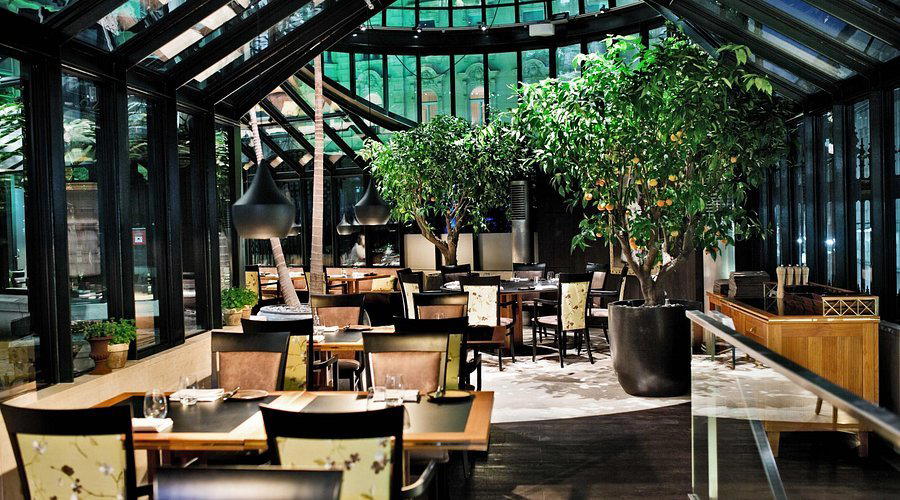
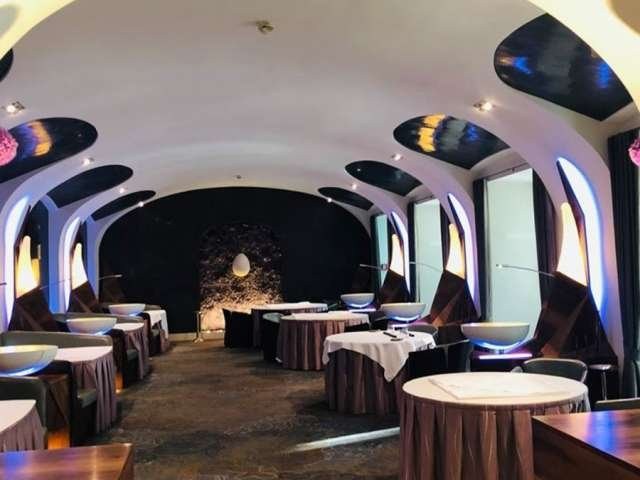
Restaurants in Vienna
Browse all →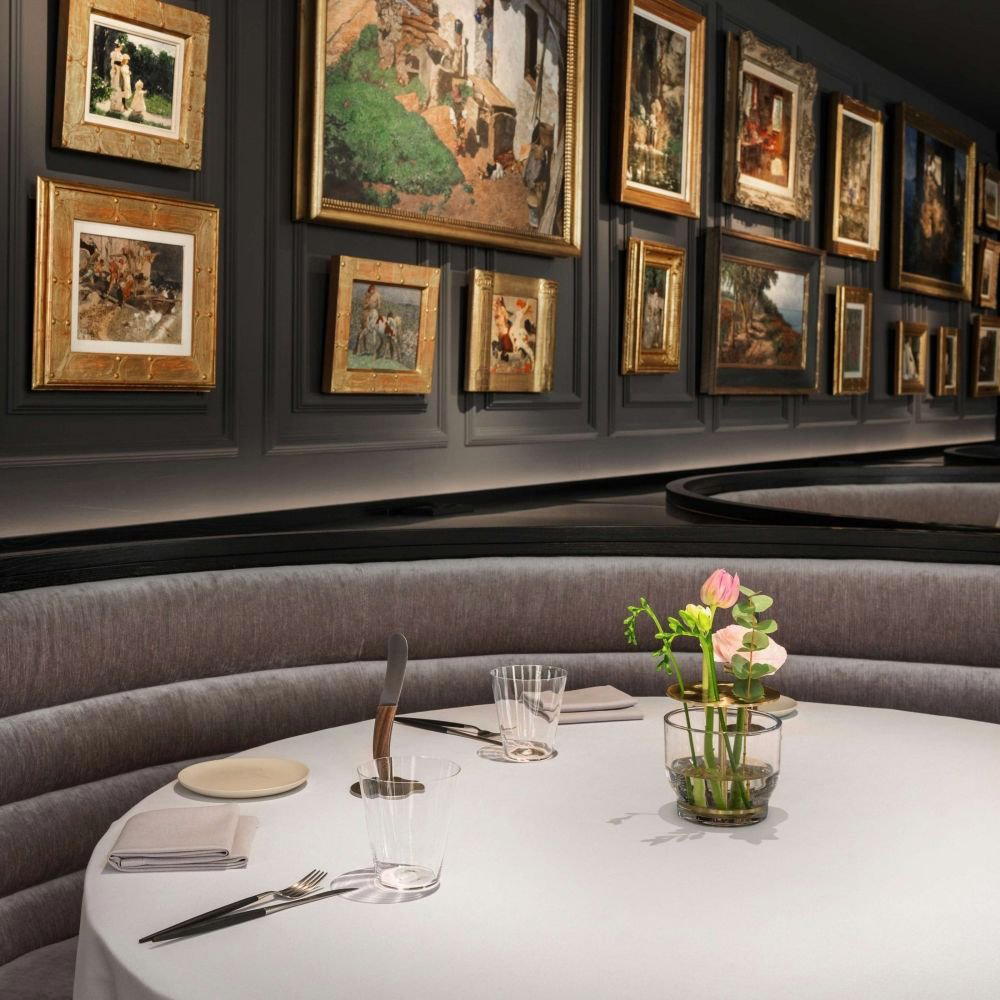
Bars in Vienna
Browse all →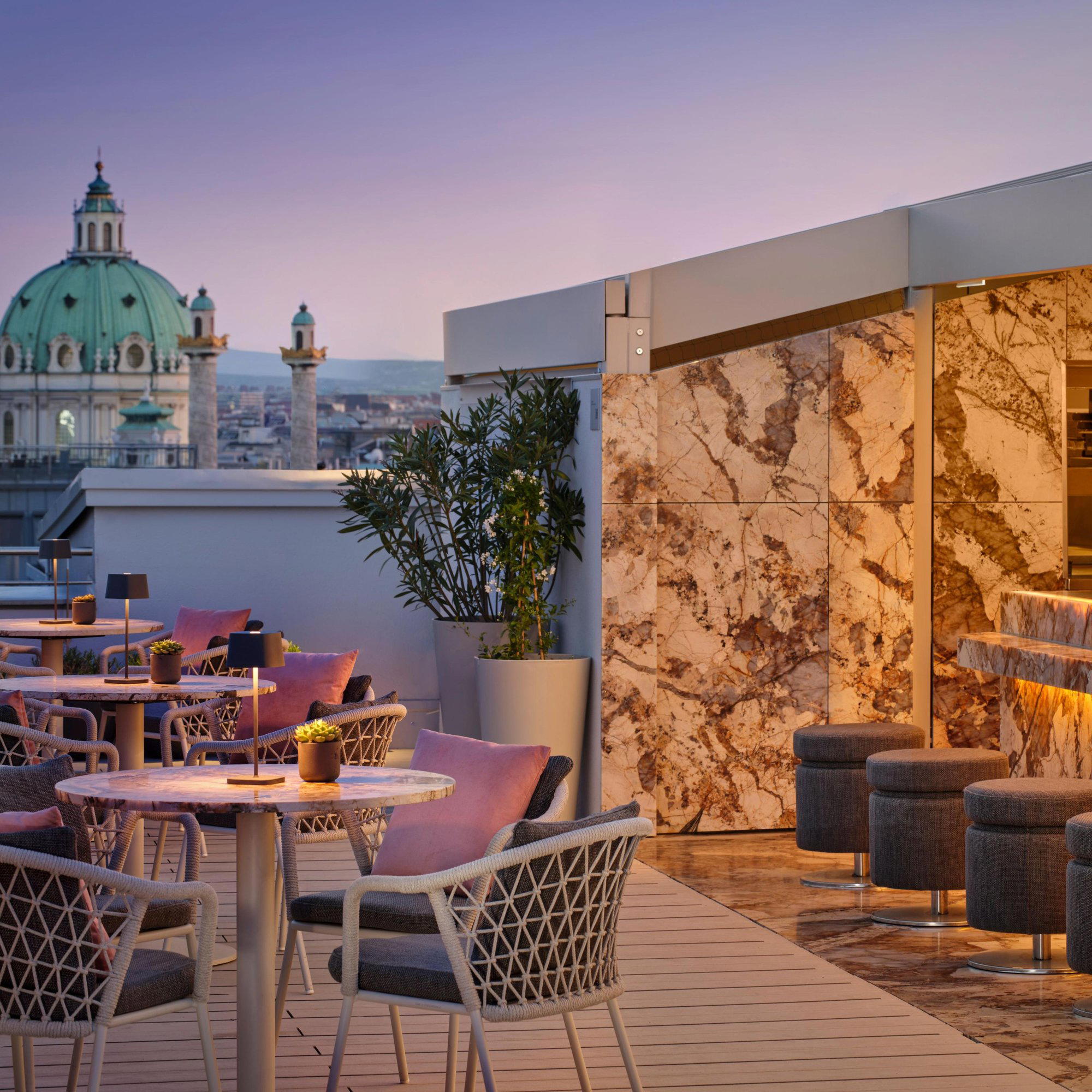
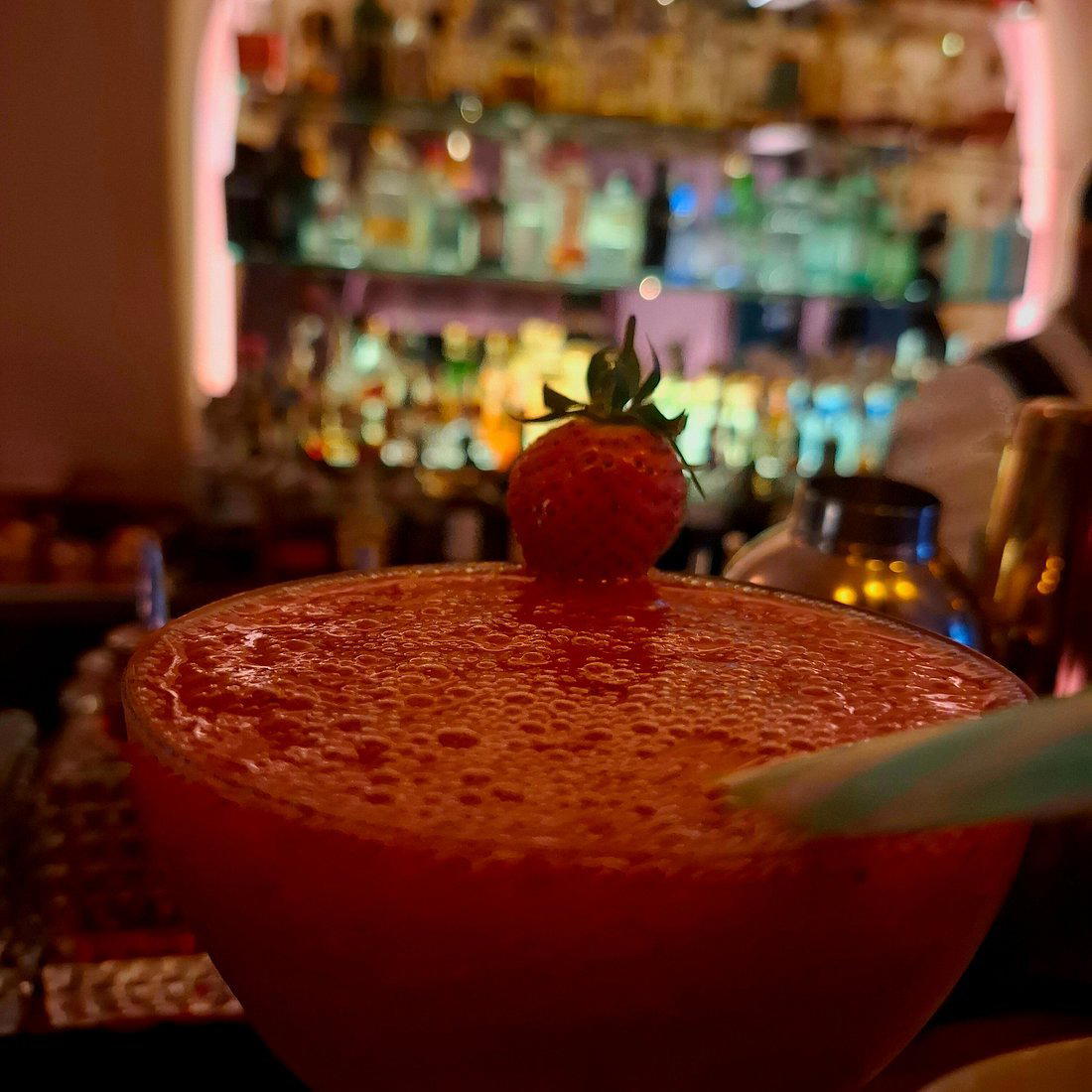
Hotels in Vienna
Browse all →
At a Glance
- Modern
- Cozy
- Date Night
- Casual Hangout
- After Work
- Open Kitchen
- Craft Cocktails
- Local Sourcing
Current opening hours
- Monday
- 5 PM–12 AM
- Tuesday
- 5 PM–12 AM
- Wednesday
- 5 PM–12 AM
- Thursday
- 5 PM–12 AM
- Friday
- 5 PM–12 AM
- Saturday
- 12 PM–12 AM
- Sunday
- 12–11 PM
Hours can change for holidays and private events. Last verified .
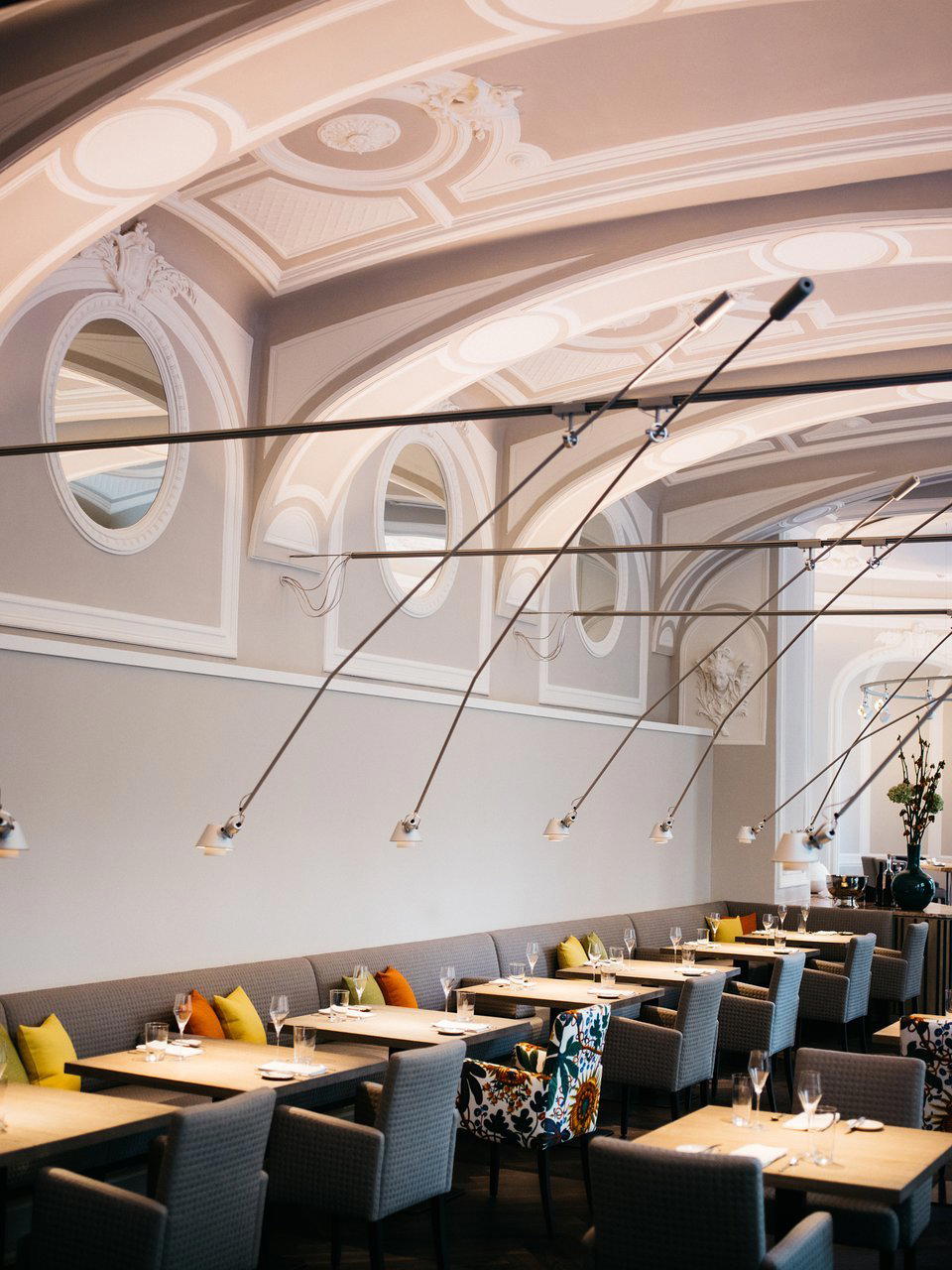
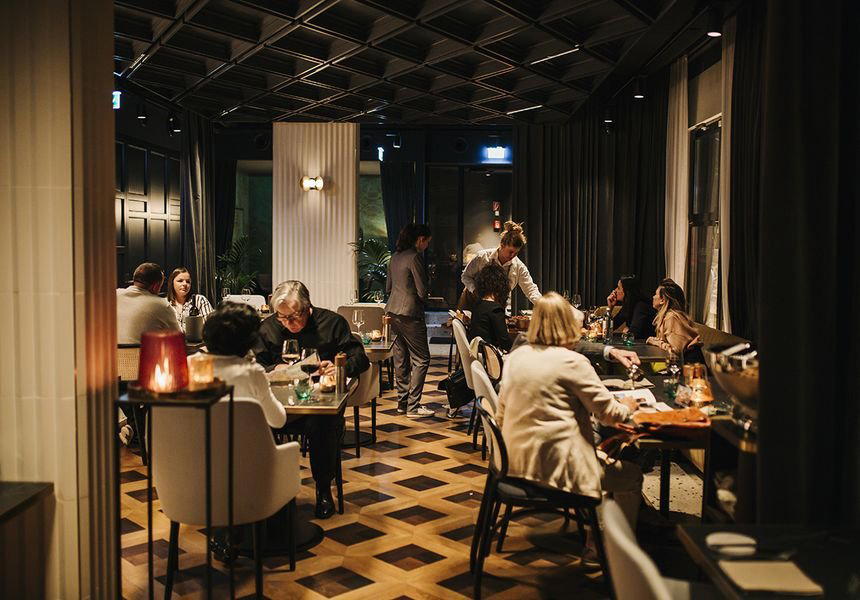
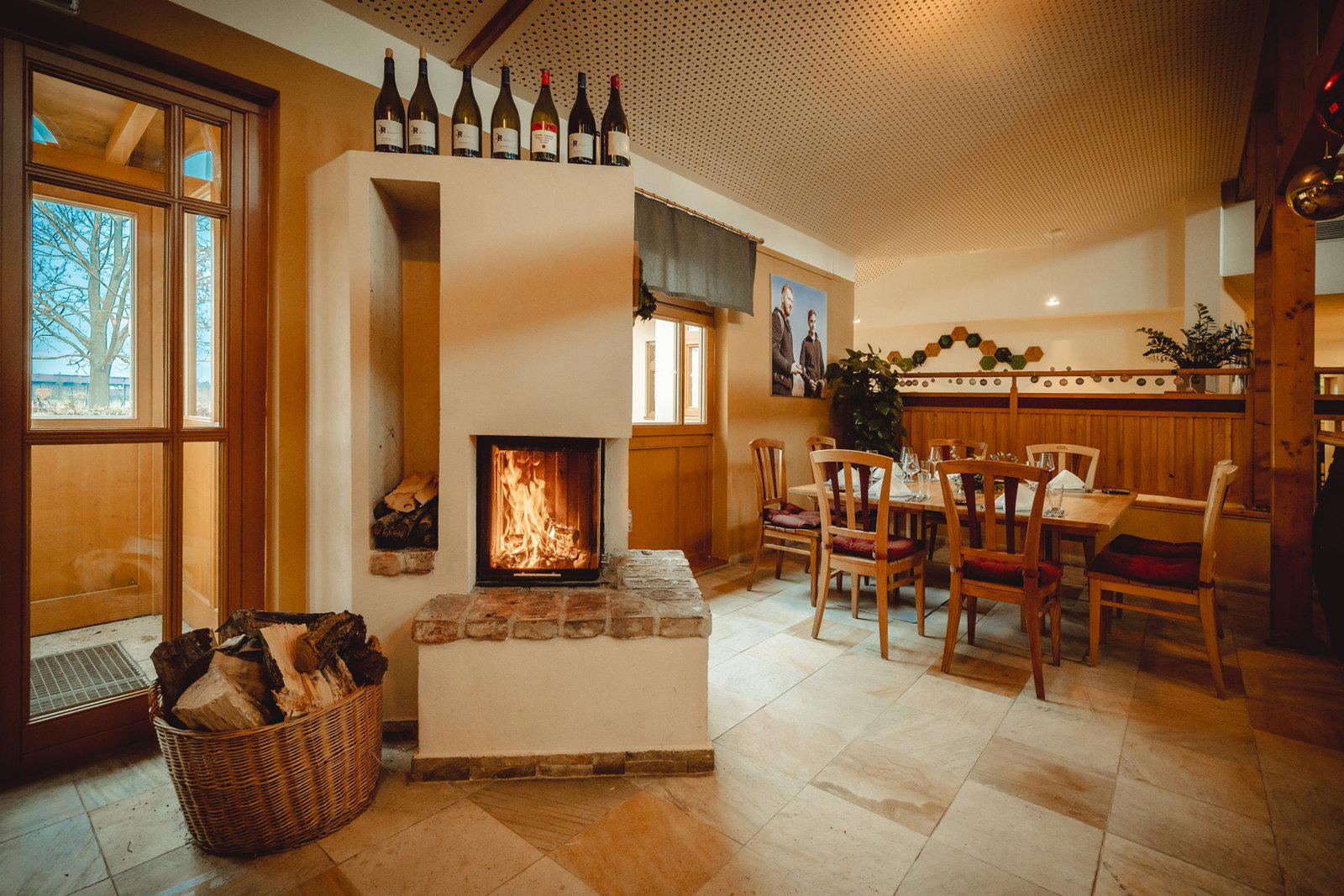
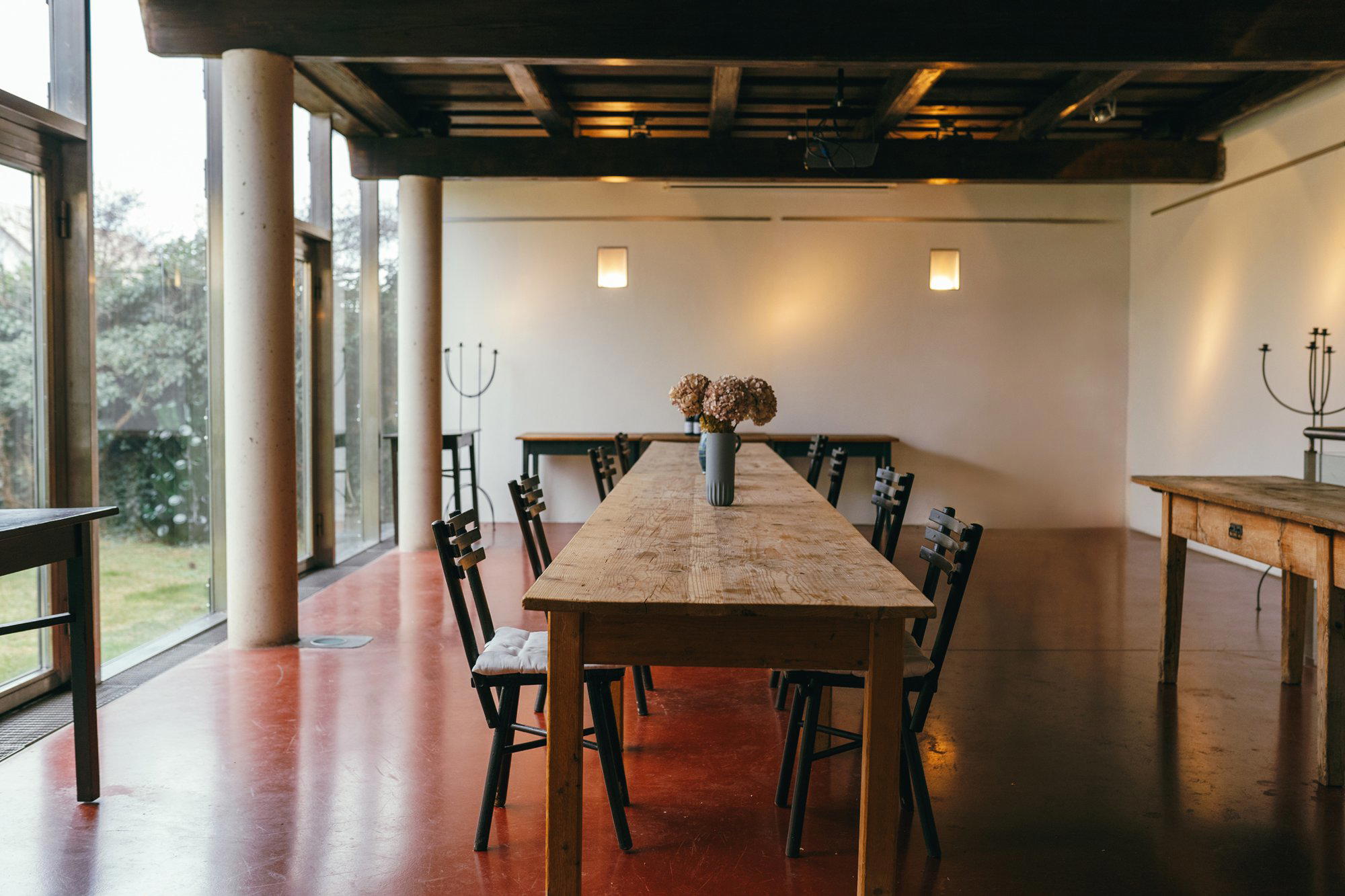
Modern and airy interior with funky decor in a cinema foyer setting.