Our verdict
Schlossquadrat sits on Schlossgasse in Vienna's 5th district, a neighbourhood where the city's creative dining scene has quietly been consolidating away from the 1st. With Vienna's upper tier of restaurants increasingly defined by the interplay between kitchen, cellar, and floor, this address enters the conversation at a moment when collaborative dining programmes are reshaping what serious eating looks like in the Austrian capital.

Pearl is the En Primeur Club membership app, where members save venues, book tables and use the concierge.

The menu
What to order
- Wiener Schnitzel
- Tuscany Cordon Bleu
- Crispy pizza
Margareten's Quiet Ascent and Where Schlossquadrat Fits
Vienna's fine dining geography has shifted measurably over the past decade. The 1st district still anchors the city's most formally recognised tables, but the 5th, Margareten, has drawn a younger cohort of operators who read the city differently: lower overheads, a residential audience that returns weekly rather than on occasion, and a creative latitude that the Innere Stadt's established expectations don't always permit. Schlossgasse 21 places Schlossquadrat squarely inside this migration. It is an address that matters less for its postcode and more for what that postcode signals about intent.
This is the context that frames how to read the restaurant. Vienna's current upper tier, represented by houses like Steirereck im Stadtpark, Konstantin Filippou, and Mraz & Sohn, operates through a shared conviction that the kitchen alone does not define an evening. The sommelier's programme, the rhythm of service, the way a room is read table by table: these are treated as co-equal creative decisions. Schlossquadrat sits within that tradition, and the Margareten address suggests an ambition to build that kind of programme without the inherited formality of the centre.
The Team Dynamic as the Defining Format
Across Vienna's serious restaurants, the most consistent differentiator between a technically accomplished meal and a genuinely memorable one is the coherence of the team operating the room. This is not simply a question of training or professionalism, though both matter. It is about whether the kitchen, the sommelier, and the front-of-house are working from the same set of assumptions about what a guest needs at any given moment.
At the level where Amador and Doubek operate, this kind of internal coherence is visible in the pacing of courses relative to a table's conversational rhythm, in a sommelier who adjusts a pairing mid-sequence without making the decision a performance, and in front-of-house staff who can explain a dish's logic without reciting a script. These are not decorative skills. They represent a specific philosophy about what hospitality is for.
The format at Schlossquadrat, given its Margareten positioning, invites comparison with the collaborative model that has come to define Vienna's most interesting mid-to-upper tier operators. The question worth asking of any restaurant in this tier is not simply what the kitchen produces, but whether the team around the kitchen amplifies or diminishes it. In Vienna's current scene, that question has become the primary competitive axis.
Austrian Fine Dining's Wider Frame
To place Schlossquadrat in a useful context requires looking beyond Vienna. Austria's serious restaurant culture is unusually distributed for a country its size. The kitchens at Döllerer in Golling an der Salzach and Obauer in Werfen represent a regional tradition of Alpine cuisine that draws on landscape and seasonality in ways that urban kitchens necessarily approach differently. Ikarus in Salzburg has built an entirely different model around guest chef residencies, while Landhaus Bacher in Mautern an der Donau holds a different kind of authority, rooted in continuity and Wachau produce.
What this national picture demonstrates is that Austrian fine dining does not follow a single template. Gourmetrestaurant Tannenhof in Sankt Anton am Arlberg, Griggeler Stuba in Lech, and Schwarzer Adler in Hall in Tirol each occupy a distinct position within the Alpine segment, while Kräuterreich by Vitus Winkler in Sankt Veit im Pongau and Ois in Neufelden and Restaurant 141 by Joachim Jaud in Mieming point to a growing appetite for serious cooking in secondary towns and rural settings. Vienna, by contrast, competes on density and cultural weight. A restaurant on Schlossgasse earns its place not through regional rarity but through the quality of its argument against every other serious table within walking distance.
Internationally, the team-led model that defines Vienna's better rooms has parallels in kitchens where front-of-house and sommelier programmes carry as much editorial weight as the kitchen. Le Bernardin in New York City has long operated this way, and Atomix in New York City has formalised the idea through its card-based service format, where the floor is explicitly a narrative instrument. Vienna's leading rooms share this instinct, even when the execution takes a quieter, less theatrical form.
What the 5th District Signals for a Visitor
Margareten is not a dining district in the way that the Naschmarkt corridor around the 4th and 6th is. It does not have the tourist density of the 1st or the concentrated restaurant offer of Neubau. What it has is a residential seriousness: guests who live nearby, return with frequency, and hold the room to a standard shaped by repeated experience rather than first-visit novelty. This creates a different dynamic from destination restaurants that must justify a special-occasion trek. A room that survives Margareten's regular scrutiny is a room that has learned to sustain quality without the structural advantage of tourist footfall.
For visitors, this matters practically. The 5th is easily reached from the centre by U-Bahn or tram, and an evening here fits naturally into a Vienna itinerary that already includes the city's established tables. For more on how to sequence a serious dining visit to the Austrian capital, the full Vienna restaurants guide maps the city's tiers and neighbourhoods in detail.
Know Before You Go
- Address: Schlossgasse 21, 1050 Wien, Austria
- District: 5th Bezirk, Margareten
- Booking: Contact details not currently listed; check current platforms for availability
- Price range: Not confirmed; peer context in this Viennese tier typically runs €€€–€€€€
- Dress code: Not specified; smart casual is appropriate for this level of Viennese dining
- Accessibility: Central Vienna transport connections make the 5th district direct to reach
Frequently asked questions
Where is Schlossquadrat located?
Schlossquadrat is located at Schlossgasse 21, 1050 Wien, Austria, Vienna.
Is Schlossquadrat in Vienna a good option for dinner away from the tourist-heavy 1st district?
Schlossquadrat at Schlossgasse 21 in Vienna's 5th district sits in Margareten, a residential neighbourhood that does not function as a conventional dining destination the way the Naschmarkt corridor does. That distance from the tourist circuit is precisely what makes it worth considering: the clientele skews local, and the kitchen is not calibrated to visitor expectations. For a traveller willing to cross the Gürtel, it represents a more honest read of how Vienna's restaurant scene is actually evolving.
What do regulars order at Schlossquadrat?
The venue data does not specify set menu items or signature dishes by name, which is itself informative: restaurants in Vienna's 5th district that attract a local repeat clientele typically build menus around seasonal Austrian produce rather than fixed showpieces. The more reliable approach is to ask the floor team on arrival what has come in that week. Schlossquadrat sits at Schlossgasse 21, away from the tourist-facing menus of the 1st district, which tends to encourage a kitchen that shifts with the market rather than anchoring to crowd-pleasers.
Can I walk in to Schlossquadrat?
No booking contact details are currently listed for Schlossquadrat, which makes walk-in the most practical option for a first visit. Vienna's Margareten restaurants generally operate with more flexibility than the heavily booked counters in the 1st district, though weekend evenings in any neighbourhood close to the Naschmarkt corridor can fill quickly. Arriving before service begins gives you the strongest chance of securing a table without a prior reservation.
What's the defining dish or idea at Schlossquadrat?
Austrian serious dining at this address level tends to be organised around direct relationships with regional producers and a shorter, more considered menu structure. That format, rather than any one plate, is likely the defining logic.
What if I have allergies at Schlossquadrat?
Austrian kitchens at independent neighbourhood level are generally accommodating, but complex dietary requirements are better flagged in advance. Schlossgasse 21, 1050 Wien is the address to reference when reaching out.
Cost Snapshot
Comparable venues nearby, for context on price, style, and recognition.
| Venue | Cuisine | Price | Notes |
|---|---|---|---|
| SchlossquadratThis venue (the venue you are viewing) | Viennese Beisl & Italian Pizzeria | $20–30 | Not listed |
| DAST Restaurant | Modern Austrian Tapas | $20–30 | Wahring, Modern Austrian Tapas |
| Ludwig & Adele | Modern Austrian | $20–30 | Staatsoper, Modern Austrian |
| Rhythms | Austrian with International Fusion | $20–30 | Mariahilf, Austrian with International Fusion |
| Café Central | Stephansdom, Traditional Viennese Café | $30–50 | Not listed |
| The Guesthouse Vienna | Modern Viennese Brasserie | $30–50 | Innere Stadt, Modern Viennese Brasserie |
Continue exploring
More in Vienna
Restaurants in Vienna
All restaurants in Vienna →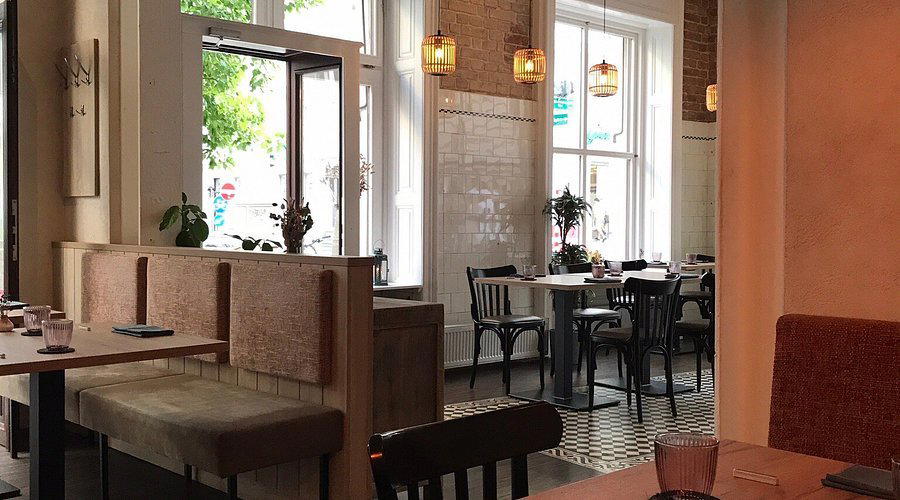

Bars in Vienna
All bars in Vienna →
Details
- Cozy
- Historic
- Scenic
- Casual Hangout
- Group Dining
- Courtyard
- Historic Building
- Garden
- A La Carte
- Vegetarian Friendly
Current opening hours
- Monday
- 12–9:30 PM
- Tuesday
- 11:30 AM–10:30 PM
- Wednesday
- 11:30 AM–10:30 PM
- Thursday
- 11:30 AM–10:30 PM
- Friday
- 11:30 AM–10:30 PM
- Saturday
- 12–9:30 PM
- Sunday
- 12–9:30 PM
Hours can change for holidays and private events. Hours as of .
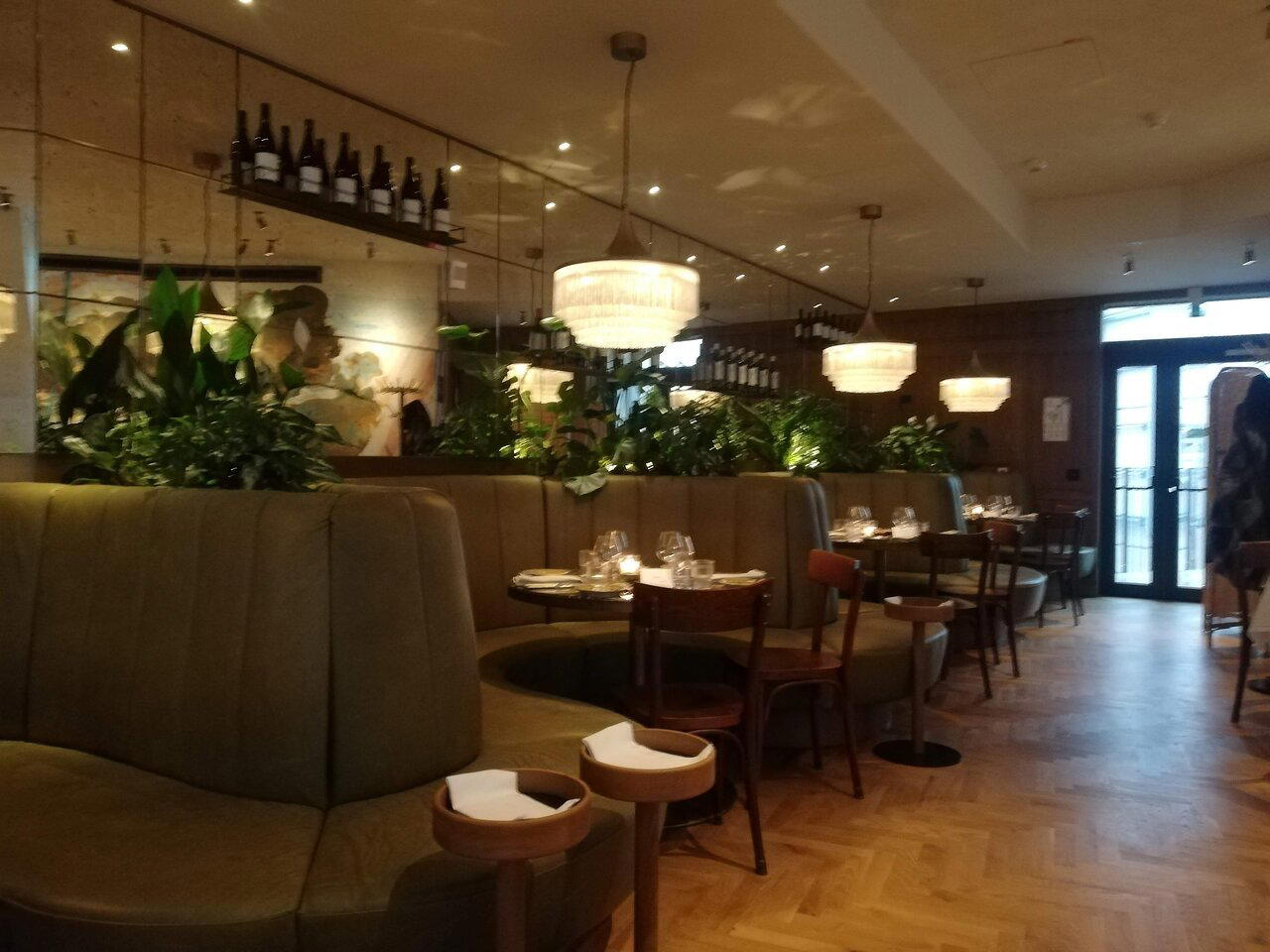
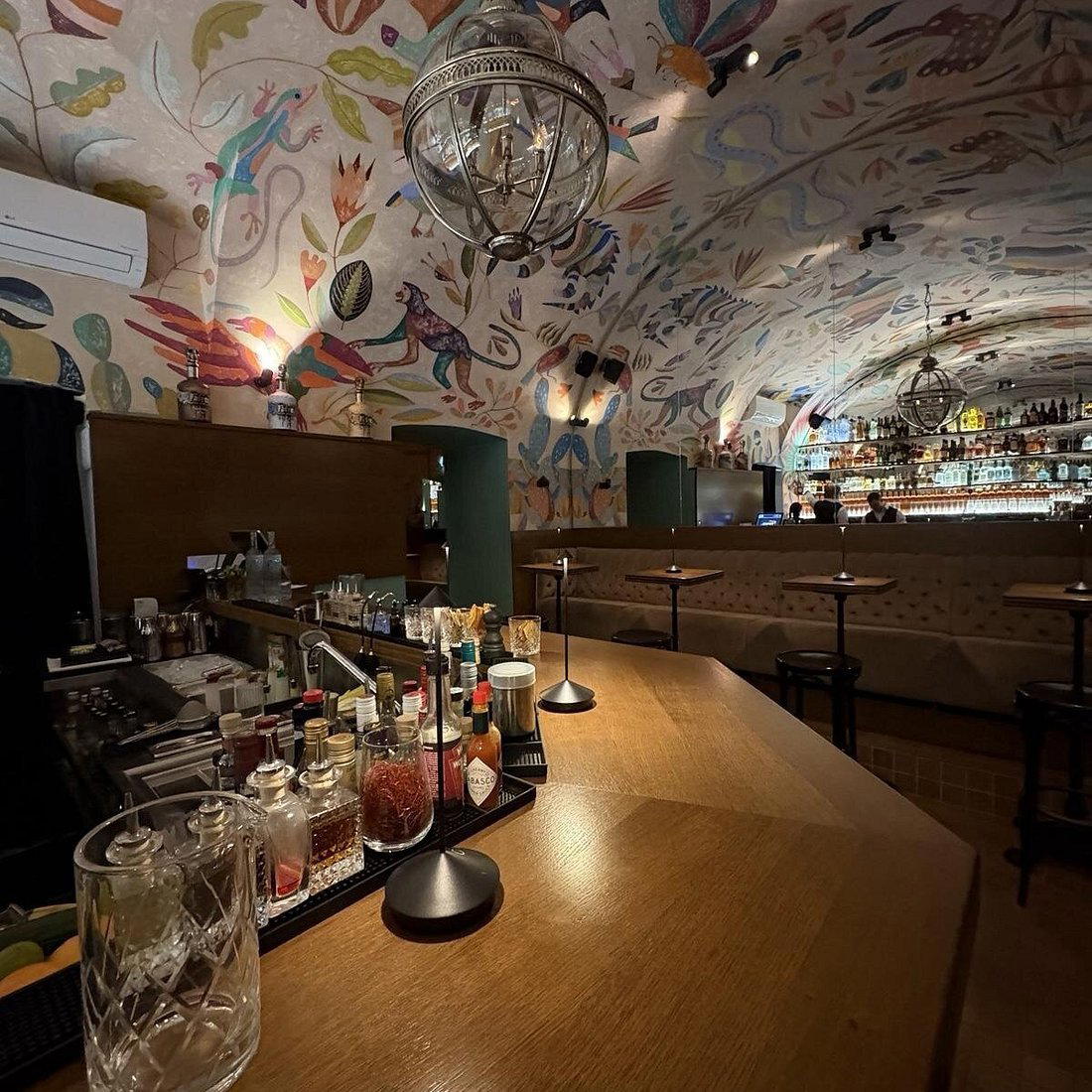
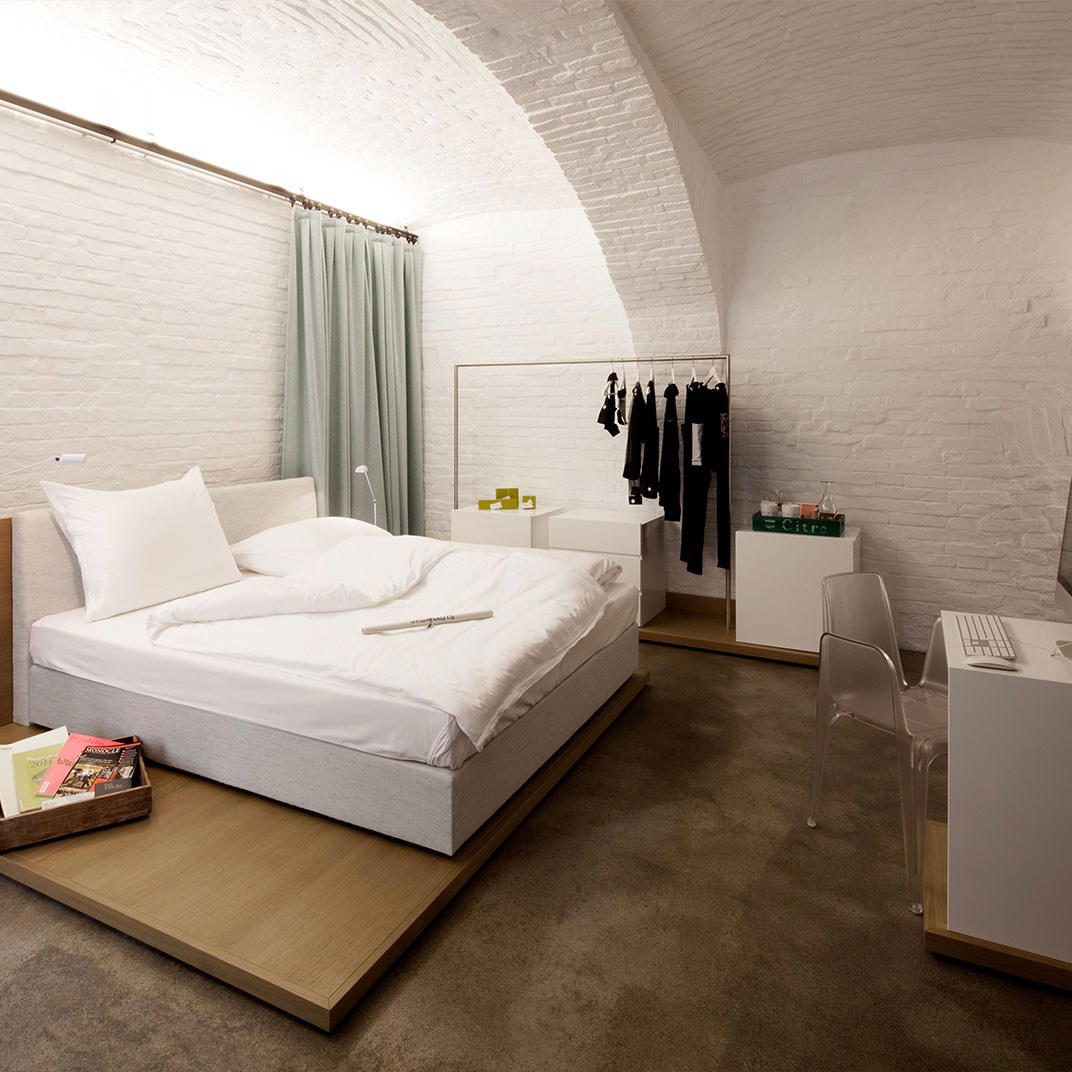
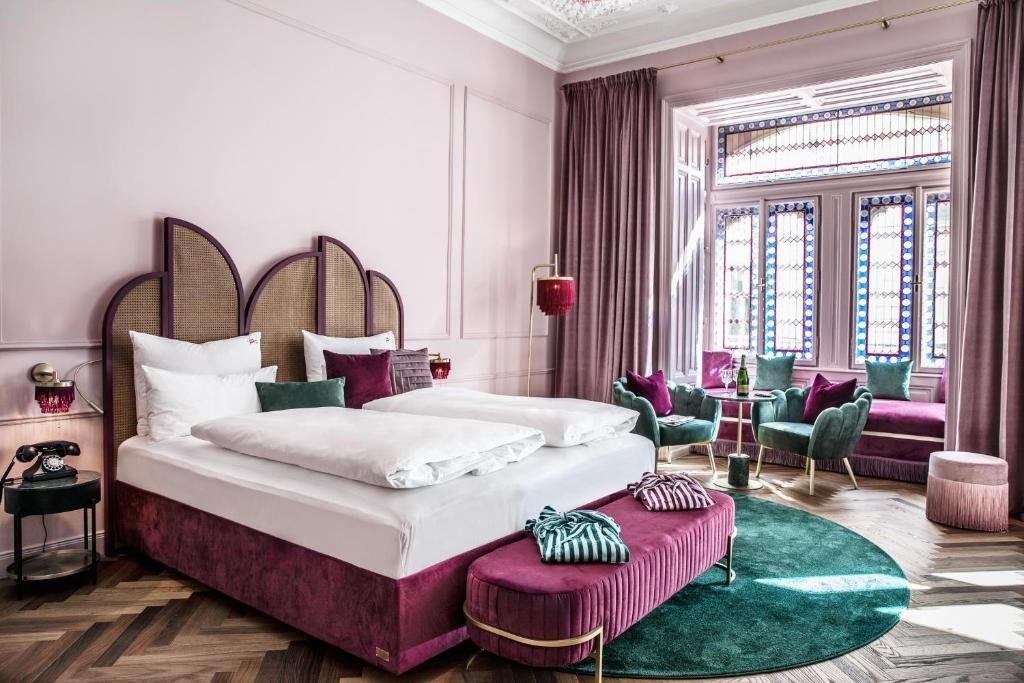
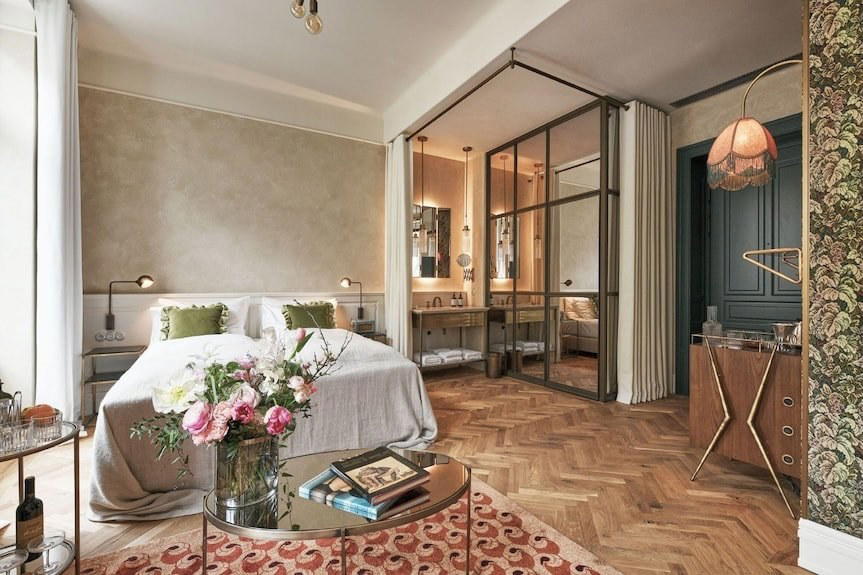
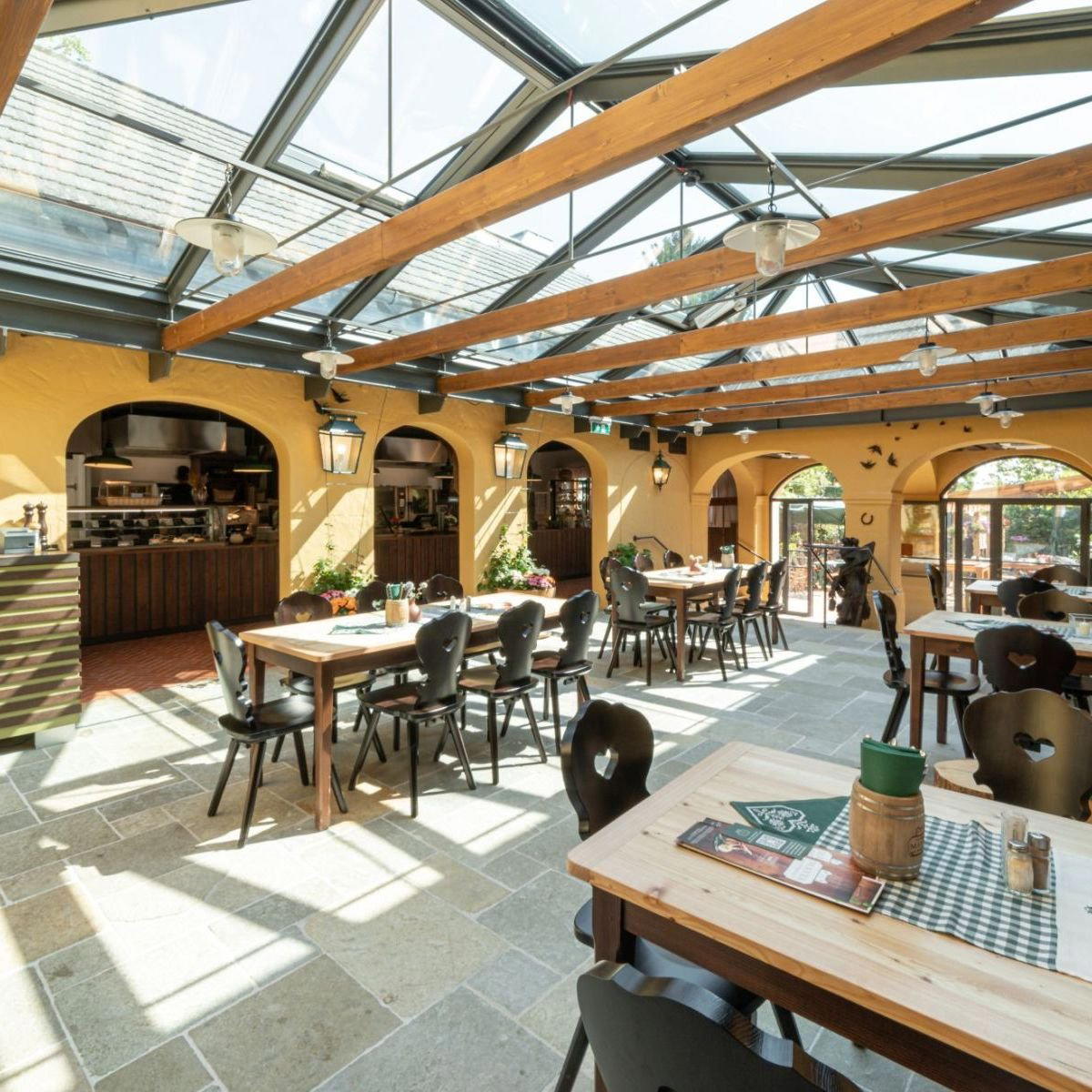
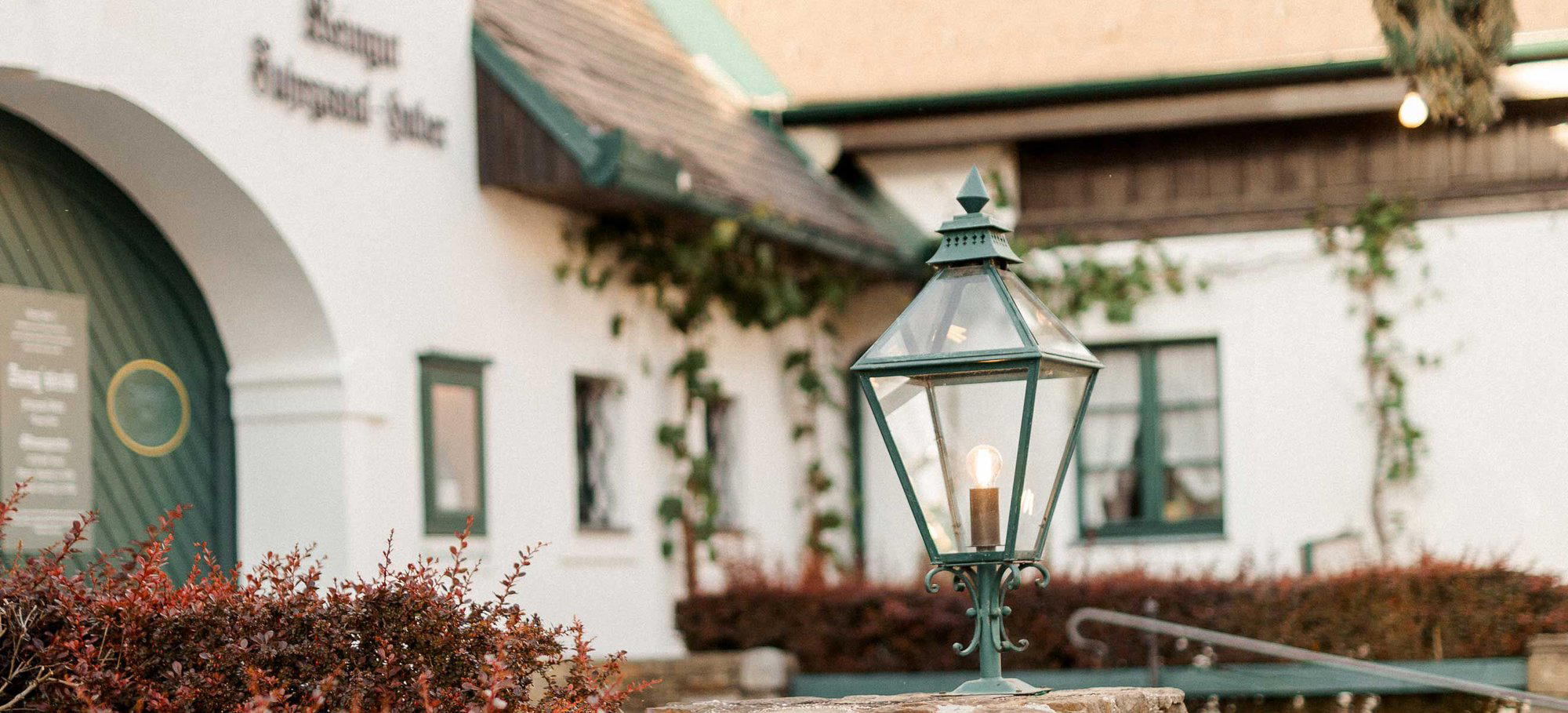
Cozy Beisl-style tavern with green wood panels, wooden furniture, and a lively atmosphere surrounding a picturesque Pawlatschen courtyard filled with chestnut trees.