
Michelin Plate
Our verdict
A Michelin Plate-recognised contemporary restaurant in Sumida, KOKYU merges French technique with Chinese and Japanese culinary traditions, pairing its tasting format with a dedicated tea-based cocktail program. The kitchen's approach — summarised by the concept of 'wither and decay' — treats oxidation and fermentation as aesthetic principles rather than flaws, producing food that reads as Tokyo's broader experiment in cross-cultural fine dining.

Pearl is the En Primeur Club membership app — saves, bookings, and concierge access live there. Same editors, same standards.
- Address
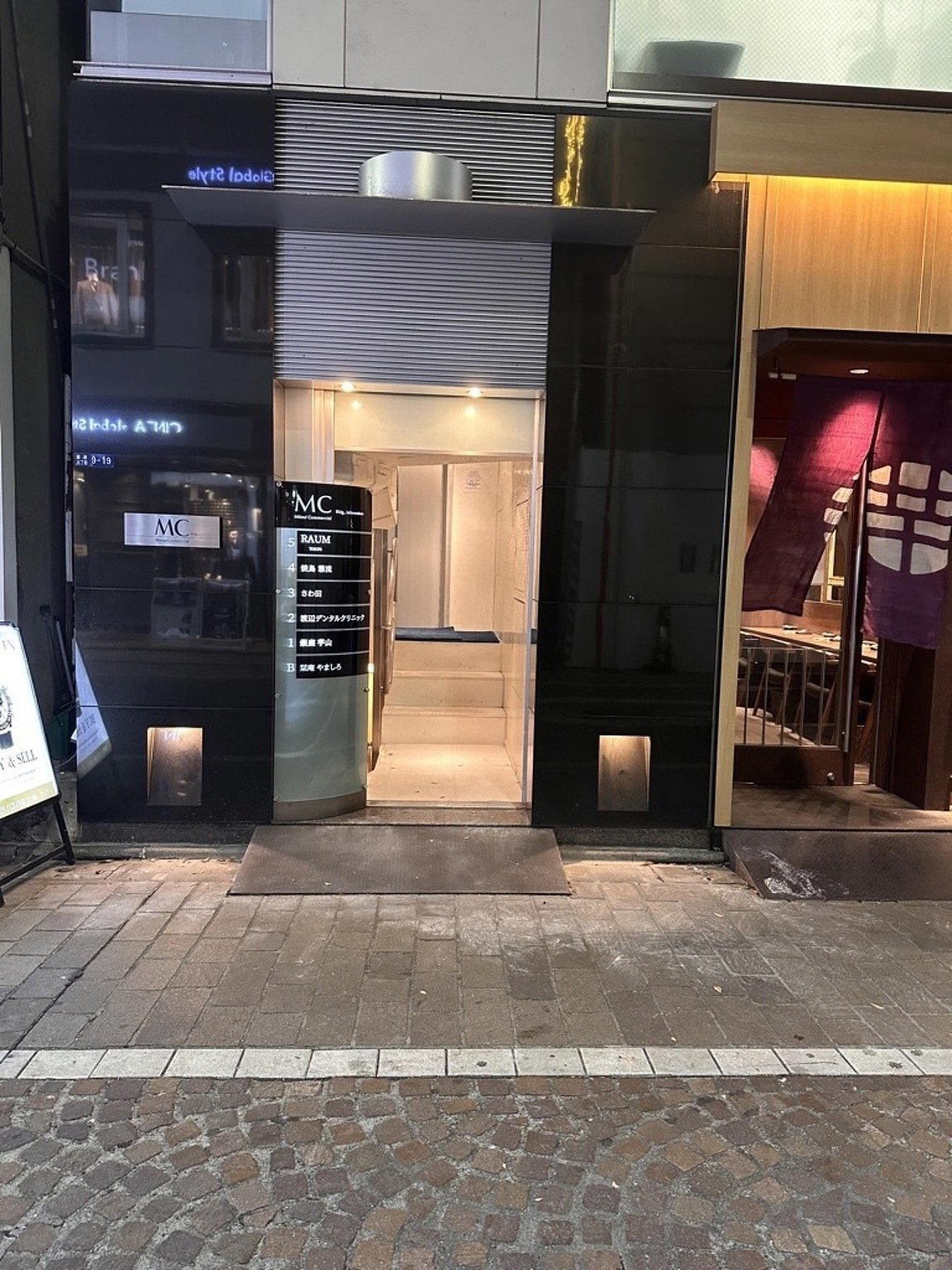
- 2 Chome-13-9 Yokokawa, Sumida City, Tokyo 130-0003, Japan
- Hours
- Mon–Thu ClosedFri 6:30–9:30 PMSat–Sun 12–3 PM, 6:30–9:30 PM
- Website
- kokyu-japan.com
- Directions
- Get directions
- Booking
- Book on Omakase
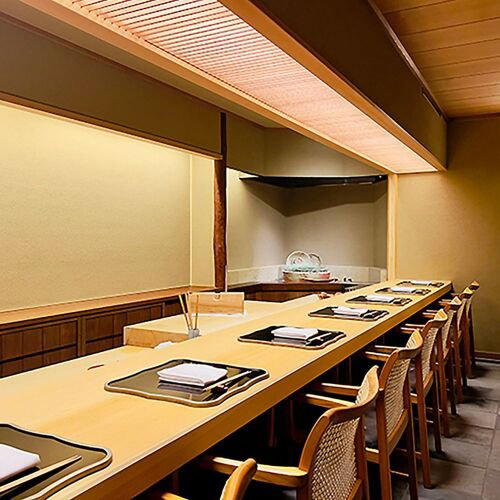
East of the Yamanote: Sumida's Quiet Claim on Tokyo Fine Dining
Tokyo's serious restaurant culture has historically concentrated in Minato, Shinjuku, and Chuo wards — the postcode geography of Michelin's most decorated tables. Sumida City sits east of that axis, across the river, and has long operated outside the capital's fine dining centre of gravity. That positioning is changing. KOKYU, at 2 Chome-13-9 Yokokawa, is part of a small but growing cohort of destination restaurants choosing to operate in less-trafficked neighbourhoods, where lower overheads and a quieter urban register allow for cooking that takes risks without the commercial pressure of a prime Ginza address. For diners willing to cross to the east bank, the reward is a creative program that would draw attention anywhere in the city.
The editorial logic of Sumida as a setting is worth holding onto. Neighbourhoods outside the central dining belt tend to attract a more deliberately curious crowd — guests who have already decided to make an effort before they walk through the door. That self-selecting dynamic can produce a different kind of service atmosphere: less performative, more focused on what's on the plate. KOKYU's concept, built around the Japanese notion of kokyu (wither and decay), suits this quieter east-Tokyo setting more naturally than it would a high-gloss Roppongi room.
The Concept: Decay as Discipline
Contemporary restaurants in Tokyo operate across a spectrum of cross-cultural ambition, from the restrained Japanese-French hybrids at the upper end of the Michelin hierarchy to more experimental kitchens working outside established genre boundaries. KOKYU positions itself firmly in the latter group. The cooking draws on French technique as a structural base, then layers in Chinese and Japanese culinary logic at the level of process rather than decoration. The duck preparation, where hot oil is ladled repeatedly over the skin to replicate the lacquering effect of Peking duck, is a clear example: the technique is Chinese, the context is a contemporary tasting format, and the result is neither a fusion compromise nor a reproduction.
This approach to genre is increasingly visible across Tokyo's mid-tier contemporary scene. Restaurants like nôl and JULIA similarly resist easy classification, building menus that move between culinary vocabularies without treating any single tradition as the default. What distinguishes KOKYU is the degree to which the concept extends beyond the kitchen. The 'wither and decay' framework is not simply a plating aesthetic; it shapes the beverage program, the pacing of the meal, and the closing ritual.
Tea and Spirits: A Coherent Beverage Argument
The tea-based cocktail program at KOKYU is one of the more considered pairings in Tokyo's contemporary restaurant circuit. In most tasting-format restaurants, the beverage pairing is a parallel track: wines or sake chosen to complement individual courses. Here, the mixologist and kitchen work as a single creative unit, with the cocktails conceived inside the same 'wither and decay' framework that governs the food. Tea, as a medium, is well-suited to this: oxidised teas, aged teas, and fermented varieties carry exactly the kind of nuanced bitterness and depth that the concept demands.
The meal closes with ochauke, the Japanese tradition of serving tea and sweets at the end of a meal, a practice that functions here as both cultural reference and structural full stop. In a city where the post-dessert moment is often handled perfunctorily, treating the closing course as a hospitality ritual in its own right is a deliberate choice. It also reinforces the Japanese-inflected character of a restaurant whose primary technical language is French.
Where KOKYU Sits in Tokyo's Contemporary Tier
Michelin's 2025 Plate recognition positions KOKYU as a restaurant of quality and interest without yet placing it in the starred tier. That designation is meaningful context. The Plate category in Tokyo's Guide covers a large and varied group, restaurants that meet Michelin's culinary standards but haven't reached the consistency or singularity required for a star. In a city with over 200 starred restaurants, the Plate cohort includes some of the most creative cooking in the guide, often from kitchens that are still developing their voice. KOKYU's price range (¥¥¥) places it below the ¥¥¥¥ tier occupied by three-star rooms like RyuGin, L'Effervescence, and Harutaka, and at the same level as Den, which holds two stars. That is a competitive price positioning for the ambition on display.
For cross-reference among Tokyo's contemporary experimenters, hakunei, FUSOU, and HYÈNE represent adjacent creative positions in the city's non-traditional restaurant bracket. Outside Tokyo, restaurants operating in similar cross-cultural contemporary territory include HAJIME in Osaka, akordu in Nara, and Goh in Fukuoka. Internationally, Jungsik in Seoul and César in New York City work within comparable French-Asian contemporary frameworks.
Planning Your Visit
KOKYU is located in Sumida City, accessible via the Toei Asakusa Line or the Ryogoku station on the JR Sobu Line. The neighbourhood is a 10 to 15 minute ride east of central Tokyo.
| Venue | Cuisine Type | Price Range | Michelin Recognition (2025) | Location |
|---|---|---|---|---|
| KOKYU | Contemporary (French-Chinese-Japanese) | ¥¥¥ | Plate | Sumida City |
| Den | Innovative Japanese | ¥¥¥ | 2 Stars | Jimbocho |
| Crony | Innovative French | ¥¥¥¥ | 2 Stars | Shinjuku |
| L'Effervescence | French | ¥¥¥¥ | 3 Stars | Nishiazabu |
| RyuGin | Kaiseki | ¥¥¥¥ | 3 Stars | Roppongi |
For broader planning across the city, see our full Tokyo restaurants guide, our full Tokyo hotels guide, our full Tokyo bars guide, our full Tokyo wineries guide, and our full Tokyo experiences guide. If you are building a multi-city Japan itinerary, Gion Sasaki in Kyoto and 1000 in Yokohama are worth including in the same planning window. For an outlying Japanese destination, 6 in Okinawa is a useful reference point for how contemporary Japanese cooking operates at the furthest edge of the archipelago.
Frequently asked questions
Where is KOKYU located?
KOKYU is located at 2 Chome-13-9 Yokokawa, Sumida City, Tokyo 130-0003, Japan, Tokyo.
Is KOKYU reservation-only?
KOKYU operates at the ¥¥¥ price tier in a tasting-format style that, across comparable Tokyo contemporary counters, runs on advance bookings rather than walk-in availability. The restaurant's location in Sumida City — away from Tokyo's central reservation pressure in Minato and Shinjuku — may allow shorter lead times than equivalent Michelin Plate holders closer to the Yamanote loop, but confirming directly through the venue is the only reliable approach.
What's KOKYU best at?
The most coherent argument for KOKYU is its beverage integration: the tea-based cocktail program is developed in direct collaboration between the chef and mixologist, calibrated to the tasting menu rather than bolted on as an afterthought. The 2025 Michelin Plate acknowledges the kitchen's cross-cultural range, where French foundations carry Chinese roasting technique and Japanese hospitality ritual without those elements competing for precedence.
At-a-Glance Comparison
| Venue | Cuisine | Price | Awards | Notes |
|---|---|---|---|---|
| KOKYUThis venue — the venue you are viewing | Modern French-Japanese-Chinese Fusion | $150–200 | Michelin Plate | Not listed |
| Harutaka | Edo-Style Omakase Sushi | $200–300 | 3 Michelin Stars · World's 50 Best #76 | Sushi |
| RyuGin | Modern Kaiseki | $500+ | 3 Michelin Stars · World's 50 Best #41 | Kaiseki, Japanese |
| L'Effervescence | Modern French with Japanese Influences | $200–300 | 3 Michelin Stars · World's 50 Best #69 | French |
| HOMMAGE | Modern French with Japanese Influences | $150–200 | 2 Michelin Stars · World's 50 Best #78 | Innovtive French, French |
| MAZ | Innovative Peruvian-Japanese Fusion | $150–200 | 2 Michelin Stars · World's 50 Best #28 | Innovative |
Recognition history
Dated appearances from independent guides and award organizations, with the underlying list record or original source where available.
Michelin Plate
Michelin
Full recognition history (2 entries)
Michelin Plate
Michelin
Details
- Intimate
- Elegant
- Sophisticated
- Modern
- Cozy
- Date Night
- Special Occasion
- Chefs Counter
- Sake Program
- Craft Cocktails
- Tasting Menu
- Tea Cocktails
Current opening hours
- Monday
- Closed
- Tuesday
- Closed
- Wednesday
- Closed
- Thursday
- Closed
- Friday
- 6:30–9:30 PM
- Saturday
- 12–3 PM, 6:30–9:30 PM
- Sunday
- 12–3 PM, 6:30–9:30 PM
Hours can change for holidays and private events. Last verified .
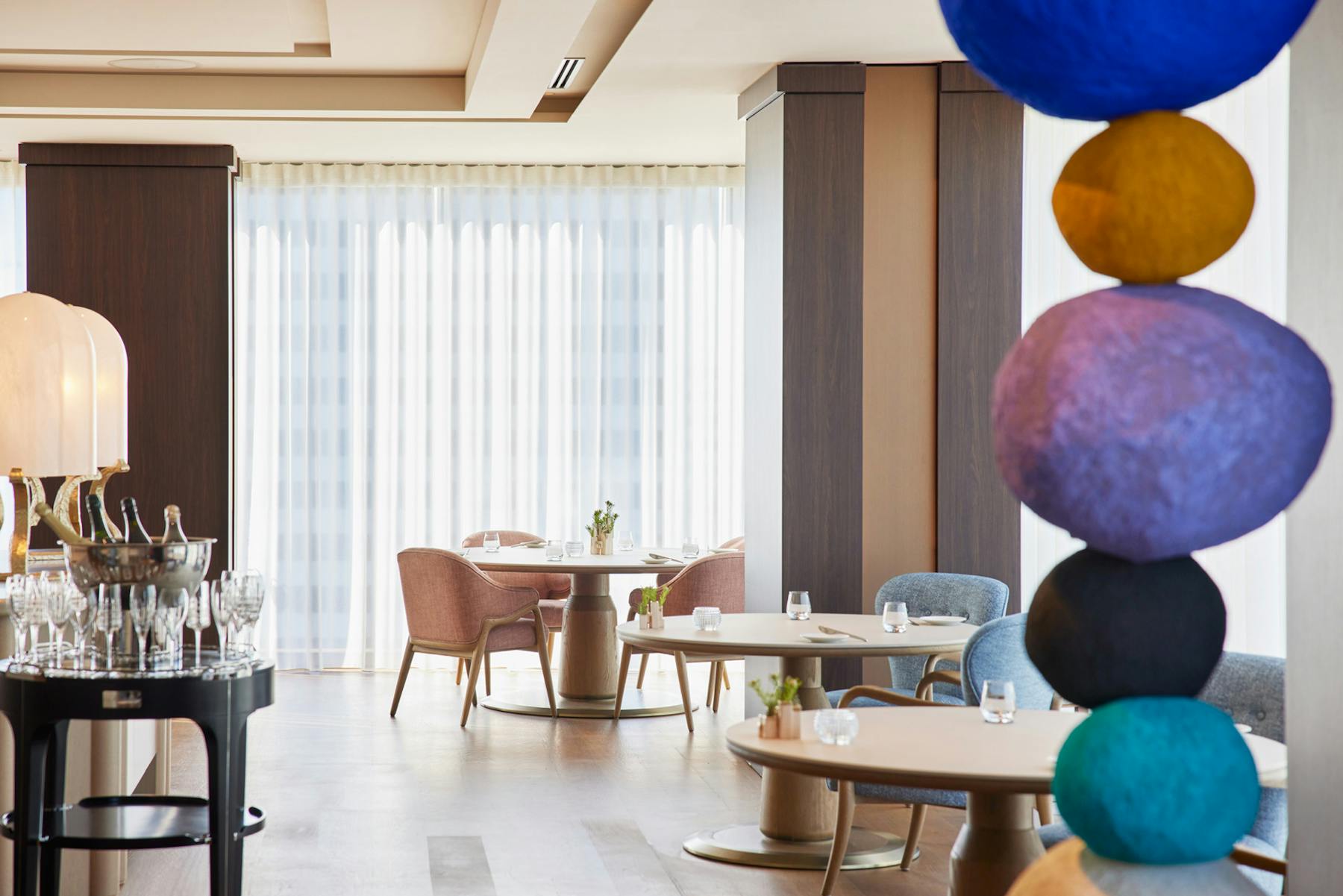
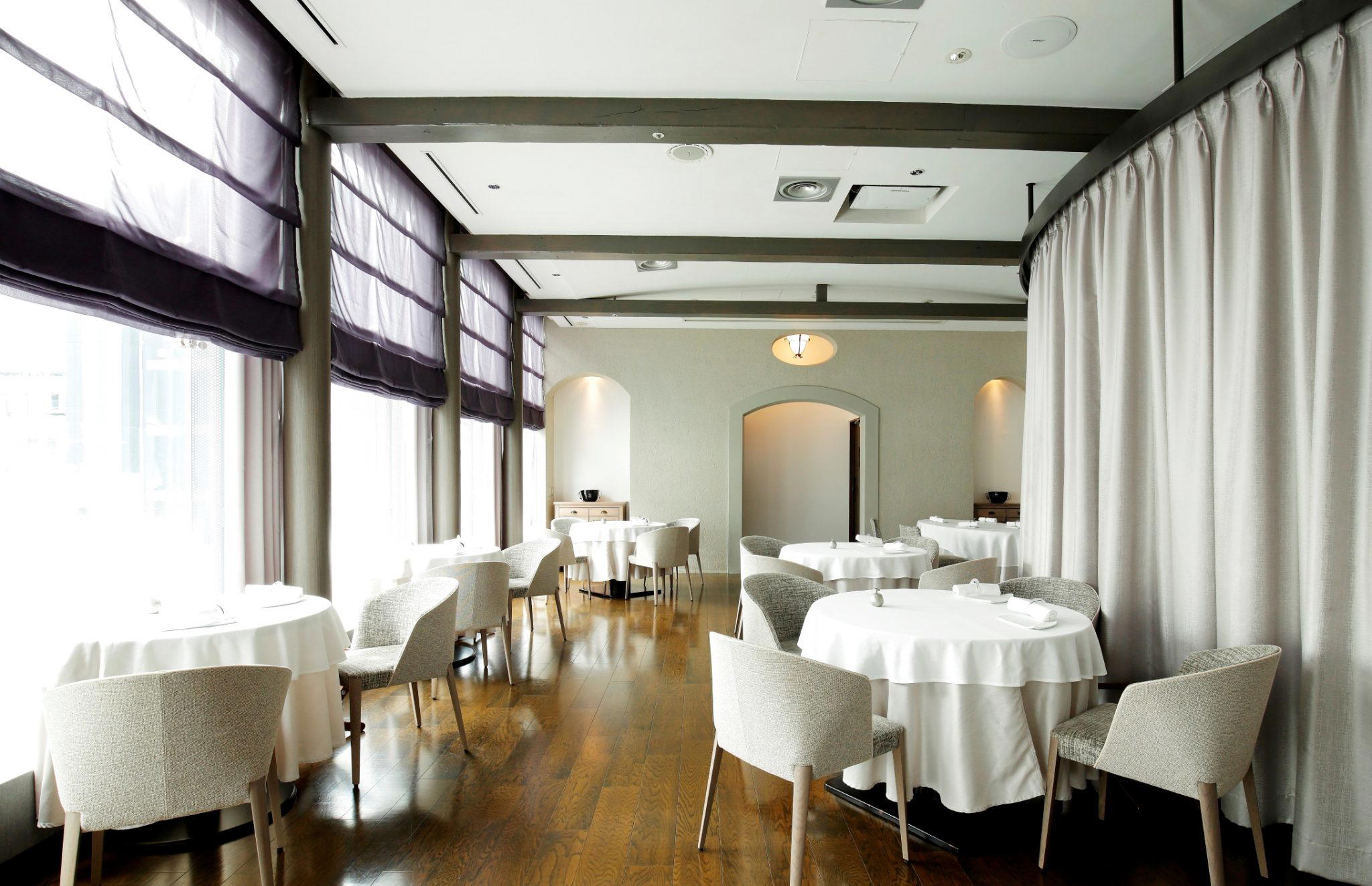
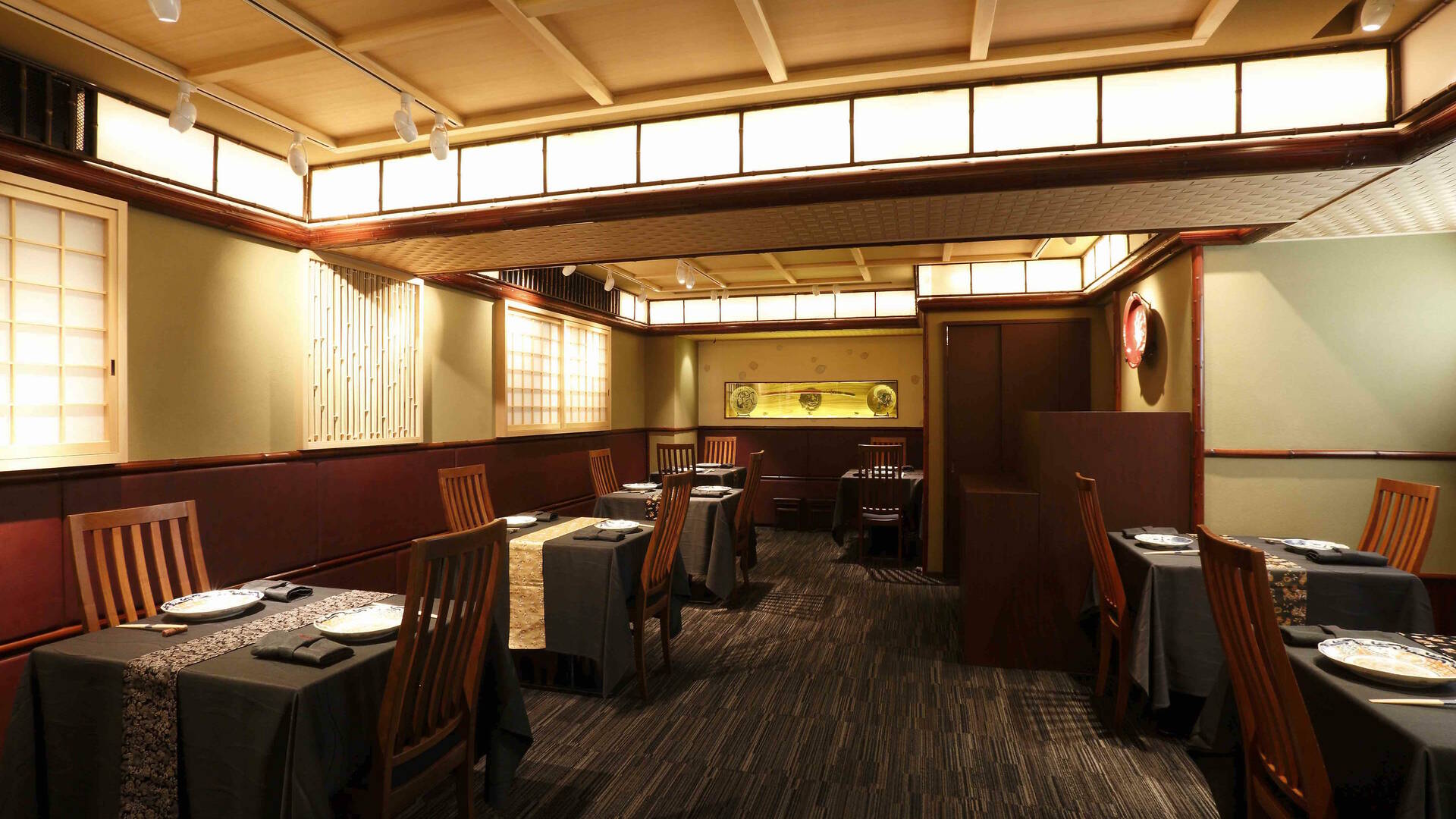
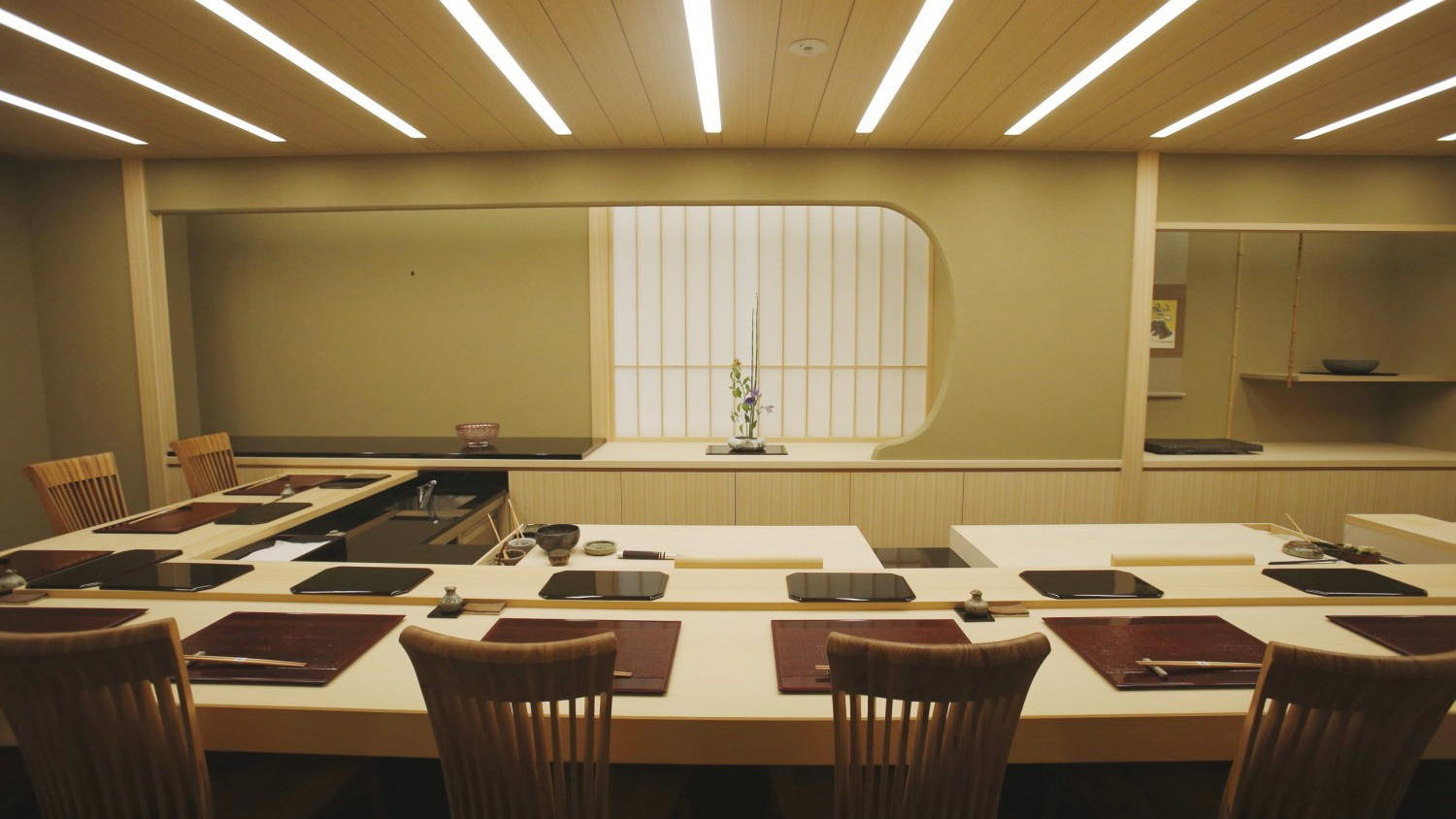
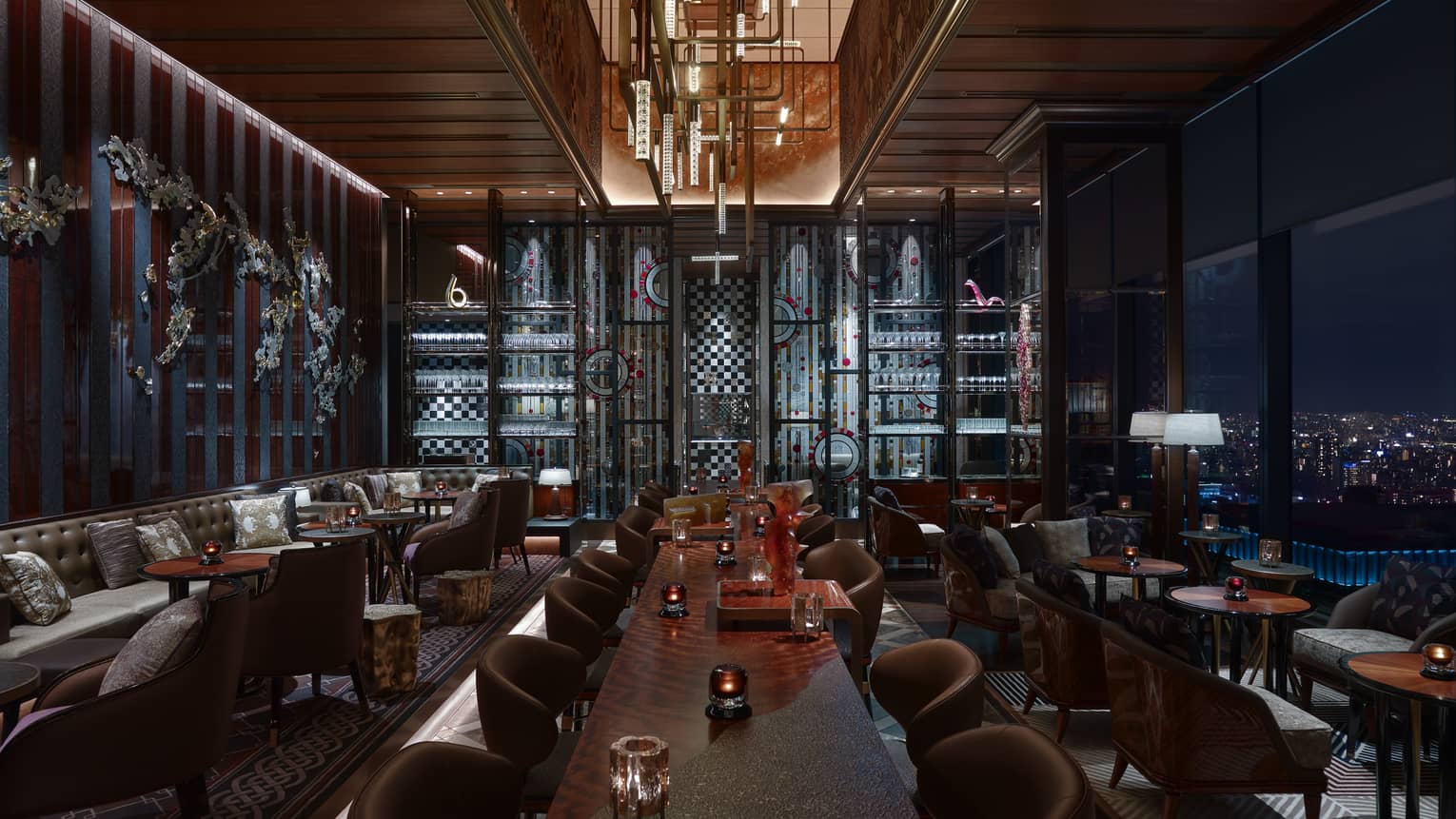
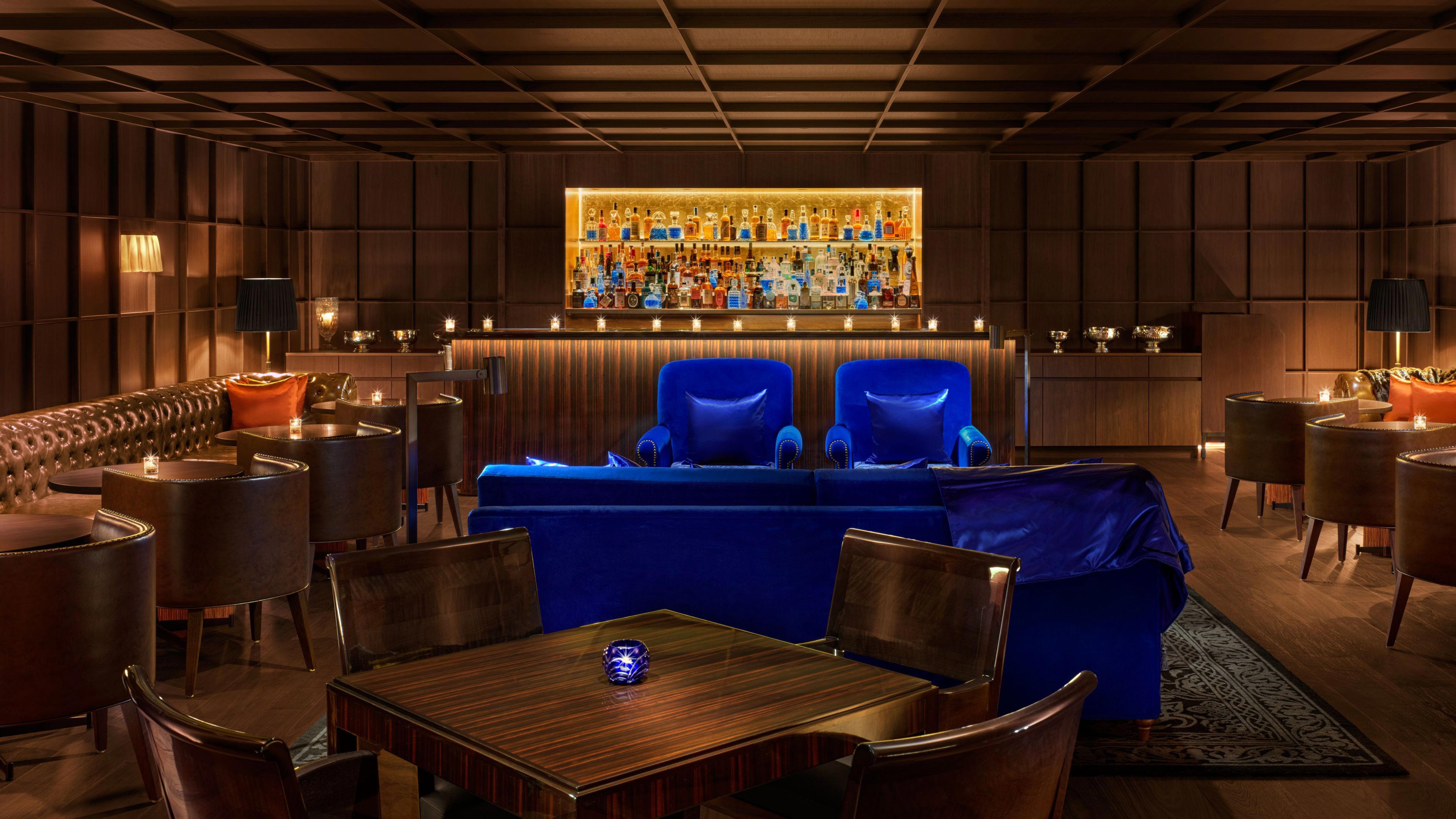
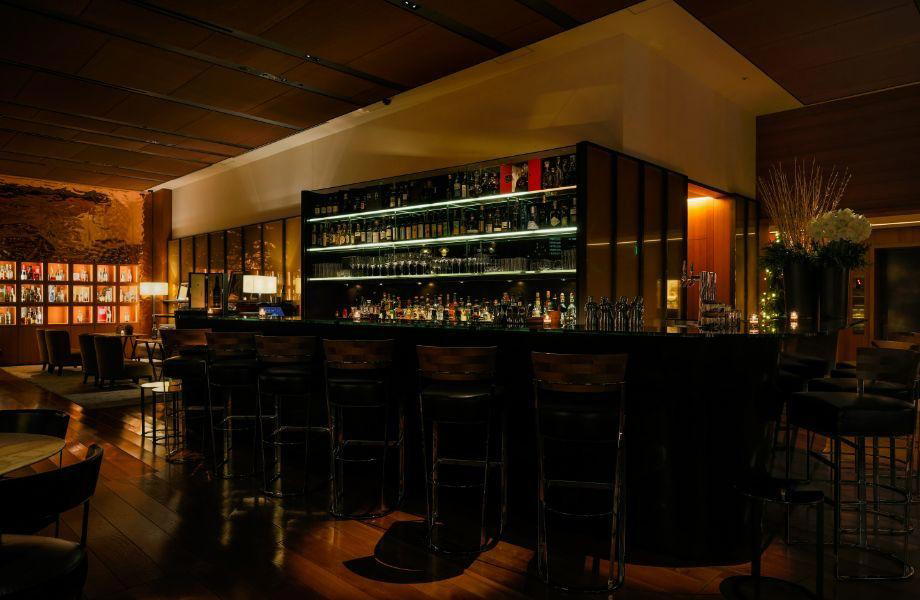
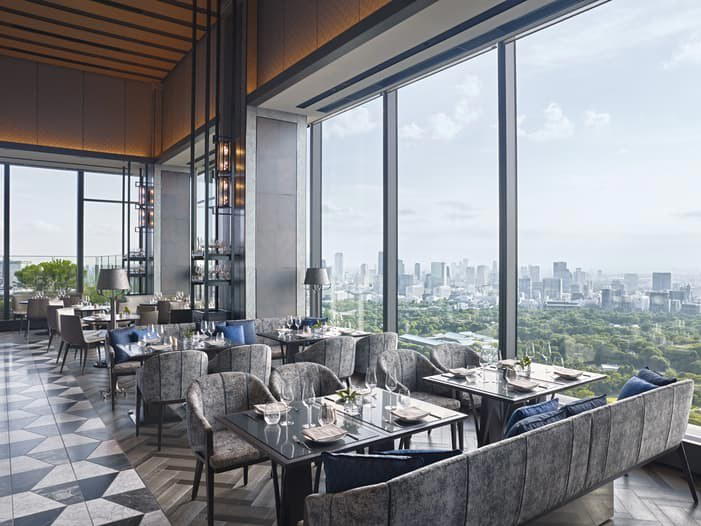
Serene and elegant atmosphere in a renovated warehouse with thoughtful interior design and precise tableware fostering a tranquil, refined dining experience.