
A 10-seat counter in Hyakunincho puts Tokyo yakiniku into a compact, neighbourhood-specific register rather than the polished Ginza template. Koi Nobori’s Tabelog 100 - Yakiniku - TOKYO - 2025 selection and tripe-focused category place it in the serious end of the city’s grill culture, with the practical constraints that come with a small room.
Pearl is the En Primeur Club membership app — saves, bookings, and concierge access live there. Same editors, same standards.
- Address
- 2 Chome-26-7 Hyakunincho, Shinjuku City, Tokyo 169-0073, Japan
- Phone
- +81 3-3367-5188
- Website
- tabelog.com
 Saves & bookings on Pearl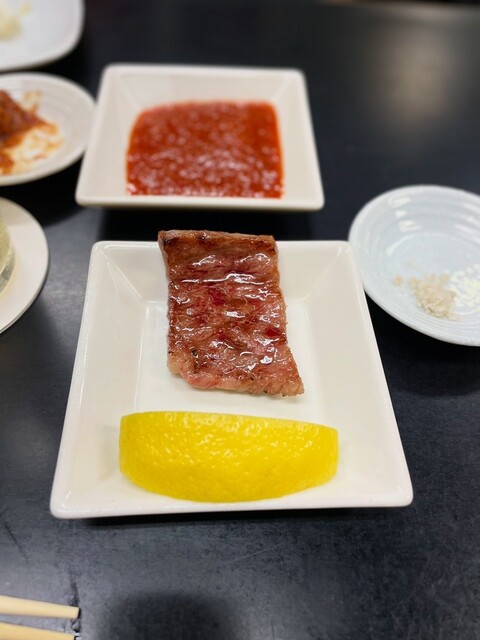
Hyakunincho changes the temperature of a Tokyo dinner before the grill is lit. North of Shinjuku’s commercial glare, the streets around Okubo and Shin-Okubo are denser, more multilingual, and less choreographed than the city’s luxury dining corridors. Here, a 10-seat yakiniku counter reads less like a large beef salon and more like a focused neighbourhood appointment.
Koi Nobori sits in the part of Tokyo’s yakiniku scene where scale matters. Small counters compress the experience: fewer seats, closer grill attention, and little room for the sprawling group energy of casual yakiniku rooms. Its category listing, tripe and Japanese barbecue, signals a narrower, more serious lane than a generic wagyu dinner. In Tokyo, offal is not secondary when handled well; it tests a grill kitchen’s buying, cutting, and timing.
Hyakunincho gives the grill a different rhythm from central Tokyo luxury dining
Tokyo’s premium beef culture is often flattened into marbled cuts, high prices, and immaculate rooms. The city is more interesting. Yakiniku ranges from smoke-heavy after-work tables to reservation-led counters where the grill becomes a controlled instrument. Hyakunincho adds another layer. Beside one of Tokyo’s strongest Korean dining corridors, grilled meat carries a different neighbourhood charge than in hotel districts or Ginza-style rooms.
That context matters because yakiniku in Tokyo is both Japanese and transnational. The modern restaurant form has deep links to Korean barbecue culture, while Japanese beef sourcing, tare seasoning, counter service, and offal specialization have pushed the category into its own local grammar. A small Okubo room does not need kaiseki-style ceremony to feel serious. Its discipline is measured in seat count, selection, heat control, and confident treatment of secondary cuts.
The 2025 Tabelog 100 - Yakiniku - TOKYO selection gives the restaurant an external marker in a crowded field. Tabelog’s Hyakumeiten lists are useful in categories such as yakiniku because they often capture local consensus beyond international award circuits. Michelin attention in Tokyo tends to concentrate on sushi, French, tempura, and kaiseki; yakiniku prestige is often read through domestic platforms, repeat regulars, and reservation friction rather than global ceremony.
A counter format turns yakiniku into a tighter decision
The 10-seat format changes the decision more than any adjective could. This is not a spontaneous, large-table fallback after drinks in Shinjuku. It sits in a narrower bracket: small-party dining, counter proximity, and a price tier that asks for intent. The room’s size also shifts the social register. Solo dining and meals with friends are natural fits; private rooms are not part of the offer.
Tripe as a listed category is an important clue. Tokyo diners who judge yakiniku only by premium loin and short rib miss much of the form. Offal demands different cooking logic: texture, trimming, and timing matter as much as fat content. A restaurant that foregrounds tripe speaks to diners who understand that yakiniku is not simply steak cut smaller. It is a sequence of cuts, heat, smoke, condiments, and pacing, with the grill acting as kitchen and table.
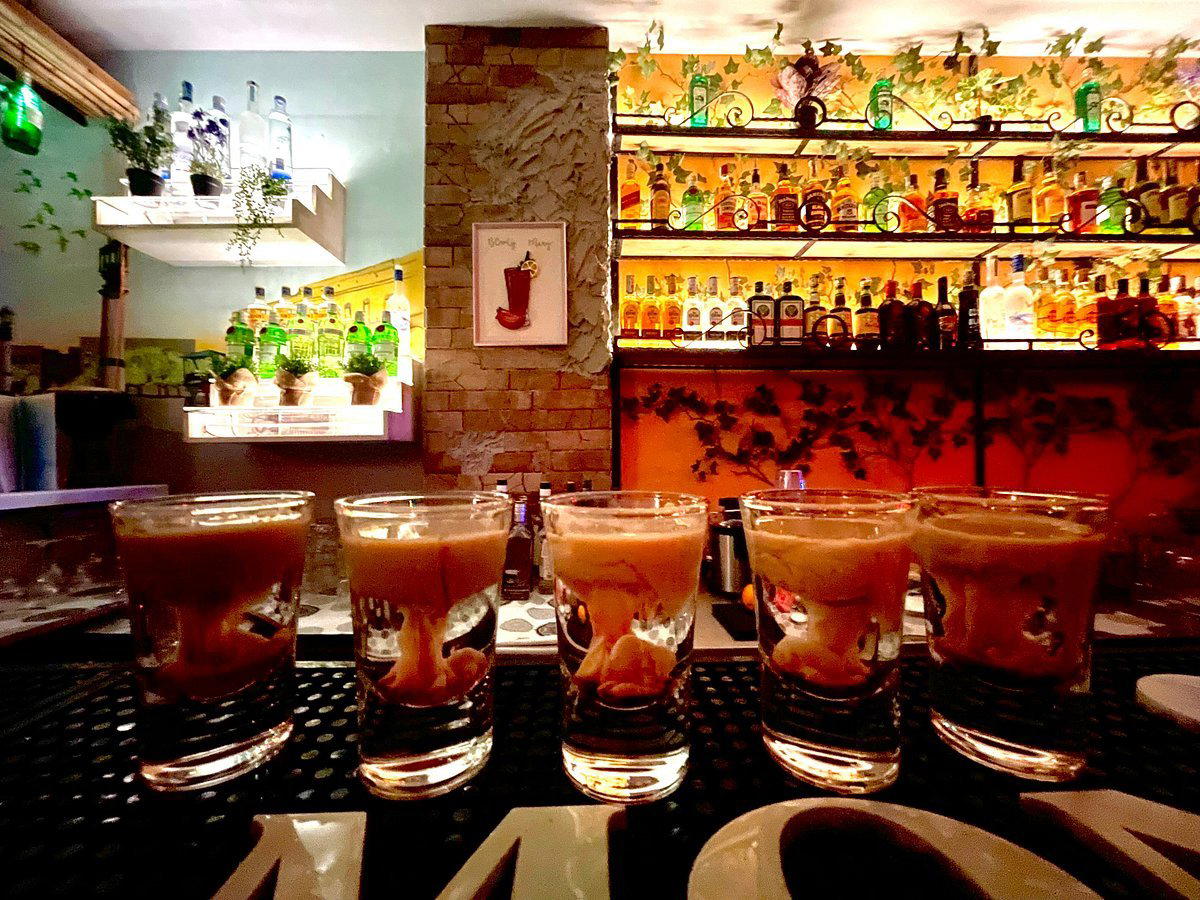
Drink culture fits that structure. Sake, shochu, and wine all work, but shochu has a particular affinity with grilled meat because it cuts fat without turning the meal into a formal wine exercise. That matters in this neighbourhood. Okubo dining is often direct, compact, and late-evening in mood; a serious yakiniku counter here can feel more grounded than a polished beef room built around spectacle.
For comparison inside Tokyo’s casual-to-premium spread, Vietnam Chan operates at a far lower dinner bracket, Gyusuji Curry Chiisana Curry Ya sits in the sub-¥1,000 curry lane, and SPICY CURRY Roka occupies the city’s curry-and-Taiwanese crossover conversation. They are not direct peers, but they show how Shinjuku and neighbouring districts reward specialization at many price levels. Nearby editorial context also runs through 2D Cafe and 12/10 Shinjuku ten, while a wider Tokyo dining map should include . 鮪と炭火焼き うお炭 秋葉原店, 124. KAGURAZAKA (Yakitori), and 3 Chome no Curry Ya San.
How to read the experience before committing a night
Expect disciplined, compact yakiniku rather than a broad luxury restaurant experience. The strongest case is the intersection of neighbourhood, category, and scale: Hyakunincho gives the meal a less corporate setting; the tripe and yakiniku category points to a cut-focused kitchen; and the 10-seat counter keeps the format controlled. Tabelog 100 recognition adds a trust signal, but the more useful point is what it implies about local competition. Tokyo has a deep yakiniku field, and a small Okubo counter selected in 2025 operates where domestic diners know reputation from performance.
Planning deserves the same seriousness as the meal. Reservations are available, payment is cash-oriented, and the room is not built for diners needing private-room separation. The nearest rail access is Okubo, with Shin-Okubo also practical, making dinner easy to pair with a Shinjuku evening without entering the district’s louder circuits. The counter setting and no-smoking policy sharpen the experience further: this is a small-room grill dinner, not an open-ended night market crawl.
For broader planning, use Our full Tokyo restaurants guide alongside Our full Tokyo hotels guide, Our full Tokyo bars guide, Our full Tokyo wineries guide, and Our full Tokyo experiences guide. Readers building a wider Japan itinerary can contrast Tokyo’s grill culture with -Grilled beef Sukiyaki- KAMAKURA TANUKIAN 鎌倉 たぬき庵 in Kamakura.cafe in Osaka.know in Kumamoto, (Shoku) Vietnam in Kawasaki, [Curry Senmon Ten] Maruyama Kyoju. in Sapporo, and [ki:] in Kyoto. For a transpacific sake-and-Japanese-food thread, Jōdo Saké Bar in Los Angeles and Onigiri Time in Pasadena sit in a different dining culture but help frame how Japanese formats travel abroad.
Standing Among Peers
Comparable venues to anchor price and recognition.
| Venue | Cuisine | Price | Notes |
|---|---|---|---|
| Koi NoboriThis venue — the venue you are viewing | High-end Yakiniku & Horumon Counter | $$$ | Not listed |
| green glass | Handmade Soba & Shizuoka Sake | $$$ | Shinjuku |
| Sorano Shibuya | Traditional Japanese Tofu Cuisine | $$$ | Shibuya |
| Tori Sawa Roppongi | Yakitori | $$$ | Minato |
| sumiyaki kadota or yourisu zuki | Charcoal-grilled Japanese diner & motsunabe | $$$ | Shibuya |
| Soba Mitate | Soba kappo counter with seasonal course menu | $$$ | Minato |
Recognition history
Dated appearances from independent guides and award organizations, with the underlying list record or original source where available.
Tabelog 100 #46 · No. 46
Tabelog · Tabelog 100 - Yakiniku - TOKYO - 2025






At a Glance
- Intimate
- Cozy
- Elegant
- Date Night
- Solo
- Group Dining
- Special Occasion
- After Work
- Standalone
- Sake Program
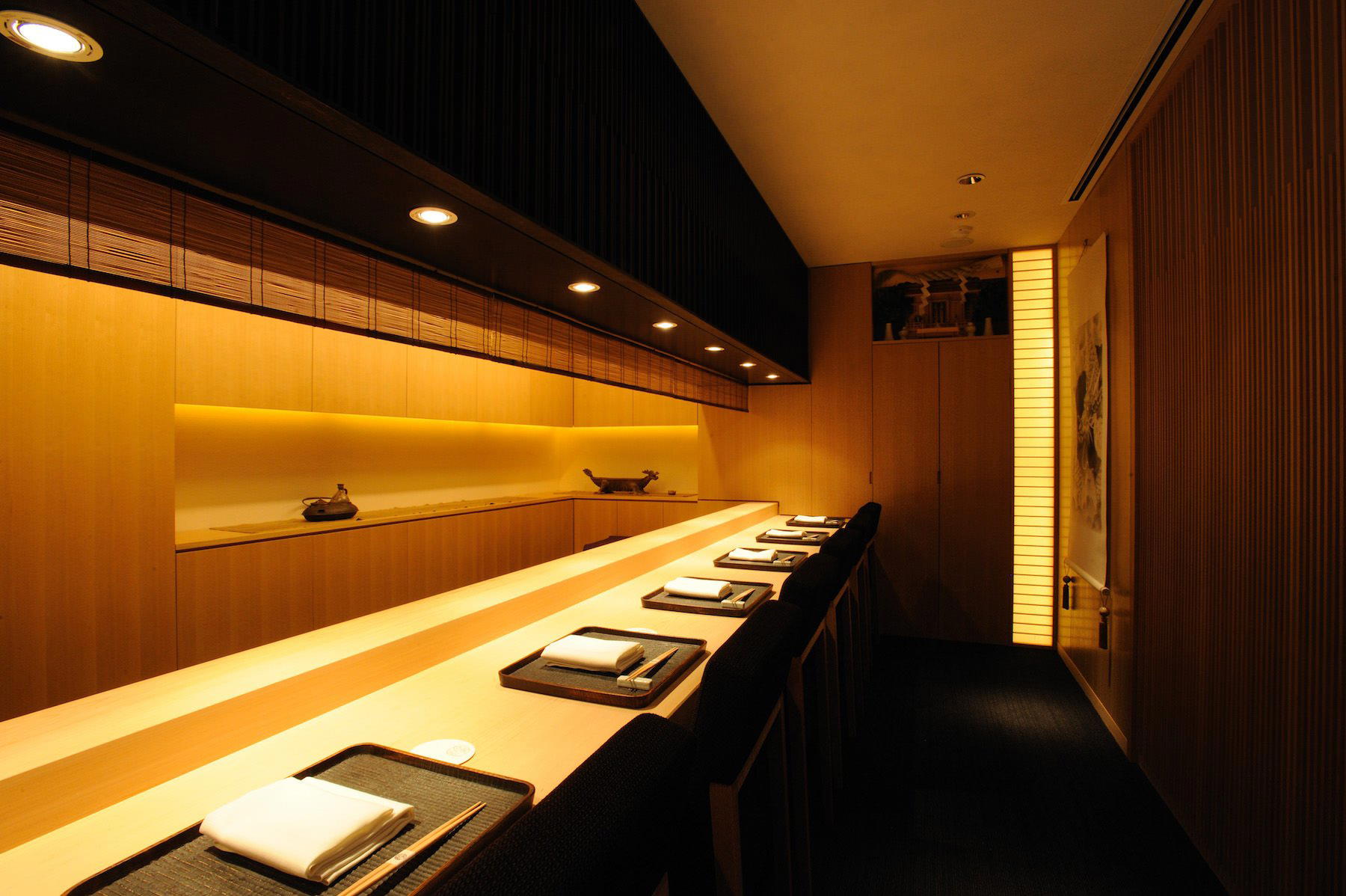
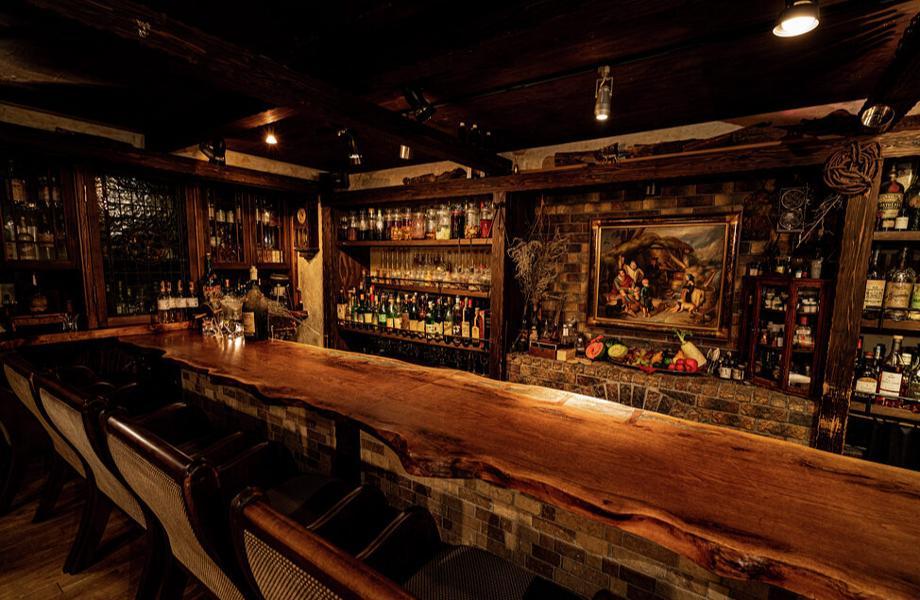
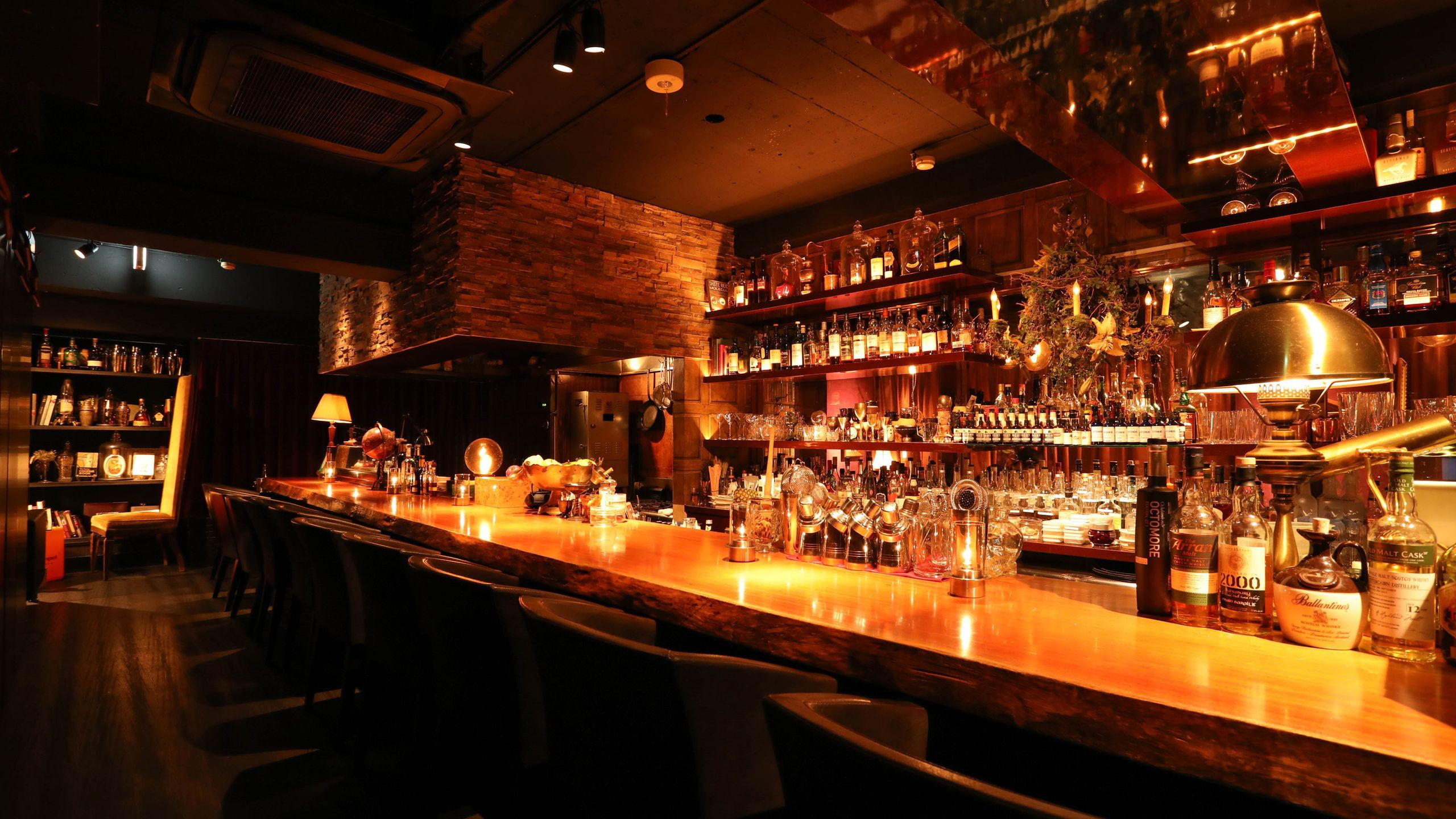
An intimate, 10-seat non-smoking counter with a relaxed, hideout-like feel where guests linger over carefully grilled offal and drinks in a calm, adult-focused atmosphere.