
green glass is a 10-seat soba restaurant in Kamiochiai, Shinjuku, selected for Tabelog 100 Soba EAST 2025, with earlier selections in 2024, 2022, and 2019. Its position in Tokyo’s soba scene is defined less by spectacle than by discipline: regional buckwheat comparison, scent-sensitive etiquette, and a price tier that places it well above casual noodle counters.
Pearl is the En Primeur Club membership app — saves, bookings, and concierge access live there. Same editors, same standards.
- Address
- 東京都新宿区上落合3-28-9
- Phone
- +81366748997
- Website
- green-glass.info
 Saves & bookings on Pearl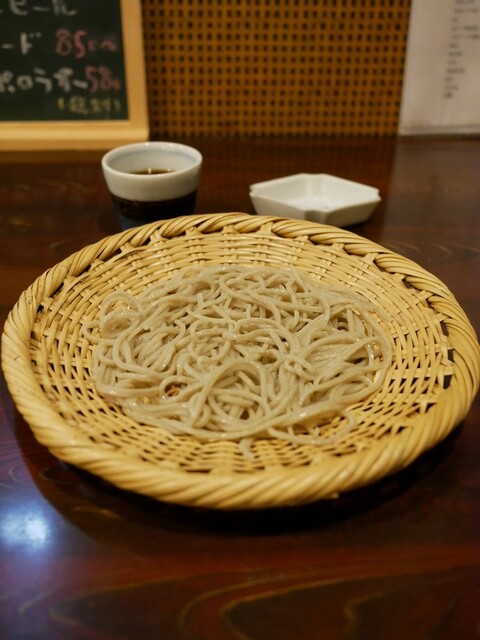
Kamiochiai sits away from the polished hotel corridors and department-store dining floors that shape many Tokyo itineraries. That distance matters. Soba has always had two lives in the city: the fast, democratic bowl taken at speed, and the slower specialist meal where buckwheat, water, milling, dipping sauce, and aroma become the point. green glass belongs to the second category, a small-room expression of a craft that rewards quiet attention rather than theatrical service.
Tokyo’s noodle culture is often read through ramen, where intensity, fat, and queue culture dominate the tourist imagination. Soba asks for a different register. The tradition is older, more restrained, and more seasonal in its relationship to grain. Edo soba developed as urban food, but serious contemporary soba restaurants have moved it into a format closer to dégustation logic: fewer seats, more control, and a meal built around comparison rather than volume. The defining detail here is the stated focus on comparing soba from different regions, which places the restaurant inside a specialist conversation about terroir and texture rather than a simple lunch stop.
Regional soba treated as a specialist tasting format
The useful way to read this restaurant is not as an alternative to a casual noodle counter, but as part of Tokyo’s higher-touch soba tier. The room runs at 10 seats, private rooms are not part of the setup, and the restaurant has been selected for Tabelog 100 Soba in 2019, 2022, 2024, and Tabelog 100 Soba EAST 2025. Those signals matter in a city where soba ranges from station-adjacent utility to highly controlled craft restaurants with a narrow service rhythm.
Price also clarifies the category. Compared with Tokyo noodle peers such as Mendokoro Kinari, Chuka Soba Chigonoki, and Kashiwagi, which sit in a lower everyday spend bracket, this is a different decision. MAROLOGA Bhavan, another Tokyo comparison point from a separate cuisine category, also illustrates how sharply Tokyo pricing changes once a restaurant moves from everyday meal to curated specialist format. green glass sits in the premium soba lane, where the value proposition depends on grain specificity, pacing, and the ability to taste difference rather than merely satisfy hunger.
That distinction is culturally important. Soba’s appeal is not only noodle texture; it is the fragile aromatic identity of buckwheat. The restaurant’s fragrance policy, which asks guests to avoid perfume, fabric softener, and tobacco scents that interfere with soba aroma, may feel severe to travelers used to more relaxed dining rooms. In Tokyo’s soba tradition, it is logical. The same logic explains why shoes are removed before entering: the room is managed as a controlled environment, not a casual canteen.
Why Kamiochiai changes the meal's tempo
Neighbourhood context shapes expectation. Kamiochiai and the wider Ochiai-Nakai area are residential, modest in scale, and less performative than Ginza, Roppongi, or Marunouchi. A serious restaurant here does not rely on skyline drama or luxury retail adjacency. It has to justify the trip through format and repeat credibility. In that sense, the repeated Tabelog 100 selections are more than badges; they show that the restaurant is being judged within the soba category rather than by general destination-dining glamour.
The location also changes how the meal fits into a Tokyo day. This is not the natural choice for a loose group that wants a flexible table, a stroller-friendly lunch, or a broad menu with something for every appetite. It is better understood as a focused stop for diners who already care about Japanese grain traditions, or who want a counterpoint to sushi and kaiseki in the city’s high-attention dining circuit. The small capacity makes the experience more controlled, and the category rewards guests who arrive prepared to pay attention.
Tokyo has many restaurant types that translate easily for international travelers: tempura counters, sushi omakase, wagyu rooms, cocktail bars. Soba can be harder to read because its pleasures are quieter and its hierarchy less obvious from the outside. That is precisely why a restaurant like this is useful. It demonstrates that buckwheat noodles can occupy the same seriousness as other Japanese crafts, without adopting their visual drama or luxury vocabulary.
Where it fits in a broader Tokyo itinerary
For travelers building a food-focused route through the city, green glass works as a corrective to over-scheduled tasting-menu tourism. It narrows the frame. The meal is about soba as craft, not a parade of named dishes or chef biography. The absence of a public chef narrative is not a weakness in this case; the stronger editorial point is the format itself, which asks the diner to compare regional buckwheat expression inside a small, scent-conscious room.
It also pairs well conceptually with a broader Tokyo dining map. For a different view of casual and specialist Japanese dining, EP Club’s Tokyo restaurant coverage includes . 鮪と炭火焼き うお炭 秋葉原店, 12/10 Shinjuku ten, 124. KAGURAZAKA (Yakitori), 2D Cafe, and 3 Chome no Curry Ya San. The wider city index sits at Our full Tokyo restaurants guide, with parallel planning references for Our full Tokyo hotels guide, Our full Tokyo bars guide, Our full Tokyo wineries guide, and Our full Tokyo experiences guide.
Beyond Tokyo, the same question of format versus expectation appears across Japan and Japanese dining abroad: -Grilled beef Sukiyaki- KAMAKURA TANUKIAN 鎌倉 たぬき庵 in Kamakura.cafe in Osaka.know in Kumamoto, (Shoku) Vietnam in Kawasaki, [Curry Senmon Ten] Maruyama Kyoju. in Sapporo, [ki:] in Kyoto, Jōdo Saké Bar in Los Angeles, and Onigiri Time in Pasadena. Seen in that wider frame, this Kamiochiai soba room is not a detour for completists. It is a compact argument for one of Japan’s quieter dining traditions, served in a format that makes small differences count.
Budget and Context
Comparable venues in the metro at similar price points.
| Venue | Cuisine | Price | Notes |
|---|---|---|---|
| green glassThis venue — the venue you are viewing | Shinjuku, Handmade Soba & Shizuoka Sake | $$$ | Not listed |
| Sasha Kanetanaka | Not listed | $$$ | Minato, Modern Japanese kaiseki & tea house |
| Gonpachi Shibuya | Not listed | $$$ | Shibuya, Japanese Izakaya with Yakitori & Handmade Soba |
| Akasaka Totoya Uoshin | Not listed | $$$ | Minato, Traditional Seasonal Japanese Kaiseki |
| 魚治 はら田 | Chūō, Edomae Sushi Omakase | $$$ | Not listed |
| Sushiya | Chūō, Edomae Omakase Sushi | $$$ | Not listed |
Recognition history
Dated appearances from independent guides and award organizations, with the underlying list record or original source where available.
Tabelog 100 #2 · No. 2
Tabelog · Tabelog 100 - Soba - EAST - 2025













At a Glance
- Quiet
- Cozy
- Intimate
- Classic
- Date Night
- Solo
- Special Occasion
- Standalone
- Design Destination
- Sake Program
- Local Sourcing
Current opening hours
- Monday
- Closed
- Tuesday
- 12–2 PM, 6–9 PM
- Wednesday
- 12–2 PM, 6–9 PM
- Thursday
- 12–2 PM, 6–9 PM
- Friday
- 12–2 PM, 6–9 PM
- Saturday
- 12–2 PM, 6–9 PM
- Sunday
- Closed
Hours can change for holidays and private events. Last verified .
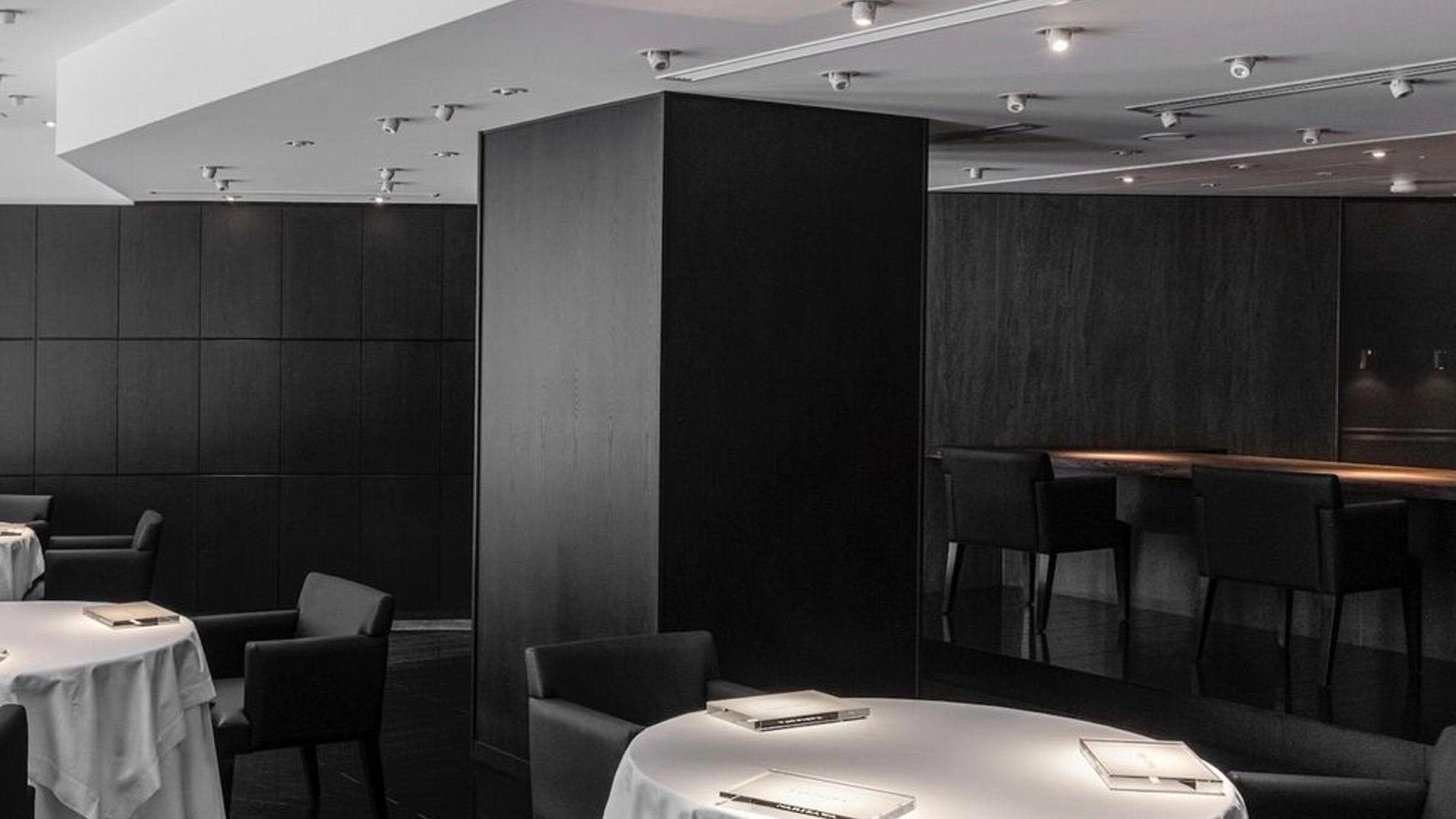
A small, quiet soba house tucked into a Shinjuku residential neighborhood, with a calm, traditional atmosphere where guests remove their shoes and strong fragrances are discouraged so the delicate aromas of freshly milled soba and sake can be appreciated.