Michelin Plate
Our verdict
A Michelin Plate holder in Hamburg's Eimsbüttel district, Klinker operates in the accessible end of the city's modern cuisine tier, holding an Opinionated About Dining Casual Europe ranking (#797, 2025) alongside consecutive Michelin recognition. Under chef Lennard Hoffmann, the kitchen at Schlankreye 73 works in a register that sits comfortably between neighbourhood reliability and serious culinary intent.

Pearl is the En Primeur Club membership app, where members save venues, book tables and use the concierge.
Eimsbüttel's Modern Cuisine Register
Hamburg's dining scene has developed a clear stratification over the past decade. At one extreme, three-star ambition at The Table Kevin Fehling and two-star precision at venues like bianc represent the city's international benchmark tier. At the other, a denser layer of neighbourhood restaurants has grown more technically serious without crossing into formal tasting-menu territory. Klinker, on Schlankreye 73 in Eimsbüttel, occupies this second register, modern cuisine at a €€ price point, recognised by both Michelin (Plate, 2024 and 2025) and the Opinionated About Dining Casual Europe list (ranked #797 in 2025). That combination of consecutive Michelin acknowledgment and a casual dining ranking is instructive: it signals a kitchen with genuine technical reach that has chosen accessibility over ceremony.
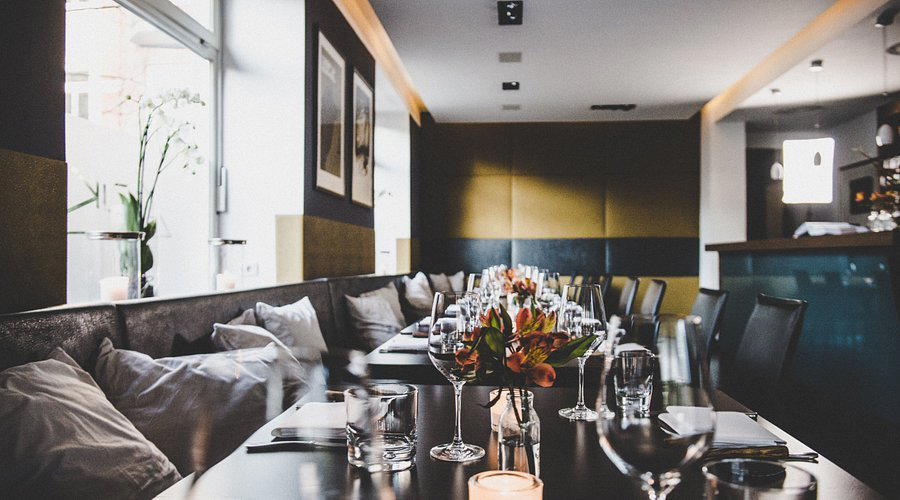
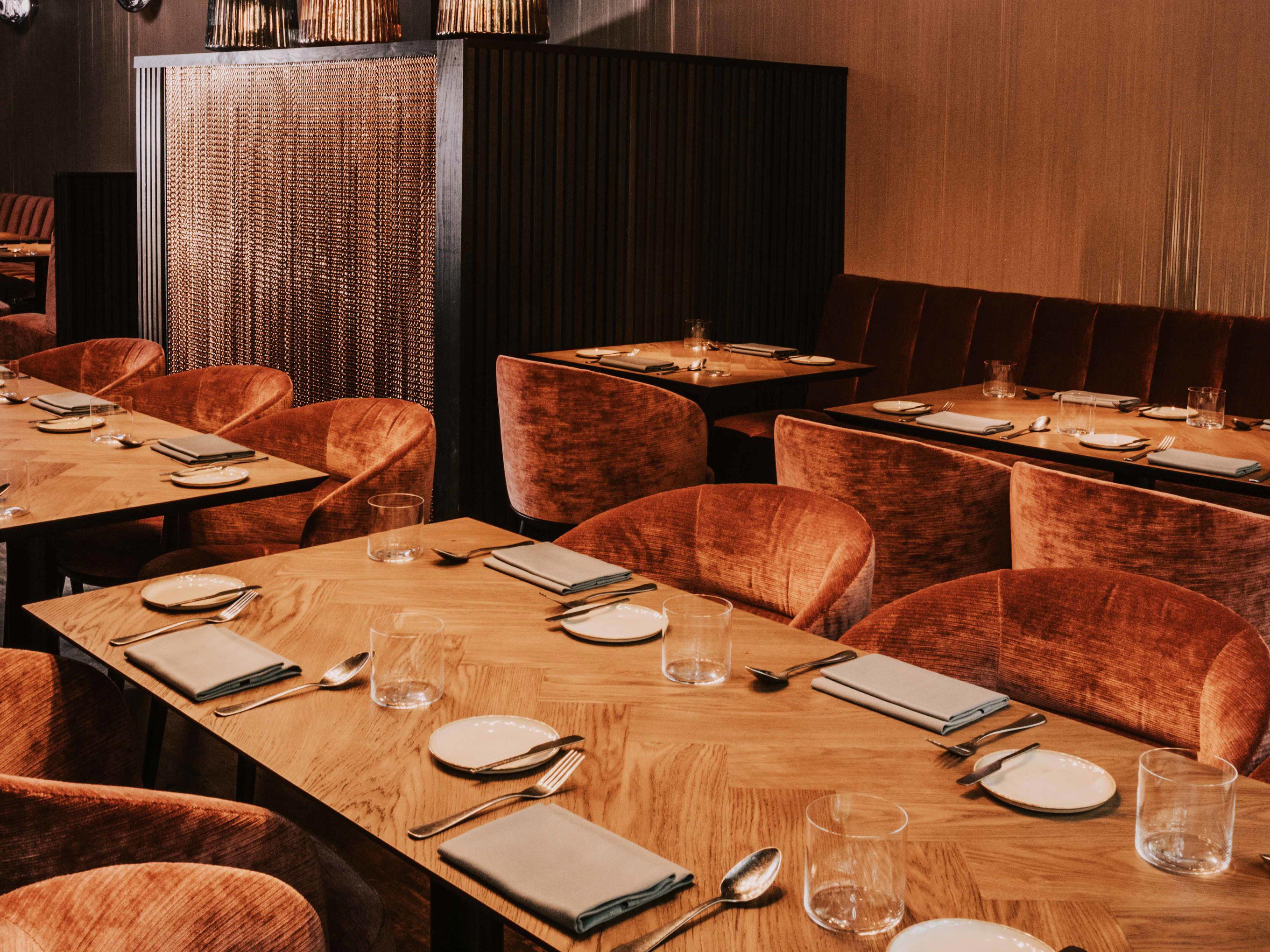
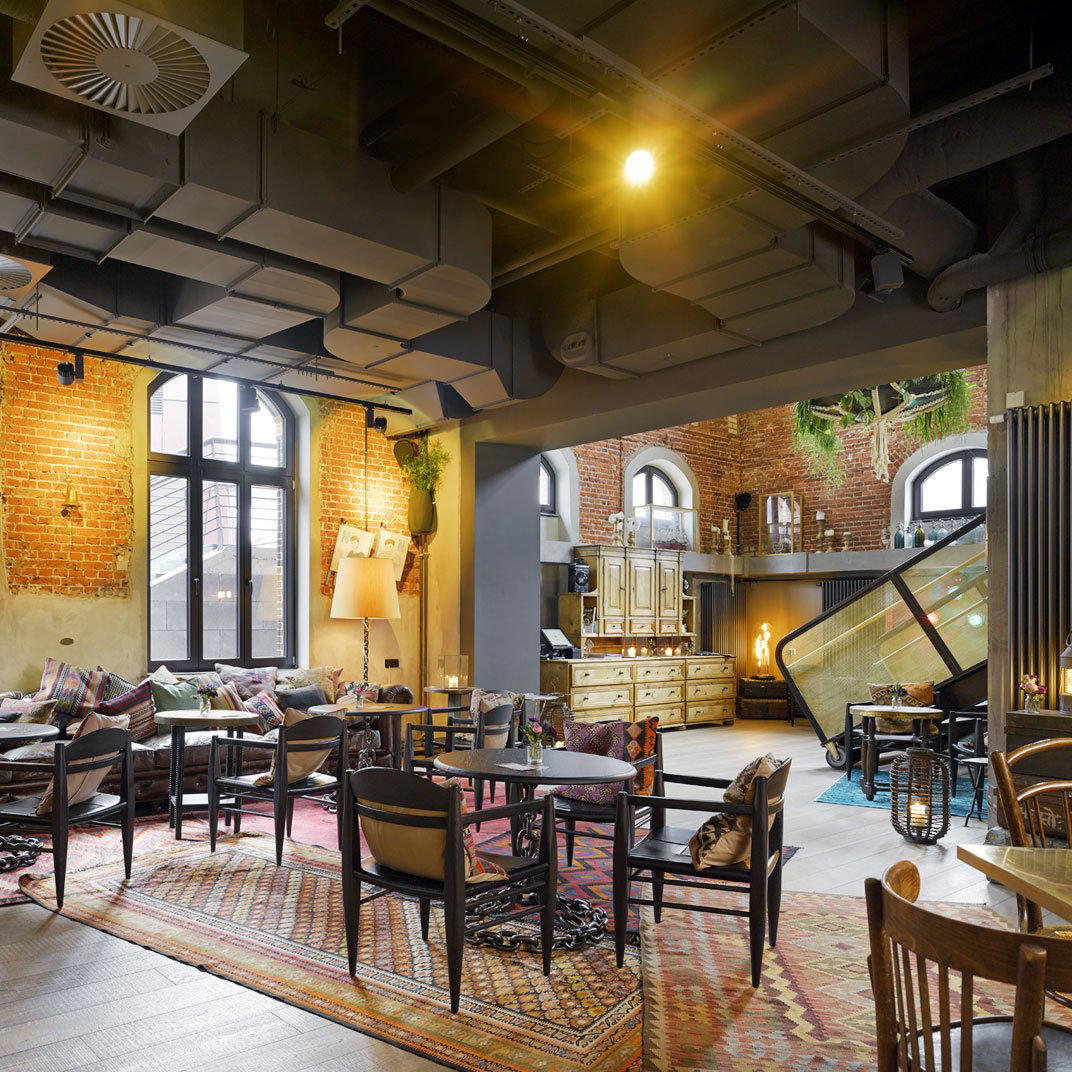
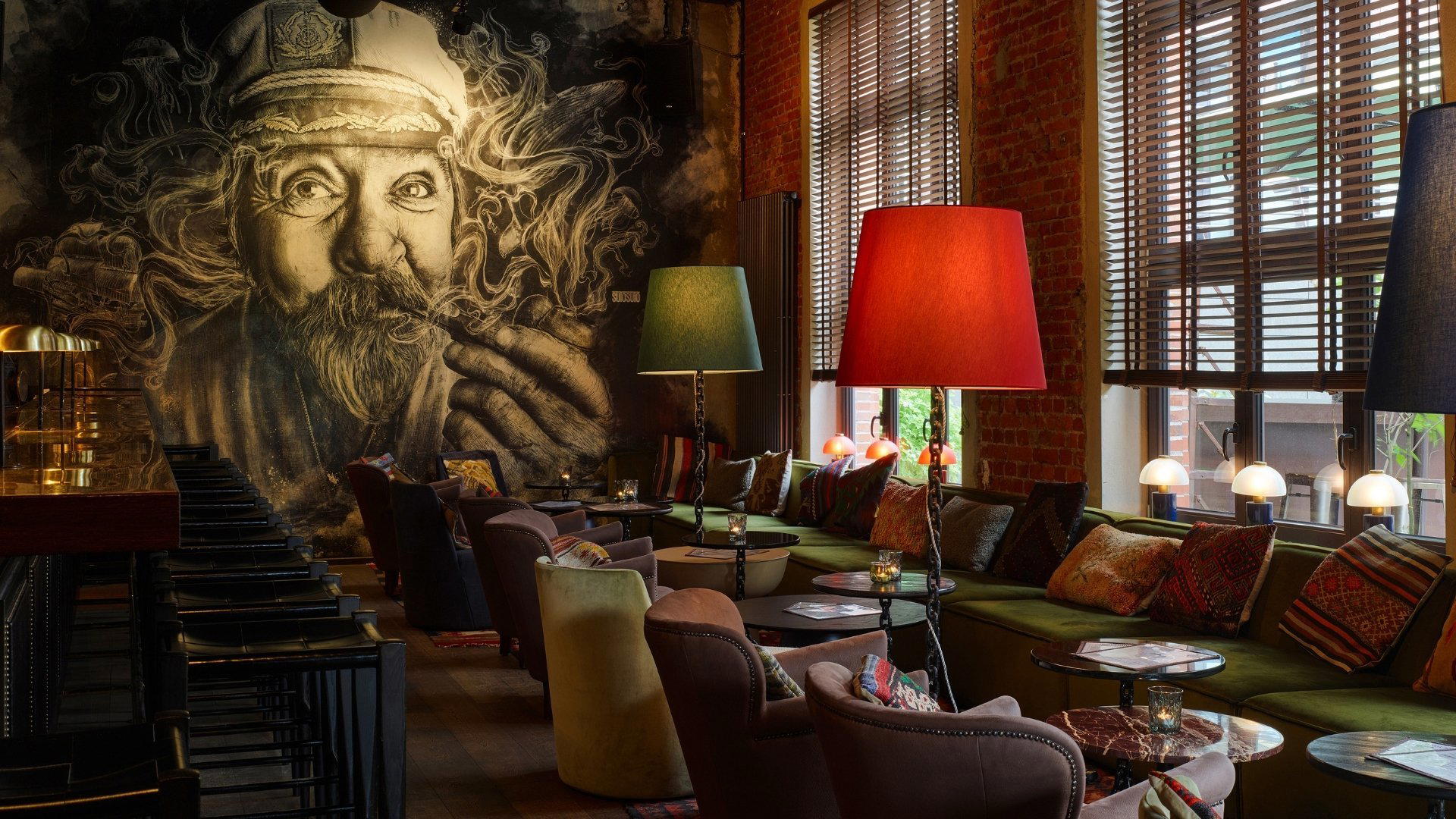
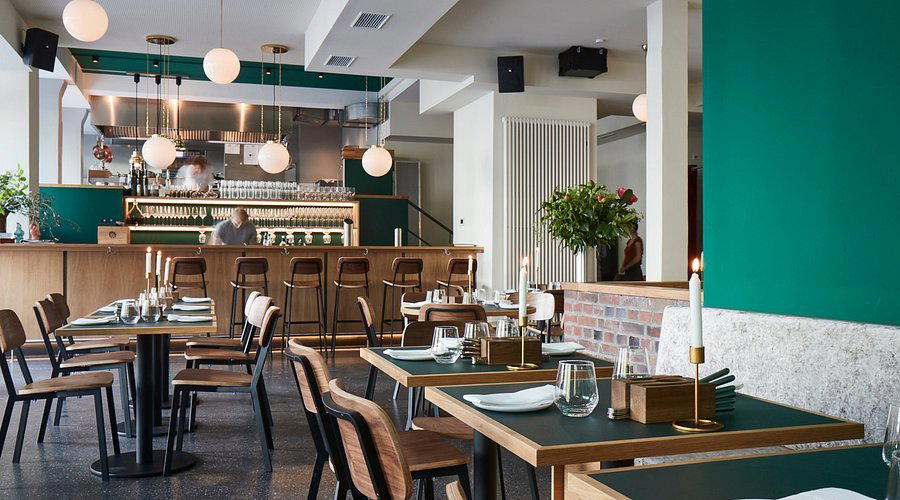
Eimsbüttel itself shapes what Klinker can be. The district runs west of the Alster, a residential neighbourhood whose street-level dining culture prizes consistency and directness over spectacle. Restaurants here tend to earn loyalty through return visits rather than destination pilgrimages, and the better ones, including nearby haebel and Witwenball, have built reputations on exactly that basis. Klinker fits that pattern: a room that reads as considered rather than theatrical, positioned to reward the kind of guest who comes back every few weeks rather than once a year for a special occasion.
What the Menu Architecture Reveals
In contemporary German restaurants, menu structure is often the most direct signal of a kitchen's ambitions and self-awareness. The high-formality end, represented in Hamburg by Restaurant Haerlin or further afield by places like Schwarzwaldstube in Baiersbronn and Vendôme in Bergisch Gladbach, uses fixed multi-course formats to assert control over the dining arc. The casual modern tier operates differently: it tends to build flexibility into the format, allowing guests to compose their own experience across a range of dishes rather than surrendering to a prescribed sequence.
Klinker's classification as modern cuisine within the casual tier suggests a menu built around that kind of compositional freedom. The kitchen, under chef Lennard Hoffmann, works in a mode where technique is present but not foregrounded, where the architecture of a dish communicates confidence without requiring explanation. This is the register that distinguishes a Michelin Plate from a full star: the recognition that cooking is achieving something, without the full apparatus of a starred experience surrounding it. Across Germany, the kitchens that hold this position most effectively, think JAN in Munich or ES:SENZ in Grassau at their respective tiers, are those that have found a stable identity between ambition and ease. Klinker's consecutive Michelin recognition across two years indicates it has found a similar footing.
The OAD Casual Europe ranking adds a further dimension to that reading. OAD's casual list weights diner experience heavily, drawn from a surveyed community of engaged food travellers rather than anonymous inspectors. A position at #797 on that list in 2025 places Klinker in a peer group that spans the continent's most respected everyday-serious restaurants, a different kind of credential from Michelin, and in some respects a more demanding one, because it reflects repeat visits and consistent satisfaction rather than a single inspection snapshot. For international comparisons in modern cuisine at this quality tier, Frantzén in Stockholm and FZN by Björn Frantzén in Dubai sit at the far premium end of modern cuisine broadly defined, while Klinker's value position and neighbourhood context place it in a genuinely different, more accessible bracket.
Sitting Within Hamburg's Wider Offer
Hamburg now has meaningful density at both ends of the fine dining curve. The city's top tier is anchored by starred and multi-starred kitchens operating at price points that price out frequent visits for most guests. Below that, the mid-range modern cuisine category, Klinker's territory, has become more competitive and more interesting. Kitchens in this bracket are no longer simply simplified versions of their starred counterparts; the better ones have developed their own formal logic, where the absence of ceremony is itself a deliberate choice rather than a constraint.
100/200 Kitchen, Hamburg's creative-format entry, operates at a different price point and format, illustrating how varied Hamburg's serious cooking tier has become.
For a complete view of Hamburg's dining options across price tiers and styles, our full Hamburg restaurants guide maps the city's current offer in detail.
Planning Your Visit
Klinker is at Schlankreye 73, 20144 Hamburg, in the Eimsbüttel district, accessible by U-Bahn via the Osterstraße or Hoheluftbrücke stops. At a €€ price point, it sits comfortably below the city's starred tier, making it a practical choice for a mid-week dinner or a lower-stakes introduction to Hamburg's modern cuisine scene before committing to the higher price points of venues like The Table Kevin Fehling or Restaurant Haerlin. For those building a broader Hamburg itinerary, our Hamburg hotels guide, bars guide, wineries guide, and experiences guide cover the city's wider offer across categories. For broader context on Germany's creative cooking scene, CODA Dessert Dining in Berlin and Aqua in Wolfsburg represent the range of ambition the country's kitchens are currently operating at.
Frequently asked questions
What distinctions does Klinker have?
Klinker has received recognition including: Opinionated About Dining Casual in Europe Ranked #797 (2025); Michelin Plate (2025); Michelin Plate (2024).
What cuisine category does Klinker fall under?
What's the signature dish at Klinker?
Chef Lennard Hoffmann's kitchen holds a Michelin Plate for 2024 and 2025 and ranks 797th on the OAD Casual Europe list for 2025, suggesting a kitchen with consistent technical standards. The most reliable approach is to check directly with the restaurant at Schlankreye 73 or review any current menu posted on their channels before visiting.
Is Klinker expensive?
Pricing at Klinker is listed as €€.
Cuisine-First Comparison
| Venue | Cuisine | Price | Awards | Notes |
|---|---|---|---|---|
| KlinkerThis venue (the venue you are viewing) | Sustainable German Vegetarian | Not listed | Michelin Plate | Not listed |
| The Table Kevin Fehling | Avant-Garde Fusion Fine Dining | $200–300 | 3 Michelin Stars · La Liste Top Restaurants | Creative |
| bianc | Modern Mediterranean Fine Dining | $200–300 | 2 Michelin Stars · La Liste Top Restaurants | Modern Mediterranean, Mediterranean Cuisine |
| Lakeside | Modern European Fine Dining | $200–300 | 2 Michelin Stars · La Liste Top Restaurants | German Lakeside |
| Landhaus Scherrer | Michelin-Starred North German Fine Dining | $150–200 | 1 Michelin Star · Star Wine List | Modern European, Classic Cuisine |
| Heimatjuwel | Modern Regional German Vegetarian Fine Dining | Not listed | 1 Michelin Star · We're Smart World 3 Radishes | German, Creative |
Recognition history
Dated appearances from independent guides and award organizations, with the underlying list record or original source where available.
Michelin Plate
Michelin · 2026 Michelin Plate
Opinionated About Dining Casual in Europe Recommended
Opinionated About Dining
Full recognition history (5 entries)
Michelin Plate
Michelin
Opinionated About Dining Casual in Europe Ranked #797
Opinionated About Dining
Michelin Plate
Michelin