
Kissa Orino places Wakayama’s yoshoku tradition in a low-key kissa setting, with Tabelog 100 Yoshoku WEST 2025 recognition giving it weight beyond the neighbourhood circuit. The appeal is not ceremony; it is the way Japanese-style Western cooking can turn everyday ingredients, rice-plate comfort, and café pacing into a serious regional meal.
Pearl is the En Primeur Club membership app — saves, bookings, and concierge access live there. Same editors, same standards.
- Address
- 5 Chome-7-15 Sekido, Wakayama, 641-0035, Japan
- Phone
- +81 73-444-6472
- Website
- wakayama.mypl.net
 Saves & bookings on Pearl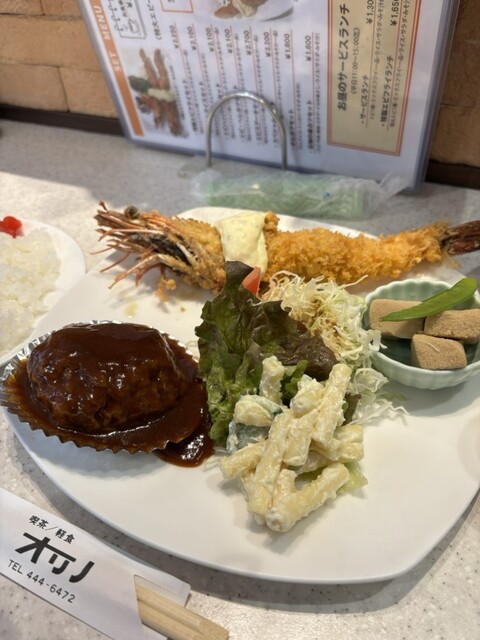
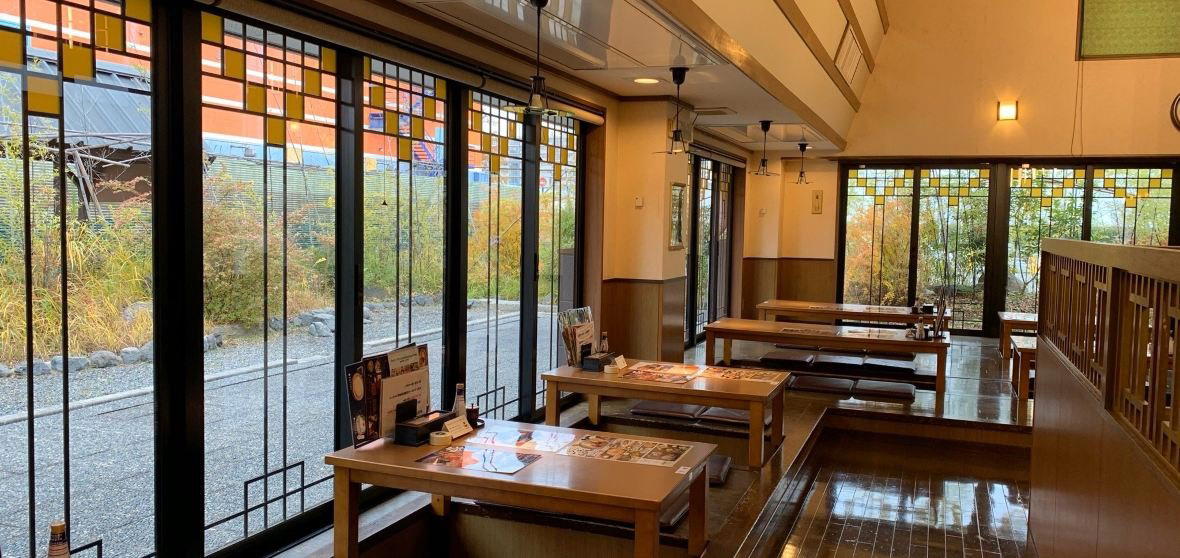
Approach the Sekido address and the mood is closer to a working local café than a destination dining room: breakfast, lunch, and dinner rhythms overlap, and yoshoku reads as daily food rather than nostalgia for visitors. That matters in Wakayama, a city more often reduced to ramen, pilgrimage routes, and coastal produce than to Western-influenced Japanese cooking. Kissa Orino belongs to a dining strand where room, plate, and timetable all point to continuity: a kissa format with the discipline to earn a place in Tabelog 100 Yoshoku WEST 2025.
Yoshoku is often misunderstood outside Japan as Western dishes translated into Japanese. In practice, it is more precise. The form depends on sauces, frying technique, rice, eggs, shredded cabbage, demi-glace traditions, curry gravies, cutlets, and set-meal logic, but also on procurement. In a regional city, value sits in ordinary ingredients handled with the seriousness usually reserved for tasting-menu kitchens. The point is not imported luxury; it is how vegetables, meat, eggs, rice, and frying oil become a recognisable Japanese grammar of comfort.
Wakayama yoshoku with kissa timing, not restaurant theatre
Wakayama’s dining identity has a strong casual spine. Chuka soba counters such as Chuka Soba Senmon Ten Ide Shoten and Chuka Soba Hayami define the city for many food travellers because they compress local appetite into bowls, queues, and quick turnover. Yoshoku works differently: it stretches the meal, gives sauce and frying more room, and makes the café table part of the experience. Compared with the ramen circuit, this is a slower lens on the same city: accessible, informal, and invested in plates carrying Western technique and Japanese home-dining memory.
The 2025 Tabelog 100 Yoshoku WEST selection places Kissa Orino inside a competitive regional category, not merely a local café list. Tabelog’s Hyakumeiten lists reward category depth, and yoshoku in western Japan is crowded with long-running kitchens, family restaurants, and specialist counters. A Wakayama address in that group signals that the city’s everyday dining has more range than the chuka-soba shorthand suggests.
The ingredient-sourcing angle is less about named farms than the yoshoku contract itself. This cuisine succeeds when everyday components are treated consistently: rice that anchors sauce-heavy plates, vegetables that reset the palate, proteins cooked for texture rather than spectacle, and condiments that bring Western forms back into Japanese balance. In a kissa setting, that balance must hold across different parts of the day, a harder test than a single dinner service built around a fixed menu.
Where it sits among Wakayama's serious casual rooms
Within Wakayama, the interesting comparison is not only with other yoshoku counters but with the city’s split between quick, inexpensive specialists and more formal destination dining. Hotel de Yoshino (French) represents a French register, while Aji Ichi and Ichijoin point to other expressions of local dining seriousness. Kissa Orino occupies a separate lane: recognisable café comfort with enough category credibility to matter to travellers who usually chase awards only at higher price tiers.
That makes it a useful corrective to how visitors plan Wakayama meals. The city rewards people who do not treat it as a one-dish stop. Ramen may set the first itinerary, but yoshoku fills the middle ground between noodle-counter efficiency and formal dining. The format is also culturally specific: the Japanese kissa is not simply a European-style café. It can be a breakfast room, neighbourhood salon, lunch counter, family stop, and evening standby under one roof. When yoshoku lives inside that rhythm, the meal feels tied to local habit rather than imported restaurant style.
Price also shapes the critical read, though the number belongs in planning rather than romance. Kissa Orino sits in a modest spend band for both lunch and dinner, while comparison venues in Wakayama range from sub-1,000-yen chuka soba to French dining with a different service model. That gap clarifies the role: not a luxury detour, but a category-led meal for travellers who care how regional Japan cooks Western inheritance into everyday food.
How to use it in a Wakayama itinerary
Treat this as part of a broader Wakayama food day, not an isolated trophy reservation. The restaurant is in Sekido, with Kimiidera listed as the nearest station area, so it pairs naturally with a south-side plan rather than a quick station-front sprint. Reservations are not offered, and it is closed on Mondays, making timing the main variable. The room is non-smoking, parking is available, and children are welcome, reinforcing its role as a genuine local kissa rather than a narrow specialist counter.
Payment is part of the experience, not a footnote: cash planning matters because credit cards, electronic money, and QR-code payments are not accepted. For visitors moving through Japan by card and transit wallet, that changes the meal’s rhythm. It also signals an established neighbourhood operation, not a tourist-facing dining room engineered around international convenience.
For a wider city read, use our full Wakayama restaurants guide alongside category-specific planning in our full Wakayama hotels guide, our full Wakayama bars guide, our full Wakayama wineries guide, and our full Wakayama experiences guide. Travellers extending the same casual-Japan thread beyond the prefecture can compare different everyday formats at -Grilled beef Sukiyaki- KAMAKURA TANUKIAN 鎌倉 たぬき庵 in Kamakura,. 鮪と炭火焼き うお炭 秋葉原店 in Tokyo,.cafe in Osaka,.know in Kumamoto, (Shoku) Vietnam in Kawasaki, [Curry Senmon Ten] Maruyama Kyoju. in Sapporo, Jōdo Saké Bar in Los Angeles, and Onigiri Time in Pasadena.
The editorial case is simple: Wakayama’s yoshoku scene deserves space beside its ramen fame, and a Tabelog 100 Yoshoku WEST 2025 kissa gives that argument a concrete address. Go for the category, the local rhythm, and the way Japanese Western cooking turns accessible ingredients into a meal with regional authority.
At-a-Glance Comparison
Comparable venues by cuisine and price in the same metro.
| Venue | Cuisine | Price | Awards | Notes |
|---|---|---|---|---|
| Kissa OrinoThis venue — the venue you are viewing | Kissaten-style yoshoku with giant fried shrimp | $ | , | |
| Nakakooriten Kakigori | Japanese Kakigori (Shaved Ice) | $ | , | Shingu |
| Yamatame Shokudo | Traditional Wakayama Ramen & Shokudo | $ | , | central Wakayama |
| Ideshouten Ramen | Wakayama Ramen | $$ | , | Wakayama city |
| Noodles Dining Tsukinoya | Japanese Tsukemen and Ramen | $$ | , | Aridagawa-cho |
| Urashima Ramen | Wakayama Ramen | $ | , | Uchita |
Continue exploring
More in Wakayama
Restaurants in Wakayama
Browse all →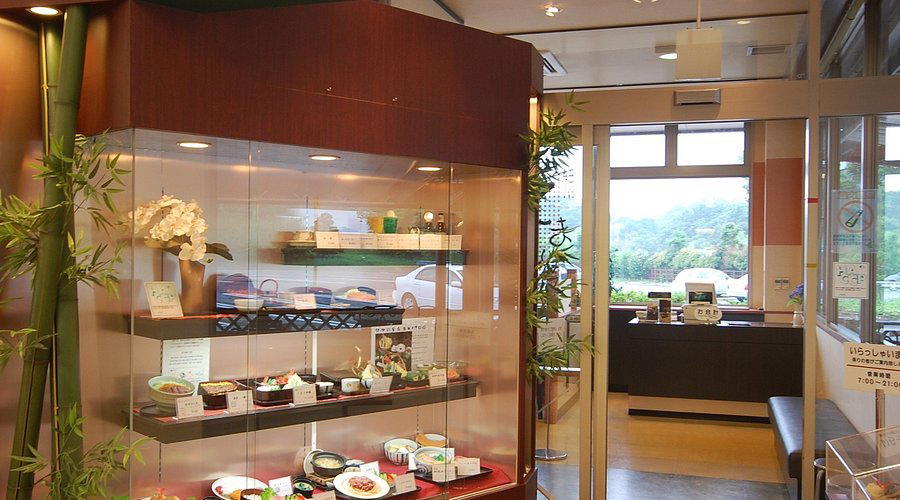
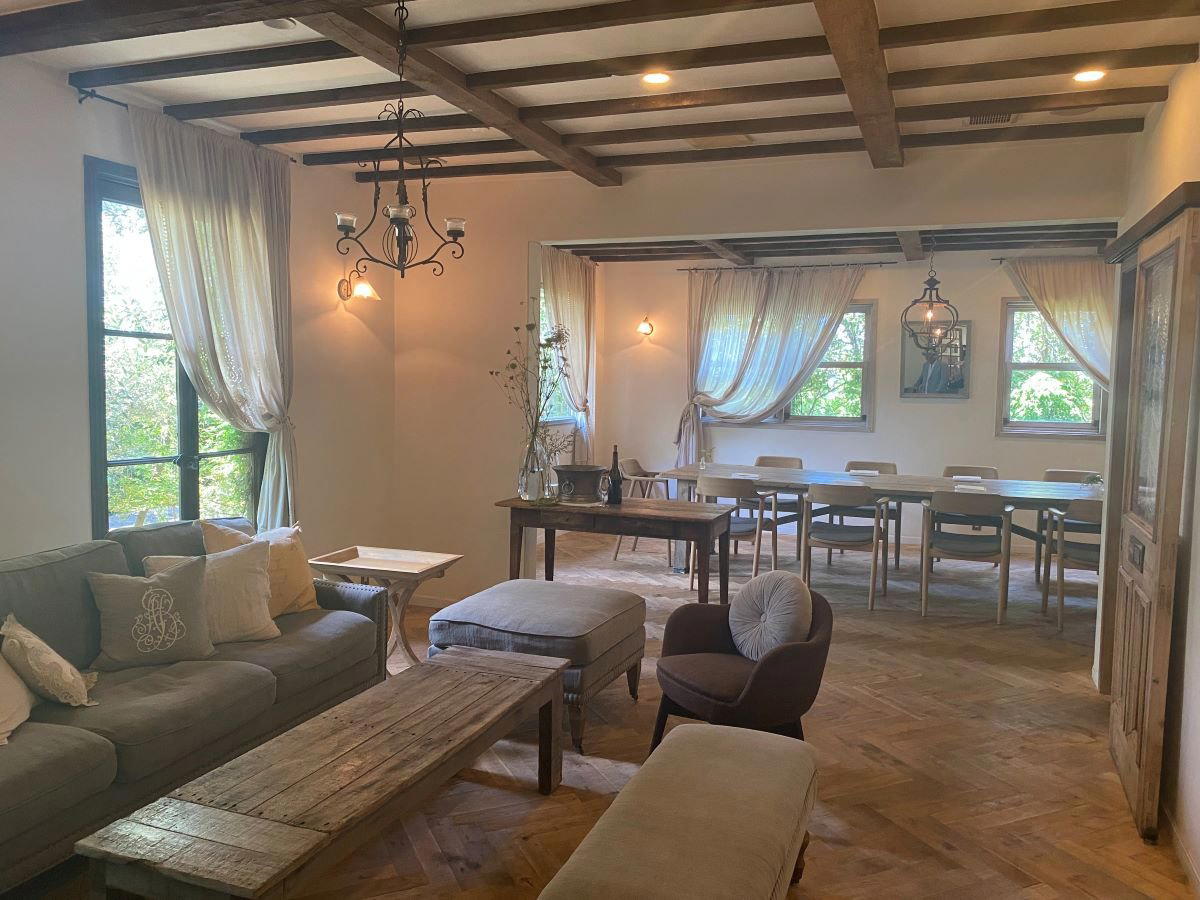
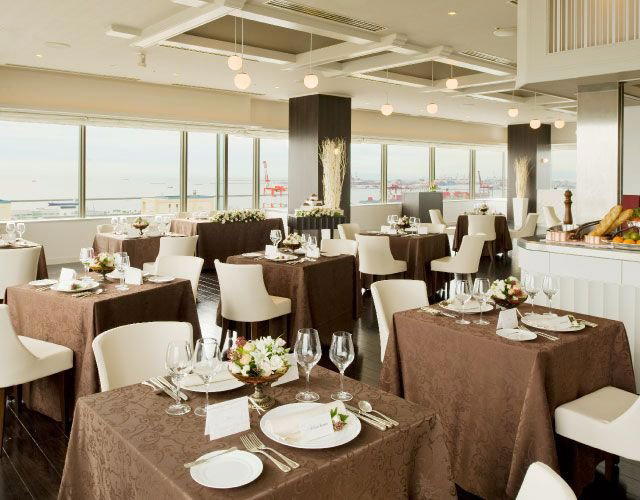
Bars in Wakayama
Browse all →
Hotels in Wakayama
Browse all →
Wineries in Wakayama
Browse all →
At a Glance
- Cozy
- Classic
- Lively
- Hidden Gem
- Family
- Group Dining
- Casual Hangout
- Solo
- After Work
- Standalone
- Local Sourcing
A classic neighborhood kissaten with a calm, retro coffee-shop feel that gets busy and energetic at lunchtime, offering a relaxed, everyday atmosphere rather than a design-focused space.