Urashima Ramen is a Wakayama bowl shop operating in one of Japan's most regionally distinct ramen traditions, where soy-forward tonkotsu broth has been refined over decades into something the city treats as civic identity. The shop sits inside a scene where local regulars and travelling ramen enthusiasts share the same queue, and where the gap between a celebrated bowl and a quiet neighbourhood institution is smaller than in most Japanese cities.
 Request Booking on Pearl
Pearl is the En Primeur Club membership app — saves, bookings, and concierge access live there. Same editors, same standards.
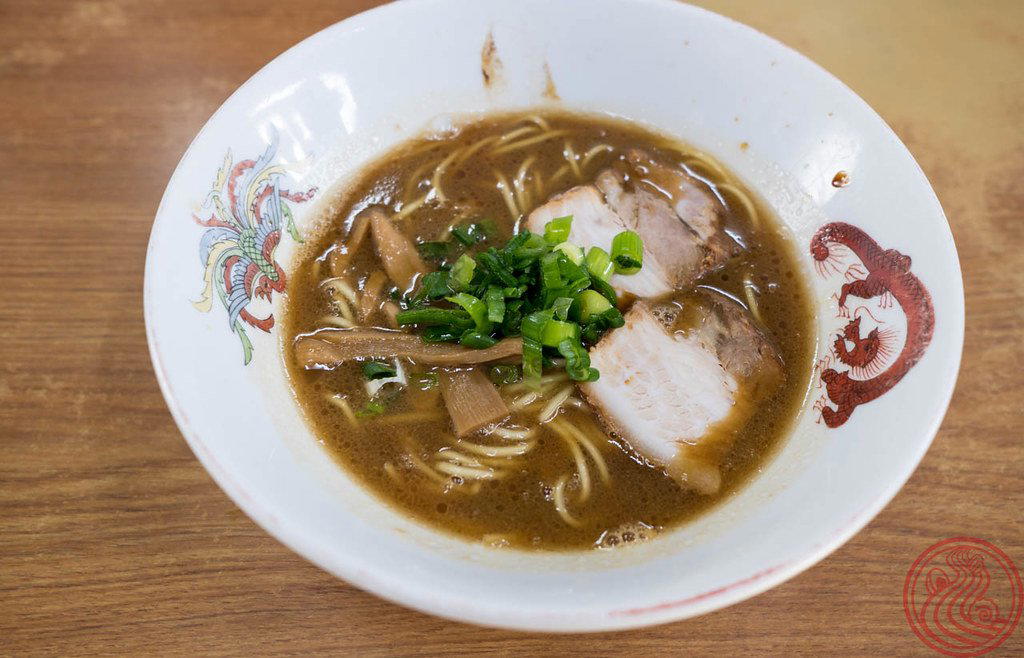
Wakayama's Ramen Tradition and Where Urashima Fits
Japan's regional ramen map is one of the more rigorously argued subjects in the country's food culture. Sapporo claims miso, Hakata claims tonkotsu, and Wakayama, a prefecture that most international visitors pass through on the way to Koyasan or Kumano Kodo, has spent decades asserting its own position with a bowl that borrows from both camps. The local style combines a pork-bone base with a deep, dark soy tare, producing a broth that is simultaneously richer and more saline than the Hakata standard. Thin, straight noodles and a piece of mackerel-cured fish cake have become near-universal markers of an authentic Wakayama bowl. Urashima Ramen operates inside this tradition, at an everyday price point that keeps it accessible to the daily lunch crowd rather than the destination-dining set.
What distinguishes Wakayama ramen from other soy-tonkotsu hybrids found across Kansai is the intensity of commitment to the format. The city's best-known shops, including Ideshouten Ramen and Chuka Soba Hayami, have refined their recipes over generations with minimal deviation. This is not a scene that rewards experimentation for its own sake. The bowl that arrives today at most Wakayama counters looks structurally identical to what locals were eating forty years ago, and that conservatism is a feature rather than a limitation. Urashima Ramen sits within this same value system.
The Bowl, the Broth, and the Regional Logic Behind Them
Wakayama's soy-tonkotsu broth requires a longer cook than a lighter chicken or seafood base, and the dark soy component demands careful calibration to avoid tipping into bitterness. The regional tradition holds that the broth should carry enough depth to flavour the noodles on contact without overwhelming the fish cake or chashu placed on leading. This balancing act is what separates a well-regarded Wakayama shop from a generic tonkotsu counter. Shops that have earned local loyalty tend to do this through consistency rather than novelty, the same broth temperature, the same noodle cook, the same portioning, day after day.
Alongside ramen, many Wakayama shops serve hayazushi, a vinegared mackerel pressed sushi that predates the Edo-period nigiri style by several centuries and reflects the prefecture's long relationship with fishing culture and mountainous preservation techniques. The combination of ramen and hayazushi at a single meal is considered standard practice in Wakayama in a way it would not be anywhere else in Japan. This speaks to how thoroughly local culinary identity has been layered across different meal formats rather than siloed into separate dining occasions.
Wakayama as a Dining City: What the Scene Looks Like
Wakayama city occupies an interesting position in the Kansai dining hierarchy. Osaka sits roughly an hour north and carries the gravitational pull of major Michelin recognition, represented by operations like HAJIME in Osaka at the top end of the formal scale. Kyoto pulls in a different direction, with kaiseki traditions documented at places such as Gion Sasaki. Wakayama does not compete with either city in those registers. Instead, it has a dining culture that runs along different axes: the ramen shop, the regional izakaya, and the Buddhist-influenced temple cooking found at spots like Ichijoin.
The prefecture also attracts visitors interested in the kind of eating that does not require advance reservation or dress code consideration. A well-executed Wakayama ramen is as credible a reason to visit the city as any formal dining experience, and the bowl format allows for repeat visits across a short trip without the logistical weight of tasting-menu booking windows. For context on formal Western dining in the city, Hotel de Yoshino represents the French end of the local spectrum. For a lighter, seasonal detour after ramen, Nakakooriten Kakigori offers shaved ice in a format that reflects Wakayama's summer food culture.
Visitors arriving from Tokyo's more structured ramen scene, shaped by shops that book days in advance and charge premium prices for limited seatings, will find Wakayama's model refreshingly direct. The leading ramen in Japan is not necessarily found in the cities with the most Michelin stars. Regional specialists at the neighbourhood scale, operating in places like Goh in Fukuoka's broader food city or Wakayama's concentrated soy-tonkotsu corridor, often represent the tradition more accurately than any metropolitan interpretation.
How to Approach a Visit
Wakayama's ramen shops operate on lunch-centred schedules, with many closing once the day's broth is exhausted, a practice common across serious regional ramen culture in Japan and one that signals broth made in limited batches rather than held in volume. Arriving early in the service is the most reliable way to guarantee a bowl, particularly at well-regarded shops where the queue forms before opening. Visiting on weekdays reduces wait times at most counters. The broader Wakayama restaurant scene is documented in EP Club's full city guide, which maps the ramen tradition alongside other local dining formats.
For visitors building a longer Kansai itinerary, Wakayama connects efficiently to Nara, where akordu represents a very different register of regional dining, and to the broader Kansai circuit that includes recognised counters like Harutaka in Tokyo for those extending beyond the region. Domestically, the regional ramen tradition in Wakayama invites comparison with the mountain-prefecture focus found at places like 湖麺屋 in Takashima or the northern bowl culture represented by 古代山乃い in Sapporo.
Cost Snapshot
Comparable venues nearby, for context on price, style, and recognition.
| Venue | Cuisine | Price | Awards | Notes |
|---|---|---|---|---|
| Urashima RamenThis venue — the venue you are viewing | Uchita, Wakayama Ramen | $ | , | |
| Tonkatsu So Fujimaru | $ | , | Wakayama (central business district), Casual Tonkatsu & Yoshoku | |
| Chuka Soba Senmon Ten Ide Shoten | $ | , | / Tanakaguchi area, Wakayama-style ramen (chuka soba) | |
| Shintaro | $$$ | , | Ota, Wakayama City, Charcoal-Grilled Yakitori Kappo with Wine Pairing | |
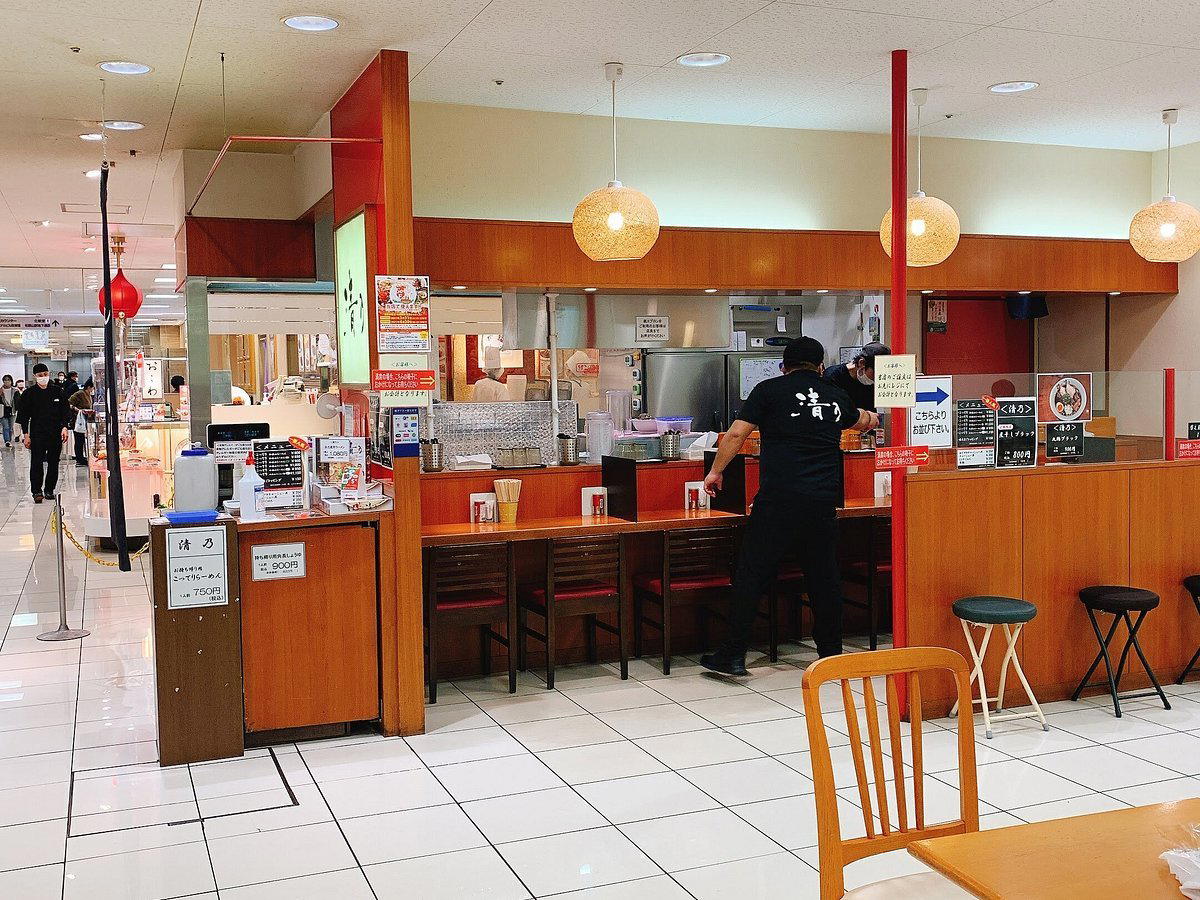
| こってり和歌山らーめん 清乃 | Wakayama City Center, Wakayama Ramen | $ | , | |
| Chuka Soba Hayami | Shingu, Traditional Wakayama Ramen | $ | , |
At a Glance
- Cozy
- Casual Hangout
- Sake Program
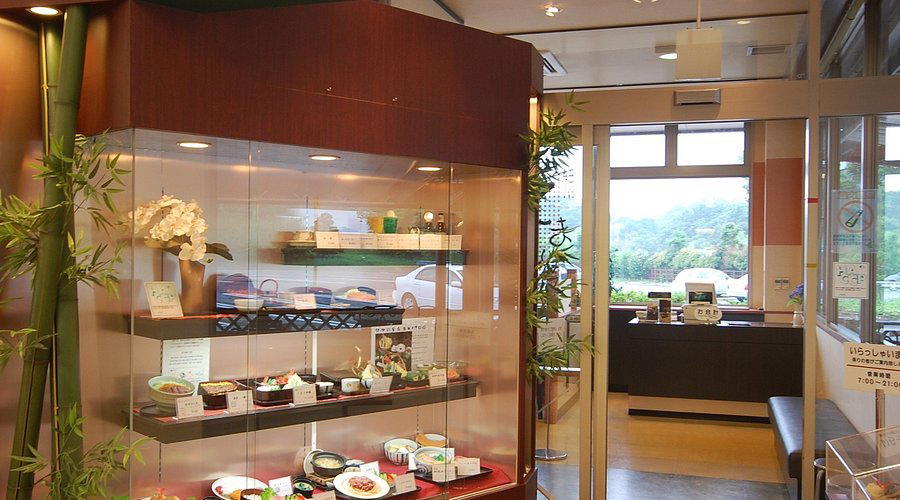
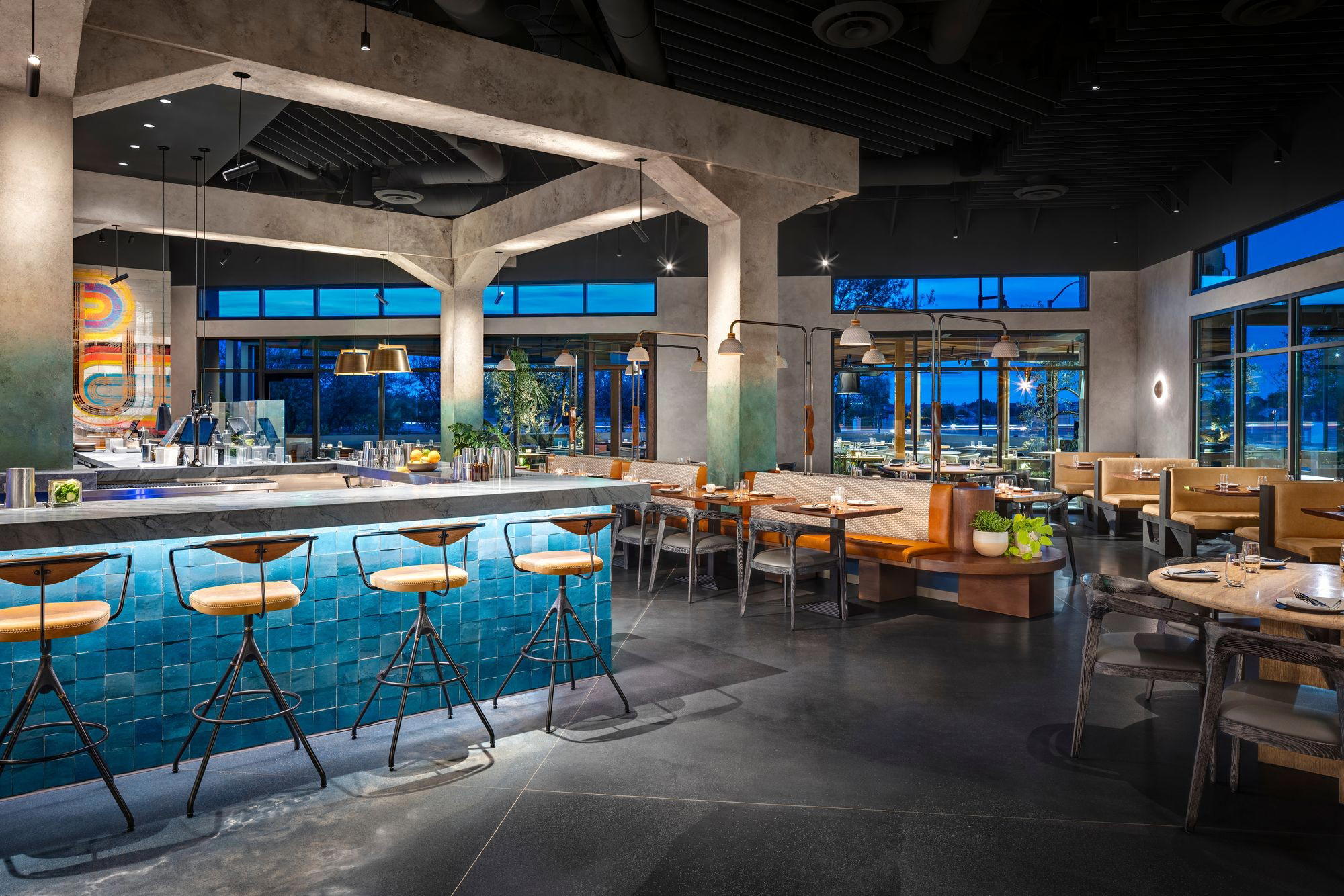
Casual house restaurant with counter, table, and tatami seating.