Chuka soba in Wakayama sits inside one of Japan's most quietly serious ramen traditions, and Chuka Soba Hayami represents that local lineage at its most focused. The format is spare, the broth is the argument, and the city's soy-and-pork orthodoxy sets the terms. For anyone tracing Japan's regional noodle culture south of Osaka, this is a meaningful stop.
 Request Booking on Pearl
Pearl is the En Primeur Club membership app — saves, bookings, and concierge access live there. Same editors, same standards.
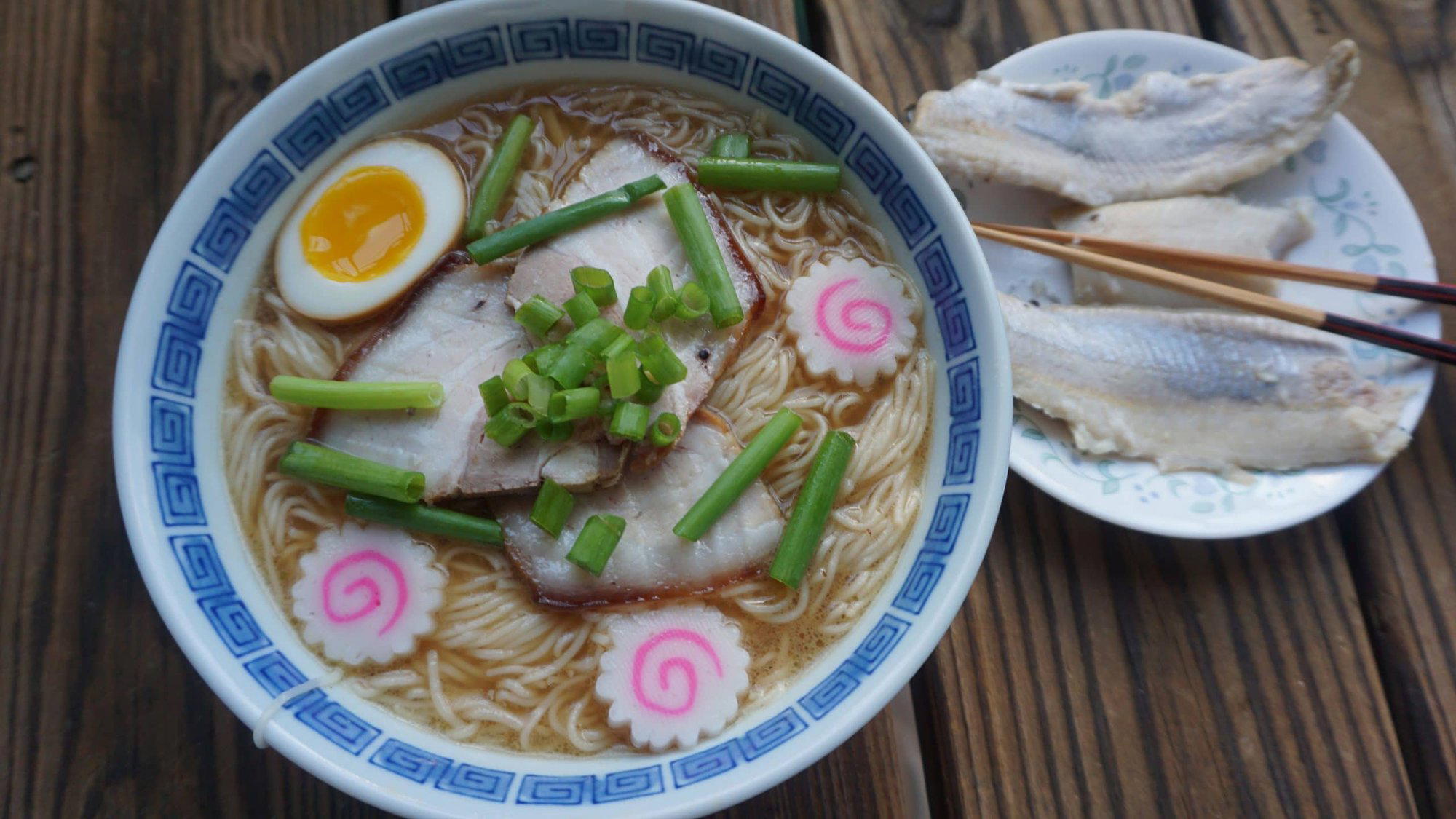
Where Wakayama's Ramen Identity Takes Shape
Wakayama has a ramen culture that operates largely below the radar of international food media, yet among Japan's noodle scholars it commands genuine respect. The city's signature style, chuka soba, is built around a double-stacked broth of pork bone and soy that runs darker and more assertive than the tonkotsu registers familiar from Fukuoka or the clean shio profiles of Hokkaido. Walking into a Wakayama chuka soba counter is less about spectacle and more about precision: the air is warm, dense with rendered pork and soy reduction, the bowls arrive fast, and the ritual of the meal runs close to silent. The sounds are the sounds of eating. This is a city that treats ramen not as a trend but as a long-standing civic institution.
Chuka Soba Hayami sits inside that tradition. The name signals the format before you enter: chuka soba is Wakayama's preferred term for what most of the country calls ramen, and using it is a form of local allegiance. Counters operating under this designation tend to price modestly, move quickly, and measure quality in broth depth rather than garnish complexity. The competitive set here is not Osaka's creative ramen houses or Tokyo's high-concept operations, but other Wakayama-lineage counters where the argument is made in the bowl itself.
The Sensory Register of a Working Counter
The atmospheric signature of a Wakayama chuka soba shop is worth understanding before you arrive. These are not dim-lit destinations engineered for lingering. The lighting tends toward the functional, the counter or table seating is close, and the kitchen is visible enough that you can watch broth being ladled and noodles pulled from the water. The smell is immediate and unambiguous: pork fat rendered over hours, soy that has been cooked down rather than added fresh, a background note of mirin. It is a dense, layered smell that settles into your coat and your memory in roughly equal measure.
The sound profile at a counter like this is similarly specific. There is the low, sustained rumble of stock pots, the brief percussion of bowls placed on formica or wood, and the particular rhythm of noodles being eaten without apology. Wakayama eaters tend not to perform their ramen. The pace is quick by the standards of an omakase counter in Kyoto or a kaiseki room like Ichijoin, but it is not rushed in a way that feels transactional. There is a sense that the routine has been refined over decades.
Visually, the bowl at a Wakayama chuka soba counter carries information. The broth should be a deep amber-brown, opaque with emulsified fat rather than clear. Noodles are typically medium-thin and straight, engineered to carry broth rather than to stand alone. Toppings in the Wakayama canon run toward chashu pork, menma bamboo shoots, and a scattering of negi. The presentation is spare in the way that confidence is spare. For contrast on Wakayama's noodle options, Noodles Dining Tsukinoya and Ideshouten Ramen represent adjacent points on the local spectrum.
Wakayama Ramen in Regional Context
Understanding why Wakayama's chuka soba matters requires placing it against the wider map of Kansai and western Japan dining. Osaka dominates the region's food narrative at the international level, and destinations like HAJIME in Osaka represent one end of the region's culinary range: multi-Michelin, maximalist in ambition, international in orientation. Wakayama's ramen counters operate at the opposite end of that spectrum, not as lesser options but as a completely different category of food experience where the quality signal is local institutional knowledge rather than global critical validation.
The Wakayama style's closest regional comparison is Kyoto's chuka soba tradition, which also leans on soy-forward broths, though Kyoto's versions tend to run lighter and the chicken base plays a larger structural role. Wakayama's pork-soy double broth is heavier and more insistent. This is not the understated dashi elegance of kaiseki Kyoto or the refinement visible at Gion Sasaki in Kyoto. It is a different kind of seriousness. For travelers moving between Nara and the coast, the contrast with akordu in Nara's European-Japanese register is instructive in mapping how tightly regional identities cluster in this part of Honshu.
Japan's broader ramen geography has been well-documented, from Fukuoka's Goh prefecture's tonkotsu dominance to Hokkaido's miso-butter canon. Wakayama's position in that taxonomy is that of a city with a coherent, internally consistent tradition that has resisted the homogenizing pressure of national ramen chains without becoming precious about it. The counters continue to operate on the terms the style has always demanded: good broth, correct noodles, fair price, fast service.
The Wider Wakayama Table
Wakayama's dining scene extends well beyond its ramen reputation. The prefecture's agricultural and coastal resources, particularly its mandarin citrus, umeboshi, and Pacific seafood, feed a broader food culture that surfaces in venues like Hotel de Yoshino, where French technique encounters local produce in a format that sits closer to the kaiseki frequency than to French bistro conventions. The pairing of a serious chuka soba counter with an evening at that kind of table illustrates how Wakayama works as a food destination: disciplined tradition at lunch, more considered cooking at dinner.
For those building an itinerary, Nakakooriten Kakigori represents another local institution, the kakigori counter operating on seasonal terms with a local following that has little to do with tourism cycles. This pattern, of venues that serve a community on its own schedule rather than performing for visitors, characterizes the strongest parts of Wakayama's food identity.
Wakayama's chuka soba tradition is operating in a completely different register, but the discipline is real and the standards are local rather than absent.
Planning Your Visit
Wakayama city is accessible by limited express from Osaka's Namba or Tennoji stations in under ninety minutes, making it viable as a day trip or as an overnight stop en route to the Kii Peninsula's pilgrimage routes and coastal towns. Chuka soba counters in the city tend to operate at lunch and early evening, often closing when the broth is finished rather than at a fixed hour, so a midday visit is the practical approach. The season matters less for ramen than for produce-driven formats, though the cold months from November through February make a dense, hot bowl of Wakayama pork-soy broth the most logical possible meal. Given the modest price point typical of this format across the city, the meal represents a low financial ask in Japanese food travel while remaining a local encounter.
City Peers
Comparable venues nearby, for context on price, style, and recognition.
| Venue | Cuisine | Price | Notes |
|---|---|---|---|
| Chuka Soba HayamiThis venue — the venue you are viewing | Traditional Wakayama Ramen | $ | |
| Aji Ichi | Yoshoku tonkatsu & curry | $ | Wakayamashi Station area |
| Tonkatsu So Fujimaru | Casual Tonkatsu & Yoshoku | $ | Wakayama (central business district) |
| Urashima Ramen | Wakayama Ramen | $ | Uchita |
| Marusan | Wakayama Ramen | $ | Shioya |
| Ideshouten Ramen | Wakayama Ramen | $$ | Wakayama city |
At a Glance
- Classic
- Cozy
- Rustic
- Solo
- Casual Hangout
- Family
- Open Kitchen
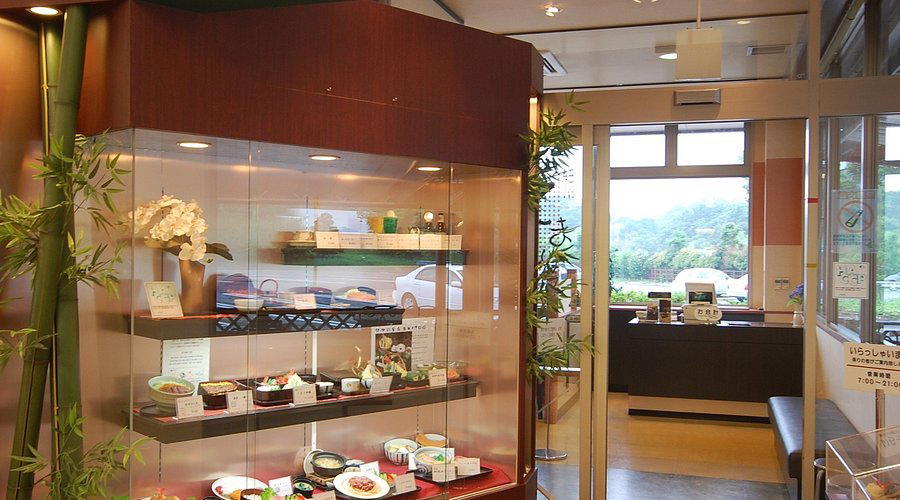
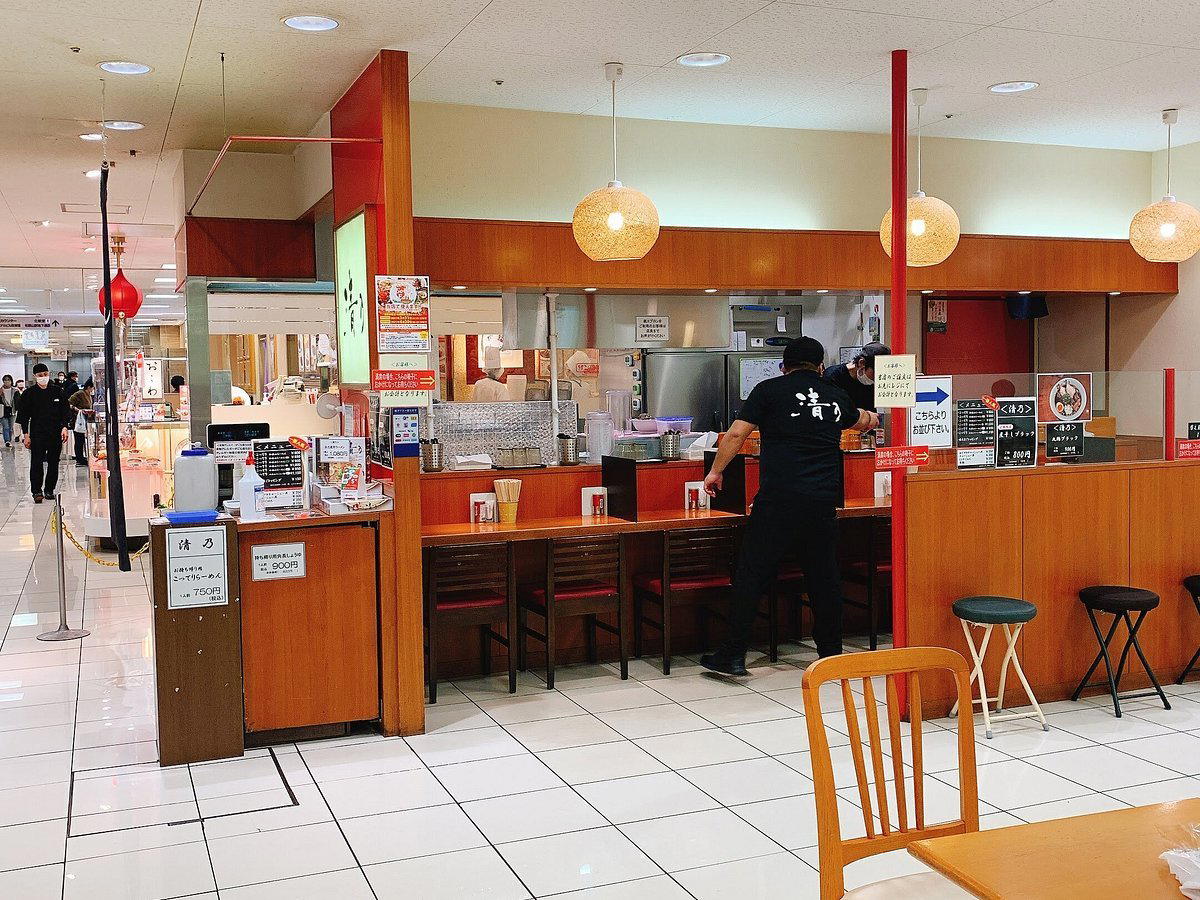
Casual neighborhood ramen shop with counter seating and a relaxed, unpretentious atmosphere; simple décor with TV and reading materials available.