Our verdict
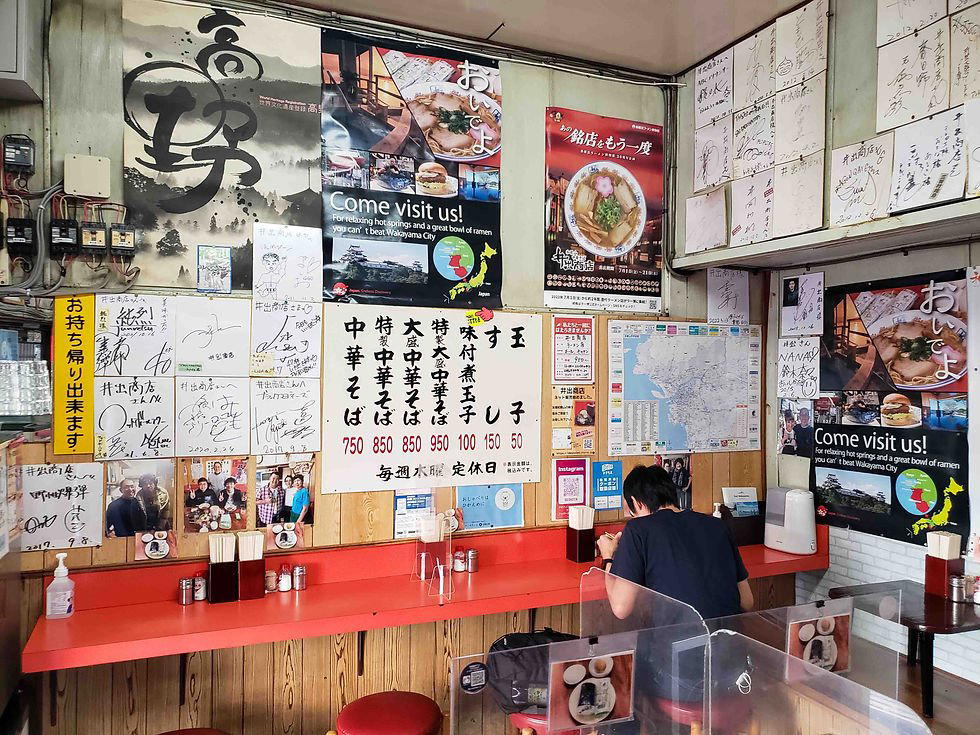
Ideshouten Ramen occupies a specific corner of Wakayama's ramen tradition, a city whose soy-and-pork style has long operated as a distinct regional grammar within Japan's broader noodle culture. The shop draws regulars who understand that Wakayama-style shoyu ramen carries a different logic than Tokyo or Hakata versions, and the queue outside most service windows confirms its standing among locals who have other options and choose this one anyway.

Pearl is the En Primeur Club membership app — saves, bookings, and concierge access live there. Same editors, same standards.
- Address
- Wakayama, Japan
- Directions
- Get directions
What Wakayama Ramen Actually Is
Japan's ramen geography is specific. Sapporo is butter and miso; Hakata is tonkotsu white broth and thin noodles; Tokyo is a lighter shoyu with curly strands. Wakayama sits in a category most visitors outside the Kansai region haven't mapped yet: a dark, concentrated soy-and-pork broth served with medium-straight noodles, often finished with a slice of hayazushi or a side of mackerel sushi as standard practice. The combination looks unusual on paper and makes complete sense in the bowl. This is the tradition that Ideshouten Ramen operates within, and understanding that context is more useful than any single description of the shop itself.
Wakayama's ramen scene has developed largely under the radar of the Tokyo food press. The city's population is modest, its international profile lower than Kyoto, Osaka, or Nara, and its restaurants rarely appear in the national award cycles that drive foreign visitor itineraries. That relative obscurity has kept the local ramen style honest. Shops here aren't cooking for food tourists or Instagram optimisation; they're cooking for return customers who grew up eating this style and have clear preferences. Ideshouten Ramen sits in that ecosystem, which is precisely what makes it worth the detour for anyone already travelling through the Kii Peninsula.
The Sourcing Logic Behind Wakayama-Style Broth
The ingredient logic behind Wakayama shoyu ramen is regional by design. The dark soy used in the broth connects to Kishu's historic soy production, and the pork base draws from the same protein traditions that run through much of rural western Honshu cooking. Shops that have maintained this style across decades are, in effect, preserving a sourcing chain that modern ramen trends have largely bypassed. The broth at Wakayama's better-regarded shops isn't made with the same commercial soy concentrates that have flattened regional differences elsewhere; the fermentation depth and salt balance read differently from what you'd find at a Tokyo chain.
This is the context within which Ideshouten Ramen's standing among local regulars makes sense. In a city with a defined regional style and a small enough population that word-of-mouth reputation travels fast, the shops that last do so because they're maintaining sourcing and production discipline rather than chasing trend cycles. That's not a romantic claim about artisanal purity; it's a practical observation about how small regional markets enforce quality standards more ruthlessly than guidebook attention does. For comparison, consider how Chuka Soba Hayami and Noodles Dining Tsukinoya have each carved distinct approaches within the same Wakayama noodle tradition, demonstrating that the city supports genuine stylistic variety rather than a single fixed template.
Placing Ideshouten in the City's Wider Table
Wakayama's restaurant scene beyond ramen includes a wider range than most visitors expect. Hotel de Yoshino (French) represents the city's European-influenced fine dining tier, while Ichijoin speaks to the kaiseki and traditional Japanese format that the Kii Peninsula's temple culture naturally supports. Nakakooriten Kakigori sits at the opposite end of the formality spectrum, the kind of kakigori shop that reminds you how seriously Japanese dessert culture takes texture and seasonal produce. Ideshouten Ramen occupies a different register entirely: the everyday-essential category, the place you go because you're hungry, not because you're planning a food experience. That's a distinct and valuable position in any city's dining matrix.
For context on how Wakayama's dining culture compares with the broader Kansai and western Japan scene, the gap with Osaka is instructive. HAJIME in Osaka operates at the international award-circuit level, with the kind of tasting menu format and press profile that comes with three Michelin stars. Wakayama doesn't compete in that tier, but it's not trying to. What the city offers is a more embedded regional food culture, where the quality signal is repeat local custom rather than international recognition. The same pattern holds across Japan's smaller cities: akordu in Nara has built a following around a different kind of credibility, and Gion Sasaki in Kyoto sits in a market dense with culinary expectation. Wakayama's leading ramen shops exist in a quieter, more self-contained ecosystem, which gives them a different kind of authority.
Arriving and Planning Your Visit
Wakayama city is accessible by limited express from Osaka in under an hour, making it a viable day-trip for visitors based in the Kansai region. The city's ramen shops, including Ideshouten, typically operate at lunch and dinner service windows, with queue times at the more established spots extending noticeably during weekend lunch hours. Visiting on a weekday, particularly for a late-morning or early-lunch slot, tends to involve shorter waits. Specific hours and any reservation arrangements are best confirmed directly with the shop before visiting, as schedules can shift seasonally. Our full Wakayama restaurants guide covers the broader dining context across the city's neighbourhoods and styles.
Payment at Wakayama ramen shops generally runs cash-first, so arriving without yen is a risk worth avoiding. The ordering format at most local shops is counter or ticket-machine, with the machine format requiring you to select your bowl before sitting. If the machine is in Japanese only, pointing at what the next person ordered is a time-tested approach that the staff at shops like this have seen enough times to handle gracefully.
For a wider frame on Japan's regional ramen geography, the contrast with Goh in Fukuoka and the kaiseki-inflected dining of Harutaka in Tokyo illustrates how different the registers are across the country's food cities. Ramen at this level in Wakayama isn't a fine-dining proposition; it's the opposite, and that's precisely the point.
Frequently asked questions
How does Wakayama ramen differ from other regional Japanese ramen styles, and where does Ideshouten fit in that tradition?
Wakayama ramen is categorised by its combination of pork-bone stock and dark soy sauce, a profile distinct from Hakata's milky tonkotsu, Sapporo's miso-butter bowls, or Tokyo's lighter curly-noodle shoyu. The dark soy component connects to the Kishu region's historical role in Japanese soy production, giving the style a traceable ingredient lineage. Ideshouten is one of the Wakayama city counters credited with sustaining and spreading recognition of this style at a national level within Japan.
What do regulars order at Ideshouten Ramen?
Wakayama ramen as a style is defined by a dual broth of pork bone and dark soy, producing a darker, richer bowl than the tonkotsu white broths of Hakata or the lighter shoyu of Tokyo. At Ideshouten, the standard shoyu bowl is the reference order, typically accompanied by chashu pork. The city's ramen culture also has a tradition of pairing bowls with pressed mackerel sushi, which some counters in Wakayama offer alongside.
Do I need a reservation for Ideshouten Ramen?
Ideshouten operates as a ramen counter in Wakayama, and ramen-format restaurants in Japan rarely take advance reservations. Queue discipline matters more than booking here: arriving at or before opening, particularly on weekends, is the practical approach. Reservation details are not publicly listed.
What makes Ideshouten Ramen worth seeking out?
Ideshouten is one of the addresses that put Wakayama ramen on the national map in Japan, where the city's pork-soy broth style is recognised as a distinct regional category alongside Sapporo, Hakata, and Tokyo. That regional specificity is the draw: the broth connects to Kishu's historic soy production, giving Wakayama ramen a flavour logic rooted in local ingredient history rather than trend. For visitors on the Kansai circuit, it represents a category of ramen not replicable in Osaka or Kyoto.
Is Ideshouten Ramen good for vegetarians?
Wakayama ramen's defining characteristic is its pork-bone and soy base, which means the broth is built around animal protein. Vegetarian or vegan options are not documented for Ideshouten, and the style itself does not lend naturally to plant-based adaptation. Vegetarians should not expect menu alternatives here.
Is Ideshouten Ramen overpriced or worth every penny?
Ramen in Japan, even at well-regarded regional counters, sits at one of the more accessible price points in the country's dining spectrum, typically in the ¥800–¥1,500 range for a bowl. Ideshouten's draw is not exclusivity of price but specificity of product: a Wakayama-style broth with a documented regional identity. Specific pricing is not listed, but the format sets reasonable expectations.
Should I go to Ideshouten Ramen on a weekday or weekend?
Ideshouten draws both Wakayama locals and Kansai visitors making the under-one-hour limited express trip from Osaka, which concentrates demand on weekends. A weekday visit reduces queue time and gives a clearer read of the restaurant's daily rhythm. If the weekend is unavoidable, arriving at opening is the standard approach for counters of this type in Japan.
At-a-Glance Comparison
| Venue | Cuisine | Price | Awards | Notes |
|---|---|---|---|---|
| Ideshouten RamenThis venue — the venue you are viewing | Wakayama Ramen | $10–20 | Not listed | Not listed |
| Hotel de Yoshino | Classic French with Wakayama Ingredients | $150–200 | Tabelog Bronze #124 | French |
| Seino | Innovative Seafood Shoyu Ramen | $10–20 | Not listed | Ramen |
| Sizen Mukuan | Kinan Seasonal Japanese Cuisine | $100–150 | Tabelog Bronze #415 | Not listed |
| Urashima Ramen | Traditional Wakayama Ramen Shop | $1–10 | Tabelog 100 #75 | Not listed |
| Ichijoin | Shojin Ryori (Buddhist Vegetarian) | $150–200 | Not listed | Not listed |
Continue exploring
More in Wakayama
Restaurants in Wakayama
Browse all →
Bars in Wakayama
Browse all →

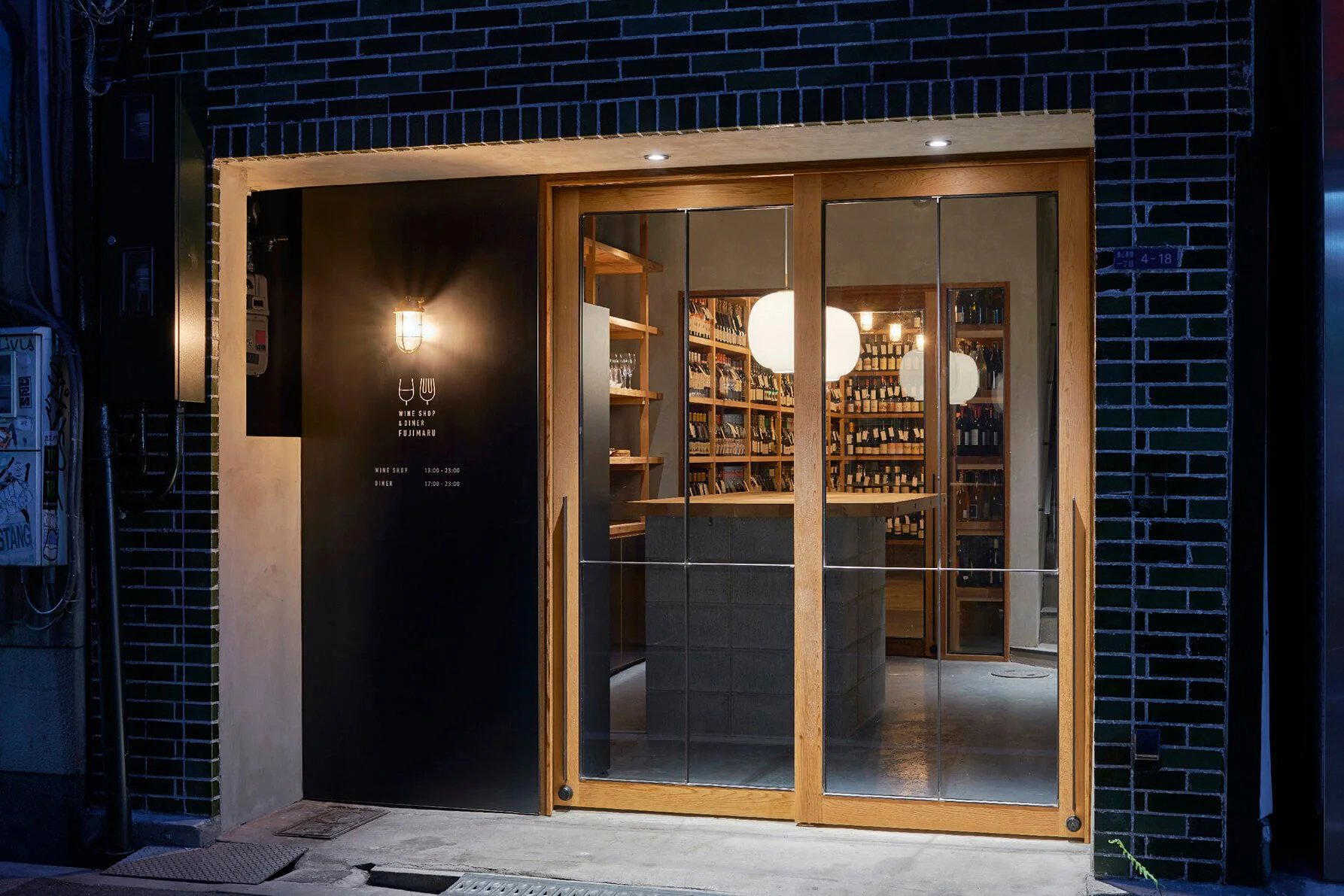
Hotels in Wakayama
Browse all →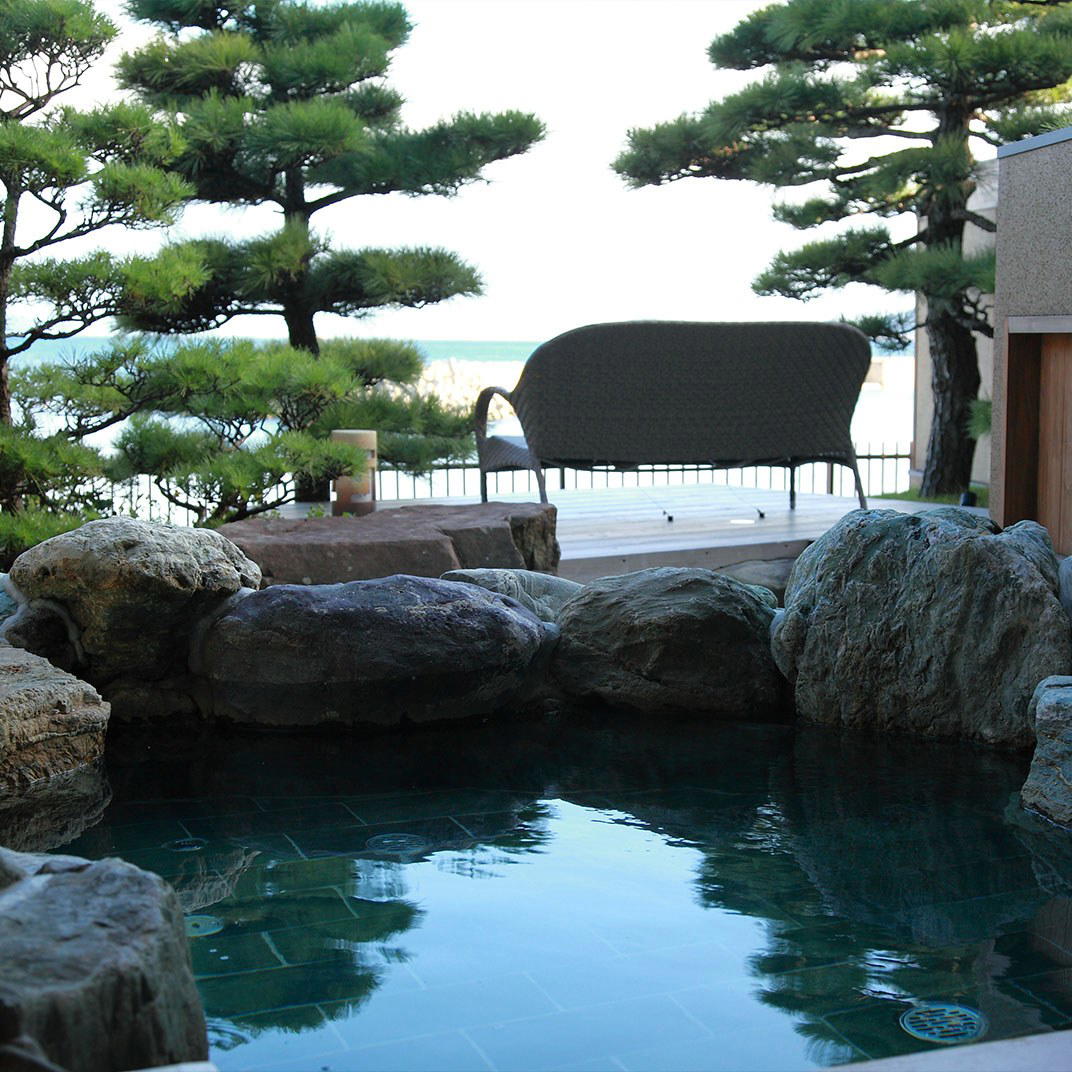
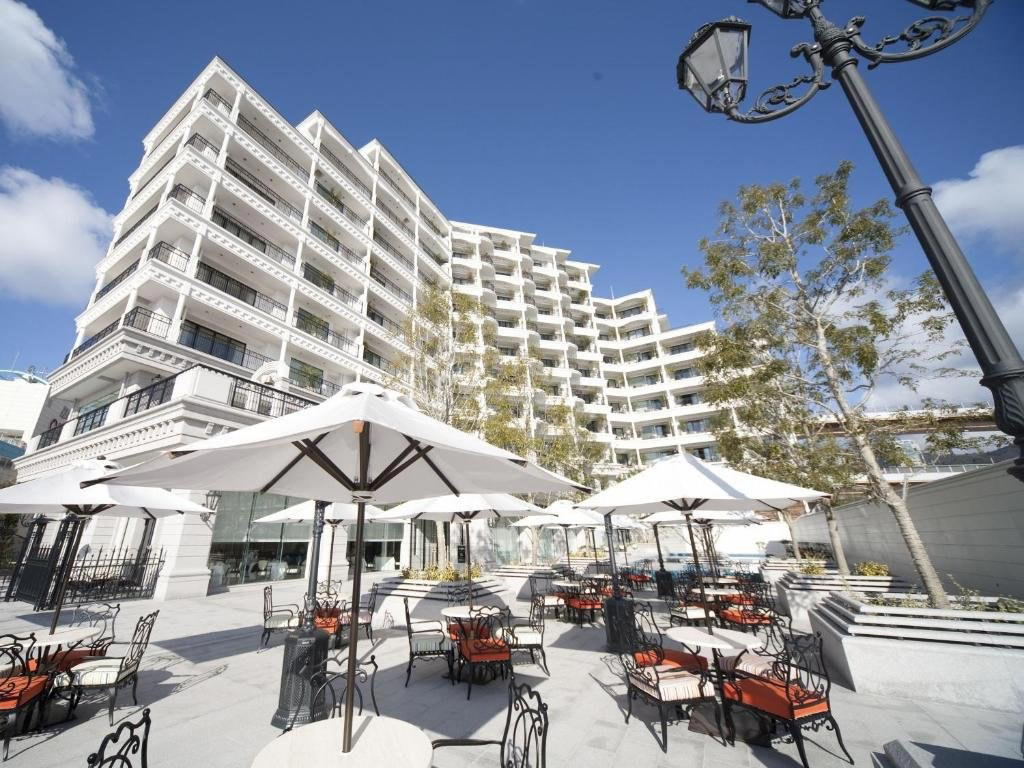

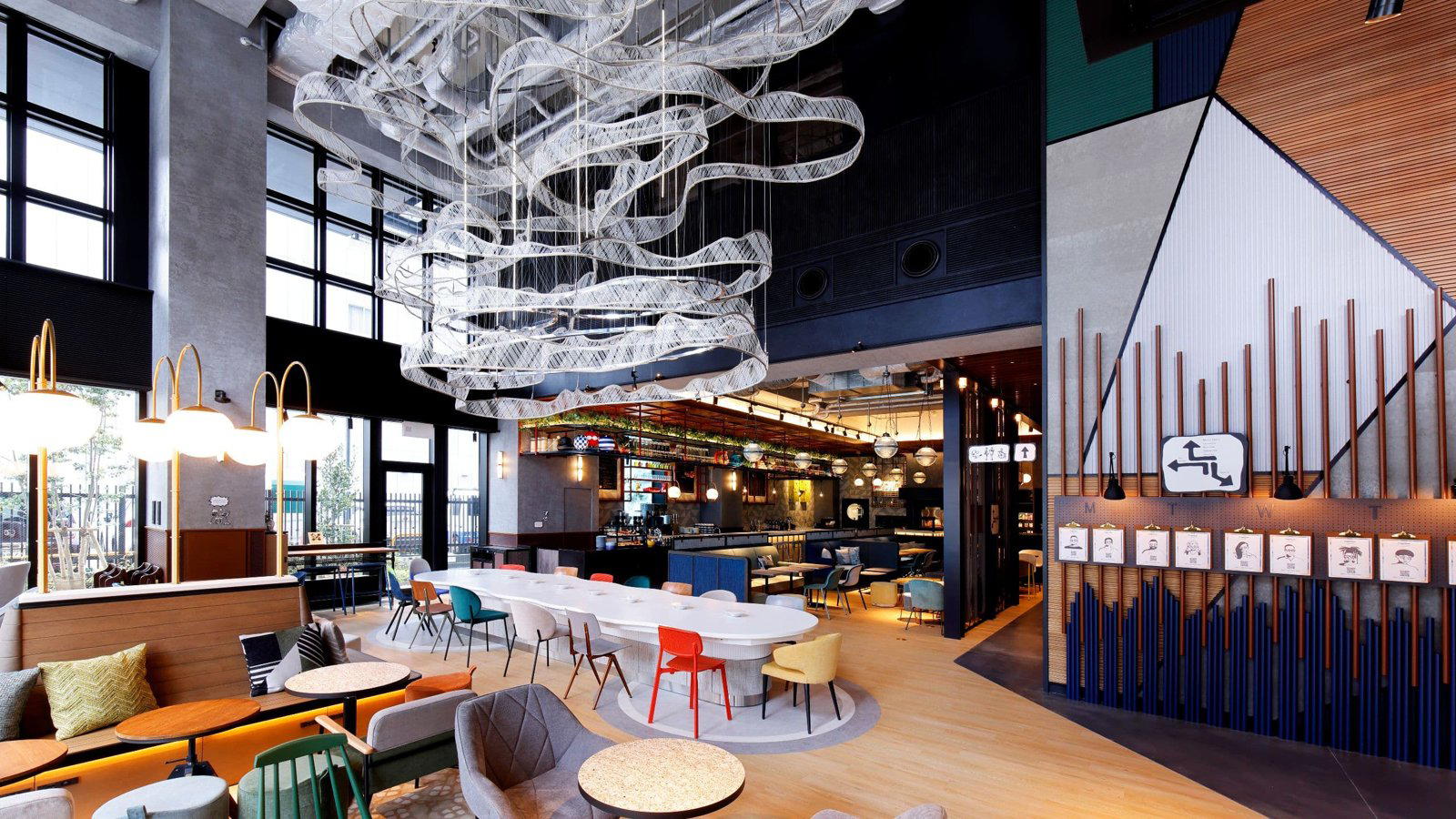

Wineries in Wakayama
Browse all →
Details
- Classic
- Casual Hangout
- Sake Program
- A La Carte
Classic ramen shop atmosphere focused on hearty, flavorful noodle bowls.