
Aji Ichi gives Wakayama’s yoshoku tradition a compact, local reading: Japanese-style Western cooking, tonkatsu, and curry in the same modest orbit rather than a luxury tasting-menu frame. Its 2025 Tabelog 100 Yoshoku WEST selection puts it among regional specialists where sourcing, frying discipline, and everyday value matter more than ceremony.
Pearl is the En Primeur Club membership app — saves, bookings, and concierge access live there. Same editors, same standards.
- Address
- 2 Chome-31 Suginobaba, Wakayama, 640-8212, Japan
- Phone
- +81 73-431-3833
- Website
- tabelog.com
- Directions
- Get directions
 Saves & bookings on Pearl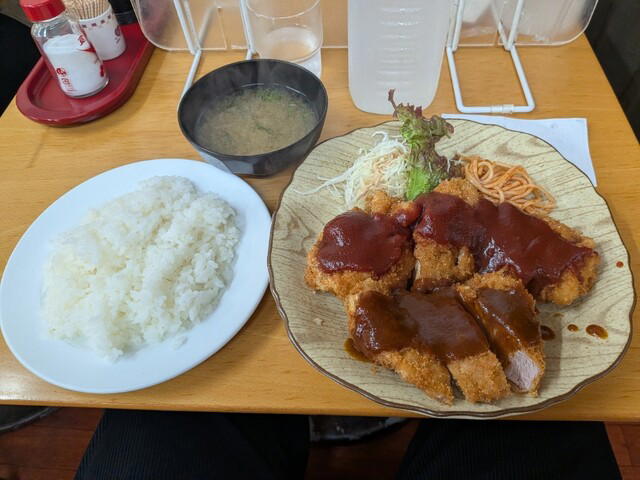
Near Wakayamashi Station, the dining rhythm shifts from commuter movement to small-room restaurants built around regular habits. Yoshoku fits here not as imported Western food, but as a Japanese urban grammar of cutlets, curry, rice, sauces, and set-meal pacing. Aji Ichi belongs to that tradition, and its 2025 selection for Tabelog 100 Yoshoku WEST is a useful signal. This is not Wakayama’s high-spend sushi tier, represented by places such as Sushi Gishin, nor the ramen lane that draws travellers toward Chuka Soba Senmon Ten Ide Shoten, Ideshouten Ramen, and Chuka Soba Hayami. It sits in the workaday category where the test is consistency, not theatricality.
Yoshoku in Wakayama works when the ingredients stay close to the plate
Visitors often misread yoshoku as comfort food with a Western accent. In Japan, the stronger version is more technical than nostalgic: frying oil management, sauce density, rice quality, and the timing of curry or cutlet service decide whether the meal feels sharp or merely heavy. Wakayama adds context. The city is better known nationally for ramen and seafood-adjacent regional eating than for grand restaurant formality, so a yoshoku counter or dining room wins loyalty through repetition. A menu category that includes Japanese-style Western cooking, tonkatsu, and curry places Aji Ichi inside that practical lineage.
The sourcing angle is not luxury provenance language. It is how a local restaurant turns everyday ingredients into a reliable plate. Tonkatsu depends on pork, breading, oil, cabbage, and sauce behaving as a system; curry depends on body and seasoning rather than garnish; yoshoku depends on the Japanese habit of making borrowed forms feel local through rice, portioning, and condiments. That is why the regional award matters. A Tabelog 100 Yoshoku WEST selection in 2025 is category-specific recognition, not a general popularity badge, and points to a restaurant judged in a field where ordinary dishes leave little room to hide.
Wakayama’s price-sensitive dining culture also shapes the experience. Yamatame Shokudo and Tonkatsu So Fujimaru sit in a similar low-cost band, while Sushi Gishin occupies a far higher bracket. That spread says much about the city: casual specialist cooking and destination dining can share a small market, but answer different needs. Aji Ichi is useful because it does not ask the traveller to treat every meal as an event. It gives the city’s yoshoku side a credible anchor between ramen, French dining at Hotel de Yoshino (French), and temple-linked regional cooking such as Ichijoin.
The appeal is category discipline, not luxury theatre
There is a clean distinction between a famous restaurant and a useful restaurant. A famous room can draw attention through scarcity, ceremony, or chef mythology. A useful room shows how a city eats when status is not the main point. With 22 seats, no private rooms, non-smoking service, take-out, and drinks including sake and shochu, this is compact rather than sprawling. Reservations are available, but the restaurant’s character belongs to the small Japanese neighborhood model: limited capacity, efficient service windows, and a menu vocabulary regulars understand without explanation.
That compactness matters for ingredient-led cooking. In yoshoku, scale can blur details: cutlets wait too long, curry loses definition, rice becomes filler. Smaller rooms suit food that needs speed and repetition. The category also rewards restraint in a way luxury dining sometimes does not. Curry or tonkatsu cannot lean on rare ingredients alone; texture, heat, and seasoning must feel proportionate. This is the point of seeking out a recognized yoshoku address in Wakayama rather than treating the city only as a ramen stop.
For broader Kansai or Japan itineraries, the restaurant clarifies regional recognition outside the Michelin-style conversation. Tabelog’s Hyakumeiten lists are genre-specific, and Yoshoku WEST captures restaurants that may not fit international fine-dining expectations. That signal is valuable for diners who care about Japanese food culture beyond sushi, kaiseki, and ramen. The comparison extends beyond Wakayama: curry specialists such as [Curry Senmon Ten] Maruyama Kyoju. in Sapporo, compact urban cafés such as.cafe in Osaka, and casual Japanese formats abroad such as Onigiri Time in Pasadena all show how everyday categories can carry serious editorial weight when the format is disciplined.
How to place it in a Wakayama eating day
The smarter way to use Wakayama is not to chase one grand meal, but to let categories do different work. Ramen covers the city’s postwar noodle identity; yoshoku shows how Western-derived dishes entered Japanese daily eating; higher-spend counters and French rooms handle occasion dining. In that framework, the restaurant is the practical yoshoku stop: a small-capacity restaurant with a recognized regional category signal and a menu orbit suited to lunch or an early, focused dinner rather than a long tasting-menu evening.
Its location near Wakayamashi Station makes it easier to pair with city movement than with a destination-only schedule. Parking is available, important in a prefecture where travellers often combine rail legs with car days. Payment is cash-oriented; credit cards, electronic money, and QR code payments are not accepted, so plan simply. Families should read the rules carefully: children are welcome, but small children are not allowed during lunch time. That condition says more about the room than any adjective could; it is casual, but not loose.
For a fuller local map, use Our full Wakayama restaurants guide alongside the city’s adjacent travel layers: Our full Wakayama hotels guide, Our full Wakayama bars guide, Our full Wakayama wineries guide, and Our full Wakayama experiences guide. Readers comparing Japanese casual formats beyond the city can also look at -Grilled beef Sukiyaki- KAMAKURA TANUKIAN 鎌倉 たぬき庵 in Kamakura. 鮪と炭火焼き うお炭 秋葉原店 in Tokyo.know in Kumamoto, (Shoku) Vietnam in Kawasaki, and sake-minded dining at Jōdo Saké Bar in Los Angeles. The broader lesson is consistent: modest formats deserve the same scrutiny as luxury rooms when the cooking tradition is precise.
Side-by-Side Snapshot
Comparable venues by cuisine and price in the same metro.
| Venue | Cuisine | Price | Notes |
|---|---|---|---|
| Aji Ichi | Yoshoku tonkatsu & curry | $ | Wakayamashi Station area |
| Tonkatsu So Fujimaru | Casual Tonkatsu & Yoshoku | $ | Wakayama (central business district) |
| Chuka Soba Senmon Ten Ide Shoten | Wakayama-style ramen (chuka soba) | $ | / Tanakaguchi area |
| Nakakooriten Kakigori | Japanese Kakigori (Shaved Ice) | $ | Shingu |
| Chuka Soba Hayami | Traditional Wakayama Ramen | $ | Shingu |
| こってり和歌山らーめん 清乃 | Wakayama Ramen | $ | Wakayama City Center |
Recognition history
Dated appearances from independent guides and award organizations, with the underlying list record or original source where available.
Tabelog 100 #13 · No. 13
Tabelog · Tabelog 100 - Yoshoku - WEST - 2025
Continue exploring
More in Wakayama
Restaurants in Wakayama
Browse all →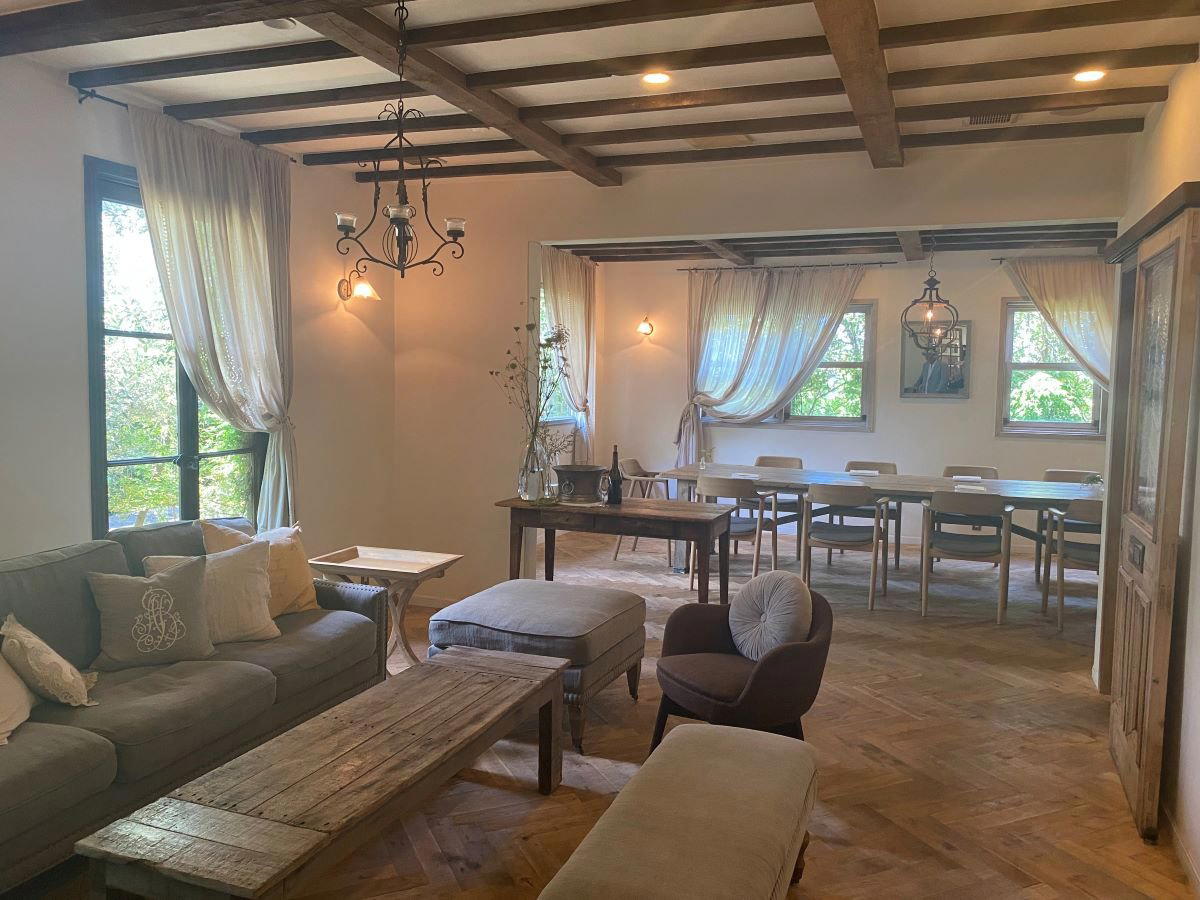
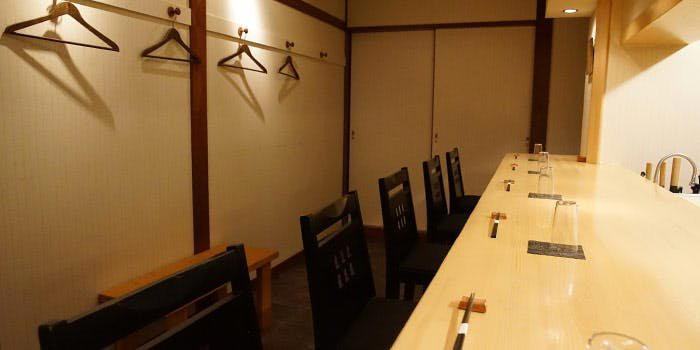

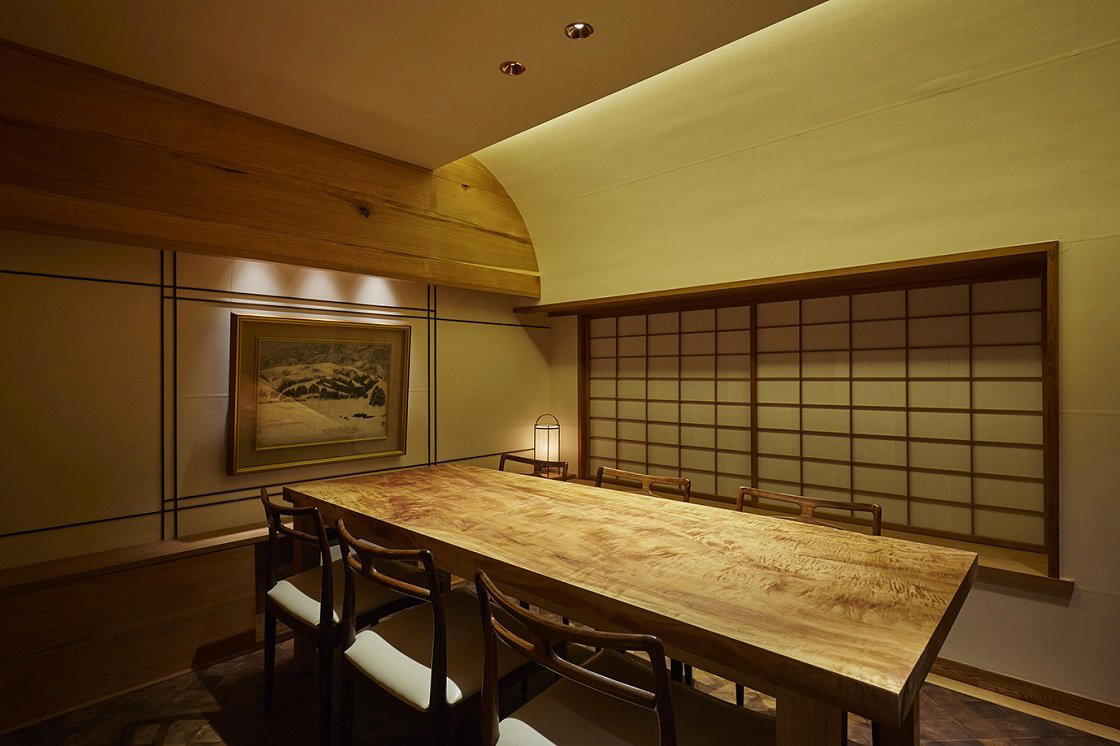
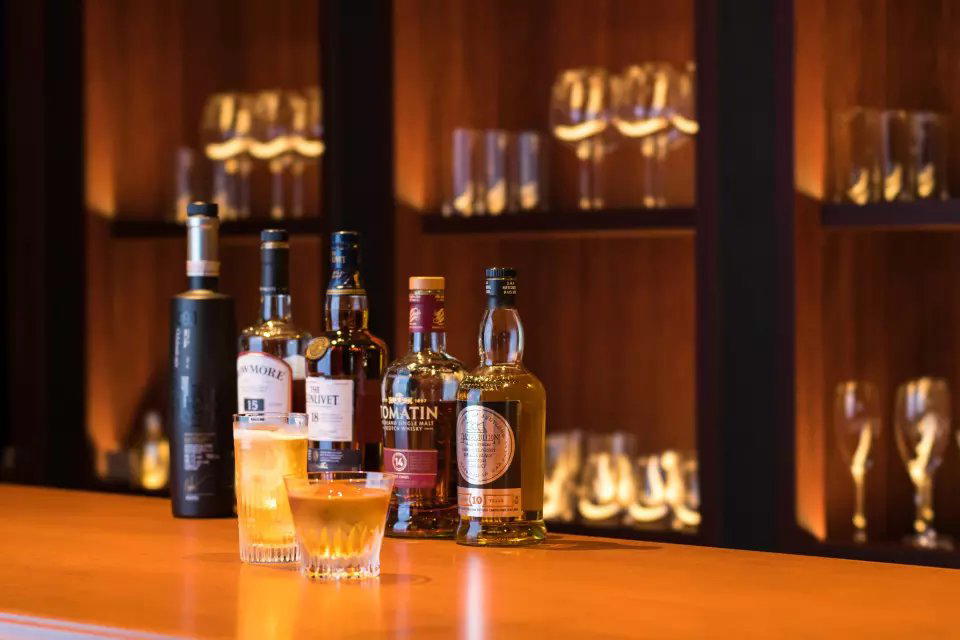
Bars in Wakayama
Browse all →
Hotels in Wakayama
Browse all →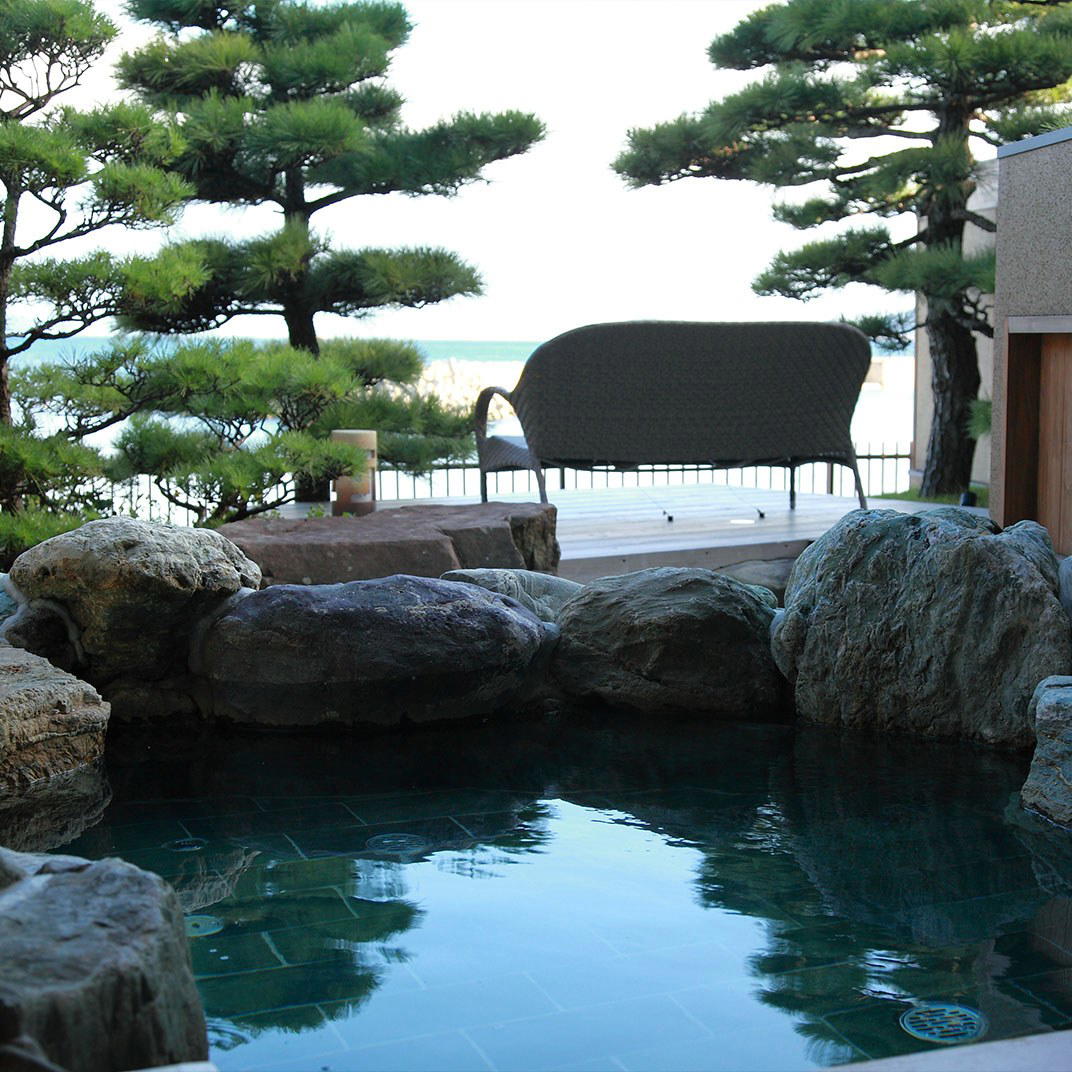
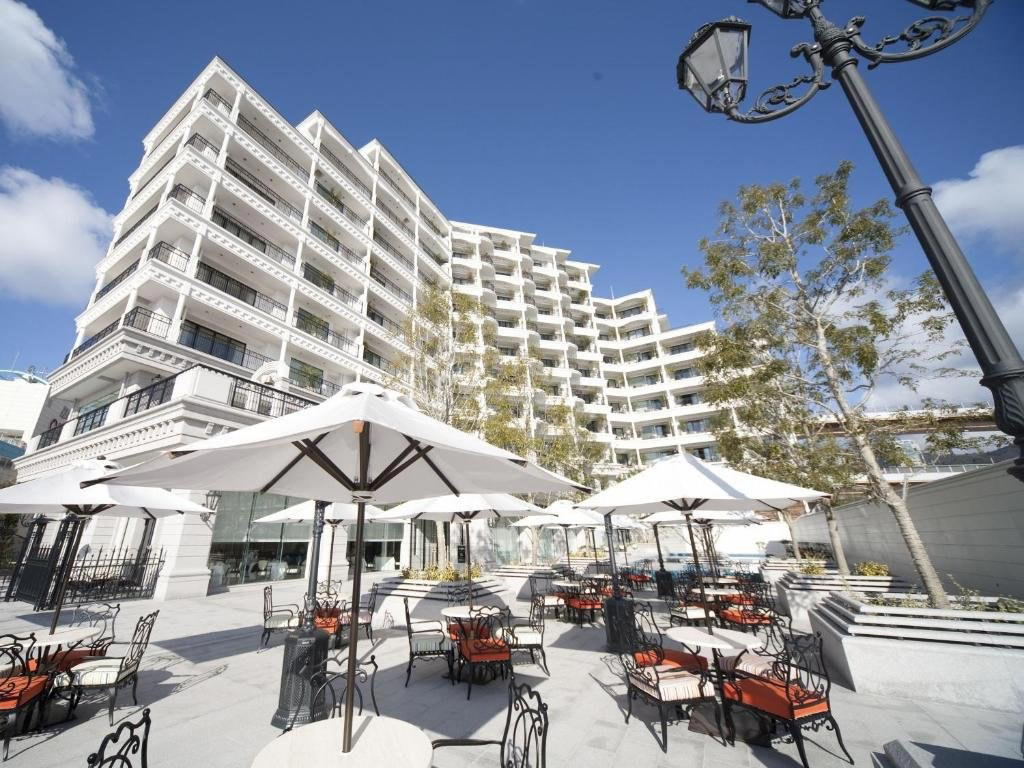

Wineries in Wakayama
Browse all →
At a Glance
- Cozy
- Classic
- Lively
- Solo
- Family
- Casual Hangout
- After Work
- Group Dining
- Standalone
- Sake Program
Current opening hours
- Monday
- 11 AM–1:30 PM, 5:30–8 PM
- Tuesday
- 11 AM–1:30 PM, 5:30–8 PM
- Wednesday
- 11 AM–1:30 PM, 5:30–8 PM
- Thursday
- 11 AM–1:30 PM, 5:30–8 PM
- Friday
- Closed
- Saturday
- Closed
- Sunday
- Closed
Hours can change for holidays and private events. Last verified .
Small, non-smoking neighborhood yoshoku restaurant with a classic, no-frills interior and a bustling atmosphere at lunch and dinner, where waits are common due to its local popularity.