Our verdict
A noodle-focused dining room in Wakayama city, Tsukinoya sits within a regional ramen culture that has earned national recognition. The menu architecture centres on the city's signature soy-based broth tradition, placing it alongside specialists like Ideshouten Ramen and Chuka Soba Hayami in a scene serious enough to draw visitors from Osaka and beyond.

Pearl is the En Primeur Club membership app — saves, bookings, and concierge access live there. Same editors, same standards.
- Address
- 天満428-9, 有田川町, 和歌山県, 643-0032
- Directions
- Get directions
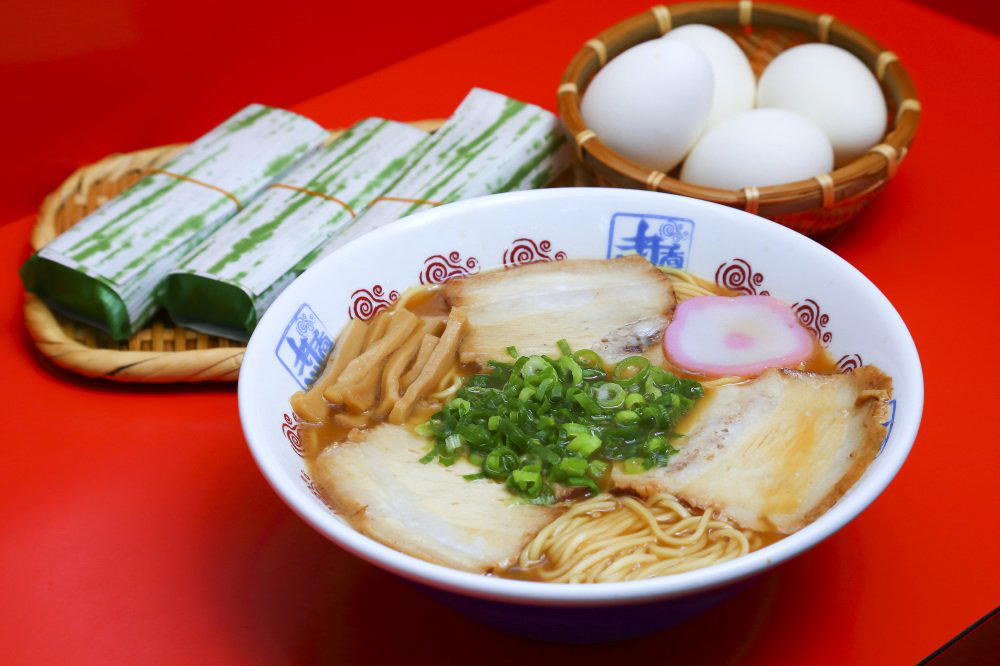
The menu
What to order
- Rich Tsukemen
Where Wakayama's Noodle Tradition Takes a Dining-Room Form
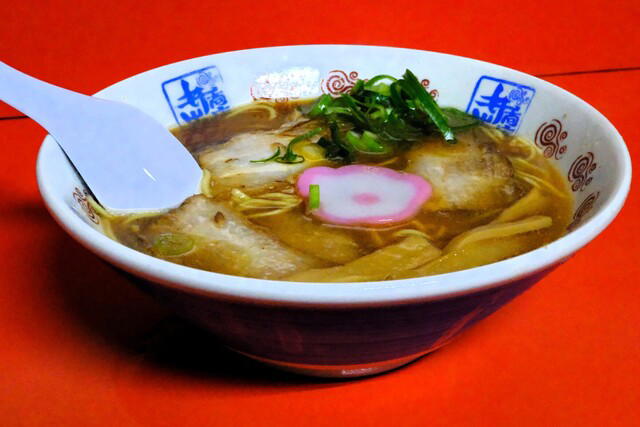
Wakayama ramen occupies a specific and well-documented position in Japan's noodle hierarchy. The city's signature style — a soy-forward broth, often fortified with pork and finished with a char siu that leans toward sweetness rather than smoke — has been written about extensively in Japanese food media and has drawn pilgrimage-style visits from ramen enthusiasts based in Osaka, Kyoto, and beyond. It is a regional idiom with a clear grammar, and the restaurants that work within it are not trying to reinvent it so much as to execute it with precision. Noodles Dining Tsukinoya operates inside that tradition, with a name and format that signals something slightly more composed than a counter-only ramen shop.
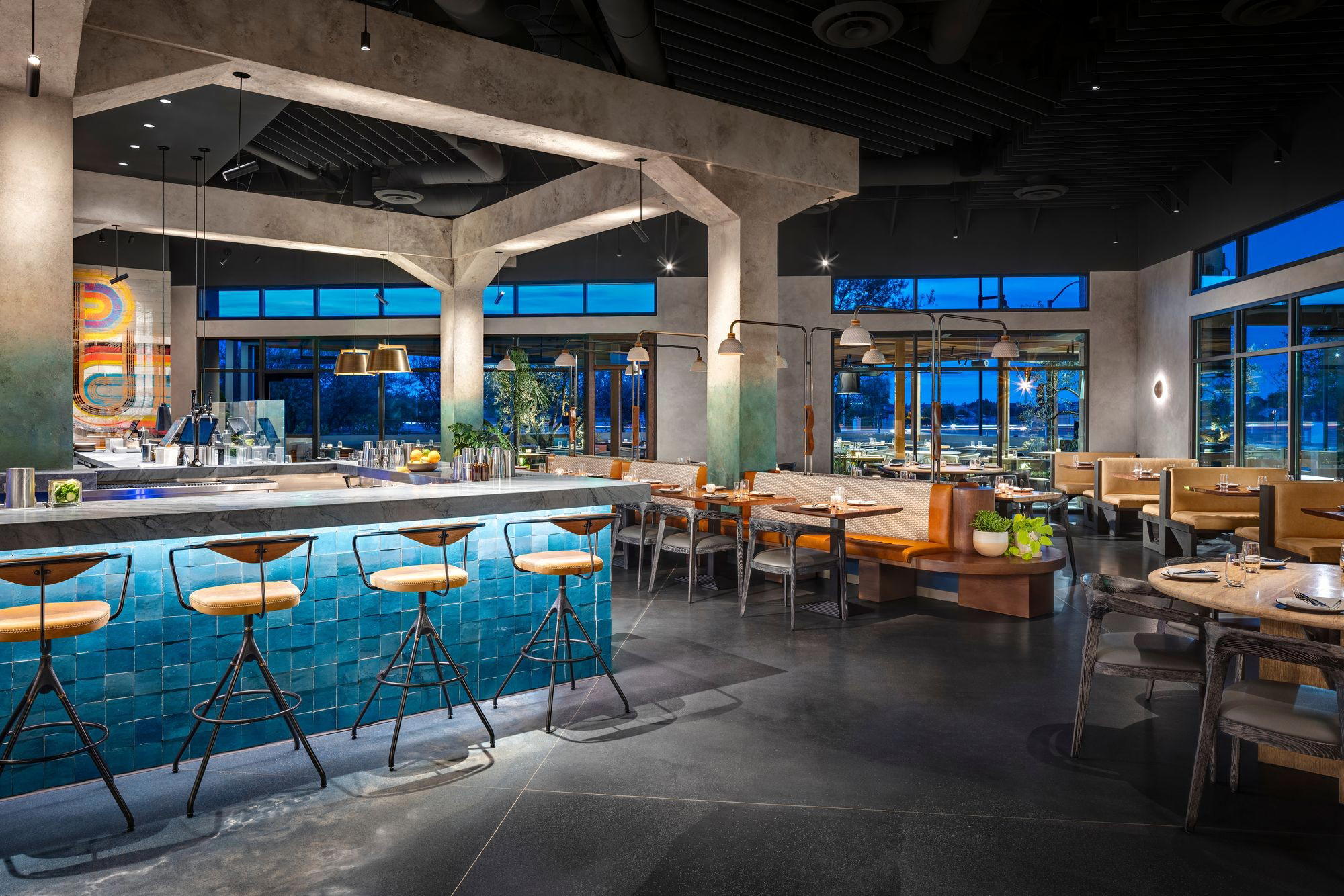
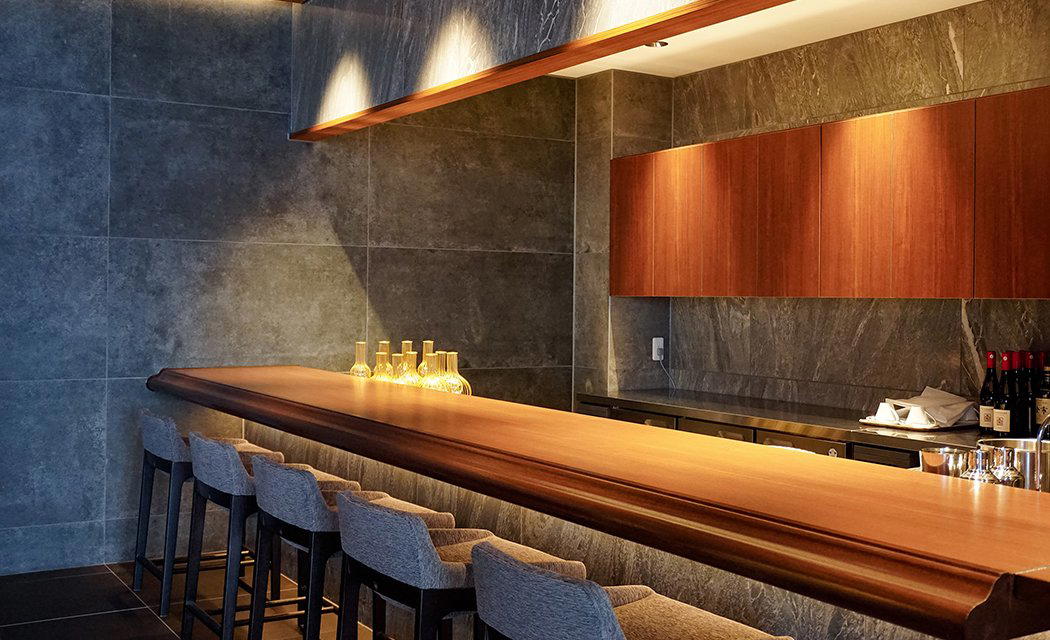
The word "dining" in a Japanese noodle restaurant's name is a deliberate signal. It suggests table service over counter seating, a broader menu architecture, and an atmosphere pitched at groups and families as much as at solo noodle devotees. In Wakayama, where the ramen scene ranges from standing counters to multi-generational family restaurants, that middle register carries real meaning. Tsukinoya's name positions it in a tier that values sit-down comfort alongside bowl quality, a format that makes it legible to visitors who want to experience the city's noodle culture without the austerity of a specialist counter.
Menu Architecture as a Reading of the City
The way a noodle restaurant in Wakayama structures its menu tends to reveal its priorities. A shop committed to a single broth style, soy base, specific noodle cut, fixed toppings, is making an argument about mastery through repetition. A dining room that offers variations across broths, add-ons, and rice accompaniments is making a different argument: that the tradition is wide enough to explore rather than narrow enough to perfect. Tsukinoya's positioning as a "noodles dining" establishment suggests the latter approach, with a menu that likely encompasses multiple entry points into the regional style.
In the broader context of Wakayama's noodle scene, this matters. Specialists like Ideshouten Ramen and Chuka Soba Hayami operate with a tighter editorial focus, fewer variables, more concentration on a single expression of the city's style. A dining-room format like Tsukinoya's occupies a different niche, where accessibility and range serve as its editorial stance. Neither approach is lesser; they address different needs within the same culinary tradition. For a visitor building a mental map of what Wakayama ramen means, both registers are worth understanding.
The regional soy-based broth that defines the city's signature style has a complexity that rewards attention across multiple bowls. The interplay between the clarity of the soy tare, the weight of the pork-based stock, and the texture of the noodle, typically a medium-thin, slightly curly cut, is where the tradition's character lives. A dining room that presents this across a structured menu gives the visiting eater a chance to understand the style's range rather than a single data point within it.
Wakayama's Dining Room Tier and What It Offers
Wakayama city has a dining culture that extends well beyond its famous noodles. Hotel de Yoshino represents the city's French dining register, and Ichijoin anchors the kaiseki and traditional Japanese end of the spectrum. The noodle segment sits between street-level specialists and these more formal options, and within that segment, the dining-room format serves a constituency that the standing counter cannot: multi-generational family groups, visitors on limited time who want comfort and a complete meal structure, and travellers who find the counter format intimidating or impractical.
This is not a small constituency. Wakayama draws significant tourist traffic tied to the Koyasan pilgrimage route, the castle, and its coastline, and many of those visitors are not committed noodle specialists. They want good food in a setting that accommodates a range of ages and appetites. The dining-room noodle restaurant answers that need in a way that the purist counter rarely can. For sweeter punctuation at the end of a Wakayama meal, the kakigori at Nakakooriten Kakigori serves as a natural companion.
At the scale of the Kansai region, Wakayama's noodle culture sits in an interesting position relative to the more internationally visible dining scenes in Osaka and Kyoto. HAJIME in Osaka and Gion Sasaki in Kyoto represent the Michelin-heavy end of Kansai dining, while Wakayama's contribution to the regional food story is more vernacular and less decorated, but no less serious in its own terms. The city's ramen culture has a specificity and a depth that holds up against peer regional styles across Japan, and dining rooms like Tsukinoya are part of how that culture stays accessible to a broad audience.
Planning a Visit: Practical Notes
Wakayama city is approximately an hour from Osaka by limited express on the JR Kinokuni line or the Nankai Wakayama line, making it a viable day trip from the larger city rather than a destination requiring overnight accommodation. Visitors covering more ground across the Kansai region might pair Wakayama with a stop in Nara, where akordu offers a contrasting dining register. For those coming from further afield, Harutaka in Tokyo or Goh in Fukuoka give a sense of how Wakayama's food culture fits into a broader Japanese dining itinerary built around regional specificity.
This is standard practice for smaller dining rooms across Japan, where hours and days of operation can shift seasonally or without public announcement. The full Wakayama restaurants guide covers the city's broader dining scene and can help build a complete itinerary around a visit to Tsukinoya and its neighbours in the noodle segment.
Frequently asked questions
Does Noodles Dining Tsukinoya work for a family meal?
Wakayama ramen restaurants in the dining-room format tend to be accessible across age groups, and a venue called 'Noodles Dining' signals a sit-down setting rather than a standing counter. Noodle-focused menus suit varied appetites, making it a practical choice for families visiting Wakayama city. Confirm current seating arrangements directly with the venue before your visit.
What kind of setting is Noodles Dining Tsukinoya?
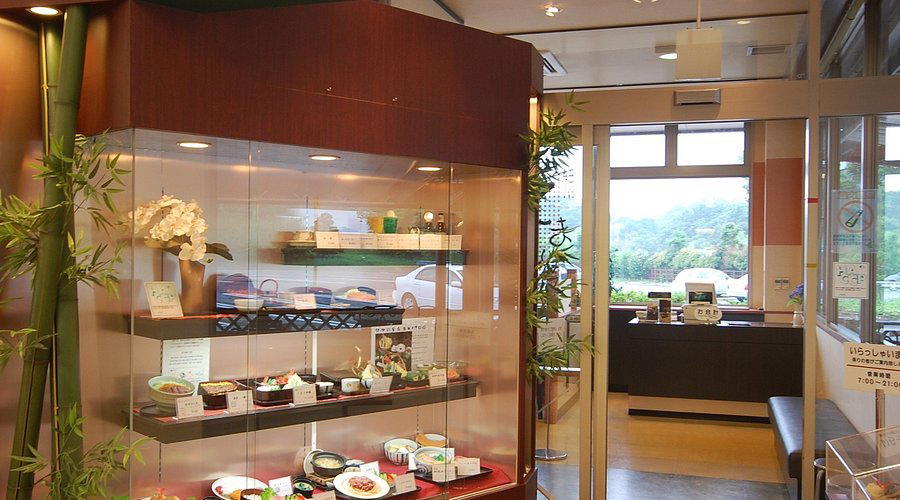
The 'Dining' designation in the name places Tsukinoya in Wakayama's table-service noodle tier, a step above the counter-only ramen shops that dominate the city's scene. Expect a seated environment rather than a quick-service format. It sits within Wakayama, a city roughly an hour from Osaka by limited express, making it a considered stop rather than a rushed one.
How does Noodles Dining Tsukinoya fit into Wakayama's broader ramen scene?
Wakayama city holds a documented place in Japan's regional ramen geography, with its soy-tonkotsu style recognised alongside Hakata, Sapporo, and Kitakata as a distinct prefectural tradition. Tsukinoya operates in this city as a dining-room format venue, which places it in a tier above the standing or counter-only shops and alongside restaurants that treat the bowl as a full sit-down occasion. For visitors coming from Osaka — approximately an hour by limited express — it represents a deliberate engagement with Wakayama's noodle identity rather than a casual stopover.
What should I eat at Noodles Dining Tsukinoya?
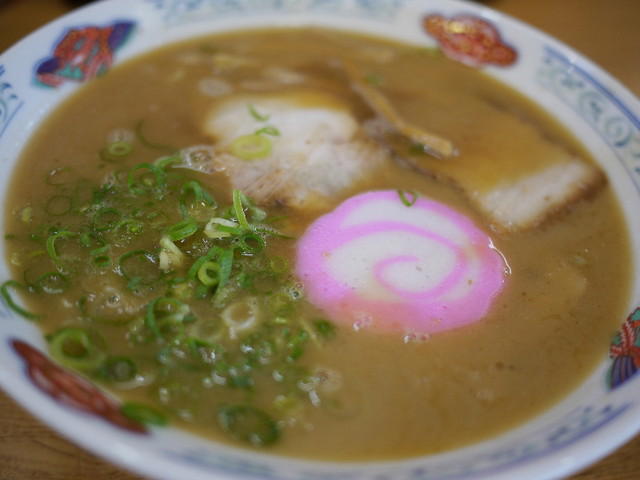
Wakayama's defining ramen style is built on a soy-forward broth, often enriched with pork, and that regional framework is the most reliable ordering reference for any serious noodle house in the city.
Can I walk in to Noodles Dining Tsukinoya?
Dining-room format noodle restaurants in Japanese cities of Wakayama's scale often accept walk-ins outside peak lunch and dinner windows, but a phone call or check of the venue's current channels before visiting is advisable to avoid a wait.
What's the signature at Noodles Dining Tsukinoya?
Wakayama ramen — soy-based, often with a pork-bone depth and thin straight noodles — is the city's documented contribution to Japan's regional noodle canon, and any serious noodle house here anchors its menu to that style. Tsukinoya's dining-room format suggests it frames that tradition with more deliberate presentation than a counter shop.
Reputation First
Comparable venues nearby, for context on price, style, and recognition.
| Venue | Cuisine | Price | Awards | Notes |
|---|---|---|---|---|
| Noodles Dining TsukinoyaThis venue — the venue you are viewing | Japanese Tsukemen and Ramen | Not listed | Not listed | Not listed |
| Takehara | Traditional Tuna Specialist | $10–20 | Not listed | Katsuura |
| Ideshouten Ramen | Wakayama Ramen | $10–20 | Not listed | Wakayama city |
| Chuka Soba Senmon Ten Ide Shoten | Wakayama-style ramen (chuka soba) | $1–10 | Tabelog 100 #59 | / Tanakaguchi area |
| Ide Shoten (井出商店) | Wakayama-style ramen (chuka soba) | $1–10 | Tabelog 100 #59 | Tanakamachi |
| Sushi Gishin | Sushi Omakase | $150–200 | Tabelog 100 #51 | Hatayashiki Higashinocho |
Details
- Casual Hangout
- Sake Program
- A La Carte