On Via San Gregorio, a short walk from Milano Centrale, Osteria del Treno occupies the kind of address that rewards those who read a neighbourhood rather than a guidebook. The osteria format positions it within Milan's tradition of convivial, ingredient-led dining rather than the tasting-menu formality of the city's €€€€ tier. A reference point for the Porta Venezia district's quieter, more local dining current.
Pearl is the En Primeur Club membership app — saves, bookings, and concierge access live there. Same editors, same standards.
- Address
- Via S. Gregorio, 46, 20124 Milano MI, Italy
- Phone
- +39 02 670 0479
- Website
- osteriadeltreno.it
- Directions
- Get directions
 Saves & bookings on Pearl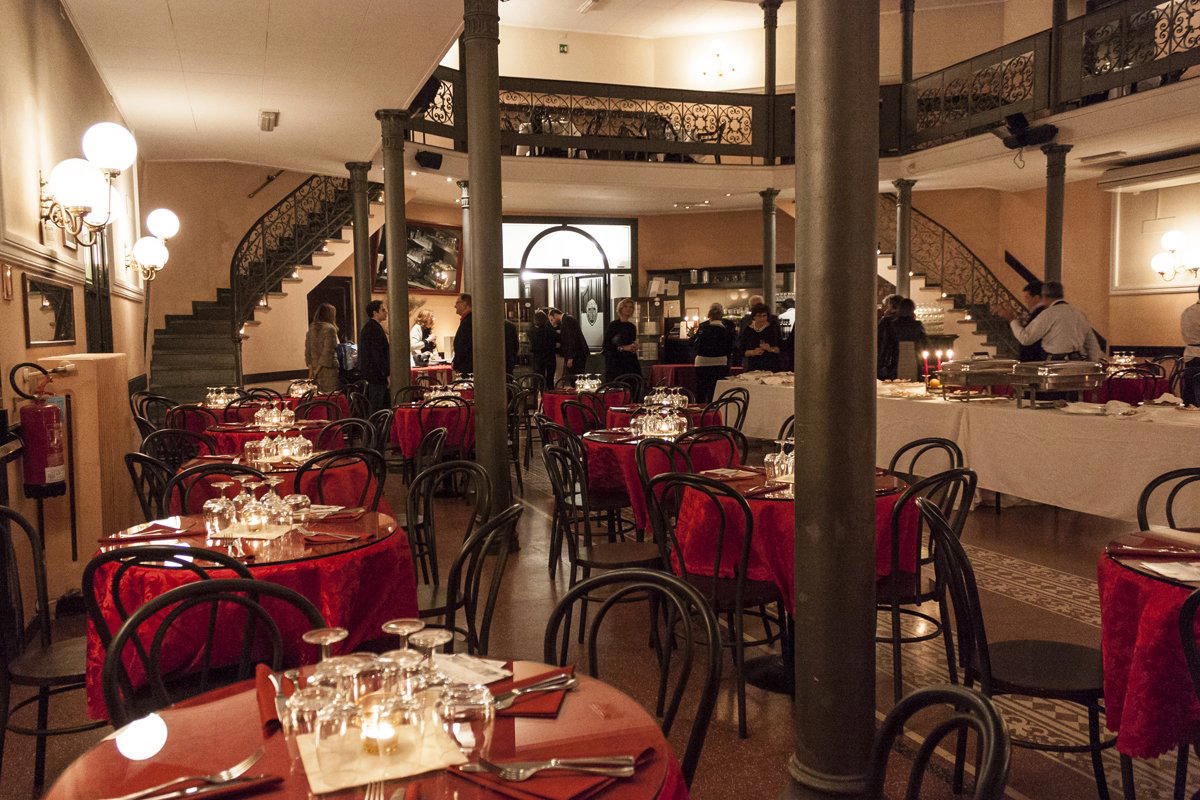
The Address and What It Signals
Via San Gregorio runs between the freight-train energy of Milano Centrale and the residential calm of Porta Venezia, a neighbourhood that has accumulated a distinctly local dining character alongside the city's better-publicised restaurant corridors. Osteria del Treno sits at number 46, and the address alone tells you something about what kind of meal to expect. This part of the city operates on a different logic: the audience is mixed, the pace is unhurried, and the restaurant's identity is built around repeated custom rather than destination dining.
That context matters when reading the menu, which is where the real editorial story of Osteria del Treno begins.
Menu Architecture: What the Structure Reveals
In Italian dining, the osteria format is a deliberate signal. It implies a menu built around seasonal availability and regional supply rather than around a chef's conceptual thesis. Where Milan's contemporary Italian tier, represented by addresses like Andrea Aprea or Cracco in Galleria, tends toward tasting-menu architecture with a fixed narrative arc, the osteria model inverts this: the diner assembles their own sequence from antipasti, primi, and secondi, which shifts creative authority from the kitchen to the table.
This is not a lesser form of dining. It is a different discipline. The kitchen's job is to make each component work independently and in any combination the guest chooses. That places a premium on sourcing and preparation fidelity rather than on composed plate drama. Across Italy's most respected trattorie and osterie, from Osteria Francescana in Modena (which famously operates at the genre's conceptual outer edge) to deeply regional rooms like Dal Pescatore in Runate, the common thread is a menu whose intelligence is embedded in selection rather than in elaborate technique.
Osteria del Treno's menu format places it within this tradition. The practical effect for the diner is a meal that rarely feels over-engineered: dishes arrive at their own pace, portions are calibrated for sharing, and the rhythm of the table is yours to control. This is a format that suits long lunches and extended dinners equally, and one that Milano Centrale's commuter-adjacent location actually supports rather than undermines.
Positioning Within Milan's Dining Range
Milan is one of the few Italian cities that sustains a genuine premium tier at volume. The city's business culture creates consistent demand for formal dining, which in turn supports a cluster of high-investment restaurants at the €€€€ level. Verso Capitaneo and the broader creative Italian category demonstrate that Milan's appetite for ambitious cooking runs deep. But the city also has a parallel tradition of neighbourhood restaurants that serve the same clientele in a different register: less ceremony, more regularity.
The restaurant occupies this parallel register. It is the kind of place where the proposition is not a special occasion but a standing habit, and where the menu's continuity across seasons is as much a feature as any individual dish. This is a meaningful distinction in a city where dining out carries genuine cultural weight for Milanese residents rather than just visiting professionals.
For travellers arriving into or departing from Milano Centrale, the proximity is a practical argument for a meal here rather than in the more congested Brera or Navigli corridors.
The Broader Italian Osteria Tradition
The osteria as a format has been under pressure from two directions in Italy over the past two decades. From above, the creative tasting-menu model, as practised at rooms like Reale in Castel di Sangro or Piazza Duomo in Alba, has claimed critical attention and international demand. From below, casual dining chains and aperitivo culture have absorbed the lower end of the market. The traditional middle, the neighbourhood osteria serving a rotating seasonal menu to a local audience, has held on in city centres through a combination of institutional loyalty and the genuine irreplaceability of the format for regular dining.
What this means in practice is that surviving osterie in major Italian cities are often more carefully run than their low-key appearance suggests. The margin for error is smaller when your audience returns weekly rather than once a year. The wine list at this tier tends to be regionally literate without being encyclopaedic, sourced from smaller producers and priced to encourage ordering by the bottle over a long meal. Italian wine culture at this level is its own education: regional labels that rarely appear in export markets, priced at fractions of what comparable bottles would cost in a starred restaurant. For those whose Italian wine reference points run to stronger examples from the market, addresses like Enoteca Pinchiorri in Florence or Uliassi in Senigallia offer the more formal cellar experience. The osteria tier offers something different: drinking as part of a meal rather than as a parallel performance.
Planning a Visit
Via San Gregorio 46 is on foot from Milano Centrale, making it accessible without navigating the city's tram network or calling a car. For visitors, this positions it as a logical first or last meal in the city. The Porta Venezia neighbourhood runs south toward the city centre through a residential and commercial mix that is more representative of how Milanese people actually live than the more photographed tourist corridors.
A Credentials Check
Comparable venues nearby, for context on price, style, and recognition.
| Venue | Cuisine | Price | Notes |
|---|---|---|---|
| Osteria del TrenoThis venue — the venue you are viewing | Traditional Milanese Osteria | $$ | Not listed |
| Da Angelo | Tuscan Trattoria | $$ | Bicocca |
| Baladin Milano | Italian Craft Beer Gastropub | $$ | Brera |
| Montesoprano | Sicilian Meat & Barbecue | $$ | Guastalla |
| Mo. Sto Bistrot | Sicilian and Pugliese Italian Bistro | $$ | Porta Vigentina - Porta Lodovica |
| Fradiavolo Milano Isola | Modern Neapolitan Pizza | $$ | Isola |
Continue exploring
More in Milan
Restaurants in Milan
Browse all →
Bars in Milan
Browse all →
Hotels in Milan
Browse all →

At a Glance
- Cozy
- Rustic
- Classic
- Family
- Group Dining
- Casual Hangout
- Historic Building
- Extensive Wine List
- Local Sourcing
Current opening hours
- Monday
- 12:30–2:30 PM, 7:30–10:30 PM
- Tuesday
- 12:30–2:30 PM, 7:30–10:30 PM
- Wednesday
- 12:30–2:30 PM, 7:30–10:30 PM
- Thursday
- 12:30–2:30 PM, 7:30–10:30 PM
- Friday
- 12:30–2:30 PM, 7:30–10:30 PM
- Saturday
- 7:30–10:30 PM
- Sunday
- 12:30–2:30 PM
Hours can change for holidays and private events. Last verified .
Cozy and spacious dining rooms with carved balconies, lightly adorned, welcoming workers and families, featuring traditional live music.