
Our verdict
Pizzium is a Milan-founded pizza chain that brings Neapolitan technique to a regional Italian ingredient framework. Positioned at Via Giulio Cesare Procaccini in the Corso Como district, it operates in a different register from the city's €€€€ fine-dining circuit, offering a more accessible entry point into Italy's pizza traditions without abandoning quality sourcing or regional specificity.

Pearl is the En Primeur Club membership app, where members save venues, book tables and use the concierge.
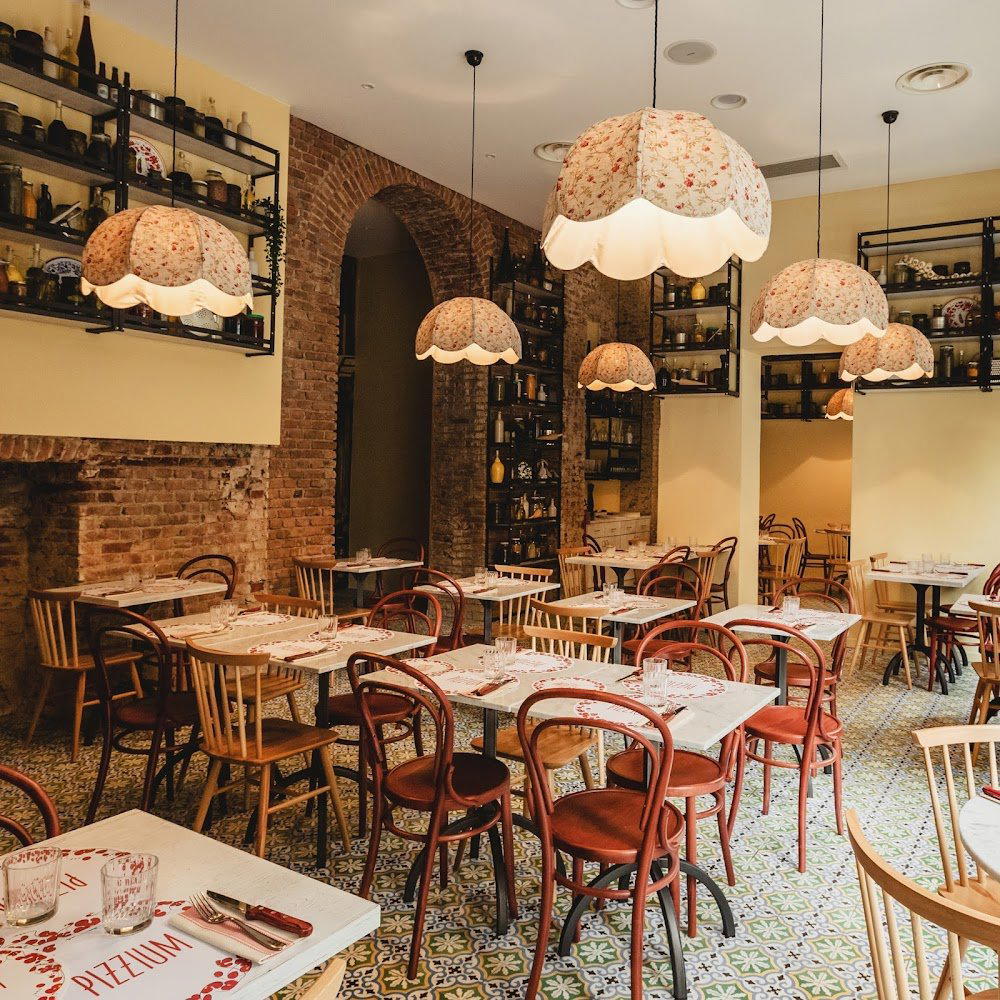
A Different Pace in Milan's Dining Spectrum
Milan's restaurant culture is often framed around its upper tier: the tasting-menu counters of Enrico Bartolini, the grand-room formality of Cracco in Galleria, the modern Italian precision at Andrea Aprea and Seta. But the city's eating habits have never been solely defined by that register. Alongside the €€€€ houses, Milan sustains a strong market for restaurants where the ritual of the meal is less about ceremony and more about the food itself arriving correctly made, in a room that does not require you to perform occasion. Pizzium occupies that space with a clear editorial position: Neapolitan pizza as the vehicle, regional Italian ingredients as the argument.
The address on Via Giulio Cesare Procaccini places this Pizzium branch in a part of the city that sits between the Isola neighbourhood's creative energy and the more residential calm of Porta Volta. The street has a residential-commercial texture rather than a tourist-circuit one, which tends to make the dining rhythm here more habitual than event-driven. Regulars come for the pizza, not the postcode.
How the Meal Actually Works
Understanding Pizzium as a dining experience means understanding what Neapolitan pizza demands from the person eating it. The canon is specific: dough fermented long enough to develop structure without density, a cornicione that holds air and char in roughly equal measure, a centre that stays soft rather than crisping through. The ritual around this food is not slow. Neapolitan pizza arrives hot, is eaten quickly, and loses coherence if left to cool, the softness of the base that makes it correct when fresh becomes a liability at room temperature. This is not a meal for extended grazing. It rewards attention while it is in front of you.
What Pizzium adds to that framework is a regional sourcing argument. The chain was founded in Milan on the premise that Italy's culinary geography, the cured meats of Emilia-Romagna, the cheeses of the south and north, the olive oils and preserved ingredients tied to specific territories, could be expressed through pizza toppings rather than erased by them. The menu reads as a map of those regional affiliations rather than a list of generic combinations. This makes the ordering moment more considered than at a standard pizzeria: choosing a pizza here involves, at least implicitly, choosing a region.
Where Pizzium Sits in the Category
The pizza category in Italian cities is more stratified than it sometimes appears from outside. At one end sit the celebrated destination pizzerias, single-location operations with long waits, strong critical reputations, and menus that change slowly. At the other end are the fast-turnaround slice operations, useful but not designed for sitting. Pizzium operates in the territory between those poles: a multi-location chain (founded in Milan and expanded across Italy) with consistent Neapolitan technique and a menu architecture that takes regional ingredients seriously. The chain format brings predictability of execution, which is not a small thing in a category where inconsistency is common.
For comparison, the fine-dining bracket in Milan represented by restaurants like Verso Capitaneo operates with a fundamentally different set of priorities: longer seatings, higher price points, more elaborate plating. Pizzium makes a different kind of argument, that quality sourcing and correct technique are not the exclusive domain of that bracket. It is a position Italy's leading trattorias and pizzerias have always held, and one that resonates particularly in a city that can sometimes over-index on formality.
For broader context on where Italian restaurants of this calibre sit nationally, it is worth looking at the full range: from Osteria Francescana in Modena and Enoteca Pinchiorri in Florence at the top of the critical hierarchy, through coastal institutions like Uliassi in Senigallia and Quattro Passi in Marina del Cantone, to Alpine destination dining at Atelier Moessmer Norbert Niederkofler in Brunico. Pizzium operates in a different register from all of those, but the underlying commitment to regional Italian ingredient specificity is a shared thread.
The Regional Ingredient Logic
Italy's regional food culture is unusually fragmented by European standards. The difference between the larder of Calabria and that of Piedmont is not a matter of slight variation but of fundamentally different climates, livestock, preservation traditions, and flavour profiles. Pizzium's menu structure uses that fragmentation as a feature rather than flattening it into a generic Italian idiom. The effect is that the pizza functions as a vehicle for ingredient education as much as for eating, each combination signals a provenance that a more attentive diner will recognise and a less attentive one will absorb through the flavour itself.
This regional logic is not unique to Pizzium in concept, Italian restaurants internationally have leaned on it for decades, but executing it at chain scale while maintaining Neapolitan dough integrity is a more demanding constraint than it sounds. The founding premise was to hold both commitments simultaneously: correct Neapolitan method and honest regional sourcing. Whether that balance holds across all menu items is a question leading answered in the room, but the framework itself is sound.
Planning Your Visit
| Detail | Pizzium (Via Procaccini) | Comparable Tier (Milan) | Fine Dining Tier (Milan) |
|---|---|---|---|
| Price range | €–€€ | €€€€ | |
| Booking | Walk-in or same-day | Advance booking required | |
| Meal pace | Moderate, pizza-driven | 45–75 minutes | 2–4 hours |
| Format | À la carte pizza | À la carte | Tasting menu or à la carte |
| Location tier | Residential/commercial | Mixed | Central or design districts |
The Via Procaccini address is accessible from the Moscova and Porta Garibaldi metro stops. For broader Milan planning, the full Milan restaurants guide covers the city's dining range in depth. If you are building a longer stay around the city's food and drink offer, the Milan bars guide, Milan hotels guide, Milan wineries guide, and Milan experiences guide provide the full picture. For Italian dining outside Milan, Dal Pescatore in Runate is a short drive and occupies a completely different bracket of Italian hospitality. And for reference points outside Italy entirely, the calibrated precision of Le Bernardin in New York or the structured tasting format at Atomix illustrate how differently other traditions frame the dining ritual that Pizzium approaches through the direct logic of a well-made pizza.
Frequently asked questions
What's Pizzium known for in terms of accolades?
Pizzium has received recognition including: Pizzium is an Italian pizza chain, founded in Milan, that specializes in authentic Neapolitan pizza. It is known for its gourmet menu that celebrates the culinary traditions of Italy's diverse regions by using high-quality, regional ingredi….
What part of town is Pizzium in?
Pizzium is located at Via Giulio Cesare Procaccini, 30, 20154 Milano MI, Italy, Milan.
What should I eat at Pizzium?
Pizzium structures its menu around regional Italian ingredients used as pizza toppings, so the most direct approach is to choose by region rather than by pizza name. The concept, which Pizzium built its Milan identity on, draws from larders across Italy, Calabria, Piedmont, and beyond, meaning the menu shifts the frame from style to provenance. Pick the topping combinations that reference a region you know, or one you don't, and let the sourcing logic guide the order.
Do they take walk-ins at Pizzium?
Pizzium operates as a chain pizzeria, and pizza restaurants at this tier in Milan generally accept walk-ins or run on short-notice bookings rather than weeks-ahead reservation windows. The Procaccini address (Via Giulio Cesare Procaccini, 30, 20154 Milano) sits in a residential neighbourhood where foot-traffic patterns tend to be more forgiving than the city-centre tourist belt. Arriving off-peak, early evening or a late lunch slot, is the practical way to avoid a wait.
Cuisine-First Comparison
A short peer table to compare basics side-by-side.
| Venue | Cuisine | Price | Awards | Notes |
|---|---|---|---|---|
| PizziumThis venue (the venue you are viewing) | Regional Neapolitan Pizza | $20–30 | Not listed | Not listed |
| Enrico Bartolini | Modern Italian Fine Dining | $300–500 | 3 Michelin Stars · World's 50 Best #85 | Creative |
| Cracco in Galleria | Modern Italian Fine Dining | $150–200 | 1 Michelin Star · World's 50 Best #33 | Modern Cuisine |
| Andrea Aprea | Modern Italian Fine Dining | $200–300 | 2 Michelin Stars · La Liste Top Restaurants | Modern Italian, Italian Contemporary |
| Seta | Modern Italian Fine Dining | $150–200 | 2 Michelin Stars · La Liste Top Restaurants | Modern Italian |
| Contraste | Modern Italian Fine Dining | $150–200 | 1 Michelin Star · La Liste Top Restaurants | Progressive Italian, Modern Cuisine |
Recognition history
Dated appearances from independent guides and award organizations, with the underlying list record or original source where available.
50 Top Pizza 50 Top World Artisan Pizza Chains #25
50 Top Pizza
Continue exploring
More in Milan
Restaurants in Milan
All restaurants in Milan →
Bars in Milan
All bars in Milan →
Details
- Cozy
- Lively
- Casual Hangout
- Group Dining
- Family
- Open Kitchen
- A La Carte
- Vegetarian Friendly
Current opening hours
- Monday
- 12–2:30 PM, 7–11 PM
- Tuesday
- 12–2:30 PM, 7–11 PM
- Wednesday
- 12–2:30 PM, 7–11 PM
- Thursday
- 12–2:30 PM, 7–11 PM
- Friday
- 12–3 PM, 7–11:30 PM
- Saturday
- 12–3 PM, 7–11:30 PM
- Sunday
- 12–3 PM, 7–11:30 PM
Hours can change for holidays and private events. Last verified .
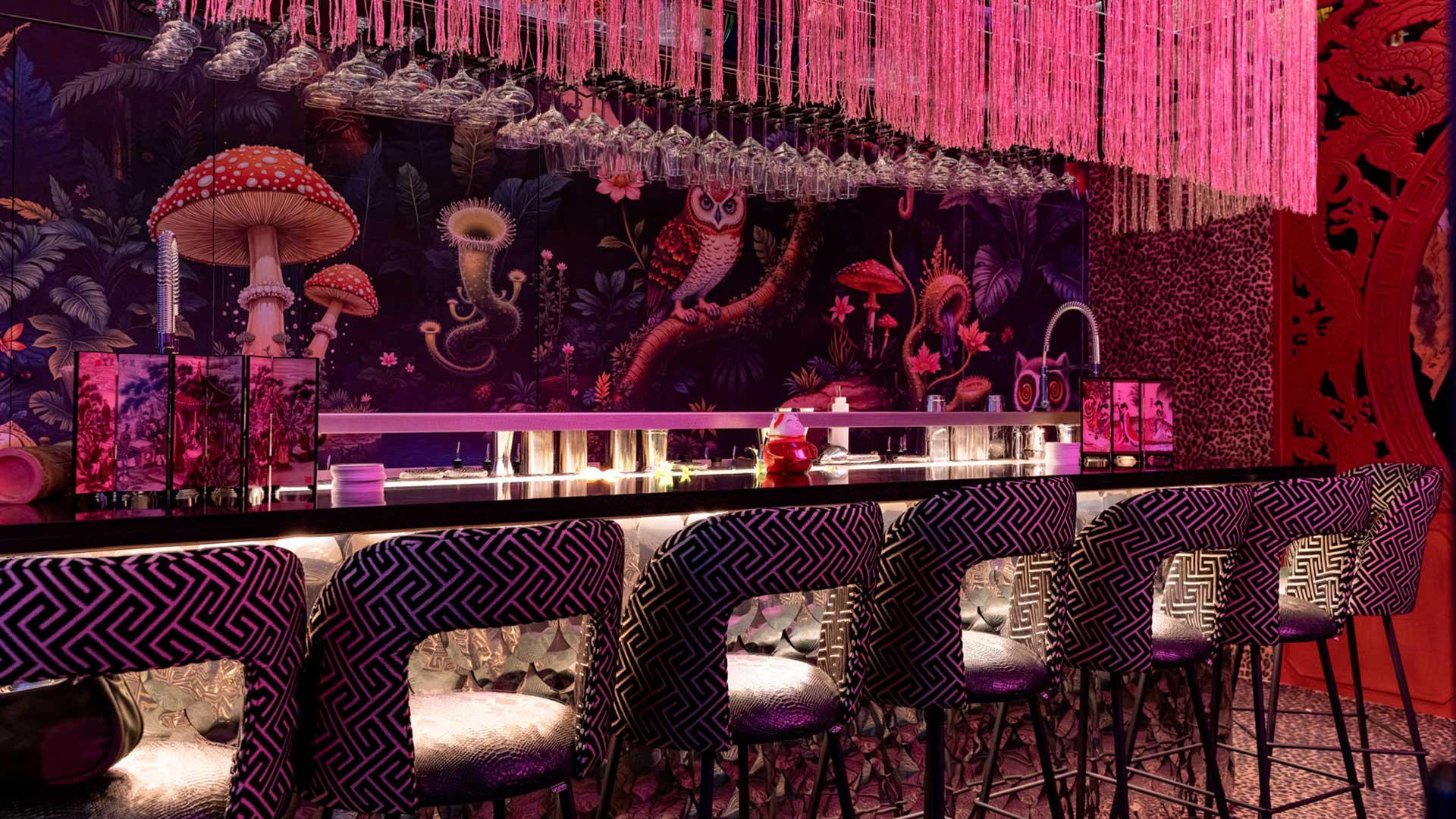
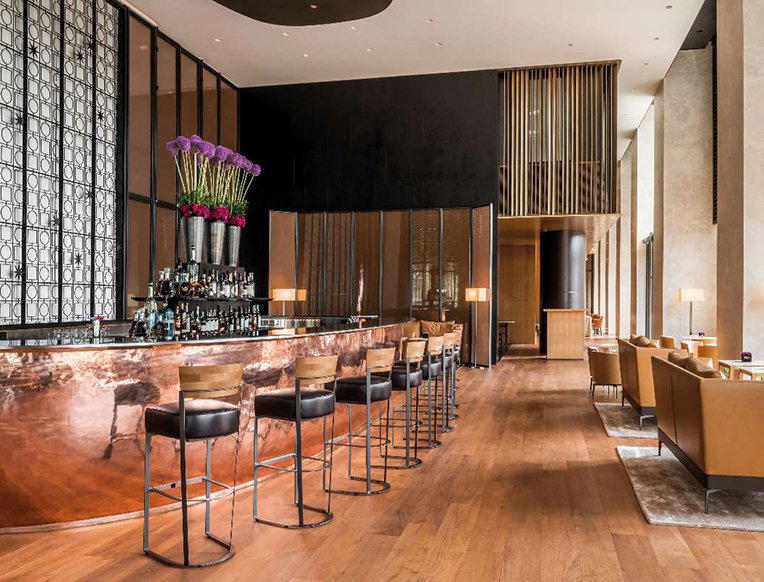
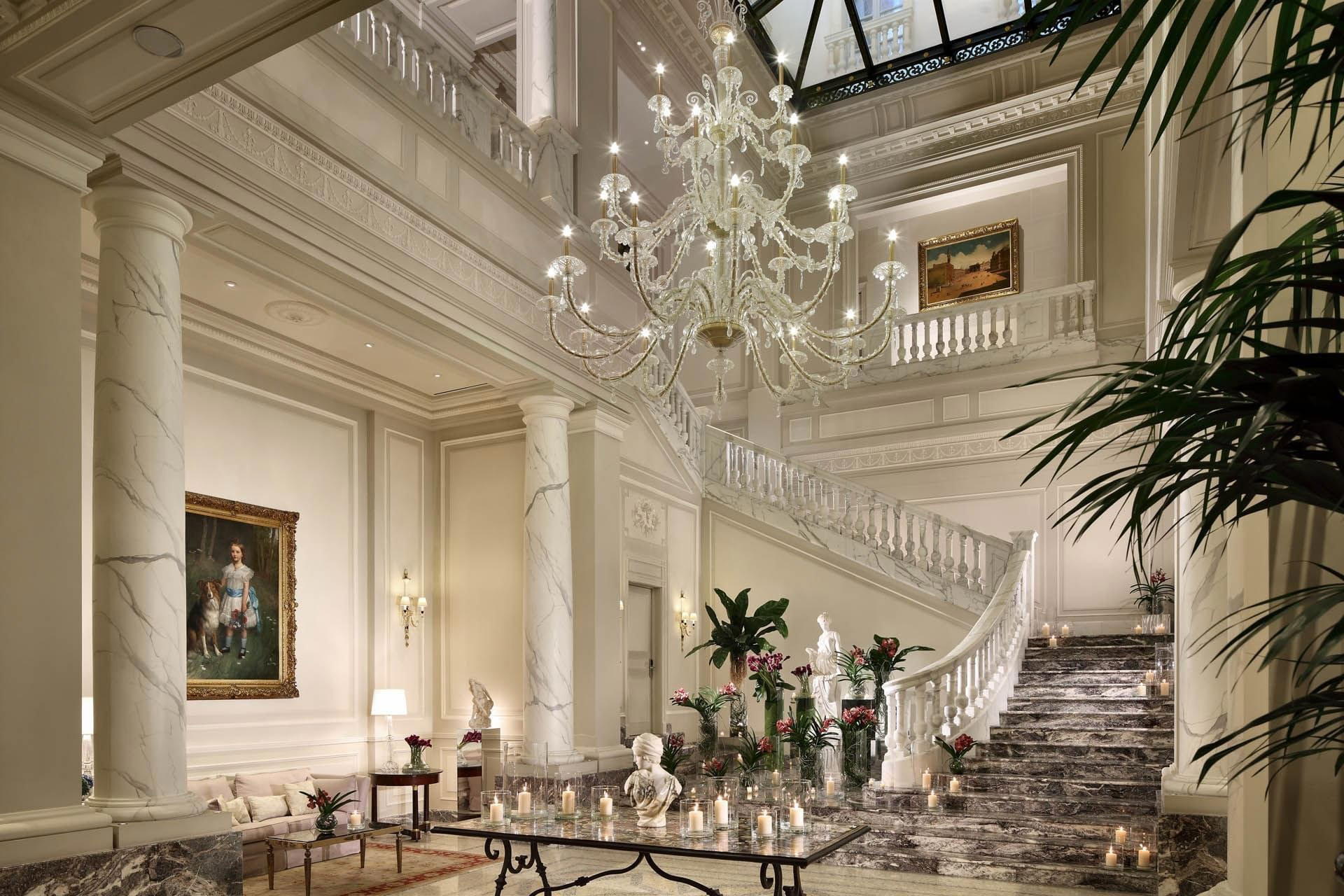
Cozy and welcoming with a busy yet pleasant atmosphere, clean design, and friendly service.