
Kiang Wine & Dine pairs a Modern Chinese Wine Bar format with mapo tofu, a Chinese burger, and an extensive wine list, running at an upscale casual, leisurely pace for dinner.
Pearl is the En Primeur Club membership app — saves, bookings, and concierge access live there. Same editors, same standards.
- Address
- Grünentorgasse 19/2-3, 1090 Wien, Austria
- Phone
- +436645153633
- Website
- kiangwine-dine.com
- Directions
- Get directions
 Saves & bookings on Pearl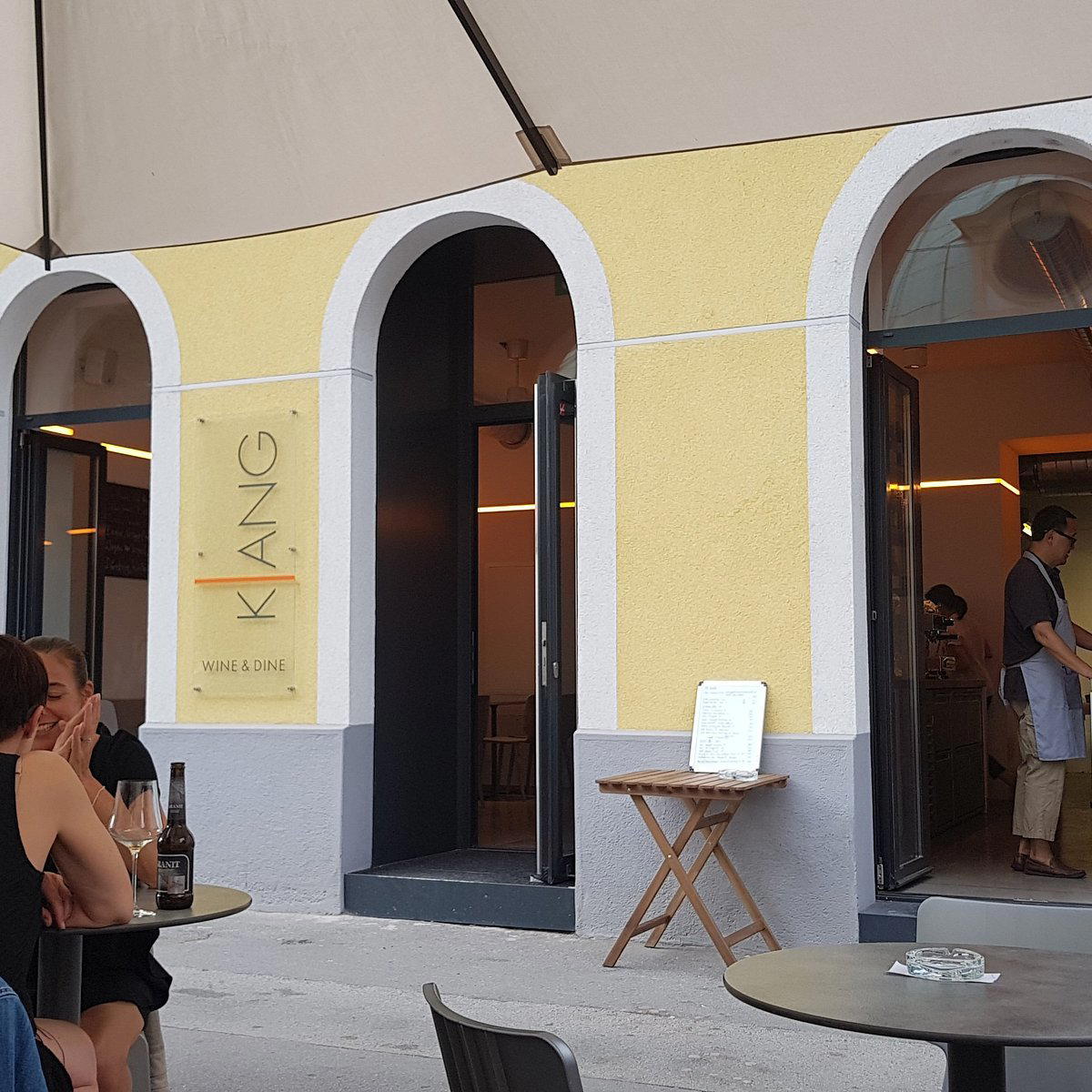
Alsergrund After Dark: Wine Bars and the Question of Format
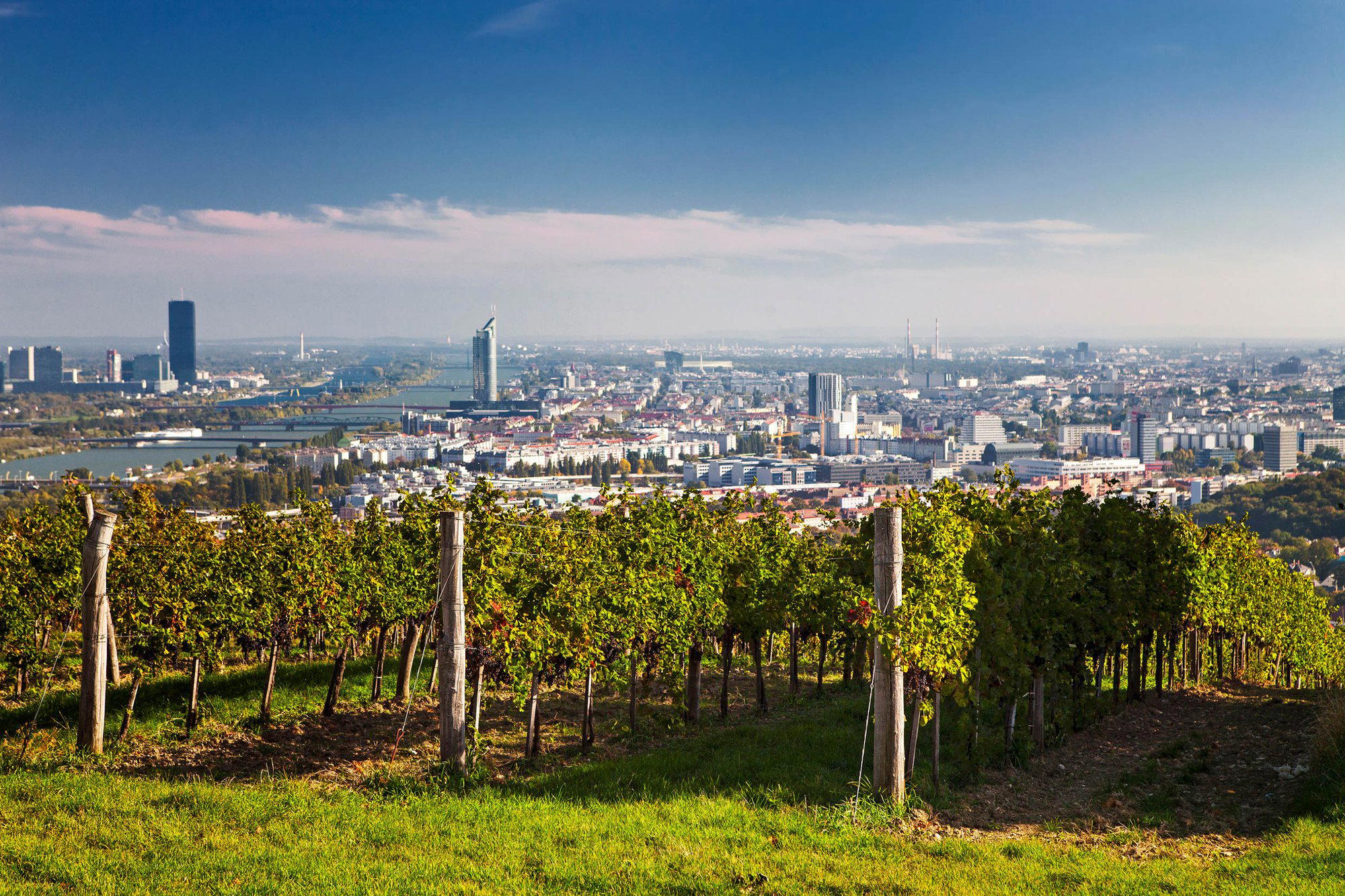
Vienna's ninth district, Alsergrund, sits at an interesting remove from the first-district grandeur that dominates most international coverage of the city's dining scene. The neighbourhood runs along the Gürtel's inner edge, past university buildings and quietly residential streets, and its food and drink culture has historically rewarded the curious rather than the organised. In recent years, the district has seen a steady accumulation of wine-forward addresses that sit somewhere between a serious wine bar and a proper kitchen, a format that has become one of the more interesting fault lines in European urban dining. Kiang Wine & Dine, at Grünentorgasse 19/2-3, 1090 Wien, Austria, occupies that contested middle ground.
The Format Shift in Viennese Wine Culture
The evolution of the wine-and-food hybrid format across European cities follows a broadly recognisable arc. The first generation of serious wine bars typically subordinated food to the glass: plates were functional, rarely ambitious, and the cellar was always the point. A second wave, more visible from the mid-2010s onward, began asking whether kitchen ambition could sit alongside genuine wine depth without either element being diluted. In Vienna, that conversation arrived a little later than in London or Copenhagen, partly because the city's Beisl tradition already provided a culturally specific answer to the question of how to eat and drink well without ceremony. What has changed is the appetite for something more deliberate, where the wine list reflects a considered position and the food moves beyond Viennese staples without abandoning local reference points entirely.
Kiang occupies a position within that evolution. The address in Alsergrund places it outside the well-mapped circuits of the first and third districts, where addresses like Steirereck im Stadtpark and Konstantin Filippou anchor the city's fine-dining conversation. The distance from that cluster is partly geographical and partly intentional: the wine-and-dine format at this price register tends to draw its energy from neighbourhood regulars and from visitors who have already covered the obvious ground.
Neighbourhood Placement and What It Signals
Alsergrund's dining character is defined less by any single address than by a cumulative density of mid-register, independently operated venues that prioritise repeat custom over destination traffic. That pattern creates specific conditions for a place like Kiang. The competitive set here is not Amador or Mraz & Sohn, whose tasting-menu formats and Michelin recognition place them in a different register entirely. It is, instead, a broader category of venues that ask whether the wine list and the kitchen can be genuinely co-equal, and whether that balance can be maintained over time without one pulling ahead of the other.
The address at Grünentorgasse 19, on the second and third floors of a residential building, is the kind of detail that tends to separate a neighbourhood institution from a passing trend. Venues that occupy awkward or non-obvious spaces, reached by stairs rather than announced by a street-level frontage, either earn their custom through quality and word of mouth or they do not survive long. The format demands sustained performance rather than foot traffic.
The Reinvention Pattern in Wine-Focused Formats
Across European cities, the wine-bar-with-serious-food format has consistently passed through at least one significant reinvention after opening. The initial version of many such addresses tends to overindex on wine curation at the expense of the kitchen, or vice versa. The adjustment, when it comes, is usually visible in the menu's structure: either the kitchen begins producing dishes that can genuinely hold the wine conversation, or the list is deepened to match an already-ambitious food programme. In Vienna, that recalibration has been a feature of the more interesting addresses that have emerged in the outer districts over the past decade, a pattern visible not only in the capital but across Austrian dining more broadly, from Landhaus Bacher in Mautern an der Donau to Obauer in Werfen, where wine and kitchen ambition have been held in deliberate tension for decades.
The name Kiang Wine & Dine signals the intent directly. It does not disguise the dual emphasis behind a single-word name or a reference to place. That transparency tends to sharpen the expectation: guests arrive knowing that the wine list will be taken seriously, and the kitchen is expected to match that seriousness rather than function as a secondary service. Whether the current iteration has fully resolved that balance is a question that depends on timing. The wine-and-food format is inherently dynamic; it rarely settles into a fixed version of itself.
Placing Kiang in the Wider Austrian Context
Vienna's serious dining scene has historically been weighted toward the centre and the third district, with Michelin-recognised addresses like Doubek drawing guests who approach the city as a dining destination in the conventional sense. The outer districts have provided a counterpoint: less ceremony, more regularity, and a dining culture that rewards engagement over occasion. That pattern replicates itself across Austrian dining geography. In Salzburg, Ikarus operates at the far end of the ambition spectrum. Closer to Alsergrund's register, addresses like Ois in Neufelden and Kräuterreich by Vitus Winkler in Sankt Veit im Pongau demonstrate that serious wine and food ambition outside major cities is a consistent thread in how Austria's hospitality culture has developed. Griggeler Stuba in Lech, Schwarzer Adler in Hall in Tirol, Restaurant 141 by Joachim Jaud in Mieming, Gourmetrestaurant Tannenhof in Sankt Anton am Arlberg, and Döllerer in Golling an der Salzach each occupy specific positions in a wider Austrian dining geography that values the wine-food relationship as a structural principle rather than an afterthought.
Against that backdrop, Kiang's position in Alsergrund reads as part of a longer story about how the wine-bar format has matured in Central European cities. The comparison with higher-ambition formats further afield, say, the precision of Le Bernardin in New York City or the tasting-menu rigour of Atomix in New York City, is not about equivalence but about the spectrum of formats that serious food-and-drink culture now spans, and where the wine-bar hybrid sits within it.
Planning Your Visit
Kiang Wine & Dine is at Grünentorgasse 19, floors 2-3, in Vienna's ninth district. For a broader map of the city's dining options, see our full Vienna restaurants guide. Contact details, booking method, and current hours are best confirmed directly before visiting.
At a Glance
Comparable venues nearby, for context on price, style, and recognition.
| Venue | Cuisine | Price | Notes |
|---|---|---|---|
| Kiang Wine & DineThis venue — the venue you are viewing | Not listed | $$ | Not listed |
| Feine Sichuan Küche | Inner City, Authentic Sichuan Chinese | $$ | Not listed |
| Liwei's Kitchen | Not listed | $$ | Praterstern Wien Nord, Authentic Chinese with Sushi and Asian Fusion |
| Kiang | Not listed | $$ | Stephansdom, Modern Chinese Street Food & Wine Bar |
| Jin's | Breitensee, Chinese Ramen and Dumplings | $$ | Not listed |
| Laolao – Herrengasse | Not listed | $ | Stephansdom, Traditional Chinese Hand-Pulled Noodles & Dumplings |
Recognition history
Dated appearances from independent guides and award organizations, with the underlying list record or original source where available.
Falstaff Restaurant - 88 Falstaff Points
Falstaff
Continue exploring
More in Vienna
Restaurants in Vienna
Browse all →
Bars in Vienna
Browse all →
Hotels in Vienna
Browse all →
At a Glance
- Elegant
- Cozy
- Sophisticated
- Date Night
- Wine Cellar
- Extensive Wine List
Current opening hours
- Monday
- Closed
- Tuesday
- 5 PM–12 AM
- Wednesday
- 5 PM–12 AM
- Thursday
- 5 PM–12 AM
- Friday
- 5 PM–12 AM
- Saturday
- Closed
- Sunday
- Closed
Hours can change for holidays and private events. Last verified .
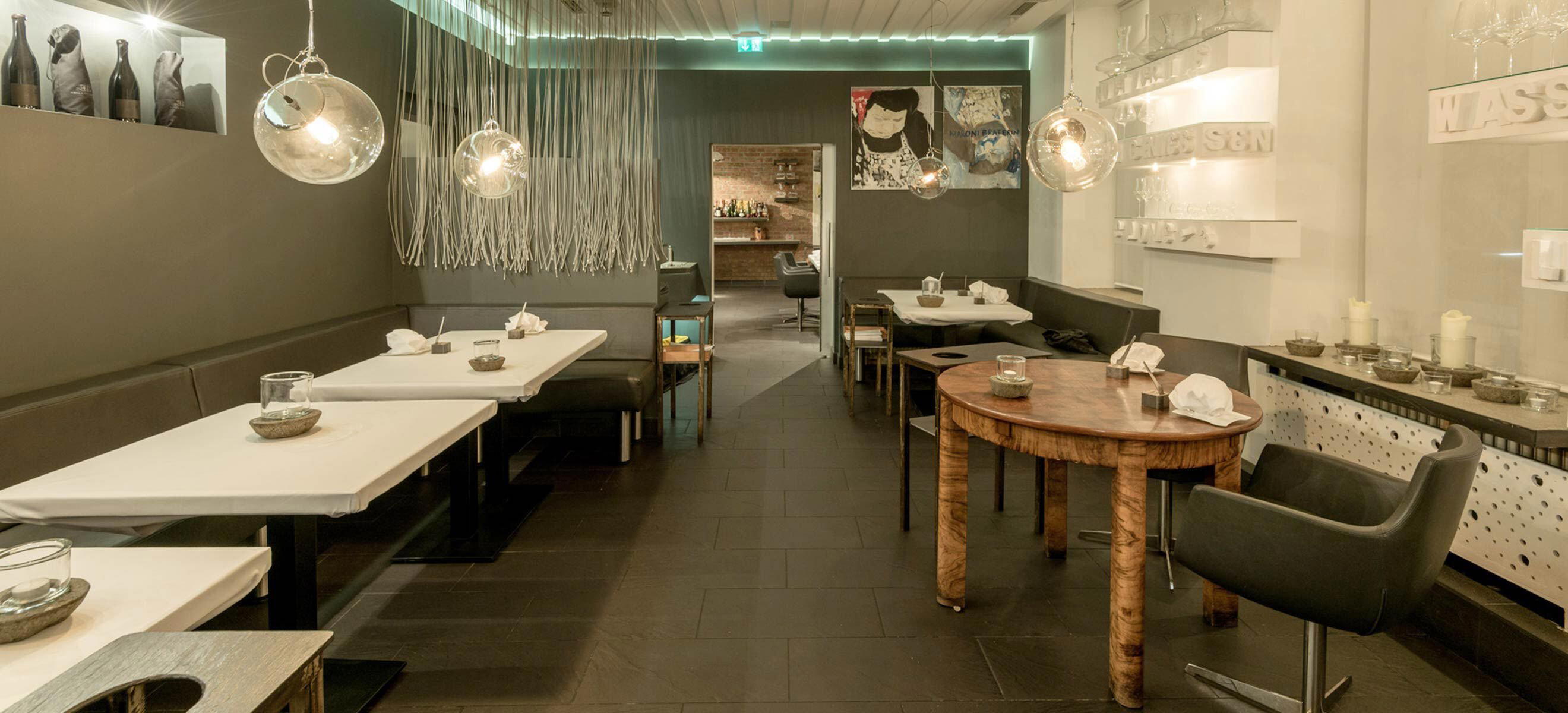
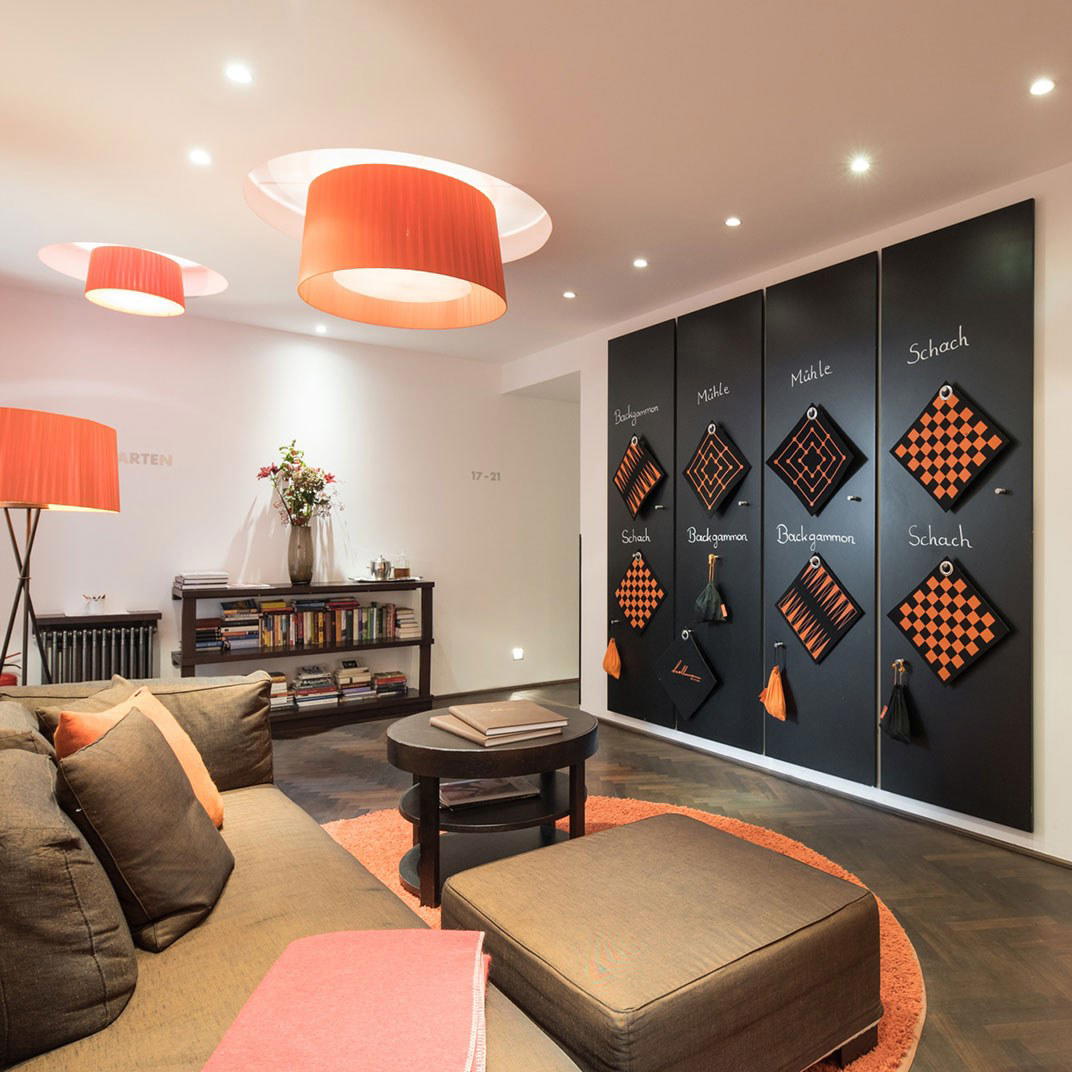
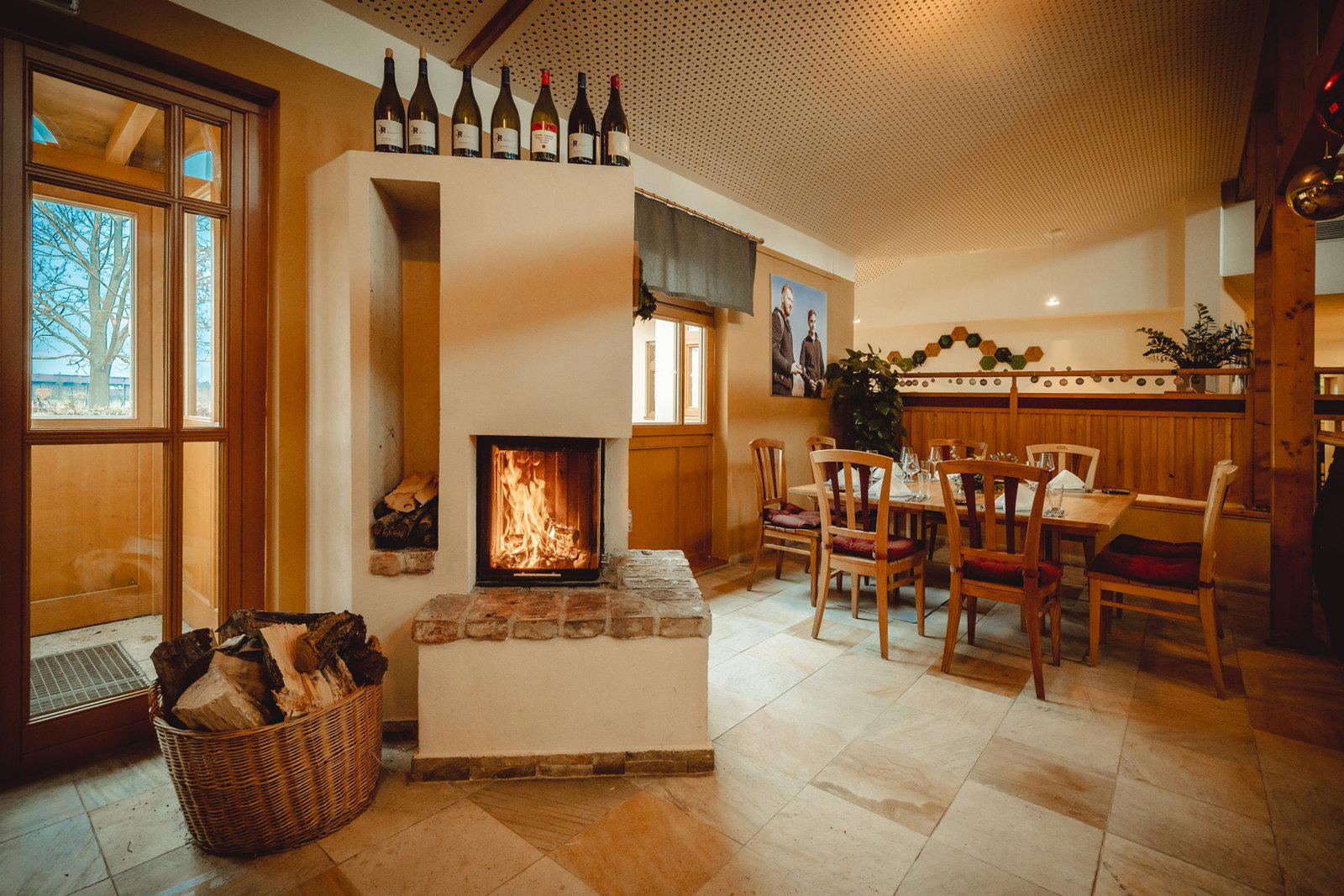
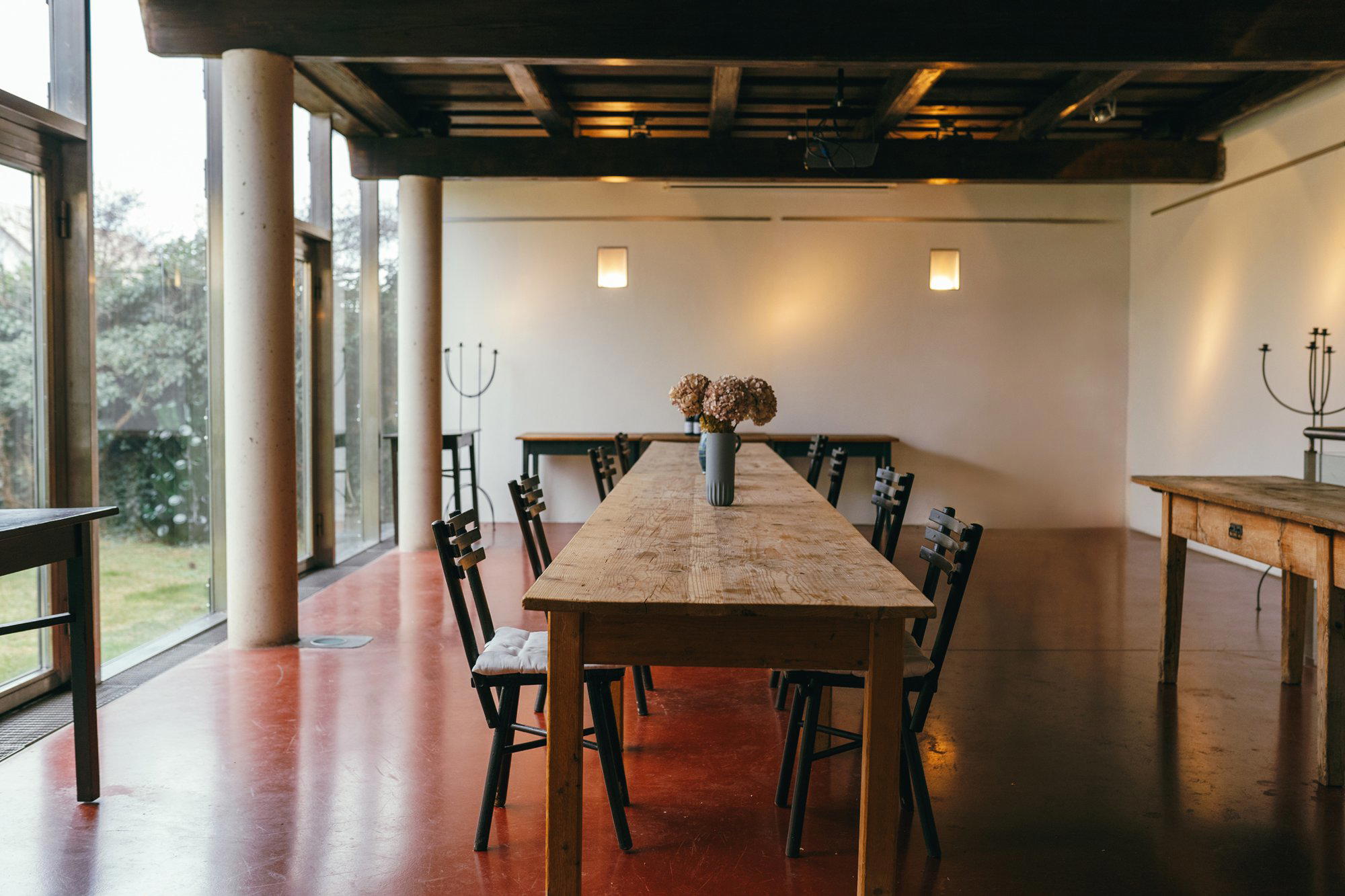
Stylish and comfortable interior designed by a famous designer, offering an elegant atmosphere ideal for intelligent cooking and wine enjoyment.