Kiang occupies a address in Vienna's first district, where the inner city's medieval street grid concentrates some of the Austrian capital's most carefully positioned dining rooms. Located on Rotgasse in the 1010 postal code, the venue sits within walking distance of the historic core that defines central Vienna's restaurant scene, placing it alongside a tier of addresses where location carries as much weight as the plate.
Pearl is the En Primeur Club membership app — saves, bookings, and concierge access live there. Same editors, same standards.
- Address
- Rotgasse 8, 1010 Wien, Austria
- Phone
- +434315330856
- Website
- kiang.at
- Directions
- Get directions
 Saves & bookings on Pearl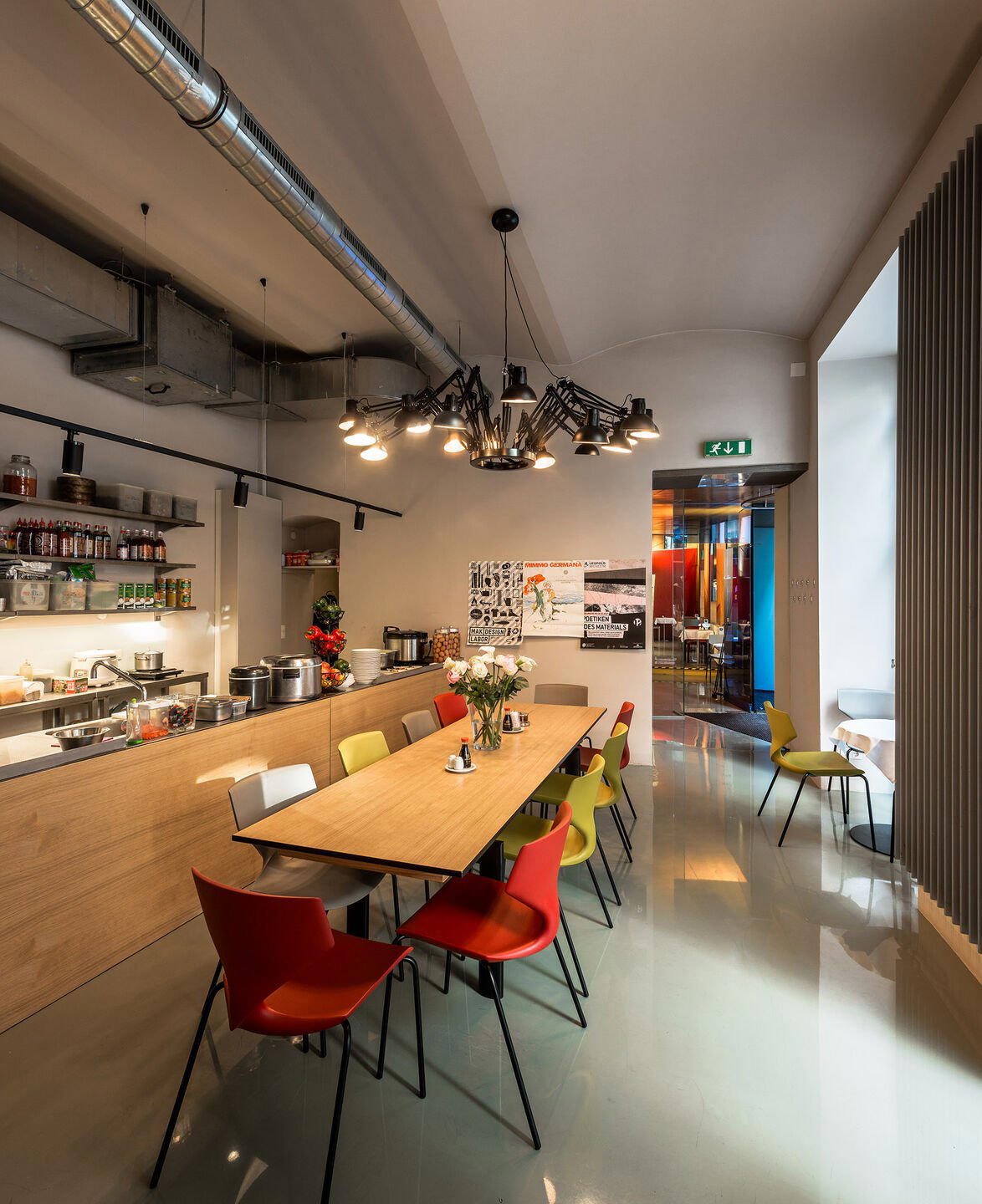
Rotgasse and the First District: Where Vienna's Dining Geography Does the Heavy Lifting
Vienna's first district operates on a logic that other European capitals rarely replicate. The 1010 postal code is not merely a central address, it is a statement of positioning. The streets radiating out from the Stephansdom and through the medieval lanes toward the Danube Canal compress an unusual density of serious dining rooms, wine bars, and hotel restaurants into a walkable grid where guests move between venues on foot and where a single block can contain wildly different approaches to Austrian cooking. Rotgasse 8, where Kiang is located, sits inside this grid rather than at its edge, which means the surrounding context shapes every visit before the door even opens.
The first district's dining character has shifted over the past decade. The dominance of grand Viennese Kaffeehaus tradition and old-school Beisl culture has given ground to a more internationally oriented set of rooms, many of them operating in formats that would read comfortably in London, Copenhagen, or Tokyo. At the same time, the 1010 has retained enough of its architectural density, Baroque facades, narrow lanes, courtyards hidden behind heavy doors, that newer arrivals wear the neighbourhood's gravity naturally. Kiang's address on Rotgasse places it in this same cultural conversation, in a lane that carries the texture of old Vienna even when the food inside is pointed in a different direction.
Vienna's Inner City Restaurant Tier and Where Kiang Sits Within It
The concentration of ambitious dining in Vienna's first district creates a natural comparable set that visitors and locals alike use to orient themselves. At the upper reaches, addresses like Steirereck im Stadtpark and Konstantin Filippou operate at a price and formality tier that requires advance planning and a clear appetite for long-format tasting menus. Below that, a middle register of creative and contemporary rooms, including Amador, Mraz & Sohn, and Doubek, offers more flexible entry points into Vienna's modern dining conversation without the full ceremony of the city's upper-tier rooms.
Vienna's inner city has, over time, sorted itself into recognisable bands. The €€€€ tier, represented by addresses operating tasting-menu formats with wine pairings and full service choreography, runs alongside a broader set of rooms that are serious about produce and technique without anchoring the experience in multi-course formality. This second band is where much of the interesting eating in the 1010 has been happening, particularly as younger kitchen talent has moved into the district from neighbourhoods like the 7th and 8th. Kiang's position on Rotgasse places it within reach of this broader shift in the inner city's dining energy.
For visitors building an itinerary around Vienna's restaurant scene, it is worth understanding that the first district rewards walking between venues as much as it rewards any single table. The proximity of Kiang to other addresses in the 1010 means that a reservation here can anchor an evening that moves through different registers, a pre-dinner drink in a wine bar on a nearby lane, a post-dinner walk along the Graben. That pedestrian logic is part of what makes the first district function as a dining destination rather than just a collection of restaurants.
The Austrian Fine Dining Context Beyond Vienna
Understanding Kiang's place in Vienna requires some sense of what Austrian fine dining looks like at a national level. The country punches well above its size in terms of Michelin-recognised restaurants, with addresses spread across Salzburg, Carinthia, Vorarlberg, and Tyrol that attract serious travelling diners. Döllerer in Golling an der Salzach and Obauer in Werfen represent a strand of Austrian cooking that is deeply rooted in alpine produce and regional technique. In the west, Griggeler Stuba in Lech and Gourmetrestaurant Tannenhof in Sankt Anton am Arlberg operate in the high-altitude luxury register that draws an international ski-season clientele. Ikarus in Salzburg takes an entirely different structural approach, rotating its kitchen leadership through guest residencies.
Closer to home, addresses like Landhaus Bacher in Mautern an der Donau and Kräuterreich by Vitus Winkler in Sankt Veit im Pongau show how Austrian fine dining outside the capitals often integrates landscape and seasonality more directly into the format. Schwarzer Adler in Hall in Tirol, Ois in Neufelden, and Restaurant 141 by Joachim Jaud in Mieming each represent different regional expressions of the same national commitment to produce-led cooking. Vienna's first district, where Kiang sits, offers a different proposition: the same seriousness about the plate, but embedded in a dense urban context where the architecture, the foot traffic, and the proximity to cultural institutions are all part of the experience.
For international visitors arriving in Vienna with reference points set by cities like New York, the comparison is instructive. Addresses like Le Bernardin in New York City and Atomix in New York City operate in a market where volume, visibility, and media coverage define the top tier. Vienna's inner city dining scene functions on a smaller scale, with fewer covers, less media saturation, and a local clientele that tends toward longer relationships with specific rooms rather than constant rotation between new openings.
Planning a Visit
Kiang is located at Rotgasse 8, 1010 Wien, Austria. The first district is most easily reached on foot from the major U-Bahn lines serving Stephansplatz and Schwedenplatz, both a short walk from Rotgasse. The surrounding lanes are leading navigated on foot; the street grid is dense enough that taxis and rideshare vehicles often drop passengers a block away and let them walk in. Kiang is permanently closed.
Comparable Spots
Comparable venues nearby, for context on price, style, and recognition.
| Venue | Cuisine | Price | Notes |
|---|---|---|---|
| KiangThis venue — the venue you are viewing | Modern Chinese Street Food & Wine Bar | $$ | Not listed |
| Hu | Chinese Dumpling House | $$ | Staatsoper |
| Jin's Hietzing | Chinese Ramen and Dumplings | $$ | Hietzing |
| Jinco | Authentic Shanghai Chinese | $$ | Margareten |
| Red Bowl | Traditional Chinese | $$ | Mariahilf |
| Chinacy | Modern Chinese Tapas | $$ | Innere Stadt |
At a Glance
- Modern
- Cozy
- Date Night
- Casual Hangout
- Extensive Wine List
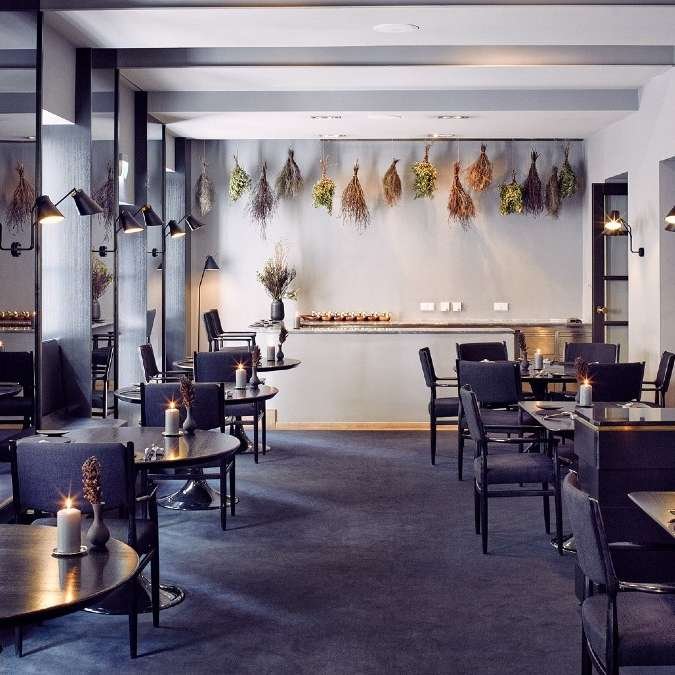
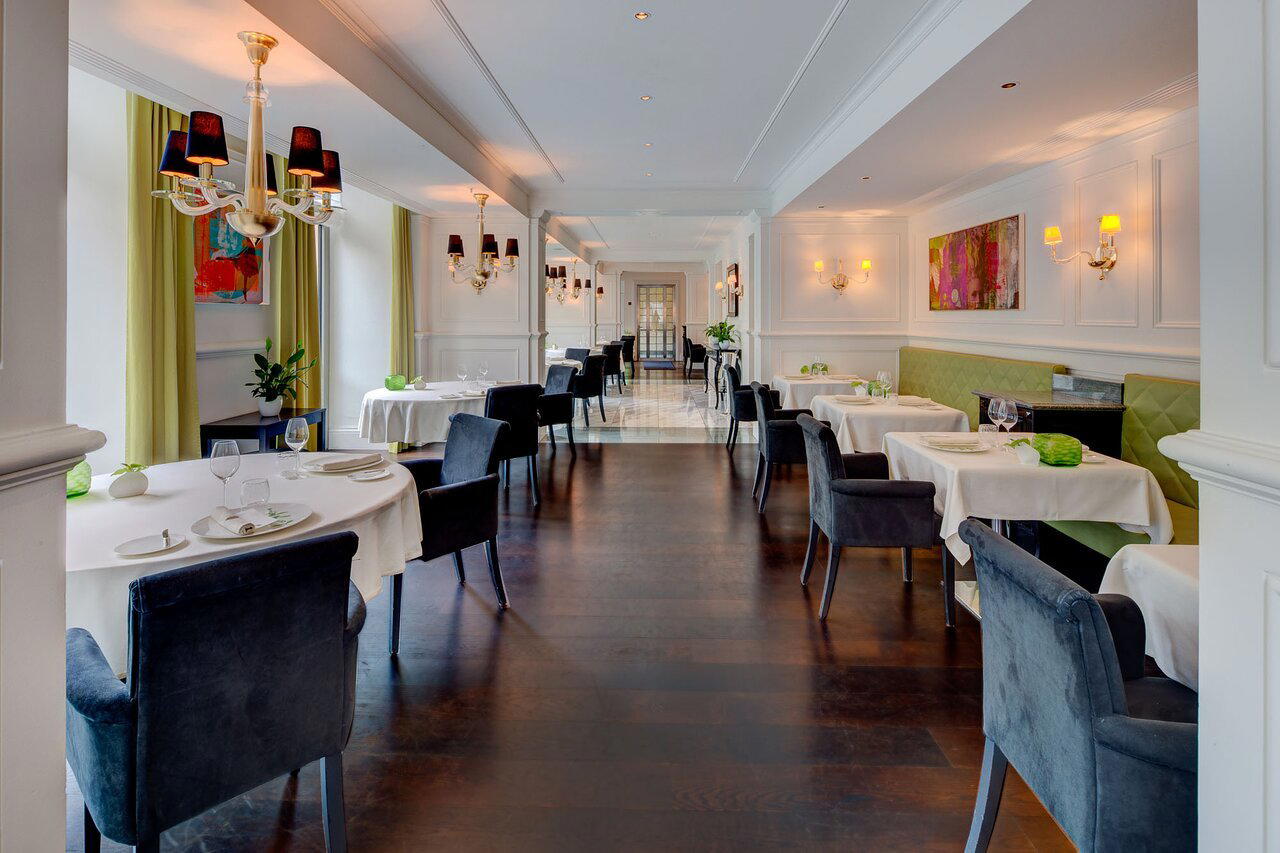
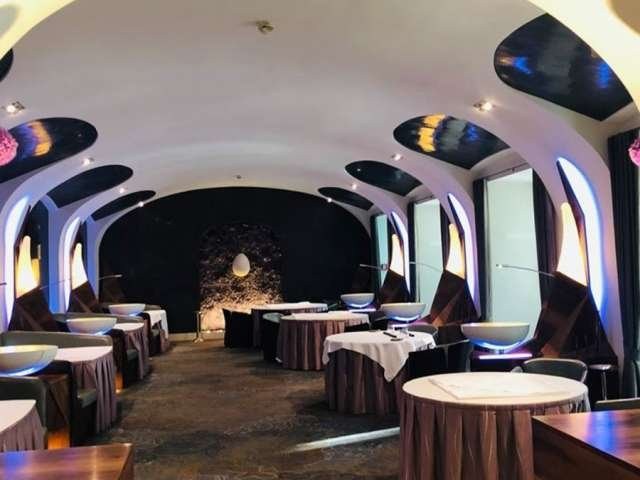
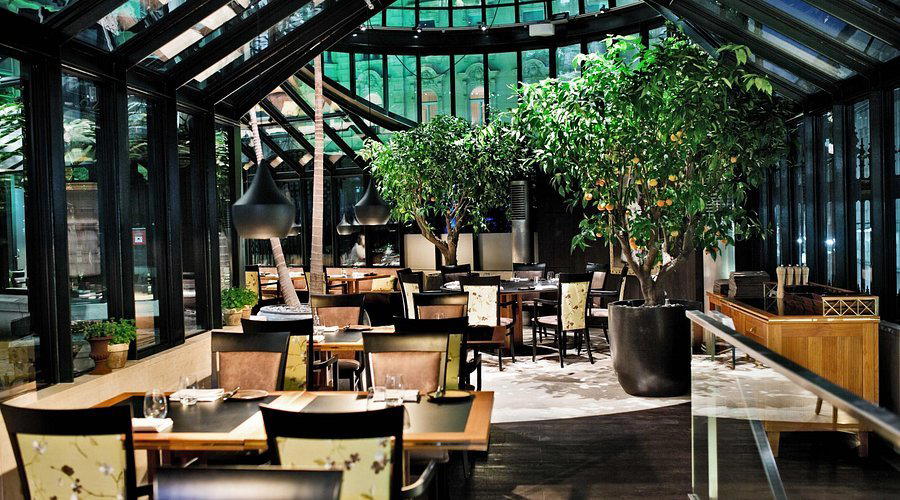
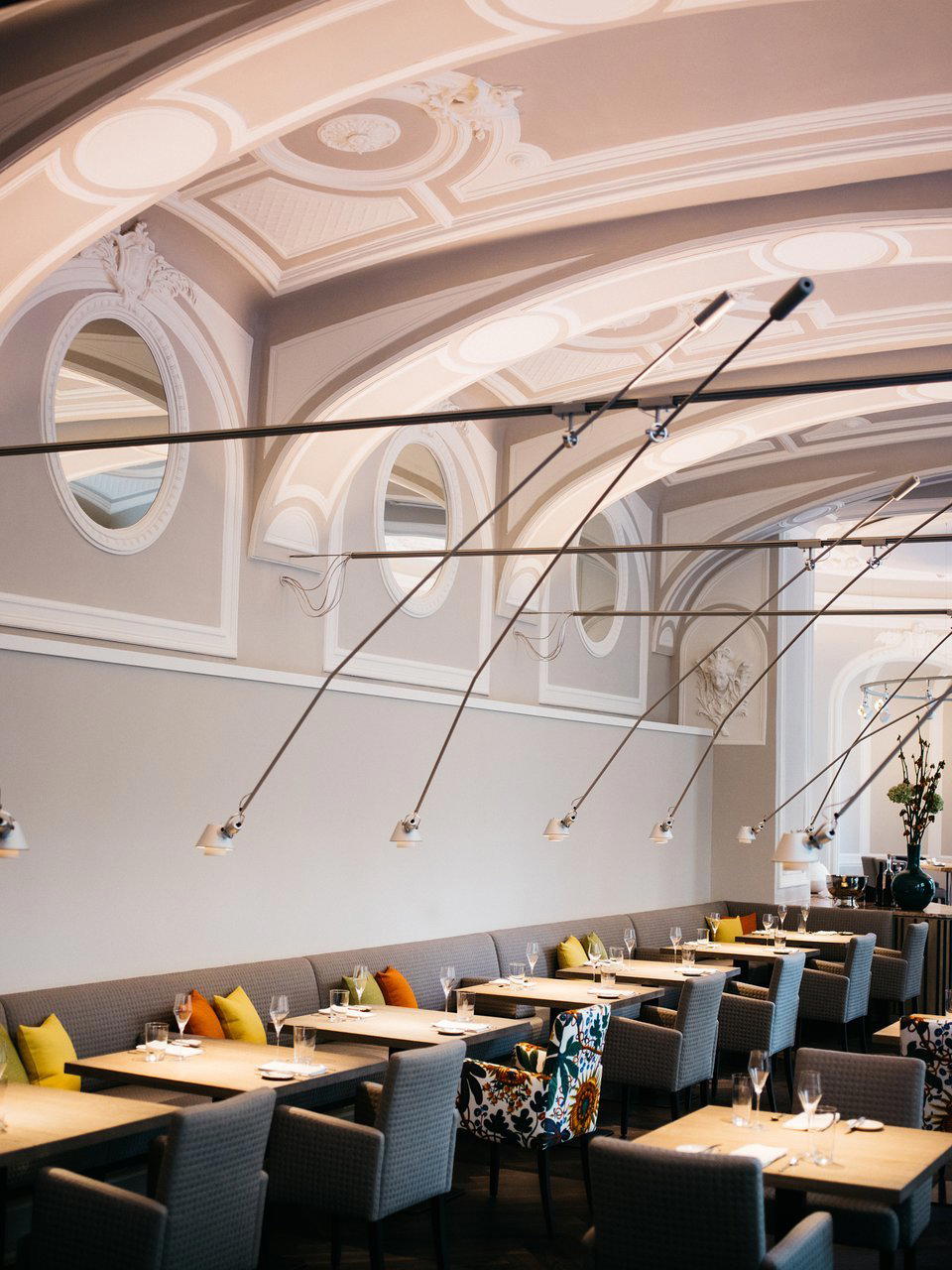
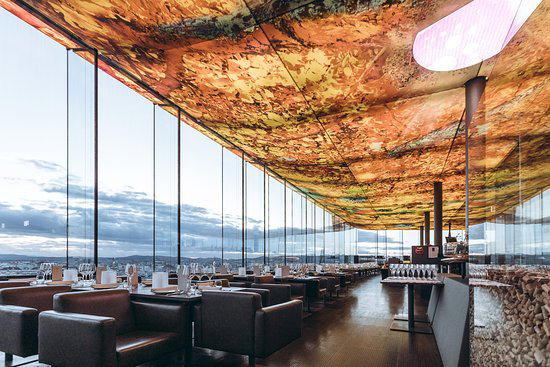
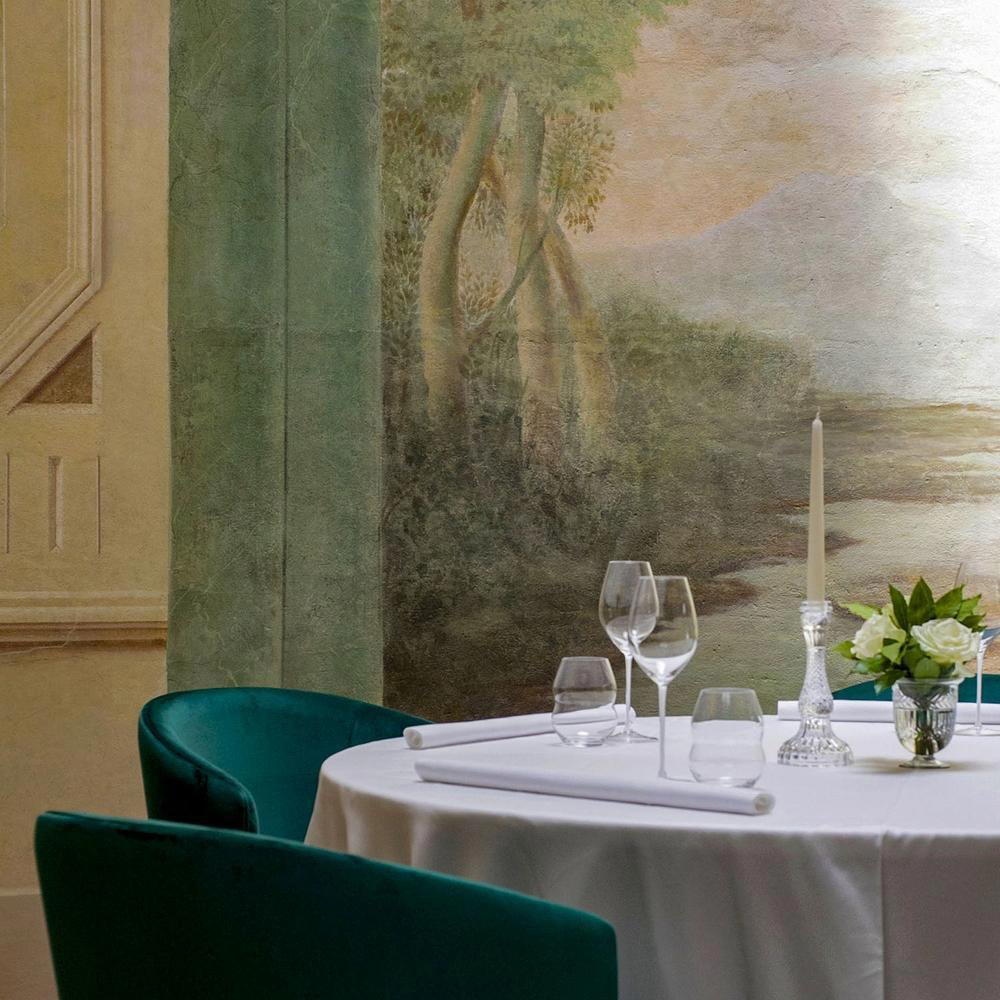
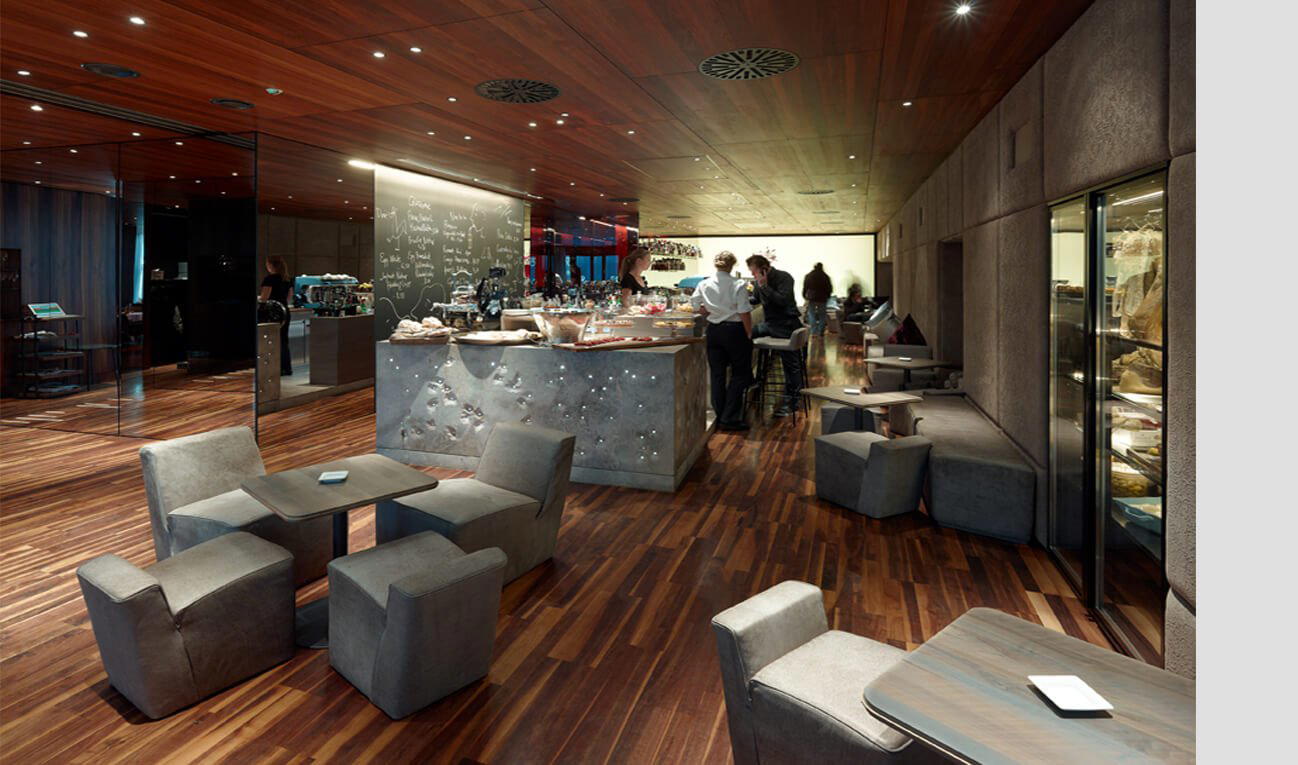
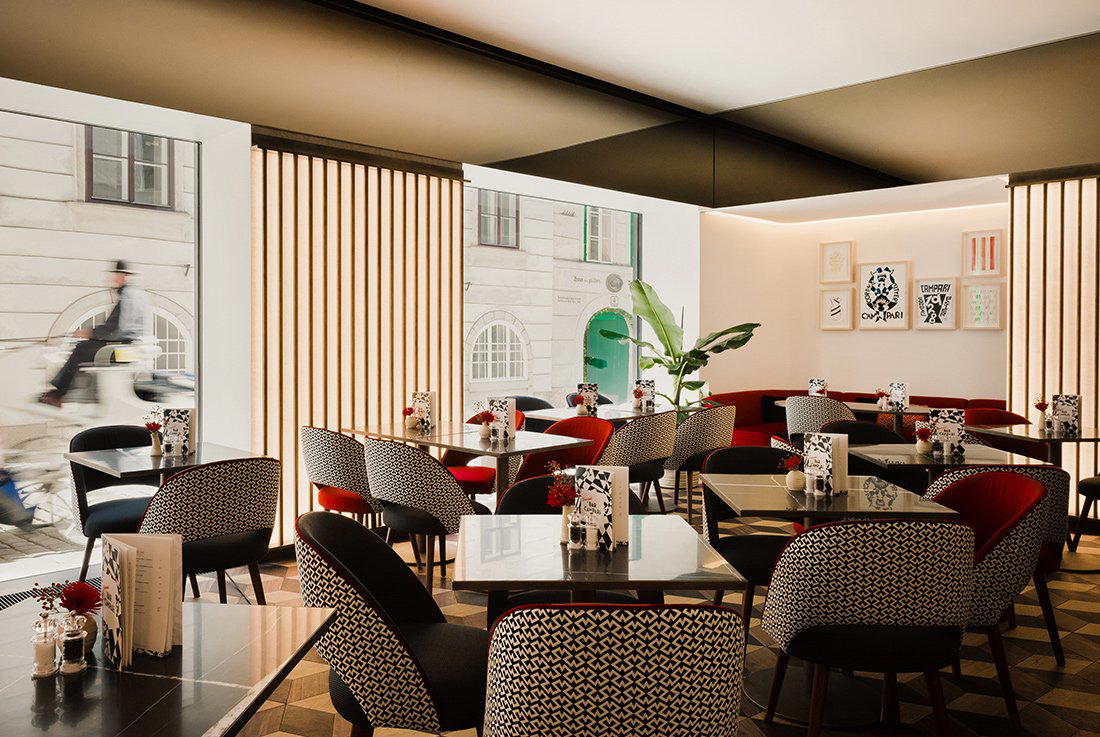
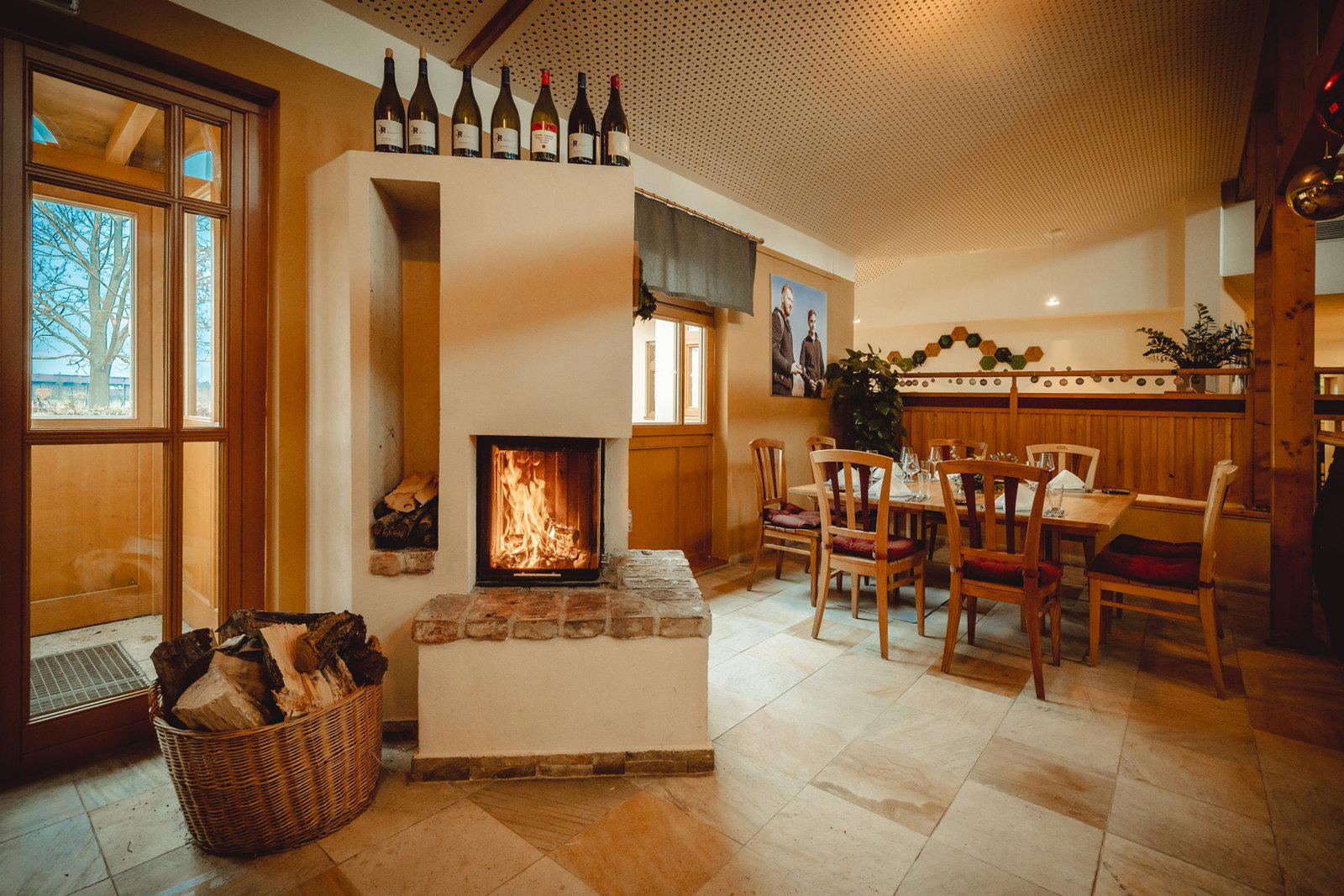
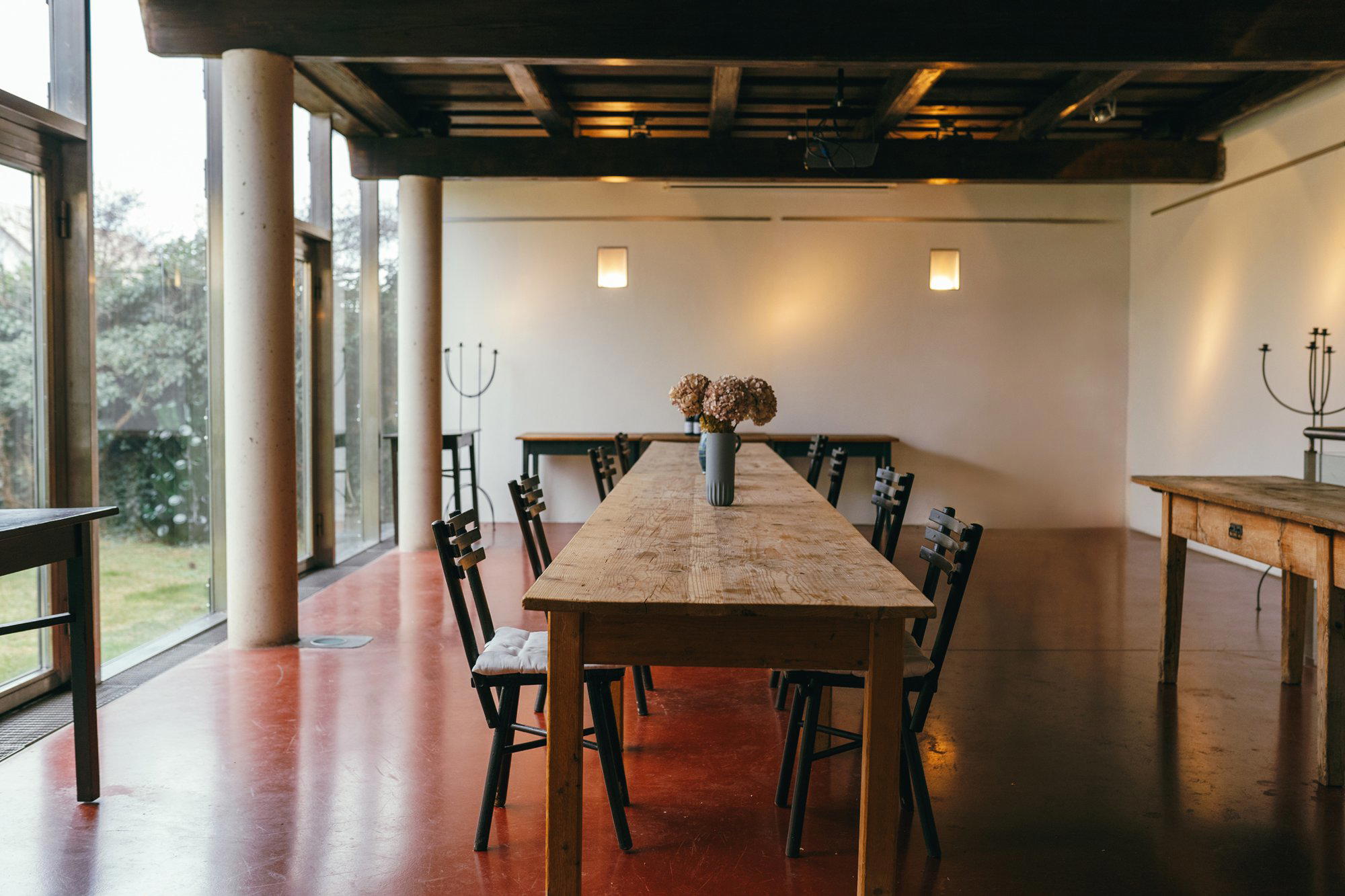
Stylish and modern decor with lots of glass creating a chic atmosphere, cozy for intimate dining.