Sichuan cooking in Vienna occupies a narrow but growing niche, and Feine Sichuan Küche on Währinger Strasse in the 9th district is one of the few addresses in the city treating the cuisine with regional specificity. Where Vienna's fine dining default runs toward Austrian-European precision, this kitchen orients around the layered heat and numbing spice logic of Chengdu-style cooking, a genuinely different register for the city.
Pearl is the En Primeur Club membership app — saves, bookings, and concierge access live there. Same editors, same standards.
- Address
- Währinger Str. 18, 1090 Wien, Austria
- Phone
- +434318908855
- Website
- sichuan.eatbu.com
- Directions
- Get directions
 Saves & bookings on Pearl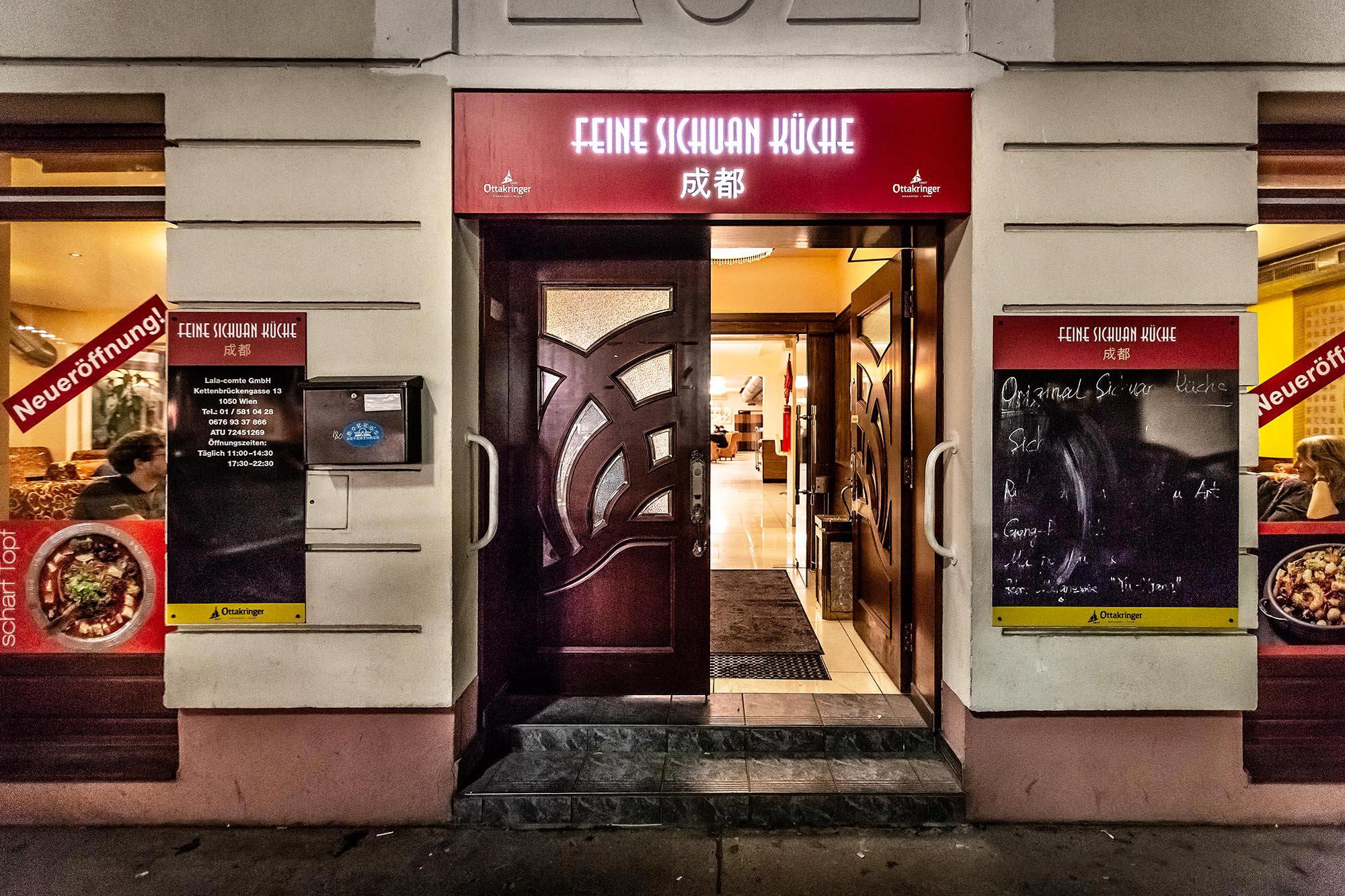
Sichuan in the 9th: A Different Register for Vienna's Dining Scene
Walk along Währinger Strasse in Vienna's 9th district and the neighbourhood reads as solidly residential and academic, the university quarter bleeds into genteel apartment blocks, and the restaurant choices tend toward the dependable rather than the provocative. Feine Sichuan Küche sits inside that streetscape as a deliberate counterpoint. The name translates plainly as "fine Sichuan cooking," and the address at number 18 puts it within the kind of low-key block where a serious specialist kitchen can operate without the overhead pressure of the 1st district's tourist corridor.
Vienna's dominant fine dining conversation circles around Austrian-European precision: the tasting menus at Steirereck im Stadtpark, the experimental reach of Amador, the modern European framework at Konstantin Filippou, and the creative Austrian idiom at Mraz & Sohn. Chinese regional cooking, and specifically Sichuan cooking done with any degree of seriousness, occupies a substantially smaller tier in that conversation. That gap is precisely where Feine Sichuan Küche operates.
The Logic of Sichuan Cooking and Why It Matters Here
Sichuan cuisine is built around a flavour architecture that has no real equivalent in Central European cooking. The key compound is málà, the combination of heat from dried chilies and the distinct numbing, tingling quality delivered by Sichuan peppercorns. These two sensations don't simply add together; they interact in a way that modifies how other flavours land on the palate. Fermented pastes, aged black beans, and slow-cooked aromatics build depth underneath the heat, so a well-sequenced Sichuan meal moves through distinct registers: first the savoury and fragrant, then the slow build of heat, then the numbing quality that recalibrates the palate before the next course arrives.
This progression is worth understanding before you sit down, because Sichuan cooking rewards a particular order of eating in the same way that a European tasting menu rewards trusting the kitchen's sequence. Dishes that arrive bright and clean early in a meal serve a palate-priming function; the richest, most intensely spiced preparations are typically positioned toward the middle of a shared spread; and lighter, clearer flavours at the end provide resolution. Treating a Sichuan meal as a random selection of dishes to share simultaneously misses that arc.
Reading a Sichuan Menu as a Sequence, Not a Grid
At a kitchen focused on regional specificity, the menu structure tends to reflect this progression implicitly even when it isn't spelled out. Cold dishes, dressed in chili oil, sesame paste, or Sichuan peppercorn vinaigrette, function as an opening register, delivering flavour information before the heat accumulates. Broth-based preparations occupy a middle position, offering both richness and relief depending on their base. Dry-fried or dry-wok dishes, where aromatics are intensified through high heat and reduced moisture, typically carry the concentrated spice. Understanding that sequence turns a Sichuan meal from a series of dishes into something closer to a composed experience.
This is the reasoning behind treating a visit to a serious Sichuan kitchen not as a quick meal but as a deliberate progression through a culinary logic that rewards patience. Cities with established Chinese diaspora communities, London, San Francisco, Sydney, have developed audiences sophisticated enough to eat in this way. Vienna is still building that audience, which makes kitchens that hold to regional specificity both rarer and more relevant as the city's dining range expands.
The 9th District Context
The Alsergrund, Vienna's 9th district, is not a dining destination in the way that the 1st or 6th districts are. It functions more as a working neighbourhood with pockets of quality: a strong café culture tied to the university, a handful of neighbourhood restaurants that have held their ground for years, and an increasing number of specialist addresses that benefit from lower rents and a local clientele that values consistency over scene. Feine Sichuan Küche fits that model. Its position on Währinger Strasse places it close enough to the city centre to draw visitors who know what they're looking for, while remaining embedded in a district where the dining conversation is quieter and more regular-driven.
For visitors building an itinerary across the city's broader dining range, the 9th district pairs logically with the 8th and 9th's cluster of mid-range and specialist restaurants. The contrast with the formal tasting-menu circuit, the €€€€ tier represented by Doubek and the creative kitchens at the summit of the market, is sharp and intentional. A Sichuan dinner here belongs in a different category of experience, and that difference is the point.
Vienna's Chinese Dining Tier in Context
European capitals vary considerably in the depth of their Chinese regional dining. London's Chinatown and the Bayswater cluster have developed genuine Sichuan and Cantonese specialists over decades. Paris has a strong Wenzhou-influenced Chinese community that supports regional specificity in the 13th arrondissement. Vienna's Chinese restaurant scene is smaller and historically oriented toward the kind of adapted pan-Chinese cooking that served an earlier generation of diners. The emergence of kitchens with a regional focus, Sichuan specifically, with its distinct ingredient requirements and cooking logic, reflects a broader shift in European cities toward more precise Chinese dining options.
That context matters when assessing what Feine Sichuan Küche represents. It is not positioned against the tasting-menu tier occupied by Steirereck or the creative European kitchens referenced elsewhere in Vienna's fine dining map. Its comparable set is narrower and its comparison points sit outside Austria entirely. Internationally, the standard for Sichuan dining in a non-Chinese capital might reference the kind of specialist approach found in cities with deeper Chinese populations, or the progressive Chinese cooking that has emerged at restaurants like Lazy Bear in San Francisco, where cultural specificity meets high technique. Locally, the restaurant occupies a category with few direct competitors.
Planning Your Visit
The address at Währinger Str. 18, 1090 Wien places the restaurant in the Alsergrund, accessible from the city centre by U-Bahn (Schottentor station on the U2 line is the closest major stop, a short walk north along the Währinger Strasse corridor). Dress: Neighbourhood restaurant standards apply; smart casual is appropriate. Timing: Sichuan cooking at its leading rewards a slower pace and a table large enough to order across multiple categories; a group of three or four gives the leading range across the menu's progression.
For broader context on Vienna's dining scene, including the city's tasting-menu tier and neighbourhood specialists beyond Alsergrund, see our full Vienna restaurants guide. For travellers extending their Austrian itinerary, the country's regional fine dining circuit includes Döllerer in Golling an der Salzach, Landhaus Bacher in Mautern an der Donau, Obauer in Werfen, and Taubenkobel in Schützen am Gebirge as reference points across different regions and registers. In the alpine tier, Gourmetrestaurant Tannenhof in Sankt Anton am Arlberg, Stüva in Ischgl, and Kräuterreich by Vitus Winkler in Sankt Veit im Pongau represent the formal end of Austrian regional cooking. For the Tirol and Salzburg region specifically, Schwarzer Adler in Hall in Tirol, Restaurant 141 by Joachim Jaud in Mieming, and Ois in Neufelden provide further range.
Side-by-Side Snapshot
Comparable venues nearby, for context on price, style, and recognition.
| Venue | Cuisine | Price | Notes |
|---|---|---|---|
| Feine Sichuan KücheThis venue — the venue you are viewing | Authentic Sichuan Chinese | $$ | Not listed |
| Jin's | Chinese Ramen and Dumplings | $$ | Breitensee |
| Mama Liu & Sons | Authentic Chinese Hot Pot and Dim Sum | $$ | Hofburg |
| Aming Dim Sum Profi | Authentic Cantonese Dim Sum & Sichuan | $$ | Margareten |
| Jin's Hietzing | Chinese Ramen and Dumplings | $$ | Hietzing |
| Sunny | Pan-Asian with Chinese & Thai | $$ | Rudolfsheim |
Continue exploring
More in Vienna
Restaurants in Vienna
Browse all →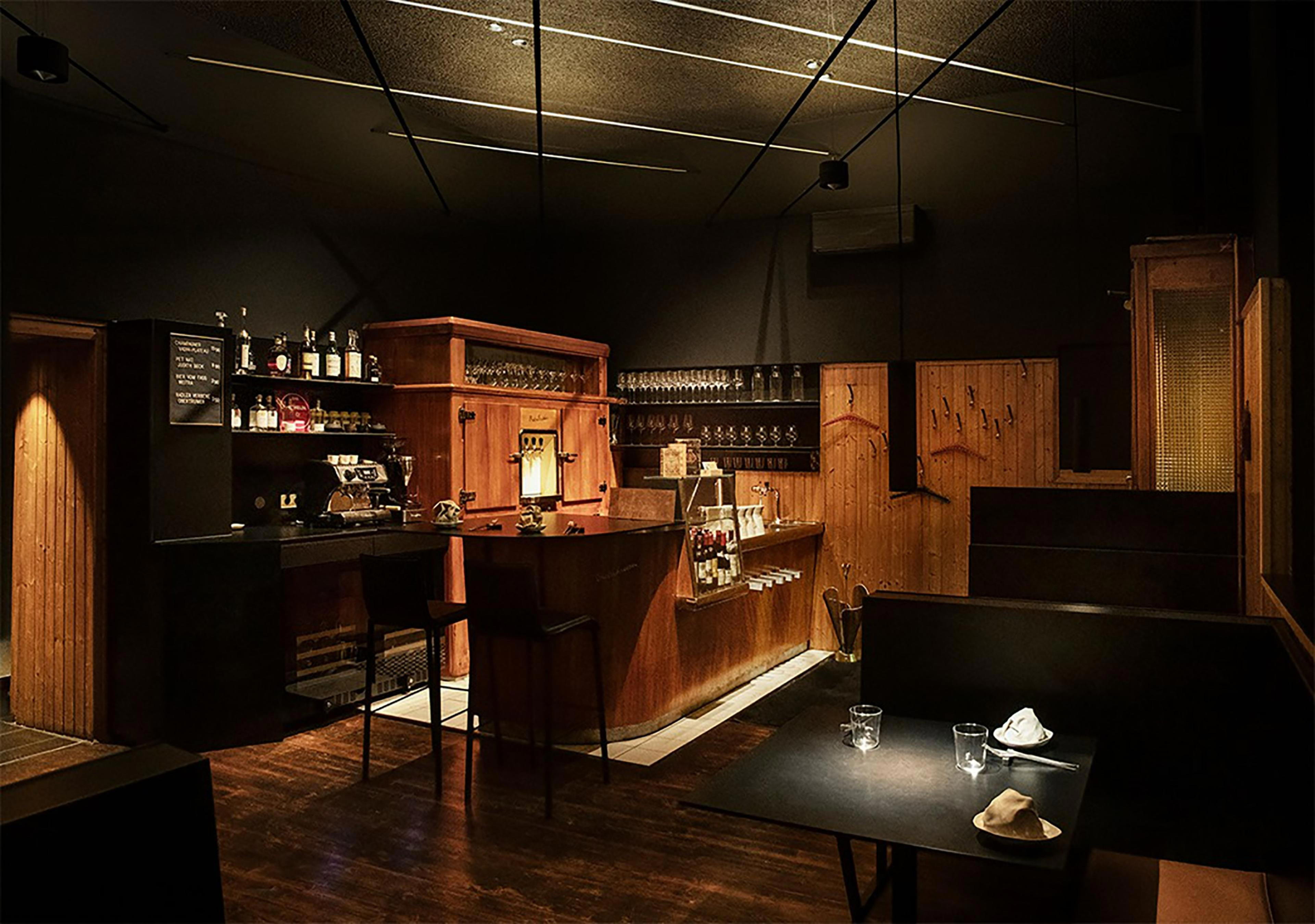
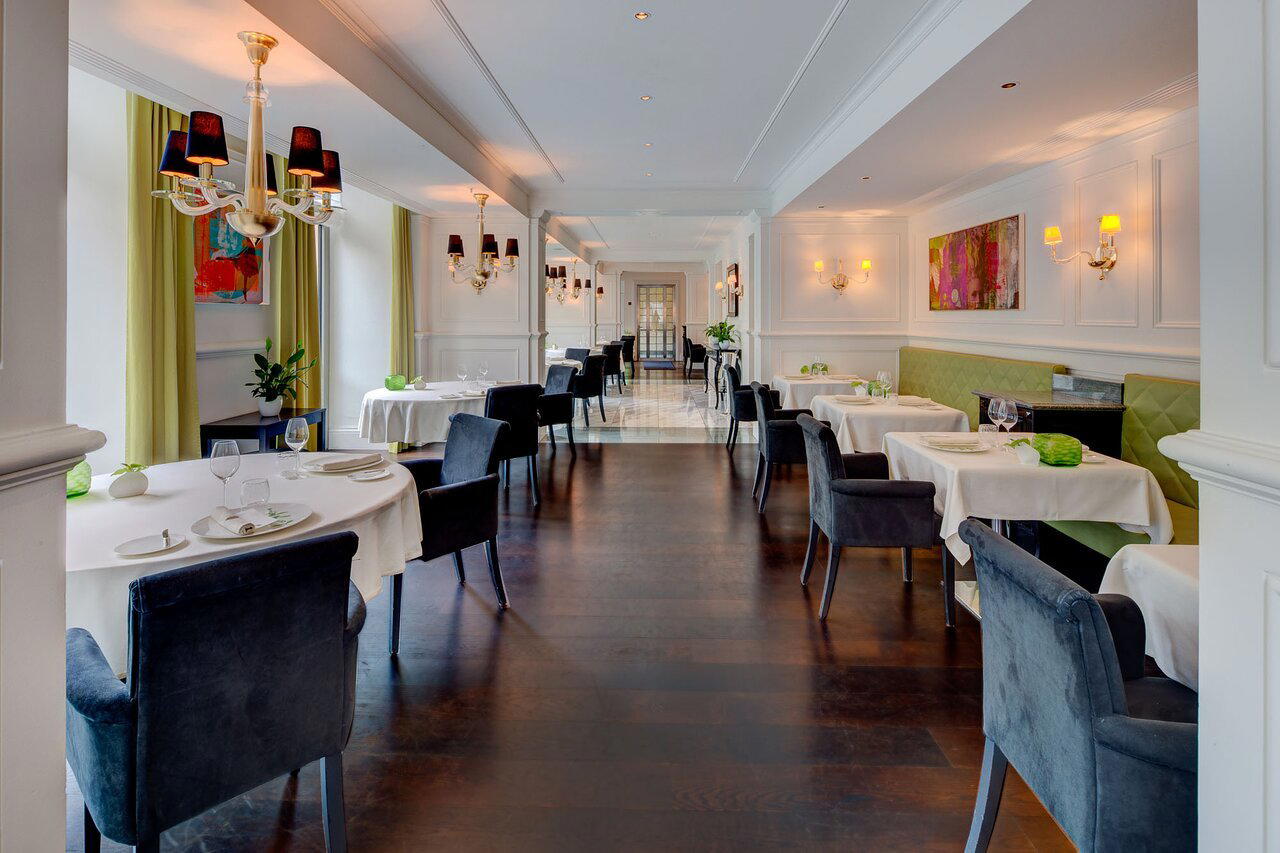
Bars in Vienna
Browse all →
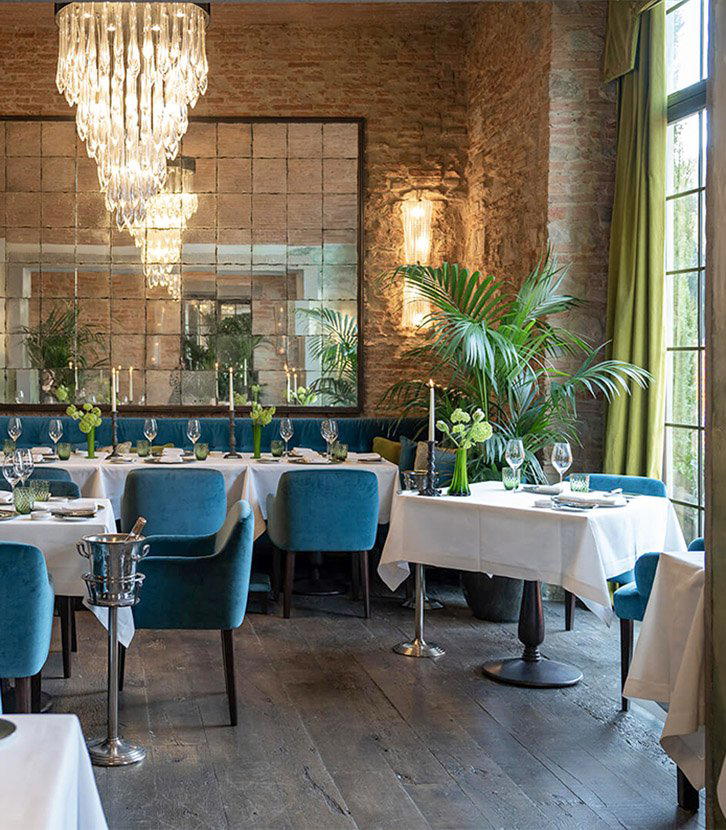
Hotels in Vienna
Browse all →

At a Glance
- Lively
- Group Dining
- Casual Hangout
- Open Kitchen
Current opening hours
- Monday
- 11:30 AM–10 PM
- Tuesday
- 11:30 AM–10 PM
- Wednesday
- 11:30 AM–10 PM
- Thursday
- 11:30 AM–10 PM
- Friday
- 11:30 AM–10 PM
- Saturday
- 11:30 AM–10 PM
- Sunday
- 11:30 AM–10 PM
Hours can change for holidays and private events. Last verified .
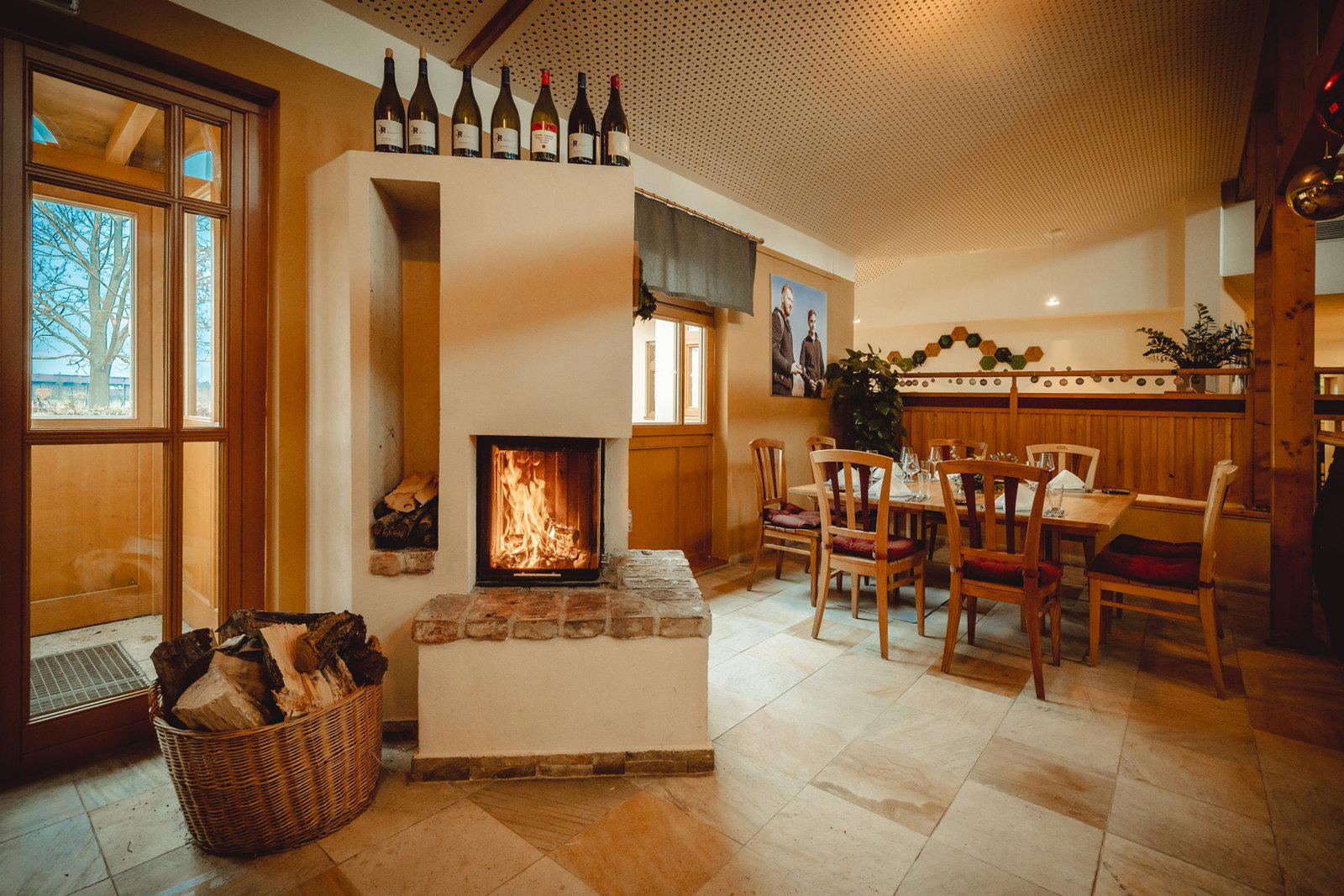
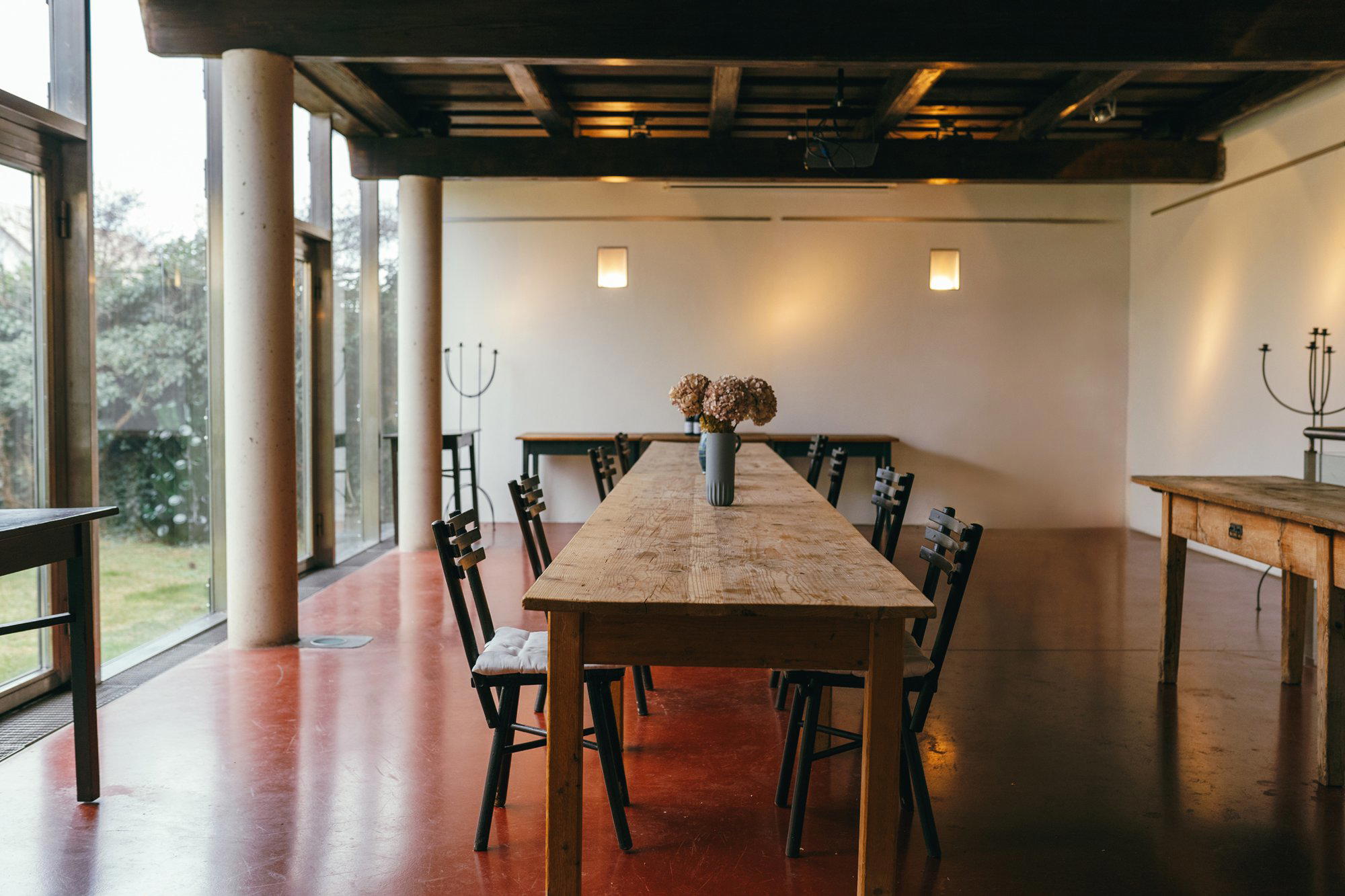
Spacious interior with big tables designed for group sharing in a lively atmosphere.