On Taborstraße in Vienna's second district, Liwei's Kitchen occupies a stretch of the city where Central European café culture meets a more globally restless dining scene. The address places it in Leopoldstadt, a neighbourhood whose food character has shifted considerably over the past decade, drawing kitchens that operate outside the Innere Stadt fine-dining circuit.
Pearl is the En Primeur Club membership app — saves, bookings, and concierge access live there. Same editors, same standards.
- Address
- Taborstraße 38, 1020 Wien, Austria
- Phone
- +434318909015
- Website
- liweiskitchen.at
- Directions
- Get directions
 Saves & bookings on Pearl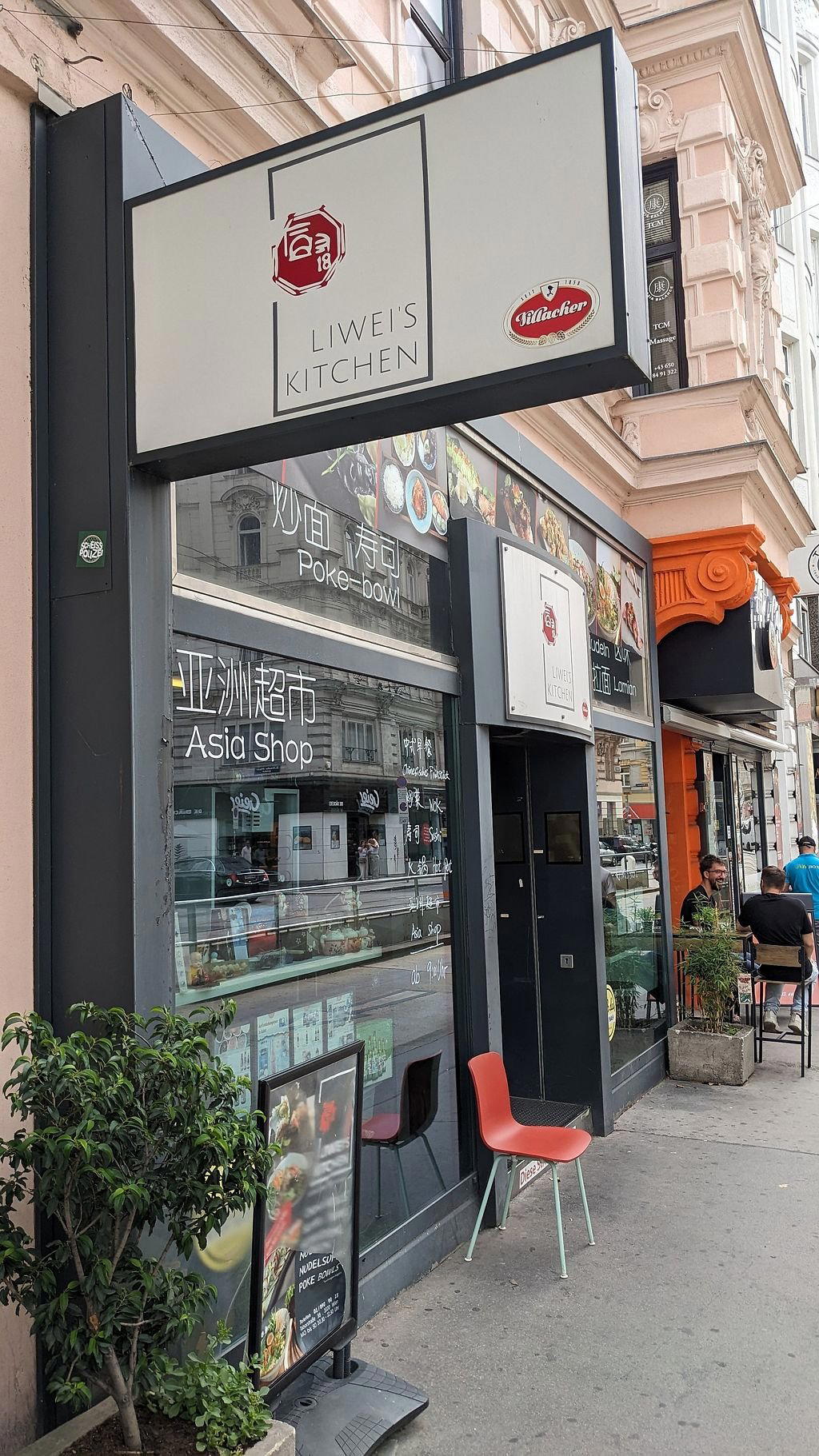
Leopoldstadt and the Dining Energy East of the Canal
Vienna's second district has never quite fit the city's dominant culinary narrative. While the Innere Stadt anchors Austria's most decorated tables, Steirereck im Stadtpark, Konstantin Filippou, and Mraz & Sohn among them, Leopoldstadt has historically operated at a different register: more transient, more layered in its immigrant history, less interested in the formal validation of a Michelin listing. Taborstraße, one of the district's main arteries, runs through that character directly. It is a street where a Chinese-named kitchen sits without irony beside Viennese grocers and kebab counters, and where the clientele is shaped more by neighbourhood than by destination dining.
That context matters when thinking about Liwei's Kitchen at number 38. It operates in a different register altogether.
The Physical Container: Reading the Space on Taborstraße
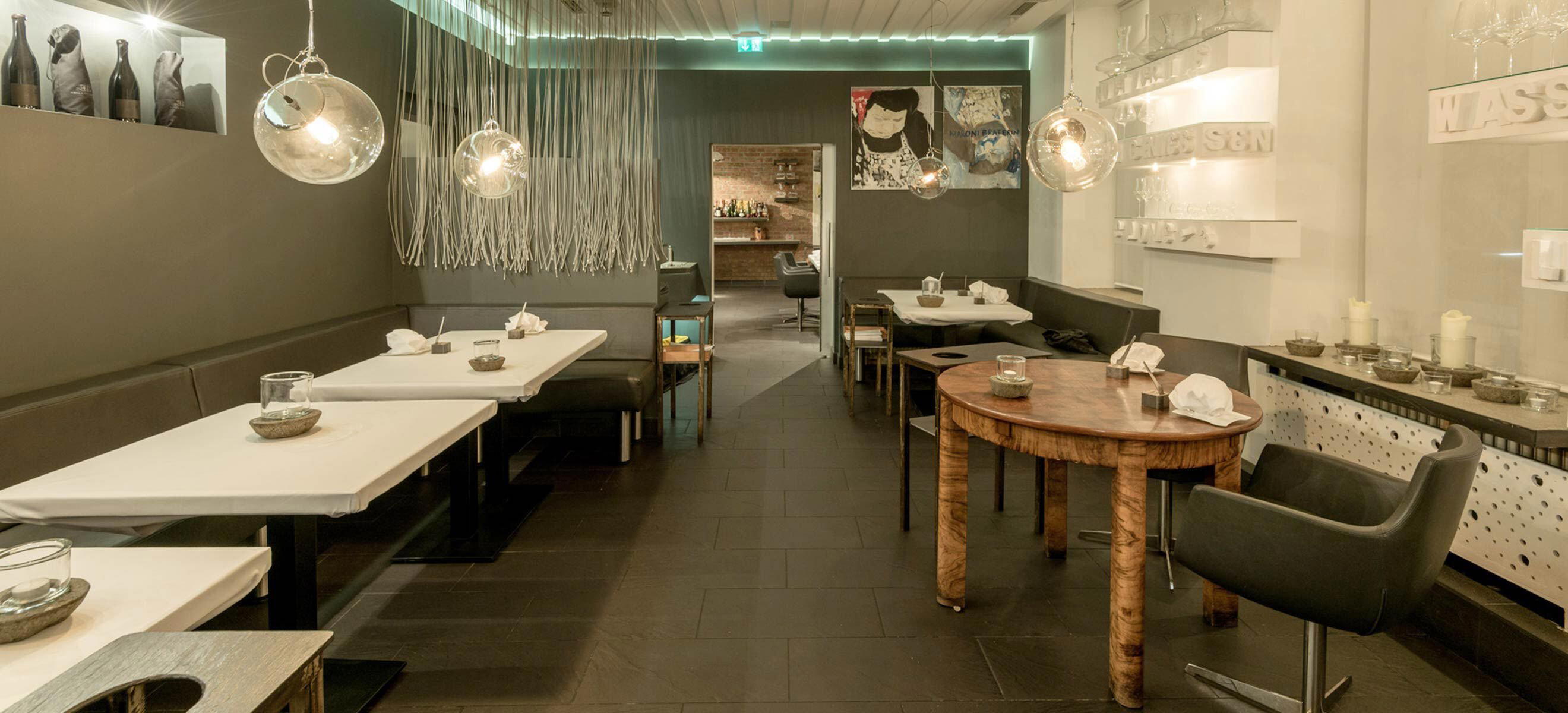
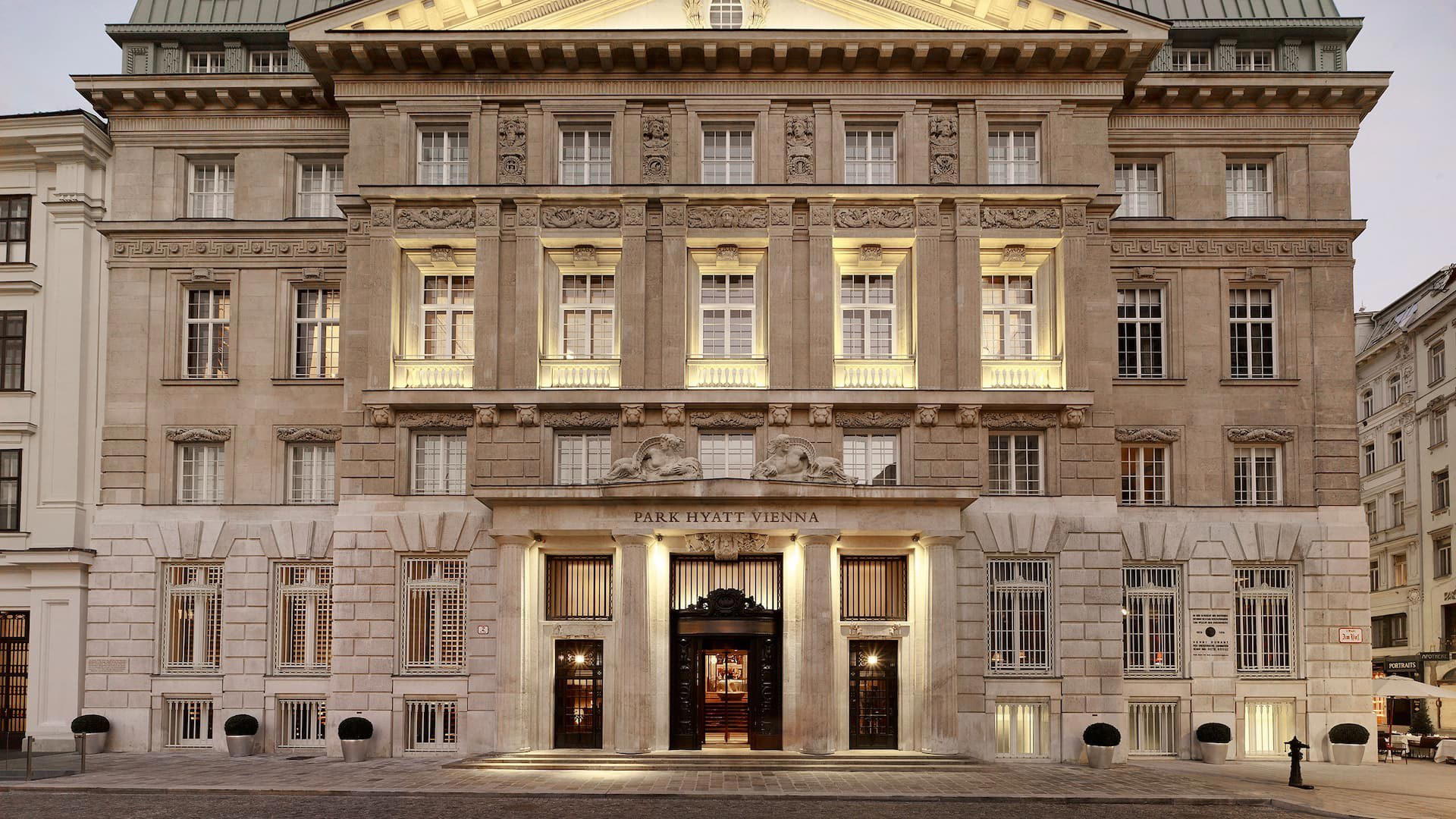
On Taborstraße, the built environment is typical of Gründerzeit Vienna, late 19th-century residential blocks with commercial ground floors, high ceilings, and facades that retain decorative stonework even where the interiors have been stripped back and re-fitted many times over. Kitchens in these spaces inherit a particular spatial logic: a long narrow room, windows facing the street, the kitchen pushed toward the rear. That format produces a dining room that functions less as a designed object and more as a setting shaped by what came before it.
It is about what happens when a kitchen takes a generic Viennese commercial slot and makes it legible through food and atmosphere rather than through investment in fit-out. Across European cities with similarly layered urban fabric, Barcelona's Eixample, Paris's 11th, Berlin's Neukölln, particularly interesting neighbourhood kitchens tend to work with the container rather than against it. The room becomes a frame for the cooking, not a statement in itself. That logic applies on Taborstraße.
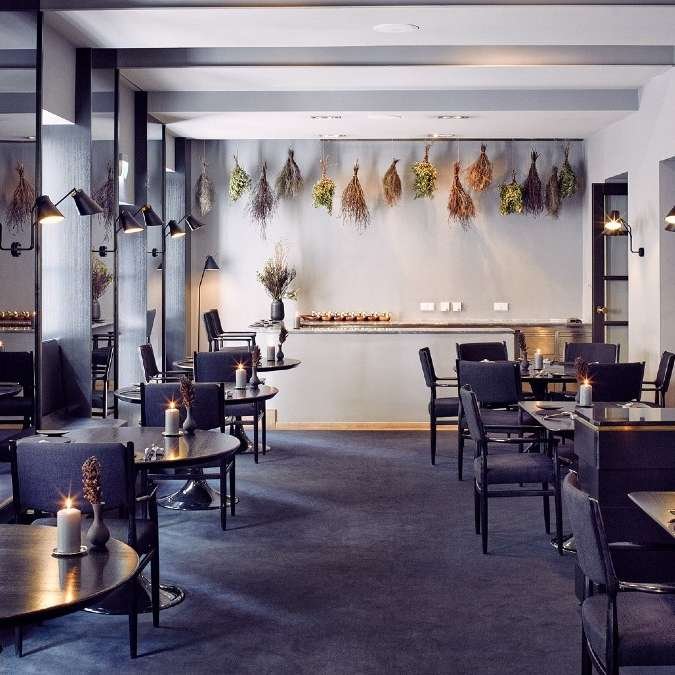
Where Vienna's higher-end kitchens tend to signal seriousness through minimalist or architecturally considered rooms, think of the restrained Nordic-influenced spaces favoured by the city's contemporary fine-dining tier, a neighbourhood kitchen on this street communicates differently. Tables close together, a service style that reflects proximity to the kitchen, a room that fills with ambient noise rather than designed acoustics: these are features, not failures.
Where Liwei's Kitchen Sits in Vienna's Broader Chinese Dining Scene
Vienna's Chinese restaurant sector spans a wide range. At one end sit the large canteen-format operations that have served the city's Chinese diaspora for decades; at the other, a smaller number of kitchens attempting more regionally specific cooking, Sichuan, Shanghainese, Cantonese dim sum, that engage a different clientele. The name Liwei's Kitchen suggests a personal or family-operated format rather than a corporate chain model.
That positioning matters when comparing Vienna's Chinese offering to cities with larger Chinese communities. London, Amsterdam, and Berlin have all seen Chinese cooking fragment meaningfully into regional subsets over the past fifteen years, with chefs and operators targeting audiences who distinguish between, say, Yunnan and Hunan preparations. Vienna's scene has been slower to fragment in this way, partly because the community is smaller and partly because the city's dining culture has historically validated Central European and Modern Austrian formats far more readily than Asian ones. Chinese kitchens in Leopoldstadt operate largely outside that frame.
For comparison, the kind of precise, produce-led cooking that has gained traction at destination kitchens in Austria's regions, Döllerer in Golling an der Salzach, Obauer in Werfen, or Landhaus Bacher in Mautern an der Donau, has not yet found an equivalent in Vienna's Chinese dining tier. The gap is a function of audience and validation infrastructure.
The Neighbourhood as Context for the Visit
Arriving at Taborstraße 38, the immediate neighbourhood provides useful framing for what kind of meal this is likely to be. Leopoldstadt has historically been one of Vienna's most diverse districts, a fact reflected in its street-level food offer: Turkish bakeries, Vietnamese noodle counters, and Viennese Gasthäuser coexist within a few blocks. The district's food character is pluralist rather than curated, it reflects who lives there rather than who travels to it.
That is a different starting point from the experience of booking at Ikarus in Salzburg or securing a table at Gourmetrestaurant Tannenhof in Sankt Anton am Arlberg, where the surrounding environment is part of a considered hospitality proposition. On Taborstraße, the street is simply the street: trams, pedestrians, a functional urban rhythm. For readers accustomed to destination dining in Austria's alpine or Wachau contexts, Griggeler Stuba in Lech, Kräuterreich by Vitus Winkler, Restaurant 141 by Joachim Jaud in Mieming, or Schwarzer Adler in Hall in Tirol, the urban neighbourhood format represents a different mode of engagement entirely.
When it works, the neighbourhood-kitchen format in Vienna can offer a register of informality and directness that the city's higher-end dining tier does not.
Internationally, the model of a precise, kitchen-led Chinese restaurant embedded in an urban neighbourhood has produced particularly discussed tables in recent years. Atomix in New York City demonstrated what happens when a non-European culinary tradition occupies a fine-dining format with discipline; Le Bernardin has long shown that a non-local culinary tradition can define the upper tier of a major city's dining scene. The question for Vienna's Chinese kitchens is whether that kind of critical re-framing will eventually arrive. At this point, it has not, but the conditions in Leopoldstadt are not obviously inhospitable to it, and Ois in Neufelden shows that Austrian dining validation does travel to unexpected addresses when the cooking merits it.
Know Before You Go
- Address: Taborstraße 38, 1020 Wien, Austria
- District: Leopoldstadt (2nd district), east of the Donaukanal
- Transport: U1 line (Nestroyplatz or Taborstraße stops) provides direct access from the city centre
- Booking: Reservations are recommended.
- Price range: About $20 per person
- Rating: 4.4 on Google from 437 reviews
- Leading for: Readers seeking authentic Chinese with sushi and Asian fusion in Leopoldstadt
Peers Worth Knowing
Comparable venues nearby, for context on price, style, and recognition.
| Venue | Cuisine | Price | Notes |
|---|---|---|---|
| Liwei's KitchenThis venue — the venue you are viewing | Authentic Chinese with Sushi and Asian Fusion | $$ | Not listed |
| Jin's | Chinese Ramen and Dumplings | $$ | Breitensee |
| Jin's Hietzing | Chinese Ramen and Dumplings | $$ | Hietzing |
| Sinohouse | Chinese-Malaysian Fusion | $$ | Doebling |
| Feine Sichuan-Küche | Authentic Sichuan Chinese | $$ | Breitensee |
| LiuLiu | Asian Fusion | $$ | Wahring |

At a Glance
- Cozy
- Casual Hangout
- Brunch
Current opening hours
- Monday
- 10:30 AM–10 PM
- Tuesday
- 10:30 AM–10 PM
- Wednesday
- 10:30 AM–10 PM
- Thursday
- 10:30 AM–10 PM
- Friday
- 10:30 AM–10 PM
- Saturday
- 10:30 AM–9:30 PM
- Sunday
- 10:30 AM–9:30 PM
Hours can change for holidays and private events. Last verified .
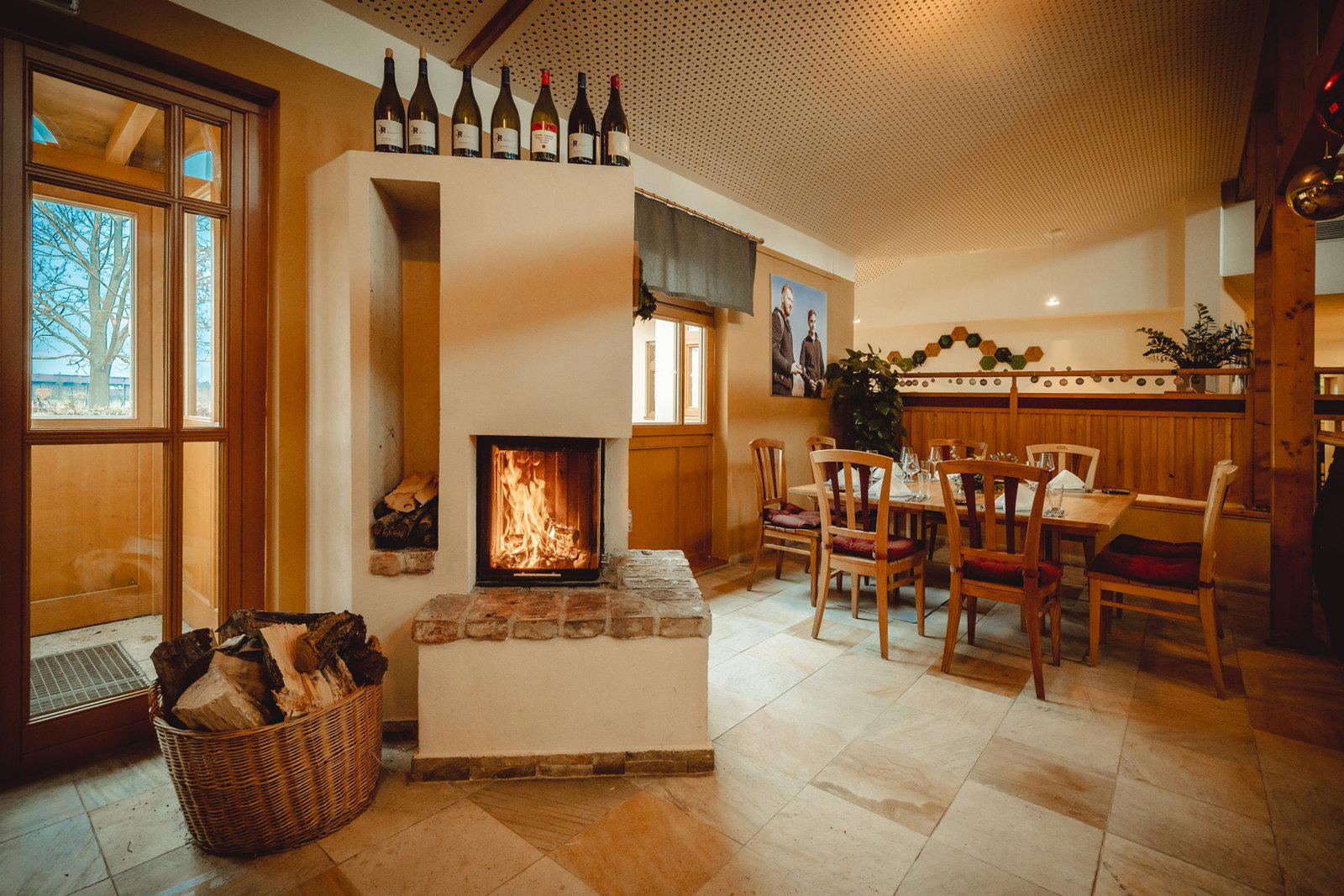
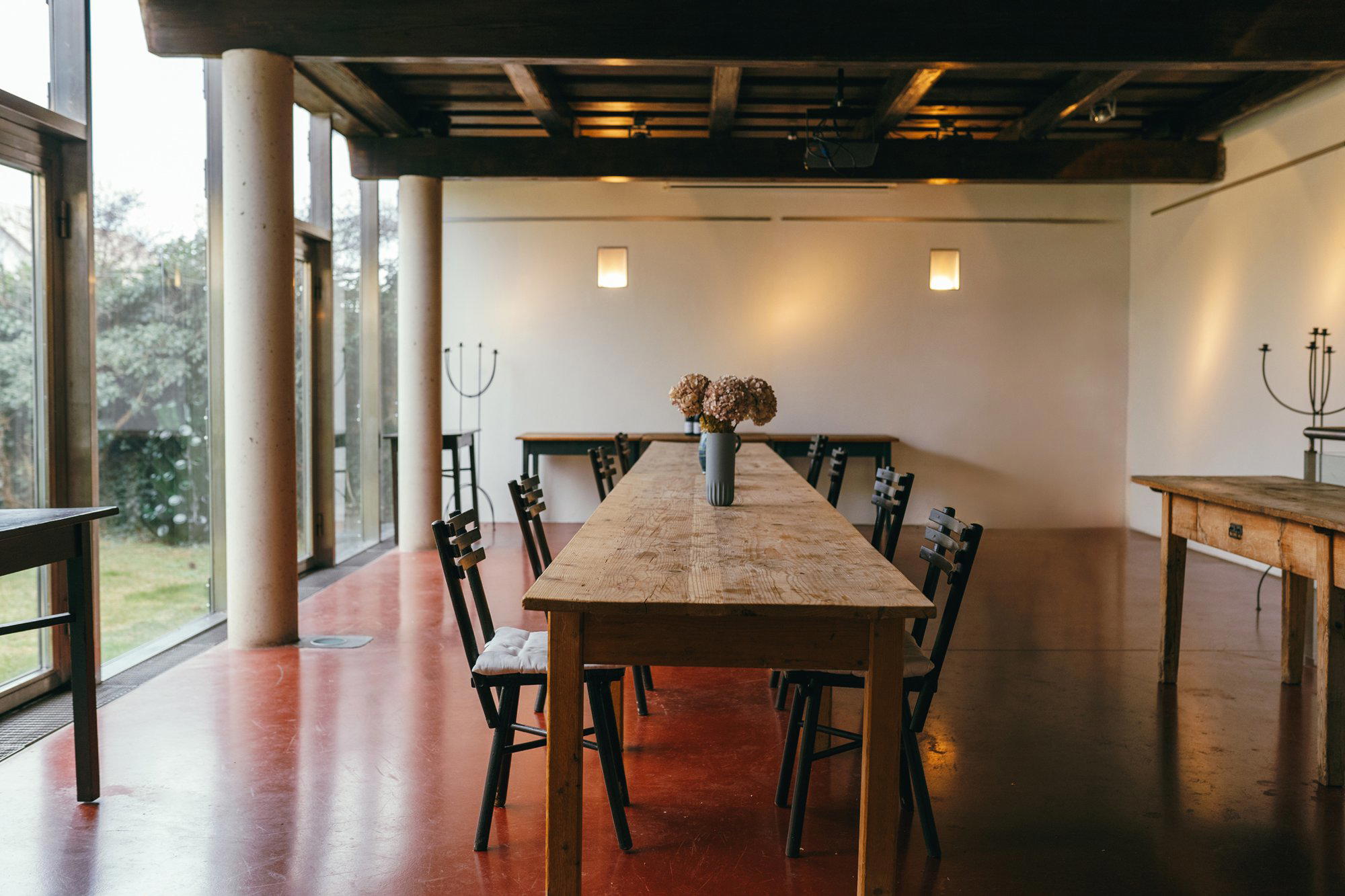
Casual and welcoming with food beautifully presented on attractive dishes.