Ap Lei Chau Market sits on Aberdeen Channel's southern shore, drawing locals from the densely populated island with wet market stalls, cooked food centres, and the kind of transactional dining rhythm that defines Hong Kong's neighbourhood market tradition. The market operates as a lived daily ritual rather than a destination, placing it alongside the city's most instructive food experiences for anyone wanting to read Hong Kong eating habits from the inside.
Pearl is the En Primeur Club membership app — saves, bookings, and concierge access live there. Same editors, same standards.
- Address
- Hong Kong, Hong Kong
- Directions
- Get directions
 Saves & bookings on Pearl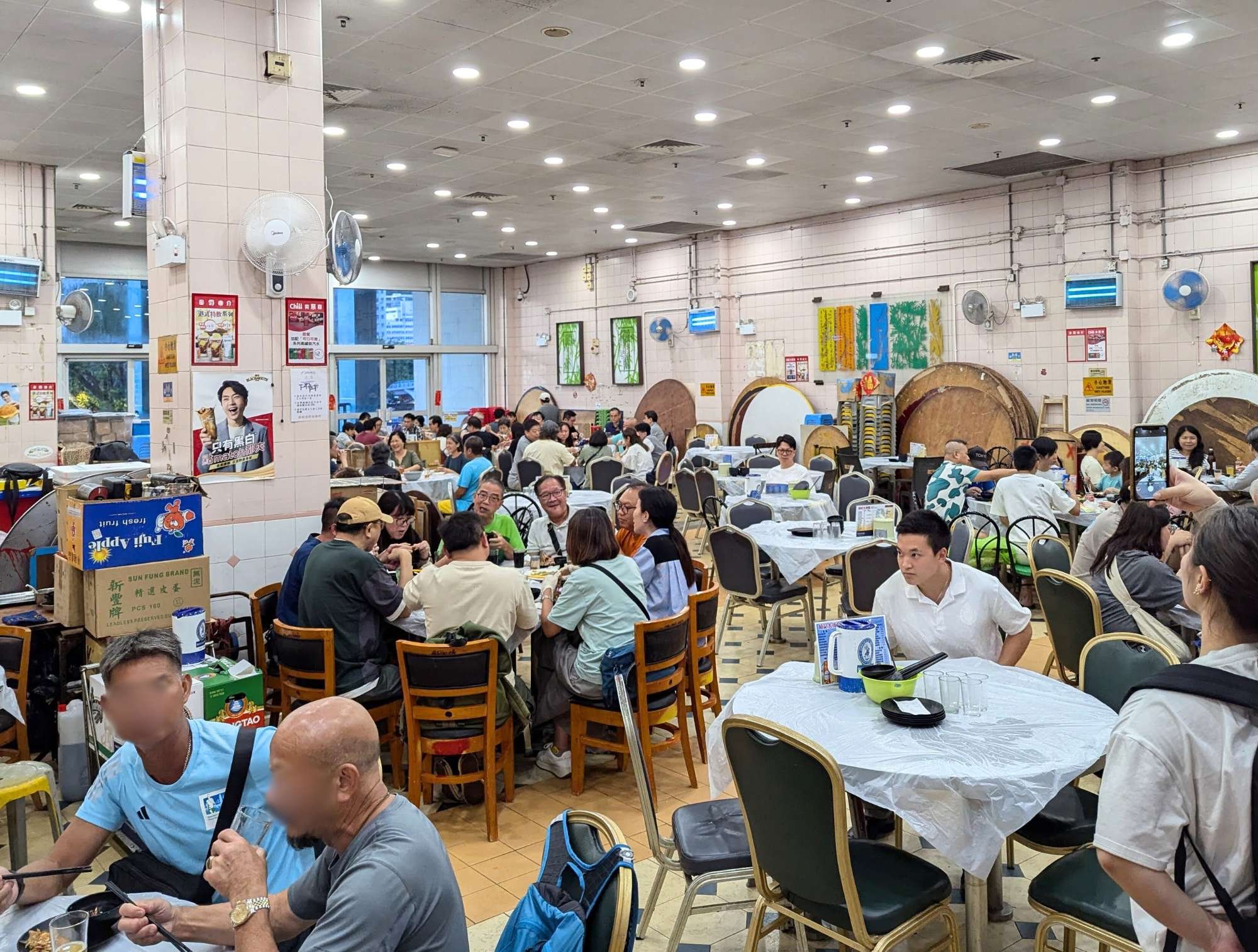
The Rhythm of the Market Floor
Approach Ap Lei Chau from the Aberdeen side and the channel crossing already signals a shift in register. Ap Lei Chau, one of Hong Kong's most densely populated islands, has a self-contained daily rhythm that the market both reflects and anchors. Wet market halls of this kind operate on a schedule that most visitors never sync with: the serious buying happens before 9am, the cooked food floors fill between 11am and 2pm, and the late afternoon brings a second, quieter wave of household shopping. Miss those windows and you see the architecture; catch them and you see the city.
Hong Kong's wet market system is a key piece of urban infrastructure in Asia. Unlike the privatised supermarket model that dominates most comparable cities, the government-operated market network has historically kept fresh produce, meat, and seafood circulating through neighbourhood economies at accessible price points. Ap Lei Chau Market is part of that network, and its cooked food centre sits inside the same building as the wet stalls, a vertical integration of supply and consumption that is specific to this city's planning logic. You buy the fish from one floor and eat a version of it, cooked by a dai pai dong-style operator, a few steps away.
What the Cooked Food Centre Teaches
The cooked food centre format is where the editorial angle sharpens. These centres, found in municipal markets across Hong Kong's 18 districts, represent an intermediate category between street food and formal restaurants that has no precise equivalent in most other cities. The stalls are licensed, fixed, and often multigenerational, but the dining customs are those of the street: shared tables, no reservations, rapid turnover, and an expectation that you'll communicate your order with the minimum number of words. At Ap Lei Chau, that compression of social ritual is particularly legible because the customer base is almost entirely local. The market serves the island's residents, which means the pacing and etiquette are set by regulars.
For context, Hong Kong simultaneously hosts Amber, Caprice, and 8½ Otto e Mezzo Bombana, while Ta Vie and Forum hold strong positions in the mid-to-upper tier. Ap Lei Chau Market occupies a different axis entirely. It is not competing with those rooms; it is representing the other end of the city's food system, where the measure of quality is freshness and speed rather than technique and theatre.
The Cantonese Seafood Logic
Aberdeen Channel's proximity matters here. The typhoon shelter and the remaining fishing fleet activity in the district mean that seafood supply chains to markets in this part of Hong Kong Island's south side are shorter than in many other neighbourhoods. The Cantonese approach to seafood at this level is fundamentally about minimal intervention: steam the fish whole, stir-fry the clams with black bean sauce, serve the congee as a base rather than a destination. The flavour logic is about showcasing the ingredient rather than building around it, which is the same principle that governs the city's high-end Cantonese rooms, just expressed with different equipment and economics.
This pattern extends across Hong Kong's neighbourhood markets. The Former Jumbo Floating Restaurant in the same Aberdeen district represented a theatrical version of harbour-adjacent Cantonese dining; Ap Lei Chau Market is the utilitarian version of the same geographic logic. Both are shaped by the water, just at opposite ends of the price and formality spectrum.
Getting There and Timing Your Visit
Ap Lei Chau is accessible via the Ap Lei Chau Bridge from Aberdeen, and bus routes connect it to Admiralty and other central points on Hong Kong Island. The market itself is a short walk from the main bus stops on the island. The MTR does not serve Ap Lei Chau directly, which partly explains why the area has retained a local character distinct from districts built around station catchment areas. For the cooked food centre specifically, mid-morning to early afternoon is one active service window.
Visitors cross-referencing the broader south Hong Kong Island food scene might also note Gaia in Central and Western as a counterpoint from a different neighbourhood register, while the city's outer-district market culture is readable in places like Hoi Tin Garden in Tuen Mun, Lei Garden in Sha Tin, and King of Soybeans in Wong Tai Sin. Each of those represents a different district's version of the neighbourhood food institution.
The market format also exists across Hong Kong's islands and districts in variations worth comparing: Gangstas in the Islands and One-ThirtyOne in Tai Po represent how neighbourhood identity shapes eating places in the New Territories and outer island contexts. Further afield, the immigrant food culture running through Habib's in Kwun Tong, Coconut Soup in Yau Tsim Mong, and I Love Istanbul in Tsuen Wan shows how Hong Kong's market and neighbourhood dining ecosystem accommodates non-Cantonese traditions at the same informal register.
Cuisine Context
Comparable venues nearby, for context on price, style, and recognition.
| Venue | Cuisine | Price | Notes |
|---|---|---|---|
| Ap Lei Chau MarketThis venue — the venue you are viewing | Hong Kong Cantonese Seafood | $ | Not listed |
| Tsui Wah Restaurant (翠華餐廳) | Hong Kong Cha Chaan Teng | $ | Central |
| Putien | Authentic Fujian Cuisine | $$ | Wan Chai |
| Rte Twisk | Traditional Cantonese Dim Sum | $$ | Tsuen Wan Northwest |
| Chiu Hing Noodle House | Teochew Fishball Noodles | $ | Wan Chai |
| Wing Kee Noodle | Hong Kong Cart Noodles | $ | Wan Chai |
Continue exploring
More in Hong Kong
Restaurants in Hong Kong
Browse all →
Bars in Hong Kong
Browse all →
At a Glance
- Lively
- Classic
- Group Dining
- Casual Hangout
- Standalone
- Sustainable Seafood
- Local Sourcing
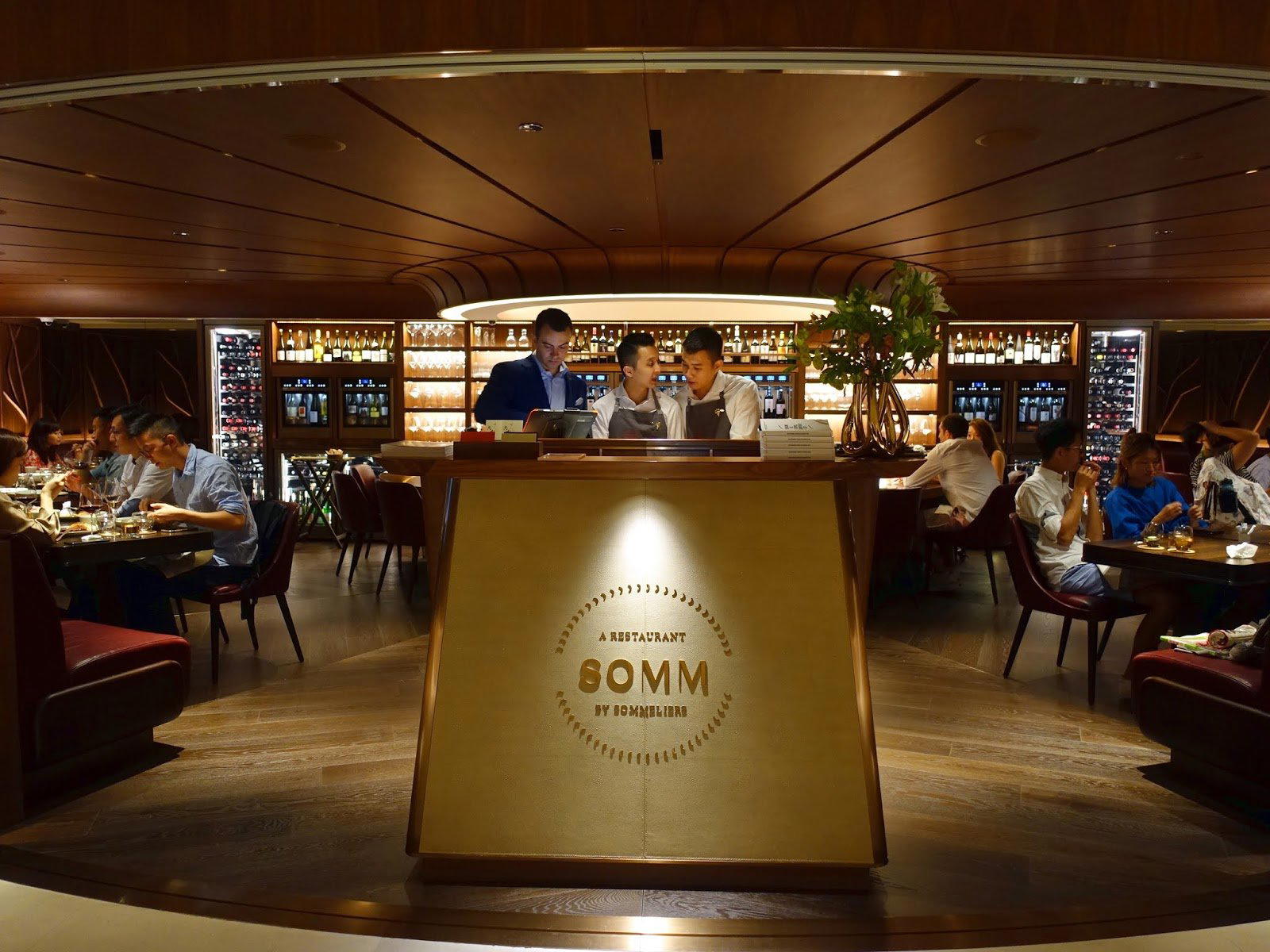
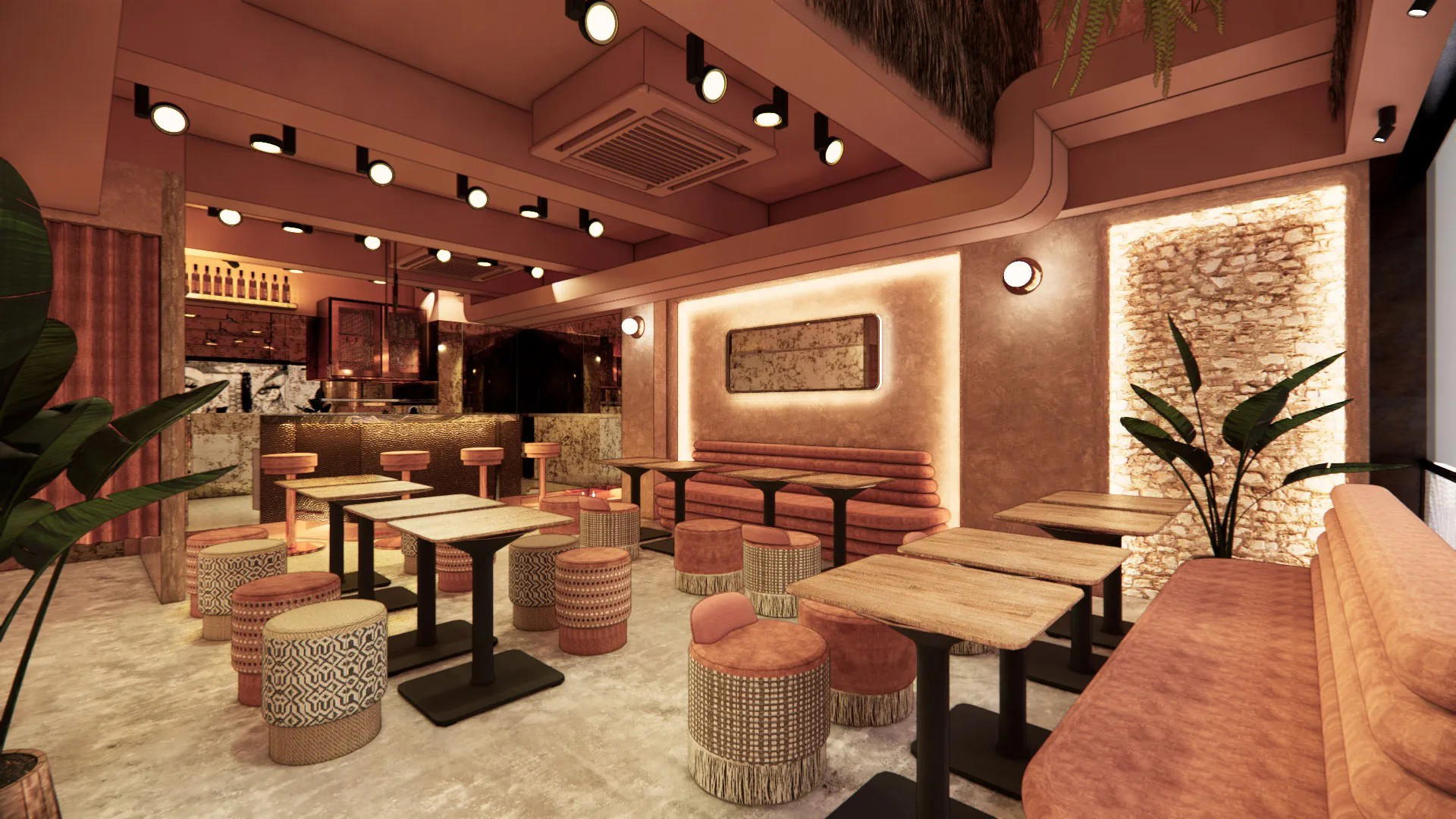
A lively, no-frills wet-market-and-cooked-food-center atmosphere with bustling seafood stalls downstairs and simple, wallet-friendly cooked-food stalls upstairs.