
Keitoku gives Saitama a compact Chinese and Sichuan address with a sourcing-led point of view: fish, seasonal produce, wine, and a lighter register than the oil-heavy stereotype of the genre. Its Tabelog 100 Chinese EAST 2026 selection places it in a serious regional conversation, while the room’s small scale keeps the experience closer to a local specialist than a destination dining machine.
Pearl is the En Primeur Club membership app — saves, bookings, and concierge access live there. Same editors, same standards.
- Address
- Japan, 〒330-0071 Saitama, Urawa Ward, Kamikizaki, 1 Chome−10−15 入江ビル 1F
- Phone
- +81 48-826-0115
- Website
- gg13500.gorp.jp
 Saves & bookings on Pearl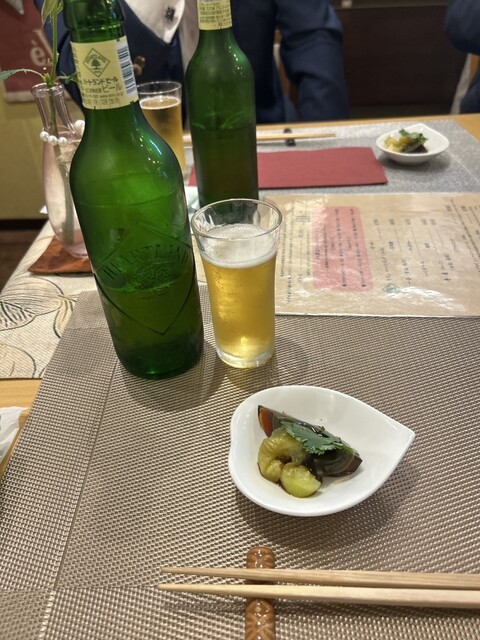
Approaching Yono’s west side, the mood shifts from commuter Saitama to neighbourhood dining room: a first-floor address, limited seats, and a format that asks diners to pay attention rather than browse a long menu. Keitoku belongs to a Japanese-Chinese tradition shaped less by banquet abundance than seasonal buying, restrained seasoning, and a kitchen that treats everyday ingredients as the argument.
Saitama’s dining identity is often read lazily through proximity to Tokyo. The better reading is suburban precision: bakeries, udon shops, patisseries, izakaya, and small restaurants with enough regulars to keep standards sharp. For that ecosystem, Our full Saitama restaurants guide is the starting point, while nearby sweets culture appears at Acacier Kitaurawa honten and Acacier Urawa ten. Keitoku’s place is narrower and more culinary: Chinese and Sichuan cooking adapted to a local, seasonal, wine-aware register.
Light Chinese cooking, seasonal buying, and a fish-led reading of Sichuan
Japan’s serious Chinese restaurants split into camps. Some lean on luxury ingredients and ceremony; others translate regional Chinese technique into counter-scale, everyday dining. Keitoku sits closer to the second. Its emphasis on fish and carefully selected seasonal ingredients changes the meal’s expected weight. Instead of using Sichuan as shorthand for blunt heat, the cooking favours lighter seasoning, reduced oil, reduced salt, and a style intended to be eaten often rather than reserved for occasional excess.
That is not a retreat from technique. The kitchen’s background connects Guangzhou fundamentals, Hong Kong cooking, and traditional Sichuan training, giving the restaurant a broader base than neighbourhood Chinese rooms working from one regional template. The chef biography matters as evidence of range: Cantonese structure, Hong Kong polish, and Sichuan depth point to a kitchen that can move between clarity, aroma, and spice without making volume the point.
The wine angle also separates this from the standard beer-and-mapo expectation. Natural wines have been part of the restaurant since opening, and an English-speaking sommelier with Sakura Award judging credentials suggests a program beyond a token red-and-white list. In Japan, where Chinese food and wine pairings are a serious subculture, this is a signal to read carefully. The food’s lighter register gives wine room; heavy oil and aggressive salt would quickly narrow it.
A small Saitama room with regional recognition, not Tokyo theatre
Tabelog’s Chinese EAST 100 selection in 2026 gives Keitoku its public credential, and repeat selections in earlier editions add weight. Its Tabelog score of 3.61 is not the whole story, but in this category it marks a place that has moved beyond local convenience into regional notice. For Saitama, that matters: the city has plenty of practical eating, but fewer rooms draw attention in Japanese-Chinese cooking.
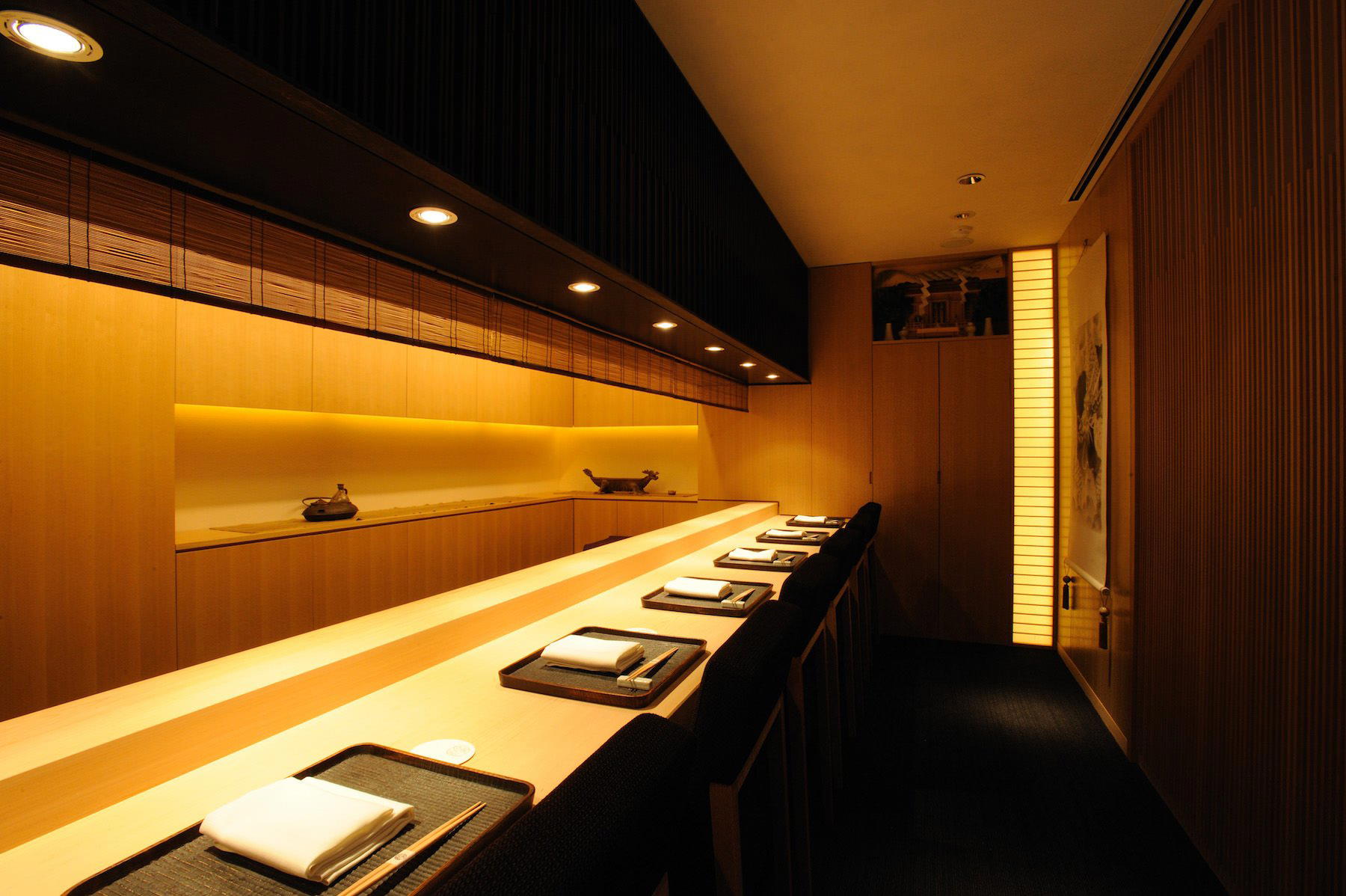
The scale is central. A 14-seat room changes Chinese dining’s rhythm: fewer tables, less banquet energy, more dependence on pacing and conversation. Private use is available for groups up to 20, showing some elasticity, but the stronger reading is intimacy. This is not a hotel Chinese restaurant with a grand room and glossy wine cellar; it is a compact specialist where regulars, small groups, and solo diners can be taken seriously.
Against Saitama peers, the comparison is useful. HOP TRIP and Inakaya Irori sit in a casual-drinking or evening-meal band, Musashino Udon Fujiwara Kitayono honten represents regional noodle comfort, and UN GRAND PAS and Acacier Kitaurawa honten speak to pastry strength. Keitoku occupies another lane: Chinese and Sichuan cooking with award recognition and wine service, at a scale closer to neighbourhood dining room than formal urban destination.
That context helps plan a broader Saitama day. The city rewards stitching together smaller specialists rather than chasing one grand statement. Aki Foods, Bagel Shop vivant, and Beach Story show the everyday scene; Keitoku shows how the same local density can support a more technical dinner. For visitors staying nearby, Our full Saitama hotels guide, Our full Saitama bars guide, Our full Saitama wineries guide, and Our full Saitama experiences guide help frame the wider itinerary.
Who should choose it, and how to read the experience
Keitoku is strongest for diners interested in how Chinese cooking changes when sourcing and restraint move forward. The value is not spectacle, but seeing fish, seasonal ingredients, Sichuan technique, and wine in one conversation without old-school Chinese bulk. The omakase option gives the kitchen room to sequence the meal, while à la carte availability depends on the situation, so expectations should lean flexible rather than toward a fixed dish checklist.
The non-smoking policy and request to avoid perfume are not minor etiquette notes. They reinforce the restaurant’s sensory priorities: aroma, seasoning, and wine are part of the experience, and strong external scents work against them. Such rules often reveal more than décor, signalling that guests are expected to help create the conditions that make the meal work.
For travellers comparing Japanese dining categories, Keitoku sits far from the performance codes of sushi counters or kaiseki rooms. It is closer to specialist addresses that give a city texture: restaurants where one category is studied deeply, adapted locally, and held to standard by repeat diners. Readers building a broader Japan list can compare that role with formats from -Grilled beef Sukiyaki- KAMAKURA TANUKIAN 鎌倉 たぬき庵 in Kamakura to. 鮪と炭火焼き うお炭 秋葉原店 in Tokyo.cafe in Osaka.know in Kumamoto, (Shoku) Vietnam in Kawasaki, and [Curry Senmon Ten] Maruyama Kyoju. in Sapporo. Internationally, the same lesson applies at category-focused rooms such as Jōdo Saké Bar in Los Angeles and Onigiri Time in Pasadena: small formats succeed when the premise is narrow and executed with discipline.
Side-by-Side Snapshot
Nearby venues at a similar price tier for orientation.
| Venue | Cuisine | Price | Notes |
|---|---|---|---|
| KeitokuThis venue — the venue you are viewing | Natural Chinese with Cantonese influence and natural wine | $$ | Not listed |
| HOP TRIP | Moroccan Craft Beer Bar | $$ | Yono |
| Inakaya Irori | Traditional Japanese Izakaya with Irori Hearth | $$ | Urawa-ku |
| Tan Shari Yakiniku Tantatan Musashiurawa | Beef tongue-focused Japanese yakiniku | $$ | Musashi-Urawa |
| Jikasei Temomimen Suzunoki | Handmade Flat Noodle Ramen | $$ | Sayamagaoka |
| Ningyocho | Okonomiyaki & Monjayaki | $$ | Omiya Ward |
Recognition history
Dated appearances from independent guides and award organizations, with the underlying list record or original source where available.
Tabelog 100 #59 · No. 59
Tabelog · Tabelog 100 - Chinese cuisine - EAST - 2026








At a Glance
- Intimate
- Cozy
- Quiet
- Date Night
- Business Dinner
- Group Dining
- Solo
- Family
- After Work
- Casual Hangout
- Live Music
- Standalone
- Natural Wine
- Organic
- Natural Wine
- Local Sourcing
Current opening hours
- Monday
- 5:30–10:30 PM
- Tuesday
- 5:30–10:30 PM
- Wednesday
- 5:30–10:30 PM
- Thursday
- 5:30–10:30 PM
- Friday
- 5:30–10:30 PM
- Saturday
- 5:30–10:30 PM
- Sunday
- Closed
Hours can change for holidays and private events. Last verified .
Small and relaxed with a cozy, jazz-influenced atmosphere; the dining room feels intimate and quiet, suited to slow dinners with carefully prepared Chinese dishes and natural wine.