Our verdict
A handmade-noodle ramen specialist in Saitama, Jikasei Temomimen Suzunoki sits within a city dining scene that rewards those who look beyond Tokyo's orbit. The name signals its identity: jikasei (house-made) and temomimen (hand-kneaded noodles) are production claims, not decorations. In a ramen category increasingly divided between mass-produced convenience and artisan rigor, Suzunoki plants itself on the craft side of that line.

Pearl is the En Primeur Club membership app, where members save venues, book tables and use the concierge.
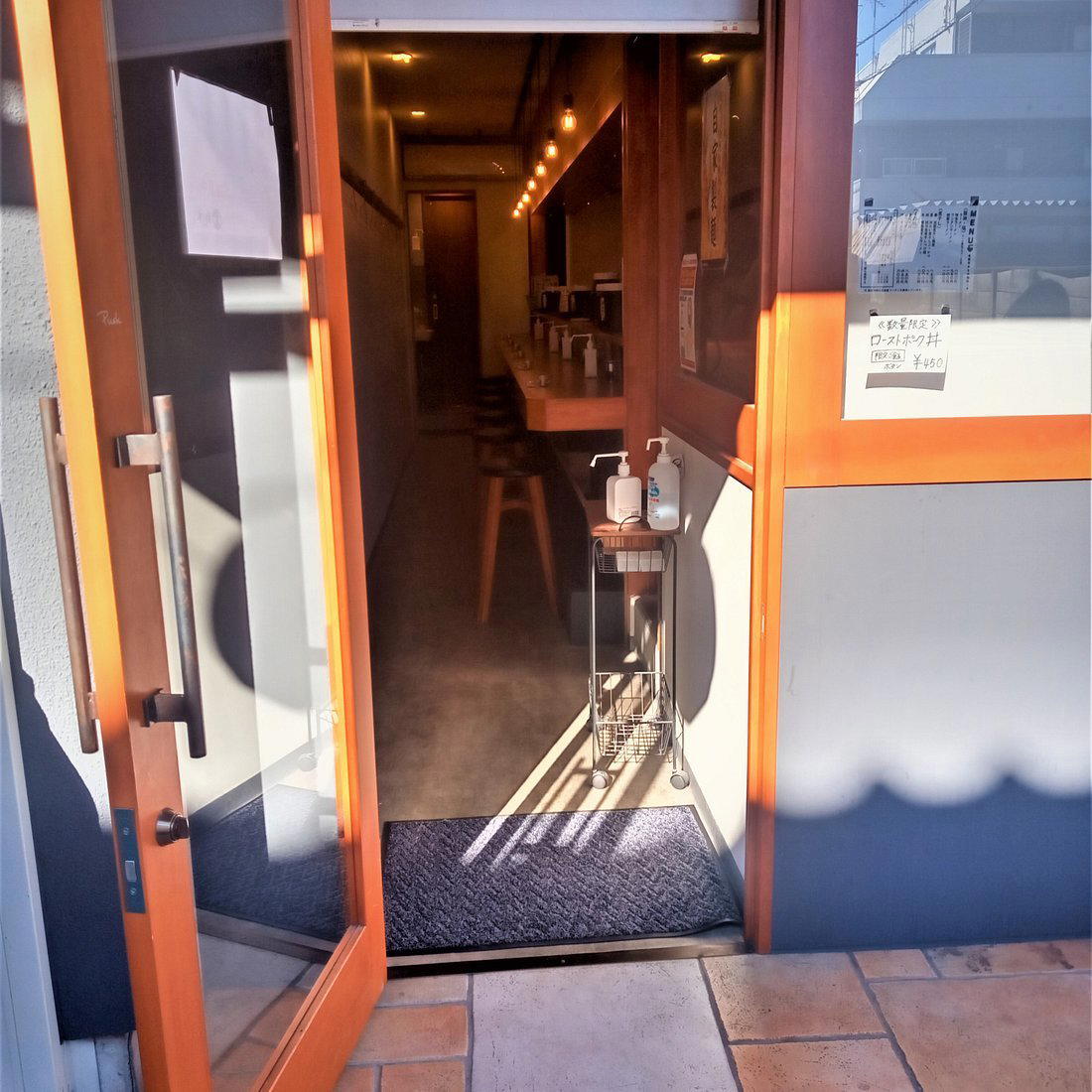
Saitama's Ramen Scene and Where Handmade Noodles Fit
Ramen in Greater Tokyo's prefectural neighbors has followed a familiar arc: early dependence on the capital's trend cycles, then gradual development of local identity as resident dining populations grew large enough to sustain independent kitchens. Saitama, sitting directly north of Tokyo and home to over 1.2 million people in its central city alone, has reached a stage where its restaurant culture neither mimics Tokyo wholesale nor defines itself purely in opposition to it. The city's dining map now includes a range of registers, from the eel specialist tradition represented by places like Unagi Musashino to the more contemporary approaches visible at venues like Ishimaru and SALT. See the full picture in our full Saitama restaurants guide.
Within that map, ramen occupies a particular position. It is the category most eaten, most argued about, and most subject to the tension between industrial scale and artisan production. Japan's ramen industry is bifurcated: on one side, chain shops with centralized noodle supply and standardized broth concentrates; on the other, small kitchens where the noodle itself is made on the premises and the broth reflects daily sourcing decisions. Jikasei Temomimen Suzunoki sits in the second category. The name makes this explicit before the bowl arrives.
What the Name Actually Tells You
Japanese restaurant names carry information that rewards close reading. Jikasei (自家製) means house-made or self-produced, a claim that distinguishes the kitchen from shops buying noodles from external manufacturers. Temomimen (手もみ麺) refers specifically to hand-kneaded noodles, a technique that produces a particular texture through physical manipulation of the dough rather than machine pressing alone. Suzunoki completes the name with a sense of place and identity.
Together, these three elements signal a production philosophy: the noodle is not a commodity input but a crafted component, made in-house using a labor-intensive method. In the ramen world, this matters because the noodle's texture is as determinative of the eating experience as the broth. Hand-kneaded noodles typically develop an uneven, slightly wavy surface that holds broth differently from machine-cut noodles, and their gluten structure produces a chew that varies along the strand. This is the kind of differentiation that separates specialist operations from their volume-oriented counterparts.
The sourcing logic embedded in house-made production extends beyond technique. When a kitchen controls its own noodle manufacture, it also controls flour selection, hydration ratios, and resting time, each of which can be calibrated to the broth being served. This integration of noodle and soup is the standard against which serious ramen operations are judged, and it is the framework in which Suzunoki operates.
Ingredient Sourcing as the Editorial Lens
The most instructive way to assess a ramen specialist is not to list its toppings but to ask where the core components come from and how much production the kitchen controls. At Suzunoki, the name itself answers the noodle question. House-made, hand-kneaded production means the kitchen owns that step of the process, from flour to finished strand.
This approach is more common at the upper end of the ramen category in Japan than it was a decade ago, partly driven by the Michelin Guide's recognition of ramen as a serious culinary form. The Guide's Bib Gourmand selections across Tokyo and neighboring prefectures have drawn attention to small, technically focused shops that might previously have been visible only to local regulars. That recognition has raised the general standard of expectation among diners and created pressure on shops to articulate what distinguishes their production. For a point of reference on what Michelin recognition means for a Japanese specialist kitchen, consider the standards set by places like Harutaka in Tokyo or, at the top of the formal dining register, Gion Sasaki in Kyoto.
Suzunoki's answer is structural: the jikasei and temomimen claims in the name are production credentials, not marketing language. They describe what the kitchen does every day before the first customer arrives. That level of upstream investment in a single component is the ramen equivalent of a restaurant milling its own flour or curing its own charcuterie.
Saitama as a Setting for This Kind of Cooking
There is a broader geographic logic to why this kind of specialist operation can sustain itself in Saitama rather than requiring a Tokyo address. Rent and operational costs in Saitama's commercial areas run substantially below central Tokyo levels, which gives small kitchens with labor-intensive production methods more financial room to absorb the time cost of techniques like hand-kneading. The same economic logic has made Saitama and other prefectural neighbors attractive to chef-operators who want to run tight, craft-focused operations without the overhead pressure of a Shinjuku or Shibuya location.
This pattern is visible across Japan. In Fukuoka, Goh operates at the top of the city's dining hierarchy in part because Fukuoka's cost structure allows a level of investment in product that might not be sustainable in Tokyo at the same price point. In Nara, akordu has carved out a distinctive position precisely because its location allows focus that a capital-city operation might not. Saitama's emerging restaurant culture follows a similar logic, and specialist ramen within that city follows it most directly.
The same argument extends to regional Japanese dining more broadly. Kitchens in prefectural cities like Nanao (see 一本木 石川製), Takashima (湖魚庵), Sapporo (古仁山乃), and Nishikawa Machi (庄羽屋) are all operating in the same structural context: city scale that supports serious dining without the capital's cost ceiling. The comparison with Western analogues is useful too: the kind of sourcing discipline Suzunoki practices in noodle production is not unlike what makes Le Bernardin in New York City or Atomix in New York City credible at their respective levels, where control over a core ingredient or technique defines the operation's identity. Similarly, HAJIME in Osaka demonstrates how ingredient philosophy can become the defining character of a kitchen across many courses, not just one. The same principle applies at Suzunoki at the scale of a single bowl.
Planning a Visit
Saitama is directly accessible from Tokyo via multiple train lines, with central Saitama stations typically 20 to 40 minutes from central Tokyo depending on the departure point, making a visit feasible as a standalone trip or as part of a day moving between the two cities. For a specialist ramen shop of this type, arriving close to opening time reduces the risk of the kitchen selling out of house-made noodles, which are produced in finite quantities each day. Comparable yakitori and grill operations further afield, such as Birdland in Sakai, Bistro Ange in Toyohashi, and Blue Ocean Steak in Nakagami District, illustrate how Japan's regional specialist dining operates outside the major urban centers, with Suzunoki fitting that broader pattern at Saitama's scale.
Frequently asked questions
Would Jikasei Temomimen Suzunoki be comfortable with kids?
Specialist ramen shops at this tier in Saitama typically run compact, counter-focused operations where the rhythm is quick and the seating is tight. That format works well for adults eating solo or in pairs but can feel constrained with young children. If you are travelling with kids, a larger family-style ramen shop in central Saitama would likely be a more practical choice.
How would you describe the vibe at Jikasei Temomimen Suzunoki?
The name itself signals the operating philosophy: jikasei (自家製) means house-made, and temomimen means hand-kneaded noodles, so this is a production-oriented kitchen rather than a scene-oriented dining room. Craft ramen shops built around that kind of in-house fabrication in Saitama typically run spare and counter-heavy, where the bowl commands attention and the space stays purposeful. Expect focus over atmosphere.
What does 'jikasei temomimen' actually mean, and why does it matter for a ramen shop in Saitama?
Jikasei (自家製) means self-produced or house-made, while temomimen (手もみ麺) refers specifically to hand-kneaded noodles, a technique that produces a distinct texture profile compared to machine-pressed alternatives. Together, the name tells you the kitchen controls its own noodle production from the kneading stage forward, which is a meaningful production commitment for a ramen specialist in Saitama. In a regional scene where many shops source noodles externally, that in-house claim is the central differentiator this venue is trading on.
What should I order at Jikasei Temomimen Suzunoki?
The shop's name is a direct instruction: temomimen designates hand-kneaded noodles, and jikasei confirms they are made in-house rather than sourced from a supplier. Any bowl that puts those noodles at the centre of the build is the reason to be here. Order whatever the kitchen pairs with its house noodles as the standard preparation, and resist the impulse to customise away from it on a first visit.
What's the best way to book Jikasei Temomimen Suzunoki?
Most Japanese specialist ramen operations of this type operate on a walk-in basis rather than advance reservations. Arriving at or before opening is the standard tactic for avoiding a queue, particularly on weekends. No booking contact or reservation platform is confirmed for Suzunoki, so planning for a walk-in is the practical approach.
In Context: Similar Options
| Venue | Cuisine | Price | Awards | Notes |
|---|---|---|---|---|
| Jikasei Temomimen SuzunokiThis venue (the venue you are viewing) | Handmade Flat Noodle Ramen | $10–20 | Not listed | Not listed |
| Ishimaru | Edomae Sushi Omakase | $300–500 | Tabelog Bronze #138 | Not listed |
| Unagi Musashino | Traditional Japanese Eel (Unagi) | $50–100 | Tabelog Bronze #299 | Unagi (Eel), JPY 5,000 - JPY 5,999 JPY 6,000 - JPY 7,999 |
| SALT | Modern French Innovative | Not listed | Tabelog 100 #74 | Not listed |
Continue exploring
More in Saitama
Restaurants in Saitama
All restaurants in Saitama →



Bars in Saitama
Browse all →





Details
- Cozy
- Casual Hangout
- Sake Program
- A La Carte
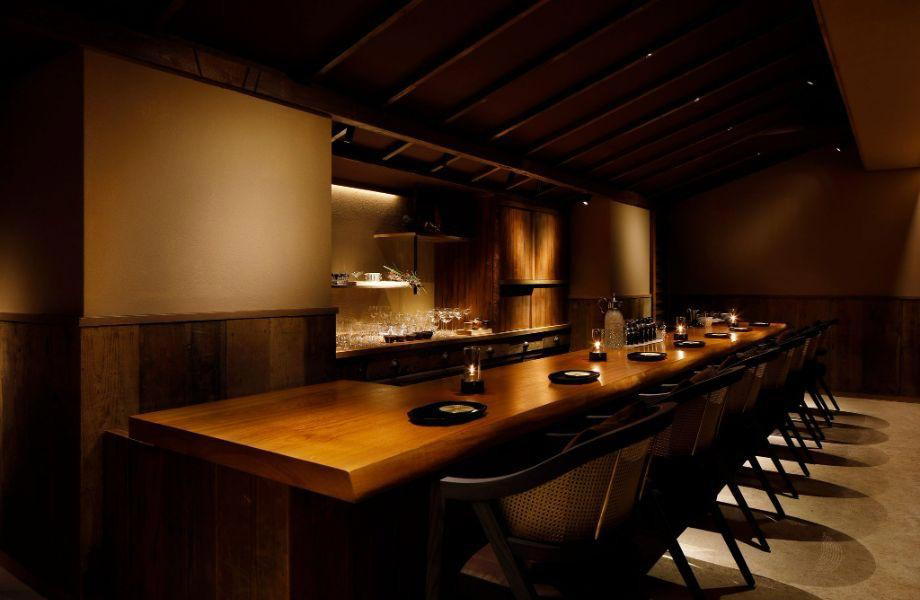
Intimate counter seating in a small 8-seat space with private room option, creating a cozy ramen shop atmosphere.