
HOP TRIP puts Moroccan cooking, craft beer and Moroccan wine into a compact Saitama dining-bar format rather than a formal destination-restaurant template. Its Tabelog 100 Asian cuisine / Ethnic cuisine EAST 2024 selection gives it a clear credential in a category where regional Japanese cities often get less attention than Tokyo.
Pearl is the En Primeur Club membership app — saves, bookings, and concierge access live there. Same editors, same standards.
- Address
- 埼玉県さいたま市中央区下落合1711 シティマークタワー21 1F
- Website
- tabelog.com
 Saves & bookings on Pearl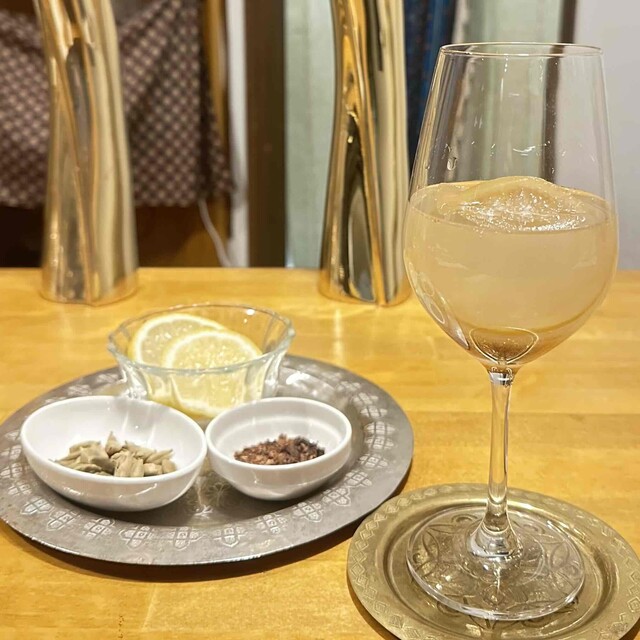
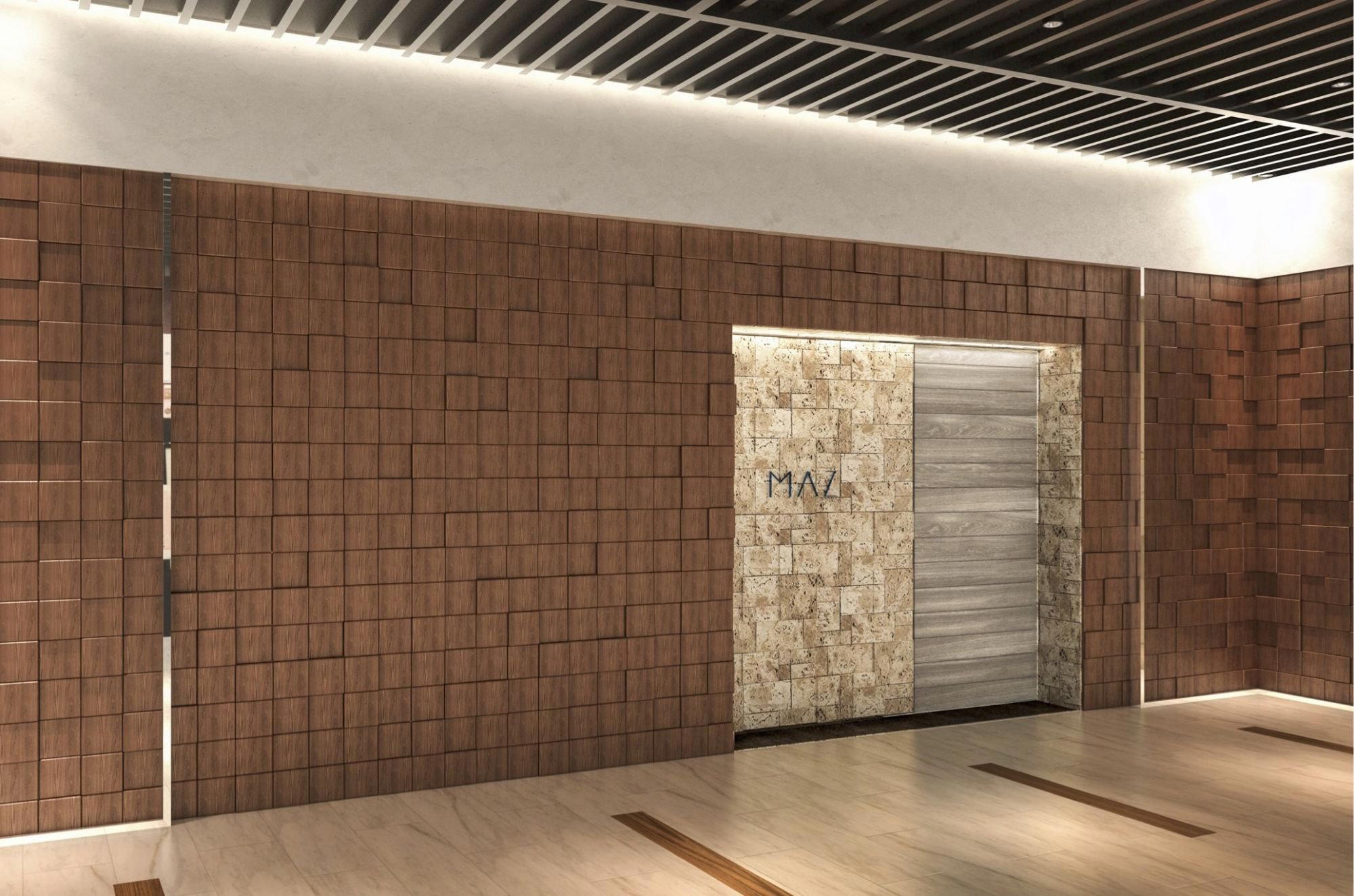
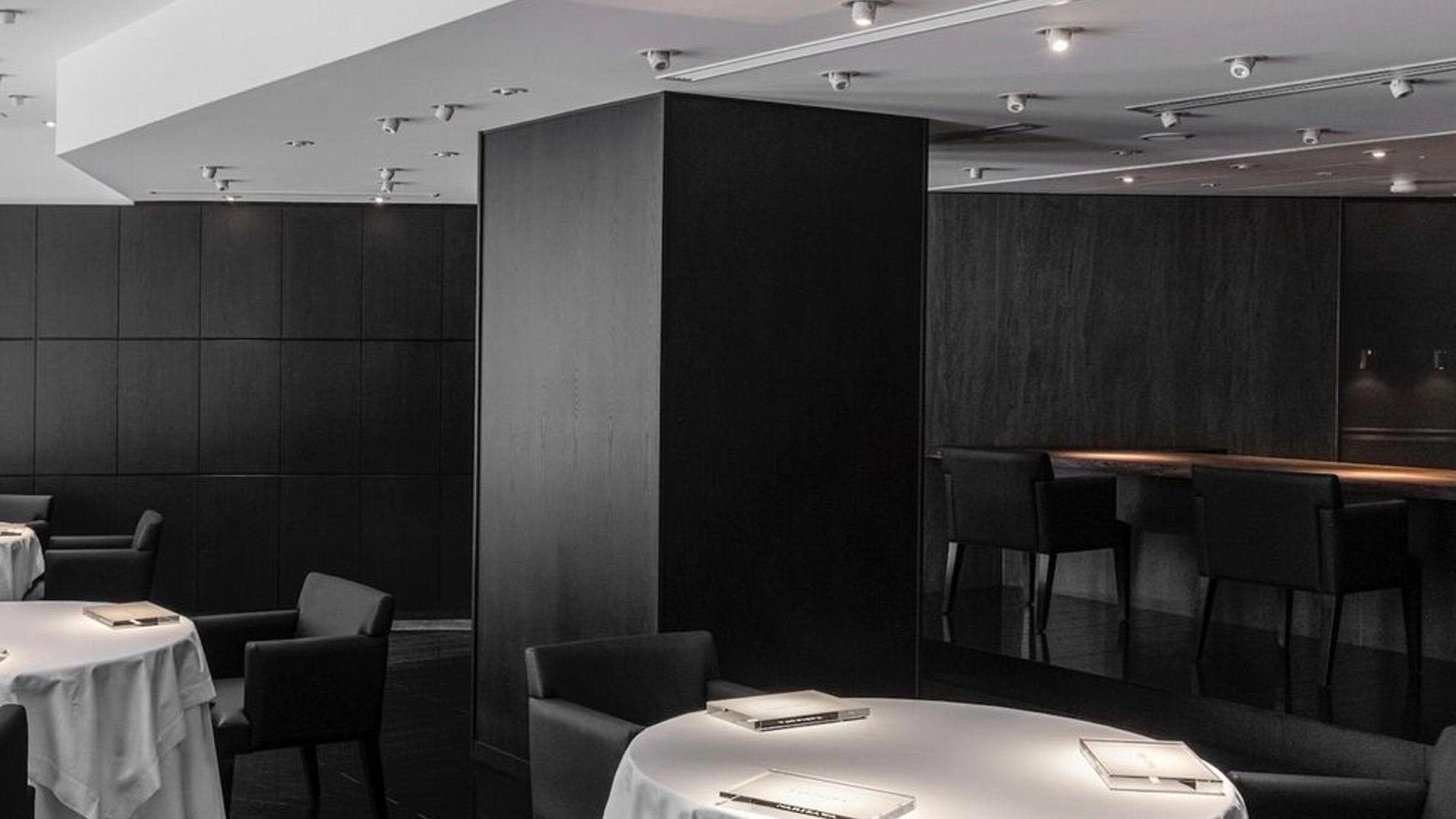
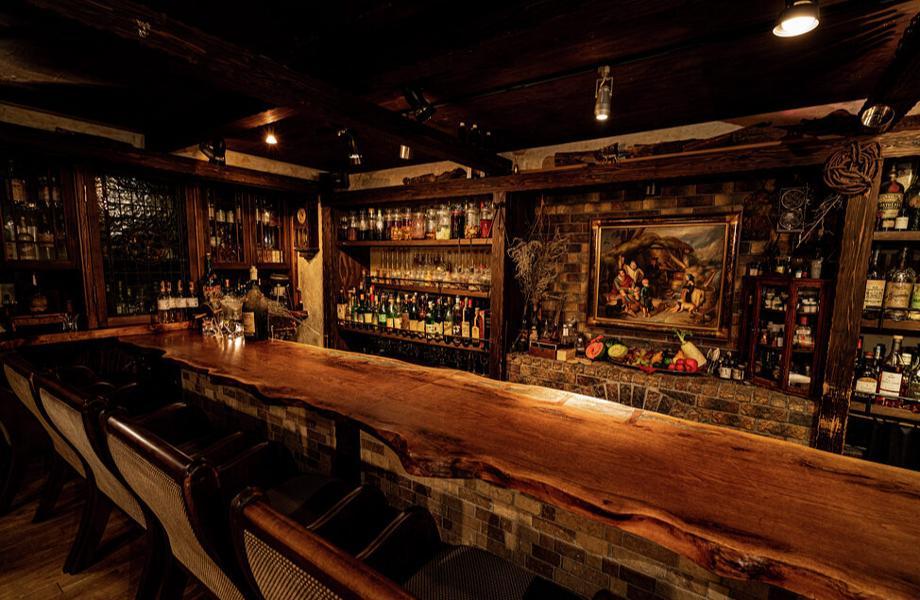
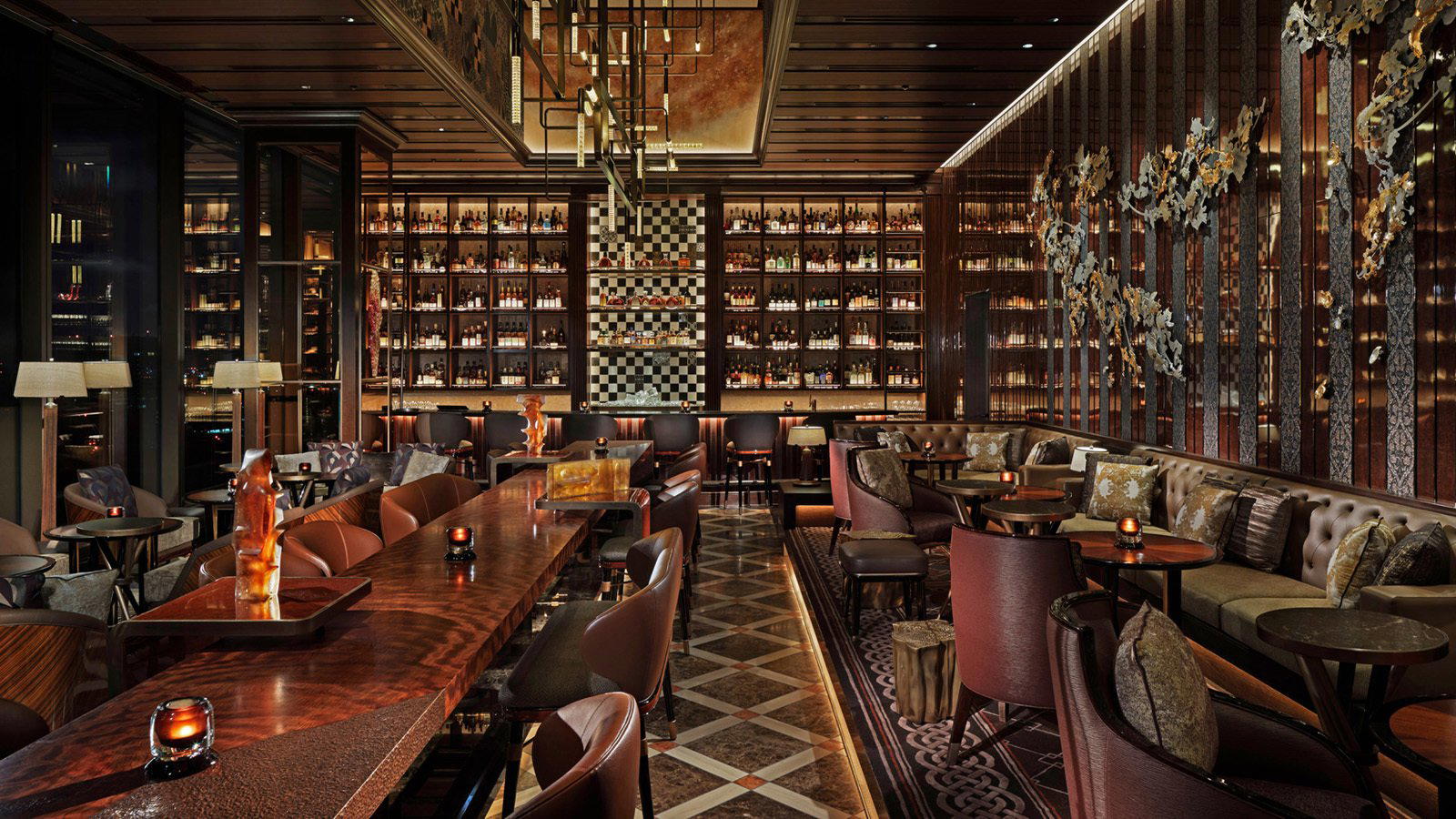
Approach the former Yono address and the setting reads less like a grand dining room than a compact neighbourhood room built for pacing: counter seats, table seats and sofa seats, with the informality of a beer hall folded into the spice grammar of Moroccan cooking. That mix matters in Saitama, where serious eating often hides behind everyday formats rather than ceremony. The ritual here is not the hushed tasting-menu procession familiar from Tokyo counters. It is a slower dining-bar rhythm: drinks first, shared plates next, conversation stretching beyond the first order.
Moroccan spice in a Saitama dining-bar register
Japan’s non-Japanese regional dining has long split between faithful specialist rooms and looser izakaya-adjacent formats. HOP TRIP sits in the second camp, classed as Moroccan, dining bar and beer hall, which tells the reader how to think about the meal before the first plate arrives. The point is not museum-grade cuisine or chef-theatre formality; it is North African seasoning translated into a convivial Japanese room where beer, wine and flexible pacing carry as much weight as the food.
The Tabelog 100 Asian cuisine / Ethnic cuisine EAST 2024 selection gives the address a stronger signal than the usual neighbourhood endorsement. In a category that includes cuisines often treated as casual alternatives to washoku, being listed in that regional selection suggests a room operating above the default “ethnic dining” shorthand. The score attached to the listing, 3.61, should be read in the context of Tabelog’s compressed scoring culture, where movement above the mid-threes can indicate meaningful local traction rather than mass-market fame.
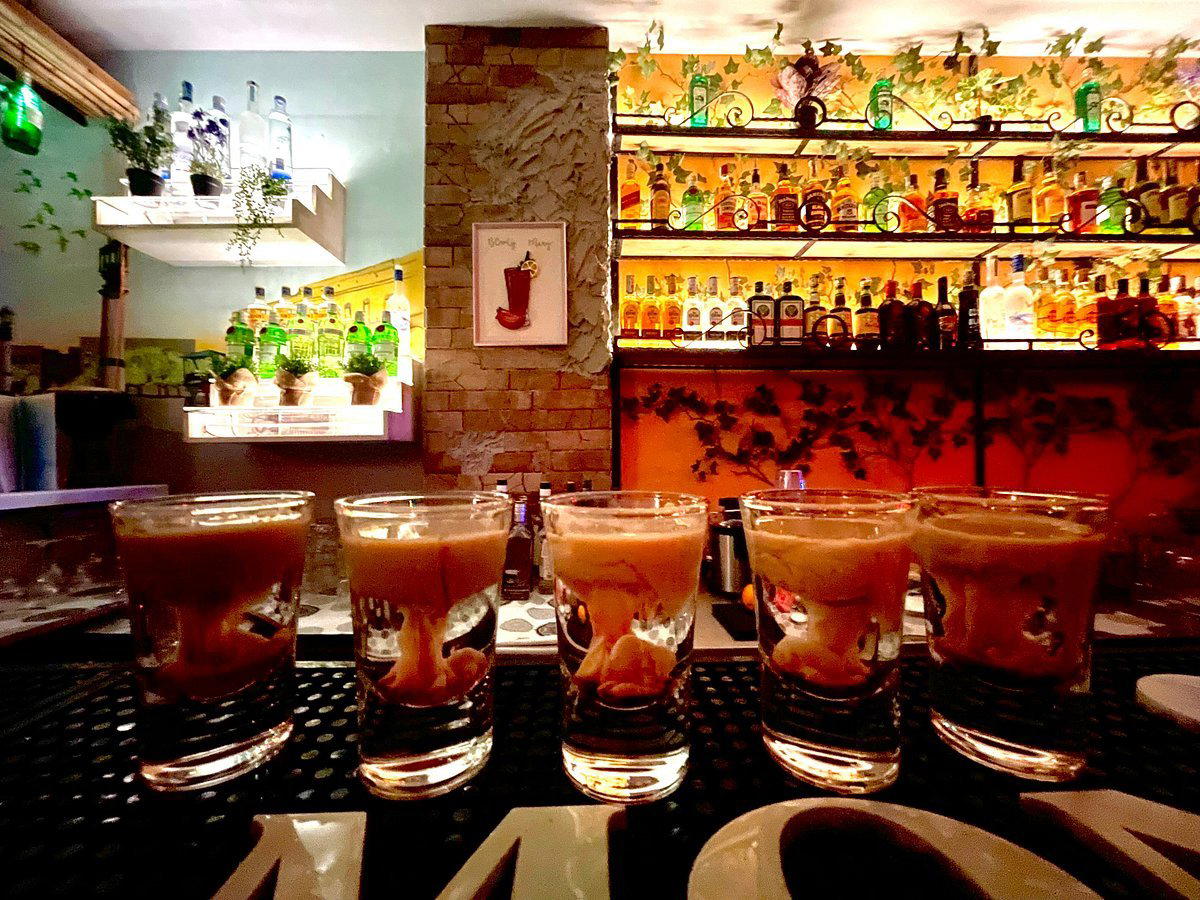
The drinks structure sharpens the identity. Craft beer and Moroccan wine make this less of a tagine-only proposition and more of an evening format: spice, grain, herbs and fermented drinks in a sequence suited to groups. Fish is also flagged as a point of emphasis, which is a useful reminder that Moroccan cooking in Japan need not be reduced to lamb, couscous or preserved-lemon clichés. The stronger editorial reading is a room using a North African framework while adapting to Japanese expectations around freshness, sharing and drink-led meals.
The meal works as a social tempo, not a formal performance
Small-room structure shapes the etiquette. With 20 seats listed across counter, table and sofa seating, the meal belongs to the compact social tier rather than the anonymous large-restaurant tier. Counter seats suit a shorter, drink-forward visit; tables and sofas make more sense for groups that want to let the meal run. Private rooms are not part of the format, but private use is listed, which points to a room flexible enough for parties without behaving like a banquet hall.
That balance is increasingly relevant in Saitama’s dining culture. The city is not only a commuter extension of Tokyo; it has its own network of small specialists, pastry counters, udon rooms and casual restaurants that reward local knowledge. For readers mapping the area, Acacier Kitaurawa honten and Acacier Urawa ten show the strength of Saitama’s sweets circuit, while Bagel Shop vivant and Aki Foods point to the city’s smaller-format everyday specialists. In that company, Moroccan dining-bar cooking adds another layer to a scene often underestimated by visitors who stop their eating plans at the Tokyo border.
The relocation notice attached to the former Yono listing also matters editorially. A restaurant can carry its reputation across neighbourhoods, but the feel of the ritual changes with the room, the walk-in pattern and the local drinking crowd. The former listing placed it close to Yono Station, with the kind of access that supports spontaneous local dinners; the announced move to Tama-Plaza shifts the context toward a different residential dining culture. For planning, verify the current operating details before treating any older Saitama address as active.
How to place it within a Saitama itinerary
Price positioning is part of the appeal. Dinner was listed at JPY 4,000 to JPY 4,999, with lunch at JPY 1,000 to JPY 1,999, placing the experience above a quick noodle stop but below the spend of a formal special-occasion room. Among Saitama comparison points, Musashino Udon Fujiwara Kitayono honten occupies the lower everyday bracket, Keitoku sits around JPY 3,000 to JPY 3,999, and Inakaya Irori moves higher at JPY 5,000 to JPY 5,999. HOP TRIP’s range makes sense for a drink-led dinner where the bill reflects both food and beverage rather than a fixed-course structure.
Use it as part of a broader Saitama food day rather than as an isolated trophy booking. A pastry stop at Acacier Kitaurawa honten, a casual specialist such as Bagel Shop vivant, and a spiced, beer-friendly dinner create a more accurate picture of the city than a single high-price meal. Beach Story adds another local reference point for readers comparing smaller Saitama addresses. For wider planning, see Our full Saitama restaurants guide, alongside Our full Saitama hotels guide, Our full Saitama bars guide, Our full Saitama wineries guide and Our full Saitama experiences guide.
The broader Japanese context is useful too: regional dining specialists are rarely confined to one category. Readers comparing casual genre cooking across cities might look at -Grilled beef Sukiyaki- KAMAKURA TANUKIAN 鎌倉 たぬき庵 in Kamakura. 鮪と炭火焼き うお炭 秋葉原店 in Tokyo.cafe in Osaka.know in Kumamoto, (Shoku) Vietnam in Kawasaki and [Curry Senmon Ten] Maruyama Kyoju. in Sapporo. Outside Japan, Jōdo Saké Bar in Los Angeles and Onigiri Time in Pasadena show how tightly defined formats can carry cultural specificity without requiring formal luxury cues.
The editorial verdict is simple: this is a useful address for readers interested in how Saitama absorbs global cooking into local dining habits. The award recognition supplies the trust signal; the compact seating, drink emphasis and moderate spend explain the actual meal. Treat it as a social, spice-driven dinner rather than a ceremonial destination, and it makes far more sense.
Cuisine and Recognition
Side-by-side context: comparable cuisine and price.
| Venue | Cuisine | Price | Notes |
|---|---|---|---|
| HOP TRIPThis venue — the venue you are viewing | Moroccan Craft Beer Bar | $$ | Not listed |
| Aki Foods | Sri Lankan | $$ | Omiya-ku |
| Silk Road Murato | Uyghur / Middle Eastern | $ | Sakura Ward |
| gii | European-style curry house | $$ | Minuma Ward |
| Ono Udon | Traditional Sanuki Udon | $ | Not listed |
| Toyo Zushi | Traditional Sushi & Hot Pot | $$$ | Omiya |
Recognition history
Dated appearances from independent guides and award organizations, with the underlying list record or original source where available.
Tabelog 100 #10 · No. 10
Tabelog · Tabelog 100 - Asian cuisine / Ethnic cuisine - EAST - 2024







At a Glance
- Cozy
- Trendy
- Casual
- Lively
- Casual Hangout
- Group Dining
- Family
- After Work
- Standalone
- Design Destination
- Beer Program
- Craft Cocktails
A stylish, relaxing, and slightly hidden-gem atmosphere with counter and sofa seating, suited to casual meals and drinks.