
Inakaya Irori belongs to Saitama’s serious izakaya tier: fish-led cooking, sake and shochu, and a compact room near Kita-Urawa rather than a spectacle built for destination dining. Its selection for Tabelog 100 Izakaya EAST in 2025, after appearances in 2024 and 2022, gives it a clear credential in a category where consistency matters more than theatre.
Pearl is the En Primeur Club membership app — saves, bookings, and concierge access live there. Same editors, same standards.
- Address
- 9 Chome-33-22 Tokiwa, Urawa Ward, Saitama, 330-0061, Japan
- Phone
- +81 48-824-1991
- Website
- szl3.yaekumo.com
 Saves & bookings on Pearl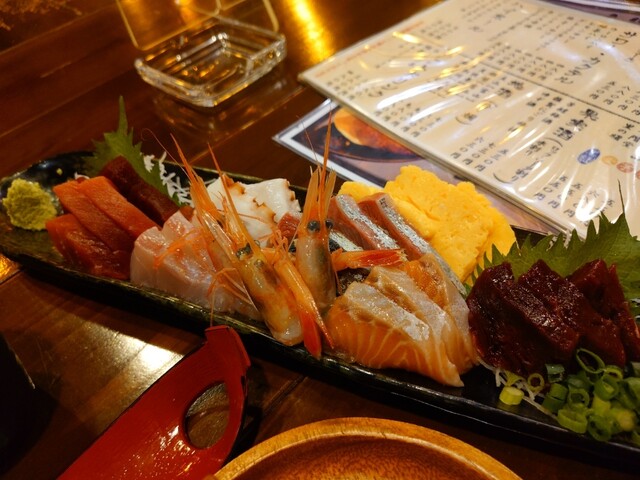
Approach Kita-Urawa after dark and the evening economy changes scale: commuters thin out, local counters fill, and the meal becomes less about ceremony than about what the kitchen can source, grill, simmer, pour, and send out while the room stays close to full. Saitama’s serious izakaya culture rewards that discipline. It is not the Tokyo model of chef-led performance or omakase choreography; it is a smaller, ingredient-sensitive format where fish, sake, shochu, and repeat local custom carry the weight.
Inakaya Irori sits inside that lane rather than trying to escape it. The relevant signal is not luxury coding, but selection: Tabelog placed it in the Tabelog 100 Izakaya EAST list for 2025, with prior selections in 2024 and 2022. In Japan’s restaurant culture, that kind of repeat recognition matters because izakaya quality is often measured across many small decisions: procurement, grill timing, drinking rhythm, and the ability to serve both food-focused diners and regulars who came primarily for the counter.
Fish, sake, and the Saitama izakaya argument
The defining idea here is fish-led izakaya cooking. The category listing places the restaurant across izakaya, seafood, and Japanese cuisine, with a stated emphasis on fish and a drinks program that includes sake, shochu, and cocktails. That combination is central to the izakaya form: the kitchen is not bound to a tasting-menu arc, but to the logic of drinking food, seasonal purchasing, and dishes built to move at different speeds across the table.
This is where Saitama’s position becomes useful. The city sits close enough to Tokyo for diners to understand benchmark pricing and ingredient standards, but local restaurants are often judged by steadiness rather than spectacle. In that context, a fish-focused izakaya with Tabelog 100 recognition occupies a different role from a dessert specialist such as Acacier Kitaurawa honten or Acacier Urawa ten, and a different role again from casual daytime addresses such as Bagel Shop vivant or Aki Foods. The choice is not simply cuisine; it is dining tempo.
The compact scale also matters. A 20-seat room, including counter seating and table seating, puts pressure on the kitchen’s procurement decisions. Fish-led izakaya cooking does not hide behind abundance. It needs enough range for drinking groups, enough precision for solo counter diners, and enough restraint to avoid turning the menu into a catalogue. That is why repeat recognition in the izakaya category carries practical meaning: it suggests the format has held its line over multiple years.
A local room, not a destination performance
The strongest way to read Inakaya Irori is against Saitama’s broader dining spread. At one end are low-cost specialist stops such as Ramen Kanekatsu and goden; at another are higher-spend Japanese meals such as Kuni Toroku Bunkazai Nikiya and Wataya. This restaurant sits in the middle ground, where the value is not austerity or occasion dining, but a worked-in evening format with seafood, Japanese cooking, and drinks doing equal work.
That middle ground is often where izakaya culture is at its sharpest. The restaurant does not need a long chef biography to explain itself, and none is necessary for the reader’s decision. The evidence sits in format and recognition: a fish emphasis, sake and shochu orientation, a small room, take-out availability, and Tabelog 100 Izakaya EAST selection. For diners building a Saitama itinerary, it makes more sense after a day in Urawa or Kita-Urawa than as a standalone luxury detour from Tokyo.
There are planning implications baked into that assessment. The room is small, reservations are available, private rooms are not part of the format, and smoking is allowed. Credit cards are accepted, while electronic money and QR code payments are not. Parking is not attached to the restaurant, though coin parking is available nearby. These details shape the evening as much as the menu category does: this is a neighborhood izakaya with recognition, not a frictionless hotel-dining product.
How to place it within a Saitama food day
Saitama rewards sequencing. A sweet-focused stop at Acacier, a casual bread run, and a fish-led izakaya dinner are not competing experiences; they show how the city’s food culture works outside Tokyo’s heavier prestige machinery. Readers comparing local options can use Our full Saitama restaurants guide for the restaurant field, while the surrounding travel layer sits in Our full Saitama hotels guide, Our full Saitama bars guide, Our full Saitama wineries guide, and Our full Saitama experiences guide.
For wider comparison across Japanese and Japan-adjacent casual dining formats, contrast the izakaya-drinking structure here with beef-focused dining at -Grilled beef Sukiyaki- KAMAKURA TANUKIAN 鎌倉 たぬき庵 in Kamakura, tuna and charcoal cooking at. 鮪と炭火焼き うお炭 秋葉原店 in Tokyo, cafe pacing at.cafe in Osaka, and the bar-adjacent sake perspective of Jōdo Saké Bar in Los Angeles. The comparison underlines the point: izakaya dining is not one cuisine so much as a structure for eating with alcohol, and the better versions make sourcing feel like the organizing principle rather than a slogan.
Other casual-format references sharpen the contrast..know in Kumamoto, (Shoku) Vietnam in Kawasaki, [Curry Senmon Ten] Maruyama Kyoju. in Sapporo, Onigiri Time in Pasadena, and Beach Story all belong to narrower food decisions. Inakaya Irori is broader, but not vague: fish, Japanese tavern cooking, and sake-friendly ordering define the lane.
A Quick Peer Check
Side-by-side context: comparable cuisine and price.
| Venue | Cuisine | Price | Notes |
|---|---|---|---|
| Inakaya Irori | Traditional Japanese Izakaya with Irori Hearth | $$ | Urawa-ku |
| Holland Ken | Ramen | $$ | Higashi Iwatsuki |
| Jikasei Temomimen Suzunoki | Handmade Flat Noodle Ramen | $$ | Sayamagaoka |
| Ningyocho | Okonomiyaki & Monjayaki | $$ | Omiya Ward |
| Hibi Shushu | Creative Japanese Tachinomi & Small Plates | $$ | Omiya |
| Niboshi Chuka Soba Senmon Niboshi Maru | Niboshi Ramen | $ | Omiya |
Recognition history
Dated appearances from independent guides and award organizations, with the underlying list record or original source where available.
Tabelog 100 #69 · No. 69
Tabelog · Tabelog 100 - Izakaya - EAST - 2025









At a Glance
- Cozy
- Classic
- Intimate
- After Work
- Group Dining
- Casual Hangout
- Solo
- Standalone
- Sake Program
- Beer Program
Current opening hours
- Monday
- Closed
- Tuesday
- 5–11 PM
- Wednesday
- 5–11 PM
- Thursday
- 5–11 PM
- Friday
- 5–11 PM
- Saturday
- 5–11 PM
- Sunday
- 5–10 PM
Hours can change for holidays and private events. Last verified .
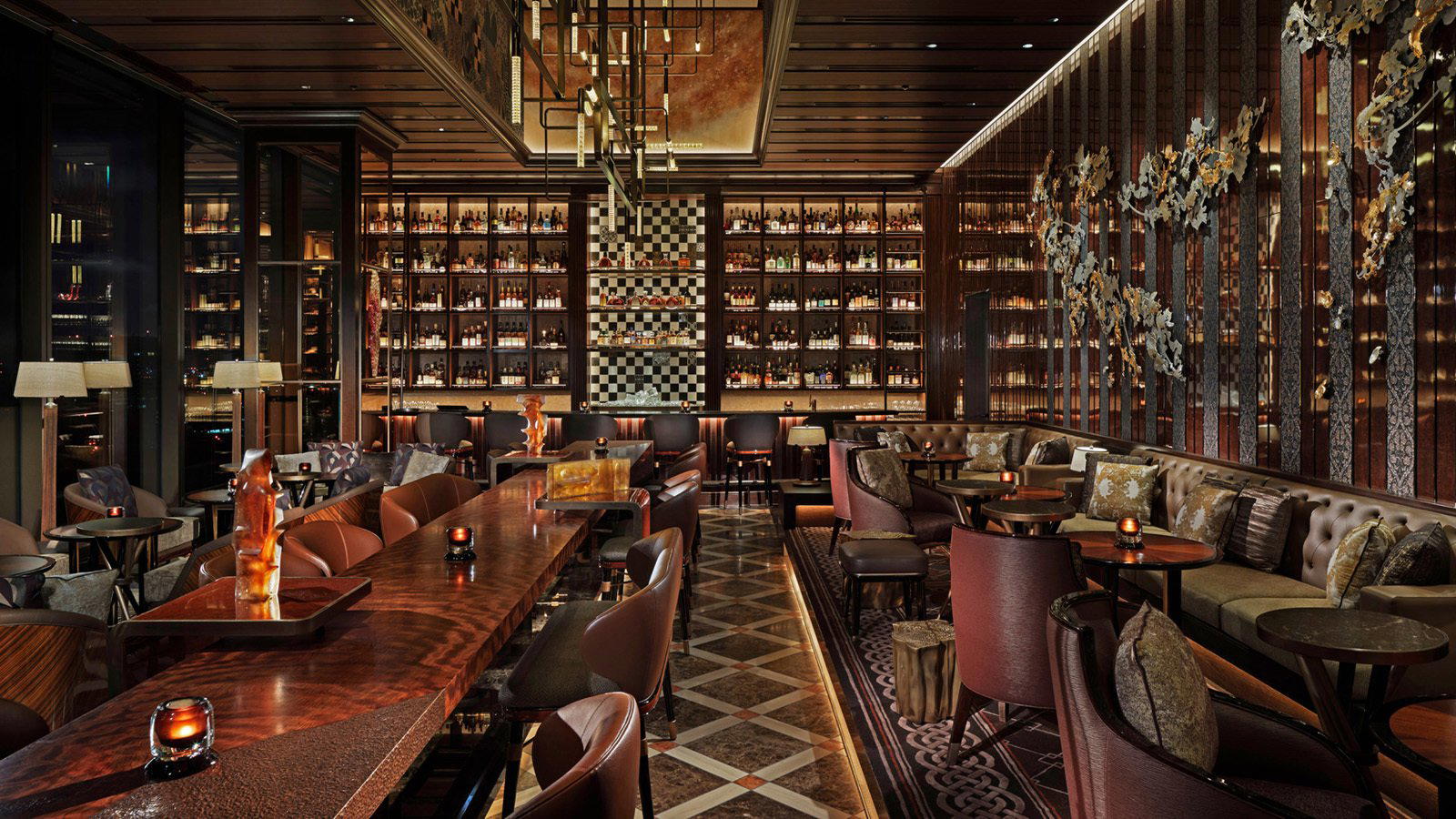
The interior is a small, retro-style Japanese space centered on a sunken irori hearth, where guests remove their shoes and sit in a calm, slightly tucked‑away environment that feels cozy and local rather than flashy, ideal for lingering over food and drinks.