
Kissa Ko belongs to Tokyo’s small, disciplined world of wagashi cafés, where the rhythm is closer to a tea interlude than a full restaurant meal. Its Tabelog 100 selection for Tokyo Japanese traditional sweets and sweets cafés in 2023 places it in a curated city tier, while the Ueno Park setting makes it a precise stop between museums, shrines, and rail connections.
Pearl is the En Primeur Club membership app — saves, bookings, and concierge access live there. Same editors, same standards.
- Address
- 東京都台東区上野公園4-59
- Phone
- +81338218126
- Website
- innsyoutei.jp
 Saves & bookings on Pearl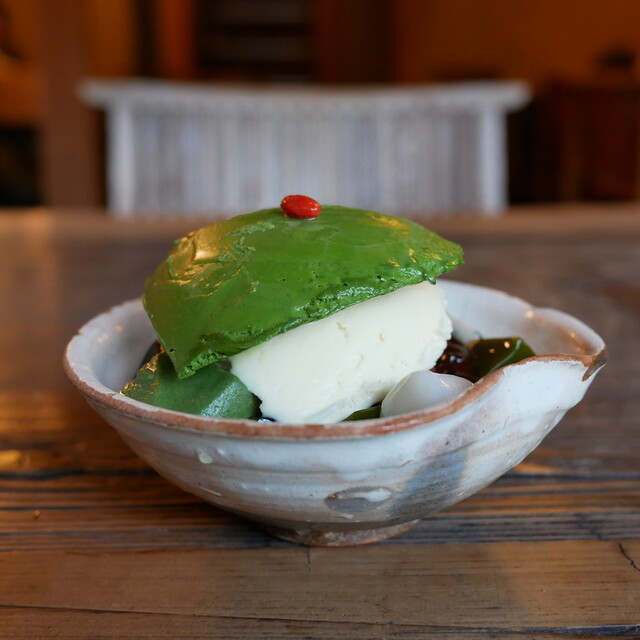
Ueno Park changes the tempo before dessert enters the conversation. The approach is all paths, trees, museum traffic, and the soft drift of visitors moving between culture and commute. In that setting, a Japanese sweets café works differently from a restaurant: it asks for a pause rather than an appetite, a short sequence rather than a long sitting, and a palate ready for sugar, tea, texture, and restraint.
Tokyo’s wagashi cafés sit in a category with its own discipline. The format is not built around the theatrical arc of fine dining, yet the better examples still have progression: arrival, seating, sweets, tea or coffee, and exit before the mood turns into lingering. Kissa Ko fits that compact grammar. Its recognition on the 2023 Tabelog 100 list for Japanese traditional sweets and sweets cafés in Tokyo matters because this is a city where the category is crowded with department-store counters, old neighbourhood sweet shops, and contemporary cafés borrowing from tea culture.
Wagashi as a short-form tasting sequence in Ueno Park
The useful way to read a place like this is not through a single dish, but through pacing. Wagashi has always depended on season, form, and the measured contrast between sweetness and bitterness; the café version compresses that tradition into a short afternoon format. The first decision is usually not how much to eat, but how to set the order of the stop within the day. After galleries, temples, or a long park walk, a sweets café gives the itinerary a reset without demanding the commitment of lunch or dinner.
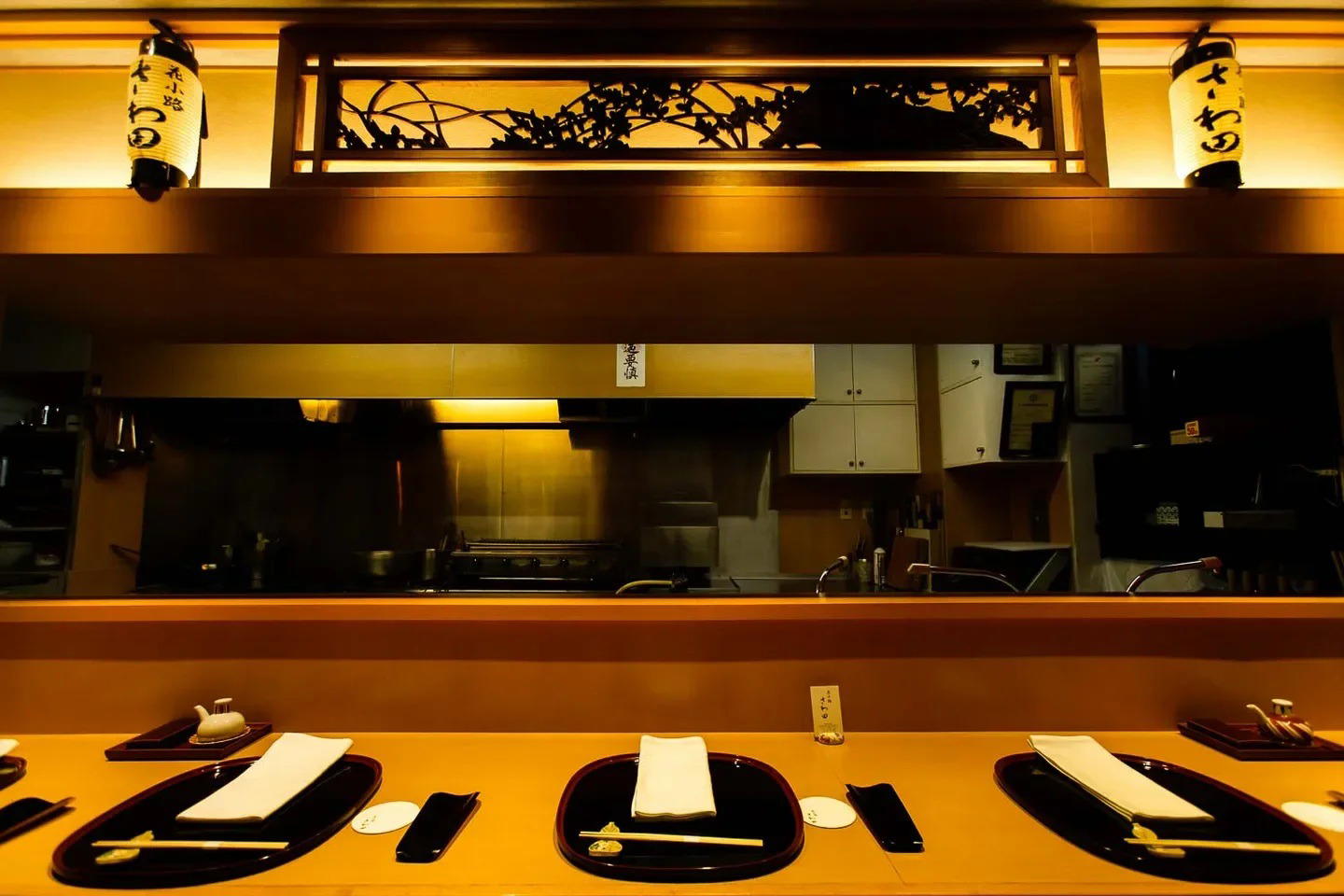
That makes Kissa Ko part of a Tokyo pattern that serious travellers often underrate. The city’s global dining reputation is heavy with sushi counters, kaiseki rooms, French tasting menus, and yakitori, but its sweets culture explains just as much about local taste. Moderation matters. Texture matters. The room matters because it controls pace. A 20-seat layout with table seating and tatami room elements signals an experience closer to a composed pause than a turnover-driven coffee stop.
The price bracket, under JPY 999, also changes the editorial read. In Tokyo, high-recognition dining often comes with access pressure and multi-hour planning. Here, the value lies in category literacy: knowing that a modest sweets café can carry award recognition in the same city where dinner tasting menus dominate visitor attention. That contrast is the point. A trip built only around expensive counters misses the quieter formats where Japanese food culture is encoded in smaller gestures.
How it compares with Tokyo's casual dining spectrum
Ueno has always handled mixed appetites well: museum visitors, families, commuters, and food-focused travellers crossing from Ameyoko into the park. Within that ecosystem, sweets cafés serve a different function from nearby casual restaurants. Kurofune Tei, for example, sits in a higher spend bracket among Tokyo comparison venues, while Uokusa occupies a casual seafood lane. Kissa Ko is lighter, shorter, and more specific: it is not a substitute for dinner, but a calibrated break in a district where timing often matters more than ceremony.
That distinction is useful when building a Tokyo day. A restaurant crawl through the city might include grill smoke, curry, cafés, and sake bars, but wagashi should not be treated as filler between them. It is its own tradition, and Ueno gives it context because the neighbourhood already primes visitors for older forms of leisure: gardens, museums, pond walks, and the slower side of Tokyo public life. The café’s Tabelog score of 3.71 gives another signal of local traction in a category where small differences in execution can matter more than spectacle.
For a broader Tokyo dining map, EP Club’s city coverage ranges from casual Japanese restaurants such as . 鮪と炭火焼き うお炭 秋葉原店, 12/10 Shinjuku ten, 124. KAGURAZAKA (Yakitori), 2D Cafe, and 3 Chome no Curry Ya San to the wider index in Our full Tokyo restaurants guide. Travellers building a complete city stay can also pair the food plan with Our full Tokyo hotels guide, Our full Tokyo bars guide, Our full Tokyo wineries guide, and Our full Tokyo experiences guide.
Planning the stop without turning it into a project
The practical read is simple: this is a compact-capacity sweets stop, not a formal reservation restaurant. Reservations are unavailable, and the room runs on a small scale, so the smarter move is to treat it as a timed interlude rather than a guaranteed endpoint. The waiting board appears before service on business days, which gives structure to the queue without turning the visit into an elaborate campaign.
Its rail access strengthens the case for visitors already moving through Ueno. Keisei Ueno Station is the closest station, with JR Ueno and other subway links also within walking range. That makes the café especially useful on arrival or departure days connected to the Keisei line, or as a late-afternoon counterpoint to Ueno’s museums. Paid parking nearby exists, but the district rewards rail-led planning.
There are also small operational details that matter in Japan’s casual premium tier. The café is non-smoking, accepts major credit cards, does not accept electronic money or QR code payments, and offers take-out. Children are welcome, which suits the park context. Private rooms and private use are unavailable, so this is not a venue to bend into an event format. Read it for what it is: a disciplined Tokyo sweets café in a cultural district, with enough recognition to justify planning around it and enough modesty to keep the stop in proportion.
Readers extending the same category logic beyond Tokyo can compare other EP Club listings across Japan and abroad, from -Grilled beef Sukiyaki- KAMAKURA TANUKIAN 鎌倉 たぬき庵 in Kamakura.cafe in Osaka.know in Kumamoto, (Shoku) Vietnam in Kawasaki, [Curry Senmon Ten] Maruyama Kyoju. in Sapporo, and [ki:] in Kyoto to Japanese-food references overseas such as Jōdo Saké Bar in Los Angeles and Onigiri Time in Pasadena.
Pricing, Compared
Nearby venues at a similar price tier for orientation.
| Venue | Cuisine | Price | Notes |
|---|---|---|---|
| Kissa Ko | Not listed | $ | Taitō, Traditional Japanese Sweets & Coffee Cafe |
| Tsuruse Yushima honten | Not listed | $ | Bunkyō, Traditional Japanese wagashi & tea cafe |
| Curry Rice Senmon Ten Ethiopia Honten | Chiyoda, Japanese curry house | $ | Not listed |
| Yanagiya | Not listed | $ | Chūō, Japanese Confectionery / Taiyaki |
| Wagashi Dokoro Oosumi Tamaya Ginza ten | Chiyoda, Japanese Wagashi Shop | $ | Not listed |
| Kyokasuduke Uokyu Ginza ten | Not listed | $ | Chūō, Traditional Japanese kasuzuke fish teishoku |
Recognition history
Dated appearances from independent guides and award organizations, with the underlying list record or original source where available.
Tabelog 100 #5 · No. 5
Tabelog · Tabelog 100 - Japanese traditional sweets / Japanese sweets cafe - TOKYO - 2023








At a Glance
- Quiet
- Classic
- Cozy
- Solo
- Date Night
- Family
- Casual Hangout
- Historic Building
- Standalone
Calm, nostalgic kissaten atmosphere with a small, relaxed tatami area and simple classic decor, suited to quiet conversation rather than bustle.