

A six-counter-seat, two-table Ginza room gives Hiroyuki the scale of an occasion restaurant rather than a casual neighborhood stop. Its reputation sits at the intersection of Japanese cuisine, creative seafood cooking, and fish-led sourcing, reinforced by Tabelog 100 selections for Tokyo Japanese cuisine and a 2026 Opinionated About Dining recommendation.
Pearl is the En Primeur Club membership app — saves, bookings, and concierge access live there. Same editors, same standards.
- Address
- Japan, 〒104-0061 Tokyo, Chuo City, Ginza, 4 Chome−10−1 HOLON-GINZA 6F
- Phone
- +81 3-6264-3317
- Website
- hiroyuki-ginza.com
 Saves & bookings on Pearl
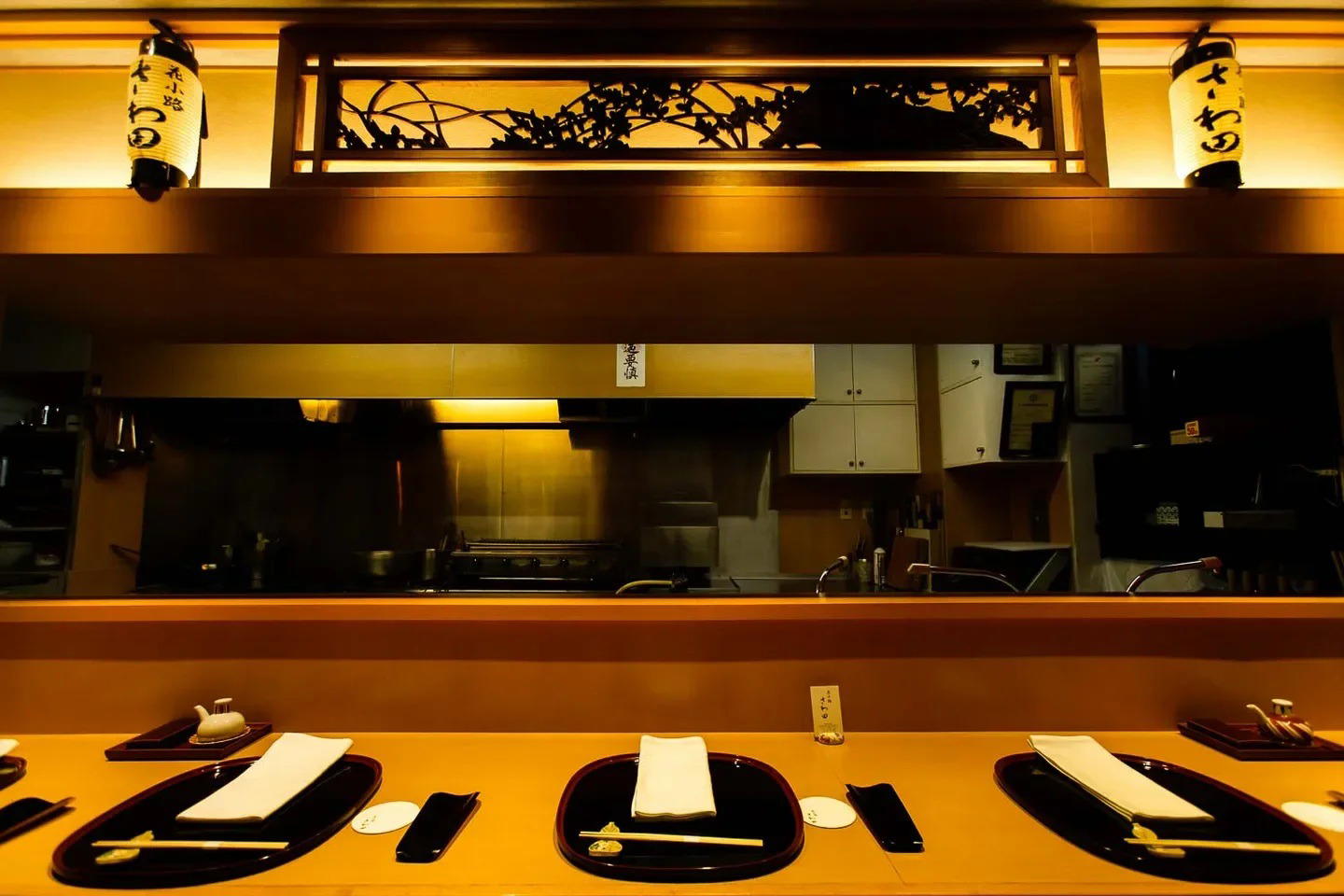
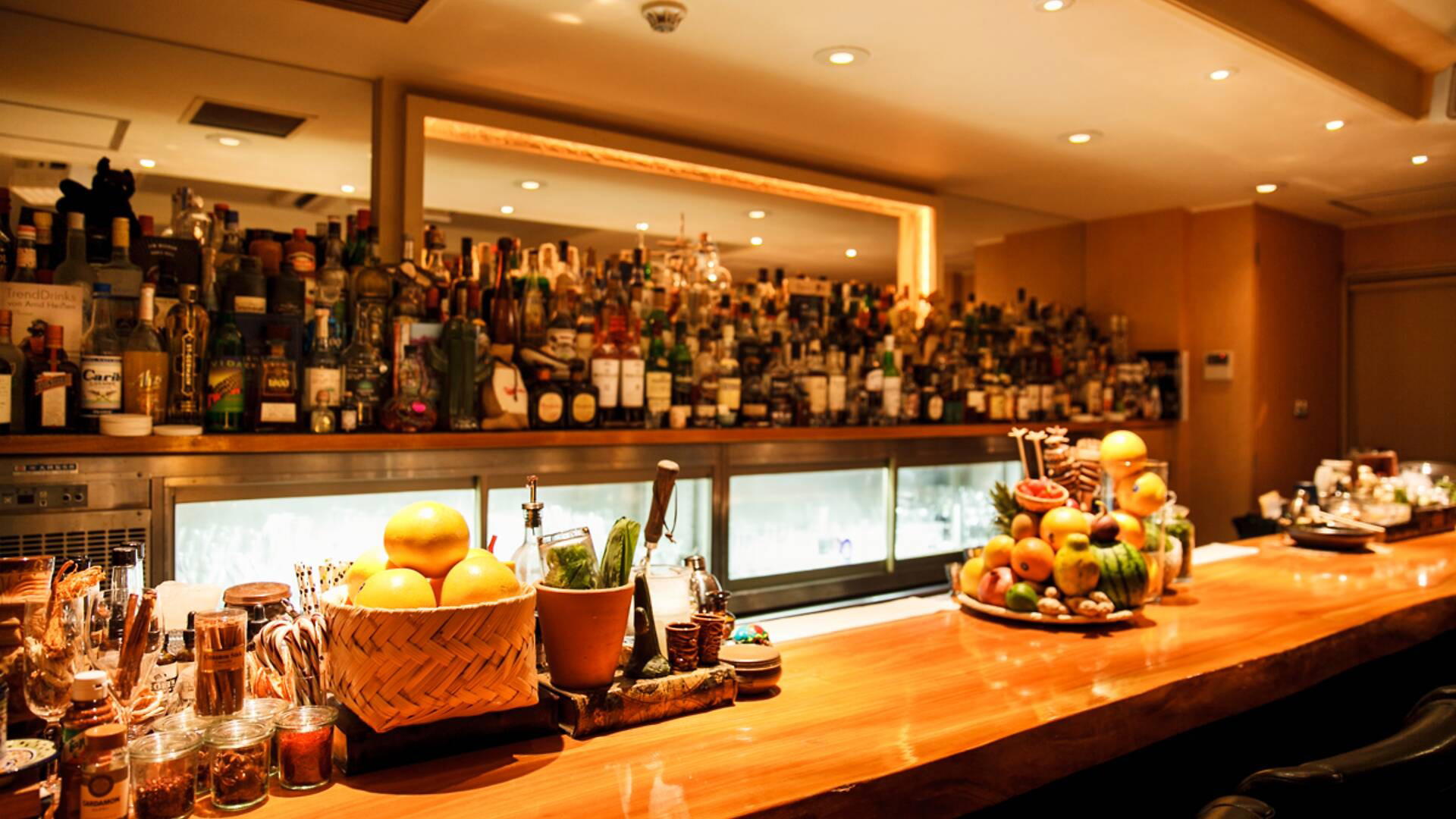
Ginza’s occasion dining often starts before the first course, with the small elevator ride, the hush of an upper-floor room, and the shift from street-level retail glare to a controlled counter setting. Hiroyuki fits that Tokyo grammar: compact, reservation-led, and built for diners who want the evening to feel deliberate rather than improvised. The room is not trying to overwhelm with theatre. Its scale does the work: six counter seats and two table seats create the kind of close-focus meal where conversation, pacing, and the kitchen’s handling of fish matter more than decorative excess.
That matters in Ginza, where celebration restaurants split into several camps. Some lean on sushi orthodoxy, some on kaiseki formality, and others on hybrid Japanese cooking that keeps seafood at the center while allowing more creative structure. Hiroyuki belongs to the last group. Its category signals are Japanese cuisine, creative cooking, and seafood, with a stated emphasis on fish. For a birthday dinner, anniversary, or client meal that should feel Japanese without being locked into a sushi-only format, that positioning is the point.
A fish-led Ginza counter for milestone meals
Tokyo has made counter dining feel natural across price tiers, but the serious small-room version changes the social contract. Diners are not simply buying courses; they are buying concentration. A restaurant with eight seats cannot hide weak pacing behind volume, and it cannot rely on the anonymity of a large dining room. This is why compact Japanese counters remain such reliable settings for milestone meals: the room itself limits distraction.
Hiroyuki’s reputation has been built less around a celebrity-chef narrative than around category discipline. Tabelog selected it for Tokyo Japanese cuisine in its Tabelog 100 list in 2021, 2023, and 2025, and Opinionated About Dining included it as Recommended in its 2026 Japan Top Restaurants coverage. Those signals place it in the serious Tokyo Japanese dining conversation without turning it into a trophy-only address. The more useful reading is narrower: this is a Ginza seafood-driven Japanese restaurant with enough consistency to appear repeatedly in local ranking culture.
The comparison inside the neighborhood is instructive. Ginza can support everything from everyday counters to specialist eel rooms and long-running casual institutions. Kyokasuduke Uokyu Ginza ten and Coffee Senmon Ten Sanjikken Ginza honten sit in a lower spend bracket, while Ginza Yondaime TAKAHASHIYA works a more focused unagi lane. Ginza Nair's Restaurant offers a different casual register entirely, and 二葉鮨 points toward the area’s sushi lineage. Hiroyuki is not competing with those meals on spontaneity or everyday value. It occupies the smaller-occasion tier, where a diner chooses intimacy, fish focus, and Japanese course structure over breadth.
Why the format suits celebrations, not group sprawl
Occasion restaurants succeed when they reduce decision fatigue. In Tokyo, that often means a set rhythm, a compact room, and a cuisine style with enough ceremony to mark the night without forcing guests into stiff formality. Hiroyuki’s counter-and-table layout supports couples and small parties better than large social gatherings. The venue can handle private use for up to 20 people, but the natural energy of the place is closer to a quiet celebration than a noisy banquet.
The practical etiquette also tells experienced diners what kind of night this is. Strong fragrances are discouraged, a common but meaningful rule in serious Japanese rooms where aroma can interfere with seafood and soup courses. Children are generally not part of the format unless they can take the same course as adults. Food allergies need advance discussion, and same-day adjustments are not the expectation. None of this is unusual at this level in Tokyo; it simply confirms that the meal is designed around a controlled sequence rather than casual customization.
For travelers, the location near Higashi-Ginza gives the restaurant an advantage that many destination counters lack: it can anchor an evening without sending the whole itinerary off course. Higashi-Ginza is also useful because it sits between theatre district formality, department-store Ginza, and the broader Chuo dining grid. That makes the restaurant particularly sensible for an anniversary night built around Ginza rather than a cross-city chase for a famous seat.
Readers mapping Tokyo meals by mood rather than category can use Hiroyuki as the composed Japanese dinner in a larger itinerary. For wider city planning, Our full Tokyo restaurants guide gives the broader dining frame, while Our full Tokyo hotels guide, Our full Tokyo bars guide, Our full Tokyo wineries guide, and Our full Tokyo experiences guide help place the meal in the rest of the trip. Within the city’s restaurant spread, contrasts range from. 鮪と炭火焼き うお炭 秋葉原店 and 12/10 Shinjuku ten to 124. KAGURAZAKA (Yakitori), 2D Cafe, and 3 Chome no Curry Ya San. Beyond Tokyo, the same planning logic extends to -Grilled beef Sukiyaki- KAMAKURA TANUKIAN 鎌倉 たぬき庵 in Kamakura.cafe in Osaka.know in Kumamoto, (Shoku) Vietnam in Kawasaki, [Curry Senmon Ten] Maruyama Kyoju. in Sapporo, [ki:] in Kyoto, Jōdo Saké Bar in Los Angeles, and Onigiri Time in Pasadena.
The read
The strongest reason to choose Hiroyuki is not novelty. It is the confidence of a small Ginza Japanese restaurant that treats seafood, pacing, and room control as the occasion. The awards history gives useful validation, but the editorial case is simpler: this is a restaurant for diners who want a measured celebration, not a scene. It suits couples, serious small parties, and travelers who understand that in Tokyo, restraint can be the luxury.
Recognition Snapshot
Comparable venues by cuisine and price in the same metro.
| Venue | Cuisine | Price | Notes |
|---|---|---|---|
| HiroyukiThis venue — the venue you are viewing | Creative Japanese "luxurious home cooking" course at an 8-seat Ginza counter | $$$$ | Not listed |
| Kyoaji (京味) | Traditional Kyoto-Style Kaiseki Omakase | $$$$ | Shinbashi |
| 日本料理 つきぢ田村 | Traditional Japanese Kaiseki | $$$$ | Chūō |
| Sushi Ichi | Traditional Edomae Omakase | $$$$ | Chūō |
| USHIGORO S. GINZA | Luxury Yakiniku (Japanese BBQ) | $$$$ | Chūō |
| Sushi Saitou Azabudai | High-End Edomae Sushi Omakase | $$$$ | Minato |
Recognition history
Dated appearances from independent guides and award organizations, with the underlying list record or original source where available.
Opinionated About Dining Top Restaurants in Japan Recommended
Opinionated About Dining
Tabelog 100 #80 · No. 80
Tabelog · Tabelog 100 - Japanese cuisine - TOKYO - 2025









At a Glance
- Romantic
- Cozy
- Elegant
- Intimate
- Sophisticated
- Date Night
- Business Dinner
- Celebration
- Special Occasion
- Private Event
- Chefs Counter
- Standalone
- Sake Program
- Beer Program
- Local Sourcing
Current opening hours
- Monday
- 6–11 PM
- Tuesday
- 6–11 PM
- Wednesday
- 11:30 AM–2:30 PM, 6–11 PM
- Thursday
- 11:30 AM–2:30 PM, 6–11 PM
- Friday
- 11:30 AM–2:30 PM, 6–11 PM
- Saturday
- 12–2:30 PM, 6–11 PM
- Sunday
- 12–2:30 PM, 5–11 PM
Hours can change for holidays and private events. Last verified .
A small counter-only dining room on a quiet upper floor off Showa-dori, with refined Japanese decor and a calm, adult, almost bar-like atmosphere that feels polished rather than formal, designed for relaxed conversations over a leisurely course meal.